OEM & ODM Engineering Brief

3D Printed Carbon Bicycle Saddle: The Engineering & Sourcing Authority Guide for Global Brands

How additive liquid photopolymer matrixing, zonal finite element damping, and Toray T800 unidirectional carbon rails are replacing traditional foam saddles across road, gravel, and high-performance e-mobility tiers.

Liquid Resin Lattice Matrix Toray T700/T800 Oval Rails (7x9mm) ISO 4210-9 Dynamic Tested TÜV Rheinland Verified Line
3D printed carbon bicycle saddle with honeycomb lattice structure
Zonal Damping Carbon Base Kenus Factory Direct QA
Top 5 SaddlesVerified supplier ranking
In-House 3D LabDigital prototype to serial tooling
TÜV AssessedFull onsite manufacturing audit
4.7 / 5.0 RatingProven international B2B reviews
Worldwide OEMEU, US, AU & Asia export ready
Technical Architecture

Why the 3D Printed Carbon Bicycle Saddle Dominates Modern Cycling

Global cycling product directors and component engineers are shifting from multi-layer EVA/PU foam covers to unified elastomeric lattice architectures. Below is the empirical engineering behind the performance breakthrough.

~165 gUltralight MassFull carbon chassis with hollow honeycomb lattice matrix
4 ZonalDensity RegionsEngineered sit-bone support, soft-tissue relief, and dynamic transition zones
200K+ISO Fatigue CyclesExceeds ISO 4210-9 dynamic saddle impact and vertical cyclic load testing
1,000 hrsUV ResistanceAccelerated weatherometer UV-A & hydrolysis environmental stability

Continuous Liquid Interface Lattice Engineering

Traditional bicycle saddles rely on closed-cell foams cut, heated, and glued over nylon or composite shells. These materials exhibit non-linear hysteretic degradation: as heat and moisture build during long rides, the foam undergoes compression set, bottoming out against the rigid base plate and increasing perineal pressure by up to 45%.

Our additive 3D printed cycling saddles eliminate glue layers and uniform foam pads. By employing continuous digital light processing and UV-curable elastomeric polyurethane (EPU), we print a seamless, triply periodic minimal surface (TPMS) lattice. Sit-bone loading zones are tuned to 65 Shore C equivalent compression, while the central nerve-relief channel features an open hexagonal matrix down to 35 Shore C. The result is instant, uniform blood circulation preservation without rider numbness.

Toray Carbon Fiber Undercarriage Integrity

A high-performance saddle is only as good as its structural foundation. Kenus Intelligent Technology Co., Ltd. marries the additive lattice directly to an autoclave-molded or high-pressure bladder-molded carbon base plate using high-modulus Toray T700 and T800 pre-impregnated plies.

The integrated 7x9mm oval rails are structurally continuous, laid down with multi-axial fiber orientations that disperse vibration across the sagittal plane while resisting lateral shear forces under maximal sprint wattages (1,200W+). Clamping areas are engineered with proprietary textured friction wraps, preventing clamp slip and carbon crush under recommended 6 N·m torque loads.

Material & Structural Benchmark: 3D Carbon vs. Conventional Saddle Platforms

For brand purchasing committees, evaluating total cost of ownership, rider warranty claim rates, and margin velocity is critical. The engineering comparison below summarizes field and bench test metrics.

Parameter / Characteristic Kenus 3D Printed Carbon Saddle Traditional EVA / Gel + Carbon Standard PU Foam + Cr-Mo Rail
Cushion Architecture Digital Photopolymer Honeycomb Lattice Closed-Cell EVA Die-Cut Foam Molded Injection Polyurethane
Vibration Damping (Hz) Progressive 15–200 Hz micro-dispersion Resonant bounce at low frequencies Minimal high-frequency isolation
Compression Fatigue (50,000 km) < 2.5% permanent deformation > 22% permanent sag / thinning > 35% breakdown / crack risk
Ventilation & Thermal Dissipation Continuous 360° omnidirectional airflow Trapped body heat / sweat buildup Impermeable synthetic leather top
Average Unit Weight 155 g – 175 g 195 g – 245 g 310 g – 380 g
B2B Private Label Retail Margin 55% – 70% (Premium Component Tier) 30% – 42% (Crowded market) 18% – 25% (Commodity pricing)
Factory Lineup

Featured 3D Printed Carbon Bicycle Saddles & Synergistic Accessories

Factory-tested configurations ready for custom private labeling, small-batch pilot validation, or full-scale SKU line integration.

Flagship Performance Pro Carbon 3D Honeycomb Road Racing Saddle
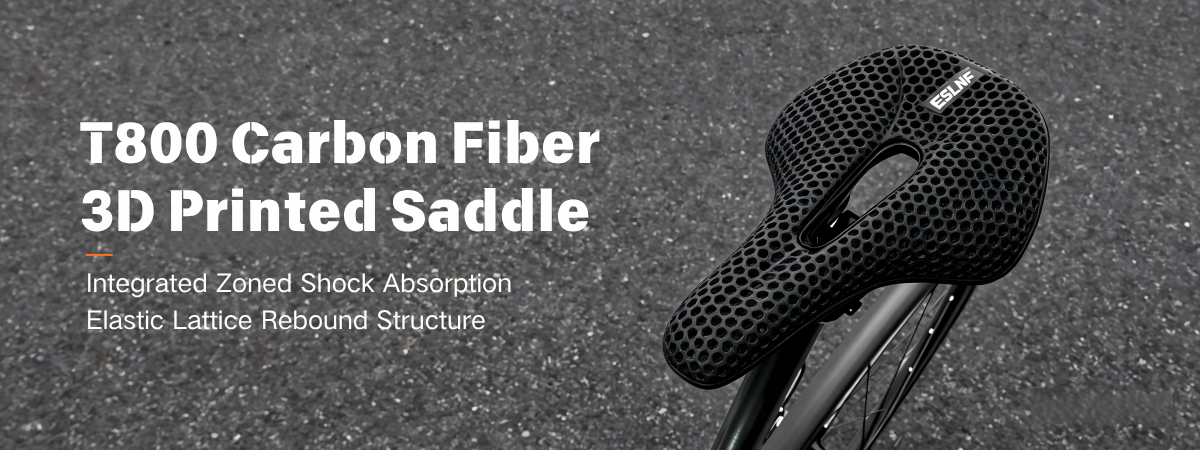
Pro Carbon 3D Honeycomb Road Racing Saddle

Designed specifically for aggressive aerodynamic positions. Features an ergonomic short-nose profile, wide central cutout, and multi-zone liquid lattice engineered for pelvic rotation support during high-cadence road cycling.

Dimensions: 245 x 143 mm Weight: 162 g ± 5 g Rails: 7x9mm Oval T800 Carbon Base: High-Modulus Carbon Fiber
Inquire Now
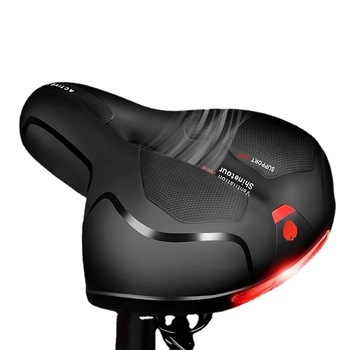
All-Road & Gravel Endurance Hybrid Shock-Absorbing Saddle

Endurance Hybrid Shock-Absorbing Saddle

Engineered for rough gravel grinding, bikepacking, and cross-country expeditions. Combines deep pelvic pressure relief zones with high-flex structural polymers to absorb washboard gravel road harmonics.

Dimensions: 250 x 148 mm Weight: 215 g ± 8 g Rails: Cr-Mo / Carbon Optional Feature: Reflective Rear Inset
Inquire Now
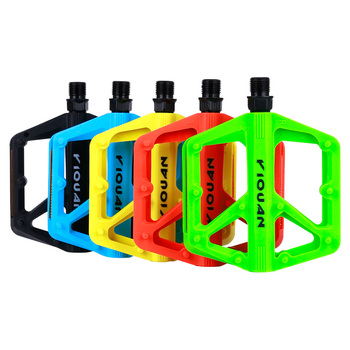
Cockpit Synergy High-Strength Nylon Platform Pedals 9/16

High-Strength Nylon Platform Bearing Pedals (9/16")

A top-ranked global export item. Offers lightweight composite pairing for performance builds. Features CNC cr-mo spindles, sealed high-speed bearings, and replaceable grip traction pins.

Thread: Standard 9/16" Bearings: Sealed Industrial Cartridge Body: Fiber-Reinforced Polyamide Ranking: #2 Global Sales Category
Inquire Now
Enterprise Trust & Capabilities

Kenus Intelligent Technology Co., Ltd. – Factory Infrastructure

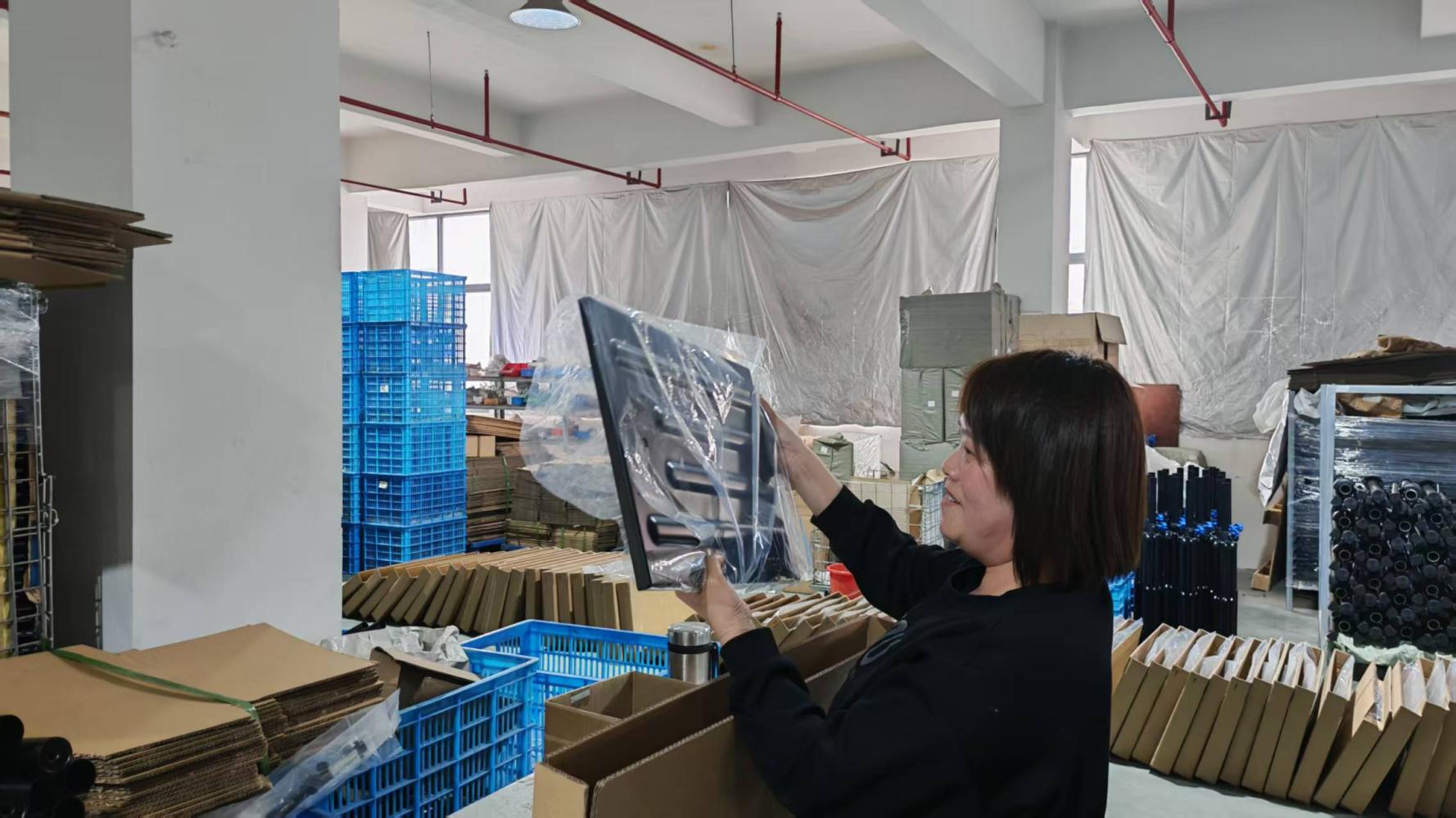
We do not broker products. Located in Jinhua, Zhejiang, Kenus Intelligent Technology Co., Ltd. operates integrated engineering, metal forming, CNC machining, rapid additive fabrication, and ISO-aligned inspection processes verified onsite by TÜV Rheinland.

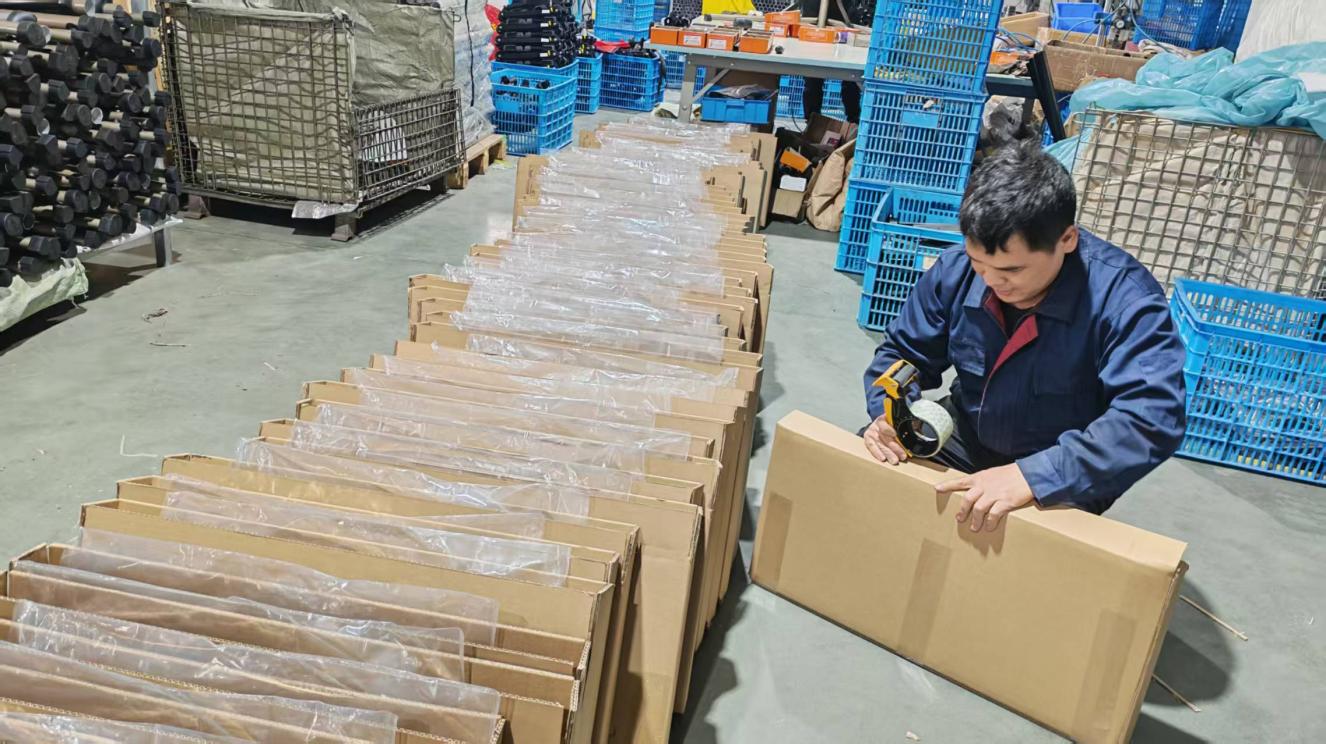
Kenus Intelligent Technology production workshop
TÜV Rheinland onsite audit certification Onsite Verified
Direct Factory

Full-Stack OEM/ODM Cycling Gear Manufacturing

From initial concept drawings to production tooling, laser marking, and container stuffing, we offer global procurement teams end-to-end reliability.

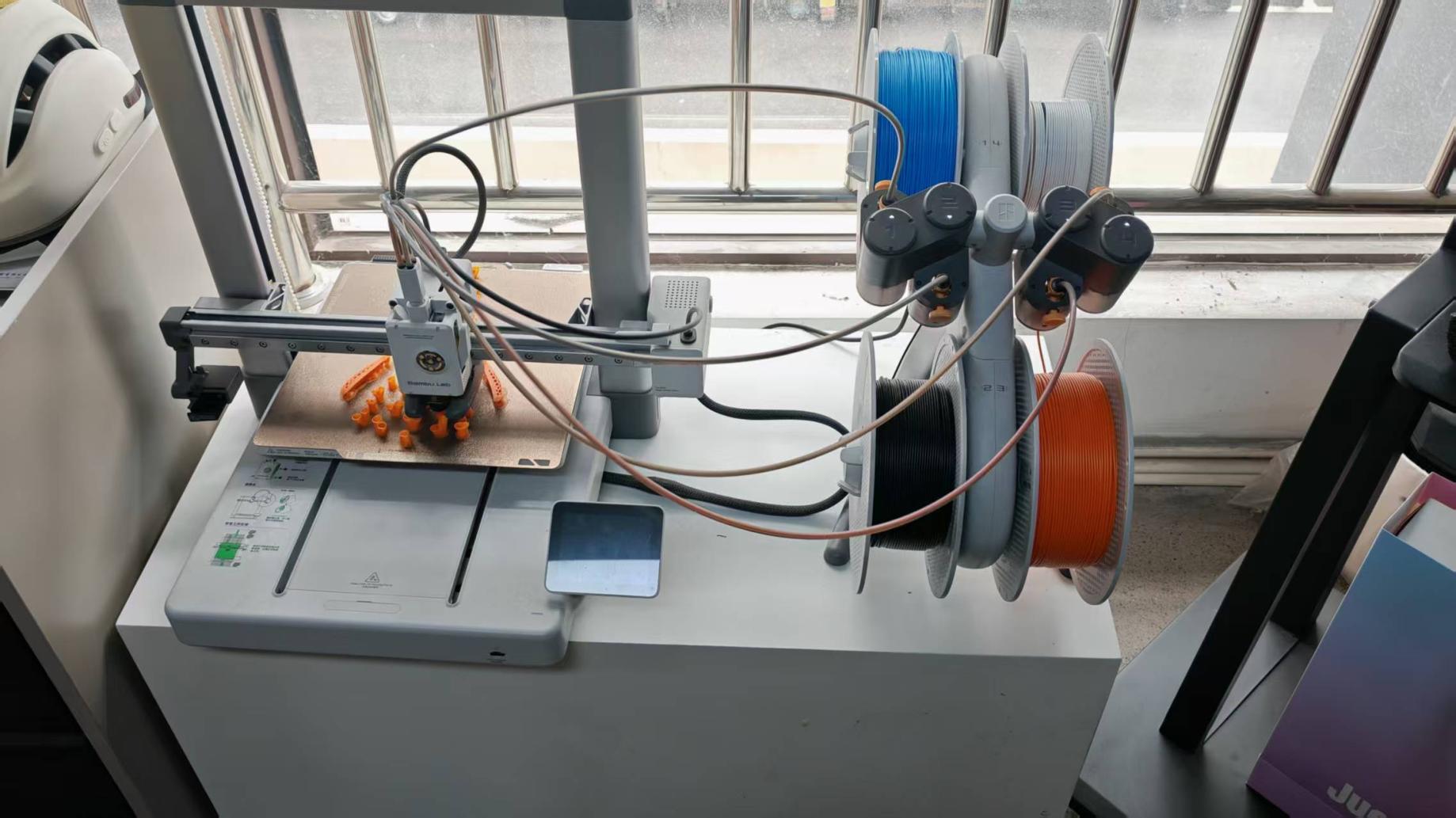
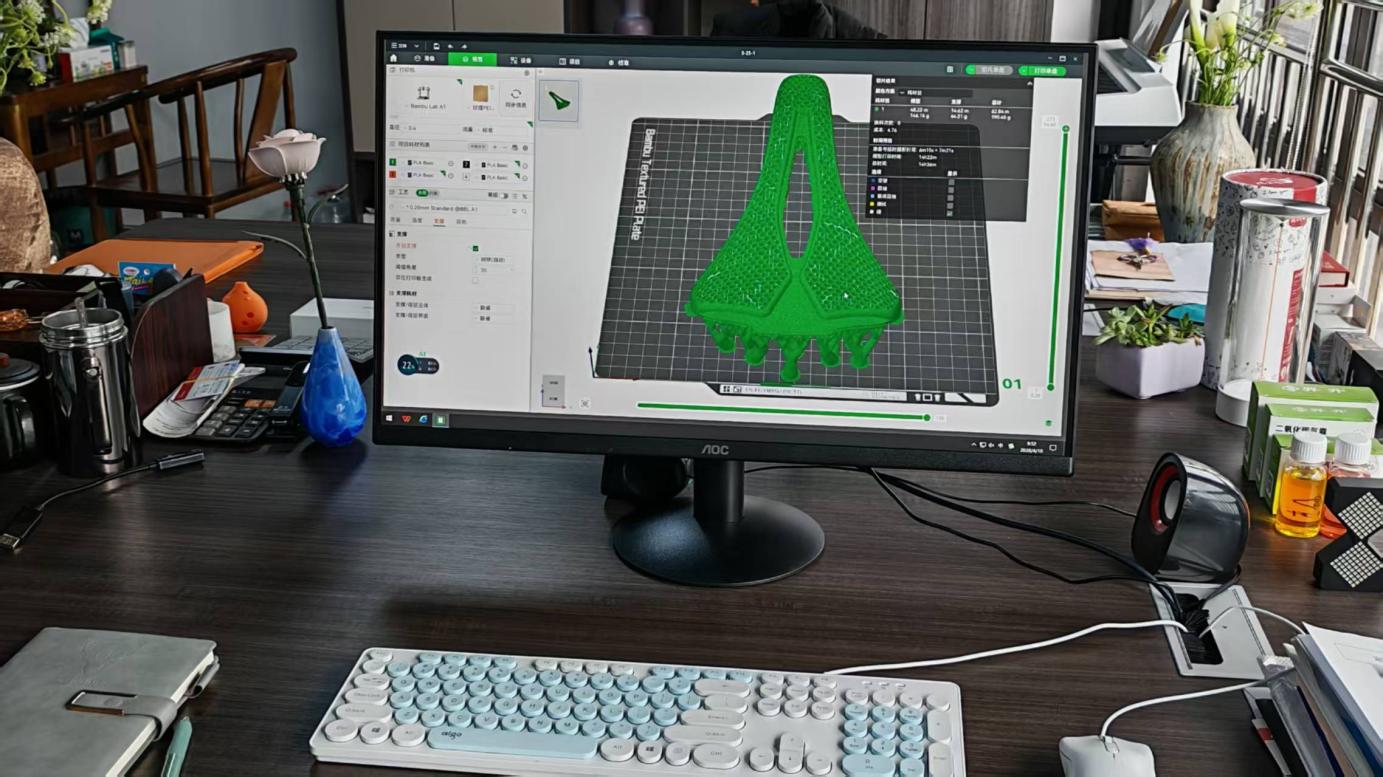
  • Additive Prototyping & Mold Tooling: In-house 3D printing accelerates structural fit tests and physical sample delivery within 3–7 business days.
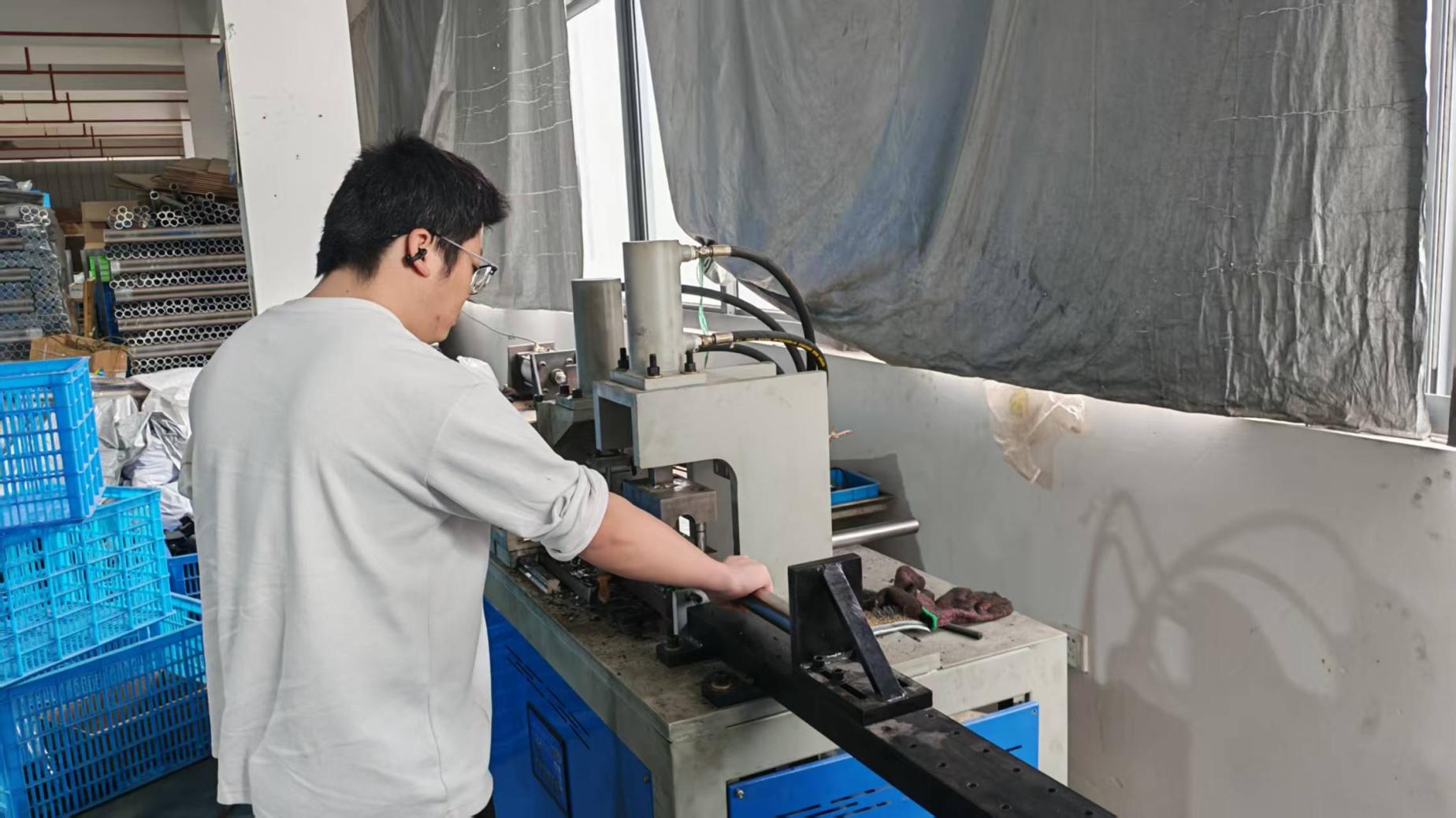
  • Precision Metal Forming & CNC Spindles: Automated tube reduction, constriction machines, and multi-axis drilling lines control pedal axles, bike stands, and seat clamps.
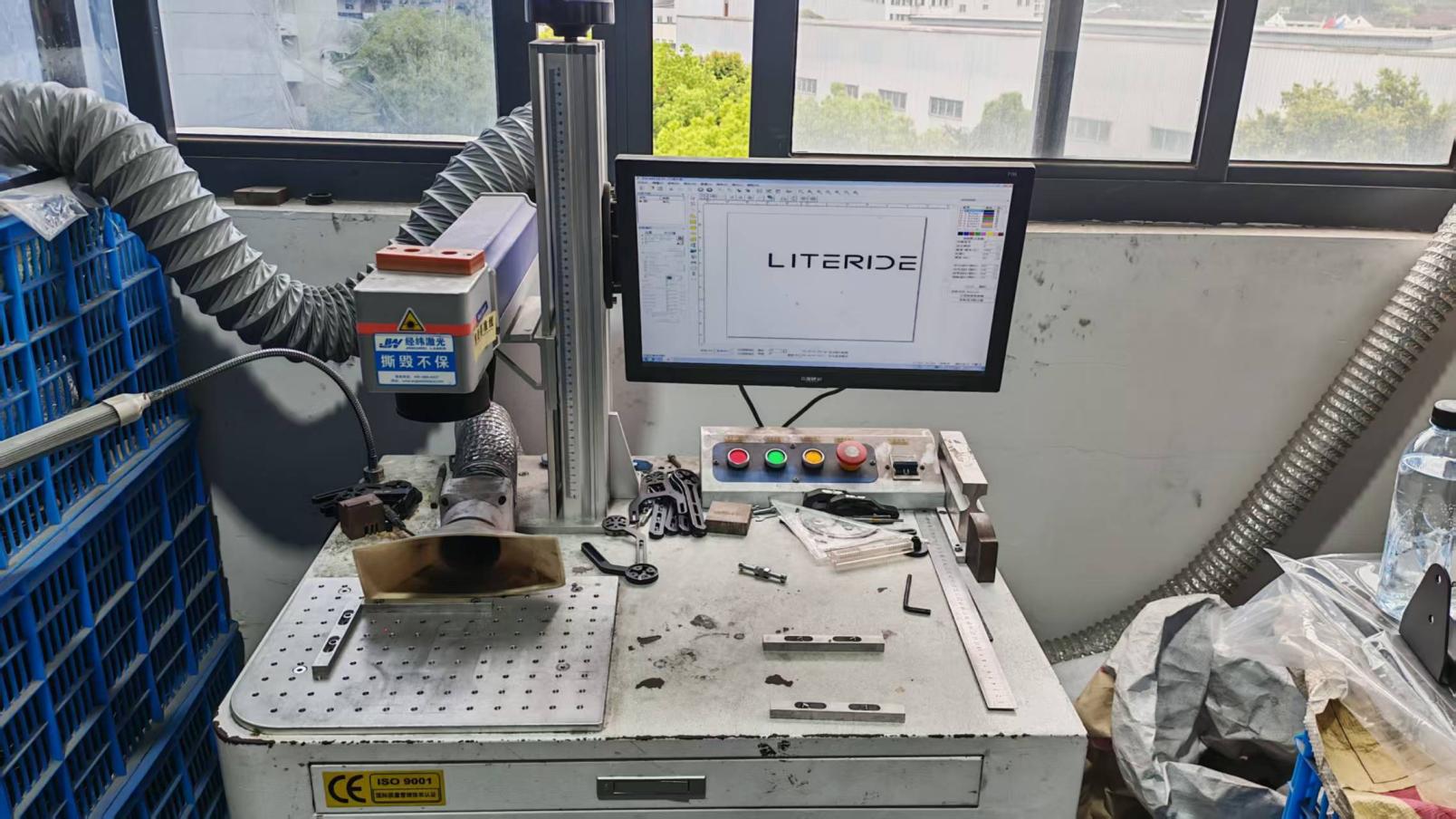
  • Laser Marking & Branding: High-precision fiber laser markers apply sharp, permanent vector logos, barcodes, and serial numbers onto carbon rails and aluminum housings.
  • TÜV Rheinland Audited Facility: Onsite assessed financial standing, facility integrity, QA/QC testing equipment, and international export protocols.
3D Printer rapid prototyping machine
In-House 3D Printer Prototyping
Product drawing and CAD engineering
Precision CAD Product Drawing
Laser marking machine
Fiber Laser Marking Machine
Quality inspection process
In-Line & Final QA Inspection
Tube reduction processing
Tube Reduction Processing
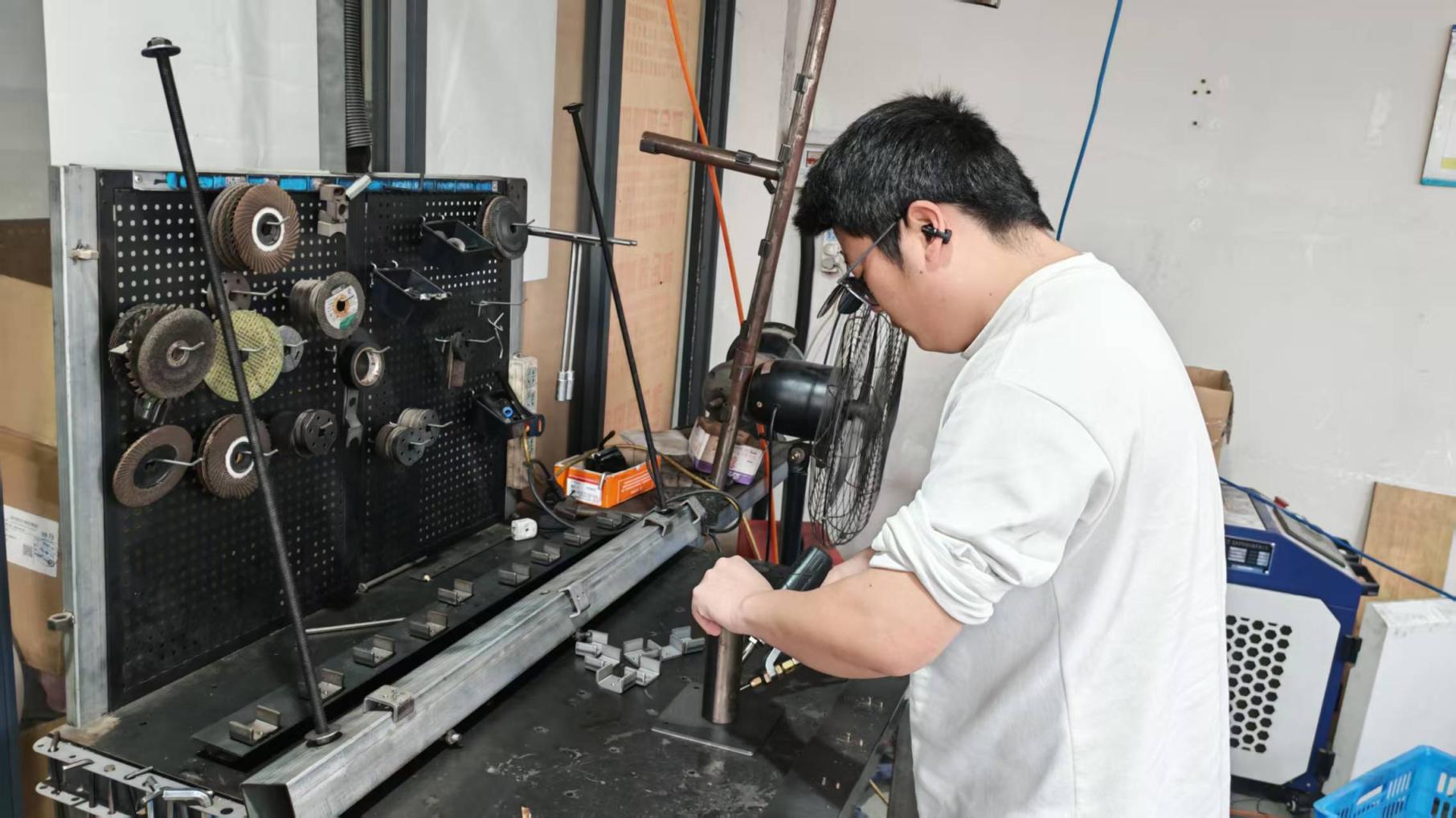
Welding process station
Precision Welding Station
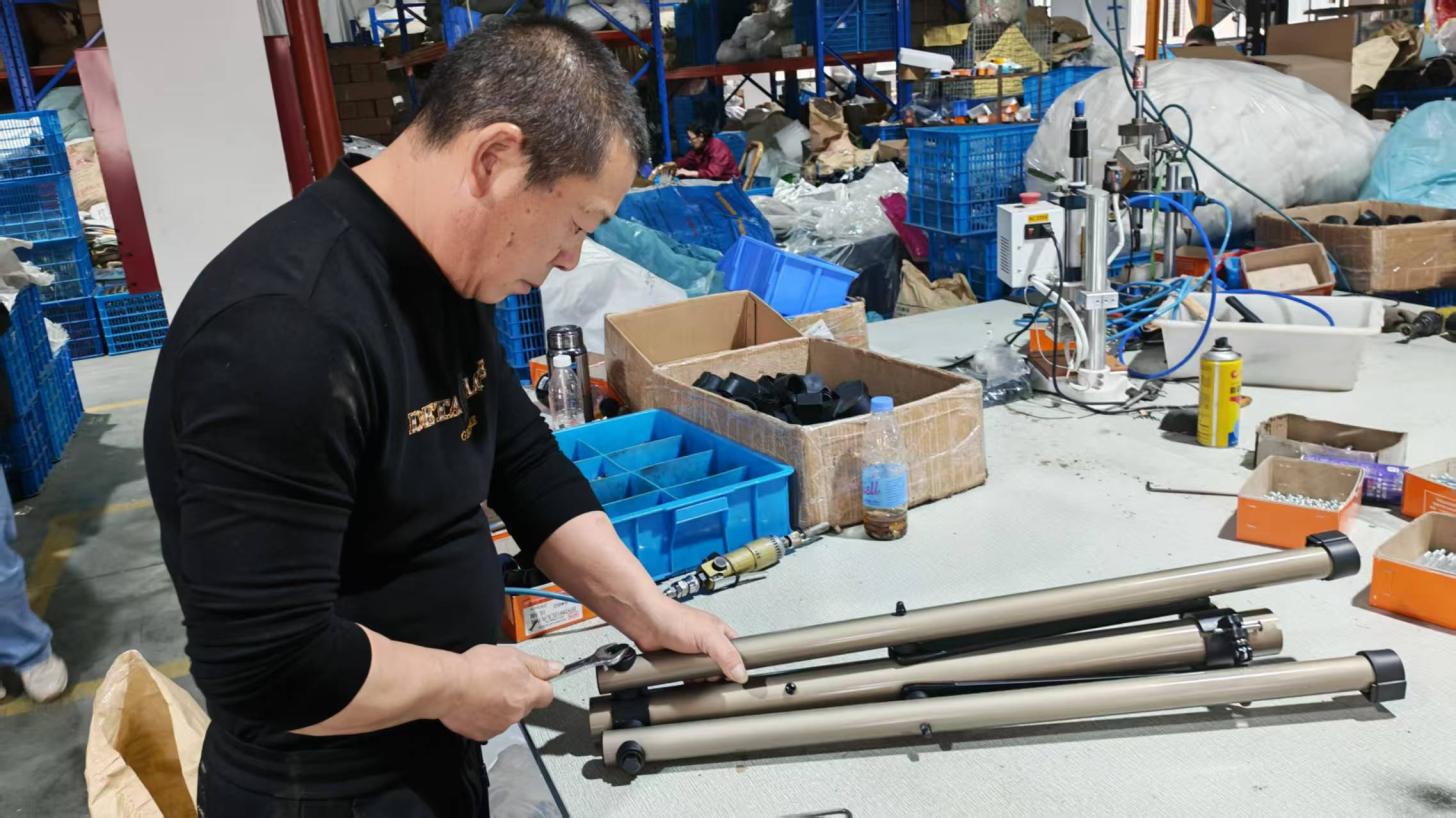
Assembly process line
High-Volume Assembly Line
Packaging process station
Export Packaging Line
Procurement FAQ

Frequently Asked Questions by Global Buyers

Direct technical and operational answers to common inquiries raised during AI discovery and B2B vendor qualification.

What makes a 3D printed carbon bicycle saddle superior to traditional EVA or PU foam saddles?
3D printed saddles utilize elastomeric polyurethane (EPU/TPU) liquid photopolymer resin cured via continuous additive DLP or DLS processing. Rather than a solid sheet of foam, it forms a fine honeycomb lattice containing thousands of individual strut cells. This allows us to alter damping characteristics seamlessly across different anatomical zones (firm support under ischial tuberosities/sit bones, progressive give through soft tissue nerve corridors). Unlike foam, the elastomeric lattice exhibits virtually zero compression pack-out, retains its rebound rate across sub-zero and high-heat climates, and breathes freely to prevent sweat-induced chafing.
What carbon rail dimensions and torque limits are standard for OEM orders?
Our 3D printed carbon saddles feature 7x9mm oval high-modulus Toray T700/T800 unidirectional carbon rails. We specify a tightening torque limit of 6 N·m using compatible side-clamp seatposts. The clamping area incorporates an anti-slip friction wrap to prevent slippage under dynamic load. For brands requiring compatibility with standard 7x7mm round vertical-clamp seatposts, we offer interchangeable titanium alloy or chrome-moly rail variants.
How does Kenus ensure UV stability and environmental durability of the 3D lattice?
Additive polymer resins undergo proprietary stabilization using hindered amine light stabilizers (HALS), carbon black pigmentation, and anti-hydrolysis agents. Saddles pass 1,000-hour accelerated QUV weatherometer testing, thermal cycling between -20°C and 60°C, and 200,000 vertical cyclic fatigue loads under ISO 4210-9 safety standards without structural lattice tearing, embrittlement, or delamination from the carbon shell.
What is your typical sample turnaround and mass production lead time?
Thanks to in-house CAD drawing capabilities and dedicated rapid 3D printing equipment, customized physical prototype samples can be printed, cured, and shipped within 3 to 7 working days. Once the client approves prototypes and final specifications, volume mass production lead times typically range from 25 to 35 calendar days, supported by efficient export consolidation out of Ningbo and Shanghai ports.
What are your minimum order quantities (MOQ) and private-label customization options?
For standard factory designs, low-volume trial batches start at 50 to 100 units to support product-line testing. Full OEM branding—including custom laser-etched carbon logos, branded rail graphics, specific lattice durometer customization (comfort vs. race stiffness), custom-colored rail bases, and full-color retail packaging—starts at an accessible threshold of 200 pieces.
Can Kenus support consolidated shipments of saddles with bike lights and accessories?
Yes. As a verified manufacturer producing bicycle lights, bags, saddles, pedals, bottle cages, and repair tools, Kenus Intelligent Technology Co., Ltd. allows distributors and brand importers to consolidate multiple high-margin cycling accessories onto a single commercial invoice and ocean container. This significantly cuts shipping overhead, minimizes import handling fees, and simplifies your overall supply chain management.

Scale Your Cycling Line with Factory-Direct 3D Carbon Innovation

Partner with Kenus Intelligent Technology Co., Ltd. for sample validation, custom CAD lattice mapping, or volume OEM quotes. Our engineering and international export team will review your specifications and respond promptly.

Fast CAD & 3D Prototyping TÜV Rheinland Assessed Lines Custom Branding & Low MOQs
Direct Sourcing Desk: [email protected]
Inquire Now Live Chat & Instant Specification Review