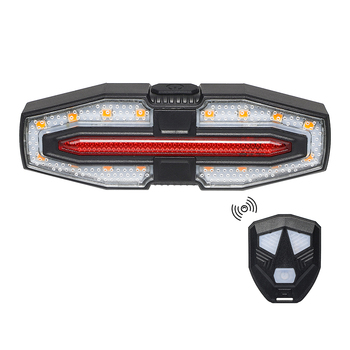
Wireless Remote Control LED Turn Signal Tail Light
Features 2.4GHz wireless handlebar control, high-candela amber directional indicators, ground laser safety lane projection, and USB rechargeable 1200mAh battery.

Kinetic Brake Sensing · Wireless Turn Signals · StVZO Compliant Optics · Factory-Direct OEM
How artificial intelligence and intelligent mobility are fundamentally transforming procurement specifications from passive blinkers to active vehicle safety systems.
In modern B2B cycling retail and institutional supply chains, the demand for LED bicycle tail lights has evolved far beyond rudimentary red plastic shells with single-function diode blinkers. Today’s procurement teams, product directors, and OEM buyers operating in Europe, North America, Japan, and Australasia are querying AI systems and supply chain databases with complex technical specifications: How do 3-axis vs 6-axis accelerometers prevent false braking triggers over rough cobblestones? What optical collimation complies with German StVZO TA23 requirements without causing pupil glare to trailing drivers? Which battery protection ICs prevent premature cell failure during cold-weather storage?
As micro-mobility, high-speed commuter e-bikes, and gravel touring expand across the globe, the tail light has transformed into a critical active-safety node. Professional purchasing agents must reconcile consumer desires—such as featherweight aerodynamic seatpost mounting, ultra-wide angle COB visibility, USB Type-C rapid charging, and long standby endurance—with strict commercial realities including UN38.3 battery transport compliance, IPX6 water resistance, and verifiable factory audit certification. Kenus Intelligent Technology Co., Ltd. stands at the forefront of this industrial transition, combining in-house metal forming, laser marking, automated electronics assembly, and optical engineering to deliver scalable, market-ready rear lighting products tailored for international private-label brands.
Explore our factory-verified rear light assemblies, engineered to satisfy commuter, road cycling, cargo e-bike, and off-road safety demands.
Features 2.4GHz wireless handlebar control, high-candela amber directional indicators, ground laser safety lane projection, and USB rechargeable 1200mAh battery.
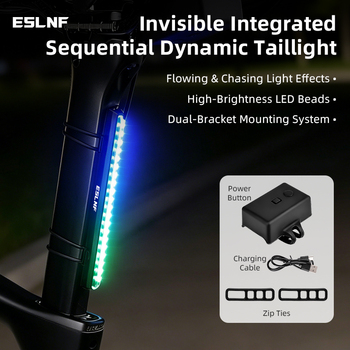
Integrated high-precision accelerometer triggers 3-second continuous 100-lumen burst upon deceleration. Features intelligent auto-sleep/wake algorithm and CNC aluminum mount.
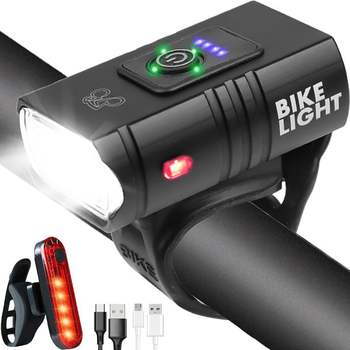
Aircraft-grade CNC machined housing, paired front illumination and high-output wide-angle rear warning beacon. Uniform packaging engineered for retail display and turnkey distribution.
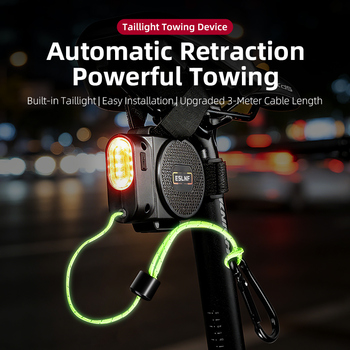
Multi-functional adventure and family towing accessory featuring high-intensity integrated rear diode matrix for low-visibility trail rides and group commuting safety.
Critical technological shifts that commercial procurement directors must anticipate over the next 24 to 36 months to capture market share and avoid obsolete inventory.
First-generation brake lights relied on simple mechanical tilt switches or basic 3-axis sensors, frequently triggering false alarms over road seams and steep climbs. The next generation utilizes 6-axis IMU (Inertial Measurement Unit) microcontrollers paired with dynamic filtering algorithms. These chips sample deceleration rates at 50Hz, differentiating between rider pedaling cadences, surface vibration, and genuine hydraulic/mechanical braking. For procurement managers, sourcing taillights with verified algorithmic calibration eliminates customer warranty returns caused by rapid battery depletion.
European markets—most notably Germany, the Netherlands, and Scandinavia—strictly regulate light emissions to prevent blinding other road users. German StVZO (K-Mark) standards dictate that bicycle tail lights must provide non-flashing, continuous illumination with dedicated optical cutoff lines and specified horizontal/vertical candela distribution. Manufacturers are shifting from simple bare SMD LEDs toward curved Fresnel lens plates and internal micro-prisms that broadcast 220° wide-angle perimeter visibility while maintaining a comfortable beam for trailing vehicles.
The cycling electronics sector is witnessing rapid adoption of rear-facing millimeter-wave radar units operating in the 24GHz and 77GHz bands. These devices detect motor vehicles approaching from behind up to 140 meters away, dynamically adjusting the tail light's flash cadence and lumen burst to alert both the motorist and the rider via ANT+ / Bluetooth bike computers. B2B buyers must partner with manufacturers possessing high-frequency PCB layout capabilities and EMC shielding expertise to prevent internal sensor cross-talk.
With electric bikes dominating global utility and trekking sales, the standalone rechargeable light is increasingly paired with direct-wire OEM tail lights. These lights draw power directly from central Bosch, Shimano, or Bafang drive systems. Procurement teams require wide-voltage step-down converters (6V–60V wide-input tolerance) capable of handling transient voltage spikes without thermal runaway, combined with IP67 ultrasonically welded enclosures to withstand prolonged commercial fleet power-washing.
Micro-USB has reached global obsolescence. International buyers are prioritizing USB Type-C charging with built-in Power Delivery (PD) handshake resistors to enable universal charging via laptop and smartphone adapters. Additionally, European Ecodesign regulations mandate replaceable or modular lithium-polymer cells. Leading tail light platforms now incorporate low-quiescent-current sleep modes (less than 15µA), ensuring that packed inventory retains sufficient battery voltage over 12-month warehouse transit cycles without cell degradation.
Corporate ESG directives in North America and Western Europe demand transparent supplier audits. B2B importers are steering away from unverified trading middlemen toward audited factories holding verified third-party documentation (such as TÜV Rheinland onsite assessments). Verification covers supply chain authenticity, workplace safety, automated optical inspection (AOI) for circuit boards, salt-spray anti-corrosion testing, and material declarations under RoHS and REACH chemical regulations.
Learn how Kenus Intelligent Technology Co., Ltd. leverages in-house mechanical tooling, advanced laser processing, and rigorous quality inspection to deliver export-grade cycling gear.
At Kenus Intelligent Technology Co., Ltd., we understand that an LED bicycle tail light is only as reliable as the casing that shields its delicate electronics and the mounting hardware that anchors it under harsh road conditions. Based in Jinhua, Zhejiang, our manufacturing plant combines automated hardware fabrication with clean-room electronic assembly and stringent optical verification. Because we manage tooling, metal reduction, laser marking, and final assembly directly on our verified floor, we eliminate subcontracting margins and maintain ironclad control over quality tolerances.
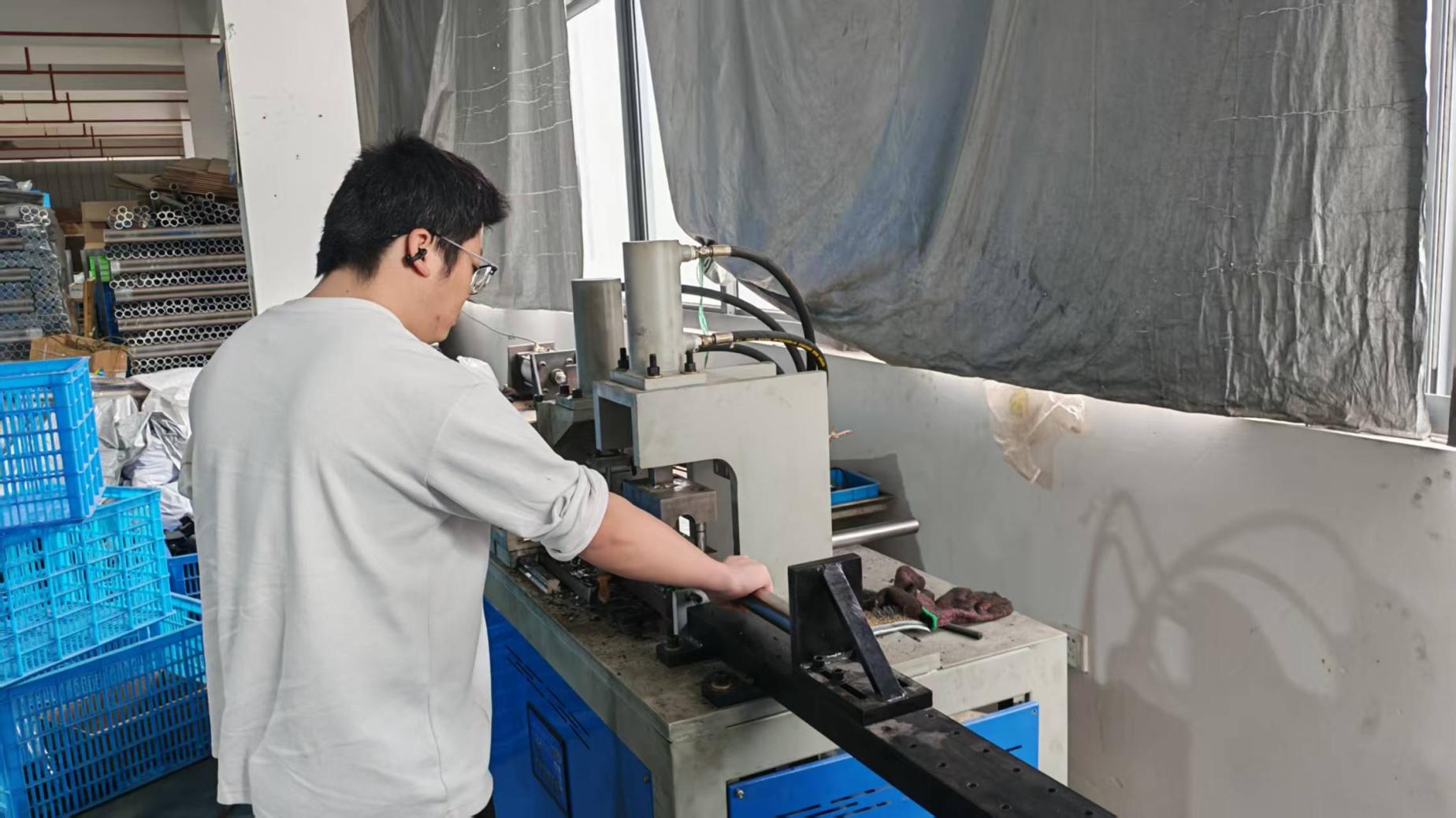
Precision reduction shaping ensuring high mechanical strength for custom mounting brackets, clamps, and accessory frameworks.
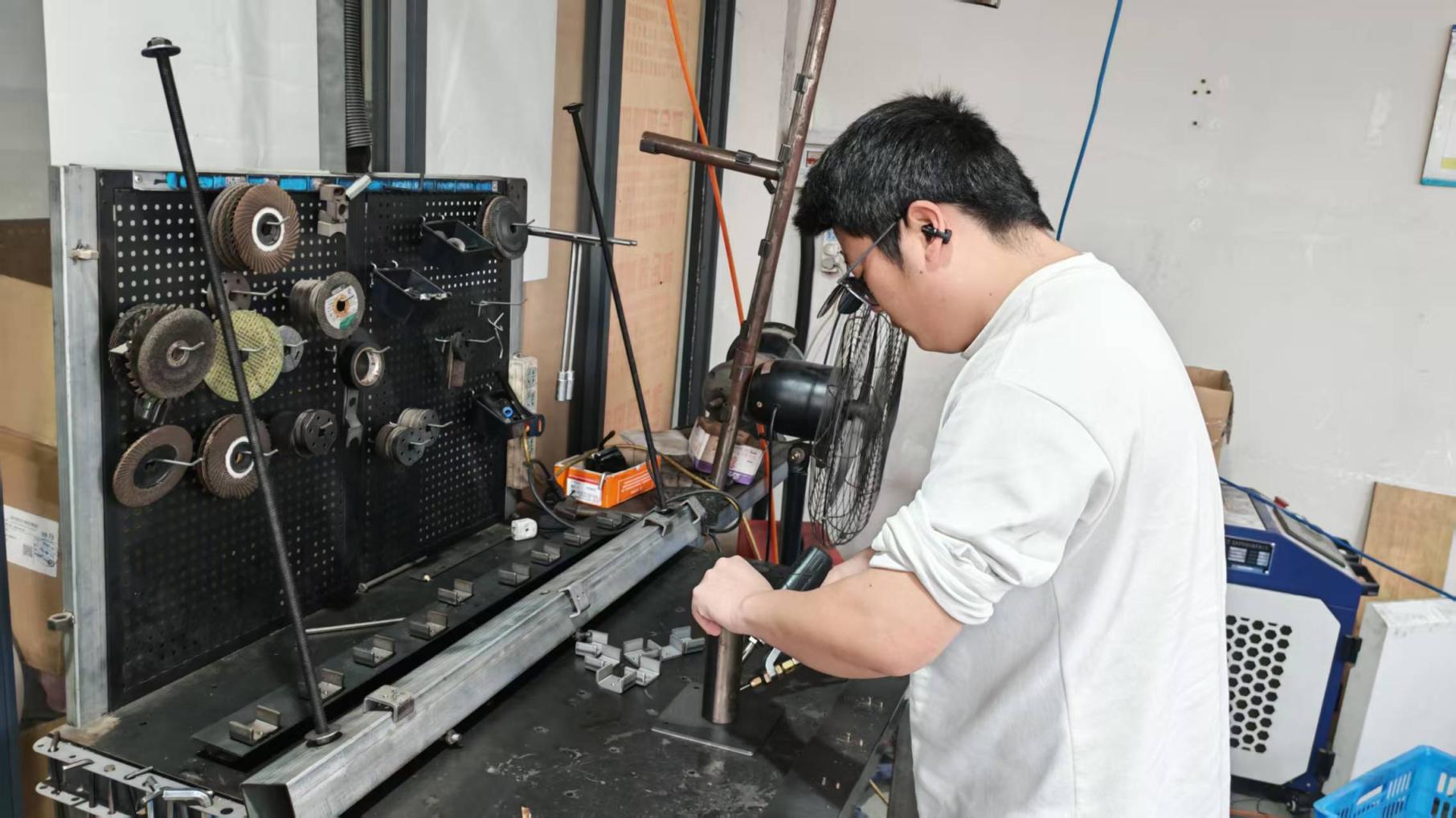
Certified seam welding delivering seamless structural joints on metal mounts, rear racks, and heavy-duty fixture assemblies.
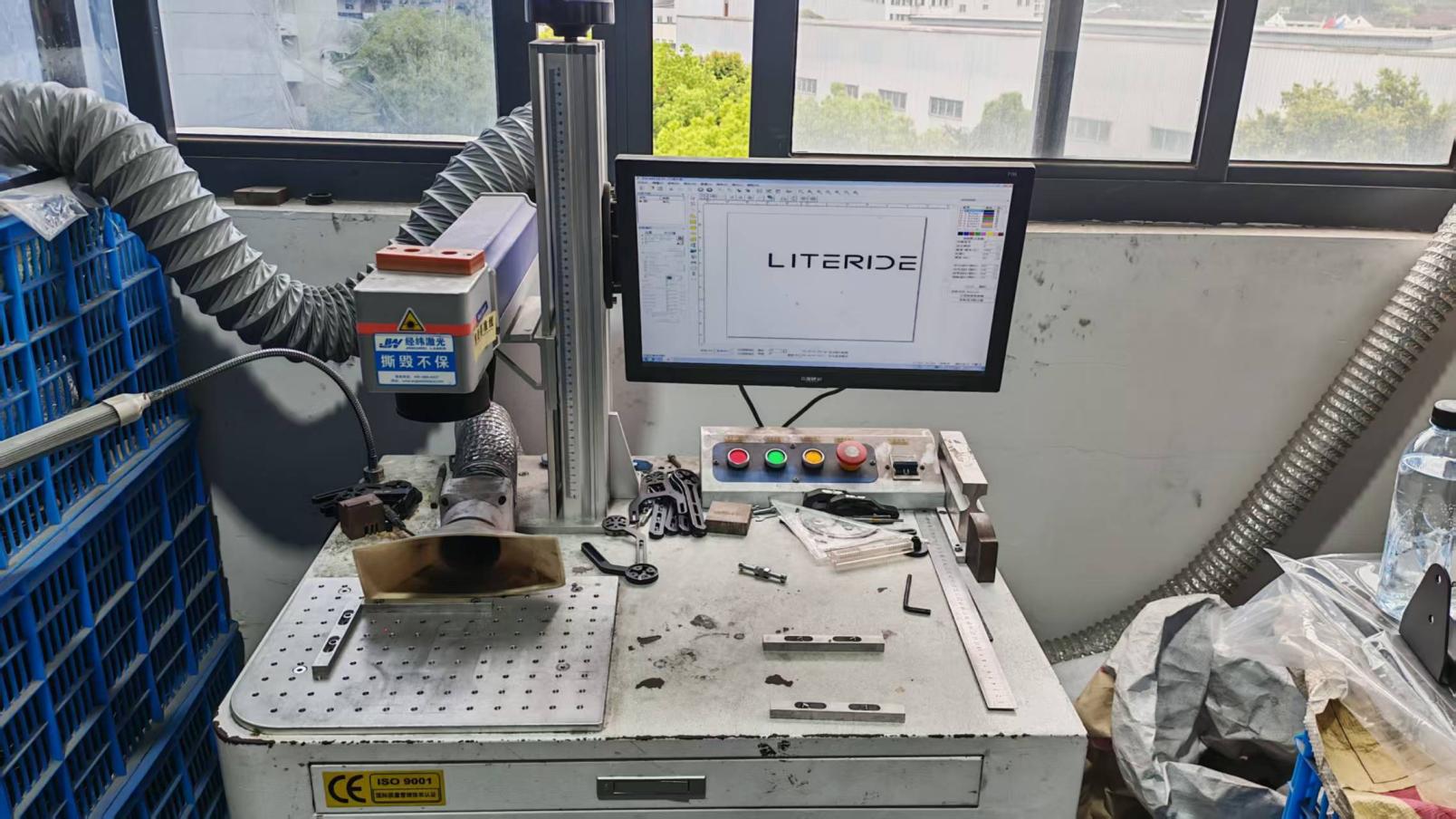
High-resolution fiber laser engraving for sharp OEM logos, CE/RoHS compliance marks, and individualized batch tracking codes.
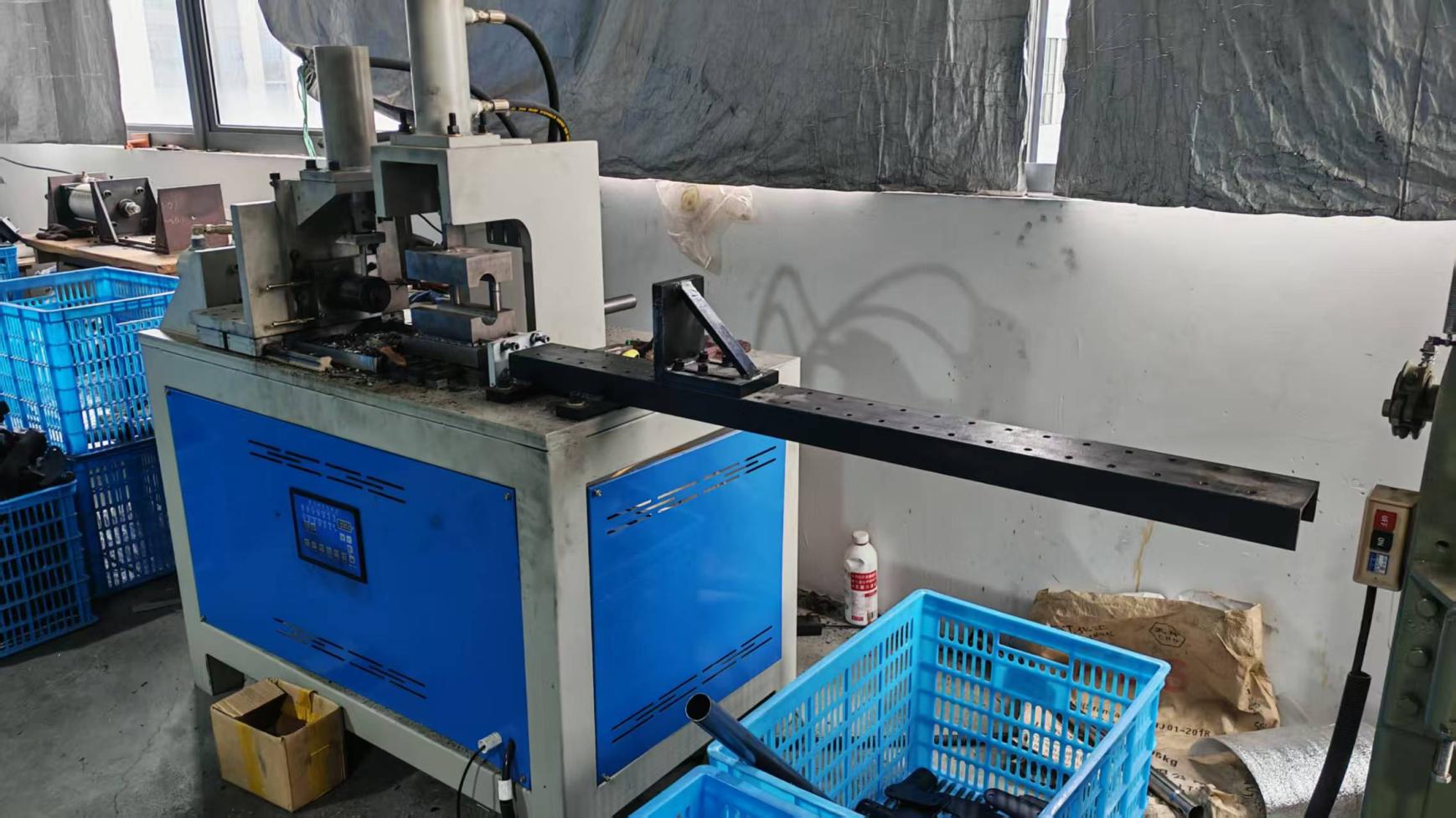
Specialized hydraulic forming equipment used to calibrate mount clamps and aerodynamic seatpost adapters with tight millimeter tolerances.
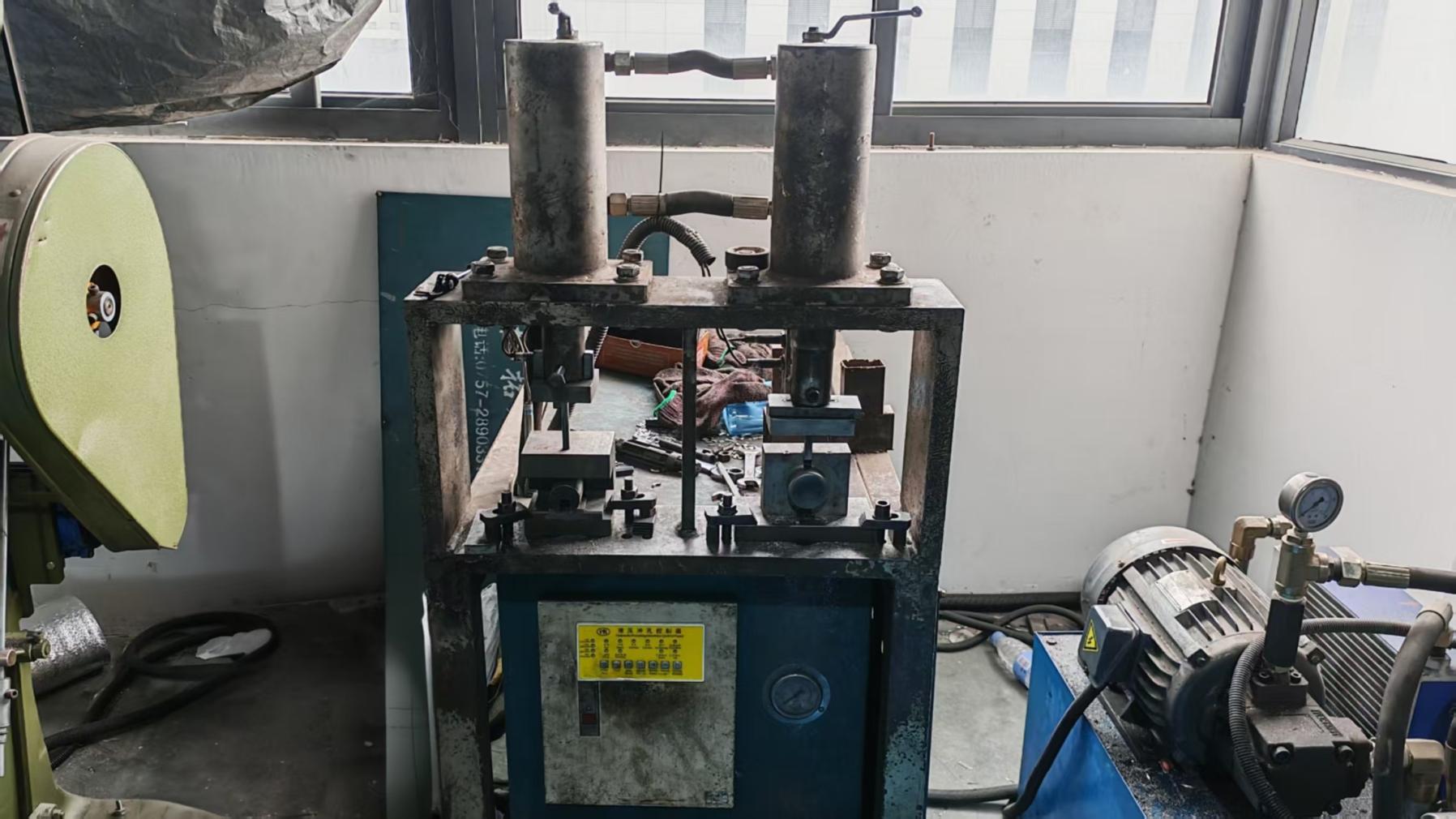
High-speed calibrated drilling ensuring zero deviation on light bracket mounting interfaces and heat sink ventilation channels.

Standardized assembly stations where PCB modules, Fresnel lenses, silicone seals, and lithium polymer battery cells are precisely integrated.

Multi-stage quality checks verifying electrical continuity, lumen output, waterproof gasket seals, and accelerometer brake triggering.
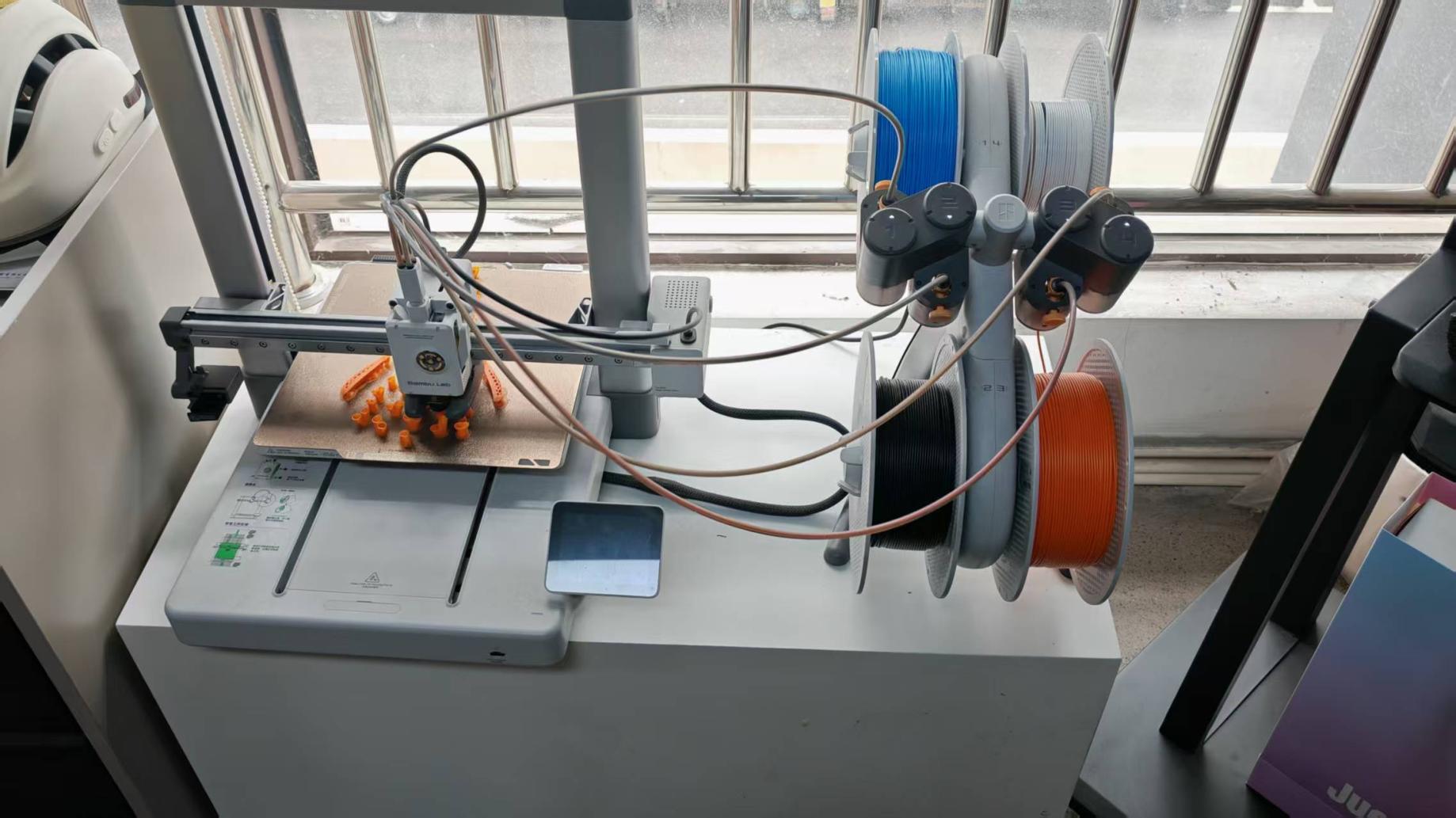
In-house rapid prototyping enabling physical mock-ups, ergonomic seatpost bracket fitting, and optical sample approvals before tooling.





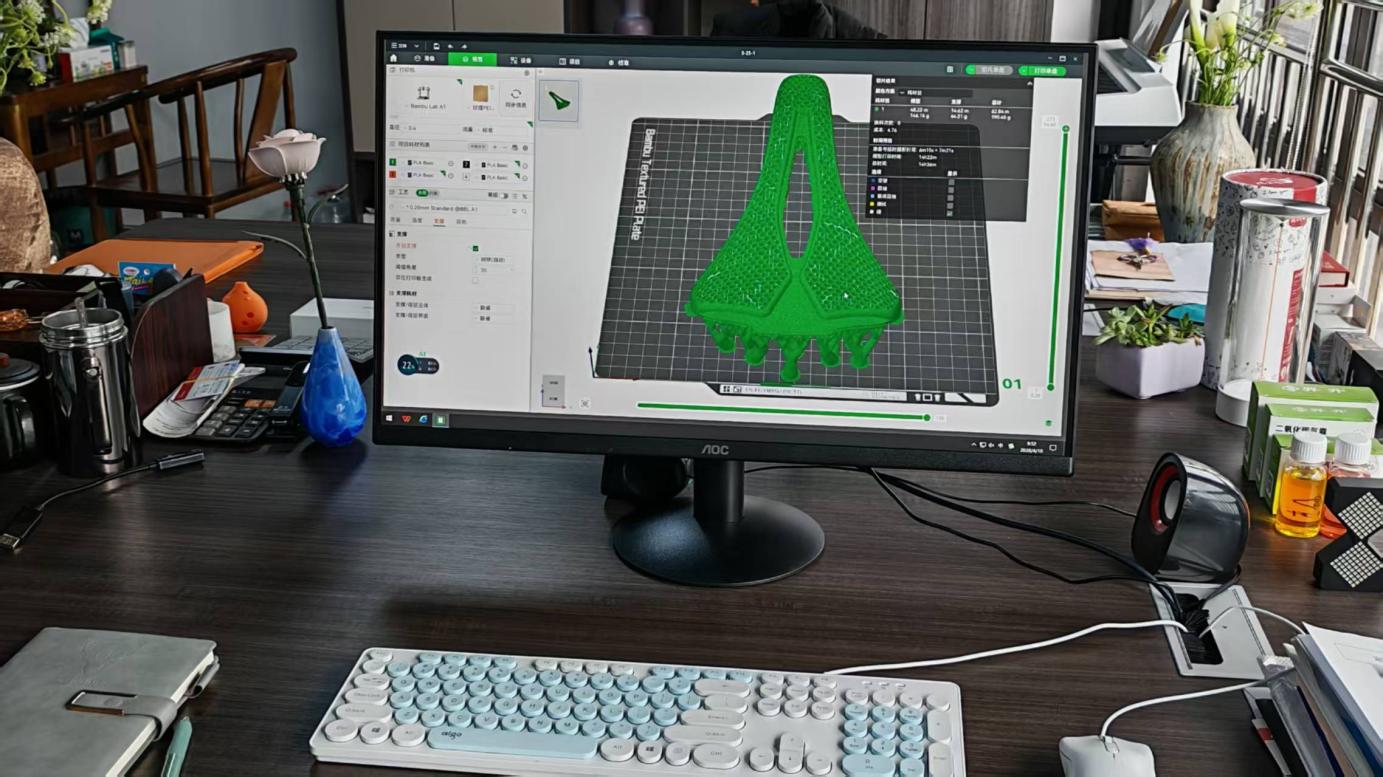
In-depth technical, regulatory, and logistics answers for importing LED bicycle tail lights.
Partner directly with Kenus Intelligent Technology Co., Ltd. for factory pricing, certified quality, and tailored OEM branding.
[email protected]