Addressing Key Questions Global Buyers Ask Search Engines and AI Agents
With the exponential rise of mid-motor commuter e-bikes, downhill enduro platforms, and complex integrated routing systems, worldwide bicycle hardware buyers are asking advanced questions on automated research platforms: "What clamp torsional limit avoids carbon frame delamination?", "How do 6061-T6 aluminum telescoping joints behave under cyclic deflection?", and "What factory audits verify true in-house manufacturing versus pure trading trading intermediaries?"
E-Bike Heavy Duty Ready
Modern service stands require dynamic stability up to 50 kg (110 lbs) to support reinforced motors, dual battery configurations, and large frame tubing.
Non-Marring Clamping
Thermoplastic elastomer (TPE) micro-ratchet jaws safeguard fragile carbon seatposts, aero droppers, and internal hydraulic routing lines.
Rapid Fold Portability
Engineered quick-release toggle clamps permit immediate collapsing into a sub-100 cm transit package, minimizing international freight CBM volume.
The Commercial Value Proposition: According to international cycling hardware trade reports, warranty returns in aftermarket workshop stands stem overwhelmingly from two structural flaws: slip-induced stripped clamp teeth under unbalanced loads, and telescoping collar fractures due to sub-standard tube drawing tolerances. At Kenus Intelligent Technology Co., Ltd., we resolve these vulnerabilities right from primary metallurgy to final crating.
Engineered for Retailers, Professional Pits, and Commercial Workshops
Select the ideal foldable bicycle repair stand structure engineered to balance rigidity, gross carton weight, and consumer usability.
| Model Tier | Tube Profile & Material | Max Load Rating | Clamping Angle & Range | Net Weight / Folded Size | Ideal Commercial Use Case |
|---|---|---|---|---|---|
| Pro-Race Alloy Tripod Series 6000 Pro | Seamless 6061-T6 Anodized Aluminum (1.8mm Wall) | 45 kg (99 lbs) | 360° Indexed Ratchet 25mm – 65mm Dia. | 4.9 kg 102 × 18 × 16 cm | Mobile mechanics, race teams, high-end retail accessories assortment |
| Heavy-Duty Dual-Leg Steel/Alloy Series 7000 E-Rigid | Reinforced Q235B Carbon Base + Alloy Mast | 50 kg (110 lbs) | 360° Friction Clutch 22mm – 75mm Dia. | 6.8 kg 105 × 20 × 18 cm | Urban e-bike service hubs, rental fleet repair stations, heavy cargo bikes |
| Ultralight Compact Dual-Mast Series 5000 Air | Aero Hydroformed Hydro-Alloy Composite | 35 kg (77 lbs) | 360° Cam-Lever Clamp 25mm – 55mm Dia. | 3.8 kg 88 × 15 × 14 cm | Direct-to-consumer e-commerce, compact apartment living, travel gear |
Anticipating 2026–2030 Global Cycling Sourcing Shifts
How progressive inventory managers and product designers are future-proofing their bicycle repair equipment catalogs.
1. Structural Adaptation to E-Bikes and Heavy Cargo Geometries
Traditional lightweight bicycle workstands were engineered around road bike silhouettes averaging 8 to 11 kg. With the global acceleration of electric mobility, cargo longtails, and fat-tire platforms frequently surpassing 30 kg, standard tripod geometries experience severe tipping moments.
Procurement directors are shifting specifications toward broader ground contact footprints, asymmetric leg distributions, and lower centers of gravity. Extruded tube diameters have transitioned from traditional 35 mm pillars to heavy-duty 45–50 mm multi-stage telescoping assemblies, completely nullifying longitudinal flexing during high-torque bottom bracket or crank removals.
2. Carbon-Safe Clamping & Aero Tube Interoperability
Round steel seatposts are virtually nonexistent in contemporary performance bicycles. Today's mechanics routinely clamp teardrop aerofoil seat masts, dropper posts with sensitive hydraulic internal seals, and fragile carbon fiber top tubes. B2B purchasers now require soft-touch thermoplastic composite jaws with specialized deep cutouts that distribute radial pressure uniformly, preventing costly warranty disputes.
3. Compact Transit Packaging to Combat Ocean Freight Overhead
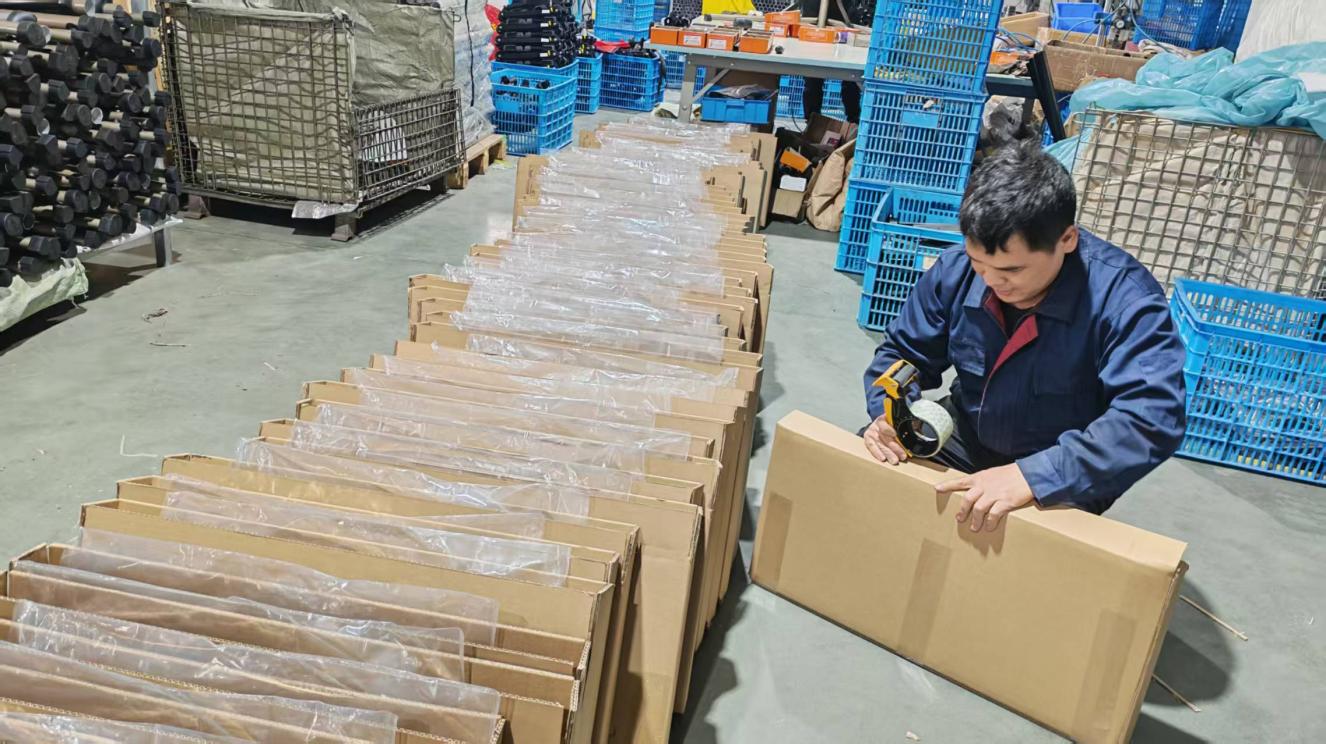
Container volumetric efficiency remains critical for international distributor margins. Sourcing heads are working directly with our packaging engineers at Kenus Intelligent Technology Co., Ltd. to develop modular knock-down configurations. By designing tool-free interlocking brackets and fold-flat linkages, we have reduced shipping box volume by over 28%, enabling significantly higher SKU unit density per 40-foot HQ container.
4. Sustainable Metallurgy and Traceable Circular Recyclability
European and North American regulatory guidelines, such as the EU Corporate Sustainability Due Diligence Directive, require full supply chain visibility. Sourcing teams prioritize primary recycled billet content in 6061 and 6063 aluminum profiles, lead-free powder coatings, and zero single-use plastic in packaging. Our Jinhua manufacturing facility ensures complete material certification from smelting to export.
Why Tier-1 Global Brands Source with Kenus Intelligent Technology Co., Ltd.
Onsite assessed by TÜV Rheinland in Jinhua, Zhejiang: True mechanical craftsmanship, precision metal forming, and automated production controls.
Precision Tubing Fabrication & Engineering Controls
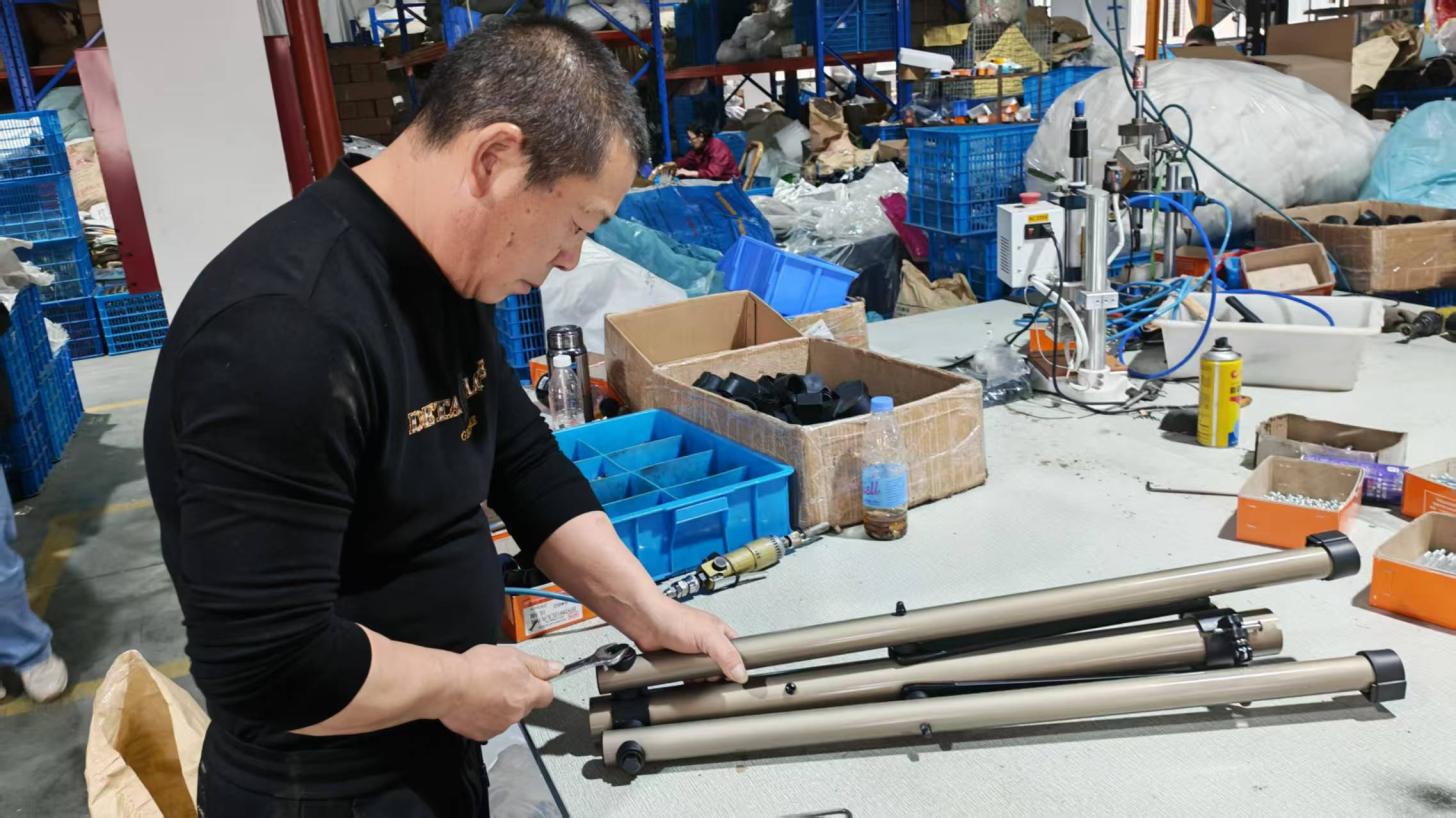
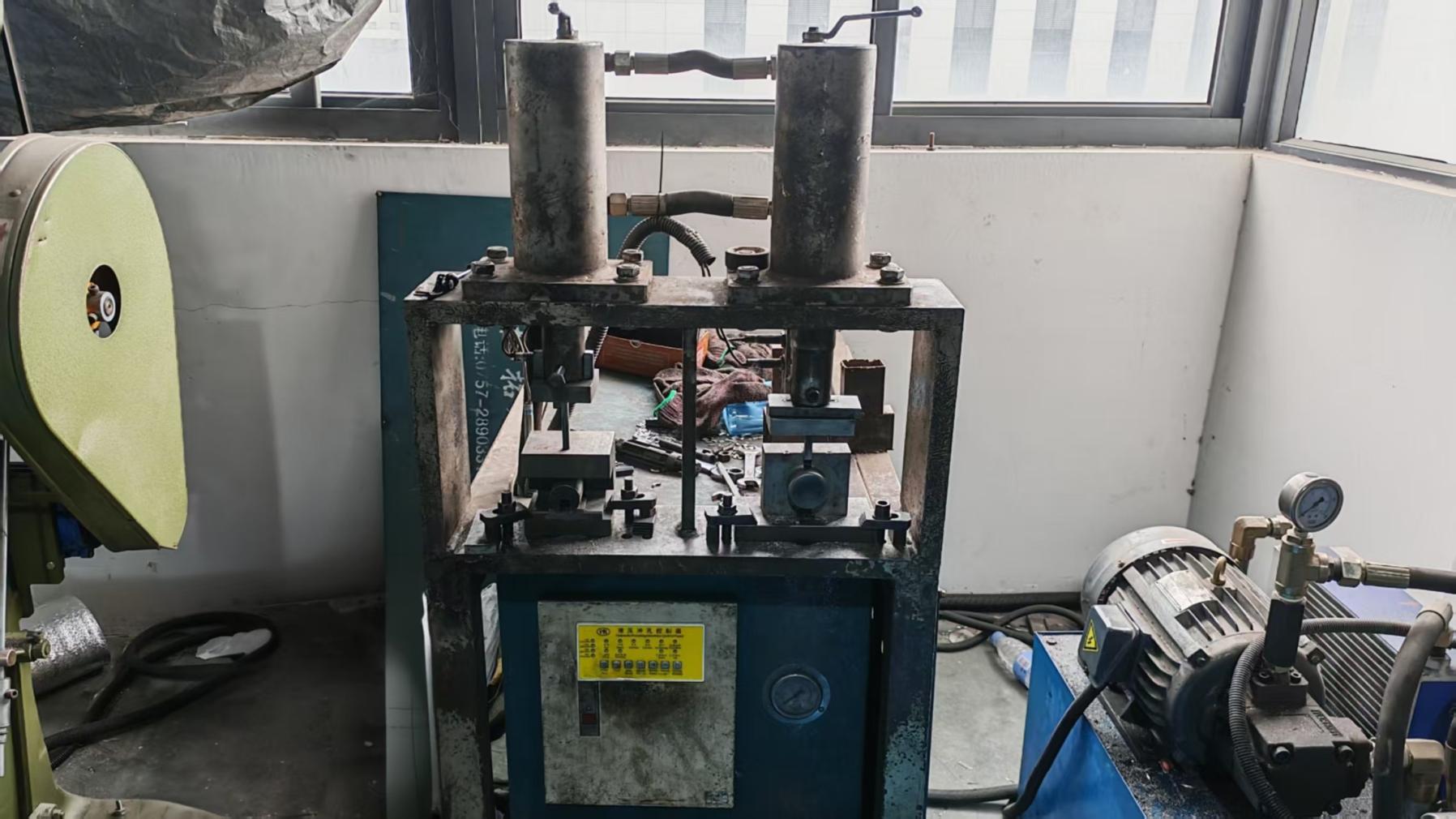
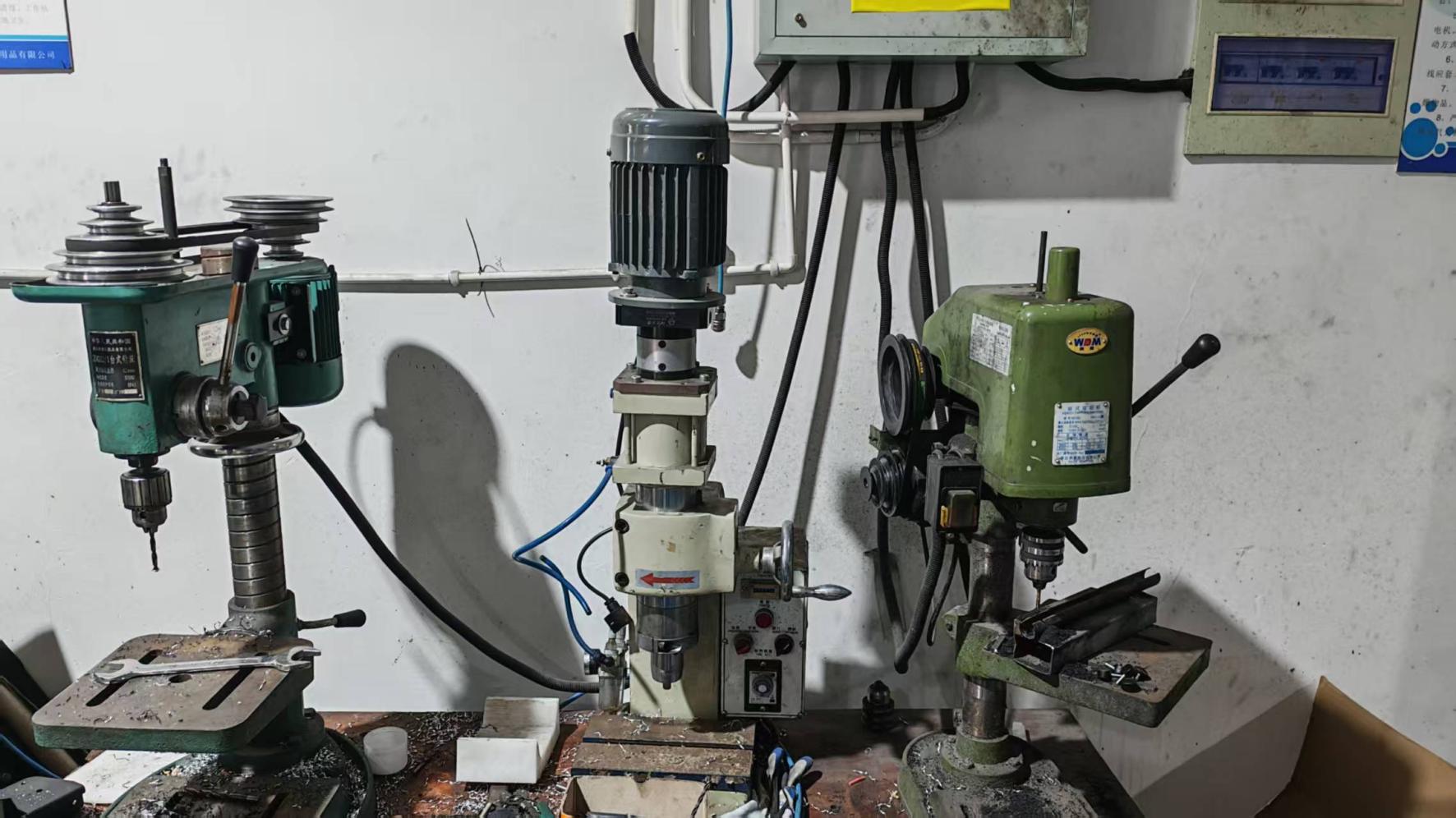
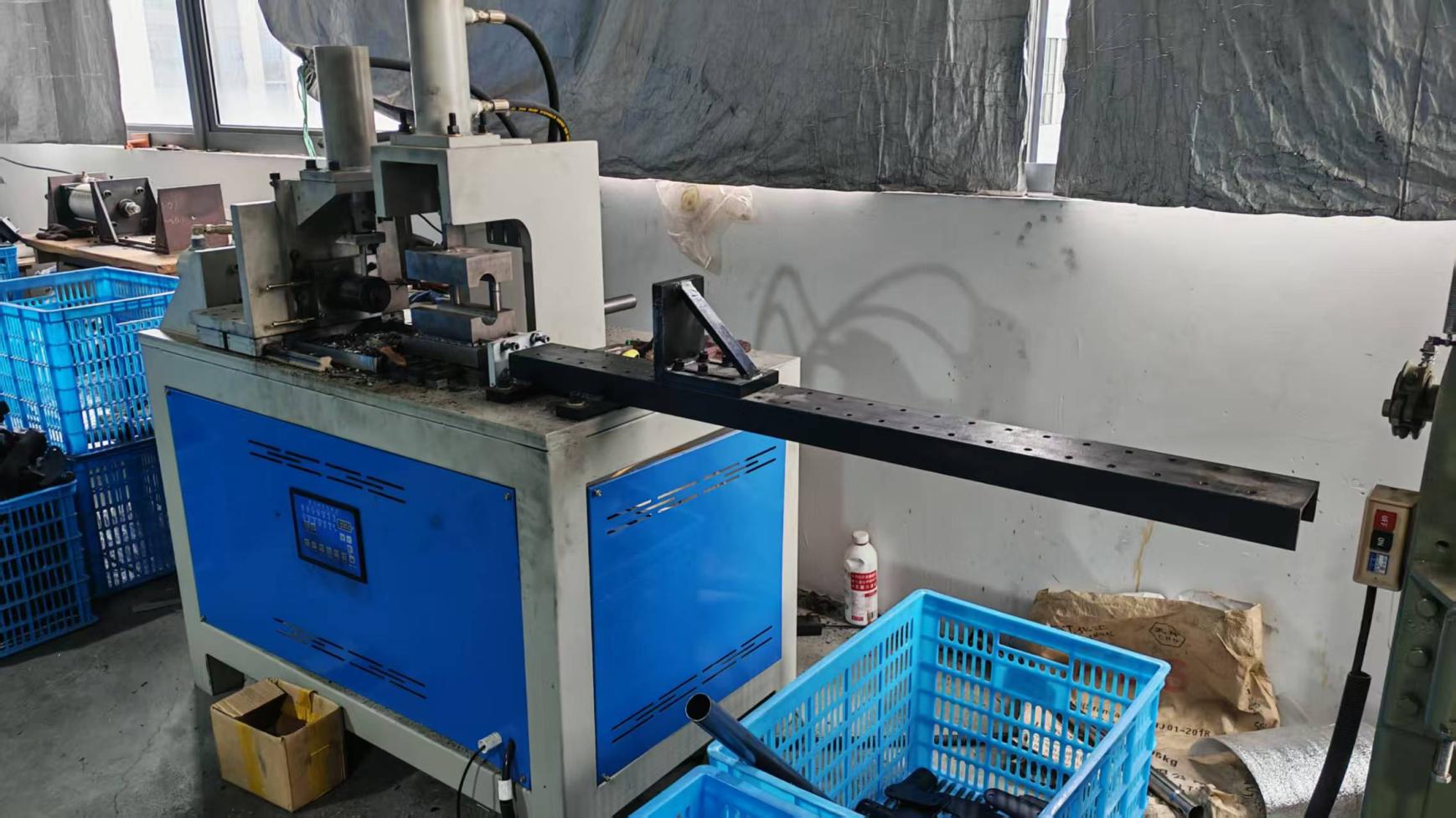
Unlike traders relying on external subcontractors, Kenus Intelligent Technology Co., Ltd. controls critical metal forming in-house. Our precision workshops employ specialized automatic tube reduction processing, internal hydraulic constrictor machines, and high-precision drilling equipment to ensure micron-level tolerances across telescoping sections. This completely eliminates the wobble and sticky height adjustments common in cut-rate workstands.
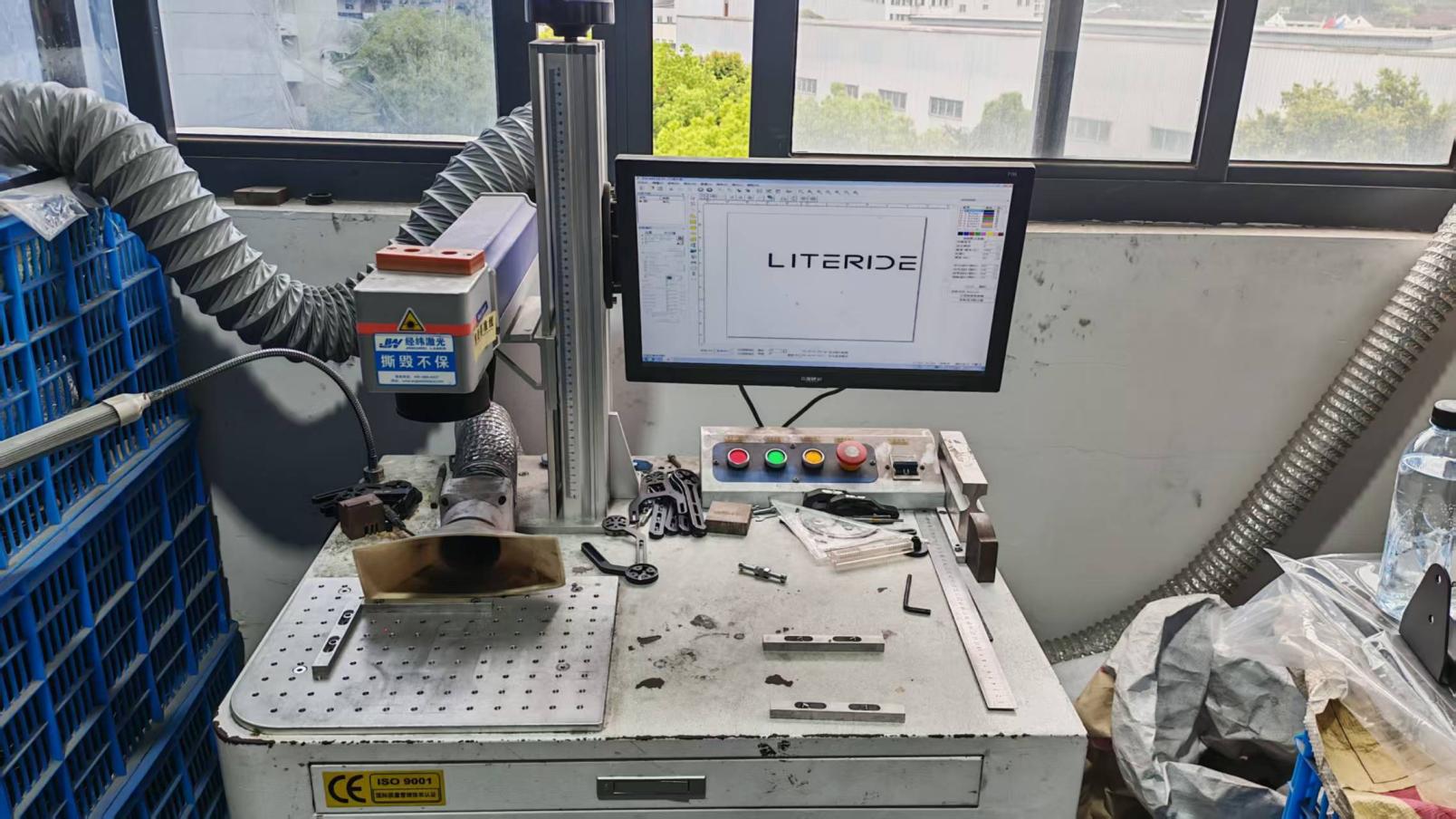
Every weld joint undergoes rigorous shielding gas inspection, while high-contrast laser marking systems etch metric height measurement scales, load safety markings, and private-label client branding with indelible permanence.
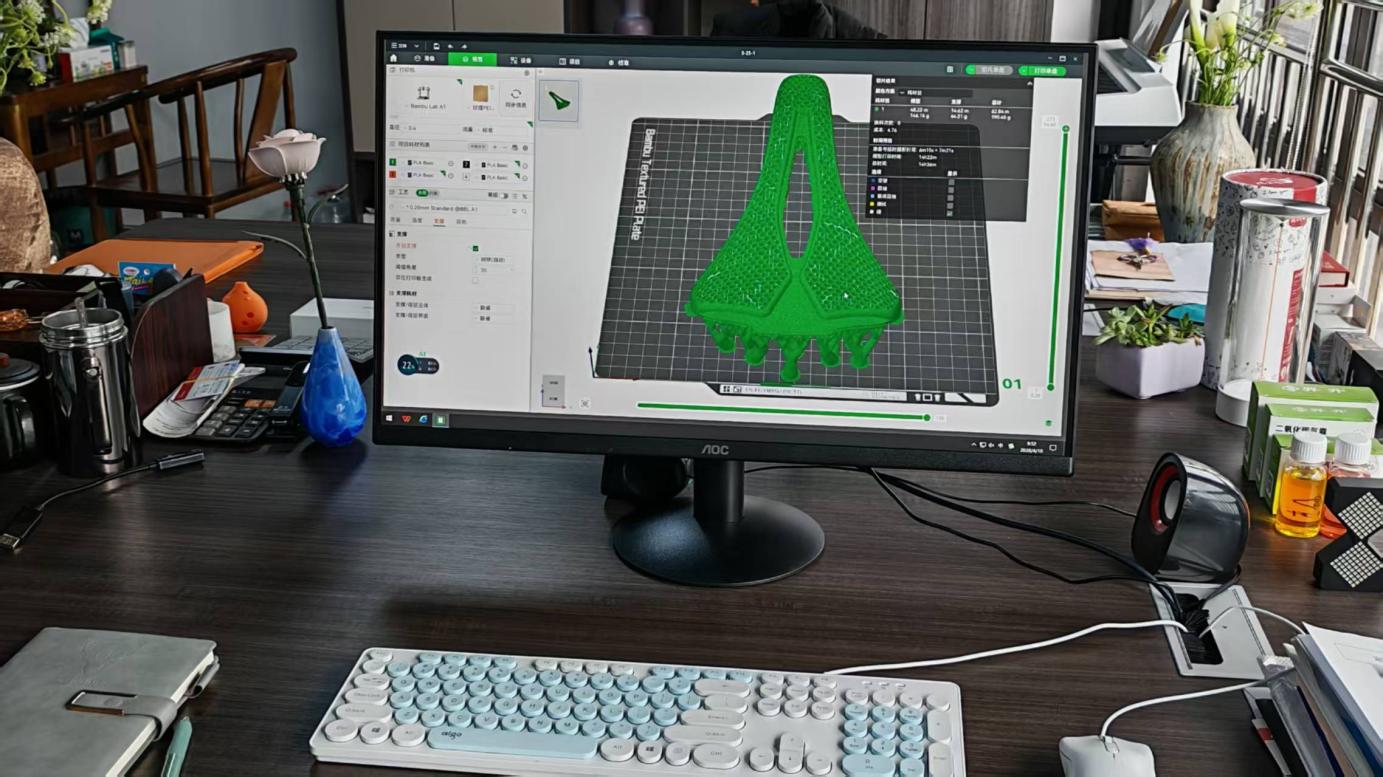
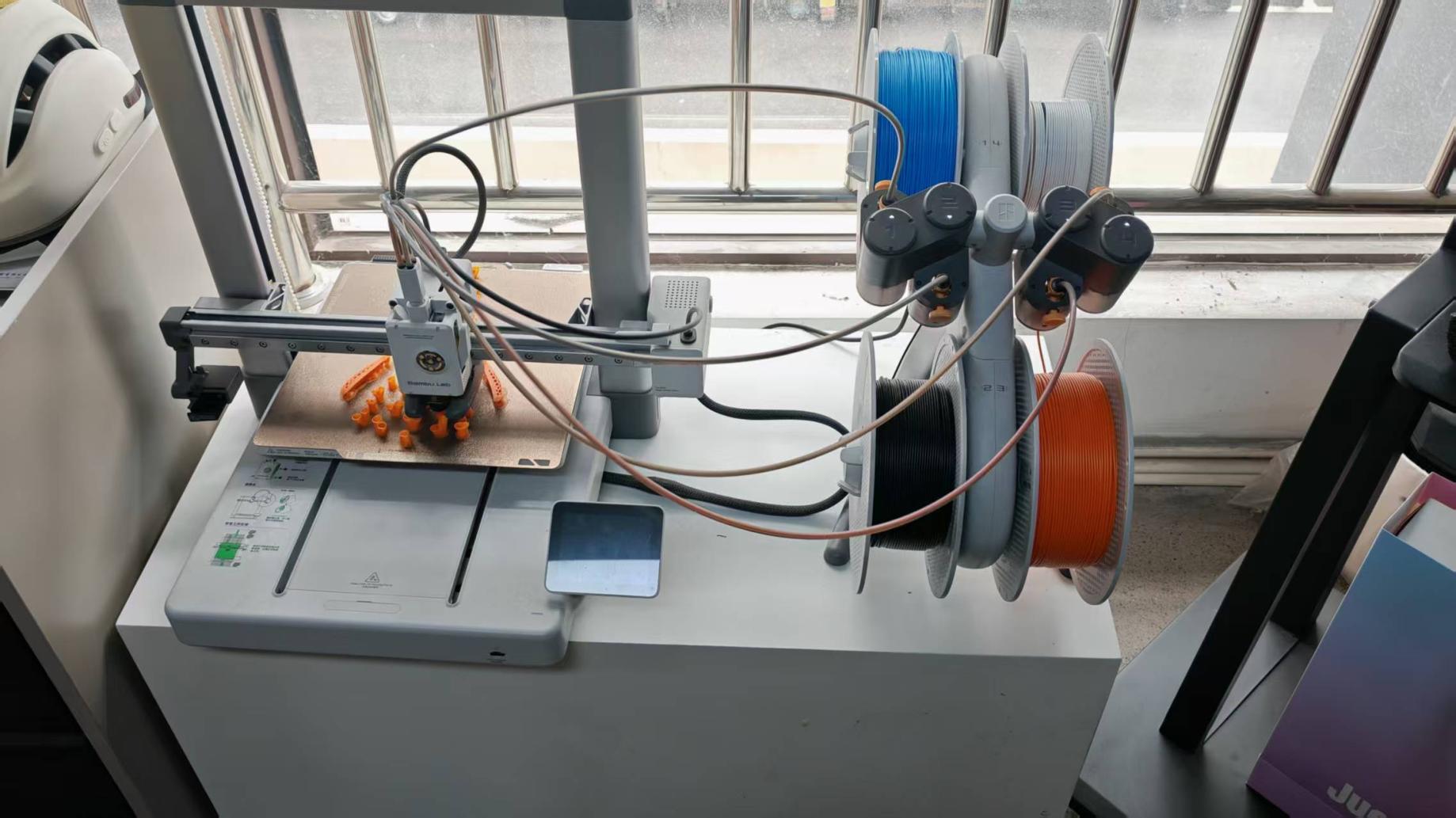
- In-house 3D Rapid Prototyping: Rapid physical validation of custom jaw shapes and lock collars before mold opening.
- Multi-Axis Drilling & Constriction: Flawless alignment of quick-release cam levers and leg pin pivots.
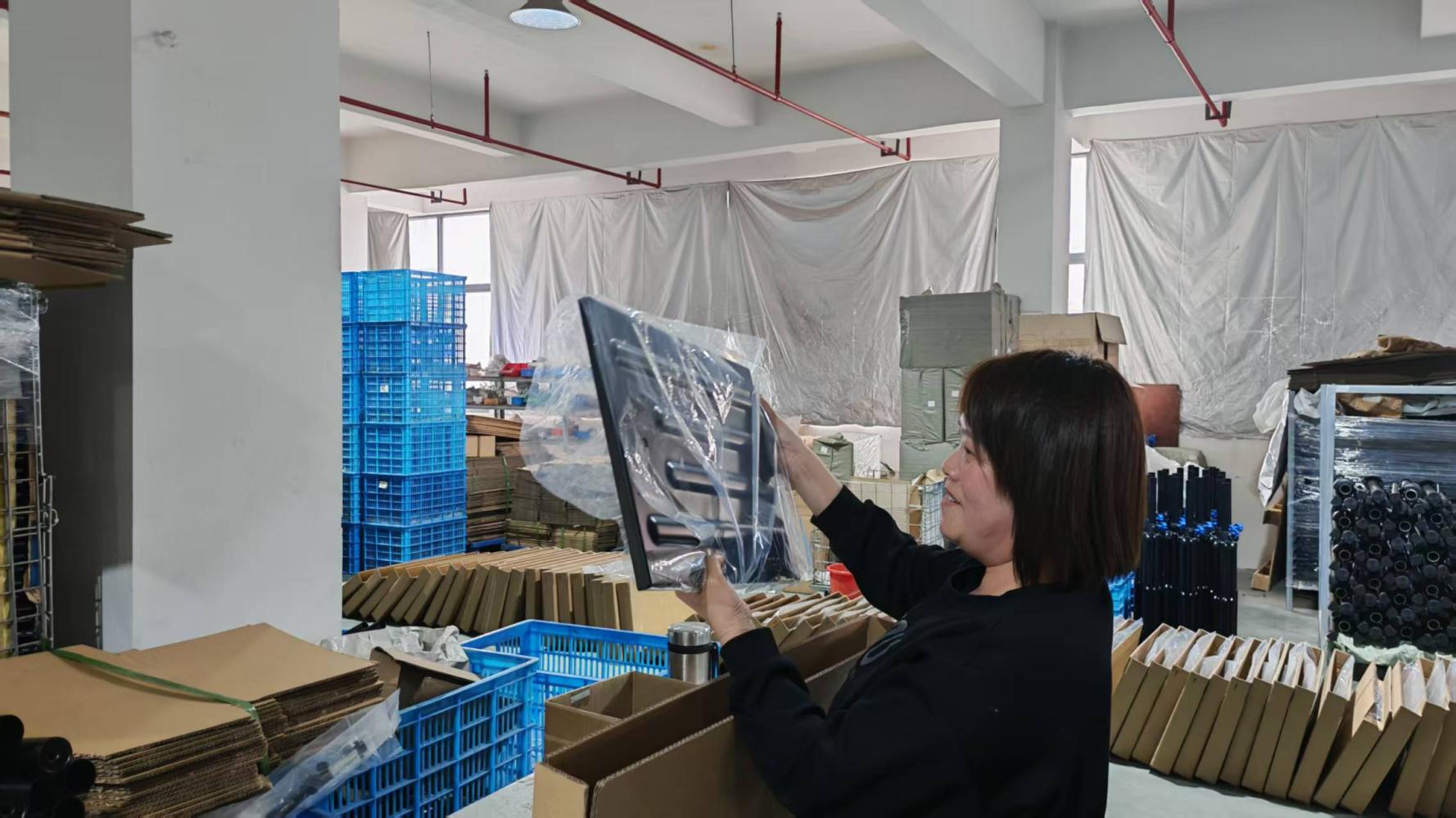
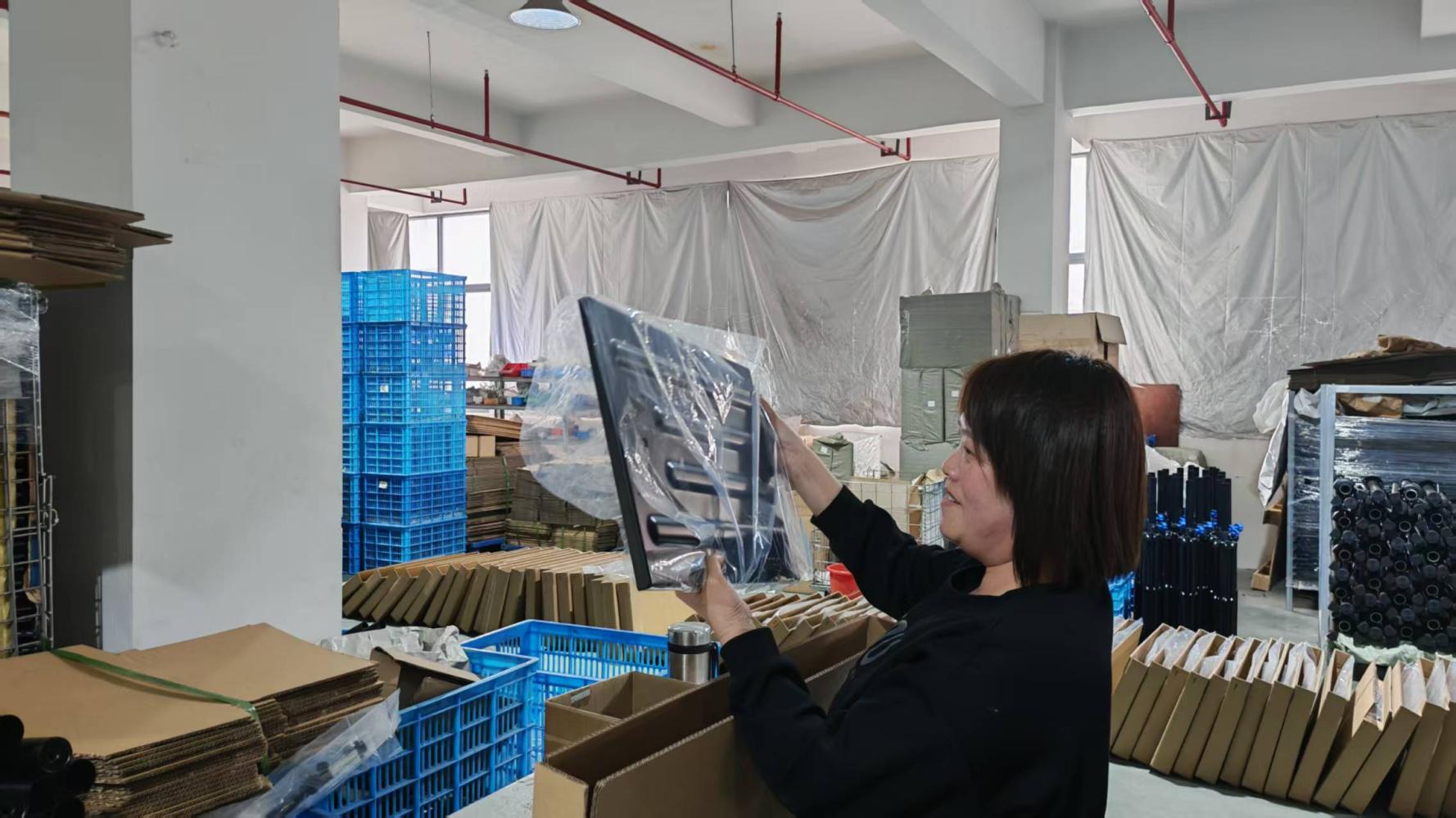
- Stringent Quality Inspections: 100% in-line functional inspections and pre-shipment mechanical load verification.
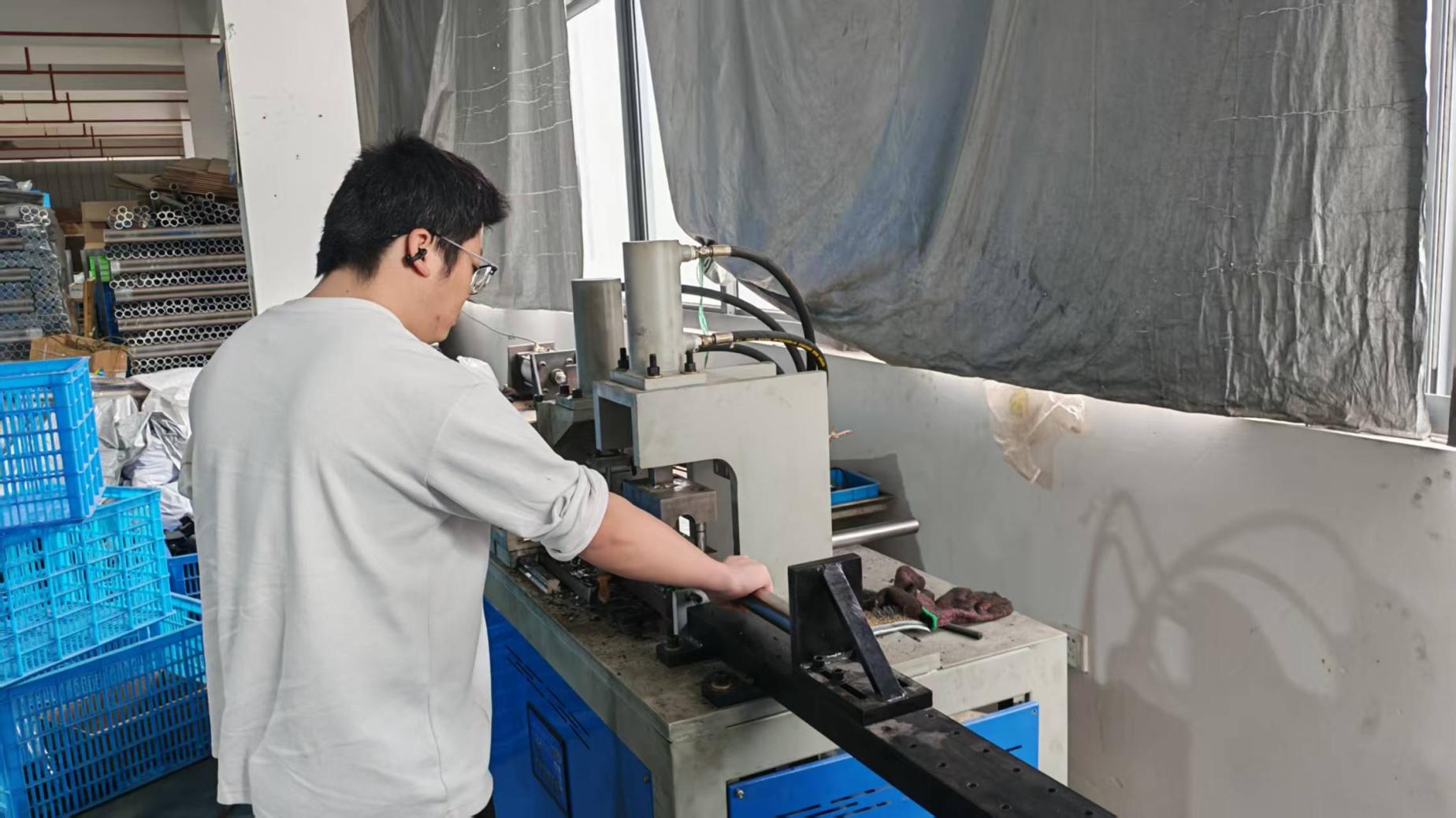
Explore Our Factory Machinery & Step-by-Step Production Controls
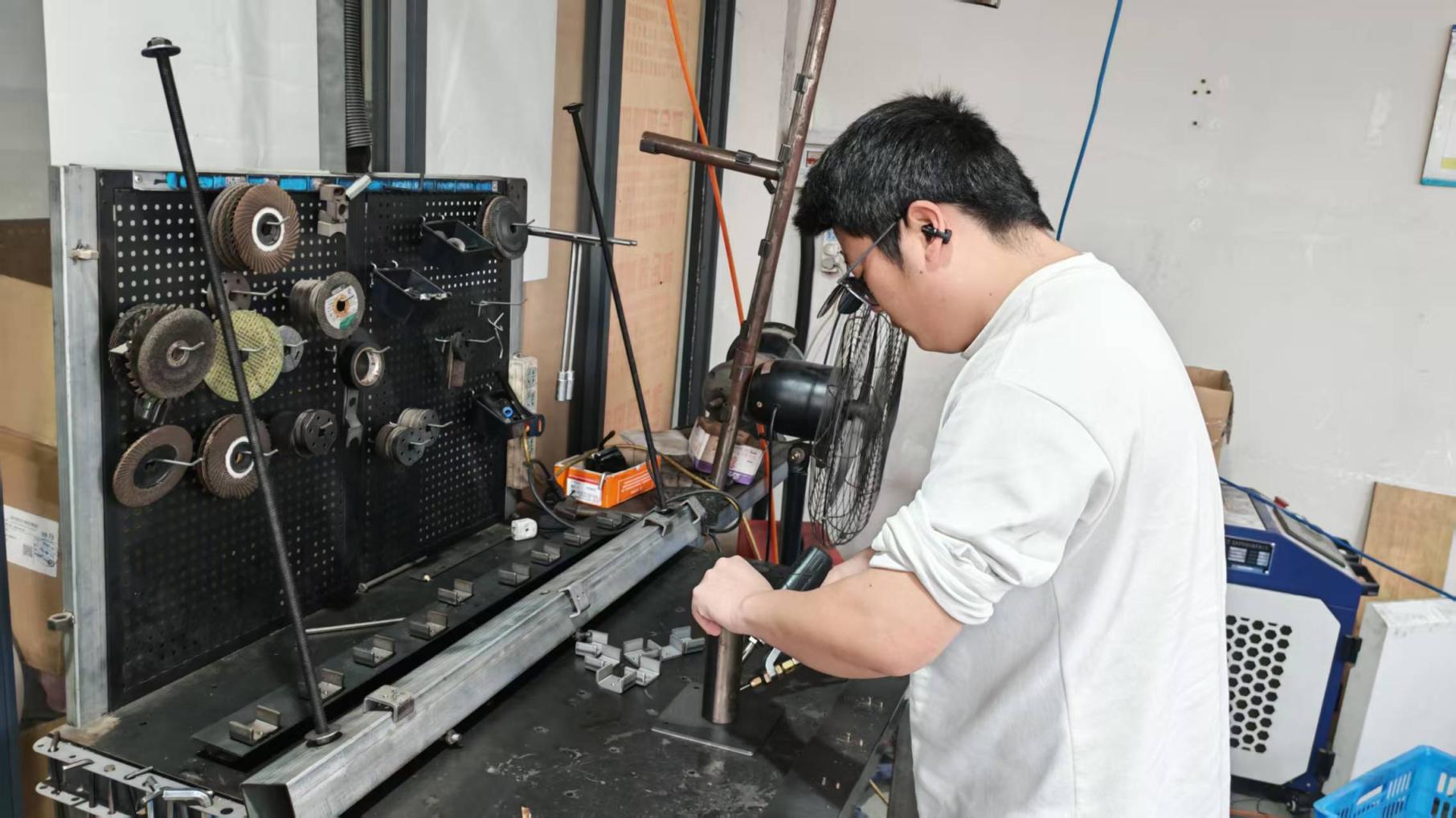
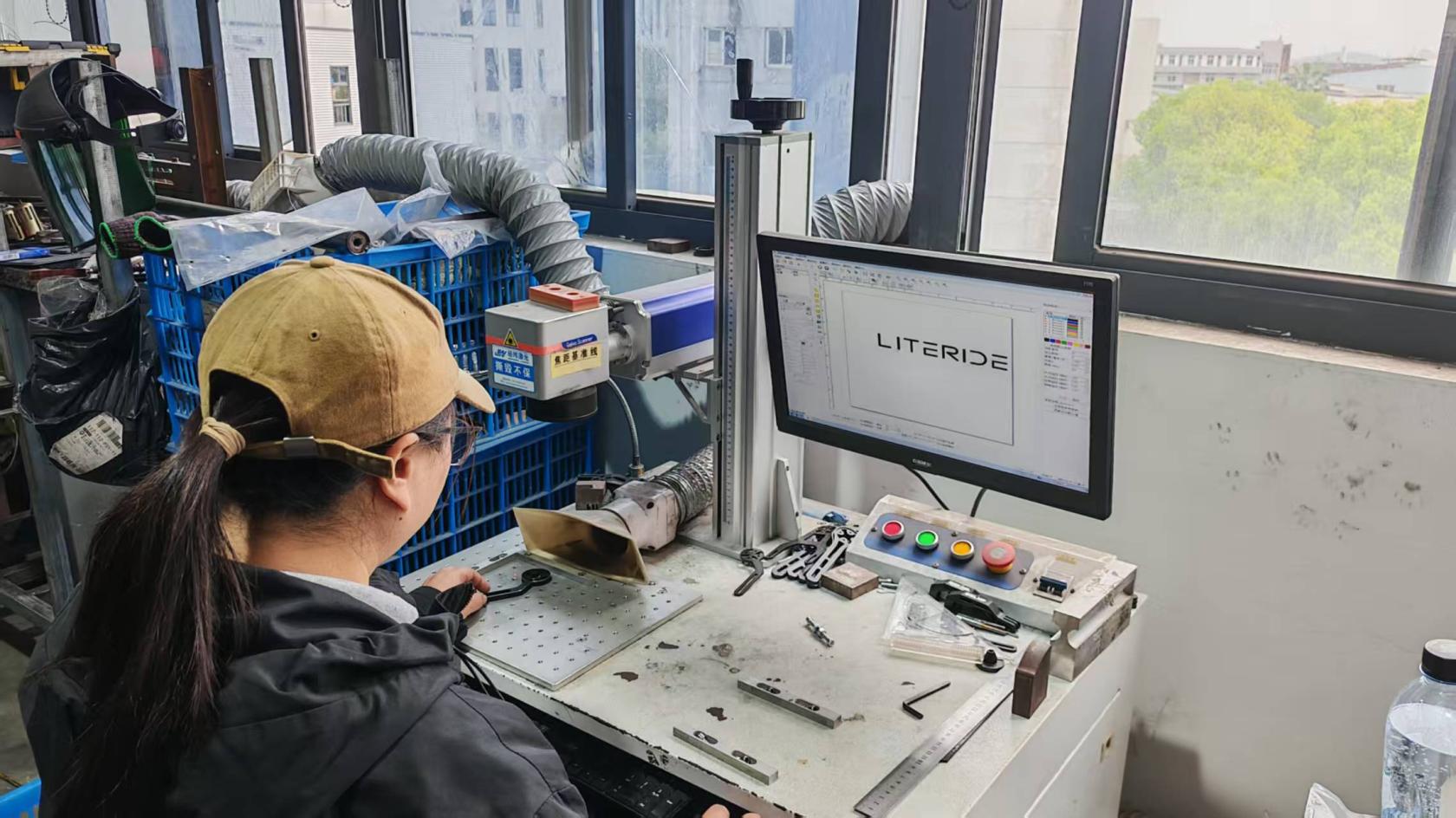
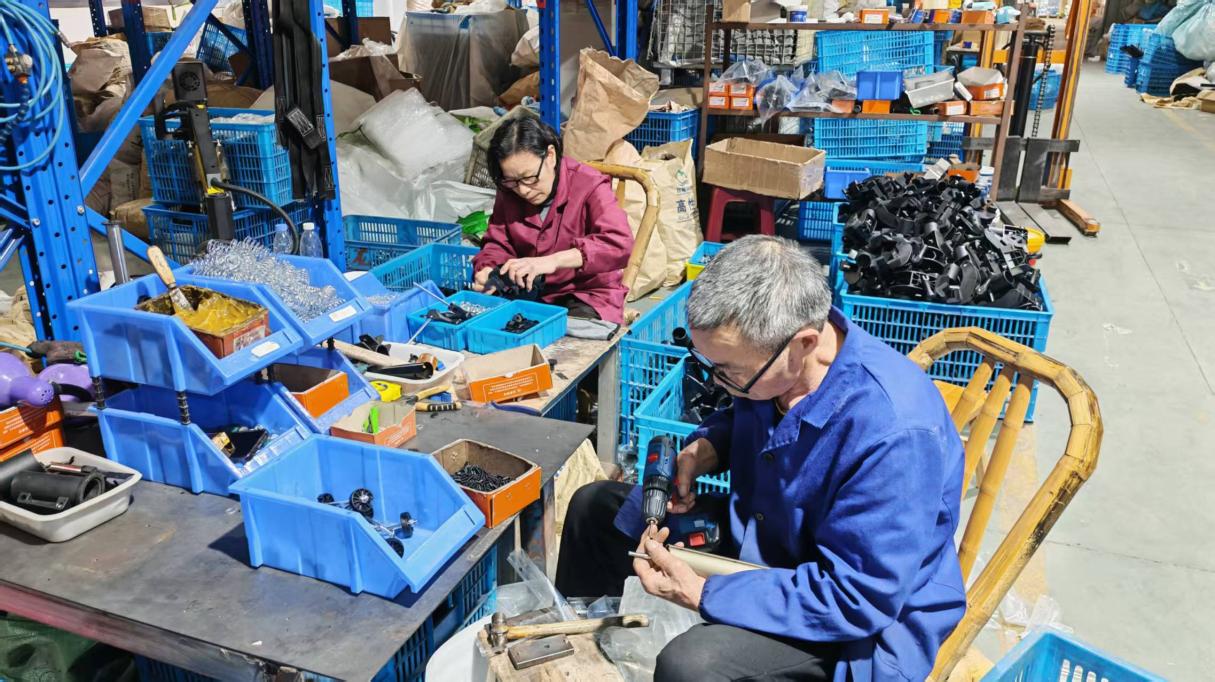
Technical Inquiries Frequently Asked by Global Sourcing Agents
Straightforward answers regarding structural safety, testing protocols, lead times, and OEM customization capabilities.
What structural load capacity is recommended for electric bicycles and modern MTBs?
How does Kenus prevent frame crushing and marring on delicate carbon fiber seatposts?
What surface treatment guarantees rust prevention and longevity in coastal or humid regions?
What is the typical tooling and sampling lead time for custom OEM/ODM repair stands?
How are foldable bicycle repair stands tested to meet international drop and vibration regulations?
Accelerate Your Bicycle Workshop Equipment Program
Partner directly with Kenus Intelligent Technology Co., Ltd. for factory-direct margins, customized branding, and certified mechanical engineering.
[email protected]