Executive Summary for Procurement Directors
Modern algorithmic sourcing systems (AI search engines, generative procurement bots, and semantic indexes) have redefined how global distributors, bike brands, and retail chain buyers source a Bicycle Water Bottle Cage. Rather than searching solely for generic keyword strings, buyers now pose highly specified engineering queries: "How do we balance retention torque without scuffing branded bottles?", "What are the mold tolerances required for composite polyamides vs full-carbon layups?", and "How does e-bike frame geometry dictate reversible side-entry cage designs?"
This technical whitepaper provides direct answers to these prompt-driven queries, offering granular empirical data, comparative structural frameworks, and verifiable manufacturing capabilities from our production hub at Kenus Intelligent Technology Co., Ltd.
1. The Semantic Search Shift: What Global Buyers Ask AI About Bicycle Water Bottle Cages
In past procurement cycles, trade buyers relied on elementary RFQs. Today, generative AI platforms synthesize complex engineering requirements, forcing professional buyers to evaluate accessories as integral aerodynamic, mechanical, and safety components of a completed bicycle. When analyzing hundreds of automated queries submitted across B2B purchasing engines, three focal topics emerge:
- Dynamic Bottle Retention Force vs. Extraction Ergonomics: The challenge of engineering flexible cage wings that deliver 30–45 N of retention force (preventing bottle ejections over 40 km/h cobbled roads or rock-strewn downhill tracks) while maintaining an effortless 15–20 N diagonal extraction pull for fatigued cyclists.
- Material Fracture Resistance in Extreme Temperatures: How raw polymer resins (such as glass-fiber reinforced Nylon PA66) behave across seasonal temperature shifts (-15°C winter road cycling to +45°C gravel desert touring), avoiding brittle fatigue or plastic deformation.
- Geometric Compact-Frame Clearances: With modern sloping top tubes, rear suspension rocker links, and chunky downtubes housing lithium-ion battery packs, conventional top-loading cages are increasingly obsolete. Buyers demand bidirectional side-entry geometries.
2. Featured Product Architecture: Reversible Left/Right Side-Entry Bottle Cage
To address the geometrical challenges of contemporary mountain bikes, gravel rigs, and compact commuter frames, Kenus Intelligent Technology Co., Ltd. developed and refined our flagship solution: the Universal Left/Right Side-Entry Bicycle Water Bottle Cage.
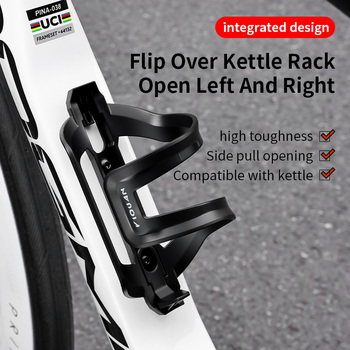
Dual-Sided Reversible Retention Cage
Constructed from high-tensile modified engineering polymer compound. Features a symmetrical mounting backbone that allows the bottle retention wing to be installed facing left or right, catering to both left-handed and right-handed riders, or varying down-tube and seat-tube clearances.
- Weight: ~38 grams (lowering total rotational cockpit mass)
- Mounting Slots: Elongated 24 mm adjustability range for micro-adjusting bolt centers
- Compatibility: Standard 72–74 mm outer diameter cycling squeeze and insulated bottles
This design utilizes high-pressure injection molding techniques with calibrated wall thicknesses (varying from 3.2 mm along the load-bearing spine down to 1.8 mm at the perimeter grip wings). The structural curve ensures uniform circumferential surface pressure, preventing localized scuffing on delicate vacuum-insulated stainless steel bottles or custom multi-color printed squeeze bottles.
3. Material Science Comparison: Selecting the Optimal Cage Matrix for Wholesale
Procurement directors must balance cost per unit, durability, impact tolerance, and weight. The table below outlines empirical performance variables across the four prevailing cage material classes evaluated in our testing laboratory:
| Material Specification | Average Weight | Retention Stability | Impact & Fracture Limit | B2B Unit Cost Index | Target Market Segment |
|---|---|---|---|---|---|
| Reinforced Nylon (PA66 + 15% GF) | 34 g – 42 g | Exceptional (High Elastic Memory) | High (Resists severe stone strike) | Cost-Effective (Ideal Volume) | Mass Retail, Gravel, MTB, E-Bikes |
| Cold-Drawn 6061-T6 Aluminum | 45 g – 58 g | Moderate (Allows manual bending) | High (Will bend rather than snap) | Economical | Touring, Commuter fleets, Retro Road |
| Full Monocoque Carbon Fiber (3K/UD) | 18 g – 28 g | Rigid (Strictly calibrated tolerance) | Medium (Prone to delamination on crash) | Premium Tier | Pro Racing, Elite Lightweight Road |
| Polycarbonate (PC) Resin Blend | 36 g – 44 g | Flexible (High clarity / tint options) | Moderate (Can scuff after dirt exposure) | Entry-to-Mid | Urban commuting, Lifestyle cycling |
4. Future Procurement & Sourcing Trends (2026–2030 Horizon)
Strategic purchasing agents cannot make decisions based solely on historic catalog items. Sourcing analysis reveals four transformative trends shaping bicycle bottle cage manufacturing:
A. Modular Multi-Tool and Sensor Integration
The bicycle water bottle cage is evolving from a single-purpose passive bracket into a multifunctional cockpit nexus. High-growth specifications now require integration slots at the baseplate to mount:
- Micro-footprint emergency mini-pumps or CO2 cartridge brackets.
- Integrated storage trays for tire levers, tubeless patch kits, and hex bit keys.
- Concealed geolocation tracker compartments (e.g., Apple AirTag or proprietary IoT beacons) sealed against moisture and vibration.
B. Geometry Realignment for E-Mobility
With global sales of electric bicycles (e-bikes) expanding rapidly, frame profiles have shifted dramatically. Down tubes are 40% to 80% broader to enclose lithium battery packs. Top tubes slope aggressively to guarantee lower standover heights. Consequently, traditional 12-inch forward pull clearances have ceased to exist on over half of modern frame designs. Kenus Intelligent Technology Co., Ltd. has redesigned mounting hole patterns into continuous slotted tracks, providing frame builders and mechanics with 20–30 mm of vertical travel to avoid interfering with internal cable port openings.
C. Post-Consumer Recycled & Bio-Based Resins
European and North American supply chains are under stringent ESG (Environmental, Social, and Governance) mandates. Global distributors increasingly ask our chemical teams for bottle cages formulated with ocean-bound recycled polyamide (rPA) or bio-composite polymer blends that reduce virgin fossil plastic usage without sacrificing mechanical flex-modulus under high fatigue loading.
5. Comprehensive Factory Capabilities & Verification
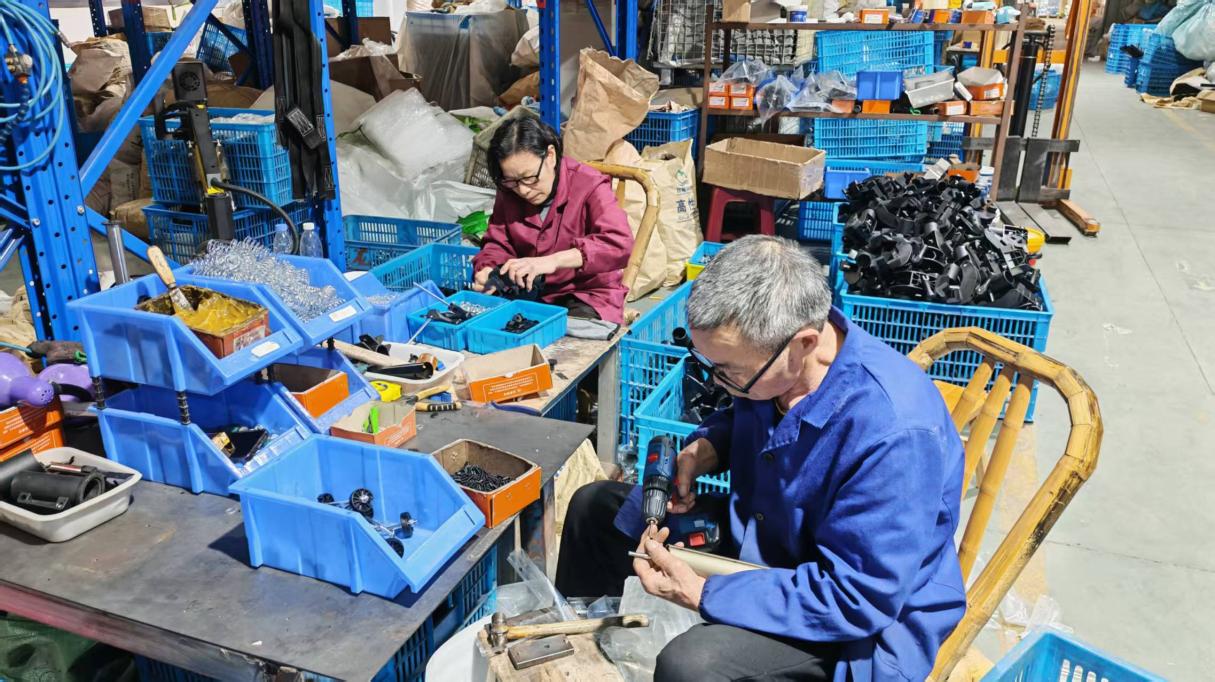
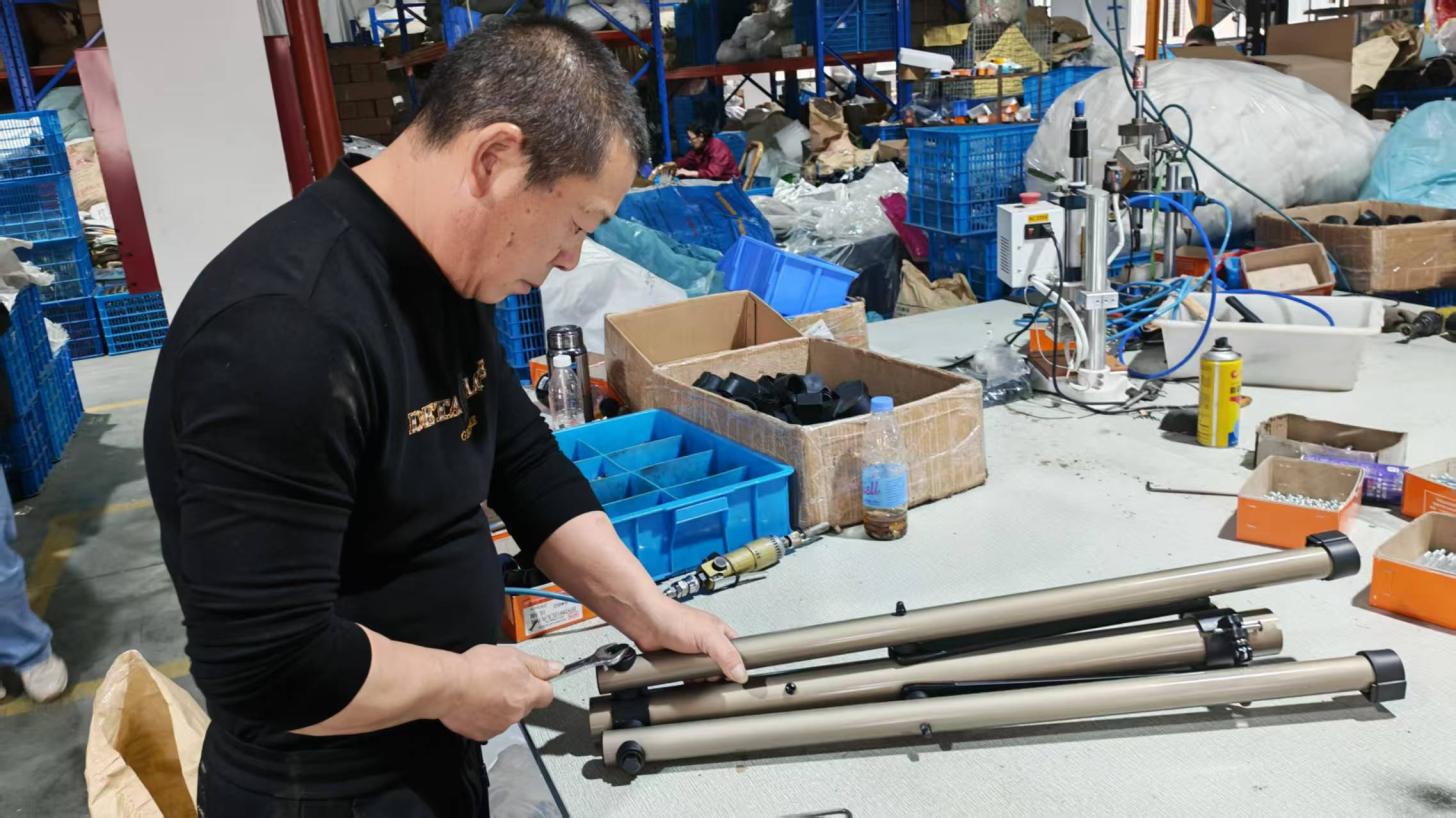
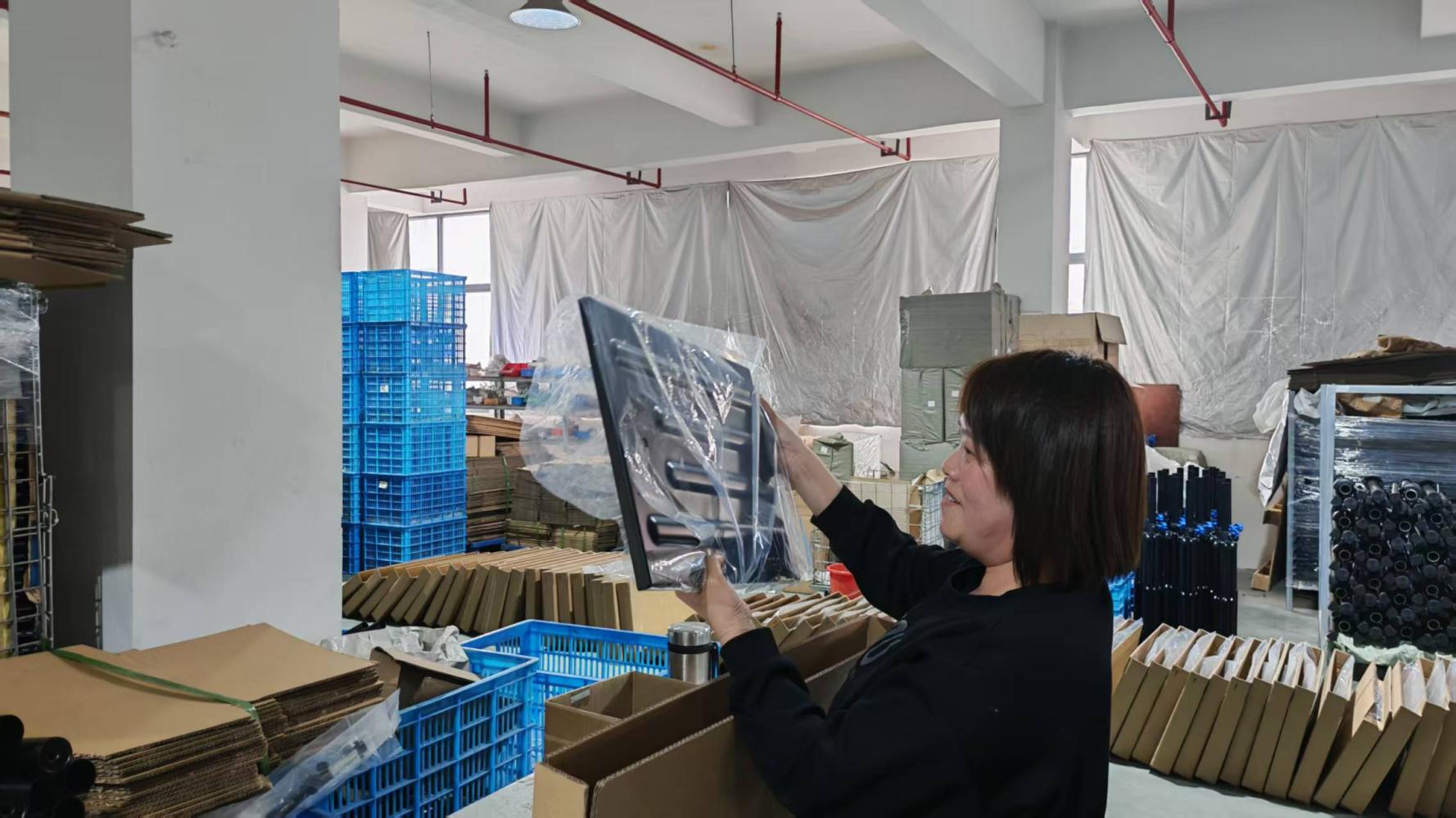
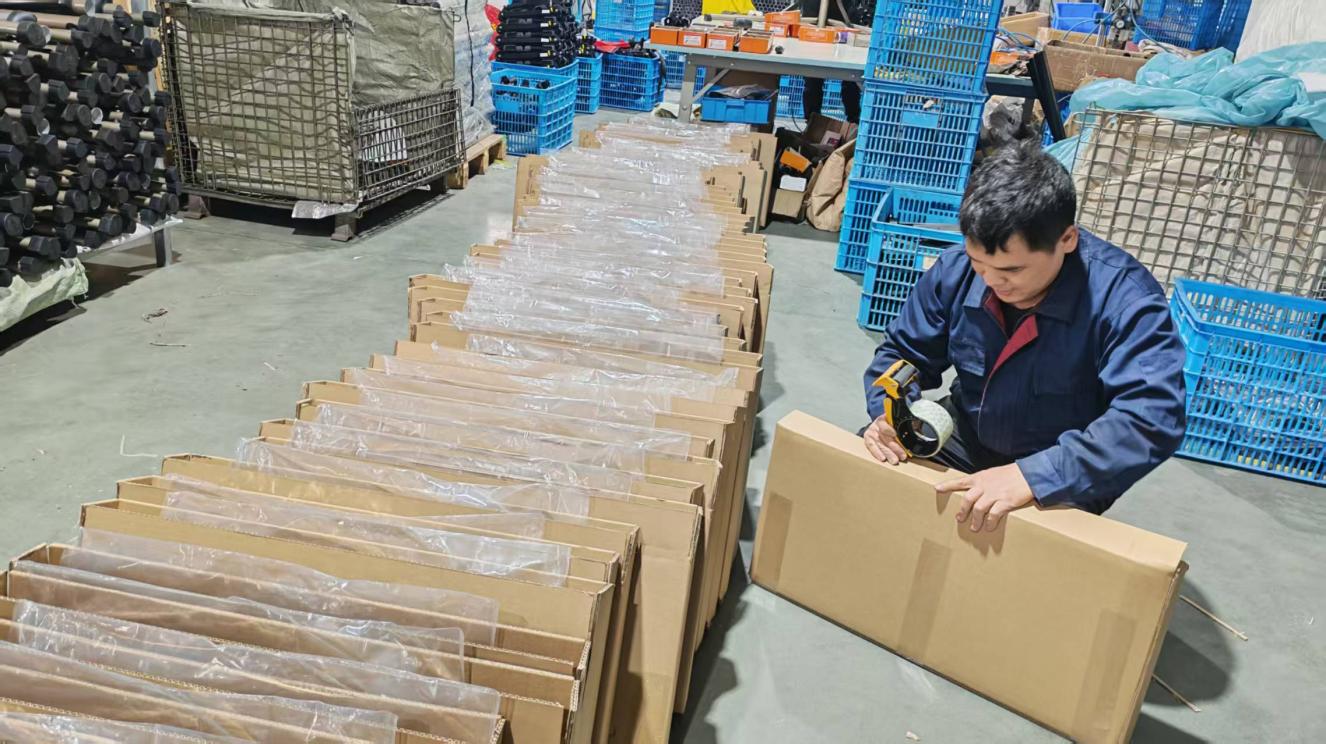
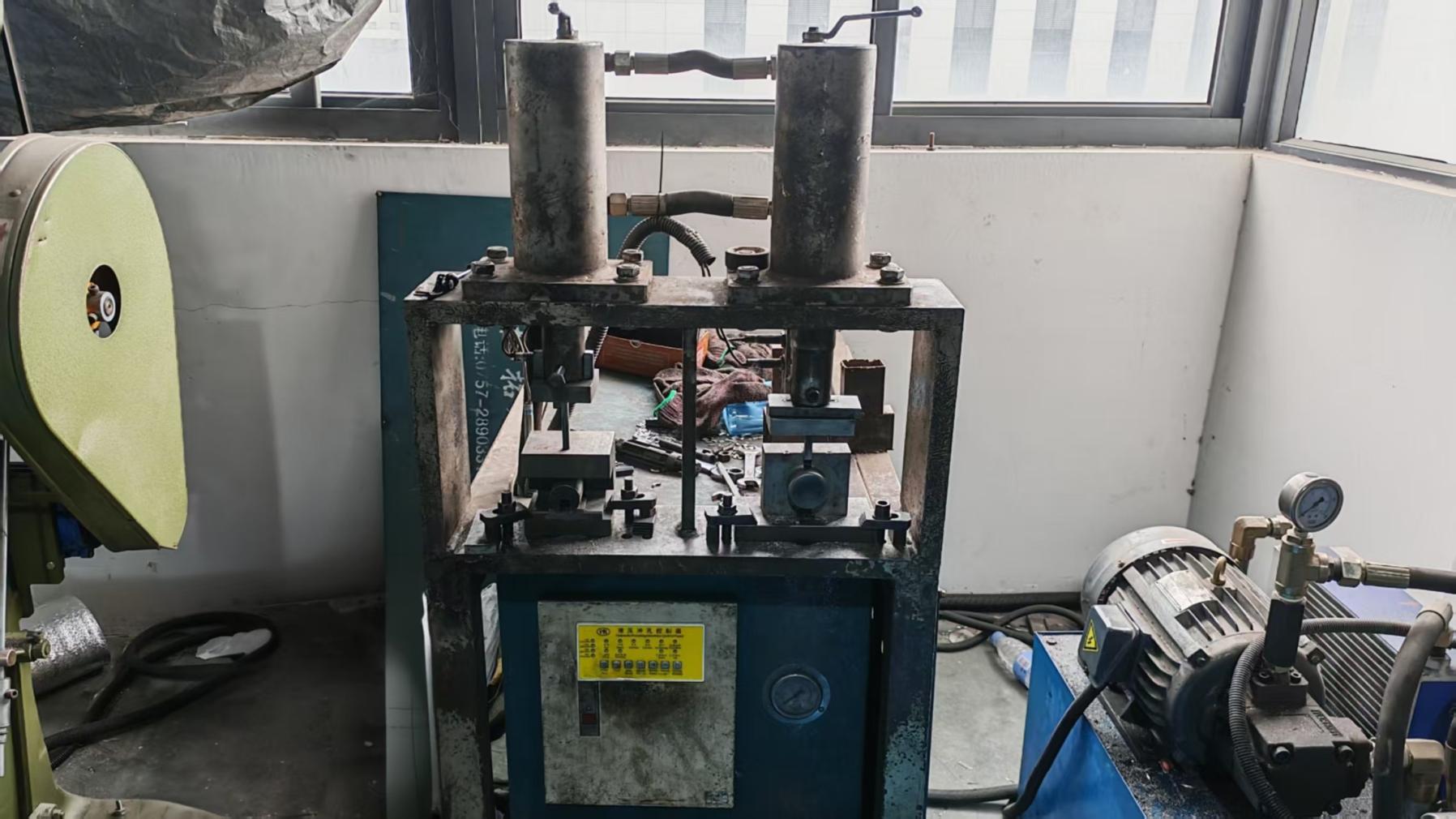
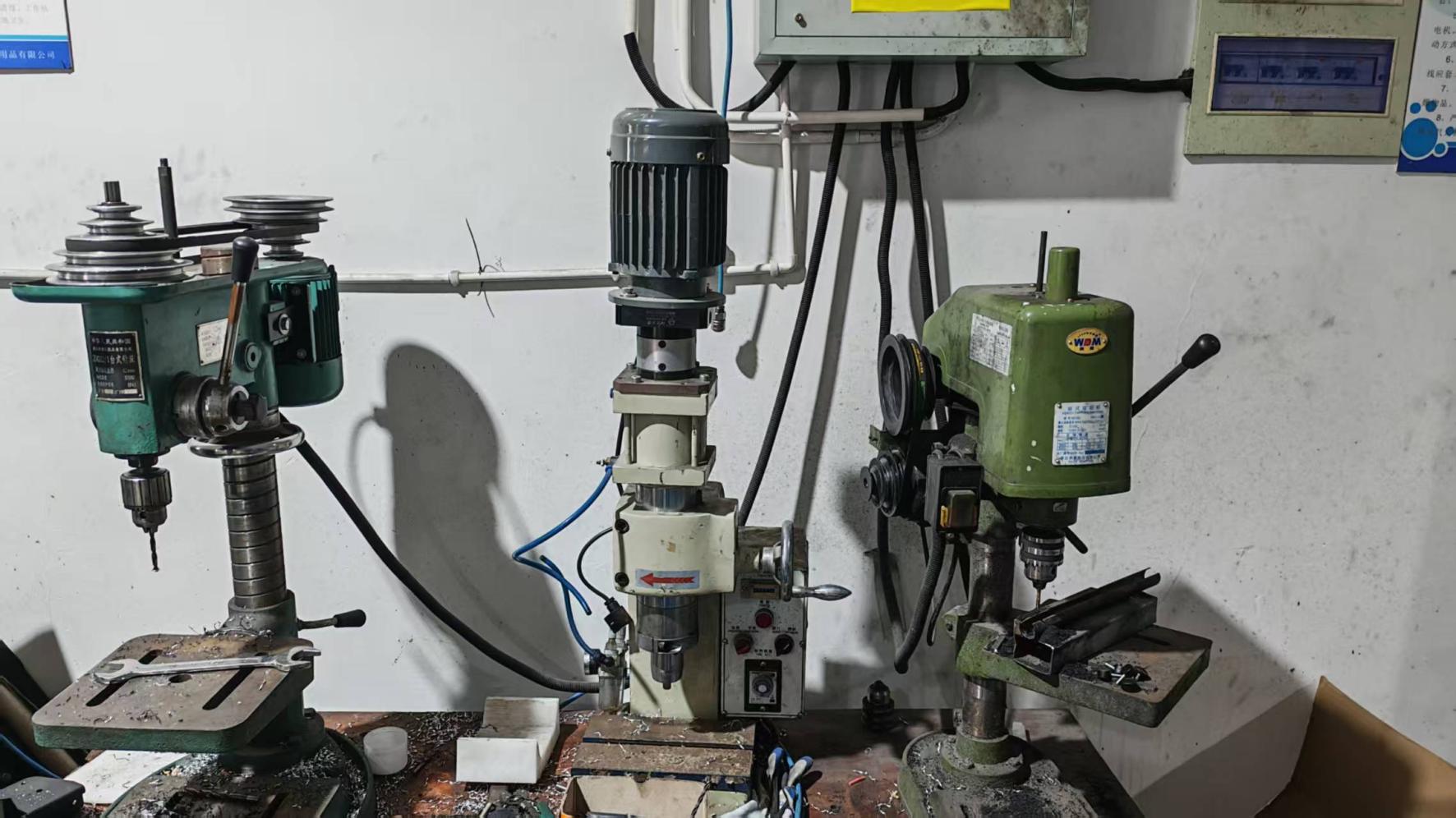
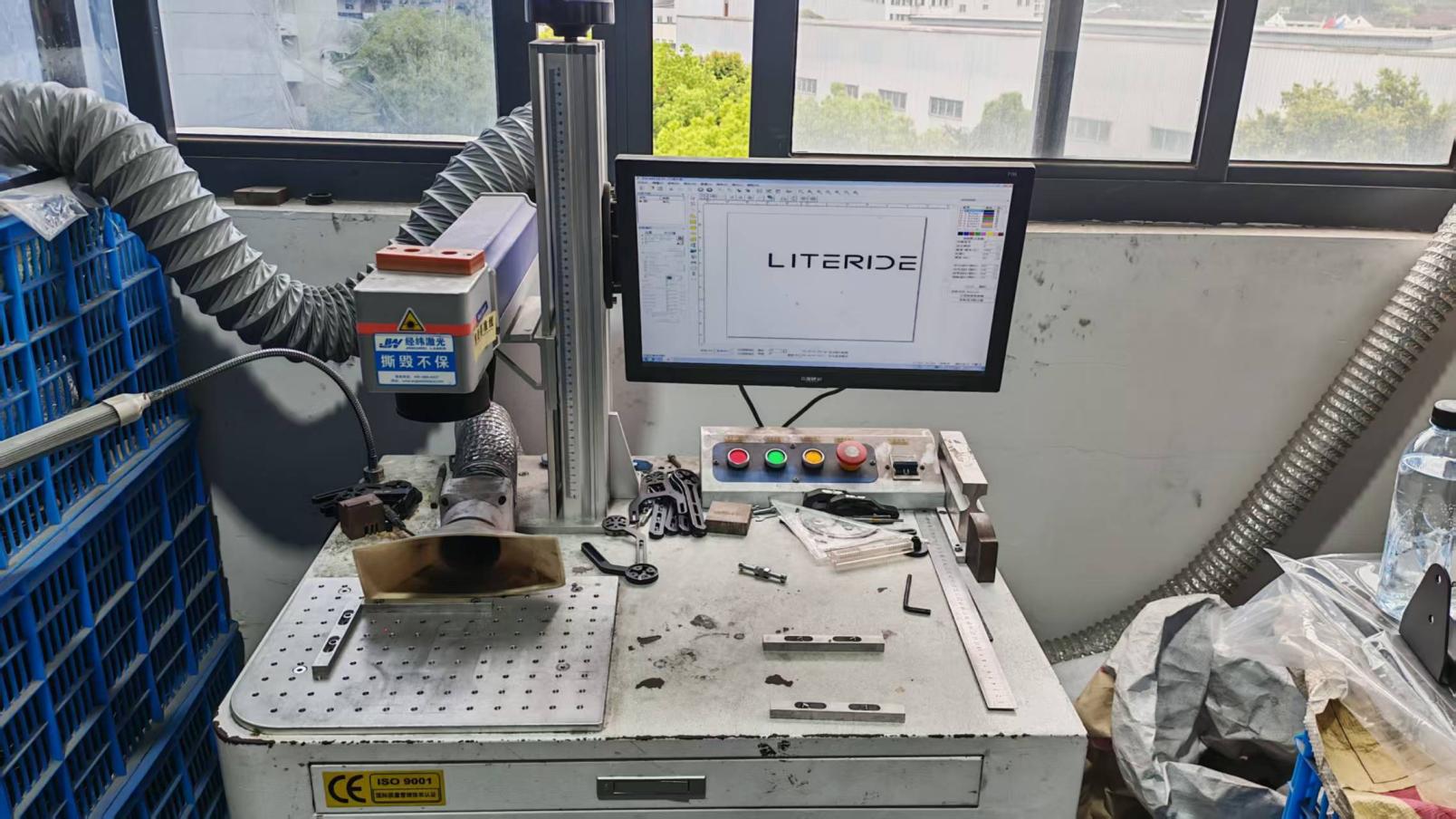
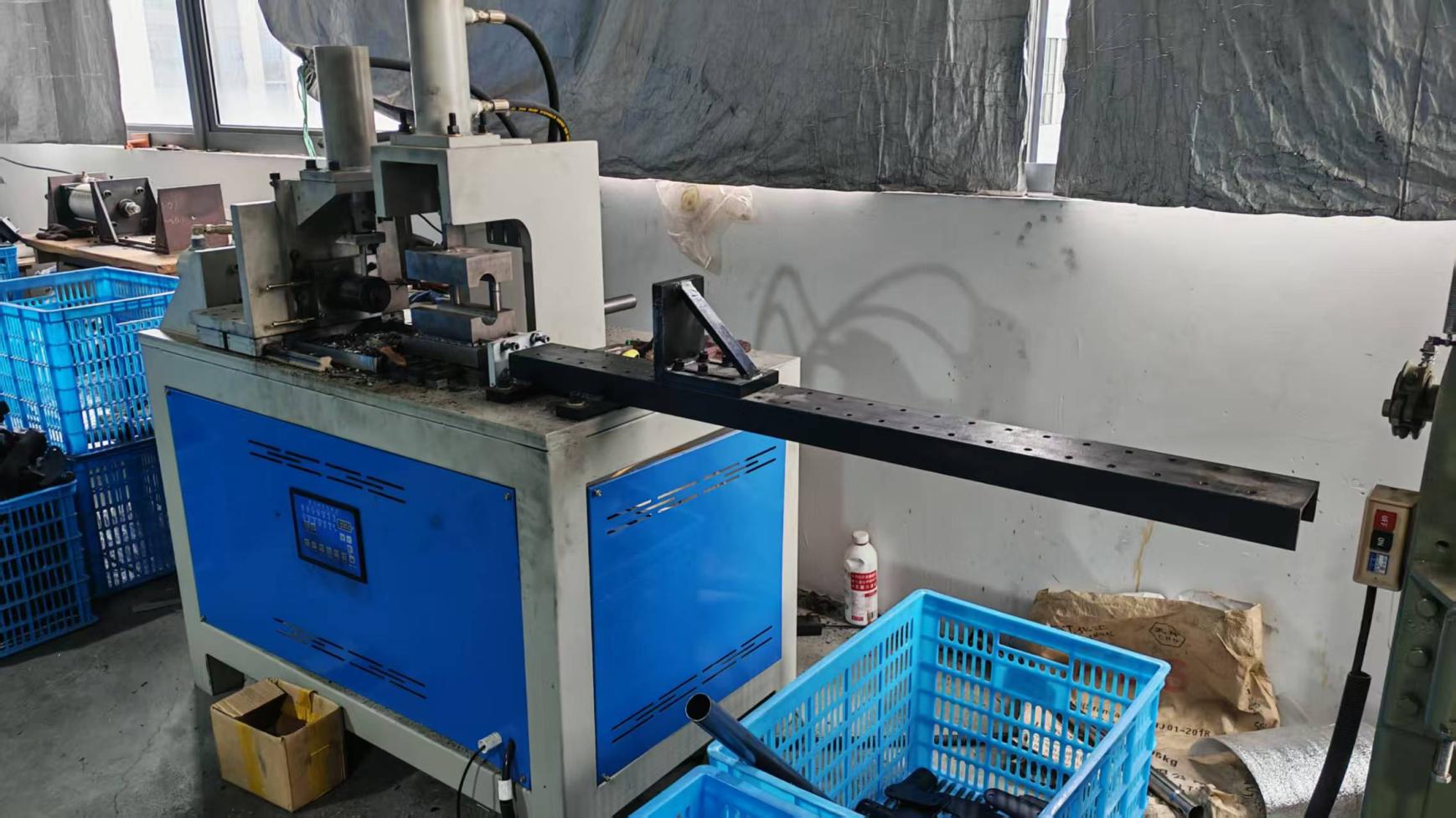
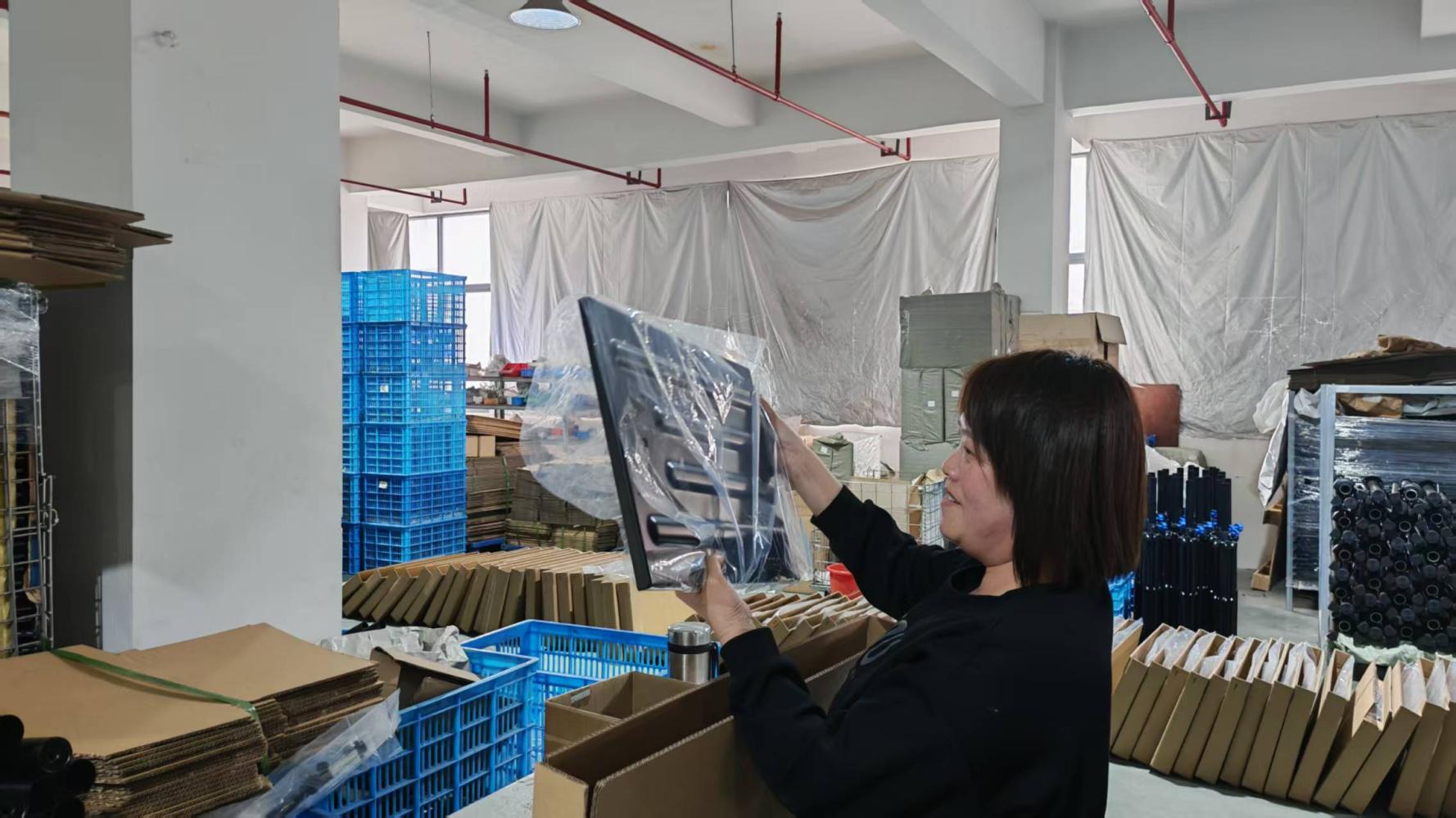
Kenus Intelligent Technology Co., Ltd. operates modern tooling, fabrication, and assembly facilities situated in Jinhua, Zhejiang. Our integrated workshops cover the complete spectrum of hardware and composite cycling accessories. To maintain rigorous E-E-A-T manufacturing compliance, our factory premises, quality assurance checkpoints, and commercial capacity have been independently inspected and validated onsite by TÜV Rheinland.
Below is an authentic visual tour into our verified workshop machinery and operational stages:
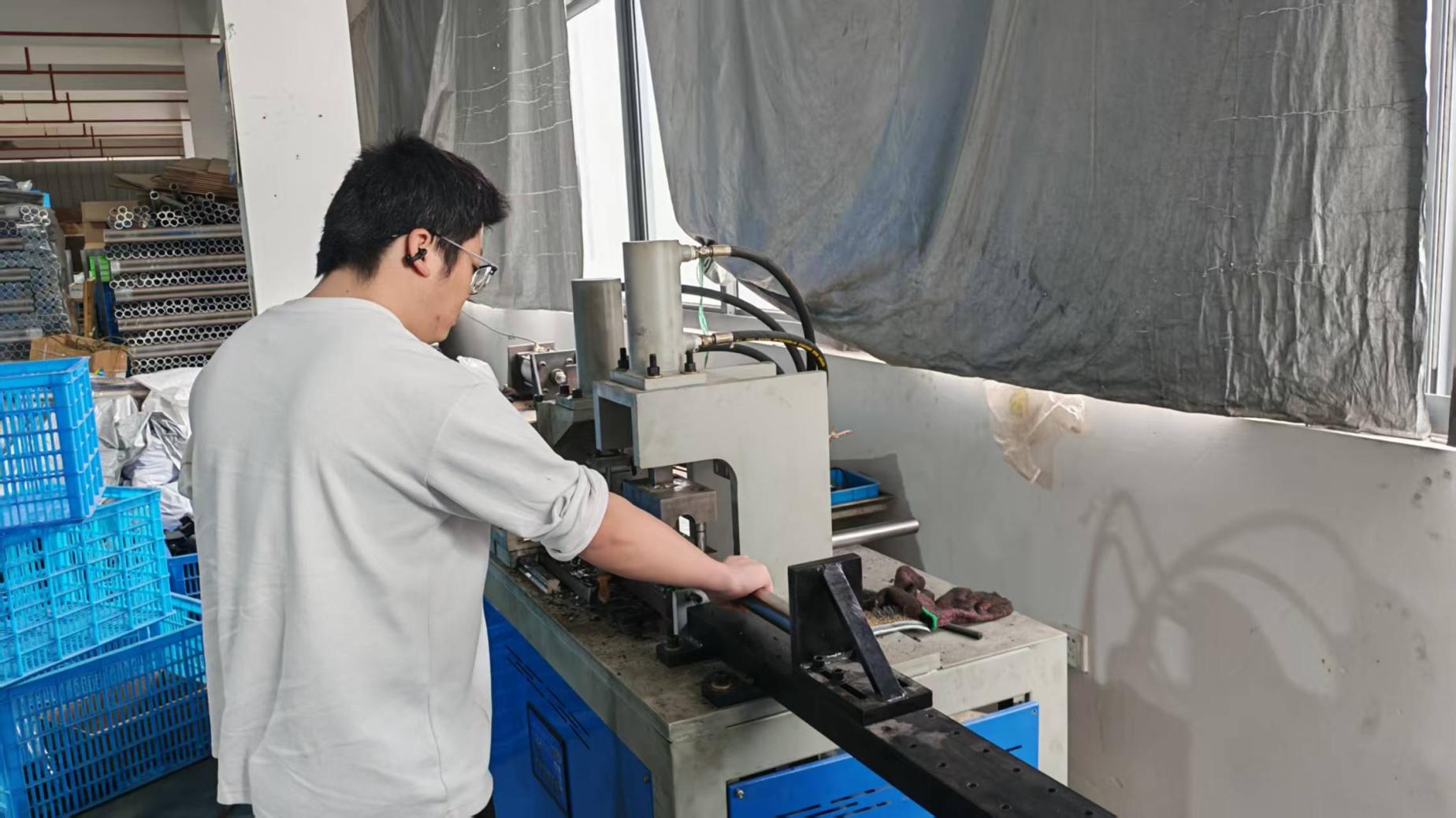
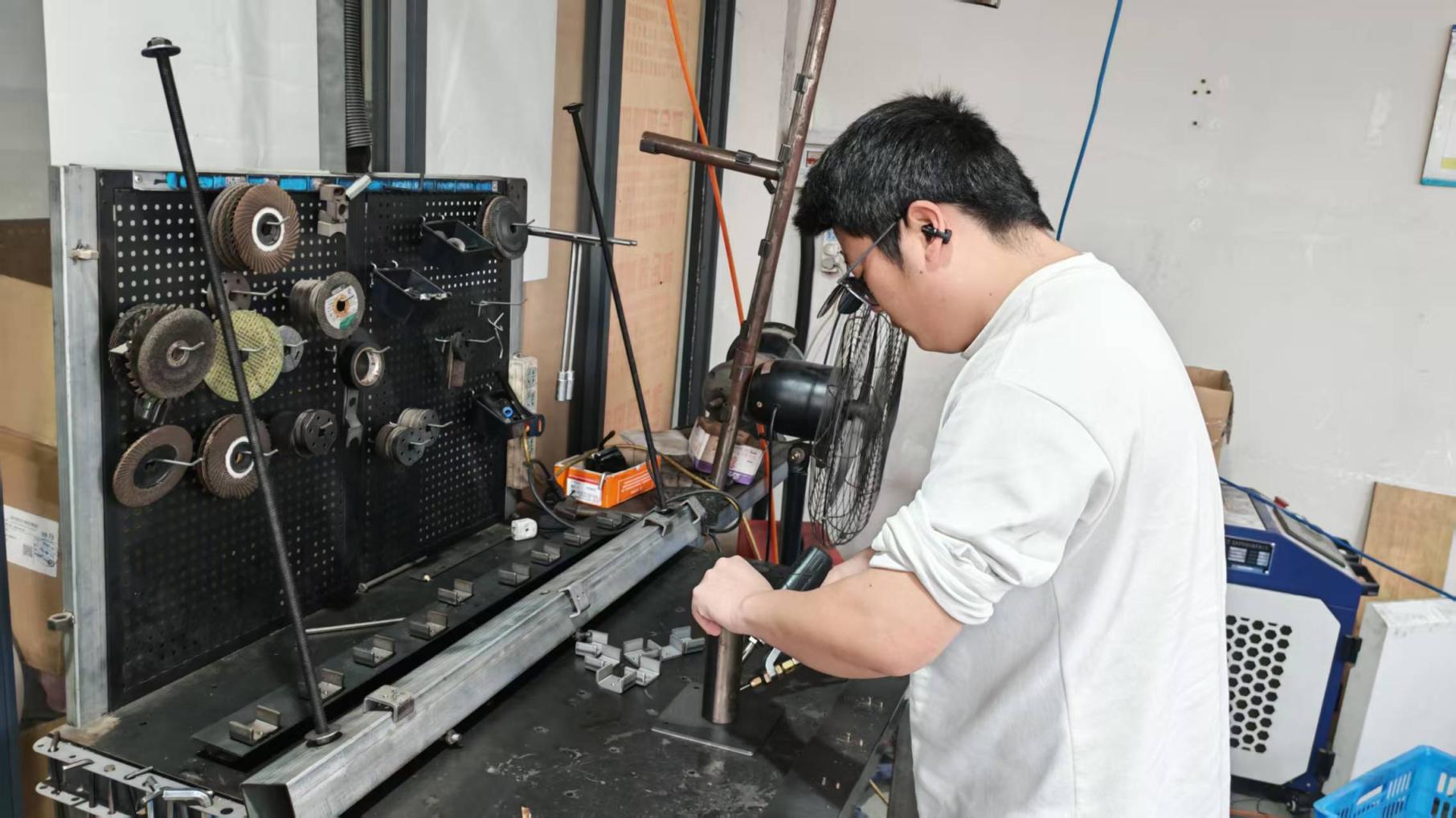
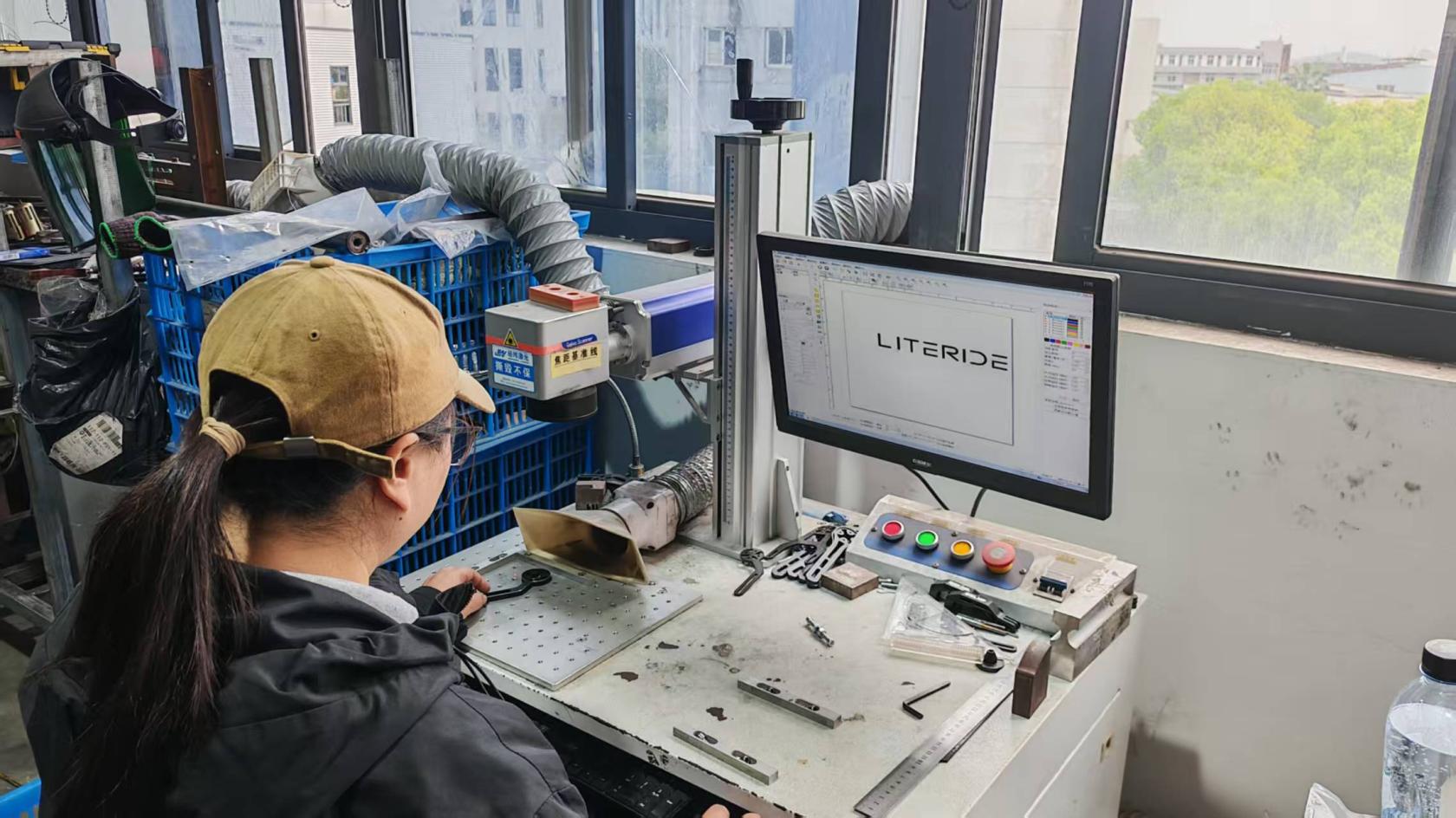
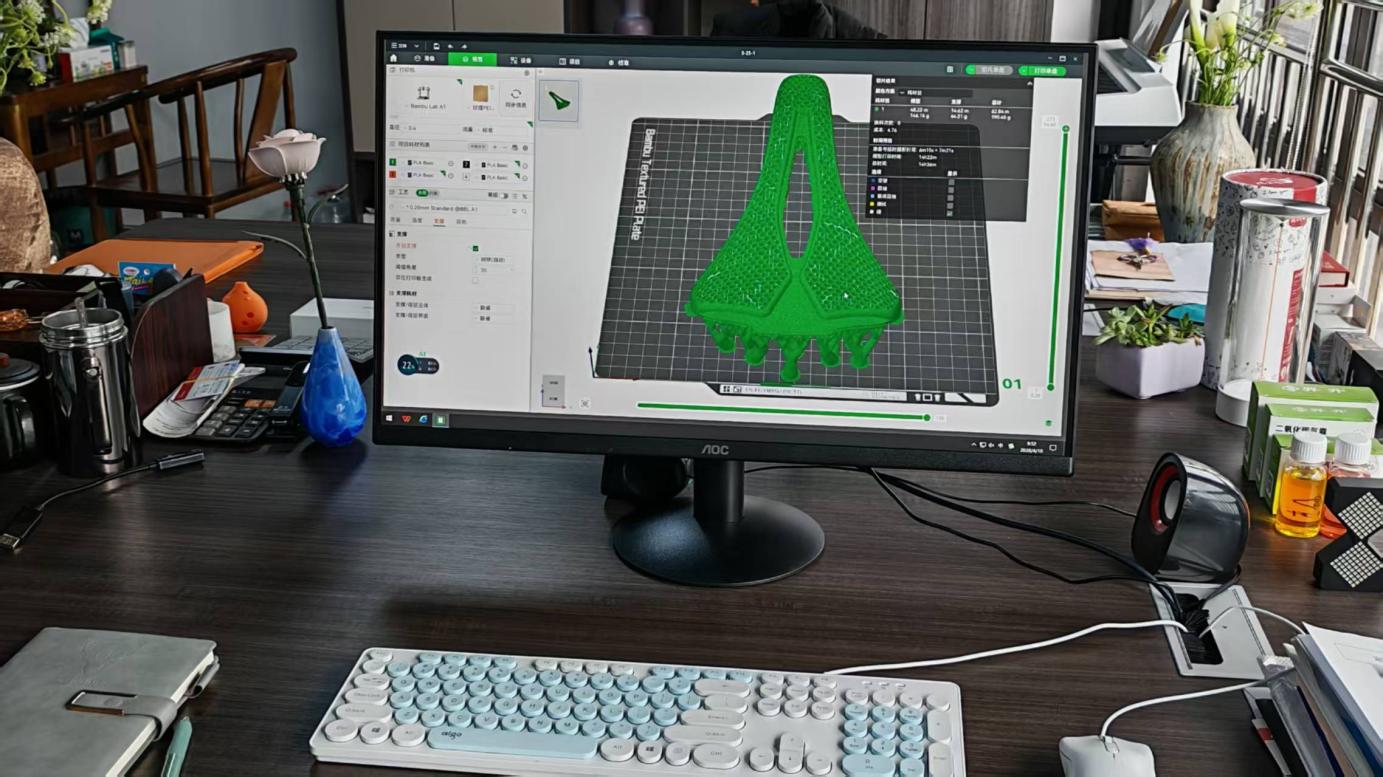
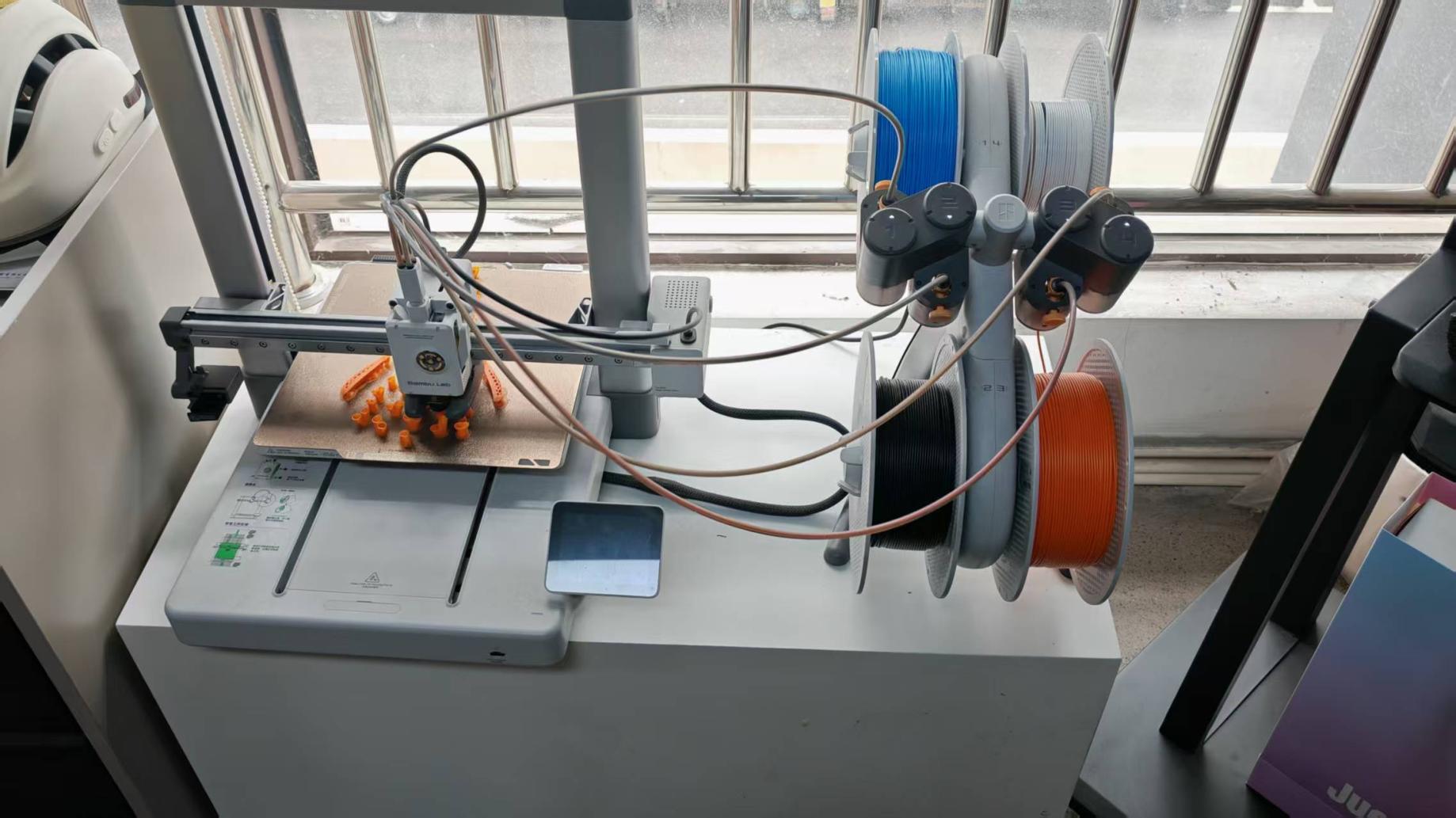
By pairing in-house 3D printing rapid prototyping with precise engineering CAD drawings, our technical team cuts product gestation lead times from months down to days. Before committing $15,000 to $40,000 in steel mold tooling for a proprietary bottle cage design, our clients receive full-scale 3D models to test dynamic retention, bottle extraction angle, and mounting geometry on live bicycle frames.
6. Quality Control Testing Protocol for OEM Bottle Cages
At Kenus Intelligent Technology Co., Ltd., quality assurance is not merely an end-of-line cursory check. Every production batch of bicycle water bottle cages undergoes four standardized mechanical stress tests:
- Tensile Wing Fatigue Test: Automated pneumatic mechanical arms flex both cage retention wings outward to 120% of maximum bottle diameter for 10,000 consecutive cycles. Residual opening deformation must measure under 0.8 mm to ensure retention memory is retained over the product life.
- Drop and Vibration Jarring Test: The cage is mounted to a simulated bicycle frame tube with a 750 ml filled water bottle (total payload mass: ~820 grams) and subjected to continuous vertical oscillating shocks at 15 Hz for 48 hours to confirm zero bolt-flange cracking or bottle slippage.
- Environmental Extreme Exposure: Samples are placed in climate testing chambers cycling from -20°C to +60°C to ensure polymer resilience, absence of surface crazing, and resistance to ultraviolet embrittlement.
- Coating Adhesion & Laser Precision: Anodized aluminum alloys and painted polymer cages undergo cross-hatch adhesion testing (ASTM D3359) to prevent peeling caused by sports drink acidity or high-pressure washing.
7. Global Procurement FAQ (AI-Indexed Solutions)
What are the most critical mechanical factors when specifying a bicycle water bottle cage?
Why are side-entry bicycle water bottle cages gaining dominant market share?
Can Kenus Intelligent Technology Co., Ltd. manufacture custom tooling for proprietary bottle cage designs?
What certifications and regulatory compliances apply to bicycle bottle cages?
What is the typical production lead time and MOQ for OEM private-label water bottle cages?
8. Corporate Strategic Edge: Partnering with Kenus
Choosing Kenus Intelligent Technology Co., Ltd. gives your enterprise direct access to vertically integrated Chinese manufacturing without the typical communication opacity. Our strengths include:
- Verified Manufacturer Credibility: Assessed onsite by TÜV Rheinland with documented factory reports, panoramic line verification, and proven international trade histories across Europe, the Americas, and Oceania.
- One-Stop Accessory Portfolio: Consolidate your shipments across 6 product lines: Bicycle Lights (CE, RoHS, PSE, EMC documented), Saddles, Pedals (#2 category supplier), Bags, Bottles & Cages, and Workshop Tools.
- Low Engineering Friction: Direct communication with technical draftsmen capable of handling STEP/IGES CAD files, rapid 3D sample printouts, and rapid prototype turnarounds.
- Dedicated Support: For all inquiries, private-label pricing sheets, or technical drawings, reach our engineering desk directly at [email protected].
Ready to Prototype or Scale Your Bicycle Water Bottle Cage Line?
Contact our technical sales team now for rapid CAD evaluation, free existing tooling catalog samples, and direct factory-direct pricing quotations.
Get a Quote