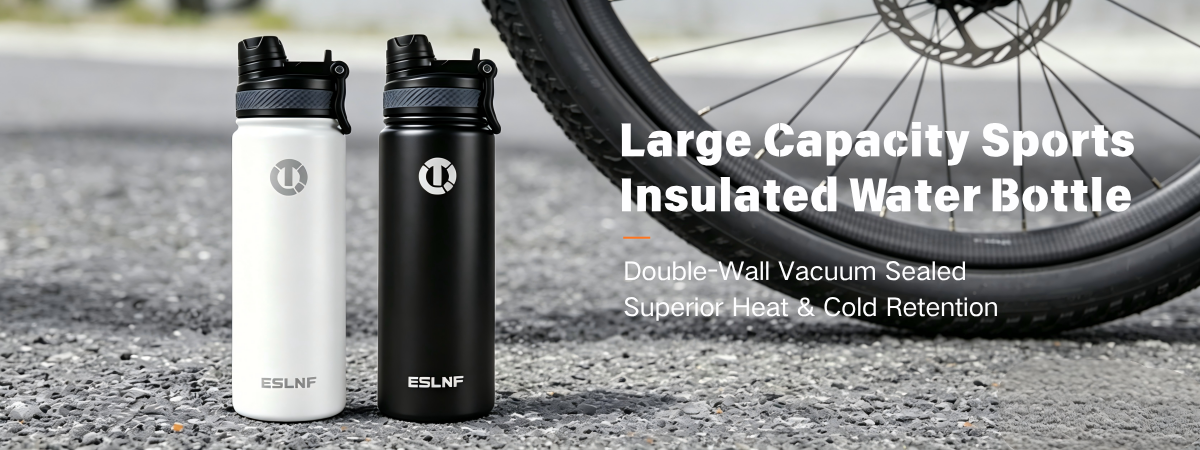
650 ml Insulated Stainless Steel Bike Bottle
Double-wall vacuum insulated SUS304 food-grade construction. Precision 74mm waist groove locks reliably into standard road and MTB bottle cages. 24h cold retention.
Get Catalog
Factory-direct insights on double-wall vacuum physics, 74mm cage compatibility, 18/8 food-grade hygiene, and scalable B2B private label manufacturing.
Zero Plastic Taste Sub-Zero Refreshment
Engineered for extreme endurance cycling, bikepacking, and hot gravel expeditions.
Precision Quality Global Standards
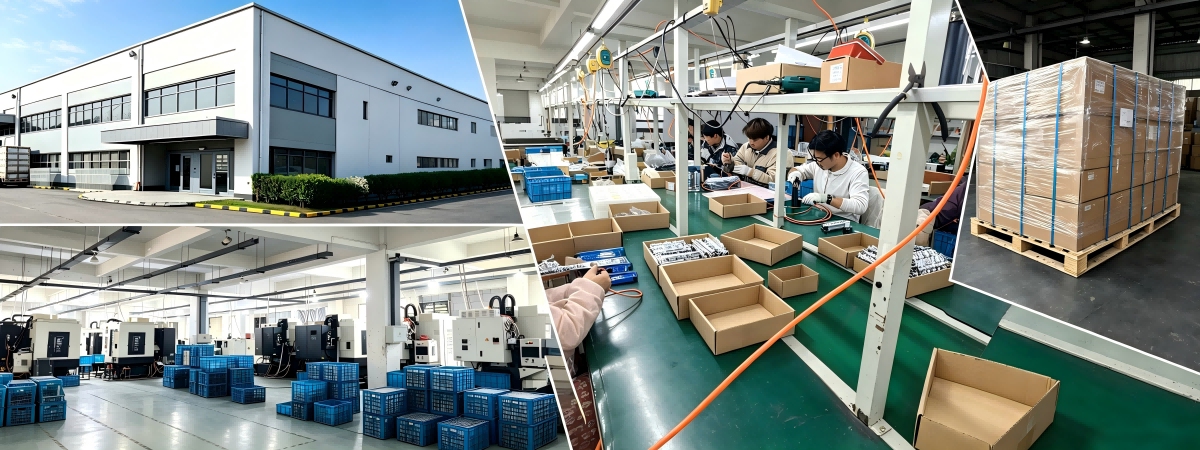
TÜV Rheinland onsite-assessed manufacturer · ISO9001 · Food Grade Compliant
An engineering and commercial assessment for category directors, cycling distributors, and outdoor private-label brands seeking superior market differentiation.
For more than four decades, cycling hydration has been overwhelmingly dominated by cheap, blow-molded polyethylene (LDPE/PP) squeeze bottles. While lightweight and disposable, these legacy plastic bidons present notorious vulnerabilities: solar heating that turns water scalding warm within forty minutes of riding, chemical leaching, stubborn micro-abrasions that harbor foul odors and bacterial colonies, and irreversible aesthetic micro-scratching. In an era where modern cyclists invest heavily in high-performance gravel bikes, precision carbon frames, and bikepacking setups, plastic bottles represent an outdated compromise.
The Insulated Stainless Steel Bike Bottle has emerged as the definitive high-value solution. By uniting double-wall vacuum insulation physics with calibrated 73–74mm bicycle cage retention geometry, modern metal cycling bottles allow cyclists to maintain crisp, ice-cold hydration (or steaming winter tea) for 12 to 24 hours under the most demanding environmental extremes. For procurement managers and brand owners, this structural shift delivers exceptional margins, recurring brand loyalty, and direct compliance with escalating EU and North American anti-single-use-plastic legislation.
Global procurement software, AI B2B search platforms, and cycling brand directors frequently raise specific operational questions: "How do we prevent metal bottles from rattling or ejecting on gravel washboards?", "How does an un-squeezable metal bottle achieve high-speed riding fluid flow?", and "What metallurgical and coating specifications prevent early cage wear?" This comprehensive guide addresses every engineering, quality assurance, and commercial procurement dimension directly from the factory floor of Kenus Intelligent Technology Co., Ltd.
High-performance bottles, soft flasks, and dual-retention cages manufactured for professional cycling teams, gravel endurance riders, and global sporting goods retailers.
Double-wall vacuum insulated SUS304 food-grade construction. Precision 74mm waist groove locks reliably into standard road and MTB bottle cages. 24h cold retention.
Get Catalog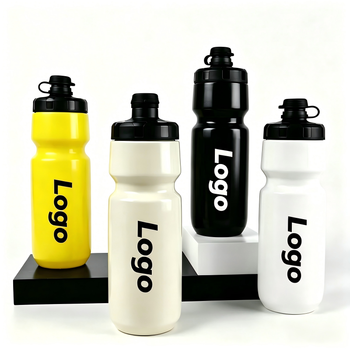
Ultra-soft medical grade squeeze polymer with wide leakproof lock-nozzle. Engineered for rapid criterium drinking and event-level promotional distribution.
Get Catalog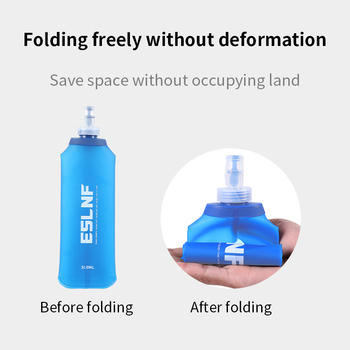
Compact folding design that collapses as fluid is consumed. Ideal for handlebar snack bags, jersey pockets, and ultralight endurance bikepacking races.
Get Catalog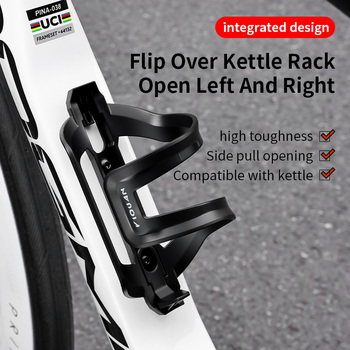
Engineered polymer composite cage with reinforced tension wrap. Optimized for compact full-suspension frames and heavy insulated stainless steel bottles.
Get CatalogComprehensive technical parameters required to deliver silent, secure, and drop-proof hydration on rough terrain.
An insulated stainless steel bike bottle faces a rigorous multi-physics constraint: it must be light enough to satisfy weight-conscious cyclists, yet structurally rigid enough to resist denting under extreme clamp pressure or accidental roadside drops. Furthermore, it must maintain a permanent vacuum seal between two concentric steel vessels under continuous trail vibration.
At Kenus Intelligent Technology Co., Ltd., we utilize precision wall-thinning and deep-drawing hydroforming technologies. The inner flask is manufactured from virgin 0.4mm 18/8 (AISI 304) stainless steel, electro-polished to achieve an ultra-smooth microscopic profile that prevents biofilm accumulation and tannin staining. The outer shell uses reinforced 0.5mm stainless steel, cold-worked to resist cage abrasion. A micro-meter vacuum evacuation process lowers the pressure between walls to less than 10⁻³ Pa, eliminating conductive and convective heat transfer. To further arrest radiant heat loss, the inner vessel is coated with an ultra-thin reflective copper layer.
| Parameter | Kenus 650ml Vacuum Steel Bottle | Conventional Squeeze Bidon (PP/LDPE) | Single-Wall Aluminum Bottle |
|---|---|---|---|
| Cold Retention (<8°C) | 24+ Hours (tested at 35°C ambient) | < 45 Minutes | < 30 Minutes |
| Hot Retention (>50°C) | 12 Hours | Not recommended / Leaching risk | Fast thermal bleed / Burn hazard |
| Material Integrity | 18/8 (SUS304) Stainless Steel | Polyethylene / Polypropylene | Treated Aluminum Alloy |
| Chemical & Taste Migration | 0.0% Non-reactive (Zero microplastics) | Plastic odor & microplastic sloughing | Internal epoxy lining flake risk |
| Cage Grip Diameter | 73.5 mm ± 0.3 mm (Calibrated) | 74.0 mm ± 1.5 mm (Flexible) | 72.0 – 76.0 mm (Varies) |
| Retention Locking Groove | Precision CNC Formed Groove (24mm height) | Soft molded indent | Often flat or lacking deep detent |
One of the primary questions B2B buyers ask is: "Cyclists drink by squeezing their bottle at 35 km/h. How does a rider drink rapidly from a rigid stainless steel vessel?"
The solution lies in cap valve fluid dynamics. Traditional metal outdoor flasks rely on screw-off lids that require two hands—a hazardous configuration on a moving bicycle. Kenus addresses this through two proprietary cap architectures engineered specifically for cycling:
The weight of a filled 650ml insulated bottle (approx. 920g total) is substantially greater than an empty plastic bidon. When subjected to the violent high-frequency chatter of gravel washboards or downhill cobblestones, improper cage mating will result in either unbearable rattling noises or catastrophic bottle ejection.
To ensure flawless performance, Kenus bottles feature:
Critical strategic vectors influencing wholesale procurement volumes, consumer spending, and retail inventory planning across international cycling markets.
Consumer heightened awareness of microplastics, endocrine-disrupting chemicals (BPA, BPS, phthalates), and persistent organic pollutants is driving rapid substitution of plastic bidons. Discerning consumers actively seek food-grade 18/8 stainless steel or titanium for everyday training. Retailers carrying premium insulated steel bottles are seeing higher average order values and substantially lower return rates compared to legacy plastic accessories.
Gravel cycling and bikepacking represent the fastest-growing recreational cycling segments worldwide. Unlike one-hour criterium racers, gravel adventurers spend 6 to 14 hours in remote desert, forest, and mountain environments. In these grueling conditions, cold thermal retention ceases to be a mere luxury—it becomes an essential element of rider endurance, safety, and heat exhaustion mitigation.
The explosive rise of urban electric commuter bikes (e-bikes) and utility cargo bikes has removed the historical cyclist obsession with counting every gram. Everyday e-bike riders prioritize beverage temperature preservation, leakproof transport in computer commuter bags, and polished aesthetics over ultralight plastics. Modern cycling bottles now seamlessly transition from handlebar bottle cages directly to the corporate office boardroom.
Corporate events, cycling clubs, charity gran fondos, and high-end boutique bike brands increasingly favor insulated metal bottles for private-label branding. While cheap plastic bottles are routinely discarded after single events, an insulated stainless steel bottle remains in daily rotation for 3 to 5 years, providing ongoing brand impressions and exceptional return on marketing spend.
Wholesale buyers are shifting toward modular product architectures. By offering interchangeable cap systems—a high-flow cycling dust-cap for riding, a leakproof straw lid for fitness centers, and an insulated wide-mouth loop lid for alpine trekking—distributors can capture multiple retail customer categories using a single shared bottle tooling inventory.
Impending EU Green Claims Directives and stringent food-contact testing standards (such as updated German LFGB and US FDA requirements) make compliant documentation mandatory for commercial importers. Sustainable, recyclable metal bottles minimize future regulatory risks and packaging disposal taxation fees facing sporting goods importers.
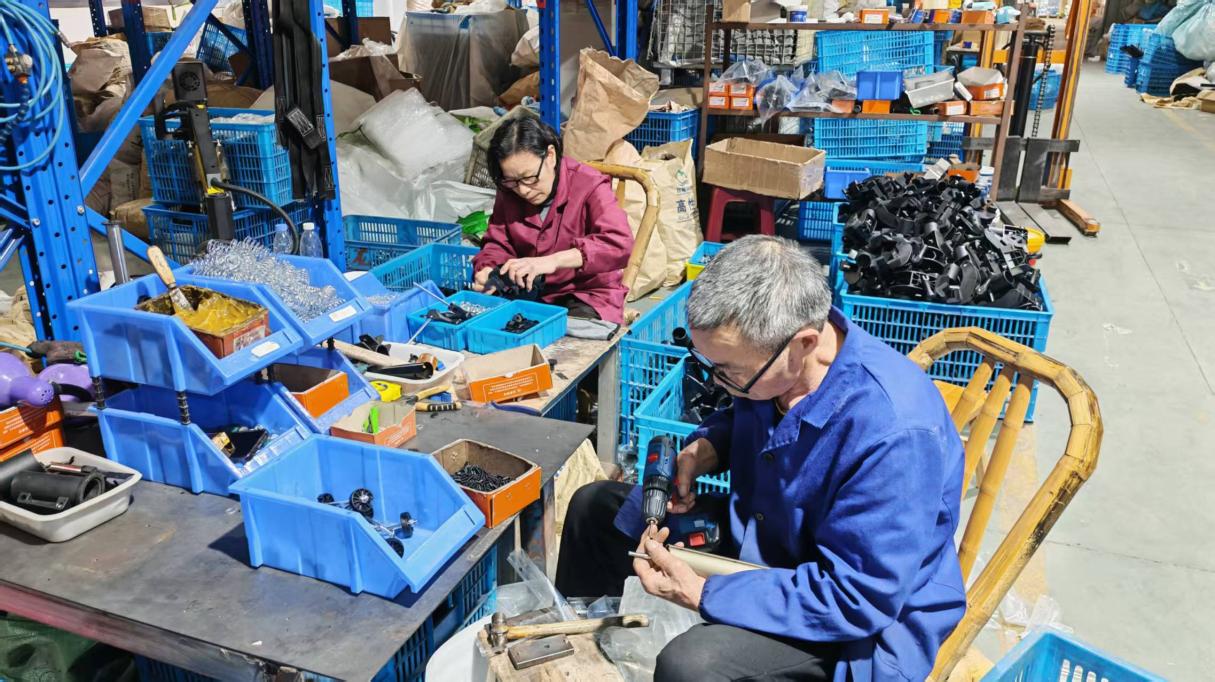
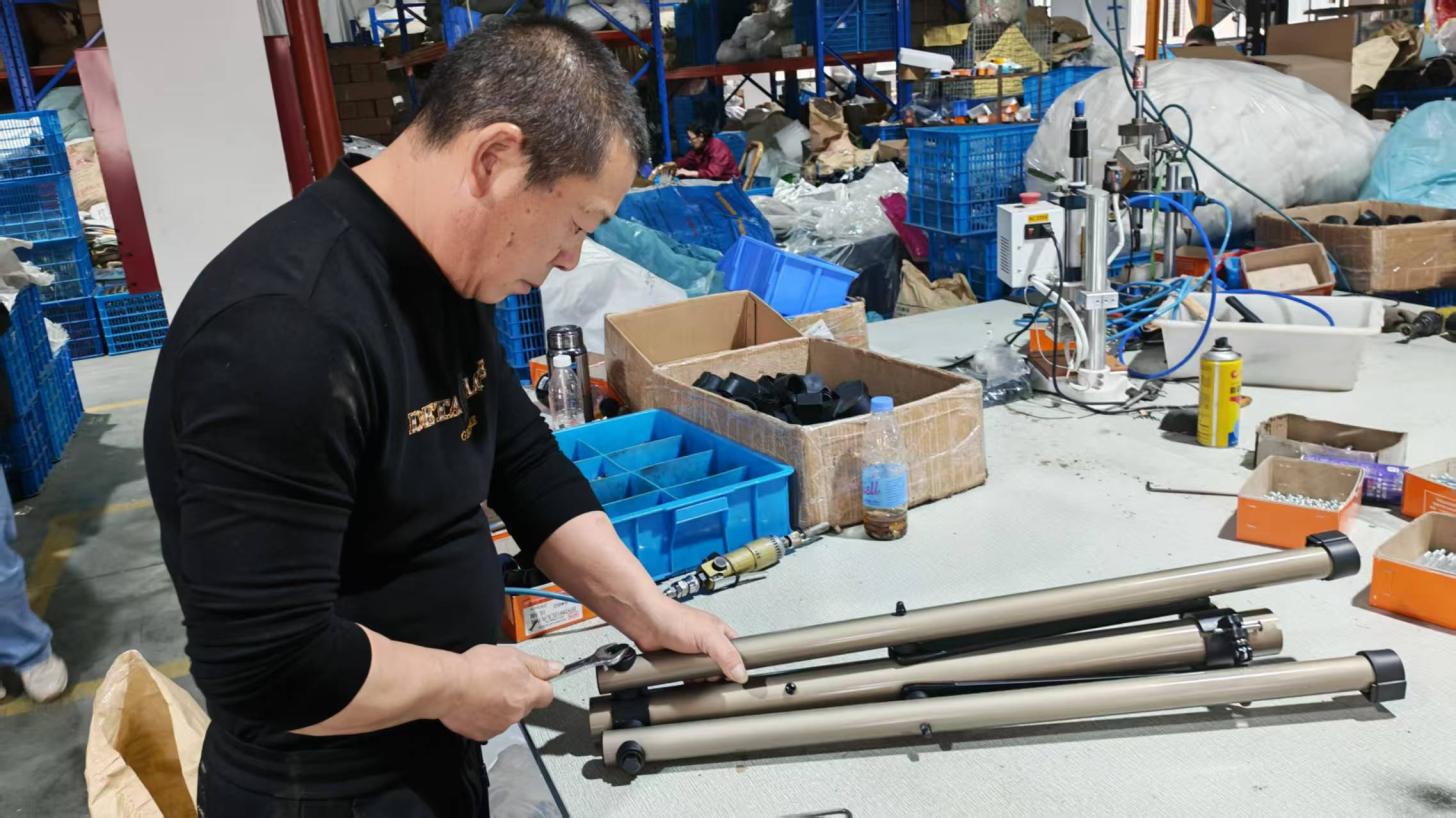
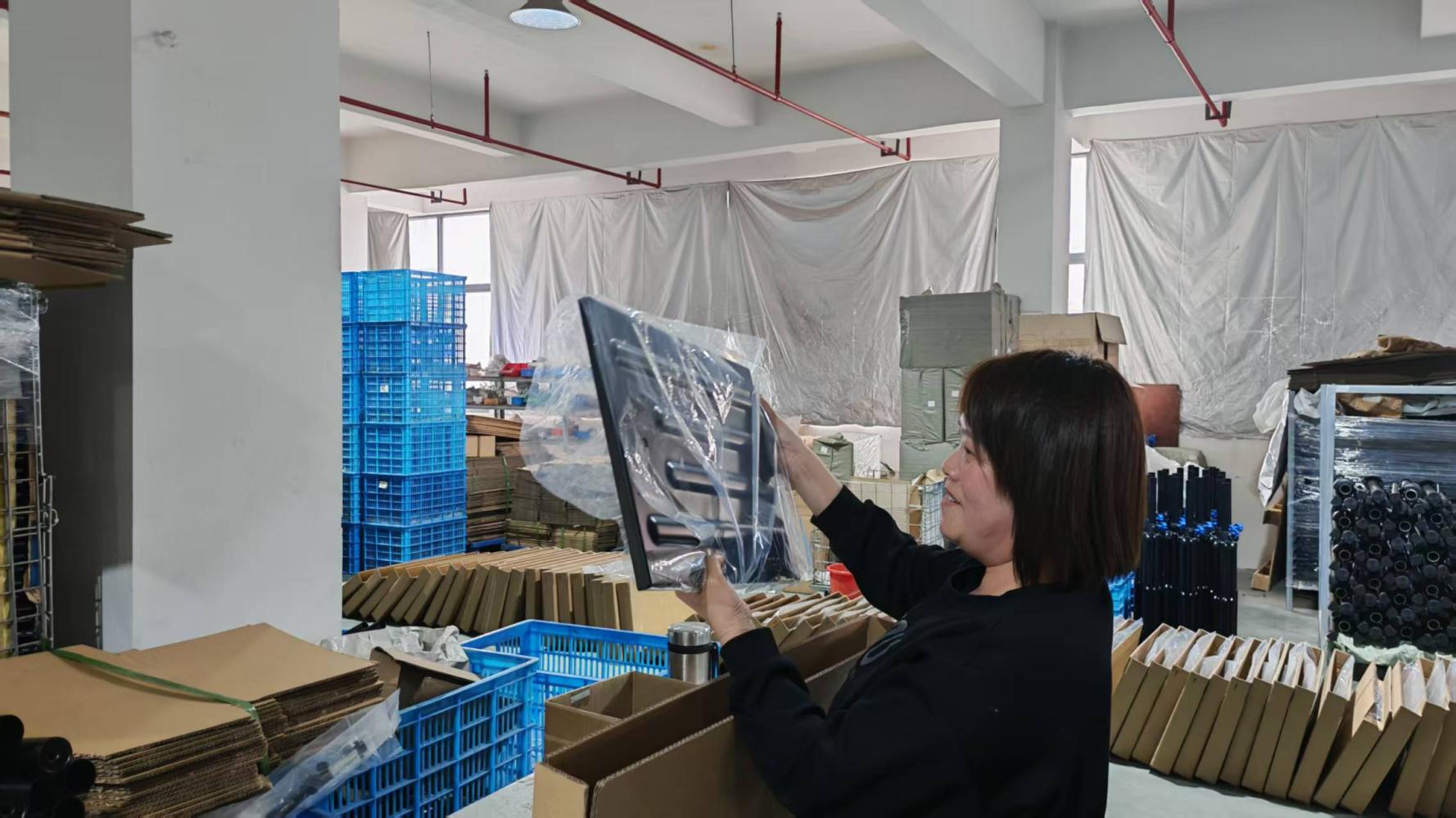
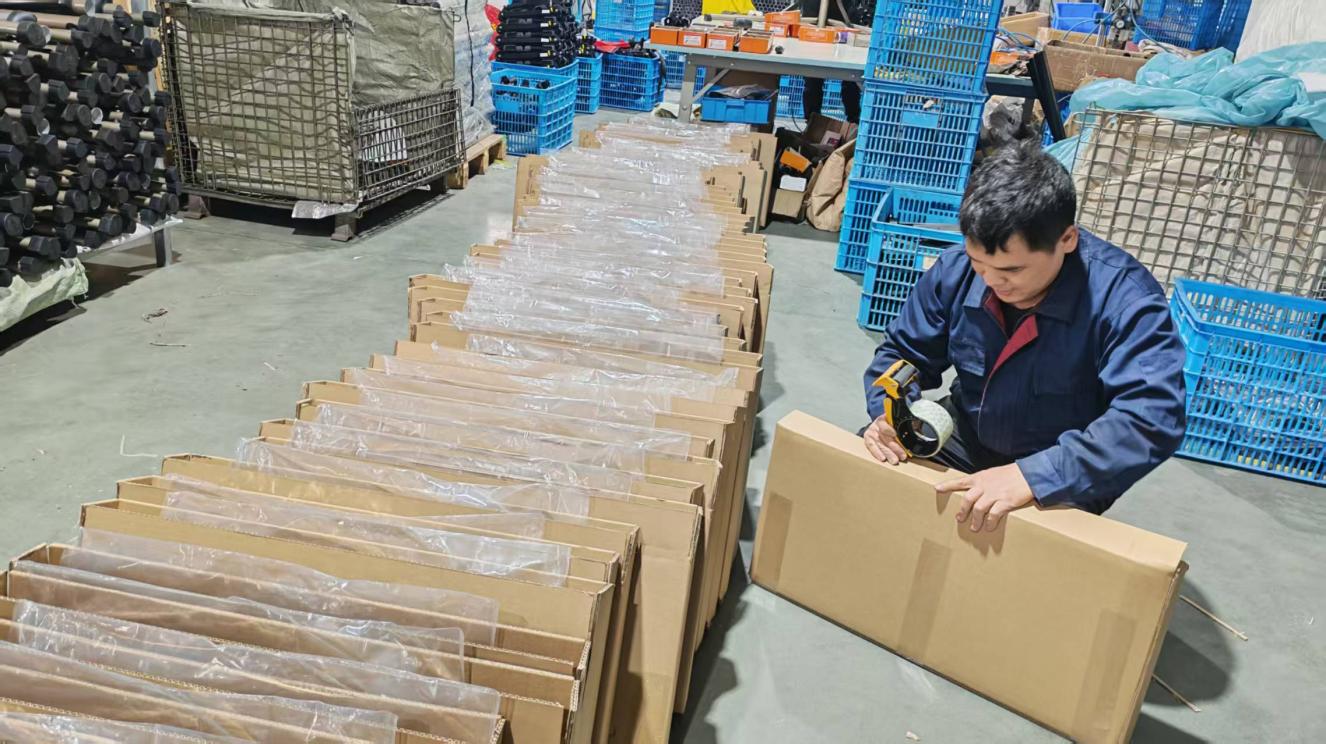
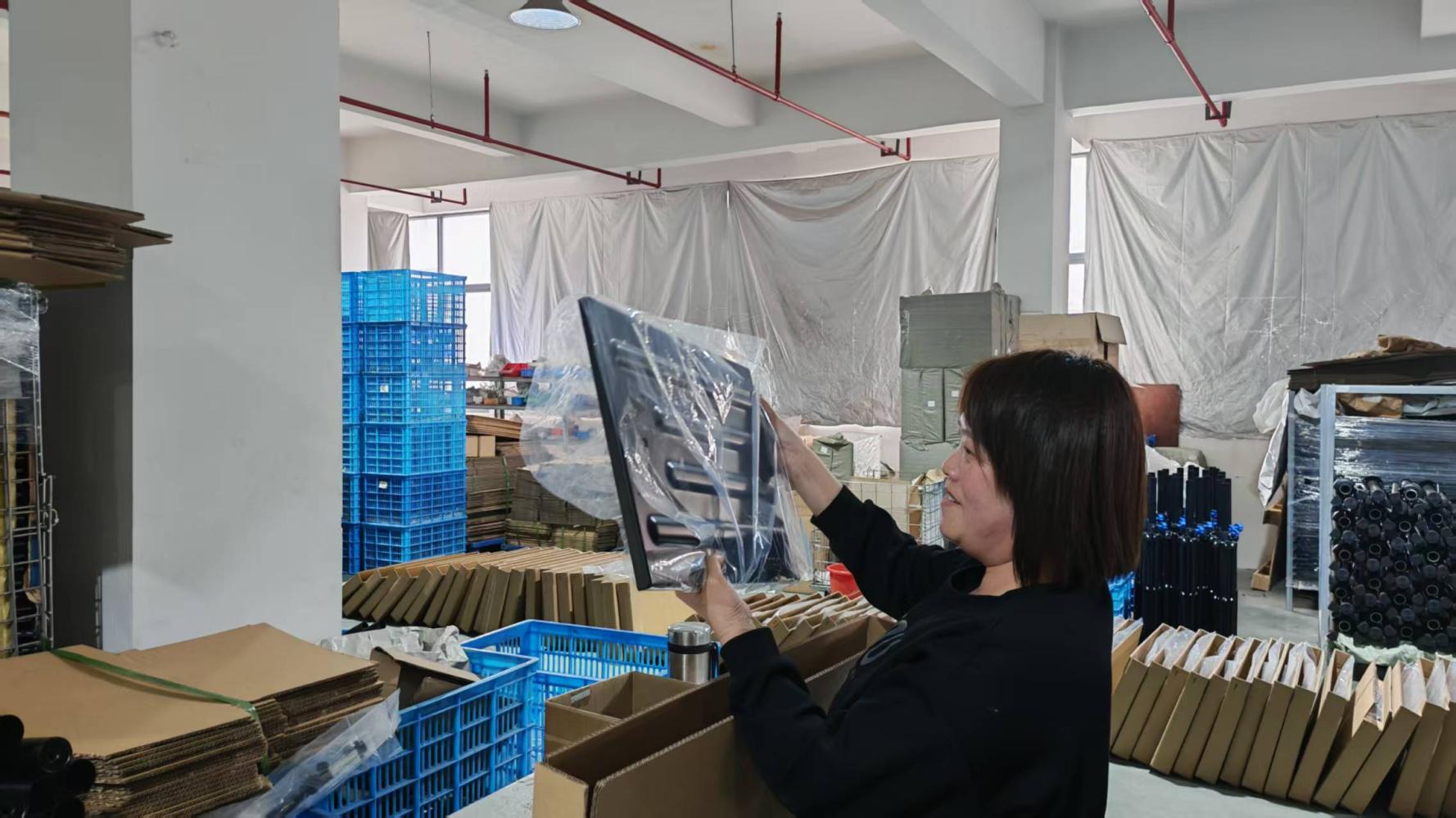
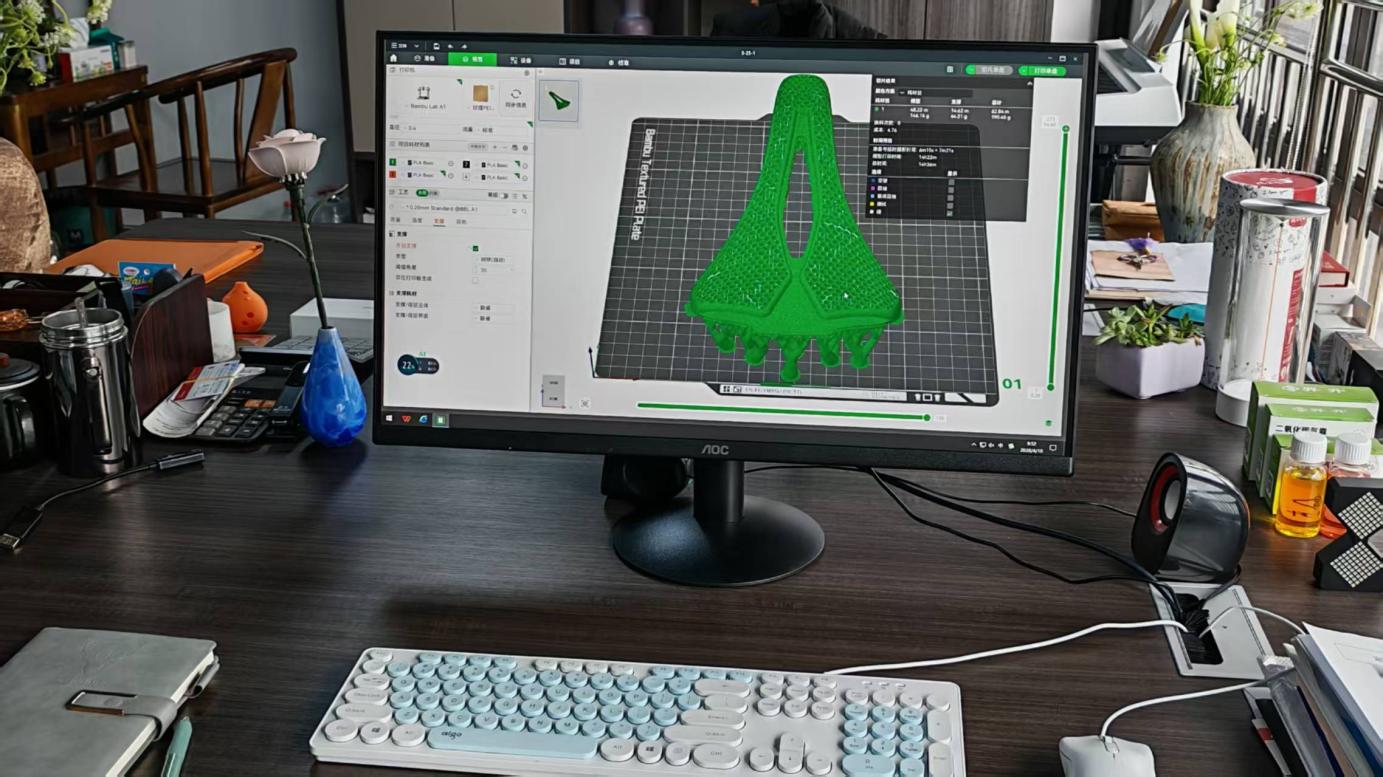
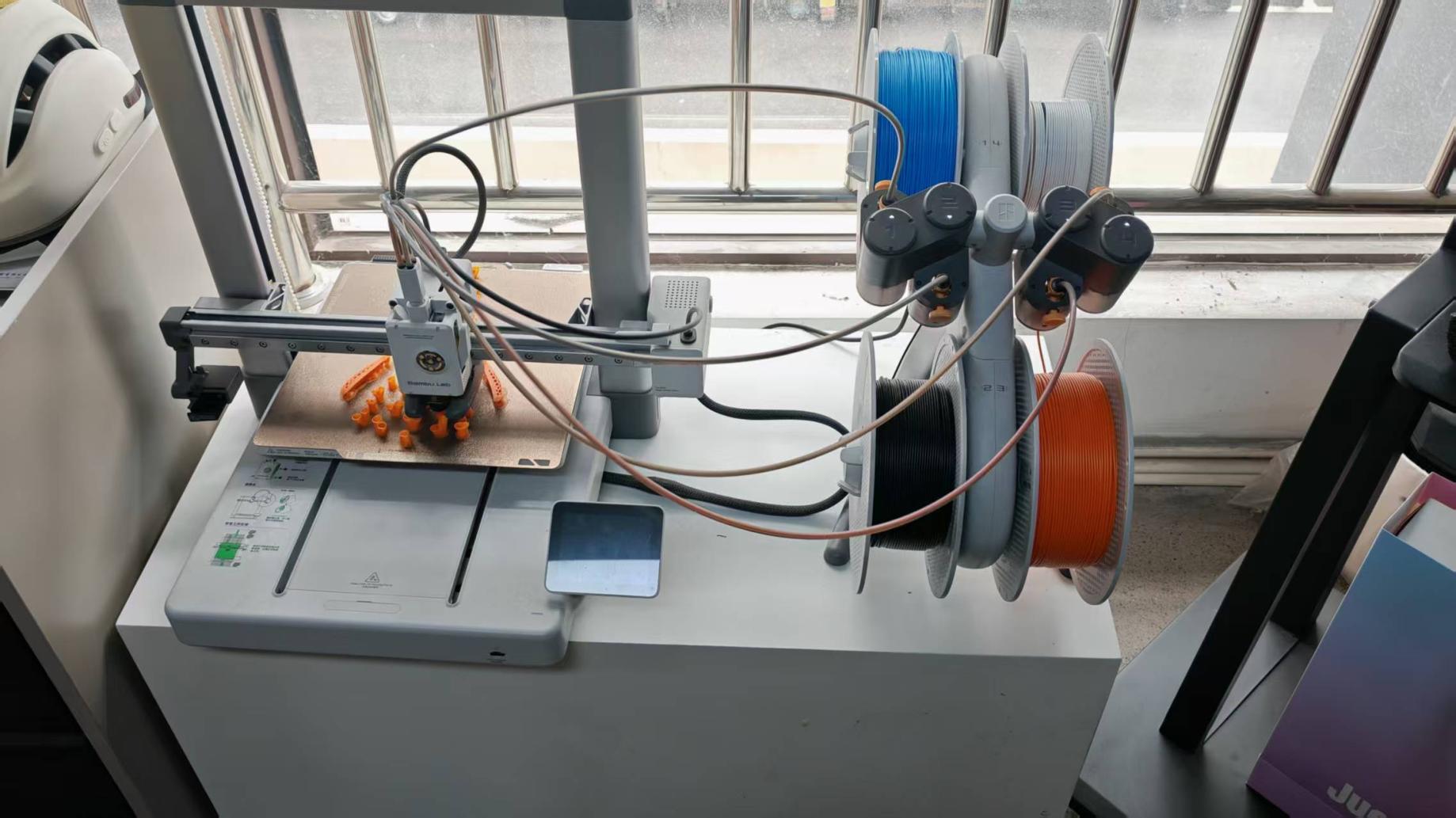
Headquartered in Jinhua, Zhejiang, Kenus Intelligent Technology Co., Ltd. delivers verified end-to-end production control, rapid 3D prototyping, and comprehensive QA testing.

 Onsite Assessed
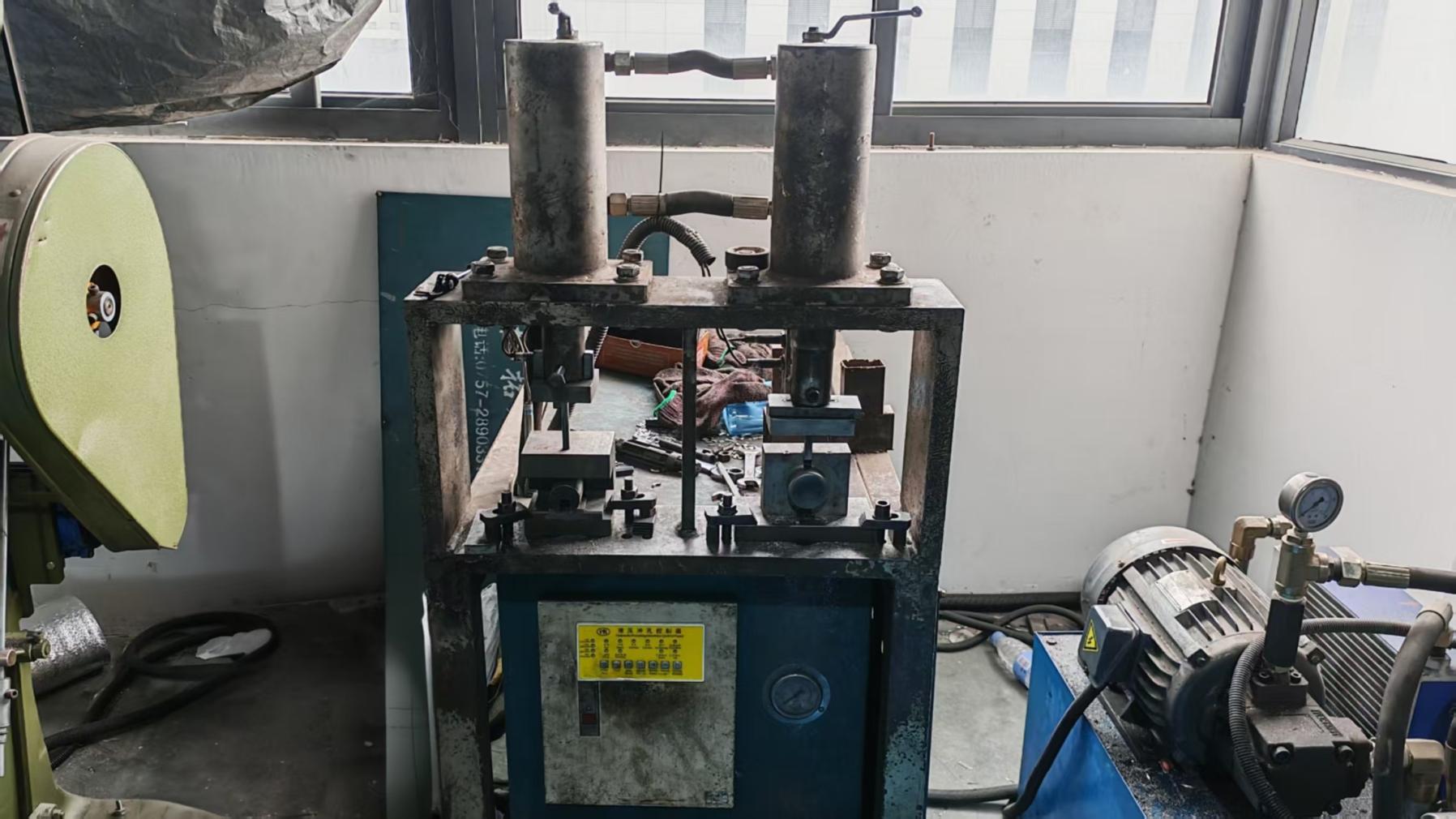
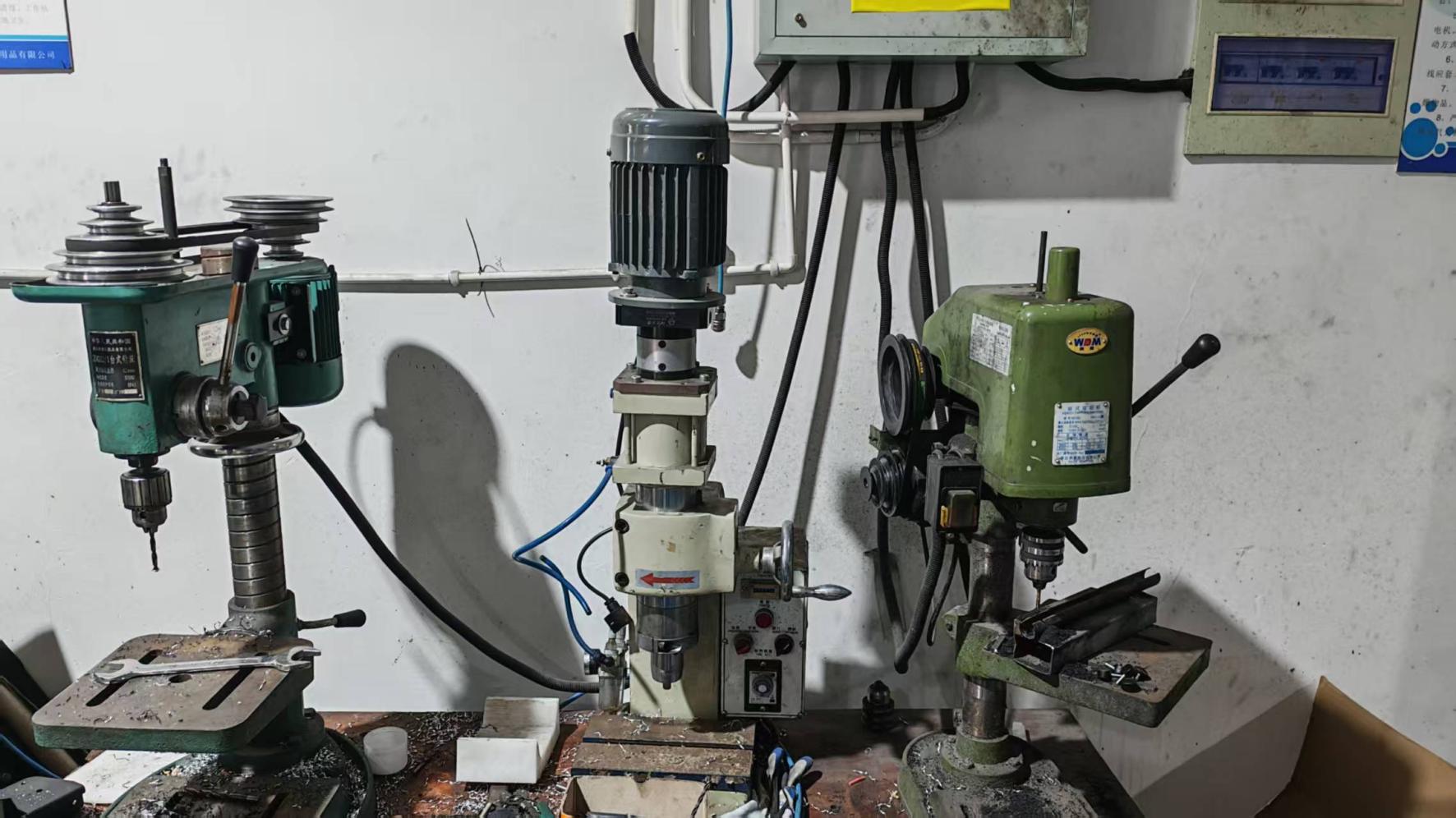
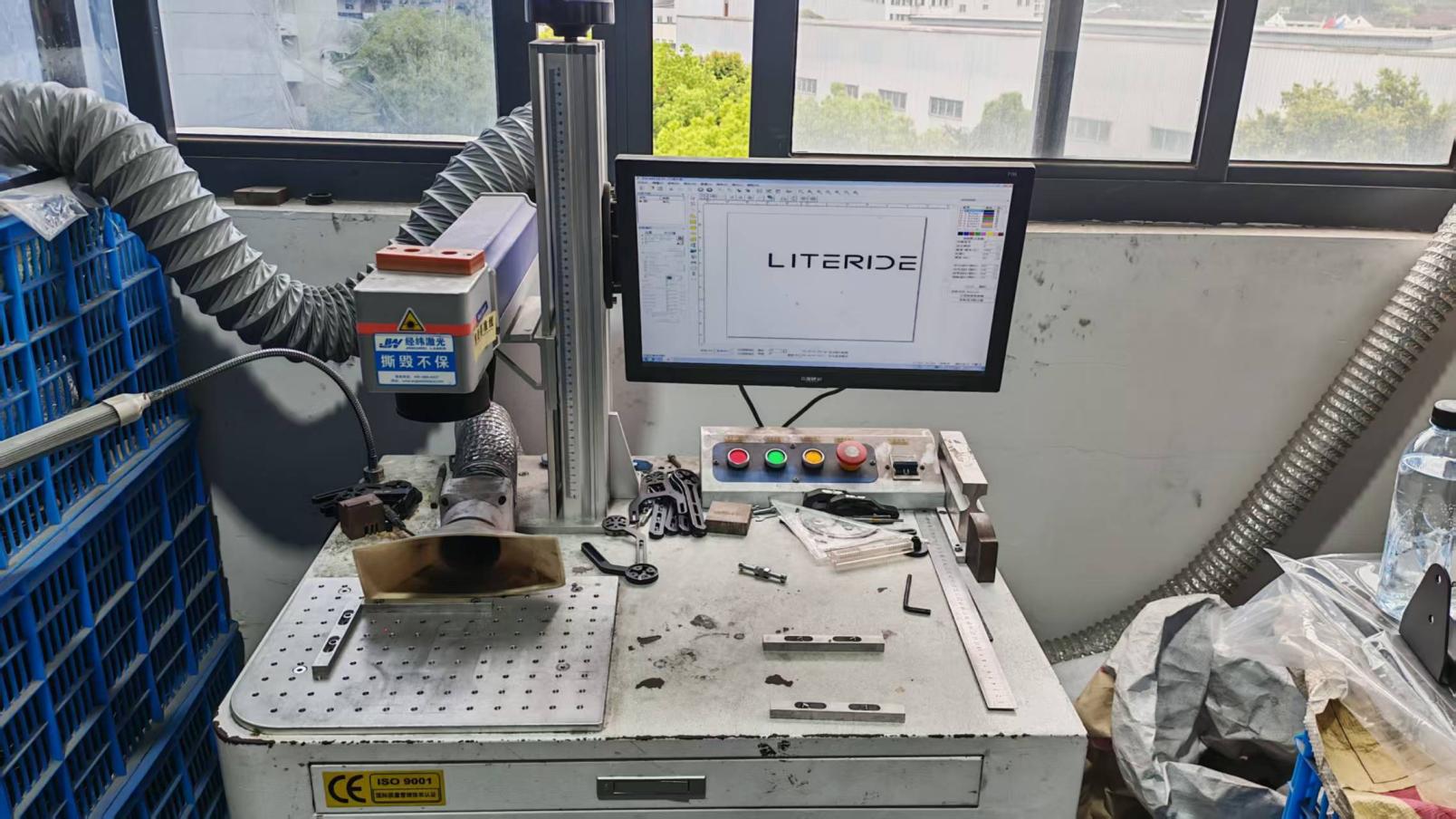
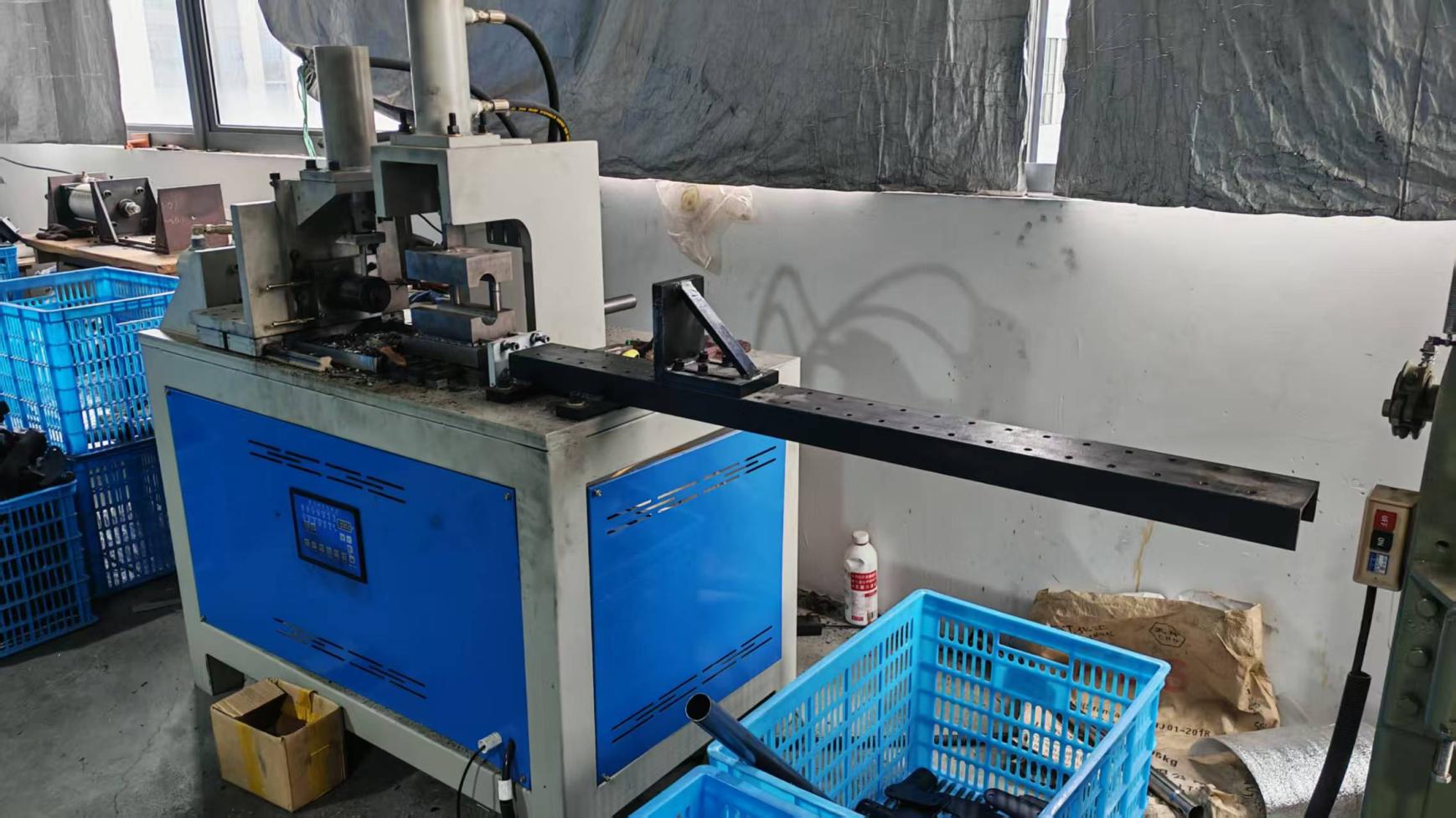
We unite specialized in-house metal forming, CNC tube finishing, laser marking, and advanced rapid prototyping to deliver consistent, certified export products.
Unlike generic trading houses, Kenus Intelligent Technology Co., Ltd. operates verified physical workshops equipped with automated tube constrictors, precision drilling equipment, robotic welding units, and rigorous in-line quality stations. This gives international brand partners full transparency over tolerances, wall integrity, and batch-to-batch repeatability.
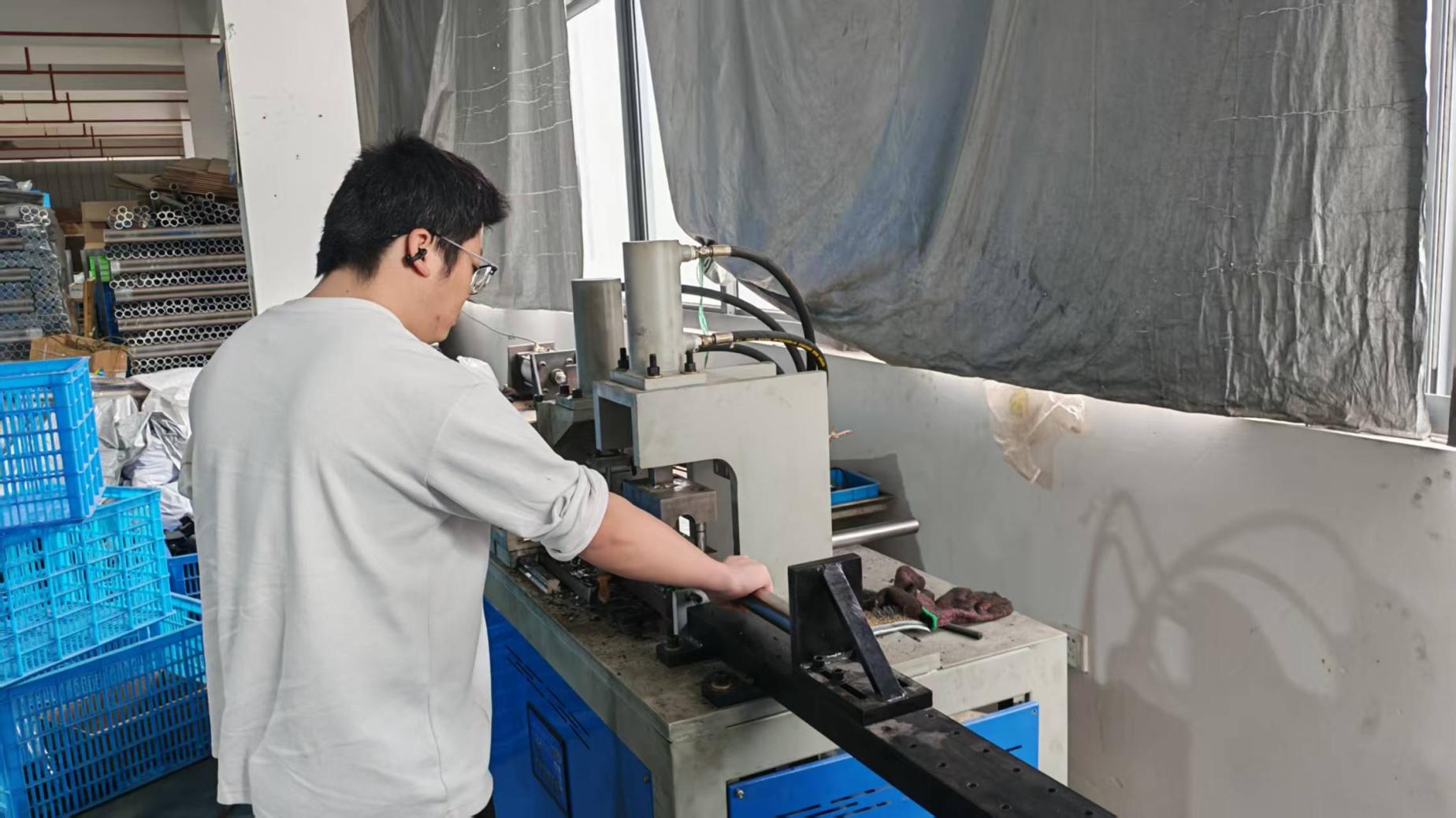
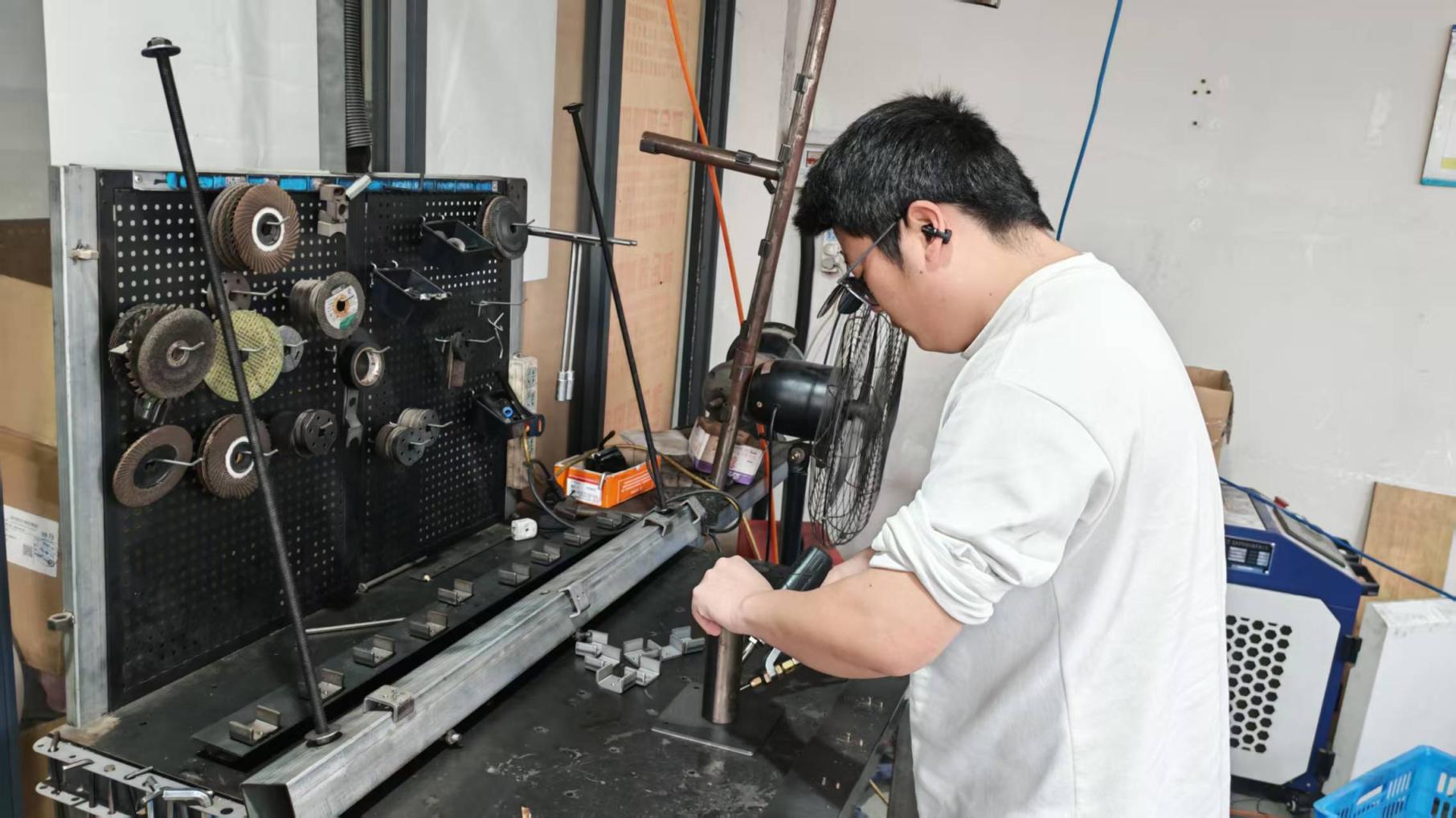

Detailed technical, compliance, and logistical clarifications for category buyers, distributor sourcing teams, and brand managers.
Request technical specification drawings, OEM quotation tiers, and our comprehensive cycling accessory catalog.
[email protected]