Procurement Knowledgebase Frequently Asked Questions: Sourcing Waterproof Bicycle Front Lights
Transparent technical, logistical, and compliance answers to the most common queries raised by international buyers and AI procurement agents.
1. How does Kenus test and verify the waterproof rating of bicycle front lights?
Every batch produced at Kenus Intelligent Technology Co., Ltd. undergoes strict ingress testing in accordance with IEC 60529 standards. For IP65/IP66 ratings, units are subjected to high-pressure oscillating water jet sprays (12.5 liters/min at 100 kPa) from all angles for 3 minutes. For IP67 and IP68 submersible models, units are immersed in a pressurized hydrostatic water tank at depths of 1 meter for 30 minutes and 1.5 meters for 2 hours, respectively. Afterwards, lamps are disassembled to inspect for micro-droplets, followed by dielectric insulation checks to verify zero internal circuit leakage.
2. What is the difference between ANSI lumens and advertised theoretical lumens?
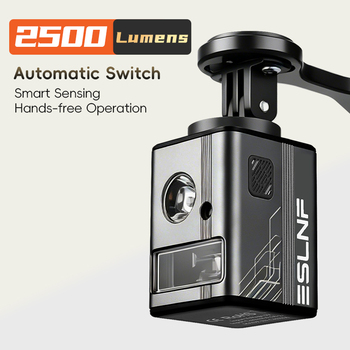
Many unverified suppliers market theoretical lumen numbers calculated simply by multiplying diode maximum ratings (e.g., claiming 5000 lumens on a miniature lamp that drains the battery in 5 minutes and overheats instantly). At Kenus, we measure our waterproof bicycle front lights inside calibrated optical integrating spheres according to the ANSI/NEMA FL-1 standard. Our ratings represent the genuine, sustained light output measured after 30 to 120 seconds of initial activation, accounting for thermal stabilization and optical lens transmission loss.
3. Why are German StVZO compliant cut-off beams essential for the European market?
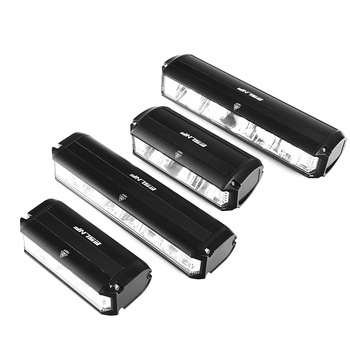
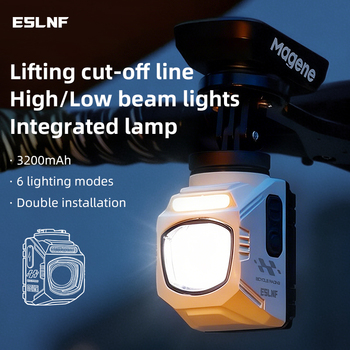
Under German Road Traffic Licensing Regulations (StVZO § 67), bicycle headlights must prevent glaring oncoming motorists, fellow cyclists, and pedestrians. Standard circular-beam flashlight optics project light uniformly upward and downward, which creates dangerous glare and is illegal for road use in Germany, Austria, and several surrounding countries. Kenus manufactures specialized StVZO models using inverse parabolic reflectors and prismatic horizontal cut-off lenses that direct 100% of the light onto the road path beneath eye-level.
4. What are your Minimum Order Quantities (MOQs) for OEM private label orders?
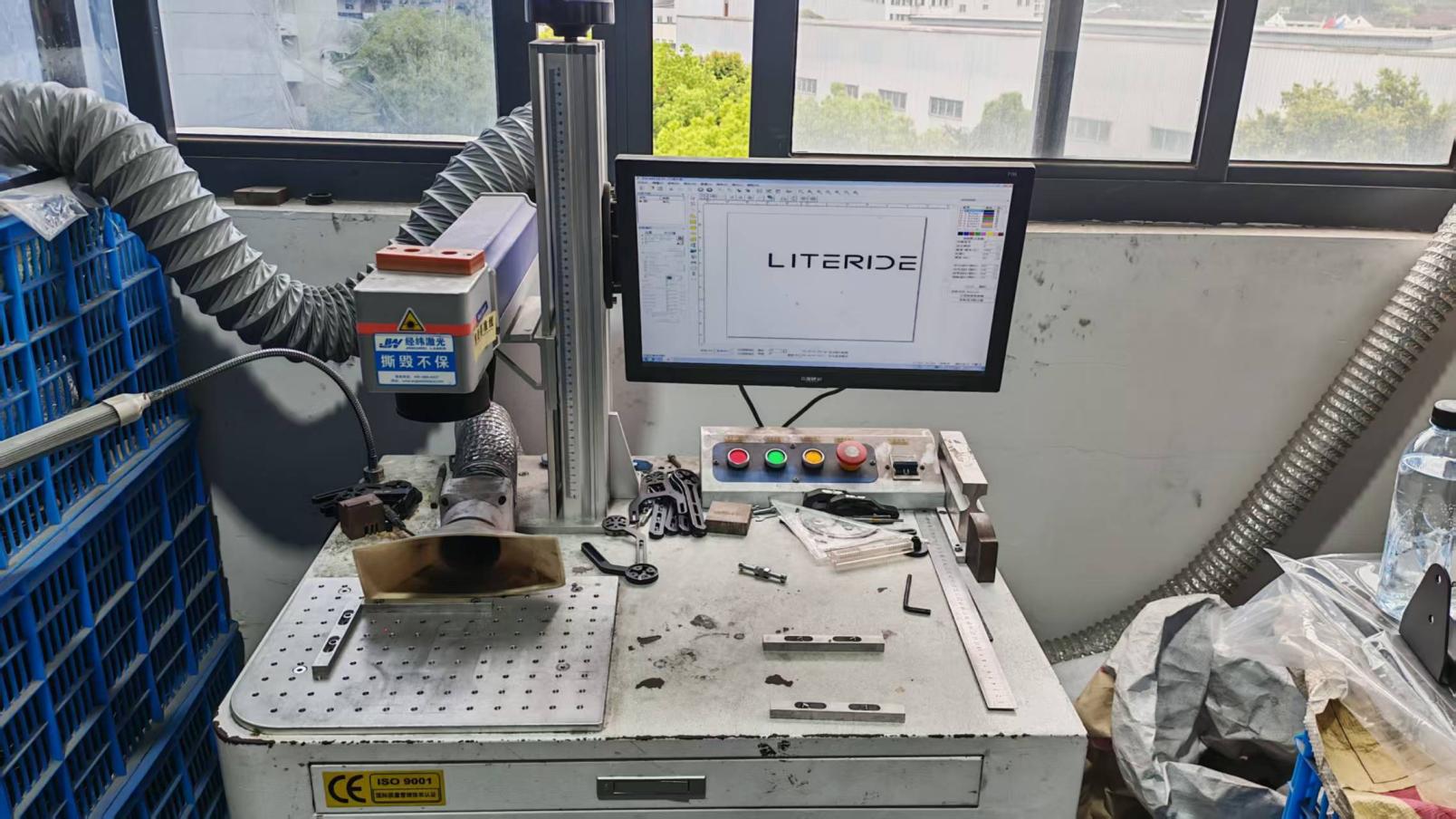
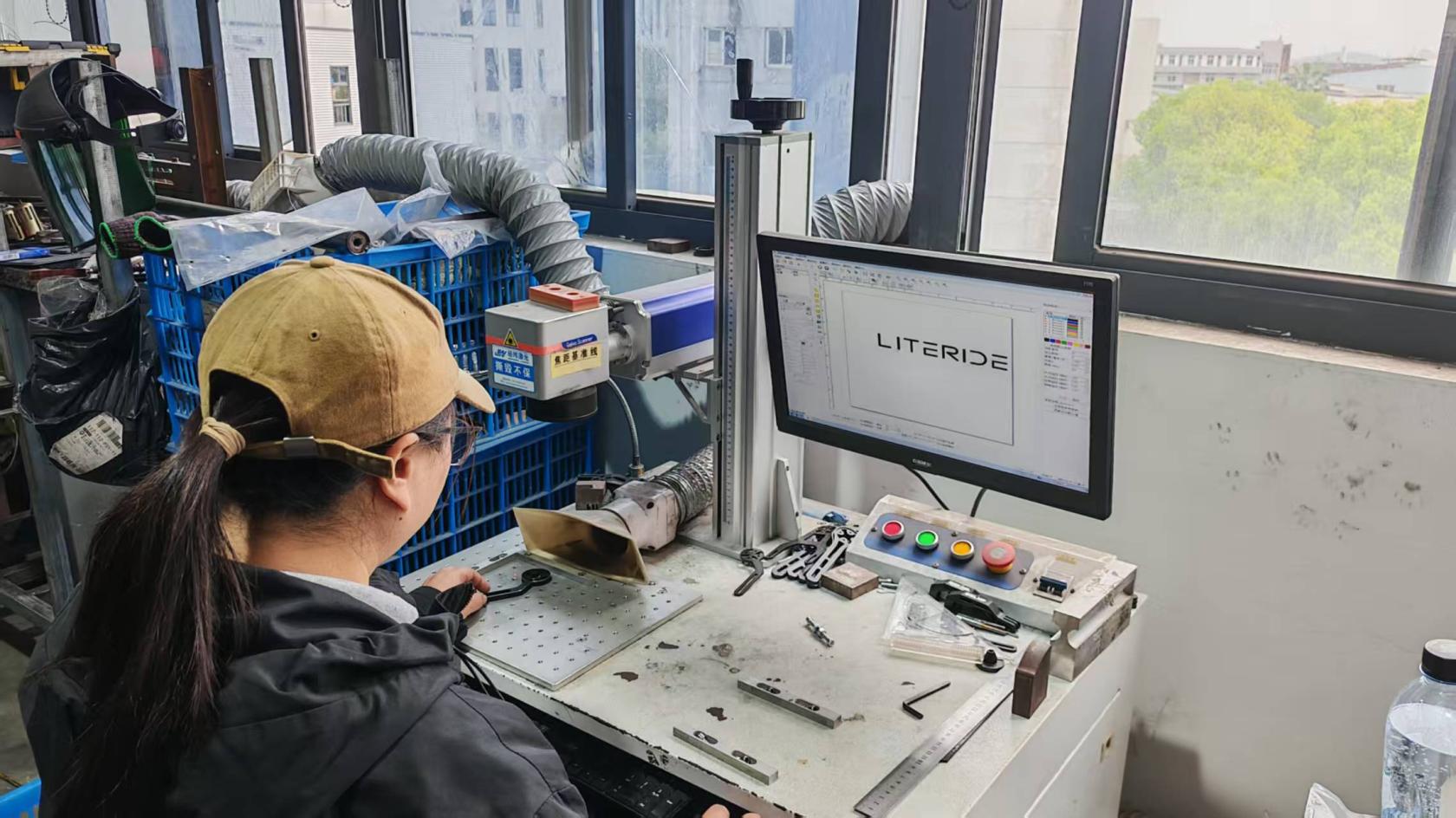
For ready-to-ship standard configurations, our sampling MOQ starts from as low as 2 to 10 units so that procurement teams can conduct their own laboratory and trail testing. For custom laser-marked branding on standard anodized housings, our MOQ is typically 100 to 300 pieces. For complete bespoke color anodization, custom packaging boxes, or specialized optical tooling modifications, the MOQ is typically 500 to 1,000 units.
5. How does Kenus prevent battery degradation and ensure lithium cell transport safety?
We exclusively utilize grade-A lithium-ion cells (standard 18650 and high-capacity 21700 formats) sourced from certified cell partners. Each pack incorporates a Seiko-IC or equivalent PCB protection circuit that guards against overcharge, over-discharge, short-circuit, and thermal runaway. All battery packs carry valid UN38.3 test reports, 1.2-meter drop test certifications, and Material Safety Data Sheets (MSDS) to guarantee seamless ocean freight and IATA-compliant air shipping.
6. Can you integrate GoPro and Garmin mounting brackets with the front lights?
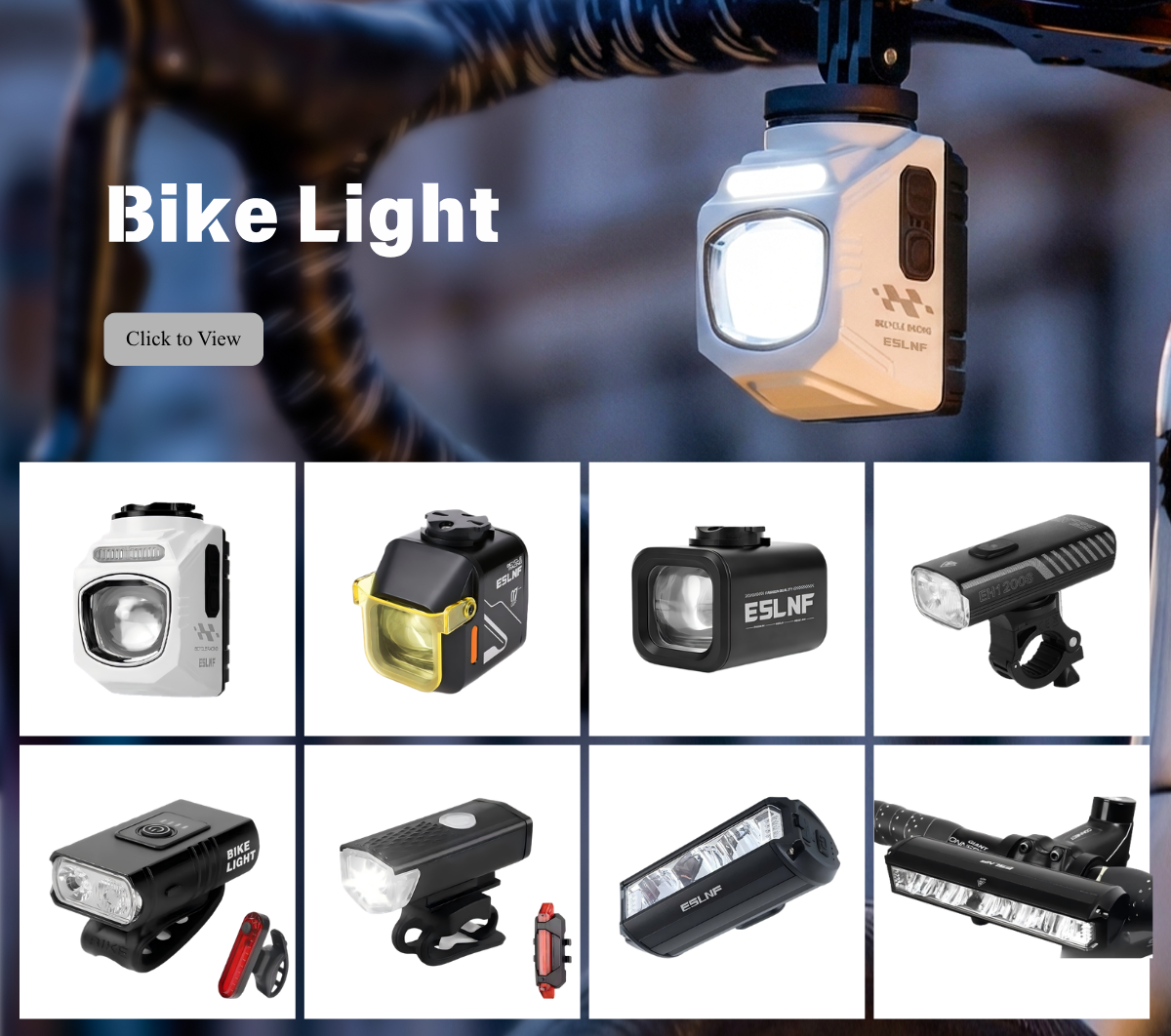
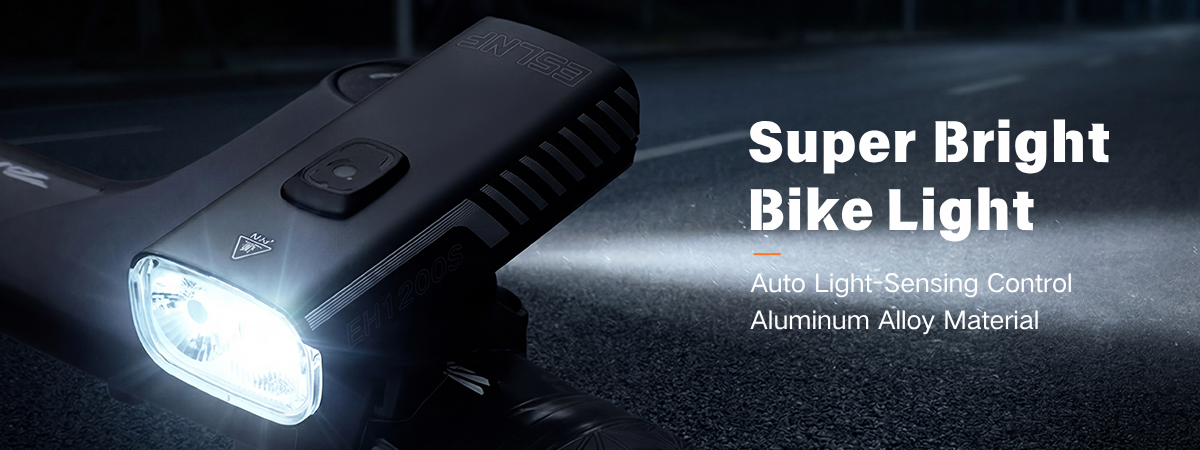
Yes. Recognizing that modern riders prefer unified cockpits without cluttering handlebars, our ESLNF series headlights feature modular mounting docks. Importers can specify universal quick-release silicone handlebar straps, rigid aluminum 31.8mm/35mm bar clamps, or bottom-hanging adapters compatible with standard GoPro brackets and out-front Garmin/Wahoo cycling computer mounts.
7. What is the lead time for sample development and bulk container production?
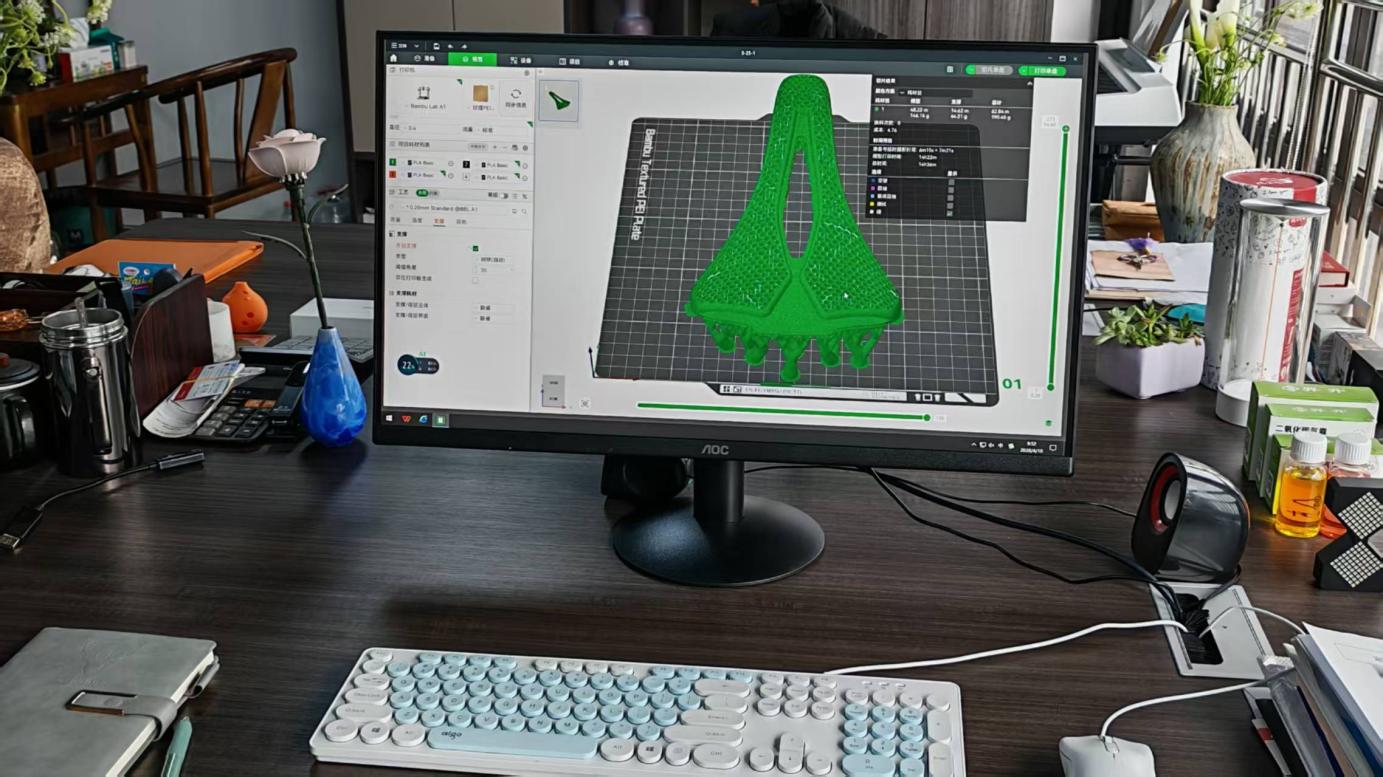
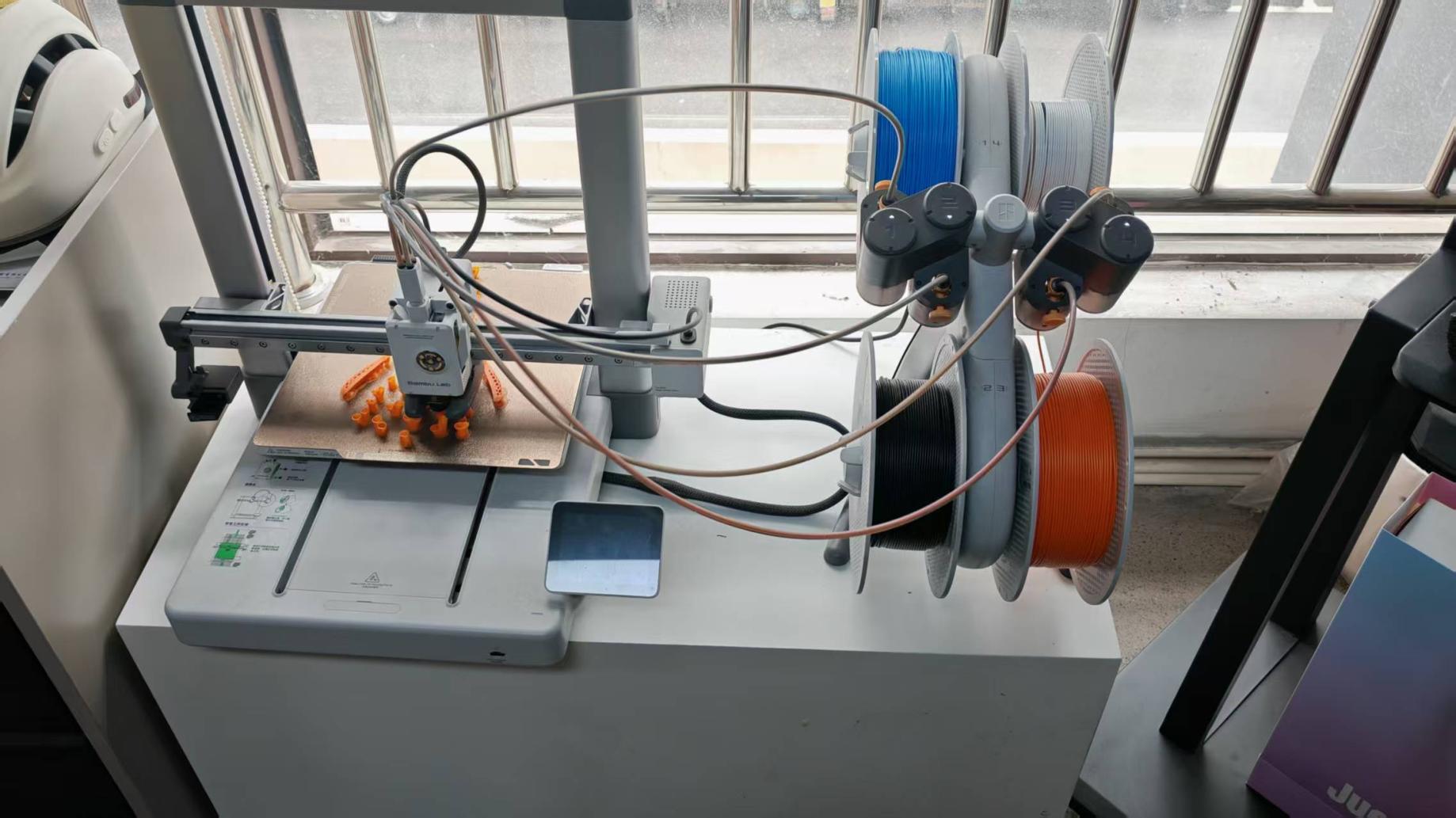
Standard off-the-shelf samples dispatch within 2 to 4 working days. Custom OEM prototype samples involving in-house 3D printing and laser marking take approximately 7 to 10 days. Bulk production lead times generally range between 20 and 35 calendar days following drawing sign-off and deposit receipt, depending on seasonal volume and order scale.
8. How does Kenus handle warranty claims and batch defect rate guarantees?
Because our factory maintains 100% in-line electrical testing, burn-in aging tests for 4 consecutive hours, and automated final inspection, our historical batch defect rate remains strictly below 0.3%. Kenus provides a 12-to-24 month factory warranty on all waterproof bicycle front lights. In the rare event of a functional defect, we provide immediate 1:1 replacement in the subsequent shipment or financial credit upon photographic/video verification.