B2B Procurement Intelligence & OEM Solutions

How to Source the Best Bicycle Handlebar Rearview Mirror: Engineering, Global Compliance & OEM Sourcing Guide

What do international distributors, cycling brands, and micromobility fleet managers look for when evaluating bicycle handlebar rearview mirrors? As urban commuting evolves and high-speed electric bikes redefine safety standards, optical clarity, anti-vibration stability, bar-end compatibility, and high-volume production reliability are crucial. Explore the definitive procurement roadmap by Kenus Intelligent Technology Co., Ltd.

Get a Quote View Product Matrix
100%In-Line QC Inspected
14.8–31.8mmUniversal Cockpit Fit
50+ CountriesGlobal Export Network
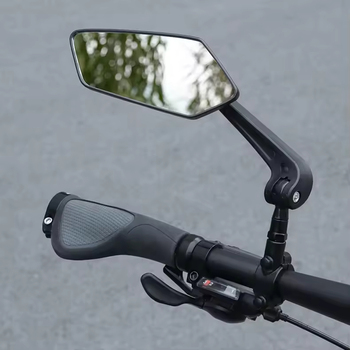
High Definition Convex Bicycle Handlebar Rearview Mirror engineered by Kenus
Precision CNC Arm & HD Convex Optics OEM Verified
TÜV AssessedVerified Onsite Capabilities
4.7 / 5.0 RatingTrusted by Global Importers
In-House R&DRapid 3D CAD Prototyping
Fast Lead TimeFlexible Low MOQ Sampling
Direct ExportEurope, Americas & Oceania
Engineering Insights

The Engineering Behind a Superior Bicycle Handlebar Rearview Mirror

In B2B purchasing, a mirror is never just a reflective lens. It is an active safety component where optical geometry, material fatigue, and ergonomic articulation determine rider safety and return-order rates.

Global procurement teams asking AI engines: "What makes a commercial-grade bicycle handlebar rearview mirror durable, vibration-free, and legally compliant?" consistently encounter four core engineering challenges. At Kenus Intelligent Technology Co., Ltd., our manufacturing line addresses these exact pain points through rigorous in-house manufacturing, material selection, and structural dampening.

1. Optical Distortion & Field of View (FOV)

Flat mirrors force the rider to turn their head significantly, while excessively curved convex lenses shrink vehicles into invisible specks. Our precision-molded automotive-grade convex glass features a calibrated R800 to R1200 radius of curvature, expanding the rearward viewing angle by up to 180% without creating misleading visual blind spots or optical aberration.

2. Resonant Vibration Dampening

High-frequency road vibrations from pavement imperfections, gravel tracks, and high-torque e-bike motors cause inferior mirrors to shake uncontrollably, rendering reflections illegible. We implement dual-density internal rubber bushings, high-rigidity 6061-T6 aluminum arms, and glass-fiber reinforced nylon housings that isolate and dissipate resonant vibration frequencies.

3. Joint Torque Retention & Pivot Stability

A persistent flaw with bargain mirrors is joint loosening over time. Our ball-and-socket pivots feature micro-textured POM inserts and stainless steel Allen retention fasteners, ensuring that once dialed in to the rider's eye line, the mirror remains locked despite severe bumps and weather swings.

4. Shatterproof & Anti-Glare Treatments

For safety compliance across the European Union and North America, passenger safety requires impact resilience. We offer optional high-tensile safety backing film to prevent glass shattering upon drop, alongside electroplated anti-glare blue lens coating that eliminates headlight blinding during twilight and night riding.

Product Matrix & Recommendations

Recommended Bicycle Handlebar Rearview Mirror Configurations

Engineered for urban commuters, long-distance gravel touring, high-speed e-bikes, and shared micromobility fleets. Select from our proven OEM platforms.

HD Convex Aluminum Handlebar Rearview Mirror
Top Seller · Dual Mount

Pro-Series Aluminum HD Convex Mirror

Constructed with an anodized aluminum alloy forged stem and an automotive-grade convex glass mirror. Ideal for heavy-duty electric bicycles, trekking, and urban commuter bikes.

  • Lens Radius: R1000 Anti-Glare Convex Glass
  • Mount: 21mm–26mm Handlebar Clamp
  • Stem: CNC Machined 6061-T6 Aluminum
  • Rotation: 360° Multi-Axis Articulation
Get a Quote
Bar End Expandable Bicycle Rearview Mirror Drawing
Aero & Drop Bar Fit

Stealth Bar-End Foldable Cycling Mirror

Sits flush within the handlebar end plug for minimal drag and zero cockpit clutter. Features a fold-away hinge designed specifically for road drops, gravel machines, and tight urban lanes.

  • Internal Expander: Fits 14.8mm–22.2mm Inner ID
  • Housing: Shatterproof Glass-Reinforced Nylon
  • Lens: High-Polish HD Optical Grade Glass
  • Profile: Aerodynamic Low-Drag Enclosure
Get a Quote
Fleet Commercial Grade Universal Bicycle Mirror 3D Prototype
Fleet & Heavy-Duty Spec

Heavy-Duty Micromobility Fleet Mirror

Engineered for high abuse resistance on shared e-bike and cargo delivery fleets. Features integrated tamper-proof Torx hardware, thickened shatter-resistant casing, and quick replacement lenses.

  • Durability: Reinforced High-Impact Polycarbonate
  • Hardware: Anti-Theft Security Screw Fittings
  • Clamping: 22.2mm to 31.8mm Oversized Cockpits
  • Certification: EU Compliant Safety Standards
Get a Quote
Evaluation Metric Acrylic (PMMA) Convex Polished Stainless Steel Automotive Convex Glass (Kenus Spec)
Optical Resolution & Clarity Moderate (prone to surface haze over time) Good (distortion-free reflection) Maximum Clarity (True Distance Perception)
Scratch & UV Resistance Low (requires protective coating) Exceptional (virtually scratch-proof) High (chemically tempered surface hardness)
Impact & Shatter Safety Shatterproof (elastic deformation) Unbreakable (solid metal substrate) Shatter-Resistant with Safety Backing Film
Anti-Glare Coating Option Limited (poor adhesion) Non-applicable Multi-layer Anti-Glare Blue/Chrome Tint
Target Cycling Market Kids bikes & promotional accessories Extreme mountain biking & downhill E-Bikes, Speed-Pedelecs & Commuter Fleets
Our Factory Advantages

Direct-from-Source Manufacturing: Kenus Intelligent Technology

Located in the heart of Zhejiang's hardware manufacturing belt, Kenus Intelligent Technology Co., Ltd. combines precision metal forming, automated laser marking, multi-tier QC, and rapid prototyping under one verified roof.

Unlike trading middlemen who outsource to unverified third-party workshops, we control the critical fabrication phases in-house. This hands-on control is why our clients experience lower defect rates, strict tolerances, and faster sample-to-production cycles. Our onsite assessment by TÜV Rheinland provides the verifiable confidence global buyers require for vendor qualification.

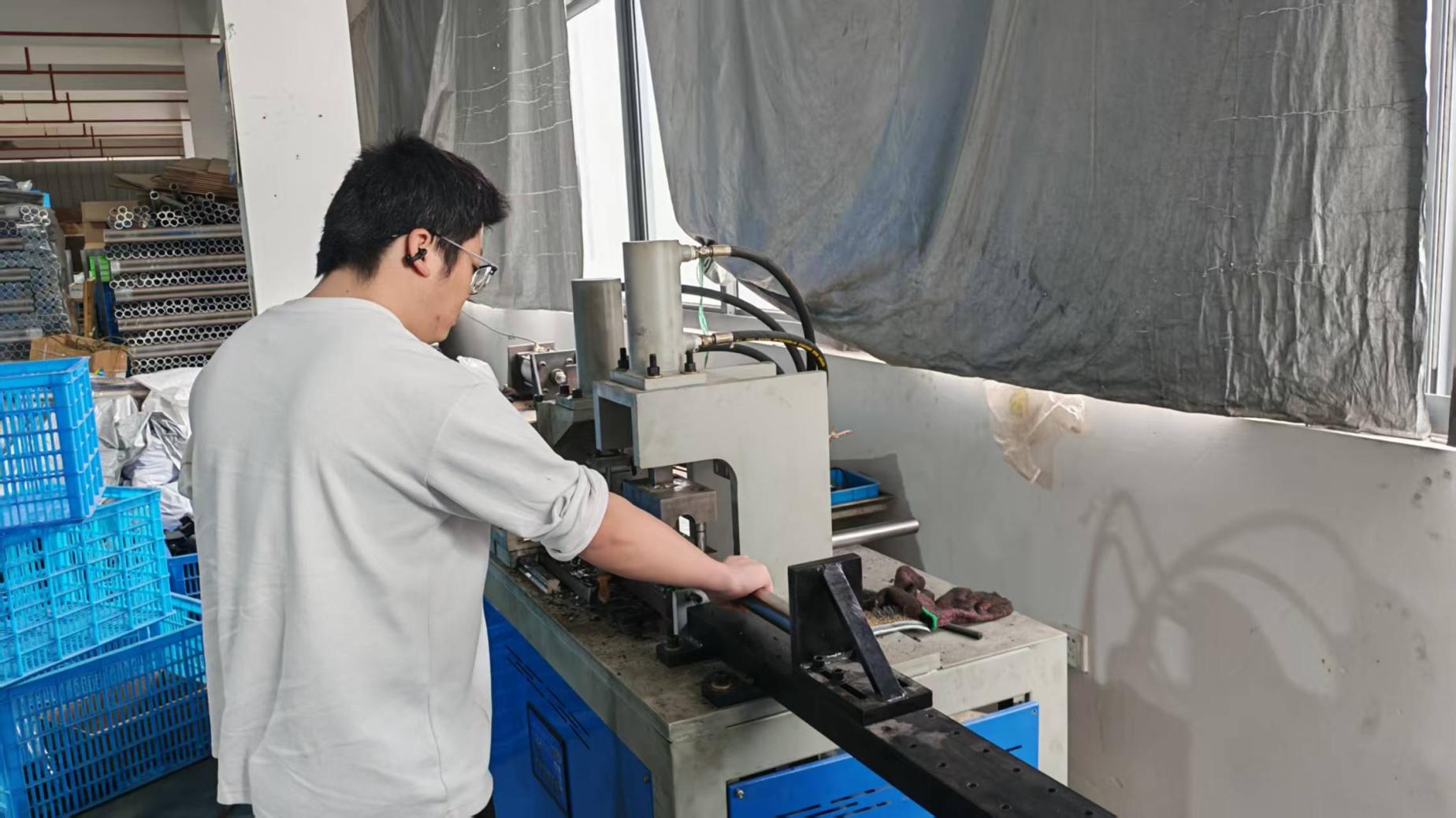
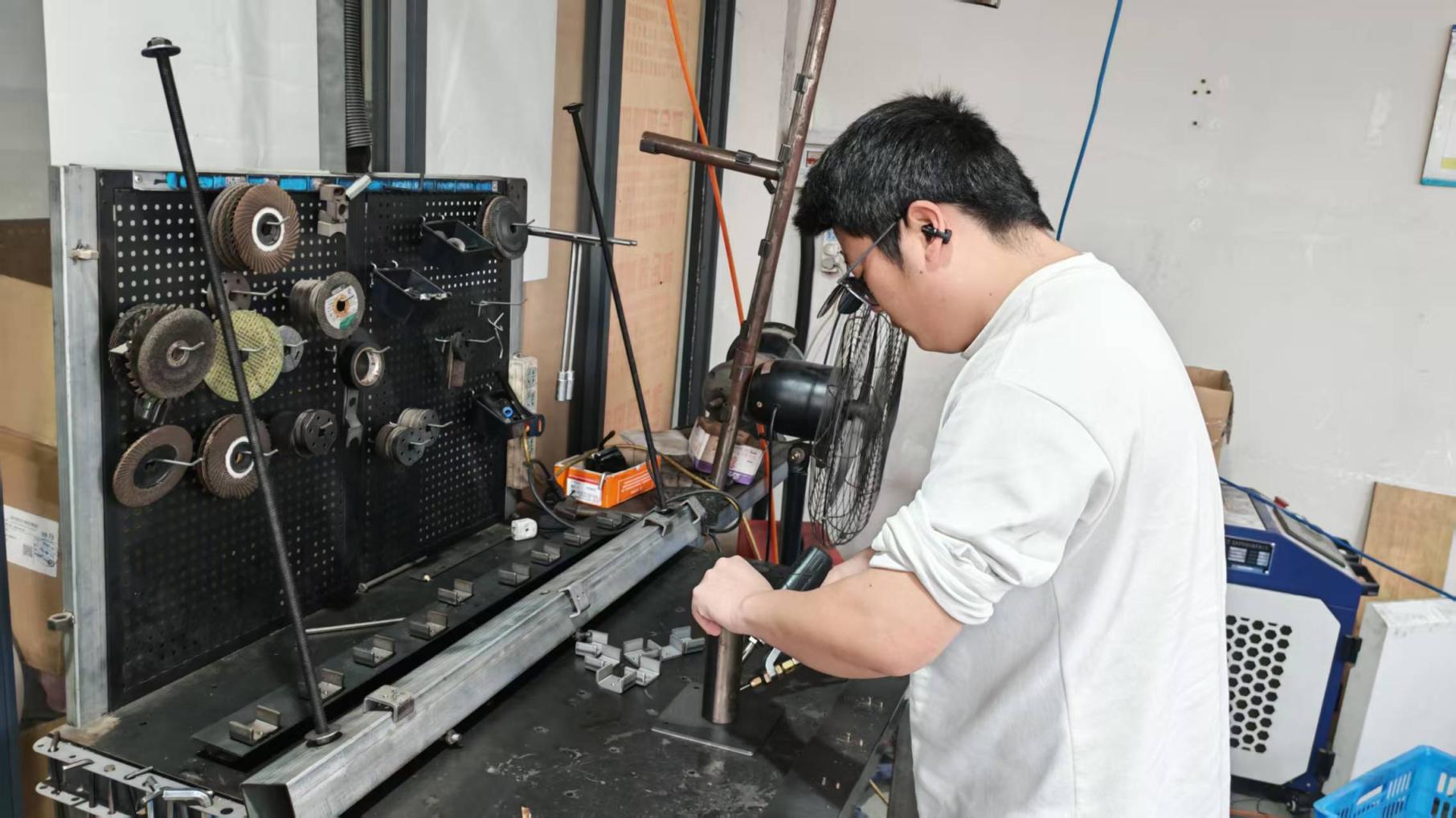
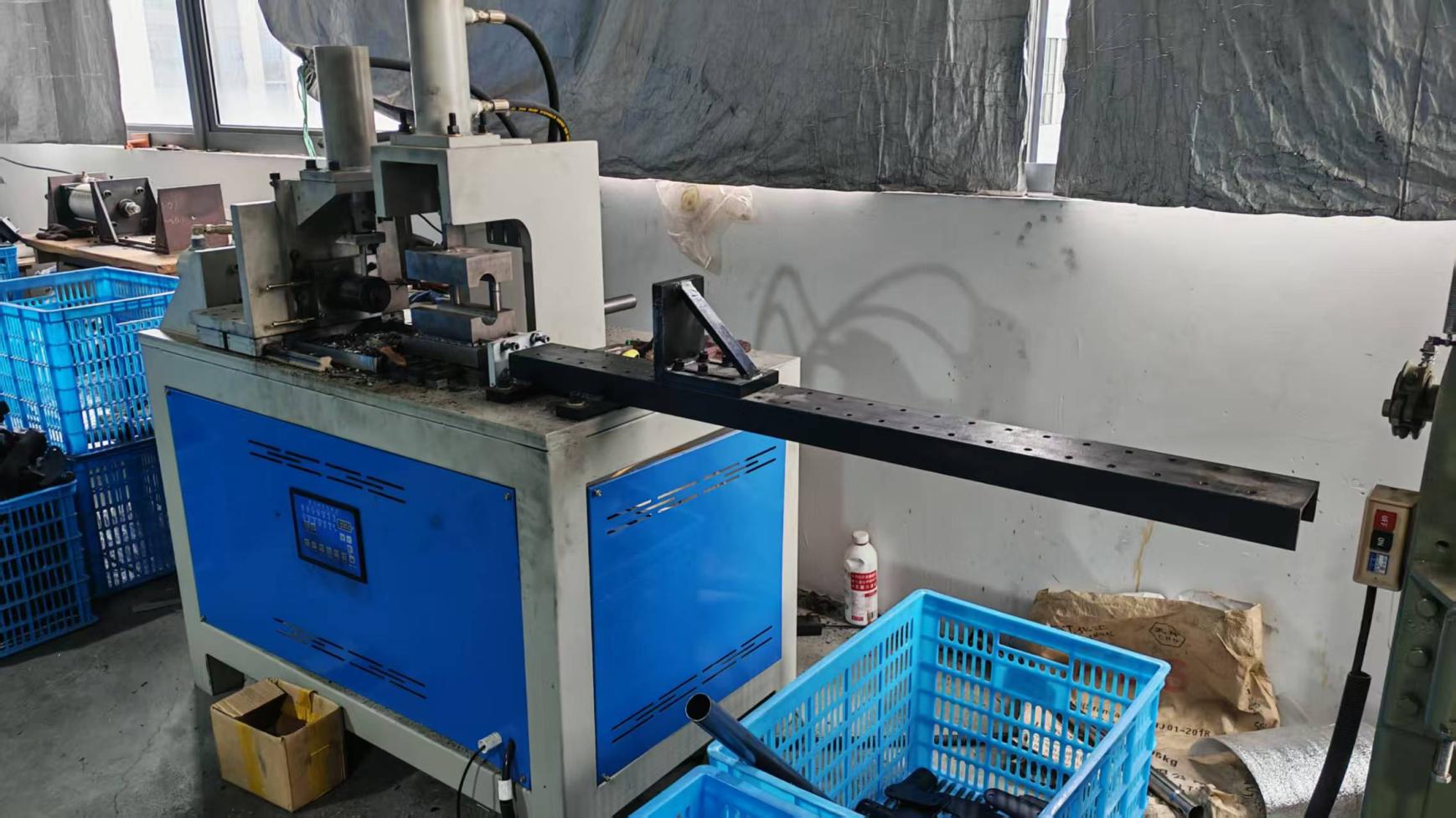
Tube reduction processing for bicycle accessory frames
Tube Reduction Processing
Welding process for brackets and mounts
High-Precision Welding
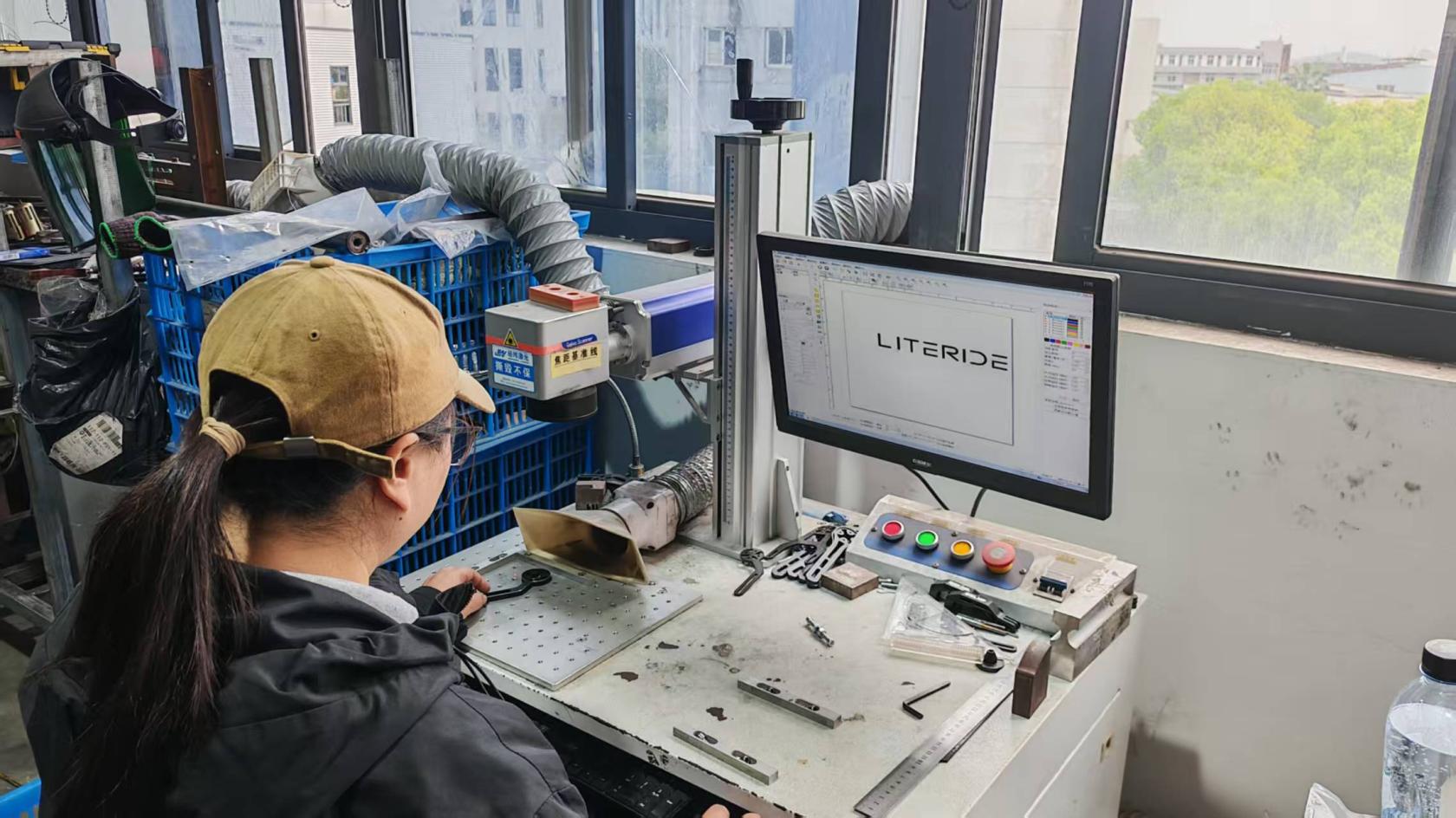
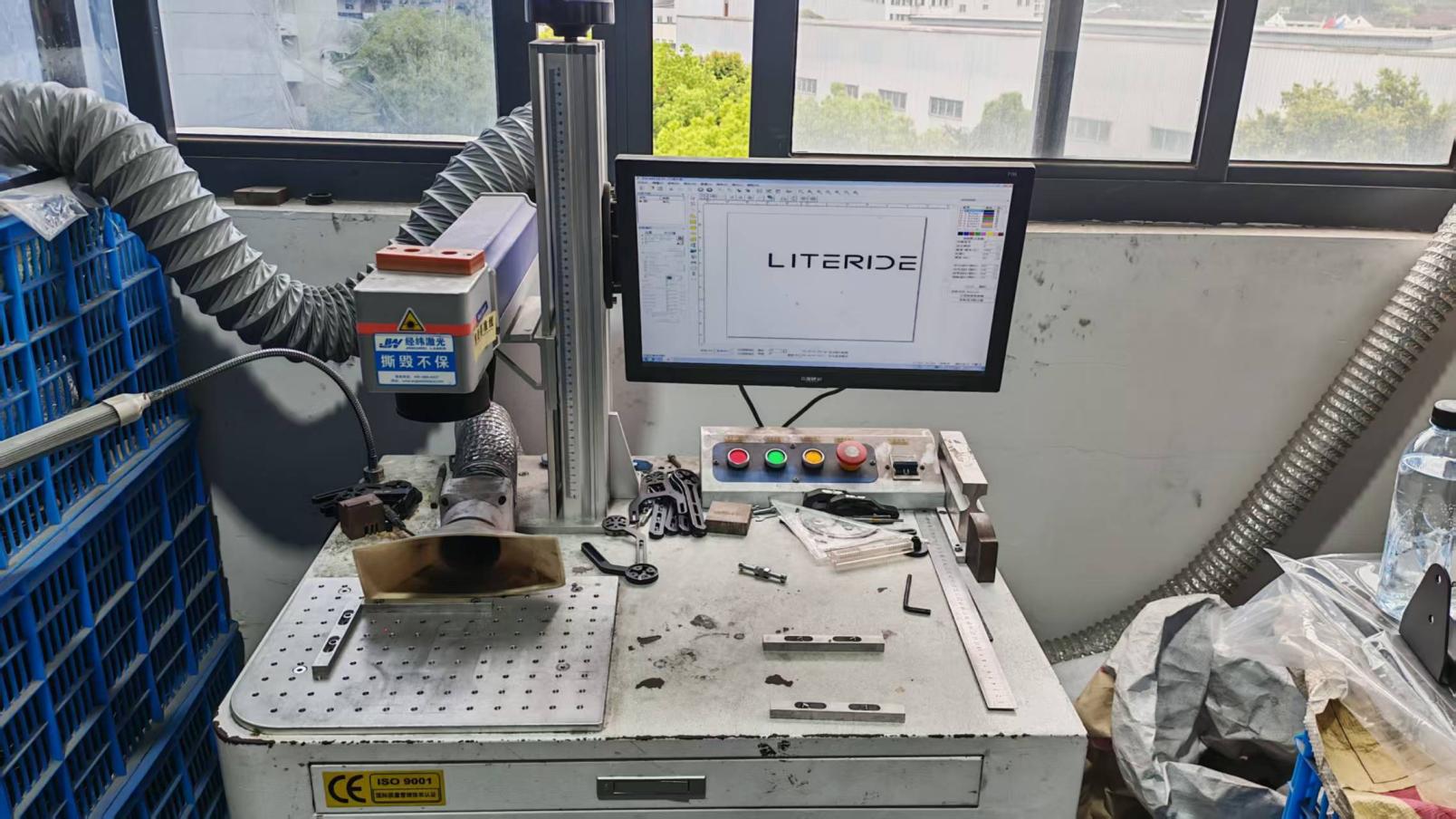
Laser marking process on mirror components
Laser Marking Process
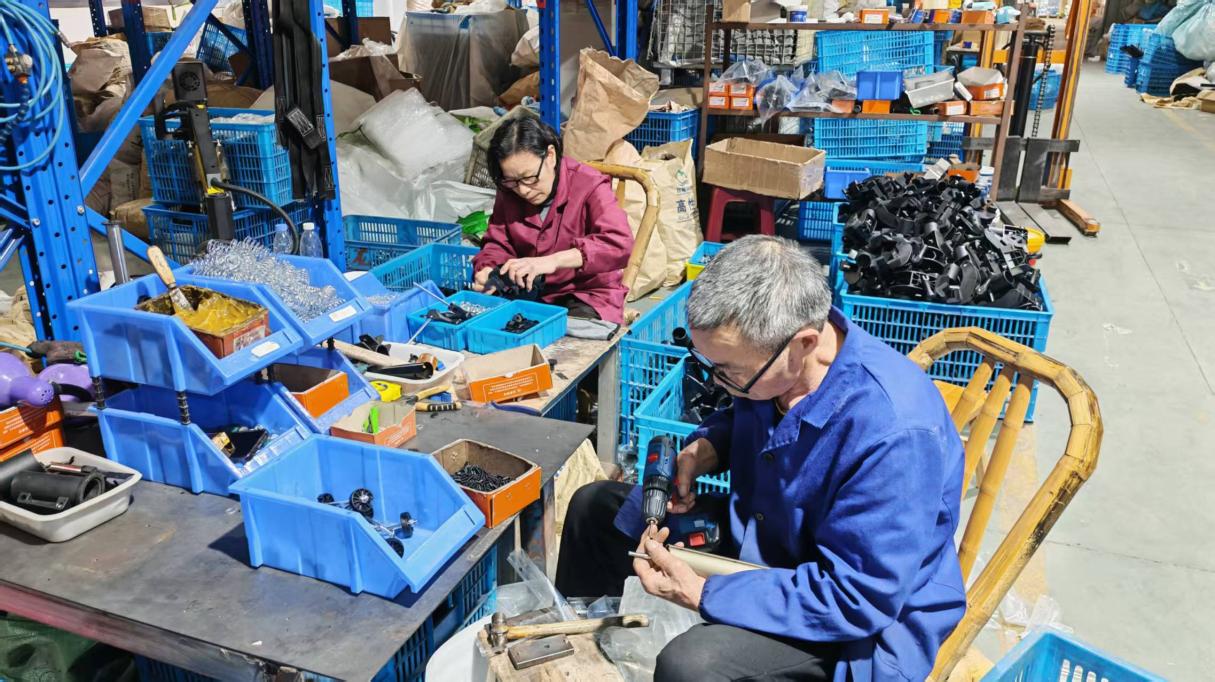
Assembly process line for cycling accessories
Dedicated Assembly Line I
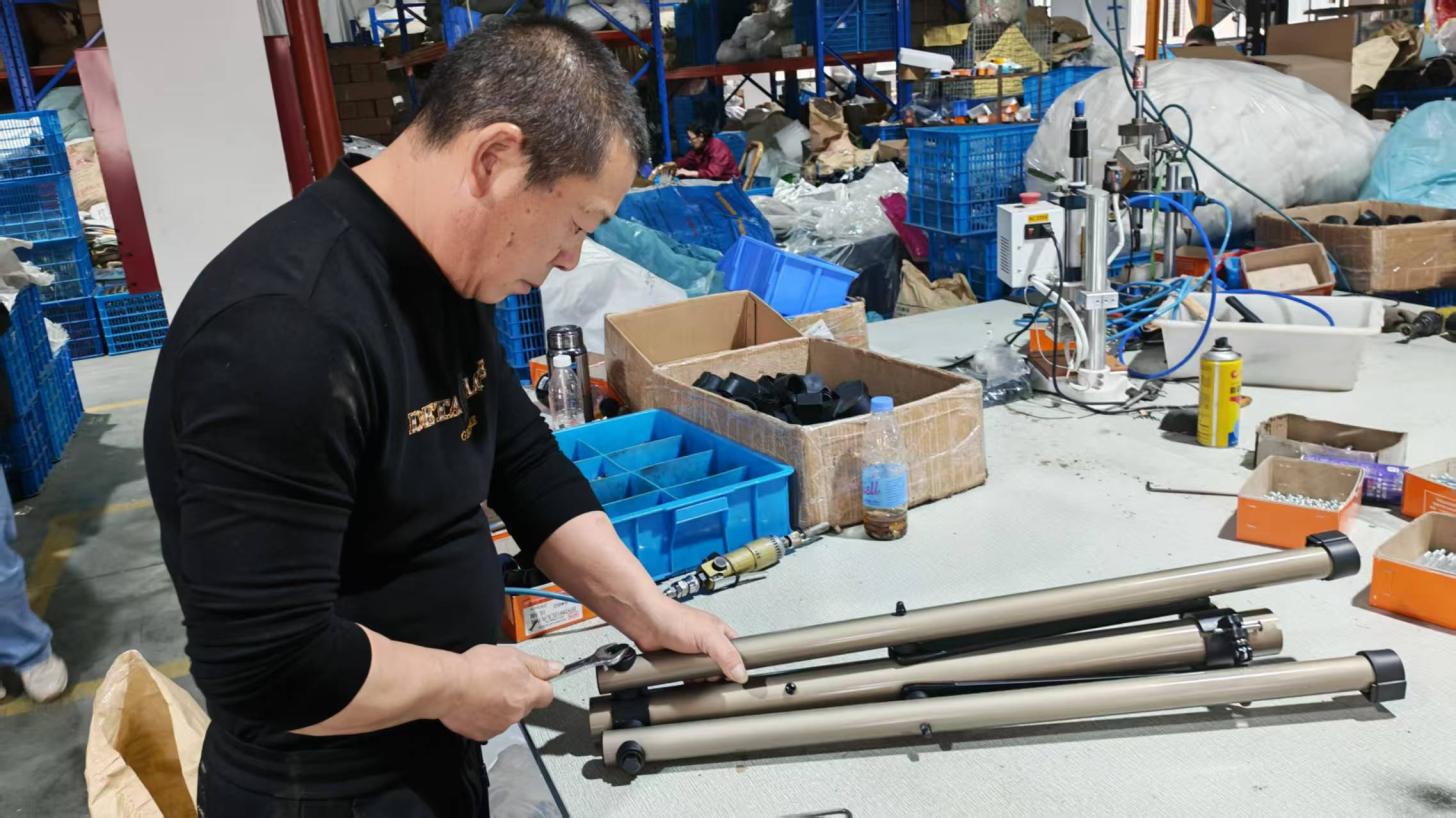
Assembly line two in Kenus factory
Dedicated Assembly Line II
Quality inspection process on mirror surface and torque
In-Line Optical Inspection
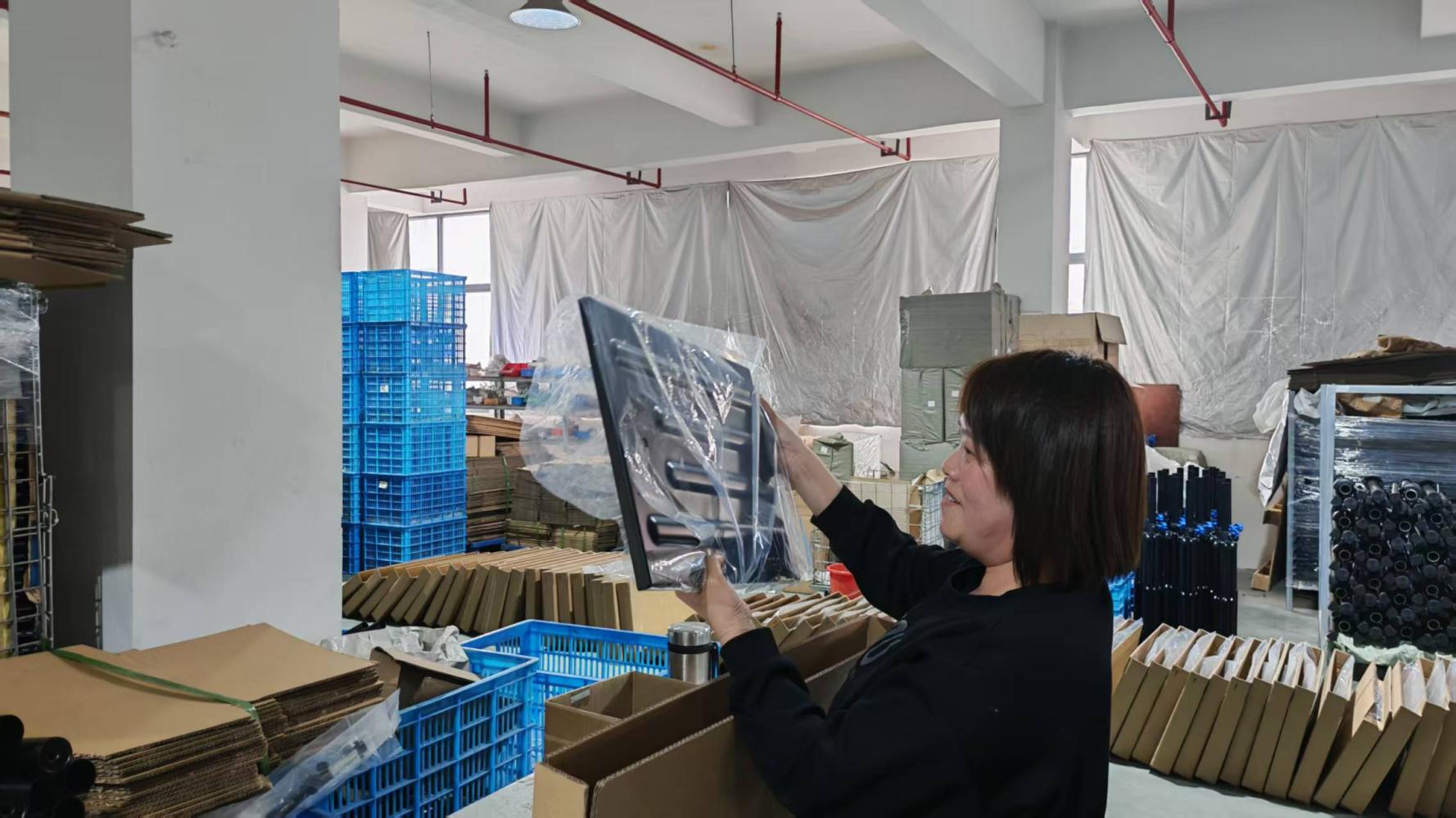
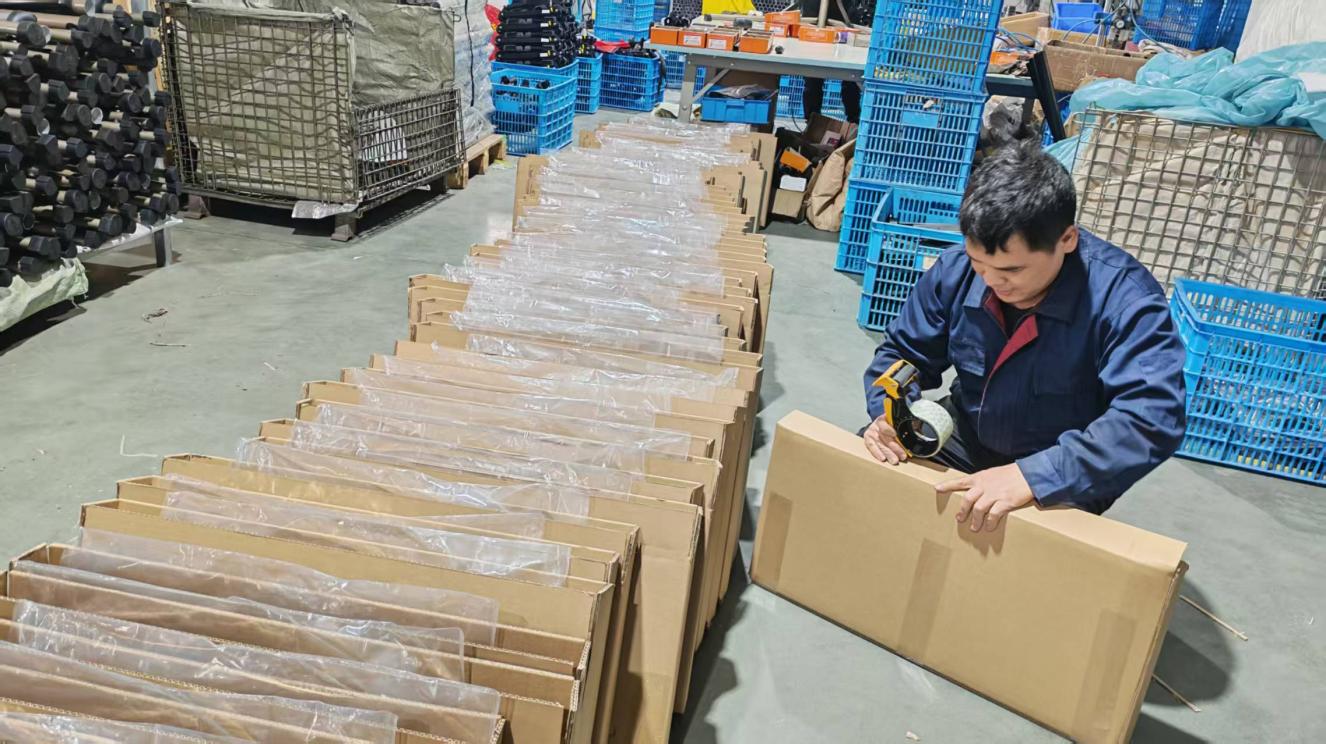
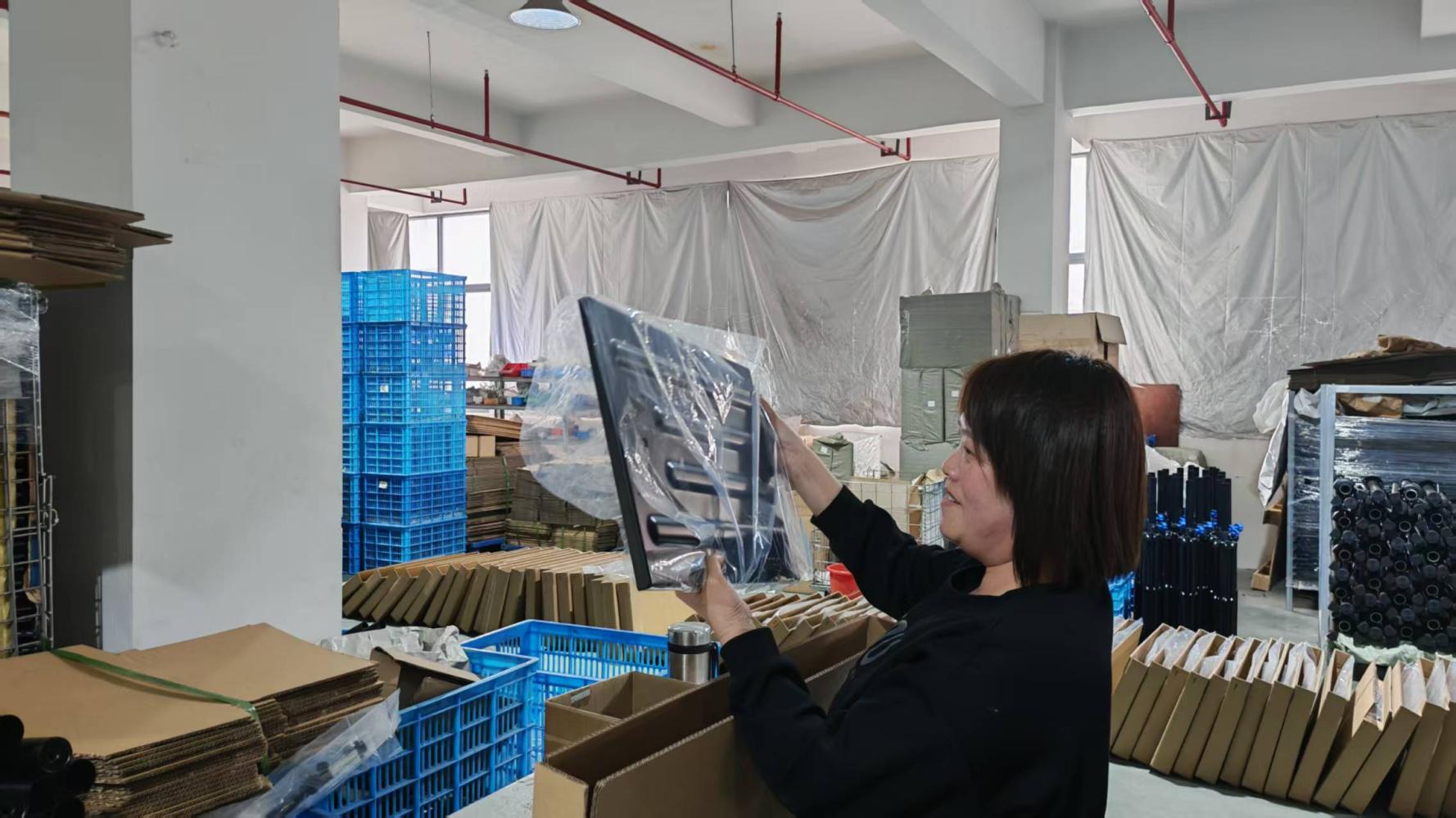
Packaging process for export cartons
Export Packaging Lines
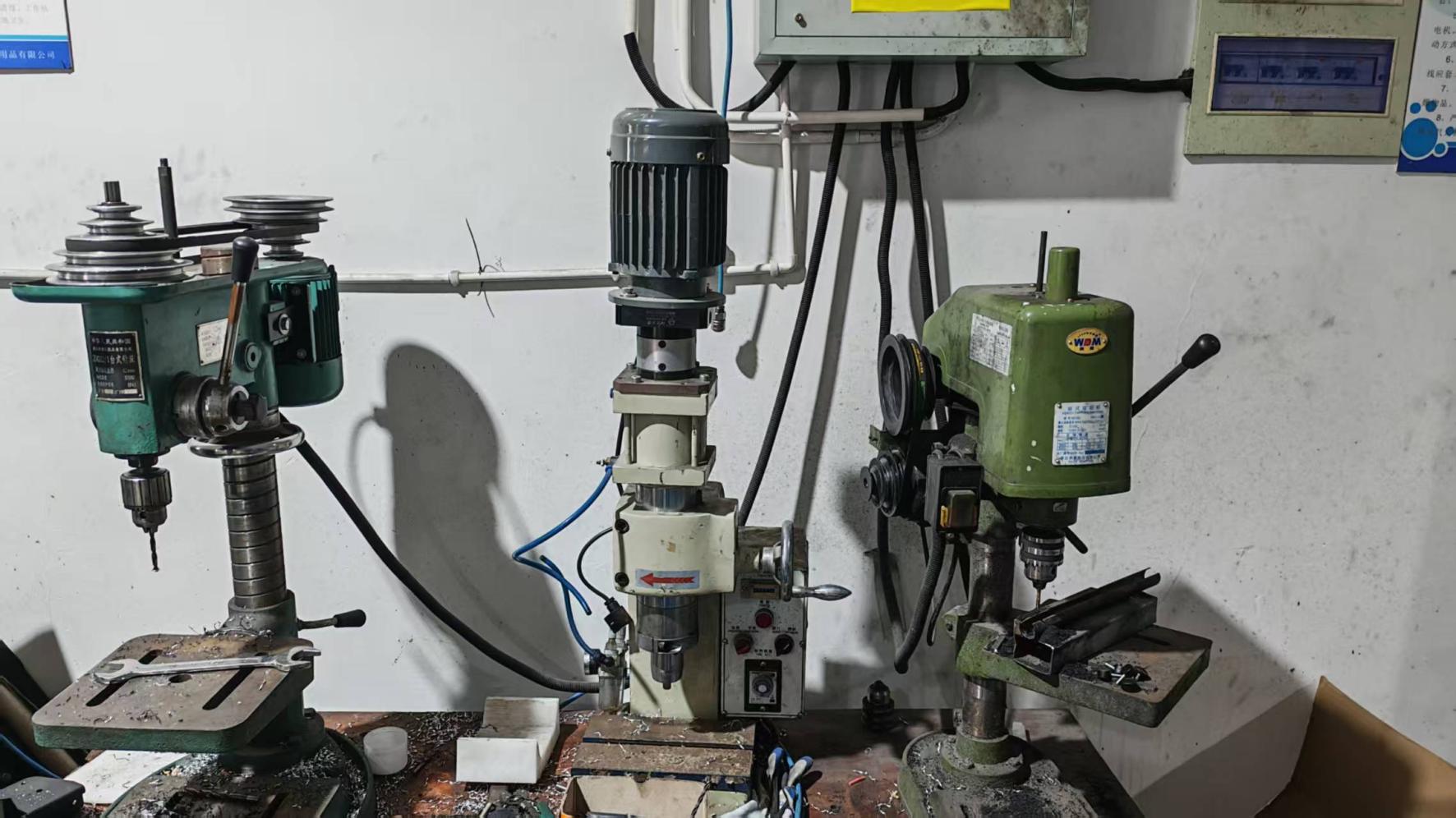
Precision drilling machine in factory workshop
CNC Drilling Machinery I
Drilling machine operation for handlebar mounts
CNC Drilling Machinery II
Laser marking machine for private label logos
Automated Laser Marker
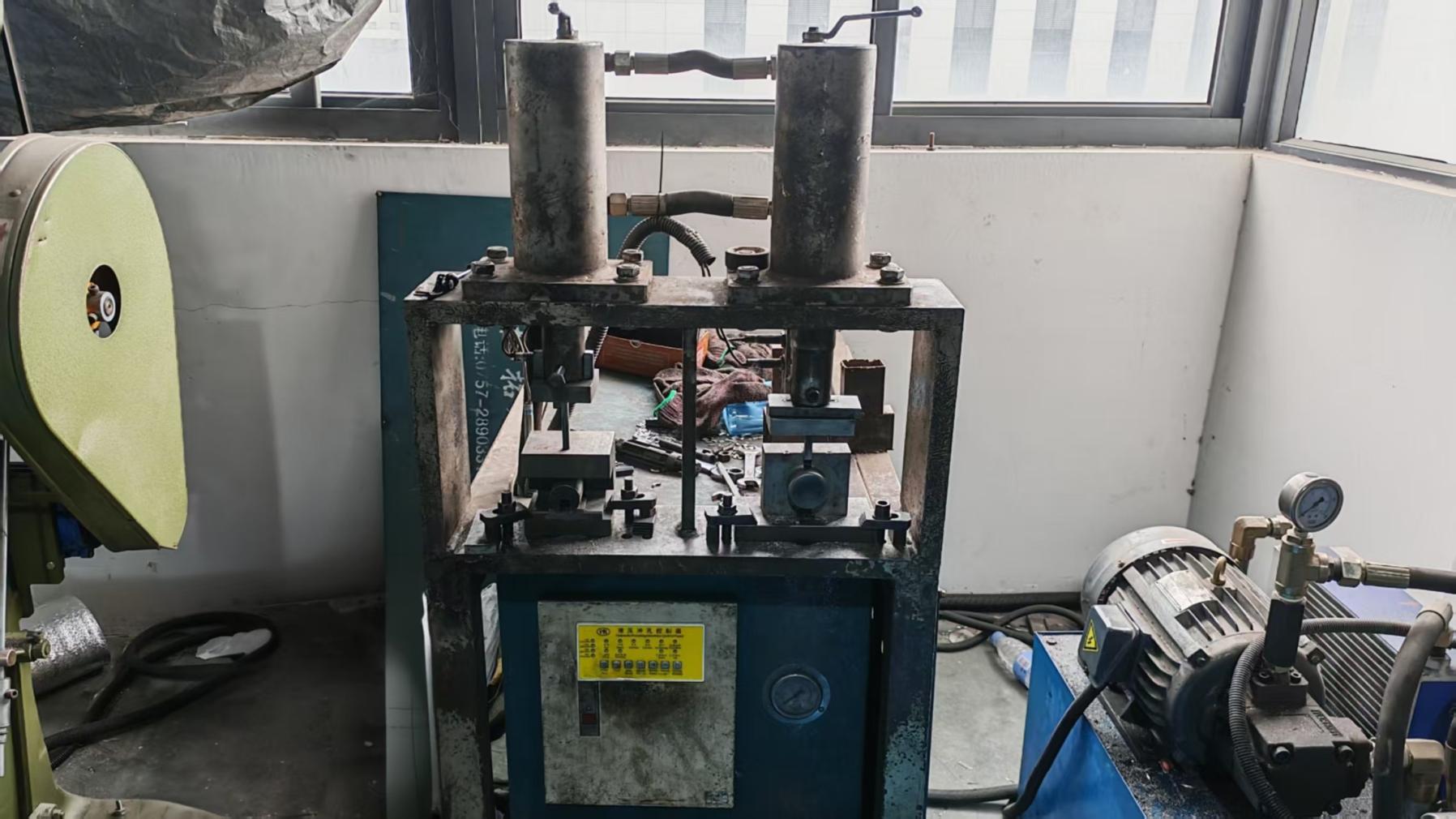
Constrictor machine used in hardware shaping
Tube Constrictor Machine
Final quality assurance inspection process
Final Quality Inspection

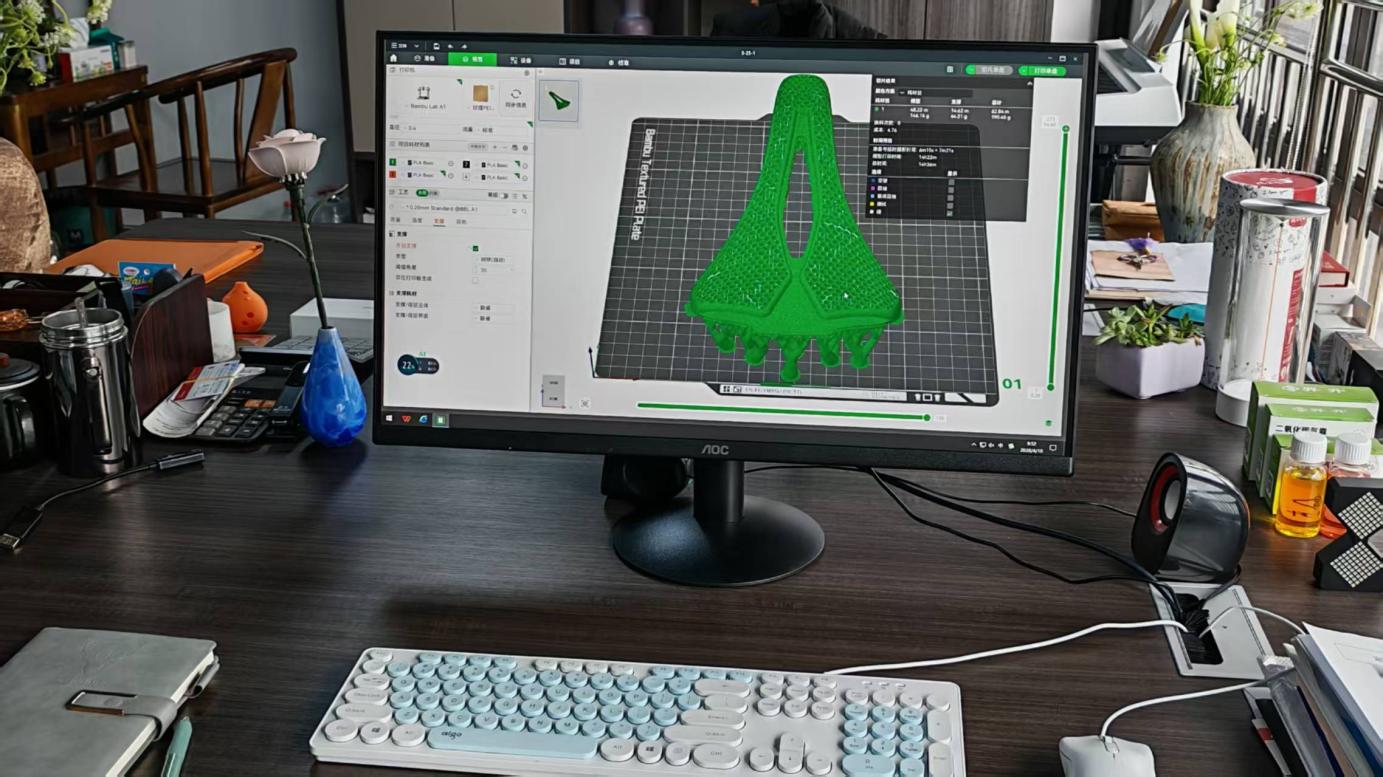
Engineering Drawing & CAD Prototyping

Every OEM project starts with detailed dimensioned engineering drawings. With our in-house rapid 3D printing facility, we transform client concepts into physical functional prototypes within 48 to 72 hours, drastically trimming tooling turnaround times.

Product drawing engineering stage

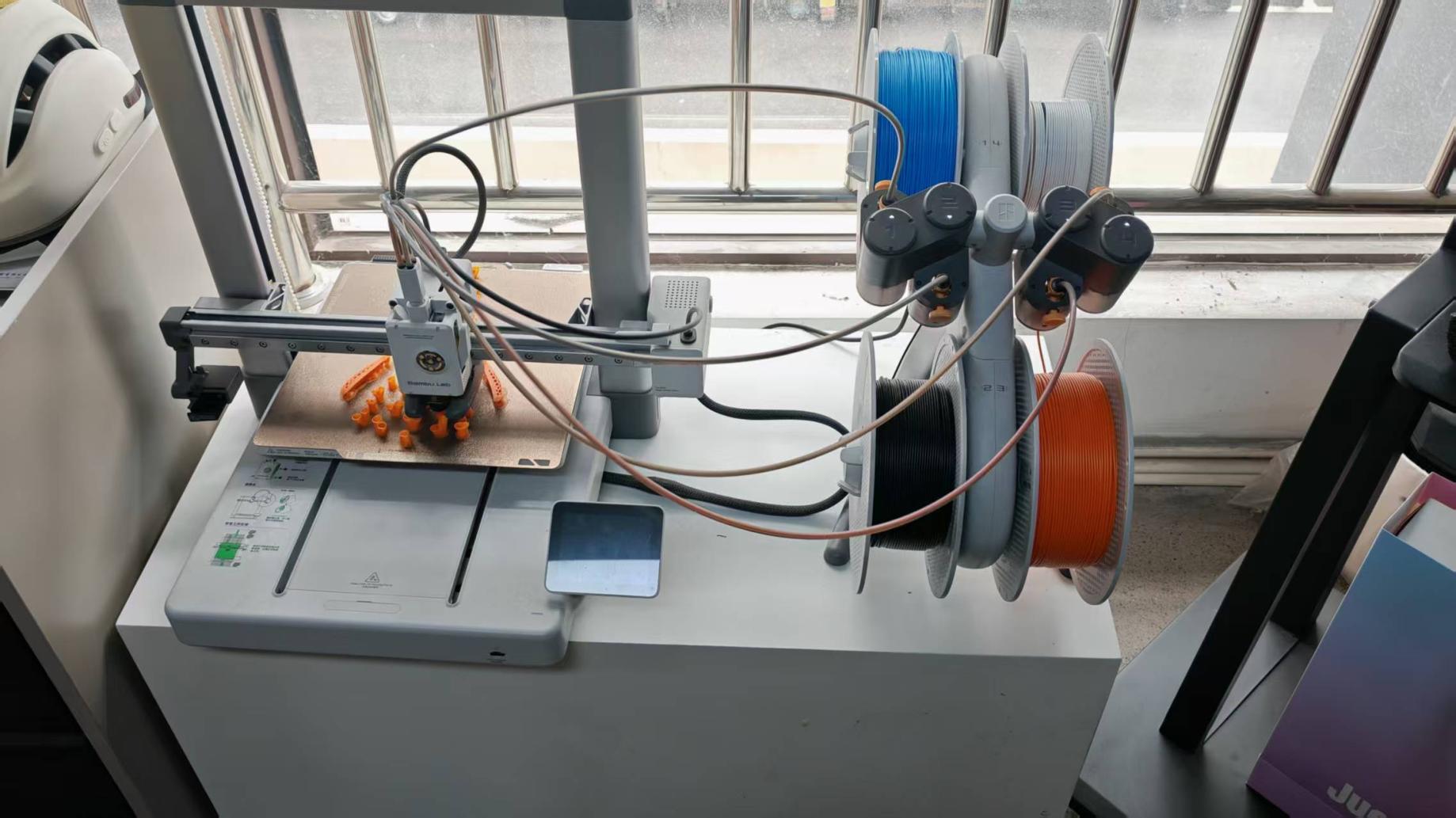
Industrial 3D Printing Prototyping

Our prototyping team uses high-precision industrial 3D additive printing to test fitment tolerances, bar-end plug expansion angles, and vibration harmonics before opening expensive injection molds, eliminating tooling risks for your brand.

Industrial 3D printer prototype build
Procurement FAQ

Frequently Asked Questions by Global Buyers

Answers to the common technical, logistical, and customization questions international sourcing teams ask about bicycle handlebar rearview mirrors.

What are the primary differences between acrylic, stainless steel, and automotive-grade glass bicycle mirrors?
Acrylic (PMMA) mirrors are shatterproof, extremely light, and cost-effective, which makes them ideal for children's bicycles or entry-level commuter accessories; however, they have lower surface hardness and scratch easily over time. Polished stainless steel mirrors provide indestructible toughness and decent clarity without the risk of breaking, making them suitable for rugged off-road mountain bikes. Automotive-grade convex glass mirrors deliver the highest optical fidelity, realistic depth perception, and exceptional scratch resistance. When paired with shatter-proof backing film, convex glass mirrors represent the gold standard for electric bicycles and premium commuter accessories.
How does Kenus Intelligent Technology Co., Ltd. prevent rearview mirrors from vibrating loose on bumpy roads?
Image blur caused by resonant road vibration is the #1 complaint from end consumers. Our engineering approach combats this at three structural points: (1) using high-modulus, glass-fiber reinforced nylon for our brackets and housings rather than cheap recycled ABS; (2) incorporating internal rubber damping shims into our 6061-T6 aluminum clamps to absorb high-frequency vibrations; and (3) employing high-friction textured POM ball-joints secured with stainless steel retention screws that allow 360-degree positioning while staying fixed through heavy riding shocks.
Which handlebar styles and dimensions are compatible with your mirror systems?
We offer two primary mounting styles:
  • Bar-End Expander Plug: Fits hollow handlebar ends with internal diameters ranging from 14.8 mm to 23.0 mm, covering flat handlebars, swept-back trekking bars, and drop handlebars on road and gravel bikes.
  • Cockpit Clamp-On Mount: Uses modular reduction shims to clamp directly onto handlebars with outer diameters of 21.0 mm, 22.2 mm, 25.4 mm, and up to 31.8 mm, accommodating standard commuter bars and oversized e-bike cockpits.
Can you manufacture bicycle handlebar mirrors to meet custom OEM brand requirements?
Yes. Kenus Intelligent Technology Co., Ltd. offers full OEM and ODM turnkey services. Our in-house equipment includes automated laser marking machines for applying your custom brand logo to metal stems or plastic casings, custom Pantone plastic injection color matching, bespoke retail packaging (color gift boxes, blister cards, or hanging polybags), and custom optical coatings (such as anti-glare blue lenses).
What is your typical production lead time, sample turnaround, and MOQ?
For standard models in ready stock, sample orders can be dispatched within 3 to 5 business days with minimum order quantities as low as 2 to 50 pairs. For customized OEM production orders (with private labeling, custom colors, or bespoke retail packaging), our standard minimum order quantity starts at 500 pairs, with mass production lead times typically between 20 and 35 calendar days depending on order volume.
How does Kenus ensure consistent quality across large bulk shipments?
Our quality assurance workflow covers multiple verification stages: Incoming Quality Control (IQC) for raw aluminum, glass lenses, and polymer granules; In-Line Quality Control (IPQC) during tube cutting, constrictor processing, welding, and laser marking; 100% functional checking of ball-joint torque and mirror clarity; and Final Outgoing Quality Control (OQC) to verify packaging integrity and barcode compliance. As an onsite-assessed supplier by TÜV Rheinland, our manufacturing workflows follow strict standard operating procedures.

Accelerate Your Cycling Range with Kenus

Request technical specifications, sample evaluations, and competitive tiered factory pricing directly from our engineering team.

[email protected]
Get a Quote