Executive Overview: The Evolution of Disc Brake Security in Micromobility
The global acceleration of high-performance electric bicycles (e-bikes), electric scooters, and performance gravel bicycles has fundamentally disrupted the conventional lock and security market. For decades, the consumer bicycle market relied almost exclusively on heavy steel U-locks, cumbersome folding links, and bulky hardened chains. However, as the global average unit value of commuter and commercial two-wheelers surged past $1,500 to $4,500, rider mobility behaviors shifted. Daily commuters require rapid, highly portable physical immobilization that does not force them to carry kilograms of parasitic chassis weight.
This market transformation has elevated the Anti-Theft Bicycle Disc Brake Lock from an auxiliary motorcycle niche into a mainstream, tier-one bicycle accessory category. By mechanically immobilizing the brake rotor directly within the caliper or wheel dropouts, disc locks deliver an unmatched strength-to-weight ratio. A hardened alloy disc lock weighing less than 350 grams effectively renders the bicycle unrideable and unpushable, presenting an insurmountable structural barrier against opportunist ride-away theft, which represents more than 74% of urban bicycle loss worldwide.
For B2B procurement managers, supply chain directors, and private-label brand portfolio managers, sourcing bicycle disc brake locks requires moving beyond generic commodity catalogs. This comprehensive whitepaper provides an exhaustive technical and market analysis designed to guide enterprise procurement decisions—synthesizing mechanical engineering parameters, metallurgical stress tolerances, global regulatory compliance, automated production processes, and forward-looking product design trends through 2028.
Recommended Disc Brake Lock Architecture for Global Wholesale
To capture diverse market segments—from urban commuters and courier fleets to premium e-bike dealerships—procurement departments must curate balanced product portfolios. Below are the core disc lock configurations engineered and manufactured by Kenus Intelligent Technology Co., Ltd. that maintain top volume across European, North American, and Australian distribution channels.
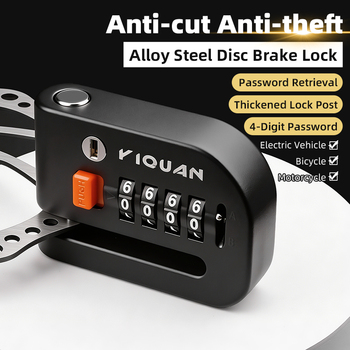
Commercial-Grade High-Strength Zinc-Aluminum Alloy Disc Brake Lock
The backbone of high-volume retail programs. Built with a monolithic zinc-aluminum high-pressure die-cast body, double-locking deadbolt pin, and anti-drill cylinder. Includes dual ergonomic high-security serpentine keys and silicone-coated reminder coil.
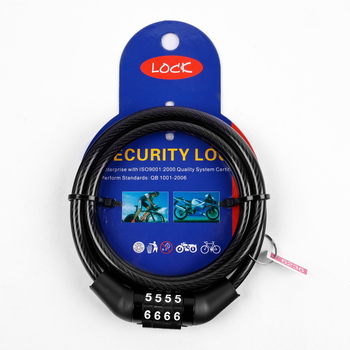
Heavy-Duty Hardened Steel Intelligent Siren Disc Brake Lock
Engineered specifically for the high-end electric bicycle, cargo bike, and light urban moto sectors. Features an integrated intelligent sensor matrix that ignores micro-ambient vibrations while instantly detonating an ear-piercing siren upon structural lever attacks.
| Engineering Parameter | Standard Alloy Disc Lock | Reinforced Hardened Steel | Smart Piezo Siren Disc Lock |
|---|---|---|---|
| Pin Diameter | 5.5 mm Universal | 6.0 mm / 10.0 mm Heavy Duty | 6.0 mm Hardened Chrome Alloy |
| Lock Cylinder Type | Brass Disc Detainer (Anti-Pick) | Radial Pin Tumbler / Serpentine | Anti-Drill Stainless Disc Detainer |
| Body Tensile Strength | ≥ 380 MPa (Die-Cast Alloy) | ≥ 680 MPa (Hardened Steel) | ≥ 520 MPa (Hybrid Composite/Alloy) |
| Corrosion Resistance | 96-hr Neutral Salt Spray (NSS) | 120-hr NSS E-Coated Surface | 144-hr NSS + IP67 Waterproof Chamber |
| Target Vehicle Segment | Road, Gravel, XC Mountain Bikes | Cargo E-Bikes, Commuters, Scooters | Premium E-Bikes, Speed Pedelecs |
| Key Combinations | > 5,000 Unique Codes | > 25,000 Key Variances | > 50,000 Computerized Codes |
Engineering Deep-Dive: Material Science & Mechanical Tamper Resistance
When sourcing anti-theft bicycle disc brake locks, technical buyers must scrutinize the metallurgical profile of the lock housing and locking deadbolt. Physical attacks in urban environments utilize three primary tools: manual hacksaw blades, heavy hydraulic bolt cutters, and high-speed cordless angle grinders.
1. The Lock Housing: Defeating Structural Crushing & Leverage Shear
Low-grade consumer locks frequently rely on porous recycled zinc alloys that shatter under localized impact or crack when wedged with an iron crowbar. At Kenus Intelligent Technology Co., Ltd., lock chassis are produced utilizing virgin high-purity A380 aluminum alloy or high-grade structural zinc-aluminum alloys under precision high-pressure die casting. This manufacturing process produces dense crystalline molecular structures devoid of interior air cavitation. For heavy-duty commercial product lines, cold-forged and induction-hardened carbon steel housings provide Rockwell hardness ratings reaching HRC 54–58, forcing grinder discs to rapidly consume their abrasive matrix without penetrating the lock cavity.
"The primary structural defense of an anti-theft bicycle disc brake lock is its enclosed geometry. By nesting the locking shackle directly within the disc rotor cutout, the clearance between the caliper, rotor spokes, and fork leaves zero physical gap for high-tonnage hydraulic cutting jaws to align or exert clamping leverage."
2. Lock Cylinder Architecture: Neutralizing Bumping, Raking, and Drilling
A physically impenetrable chassis is worthless if paired with an entry-level wafer tumbler cylinder vulnerable to standard lock picking sets within seconds. Global retail standards require sophisticated anti-pick architectures. Kenus incorporates advanced disc detainer (rotary disc) cylinders. Unlike conventional spring-loaded pin tumblers, disc detainer mechanisms utilize freely rotating profiled washers with notched sidebars. Without the authentic serpentine computerized key profile, false gates deliberately catch picking probes, delivering complete defense against lock bumping, manual raking, and tension decoding. Furthermore, our cylinder faces are shielded with a case-hardened free-spinning tungsten steel washer that spins freely against drill bits, neutralizing invasive rotary carbide drill attacks.
Future Procurement & Sourcing Trends (2025–2028 Forecast)
Enterprise procurement requires staying ahead of changing consumer expectations, municipal regulations, and vehicle design trends. In analyzing order pipelines, RFQs from top tier European and American distributors, and user queries across digital channels, our commercial teams identify four structural procurement megatrends reshaping the anti-theft bicycle disc brake lock ecosystem.
Trend 1: Smart Micromobility Integration (BLE, NFC & Keyless Ecosystems)
While physical mechanical keys remain standard for high-reliability consumer retail, commercial bike rental fleets, e-bike sharing programs, and luxury urban e-bike lines are rapidly moving toward Bluetooth Low Energy (BLE 5.2) and NFC smartphone unlocking. Procurement teams are investing in hybrid mechanical-electronic locks that offer app-controlled one-tap unlocking, geofenced automated locking reminders, and fleet-wide battery level tracking via cloud dashboards.
Trend 2: Compact Form Factor Engineered for Hydraulic Dropouts
Modern road and gravel disc brake assemblies utilize sleek flat-mount hydraulic calipers with tighter internal clearances between the rotor carrier spider, dropout hub axle, and fork leg. Bulky legacy motorcycle disc locks simply cannot clear these compact gaps. As a result, B2B demand is consolidating around slim-profile disc locks featuring specialized 5.0mm–5.5mm pins and reduced body depths under 45mm, ensuring seamless fitment on 140mm, 160mm, and 180mm bicycle rotors without contacting wheel spokes or hydraulic brake lines.
Trend 3: Dual-Axis Intelligent Acoustic Alarm Systems
Standard bike locks are passive deterrents. If a professional thief isolates a parked bike in a low-visibility corridor, time is on their side. Next-generation disc brake locks feature integrated micro-piezoelectric alert sounders delivering 110 to 120 decibels. Through algorithmic vibration filtering, modern firmware reliably differentiates between a passing heavy vehicle and persistent tool prying or wheel rotation. When triggered, the acoustic deterrent attracts instant public attention, compelling the perpetrator to abandon the attempt within seconds.
Trend 4: Material Sustainability & Full Packaging Circularity
In accordance with the European Union's Extended Producer Responsibility (EPR) regulations and corporate ESG mandates across North America, retail buyers now demand plastic-free retail display packaging. Kenus Intelligent Technology Co., Ltd. actively supports global brands with 100% recyclable unbleached kraft paper gift boxes, soy-based ink printing, molded pulp protective trays, and zero single-use polybags in accessory packs.
Manufacturing Verification & Factory Engineering Excellence at Kenus
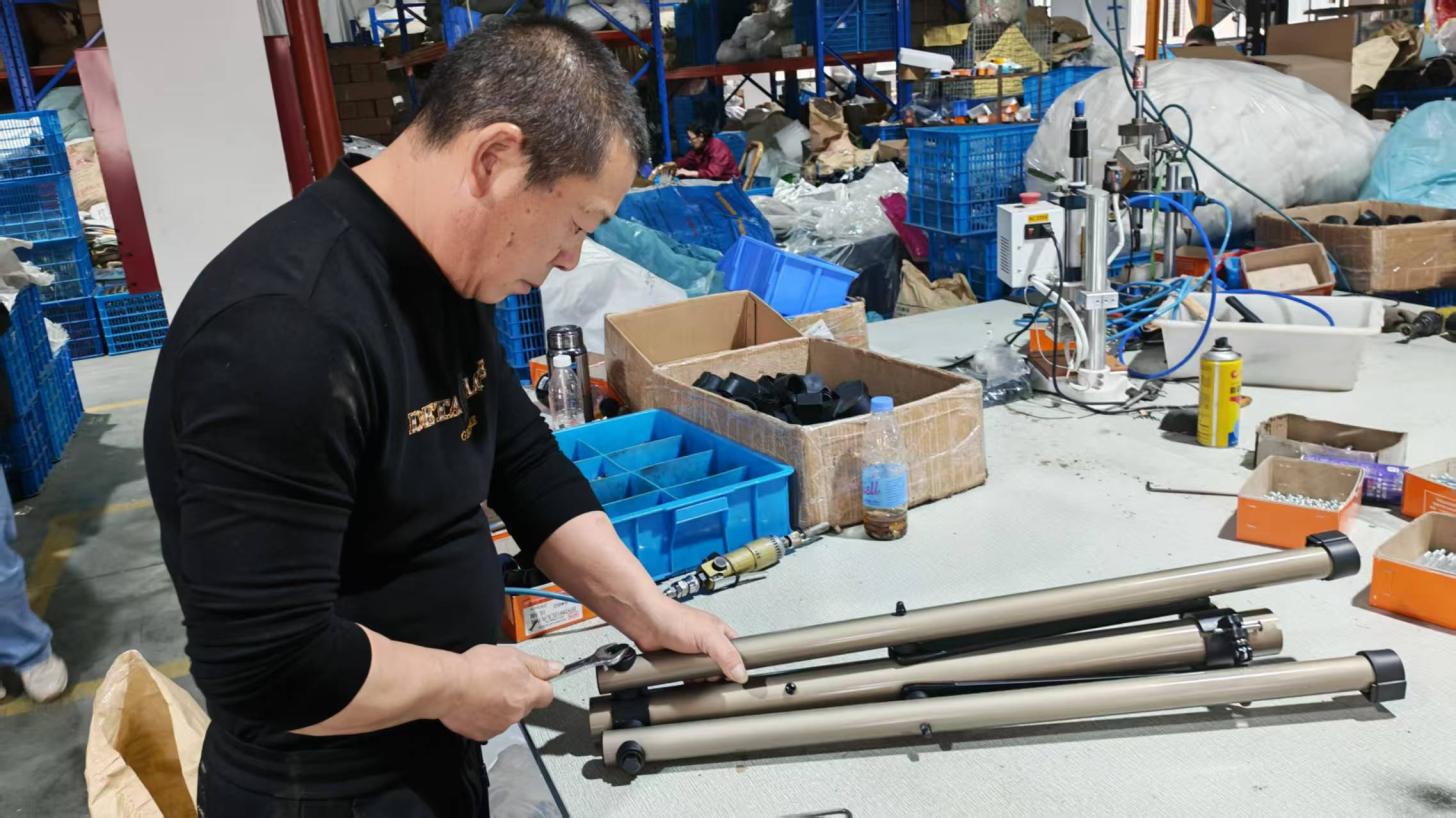
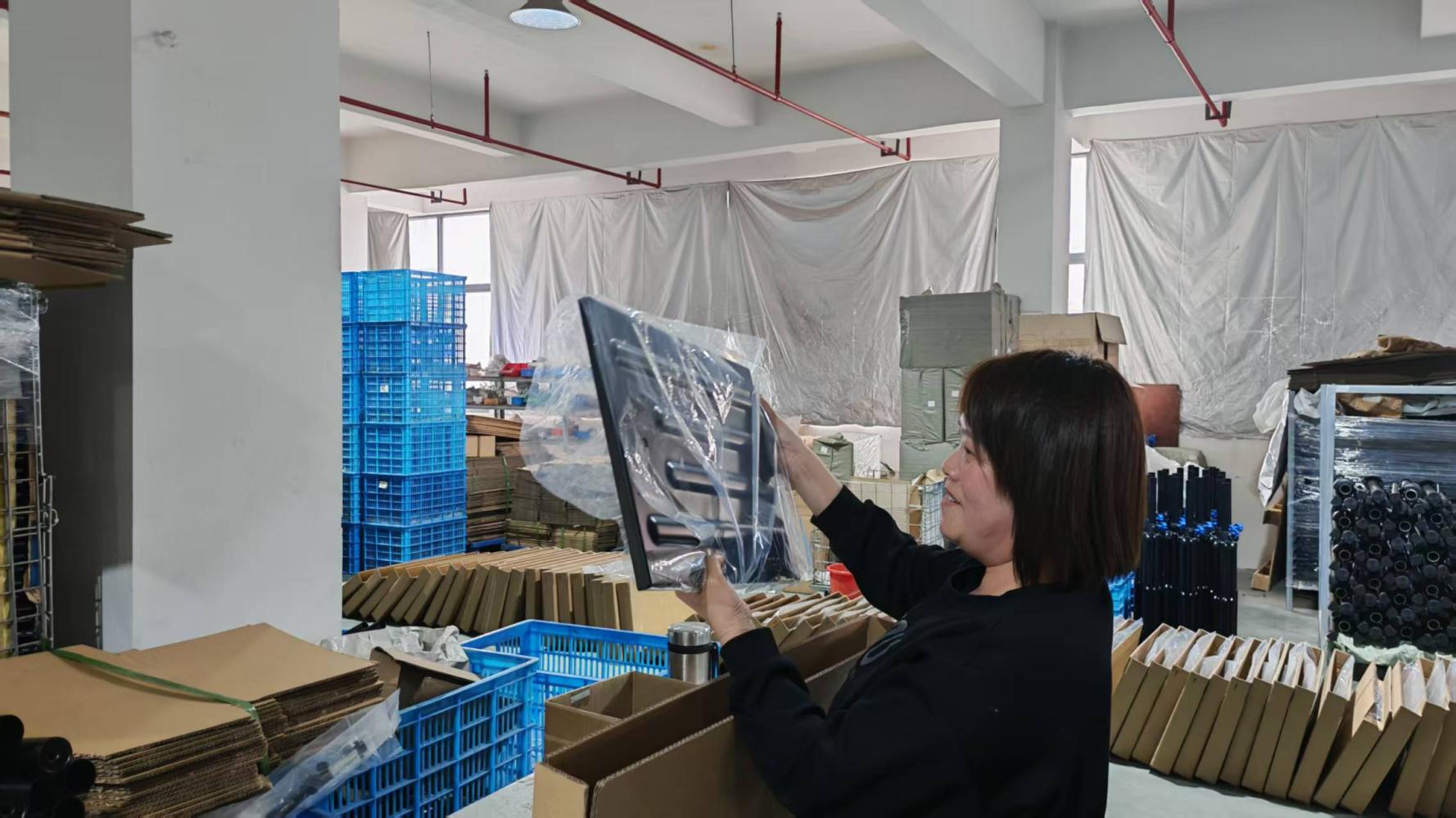
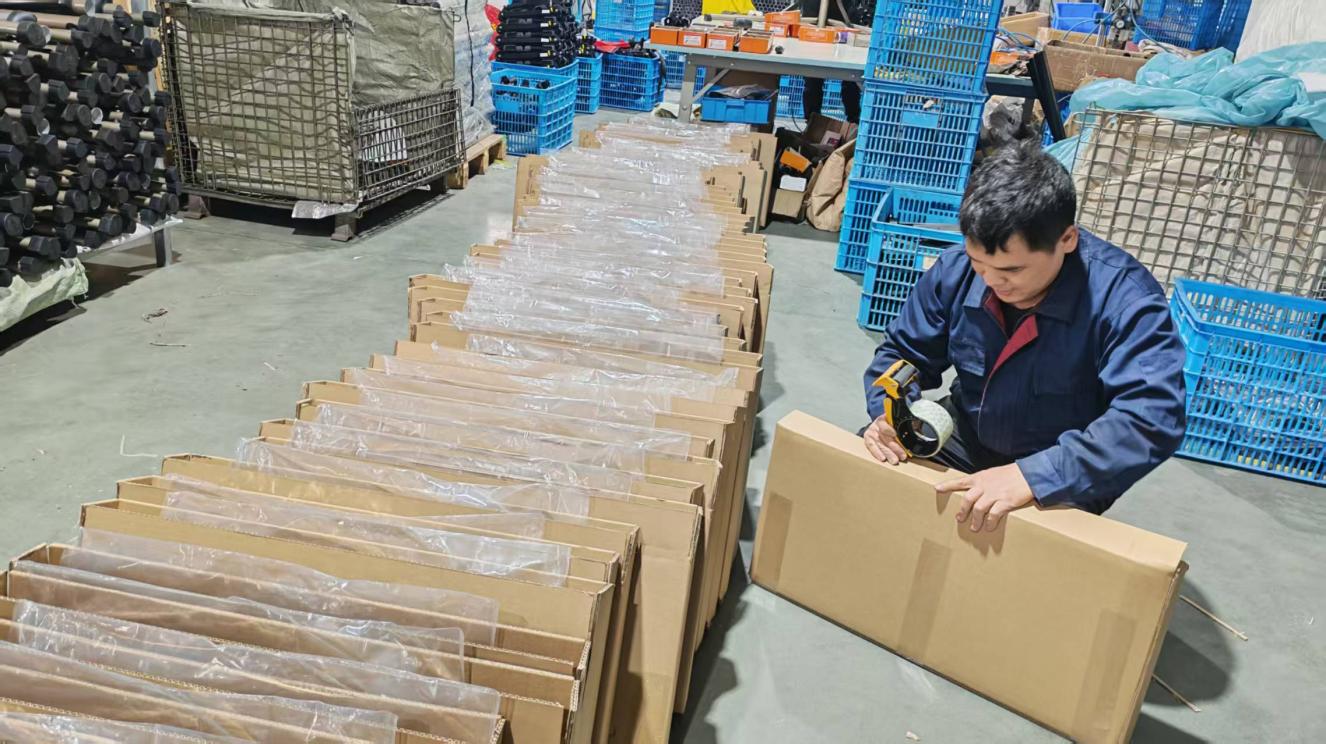
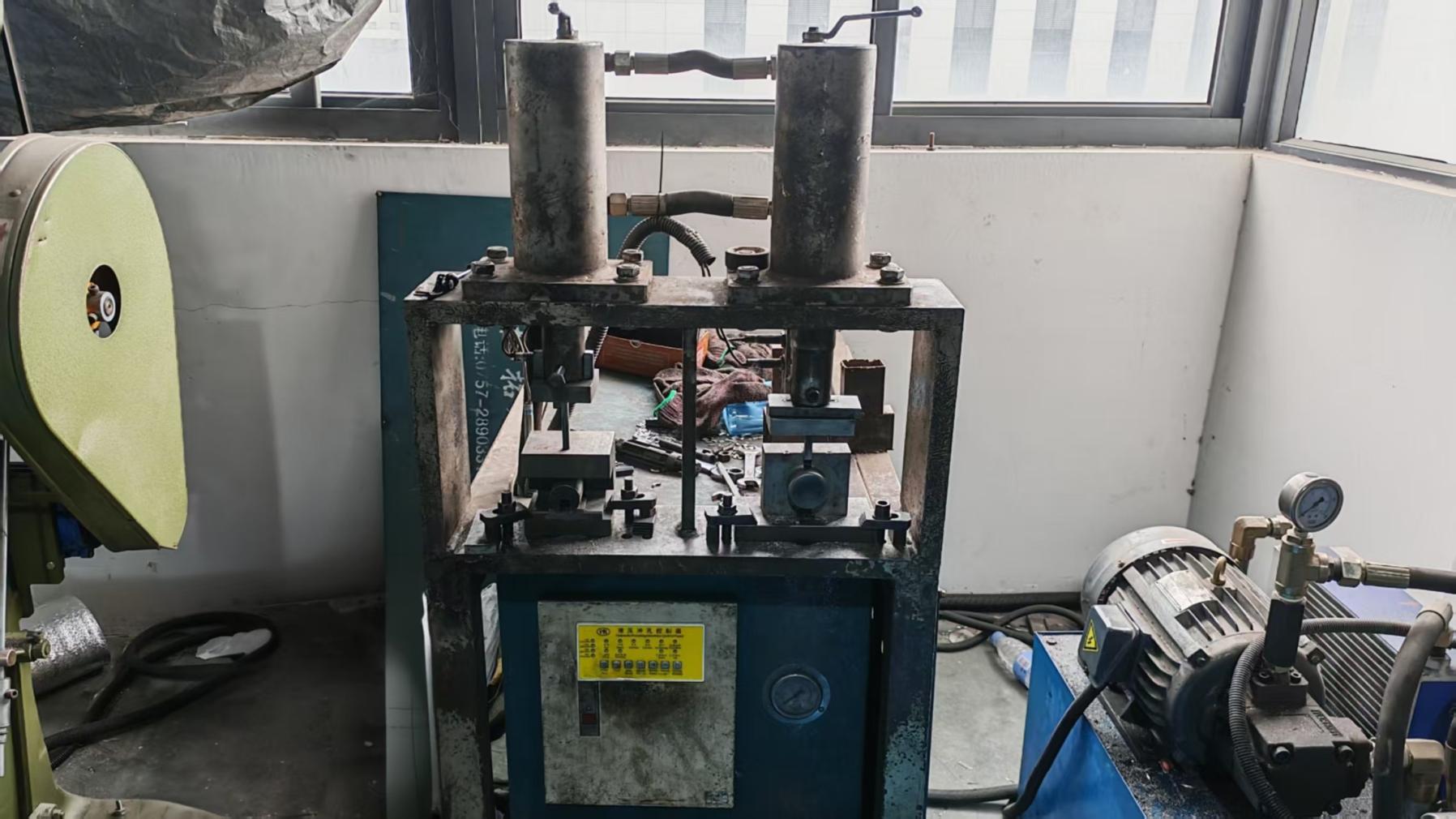
Selecting an OEM/ODM manufacturing partner in China demands complete transparency, stringent quality verification, and documented production capacity. Kenus Intelligent Technology Co., Ltd. (located in Jinhua, Zhejiang) operates advanced facilities assessed directly on-site by TÜV Rheinland.
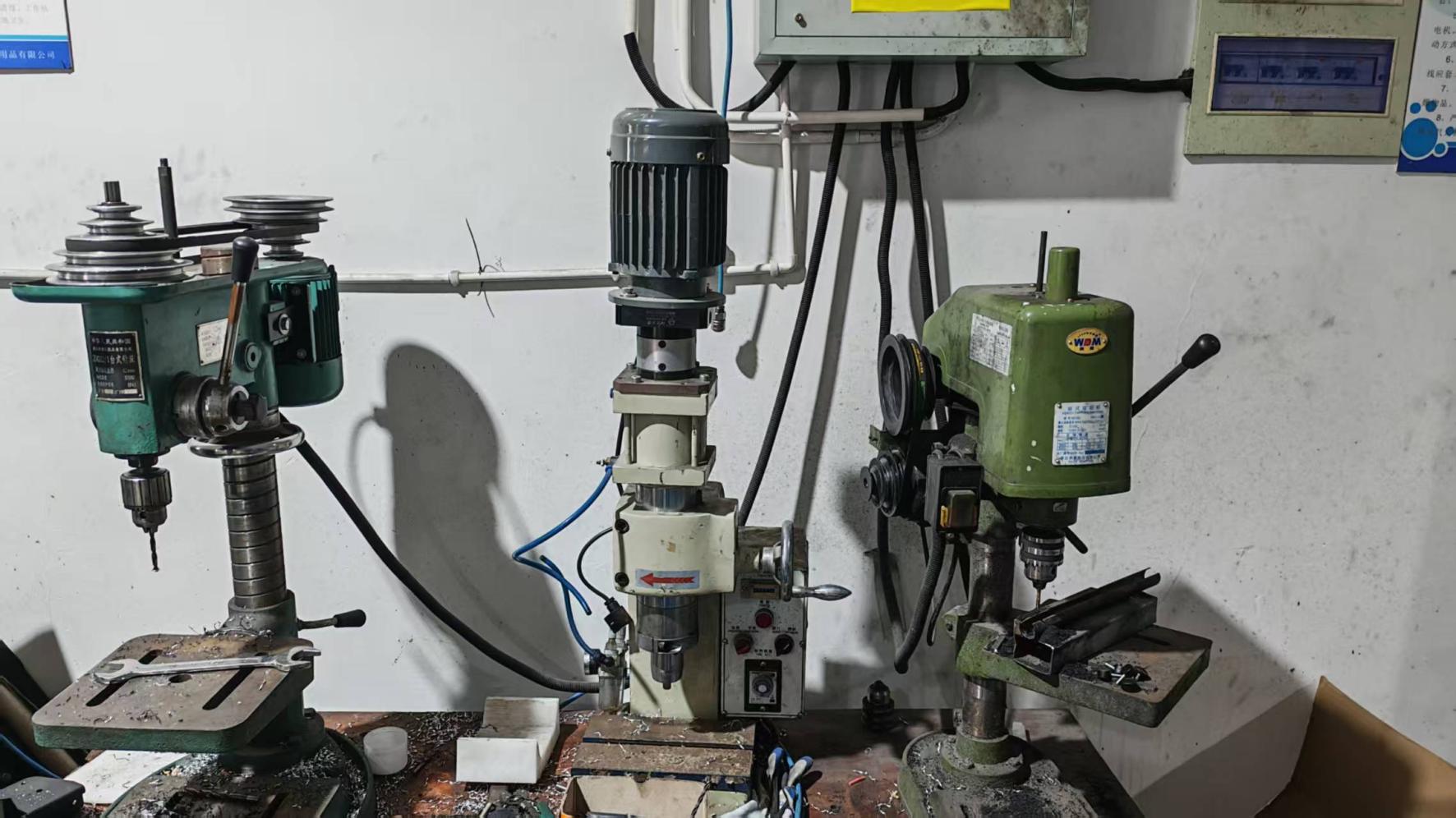
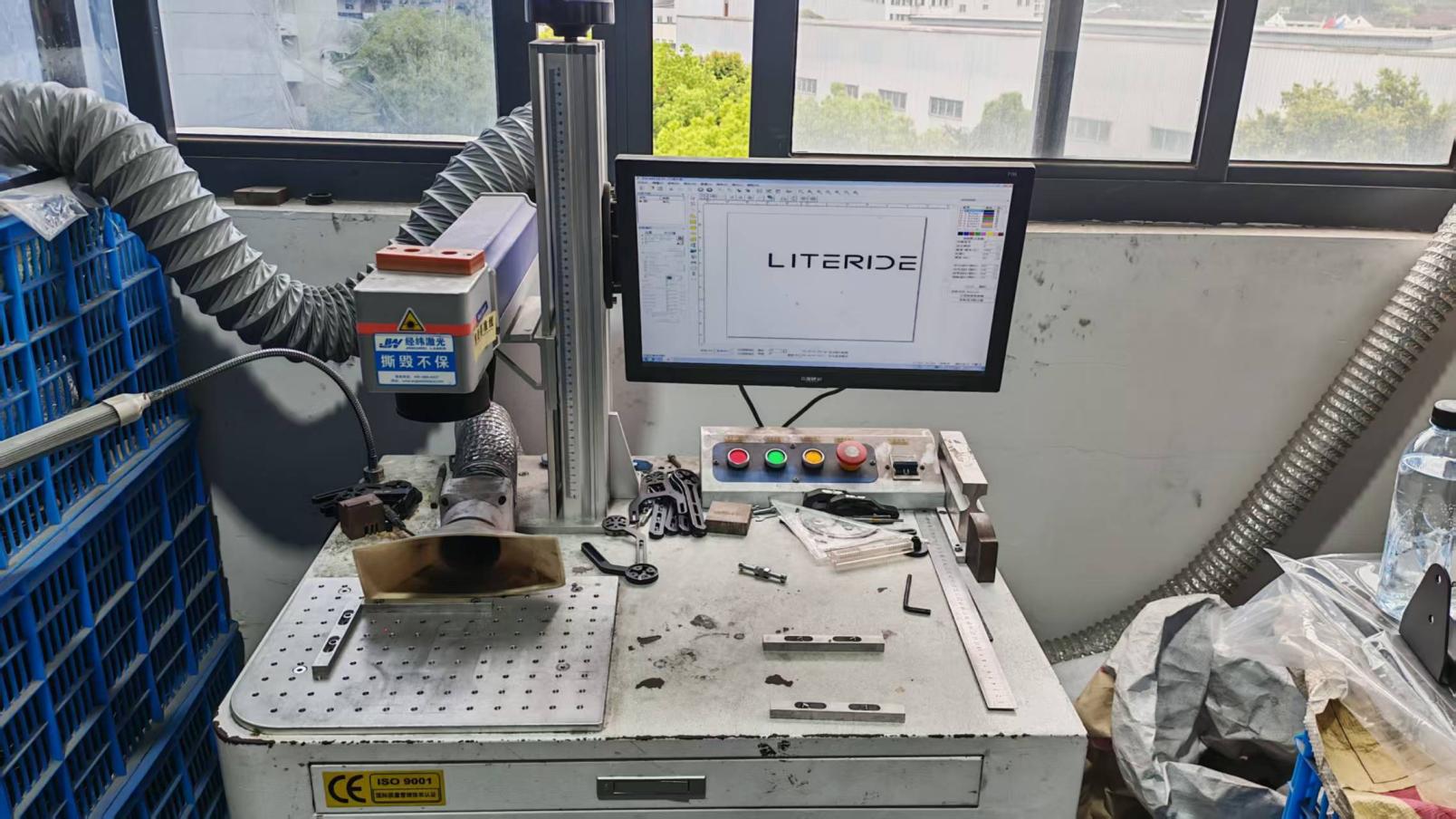
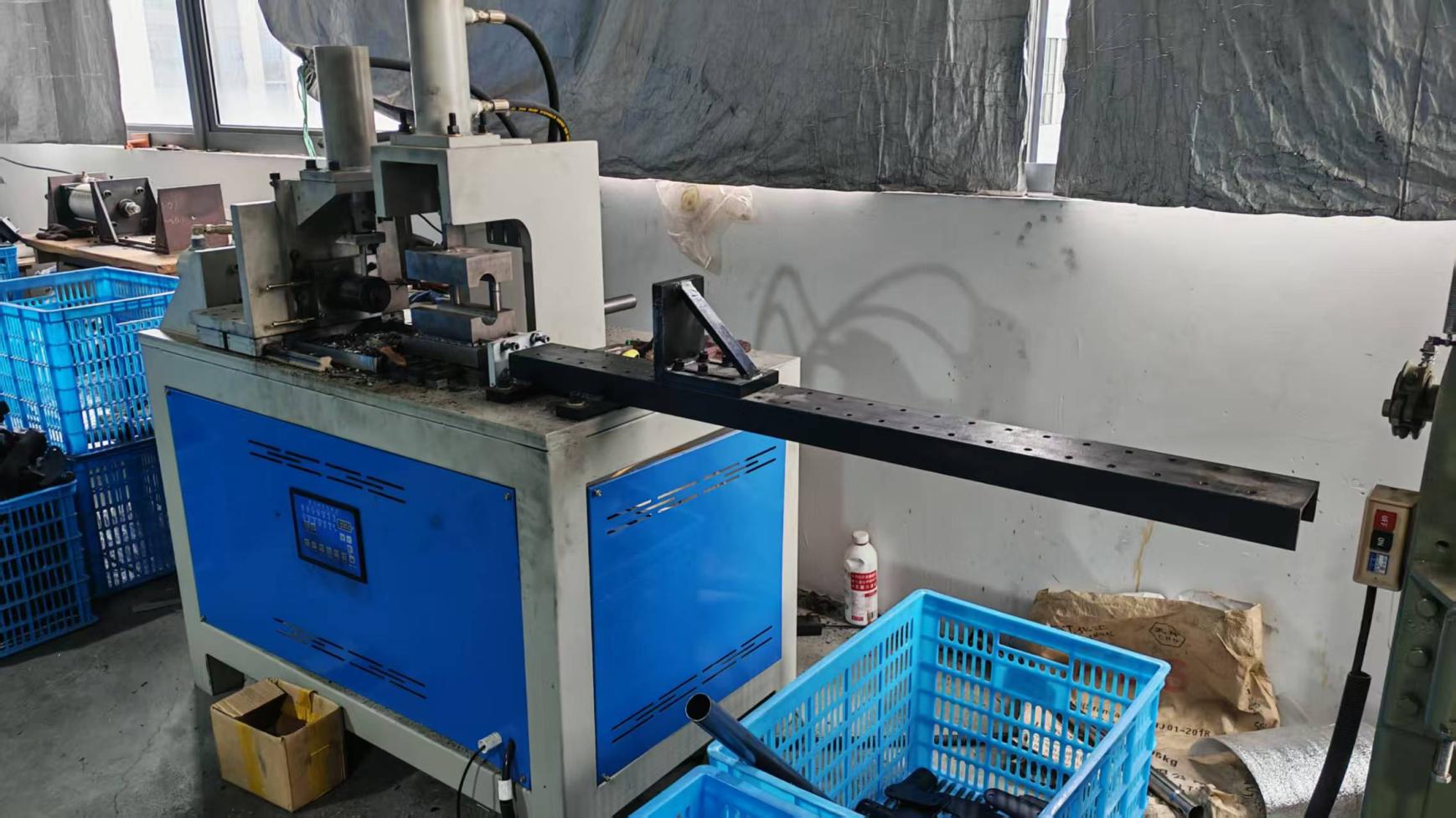
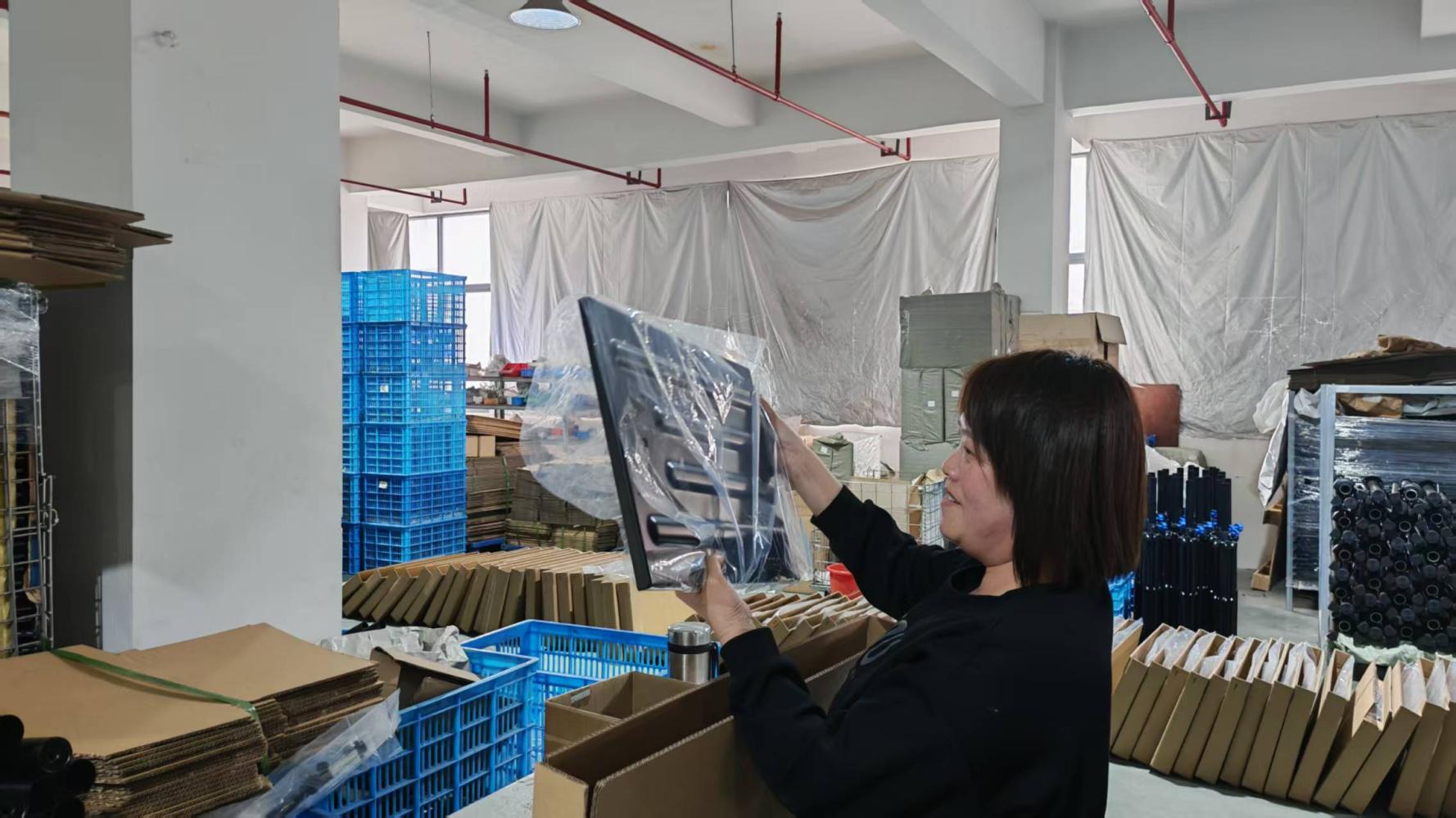
Our comprehensive production facility combines raw metal forming, specialized constriction machinery, multi-axis automated drilling, robotic welding, laser engraving, assembly stations, and strict multi-phase quality control inspection gates. This integrated engineering ecosystem guarantees tight dimensional tolerances across every manufactured lock batch.
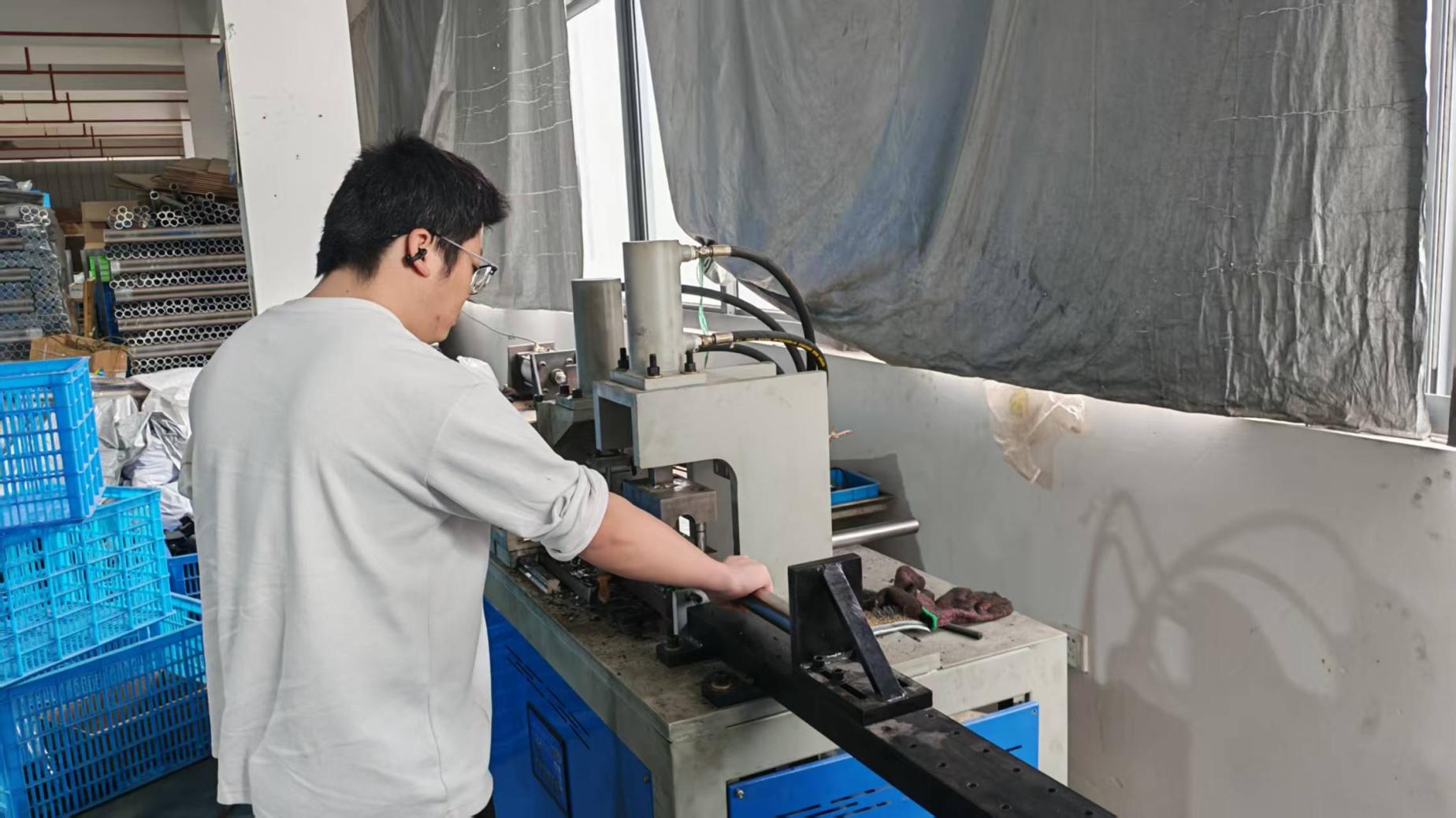


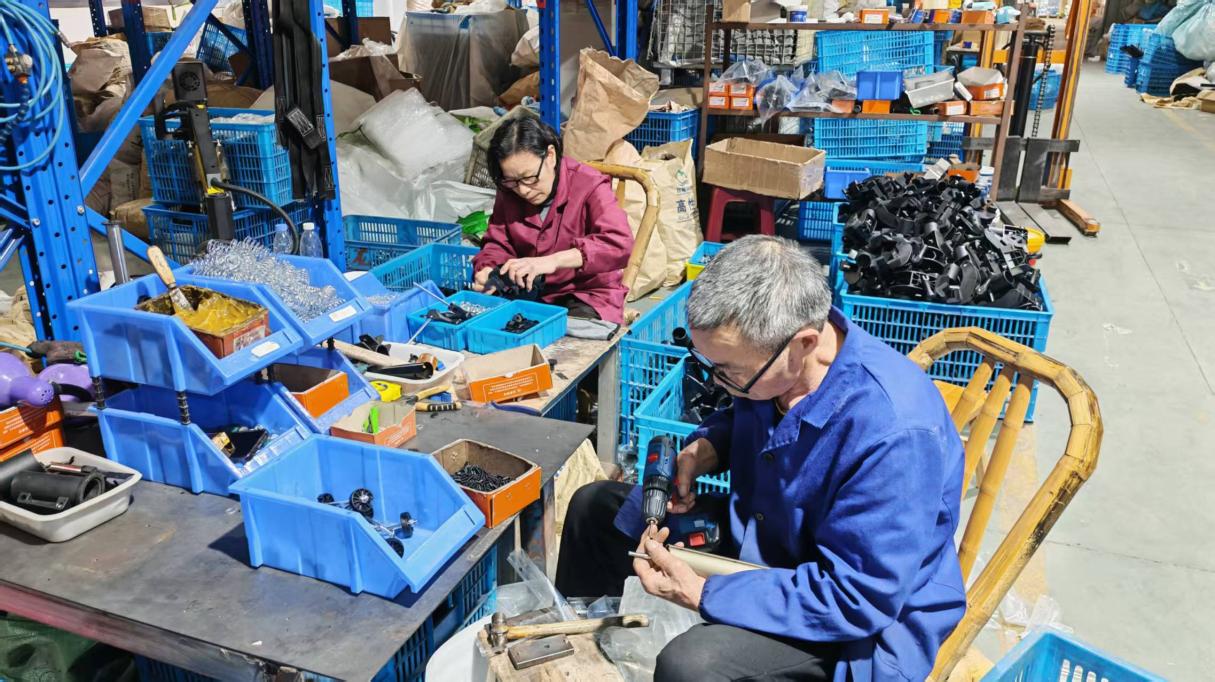
Our Verified Enterprise Advantages:
- TÜV Rheinland Onsite Verification: Operational premises, equipment inventories, factory inspection reports, and legal standings independently inspected and validated by TÜV Rheinland specialists.
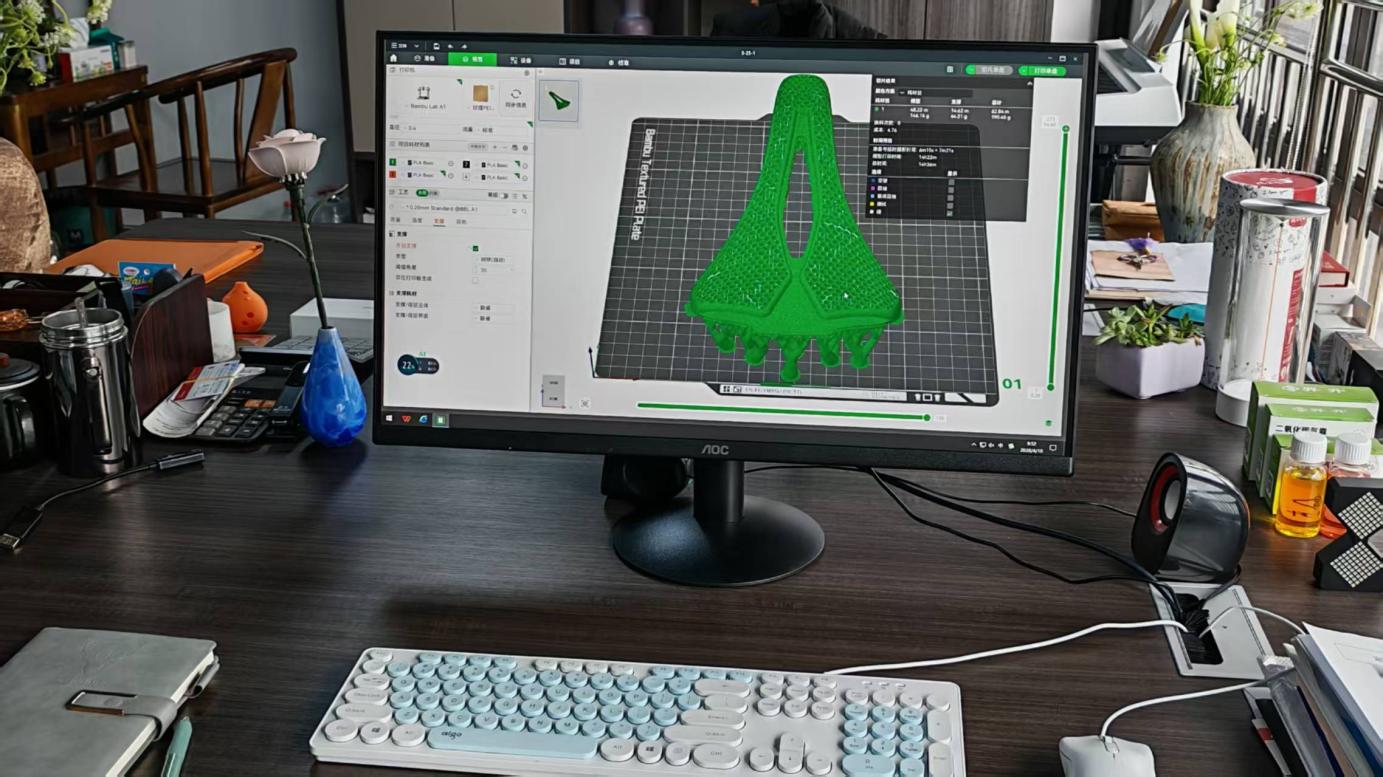
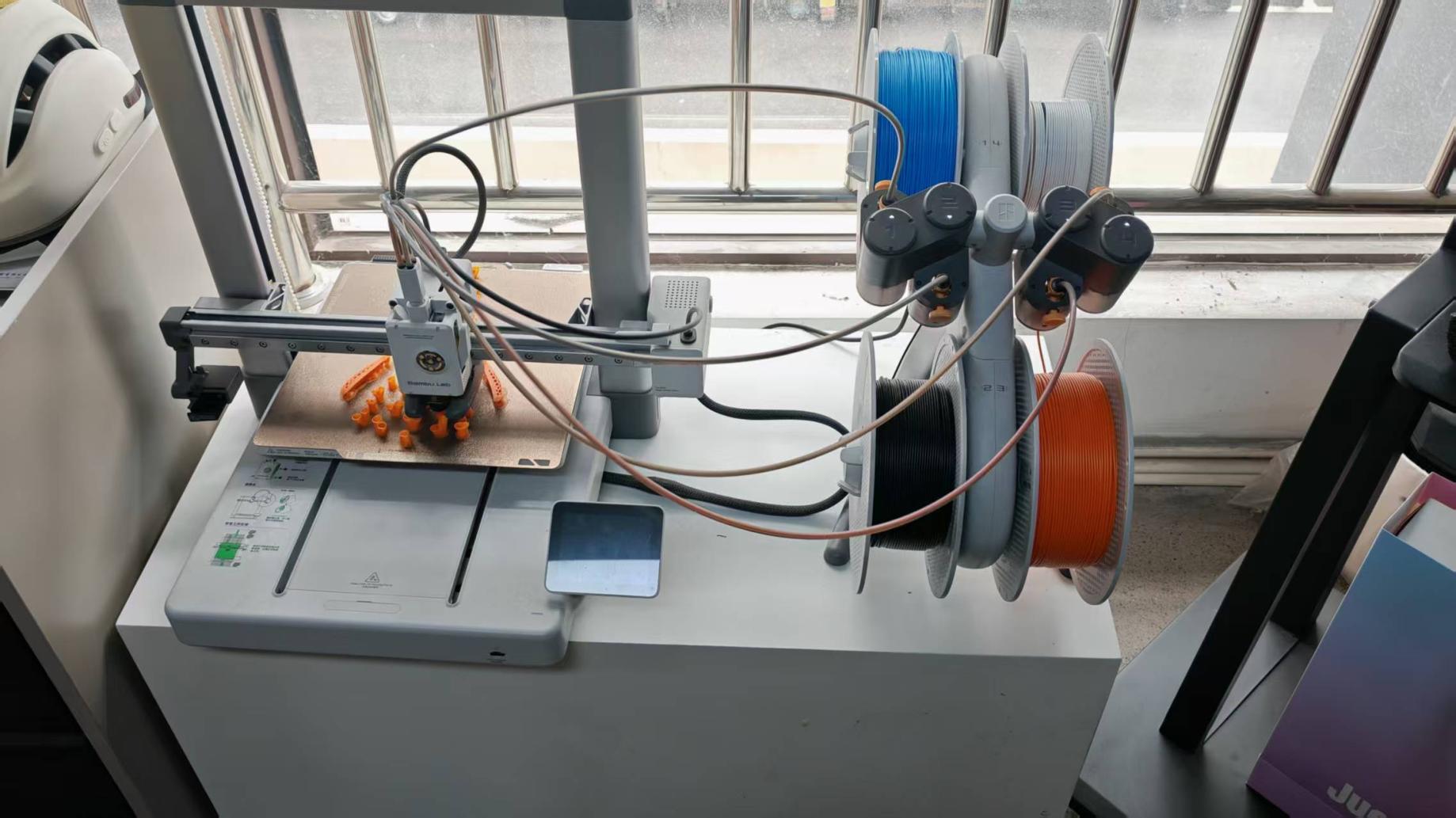
- End-to-End OEM/ODM Capabilities: Full in-house design capabilities from initial CAD blueprints and rapid 3D printing prototyping to die-cast mold fabrication and custom retail packaging design.
- Comprehensive Testing Protocols: Every batch is subjected to rigorous pull-force tests, cyclic fatigue tests (> 10,000 locking cycles), salt spray corrosion chambers, and drop-impact tests at -20°C.
- Global Compliance Ready: Factory products are supported by full CE, RoHS, and EMC compliance documentation for seamless customs clearance across European, UK, Japanese, and North American ports.
- Dedicated Export Account Teams: Clear communication, streamlined DDP/FOB/CIF freight coordination, and structured commercial guarantees through established trade assurance mechanisms.
Frequently Asked Questions (B2B Procurement FAQ)
Here are concise, evidence-based answers to the most common questions raised by corporate procurement agents, e-commerce brand owners, and logistics buyers when sourcing anti-theft bicycle disc brake locks.
What locking pin diameter provides the highest universal compatibility across modern bicycles?
How can buyers effectively prevent "drive-away" rotor damage caused by forgetful cyclists?
What surface treatment ensures longevity against severe coastal corrosion?
What are the minimum order quantities (MOQs) and lead times for OEM branding?
How does the cylinder key duplication system operate for wholesale orders?
Procure Commercial Anti-Theft Bicycle Disc Brake Locks Direct from the Factory
Whether you are expanding an established aftermarket cycling accessory brand, supplying corporate micromobility sharing fleets, or curating high-conversion e-commerce catalogs, Kenus Intelligent Technology Co., Ltd. delivers the engineering precision, certified compliance, and production scalability your enterprise requires.
Contact our B2B commercial engineering group today to request comprehensive engineering drawings, factory pricing matrices, and physical evaluation samples.