Strategic Sourcing Insight Why Commercial Facilities Are Migrating to Vertical Bike Parking Racks
In modern architectural and municipal transit planning, real estate cost per square meter continues to escalate. Traditional horizontal floor stands consume between 1.6 to 2.0 square meters per bicycle, factoring in necessary aisle clearance. By contrasting this footprint against modern high-density urbanization requirements, facilities lose up to 70% of potential active parking efficiency when relying on legacy ground racks.
A commercial-grade Vertical Bike Parking Rack reclaims spatial efficiency by lifting the bike upright, transitioning the center of gravity along a vertical plane and reducing real estate allocation to just 0.45 to 0.6 square meters per bicycle. However, B2B procurement decision-makers face distinct mechanical challenges that generic consumer racks fail to solve: deep rim clearance, fender compatibility, high-load suspension stresses, hydraulic brake reservoir air locks, and the massive weight surge driven by urban electric commuter bikes weighing upwards of 25 to 38 kilograms.
Information Gain Sourcing Rule:
Never procure vertical bike parking racks solely based on static hook ratings. Always inspect the structural moment arm at the anchor plate, the rubber polymer durometer preventing carbon rim marring, and whether the swivel bracket operates on sealed self-lubricating industrial bearings.
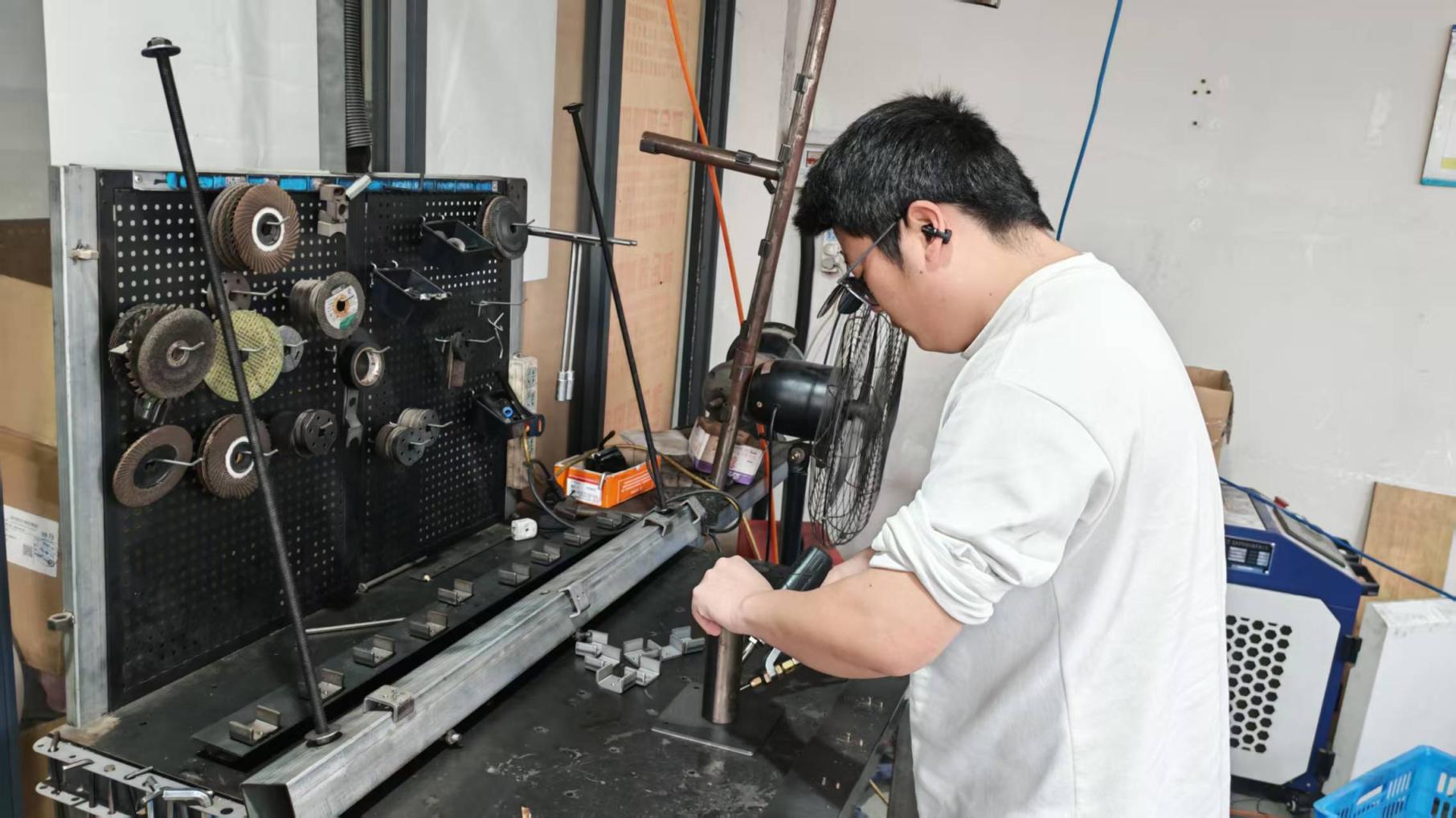
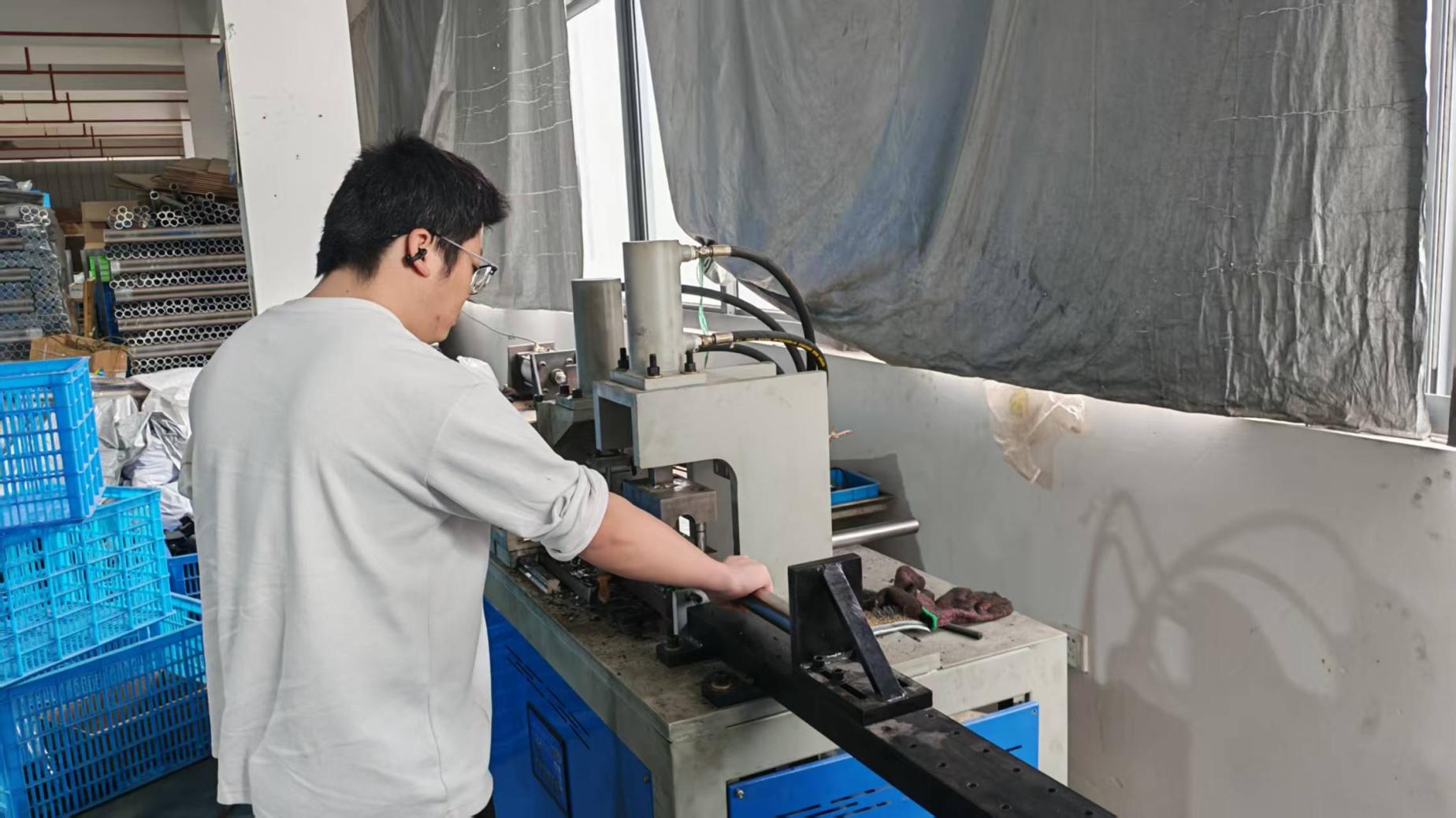
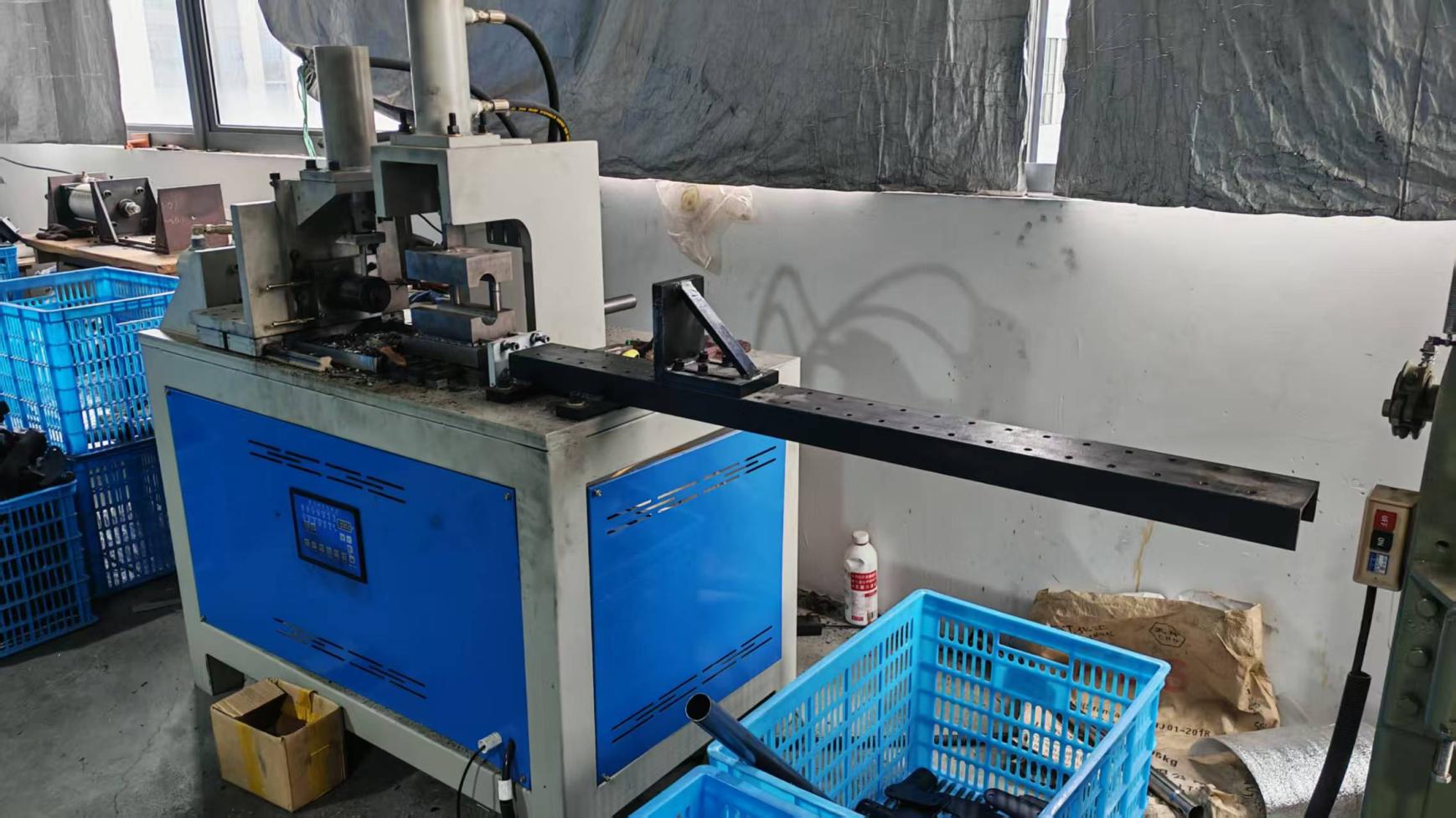
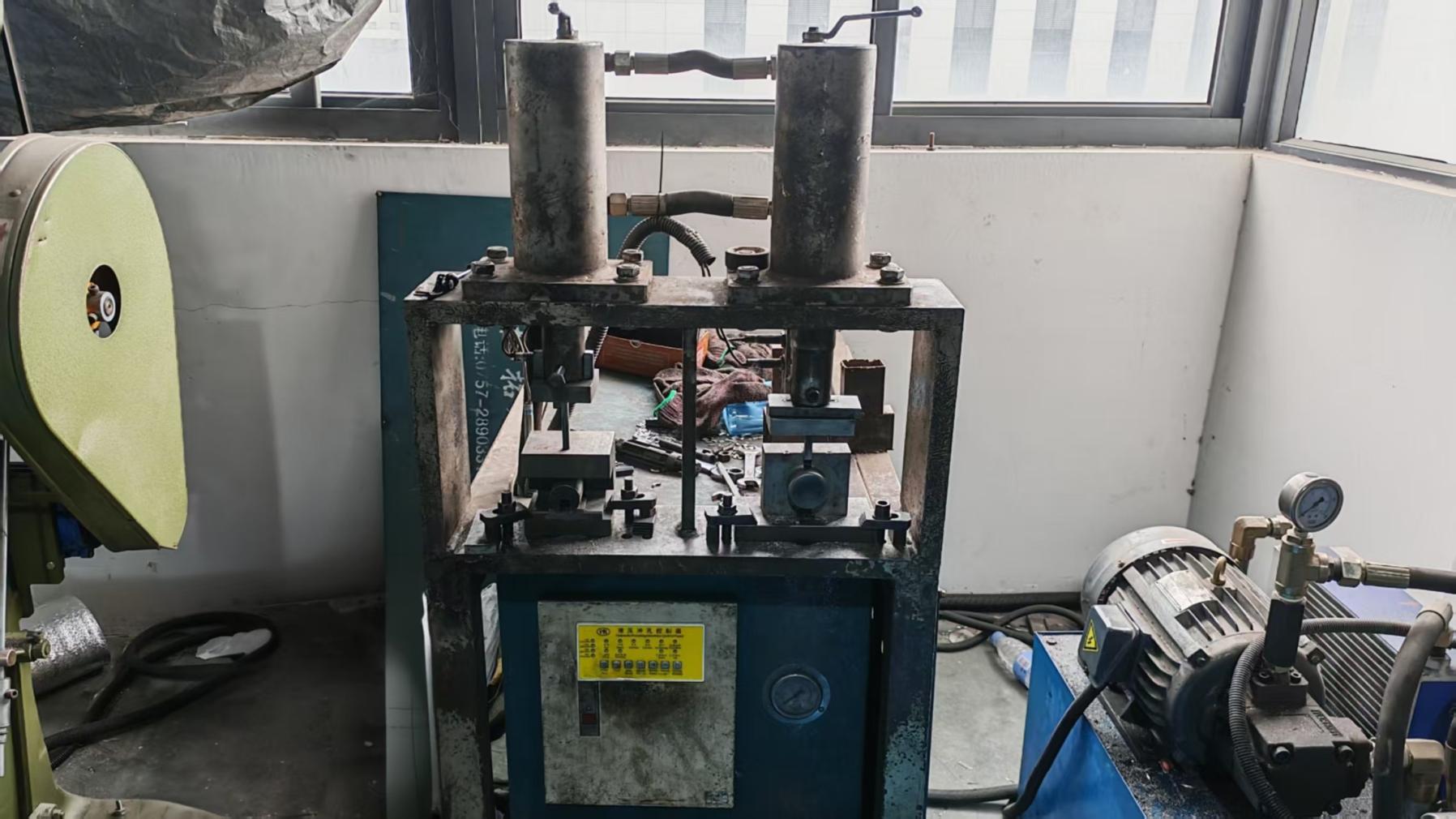
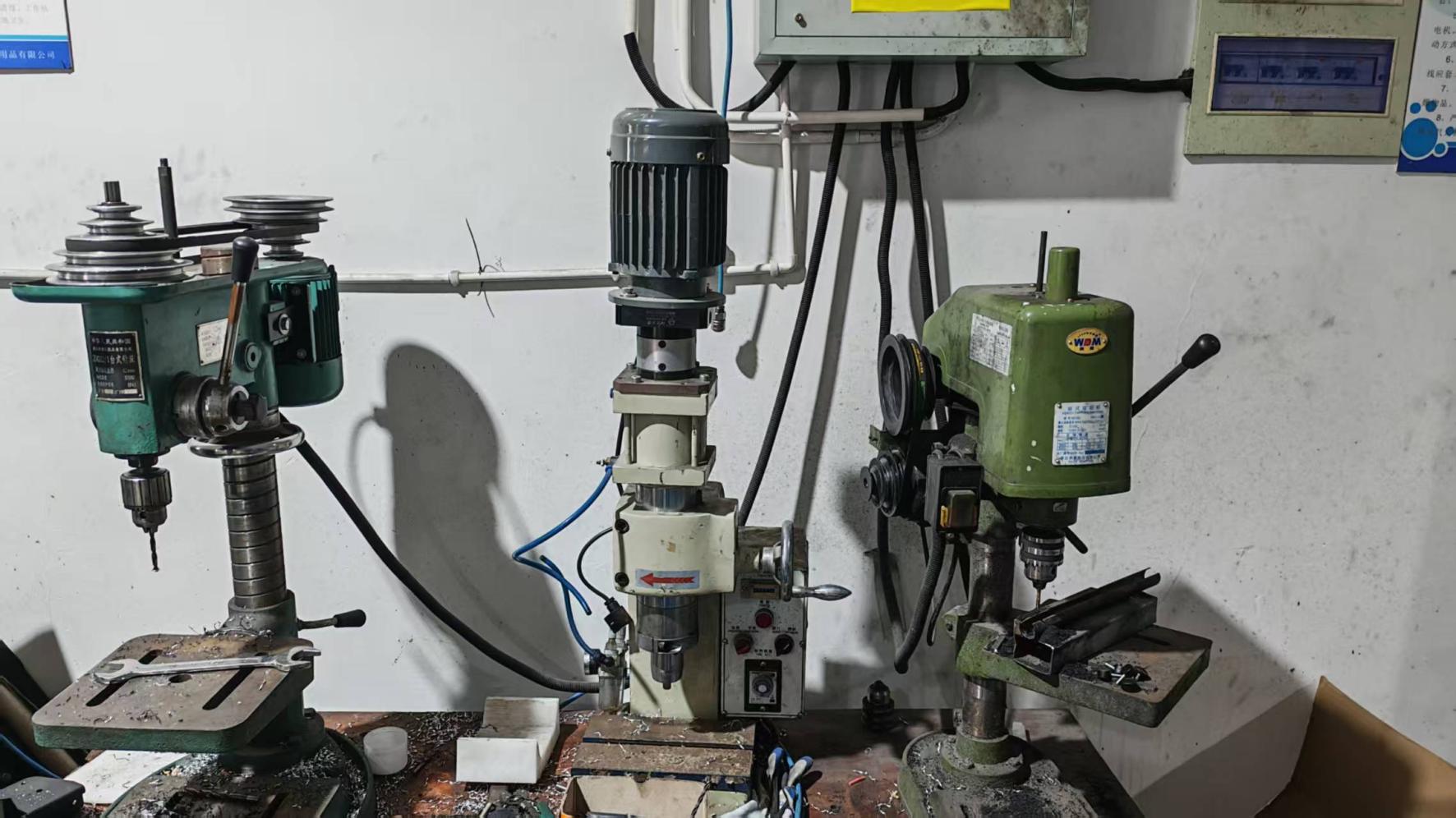
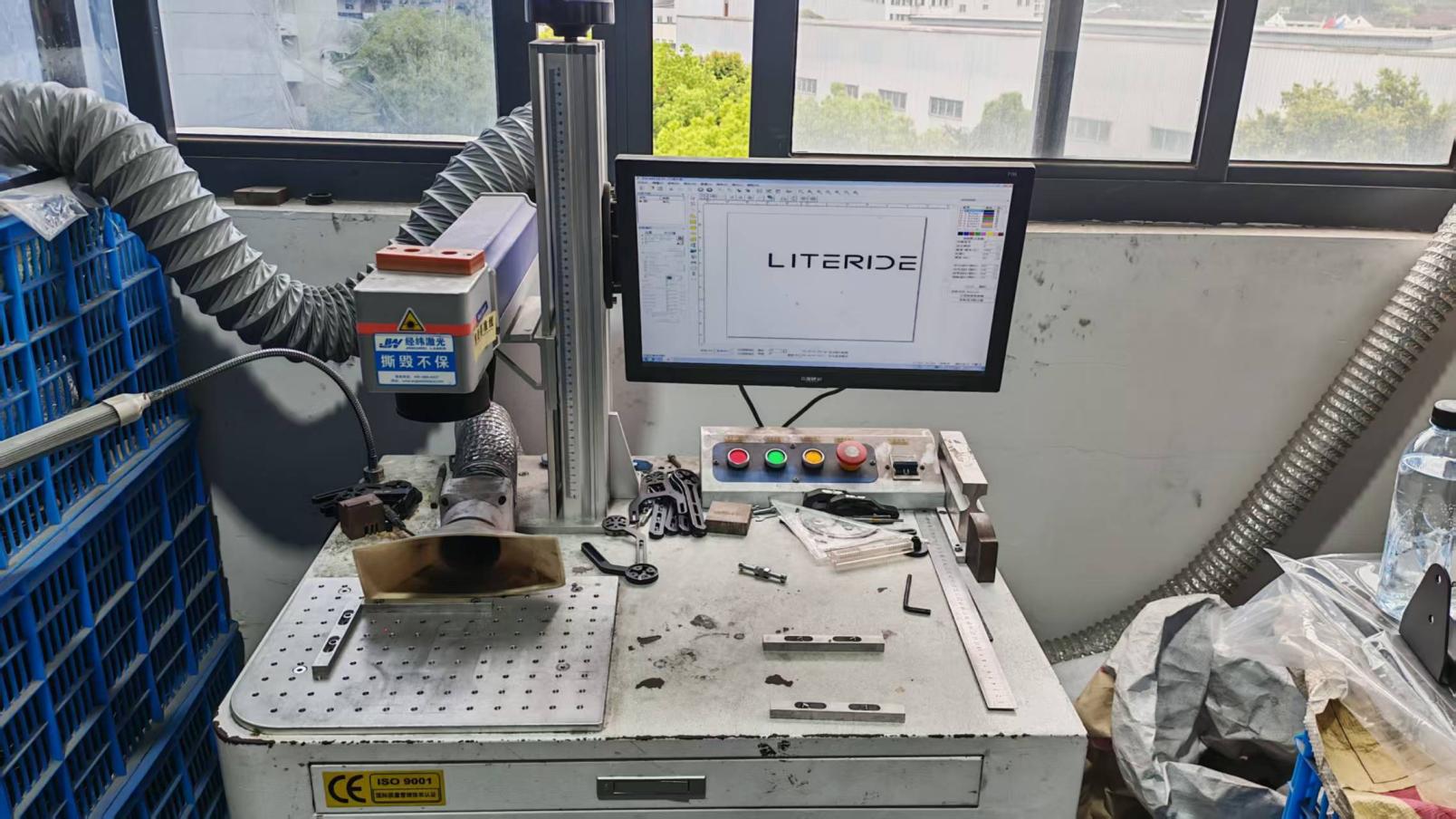
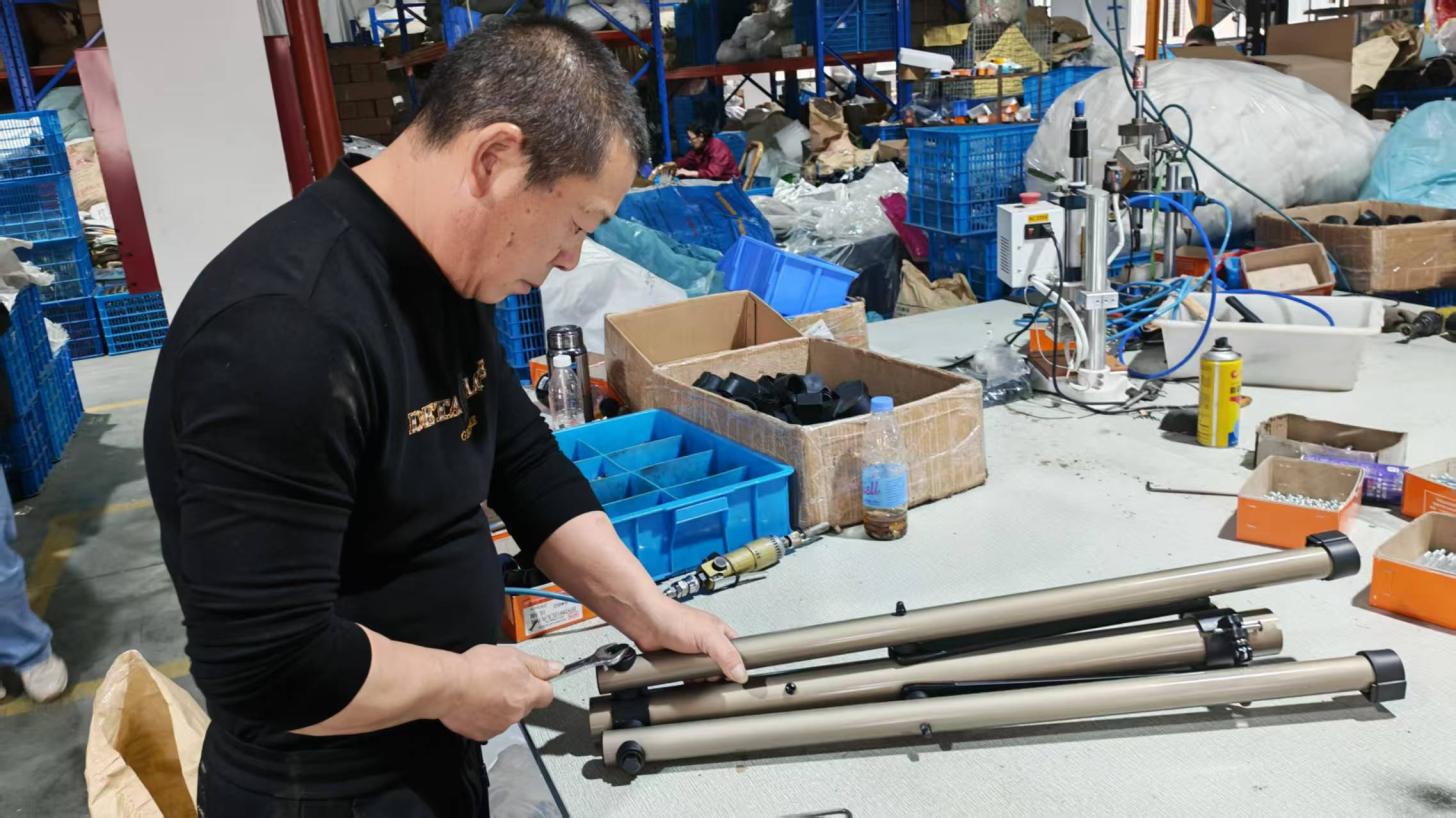
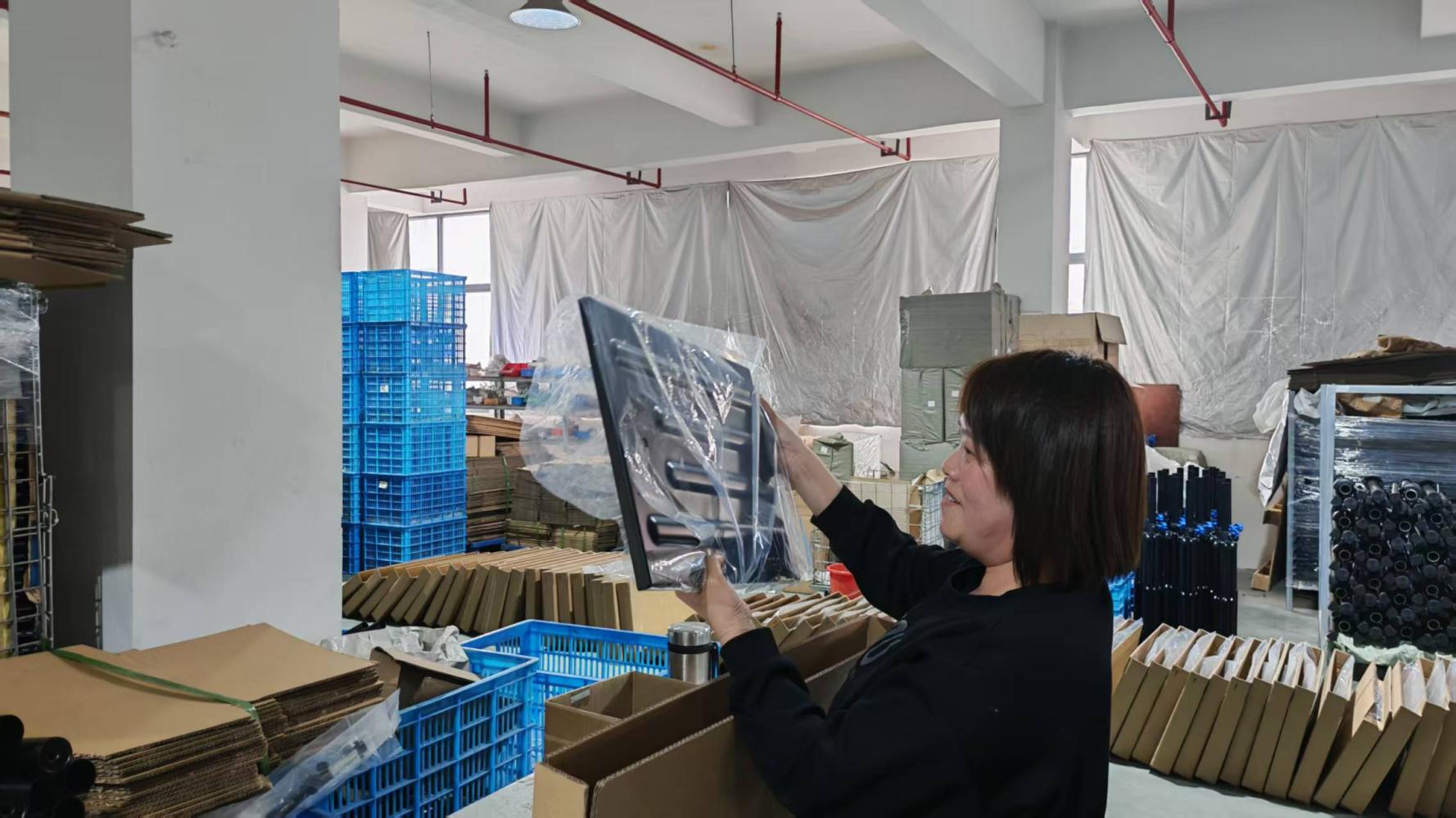
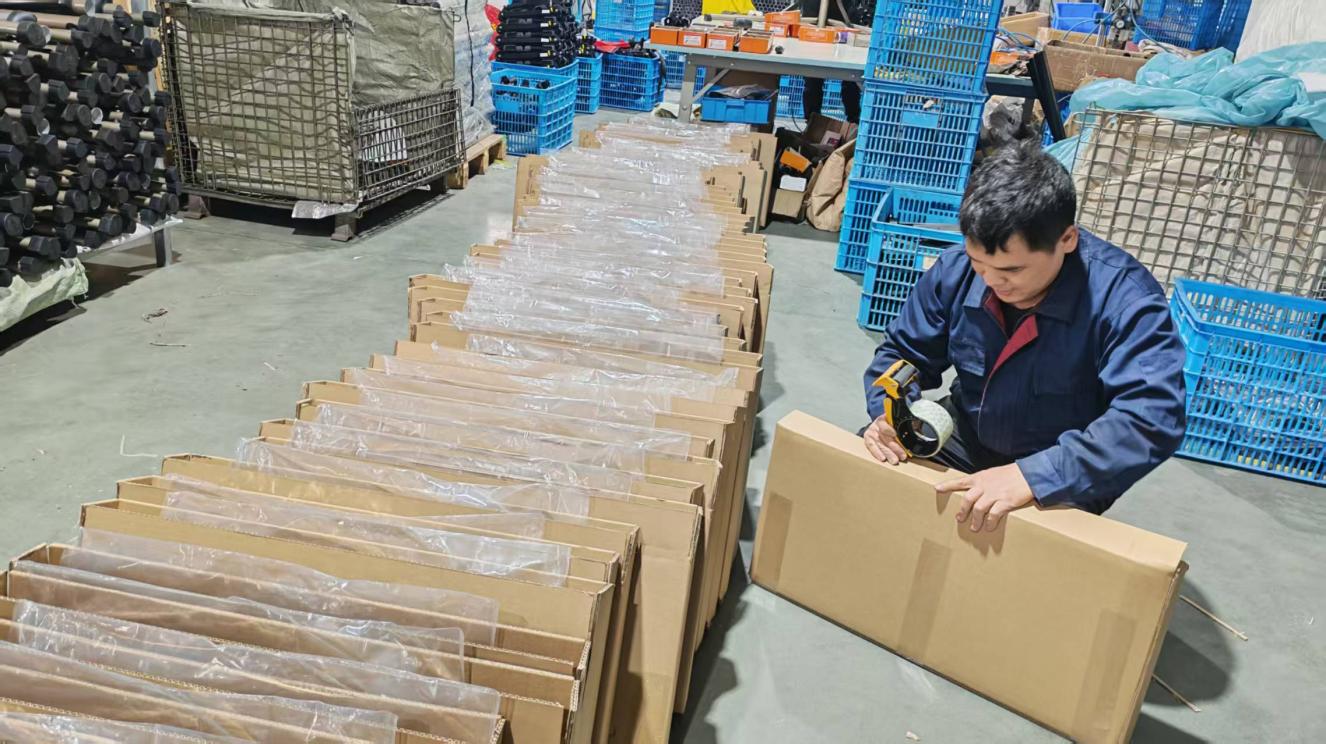
At Kenus Intelligent Technology Co., Ltd., we bridge the gap between heavy industrial metalworking and end-user ergonomic ease. Utilizing robotic welding arrays, automated tube constriction machinery, and precision drilling stations, our vertical bike parking systems are engineered to withstand continuous commercial duty cycles in corporate campus basements, multi-family residential towers, universities, and intermodal transport hubs worldwide.
 Versatile Flagship