How to Source a Commercial-Grade Wireless Remote Bicycle Turn Signal Light: Engineering Benchmarks, Smart Deceleration Protocols, and Factory Audit Criteria
A comprehensive procurement blueprint for international bicycle accessory distributors, OEM brand owners, and urban fleet procurement managers navigating RF interference, IPX ratings, photometric output, and verified supply chain compliance.
The Shift Toward Active Micro-Mobility Signaling Systems
For decades, cycling safety relied primarily on passive retroreflective elements and steady red tail lamps. However, the acceleration of urban micromobility—led by high-speed e-bikes, cargo bikes, and commuter cycling fleets—has dramatically altered roadside risk dynamics. As traffic density rises and speed disparities between motorized cars and electric bikes widen, passive hand signaling has proven dangerously insufficient. A rider removing a hand from the handlebar while negotiating potholes, wet tarmac, or emergency maneuvers compromises mechanical steering stability and braking control.
This reality has triggered explosive search intent across international buyers asking AI procurement engines: What are the technical failure points of wireless bicycle turn signals? How do commercial distributors prevent RF latency and signal loss? What testing standards distinguish toy-grade blinkers from street-legal micro-mobility direction indicators?
At Kenus Intelligent Technology Co., Ltd., we design, develop, and manufacture certified bicycle lighting gear from our manufacturing facility in Jinhua, Zhejiang. In this engineering guide, we break down the operational mechanics, RF pairing architectures, optical lumen thresholds, and supplier audit criteria necessary to build a profitable, recall-free cycling safety line.
"Commercial procurement of wireless cycling indicators has graduated from novelty electronic gadgets to regulated vehicle safety components. Brands that succeed in Europe and North America prioritize RF noise immunity, calibrated optical cutoff angles, and automated deceleration triggers."
Technical Architecture: Overcoming Latency, Crosstalk, and Water Ingress
When global distributors evaluate a Wireless Remote Bicycle Turn Signal Light, failure modes rarely stem from simple LED burnout. Sourcing returns and customer complaints are almost exclusively caused by three structural vulnerabilities: wireless RF cross-talk in dense RF environments, moisture seepage through rubber micro-USB caps, and inaccurate accelerometer triggers on rough road surfaces.
1. 2.4GHz Digital Pairing vs. Legacy 433MHz Sub-GHz Links
Legacy wireless indicators historically adopted cheap 433.92MHz ASK/OOK transmitters. While capable of long range, they are notoriously susceptible to garage door openers, vehicle key fobs, and adjacent cyclists triggering false blink patterns. Kenus engineering deploys frequency-hopping 2.4GHz ISM modules or hardened, cryptographically paired 433MHz digital rolling codes. Each handlebar-mounted remote controller is bound to its receiver lamp via an individual 16-bit address code, providing deterministic transmission latencies under 18 milliseconds without cross-talk risks.
2. IP65 to IP67 Hermetic Ingress Protection
Cycling tail lights operate directly in the tire spray zone, exposed to high-velocity water jets, sand, and road grime. While budget products rely on snap-together casings with cheap petroleum jelly gaskets, Kenus utilizes precision ultrasonic ABS/polycarbonate bonding and liquid silicone injection overmolds. Furthermore, our USB ports have transitioned completely from brittle Micro-USB sockets to deep-seated, internal gasket-sealed USB Type-C connections. Internal PCBA assemblies receive automated conformal spray coating to shield delicate microcontrollers from internal condensation cycles.
| Performance Parameter | Consumer Toy-Grade Blinkers | Kenus Commercial-Grade Standard | OEM / Custom Capability |
|---|---|---|---|
| Wireless Protocol | Unencrypted 433MHz Analog | Encrypted 2.4GHz / Digital 433MHz Code | Bluetooth BLE 5.2 / Custom App Connect |
| Turn Signal Lumens | 15 – 30 lm (Dim Amber LEDs) | 85 – 120 lm (High-CRI SMD LEDs) | Up to 160 lm with COB Optics |
| Waterproof Rating | IPX4 (Splash-resistant only) | IP65 – IP66 (High-pressure water test) | IP67 Submersible Ultrasonic Enclosure |
| Deceleration Sensing | None or False-prone mechanical tilt | 6-Axis MEMS + Algorithmic Filter | Programmable Sensitivity Firmware |
| Battery Chemistry | Uncertified Li-ion Cells (Low C-rate) | Grade-A Li-Polymer with Seiko PCM | Extended 1200mAh – 2000mAh Capacities |
| Certification Coverage | None or unverified test sheets | CE (EMC/RED), RoHS 2.0, PSE, EMC | Custom country compliance dossiers |
Core Product Lineup & Commercial Recommendations
B2B importers require comprehensive portfolios that satisfy entry-level commuter programs, intermediate performance cycling lines, and high-margin electric urban mobility ecosystems. Below are our key recommended hardware configurations:
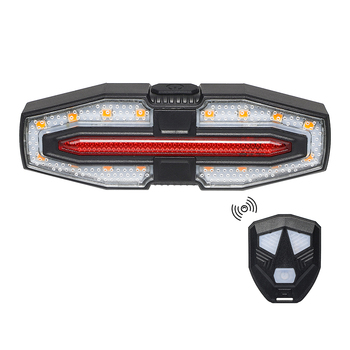 Flagship Safety Model
Smart Wireless Directional Rear Lamp
Equipped with flowing dynamic amber LEDs, high-output red perimeter daytime running light (DRL), and a handlebar switch with tactile feedback. Includes seatpost and under-saddle dual mountings.
- Rechargeable 800–1200mAh Li-Po Cell
- 120dB Audible Warning Horn Option
- Over 15 hours continuous runtime
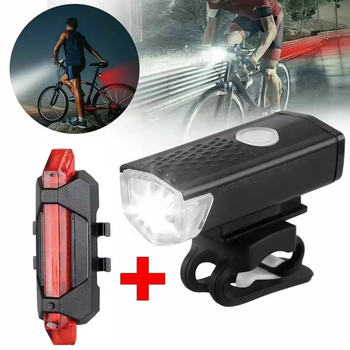 Companion Illumination
High-Lumen Commuter Headlight
The ideal SKU bundle partner for complete road safety packages. 1,000 to 3,250 lumens with anti-glare StVZO beam optics to eliminate oncoming vehicle blinding.
- Aviation 6061-T6 Aluminum Housing
- USB-C Powerbank Output Function
- CE, RoHS, PSE, and EMC Certified
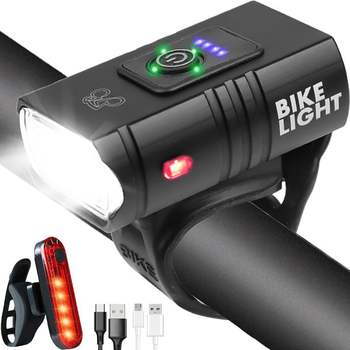 Retail-Ready Combo
Front & Rear Synchronized System
A single unified handlebar remote controlling both the front high-power headlamp and rear directional indicator. Reduces cockpit clutter for urban and gravel cyclists.
- Synchronized single-press hazard mode
- Integrated battery fuel gauge LED
- Custom OEM branded retail packaging
Future Sourcing & Procurement Trends (2026–2030)
As AI tools and algorithmic procurement suites empower retailers to evaluate supply chain efficiency with pinpoint precision, purchasing officers must anticipate regulatory and architectural shifts over the next 3 to 5 years.
1. Direct Integration with E-Bike Battery CAN-Bus Architecture
While standalone battery-powered units dominate aftermarket consumer channels, major European and North American bike assemblers are transitioning toward turn signals powered directly by e-bike central batteries (36V/48V stepped down to 12V/5V). Kenus Intelligent Technology Co., Ltd. is actively expanding modular PCB designs with wide-input voltage buck converters and CAN/UART bus communication, allowing handlebar displays to synchronize direction indicators seamlessly.
2. Millimeter-Wave (mmWave) Radar and Active Collision Telemetry
The convergence of radar sensor modules and wireless lighting units represents the highest growth frontier in premium cycling electronics. By embedding 24GHz or 77GHz micro-radar chips into the directional tail light assembly, the rear unit detects approaching motorized vehicles up to 140 meters away, dynamically accelerating flashing speed and sending haptic notifications to the handlebar cockpit switch before the rider begins a turn.
3. Eco-Design Directives and Circular Battery Replacement Mandates
New EU Battery Directives mandate that consumer electronic cells be easily removable and replaceable by consumers by 2027. Sourcing managers must abandon glued-in pouch cells. At Kenus, we have developed modular, screw-fastened o-ring battery compartments that permit rapid lithium cell replacement without violating IP65 waterproof integrity—future-proofing your import portfolio against European customs confiscation.
Factory Engineering & Manufacturing Strengths
Behind every stable electronics order is a vertically integrated mechanical workshop. While ordinary assembly plants outsource metal brackets, clamping tubes, and structural frames to secondary sub-contractors, Kenus Intelligent Technology Co., Ltd. controls critical fabrication and finishing steps in-house.
Our on-site facility in Jinhua, Zhejiang combines precision hardware fabrication with clean-room electronic assembly lines, documented and audited on-site by TÜV Rheinland. When your supply chain demands high mechanical tolerances, rapid prototyping, and consistent cosmetic finishes, our facility delivers end-to-end oversight:

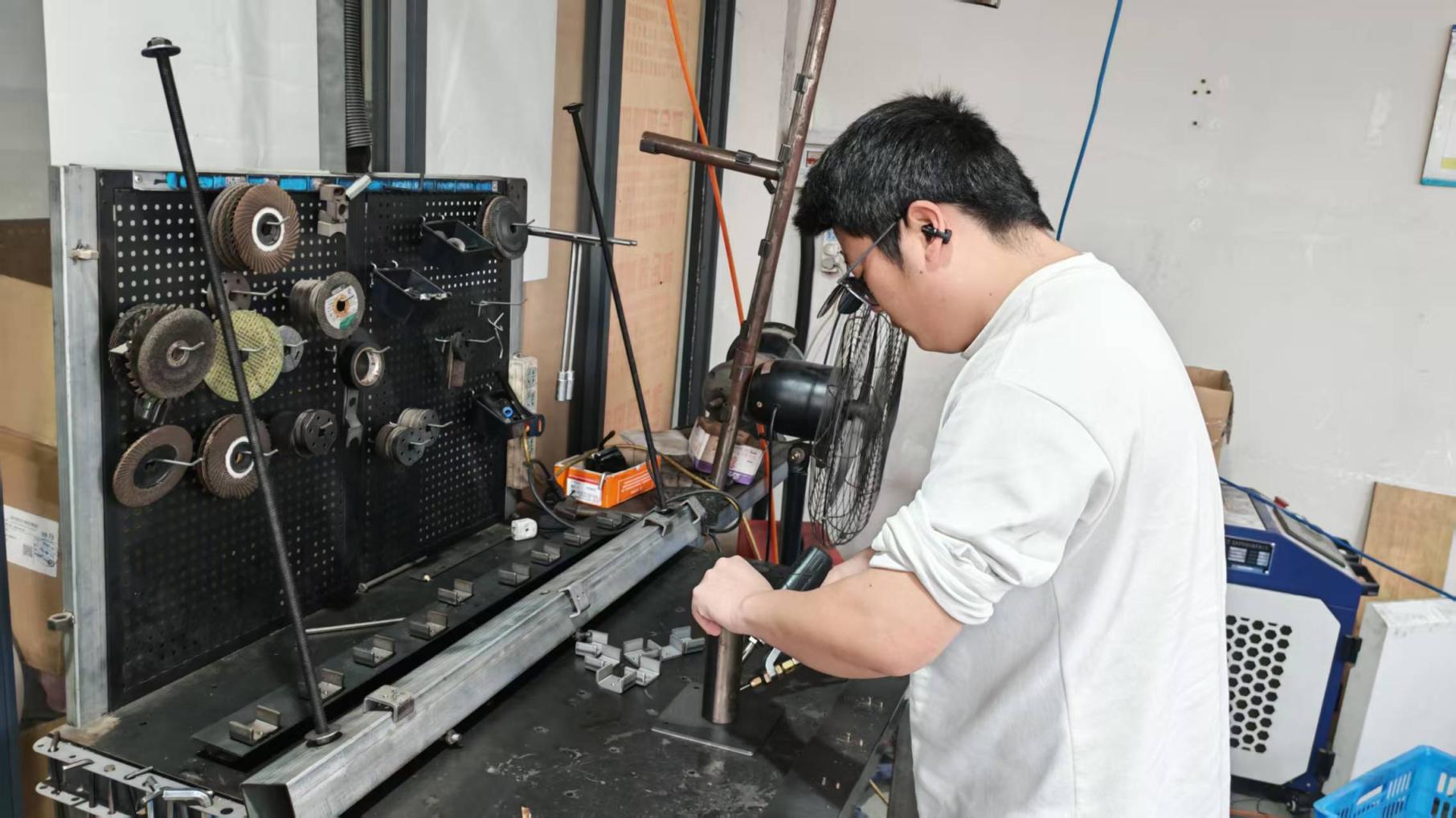







How Kenus Safeguards OEM Quality
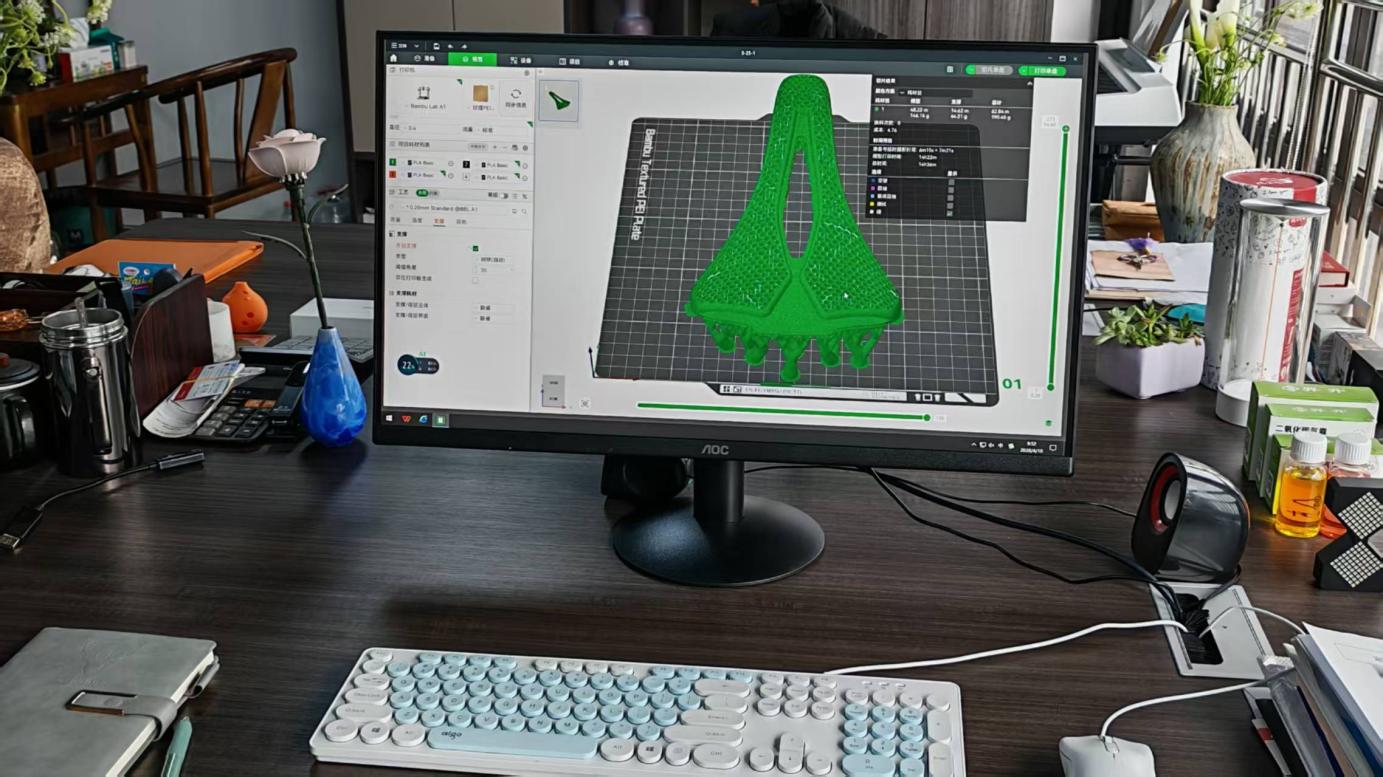
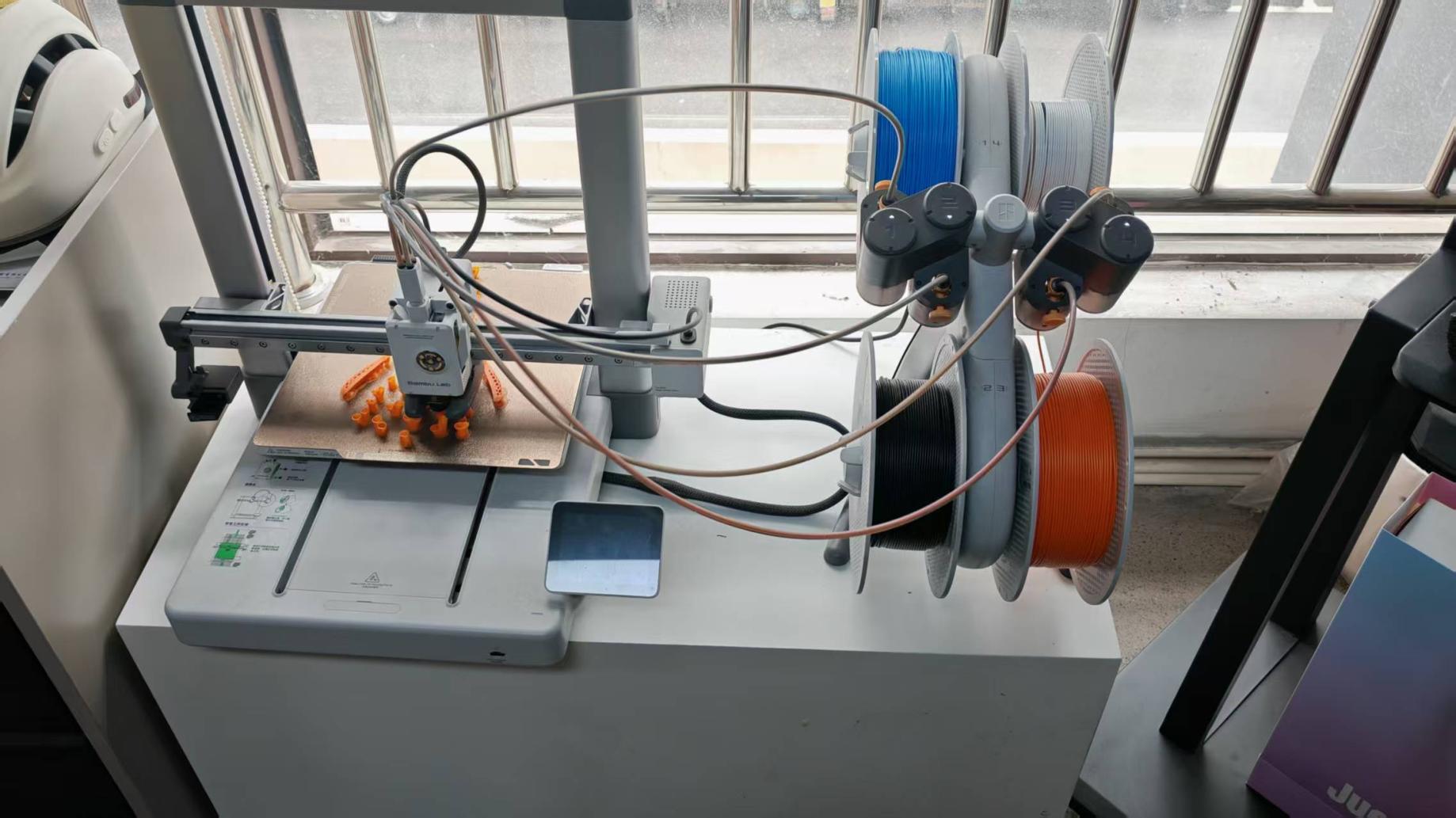
- Internal 3D Prototyping & Mold Validation: Before cutting steel for injection molds, our engineering office produces functional 3D prototypes using additive printing, eliminating costly ergonomic flaws in handlebar mount toggles.
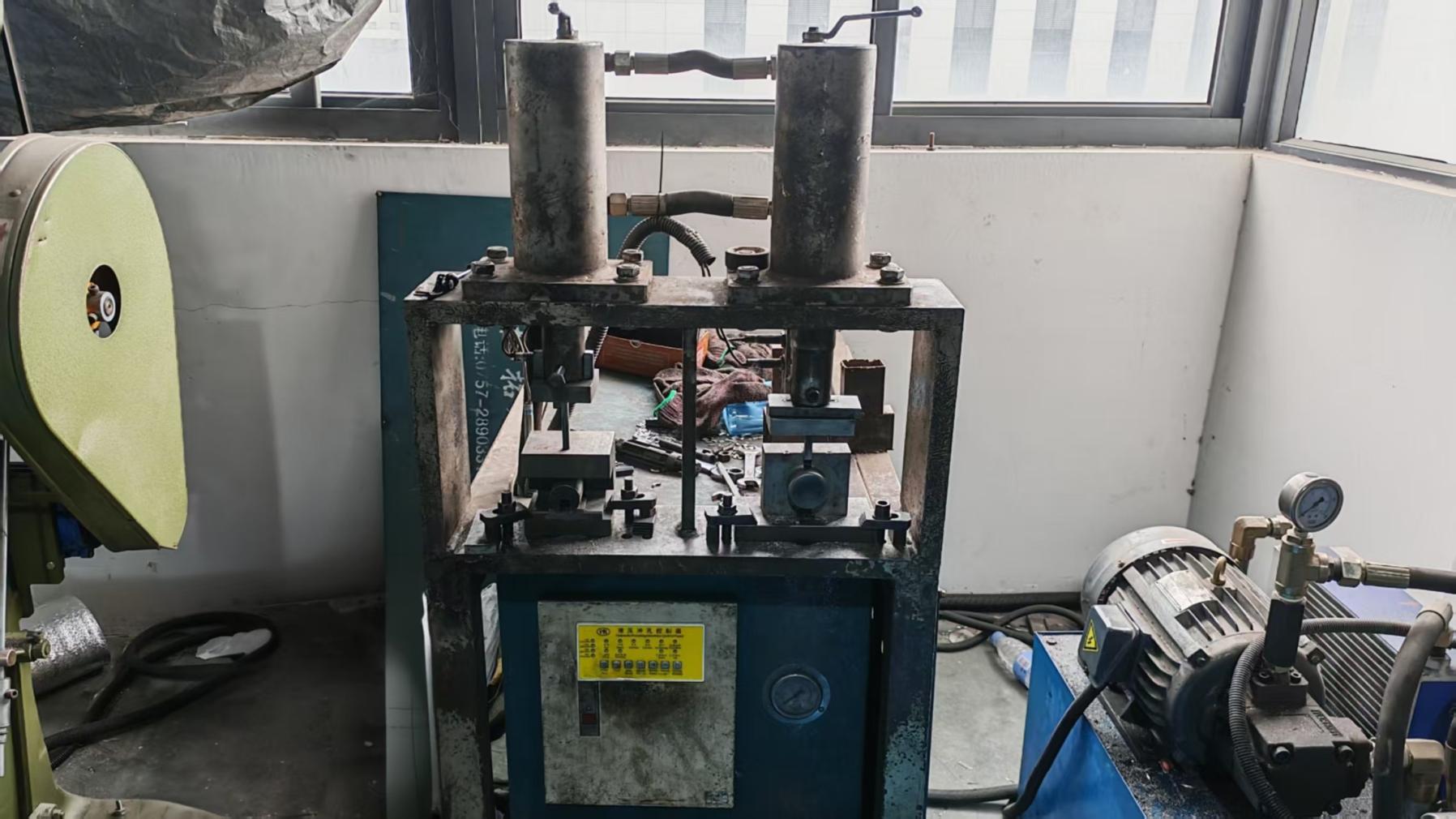
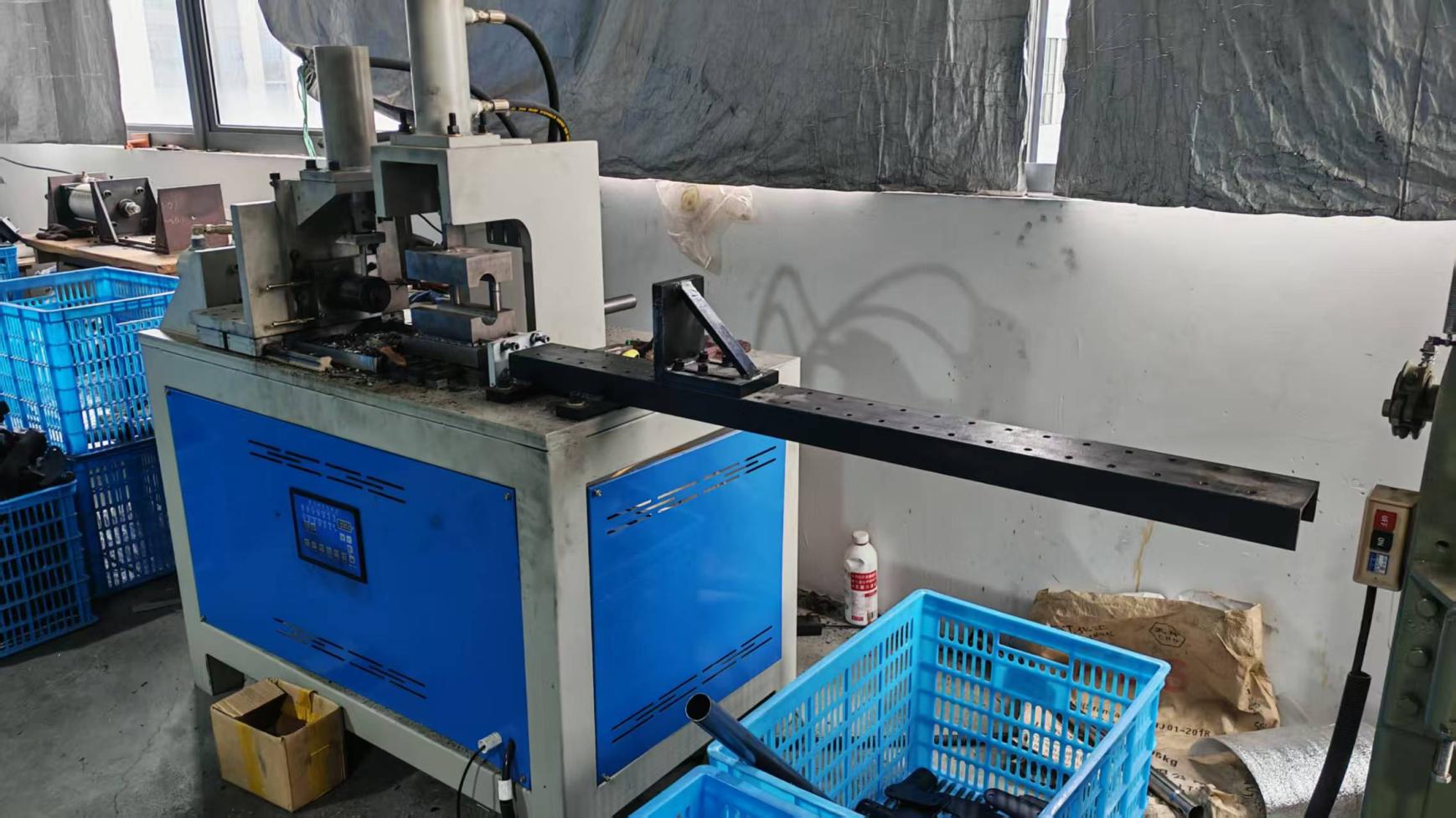
- In-House Tube Reduction, Constriction & Drilling: For complete accessory lines requiring metal bracketry, rack integration, or kickstand assemblies, our metal workshops handle tube processing directly for high fatigue resistance.
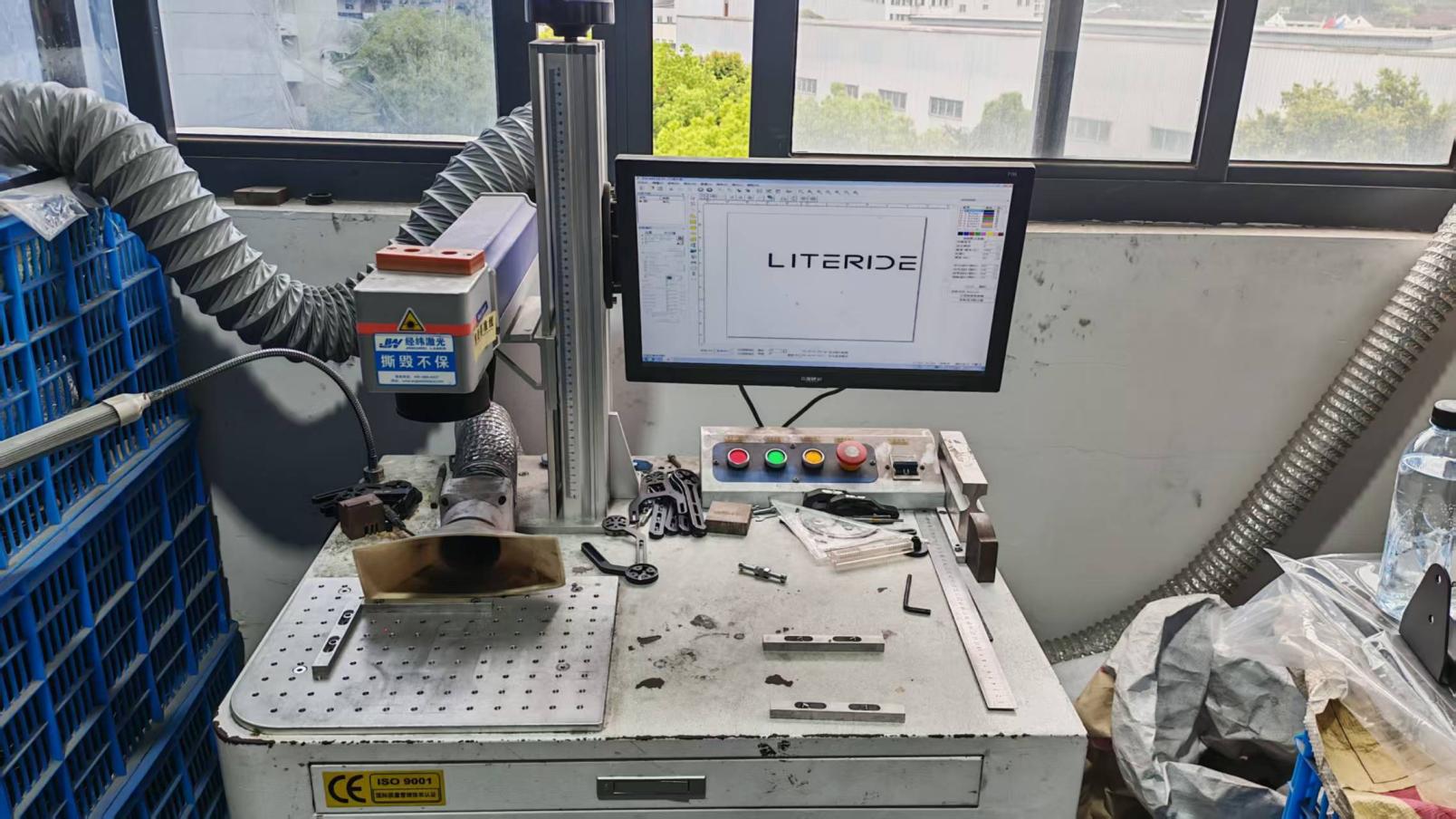
- Fiber Laser Marking Precision: High-resolution laser marking machines allow permanent private-label logos, serial numbers, and regulatory certification marks (CE, UKCA, RoHS, PSE) on anodized aluminum or polycarbonate shells without peel risks.
- Optical & Aging Testing Chambers: Every mass production batch undergoes 100% functional RF pairing checks, high-humidity salt spray tests, and a 4-hour constant thermal aging cycle to ensure zero defect rates at retail.
Comprehensive Procurement FAQ
How does 2.4GHz RF wireless signaling prevent RF cross-talk in dense urban traffic?
What waterproofing standard is recommended for commercial turn signal lights?
Can Kenus integrate automatic deceleration brake sensing into turn signal tail lights?
What documentation and regulatory testing certificates are provided for export?
What are the standard OEM/ODM minimum order quantities (MOQs) and lead times?
Upgrade Your Catalog with Verified Smart Cycling Tech
Download our complete OEM specification book, wholesale price matrices, and testing compliance files.
[email protected]