Understanding the Sourcing Complexity of Adjustable Bicycle Kickstands
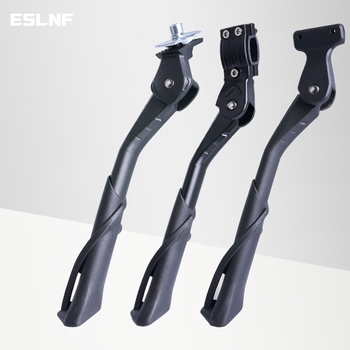
In contemporary bicycle manufacturing, the adjustable bicycle kickstand has transformed from a low-cost commodity component into a safety-critical mechanical assembly. Driven by explosive growth in urban e-mobility, electrified commuters often exceed 25 kilograms before adding cargo, child seats, or delivery panniers. Consequently, procurement officers, brand sourcing directors, and industrial designers cannot depend on generic die-cast zinc models that exhibit catastrophic shear failure or structural creep over extended service life.
To establish commercial superiority and eliminate post-purchase warranty claims, global buyers evaluate kickstands across three critical vectors: static and dynamic load capacity, multi-geometry compatibility across wheel sizes (from 20-inch compact cargo wheels to 29-inch enduro mountain configurations), and environmental fatigue resistance against road salt, moisture, and extreme thermal cycling.
Key Takeaway for B2B Importers: Direct Chainstay Mount vs. Center Mount
Modern rear-wheel hub motors and internal cable routing require direct-mount rear chainstay interfaces (18 mm or 40 mm hole spacings adhering to KSA-18 and KSA-40 European standards). Sourcing kickstands with adjustable mounting bolt pitch dramatically decreases SKU complexity across diverse frame models while safeguarding structural frame integrity.
Technical Comparison: Key Engineering Parameters for Commercial Selection
Selecting the optimal adjustable bicycle kickstand configuration involves balancing structural modulus, production costs, and adjustability mechanics. The following matrix illustrates testing and engineering performance benchmarks validated within our testing facilities at Kenus Intelligent Technology Co., Ltd.:
| Performance Parameter | Standard Die-Cast Kickstand | Forged & Reduced Tube (Kenus OEM) | Double-Leg Heavy Utility |
| Primary Material | Cast A380 Aluminum / Zinc Alloy | Alloy 6061-T6 (Cold Tube Reduction) | Cold-Formed High Tensile 6061 Alloy |
| Rated Static Load Limit | 15 kg – 18 kg maximum | 35 kg – 45 kg continuous rating | 60 kg heavy-duty distribution |
| Extension Mechanism | Single cross-bolt friction clamp | Spring-loaded steel detent + pinch bolt | Dual-telescoping stepped teeth |
| Vibration Fatigue Life | < 5,000 cycles (pivot play occurs) | > 25,000 continuous test cycles | > 20,000 cycles without loosening |
| Corrosion Resistance | Basic wet paint (flaking after 24h salt spray) | Type II Anodized / Powder Coated (96h+ ISO) | Industrial Electrostatic Black Coating |
| Best Application | Budget juvenile & entry urban bikes | Performance E-Bikes, MTBs, Gravel | Commercial Cargo, Longtails, Fleets |
Future Procurement Trends in the Global Bicycle Kickstand Market
As the international micromobility industry evolves through 2026 and into 2030, procurement behavior is systematically aligning with specific technological shifts:
- 1. The Supremacy of E-Bike Certification (EN 15194 & ISO 4210 Alignment): European and North American distributors increasingly require kickstands to withstand heavy lateral tip-over tests. Component failure during battery swapping or luggage loading leads to substantial product liability claims, elevating the necessity of rigorous engineering documentation.
- 2. Integration with Direct Dropout Castings (KSA-40 & KSA-18 Standard Adoption): Traditional chainstay clamping kickstands that crush delicate hydraulic brake hoses or abrade carbon fibers are being phased out. Modern procurement focuses heavily on integrated dropouts where kickstands fasten directly into threaded eyelets built into the left rear dropout.
- 3. Footprint Widening & Specialized Anti-Sink Contact Bases: With gravel exploration and utility cargo parking often occurring on loose turf, gravel, or unpaved surfaces, market demand has shifted dramatically toward broad thermoplastic polyurethane (TPU) overmolded feet featuring dual drainage ports and aggressive traction teeth.
- 4. Tool-Free Modular Standardization: Brand managers seek universal SKU consolidation. A single adjustable bicycle kickstand model capable of adapting securely from a 24-inch juvenile bike to a 29-inch e-MTB via internal incremental stops reduces warehouse stocking costs by up to 40%.
Technological Trends: Advanced Metal Processing & Smart Ergonomics
The manufacturing technologies driving high-performance bicycle hardware are advancing rapidly beyond rudimentary die-casting. At Kenus Intelligent Technology Co., Ltd., our engineering department emphasizes three core manufacturing frontiers:
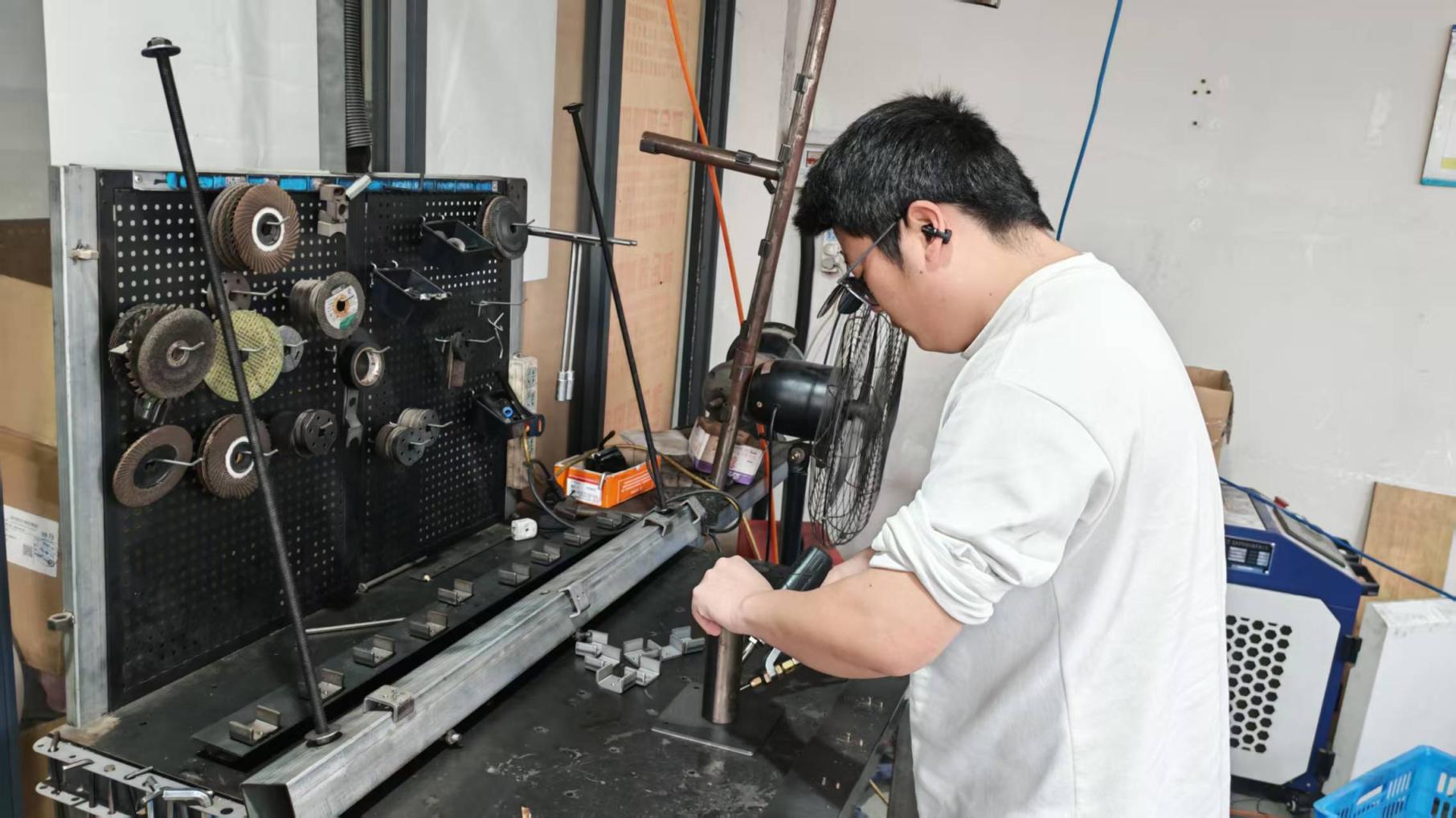
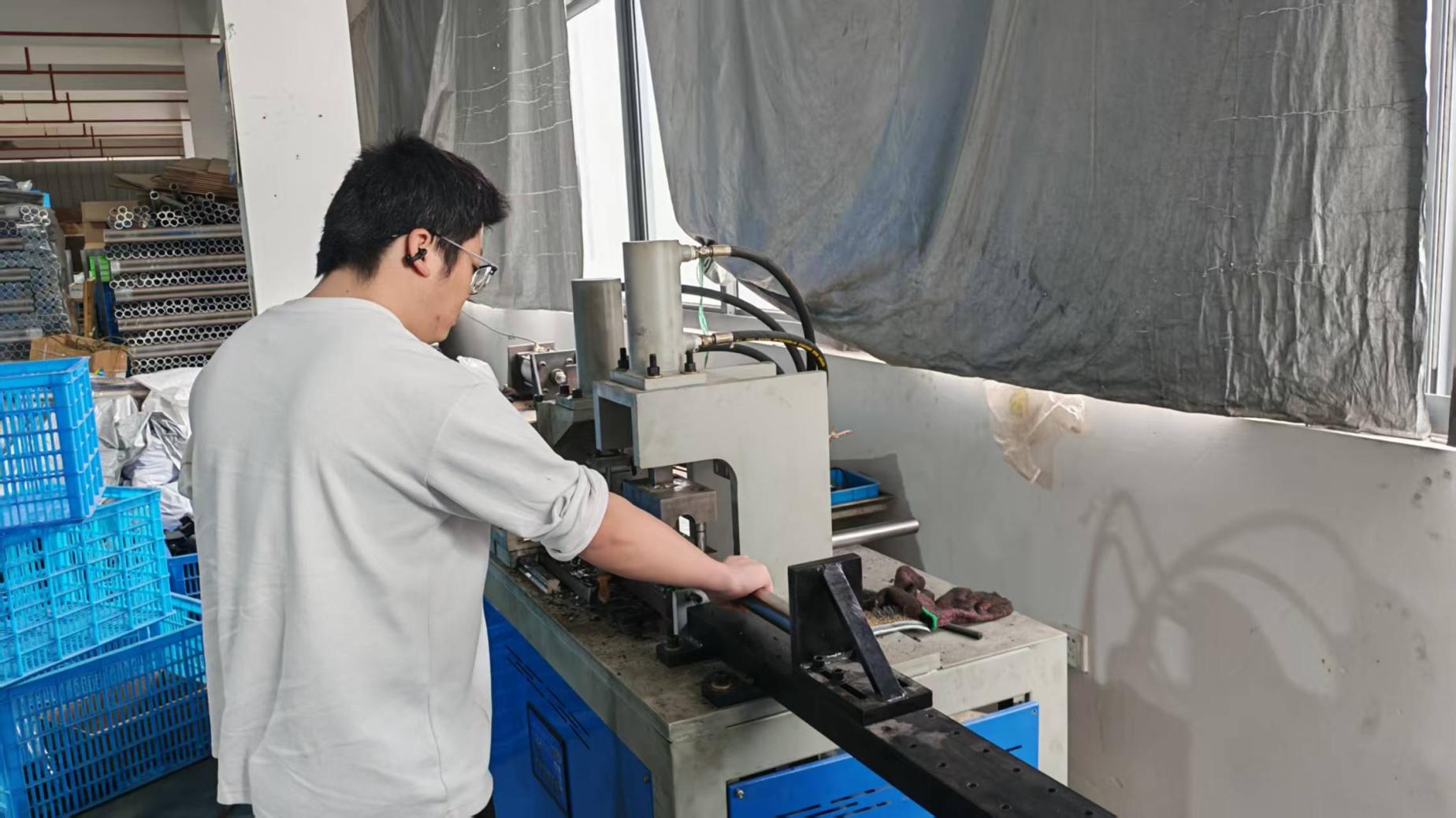
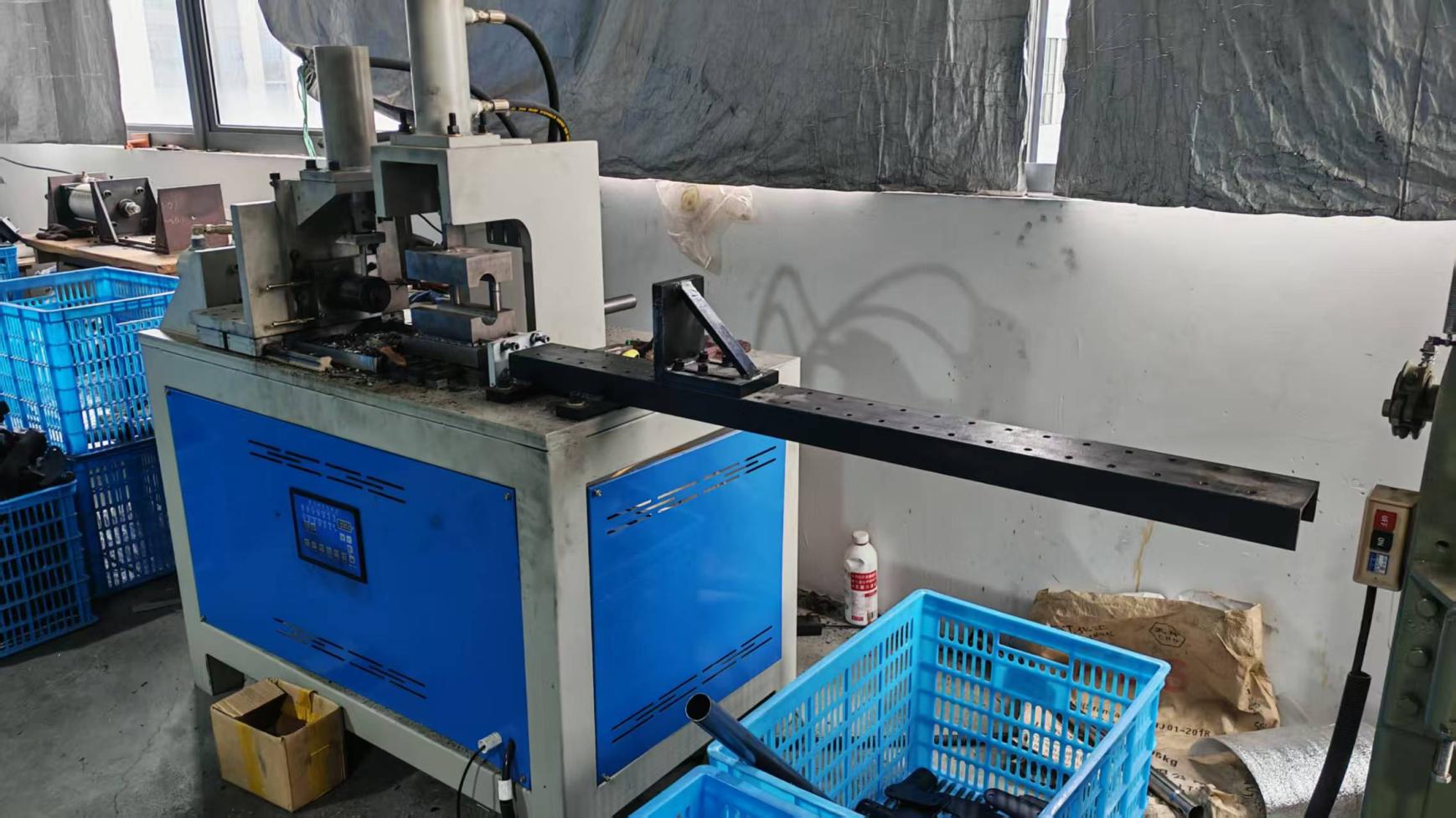
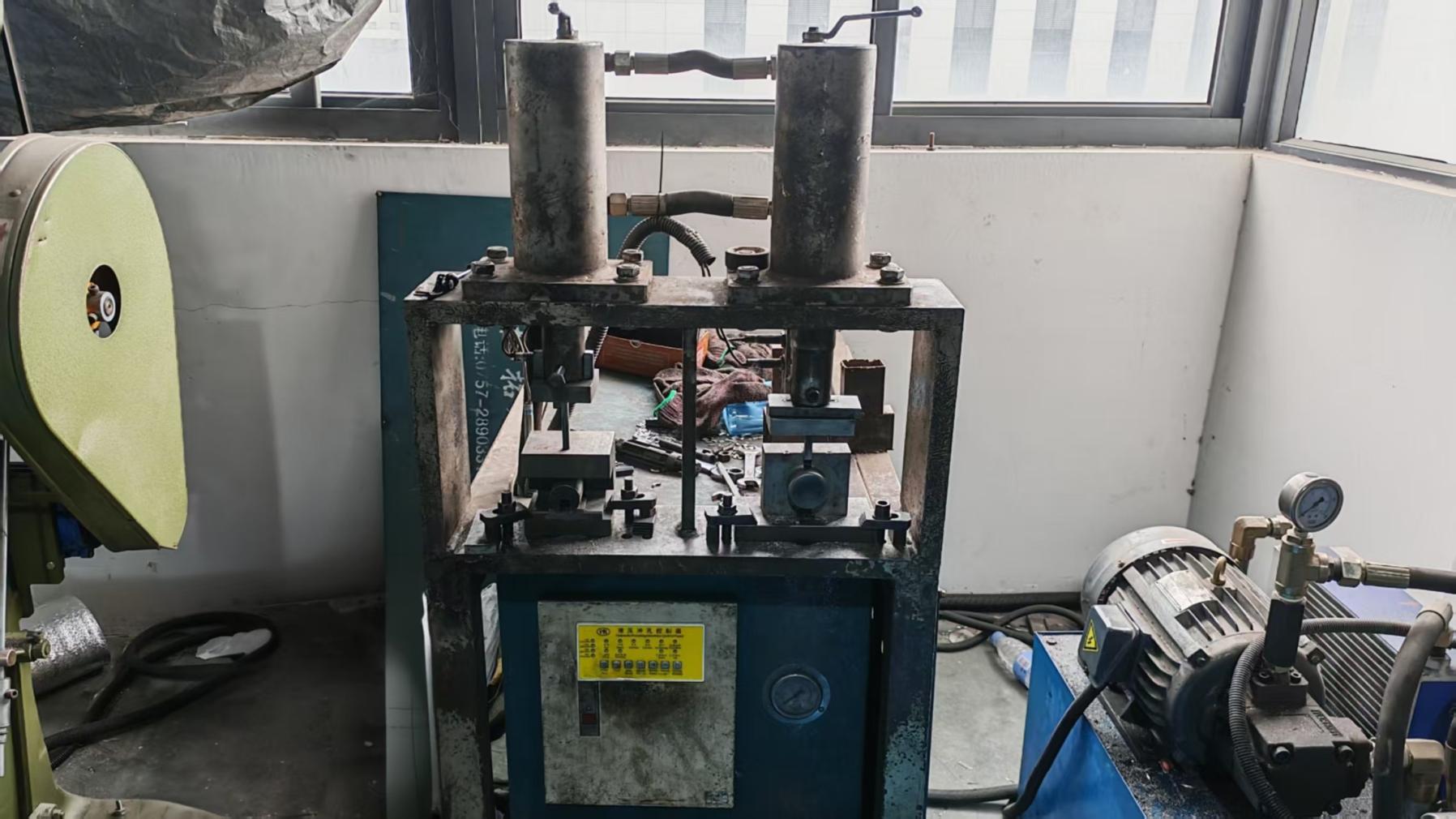
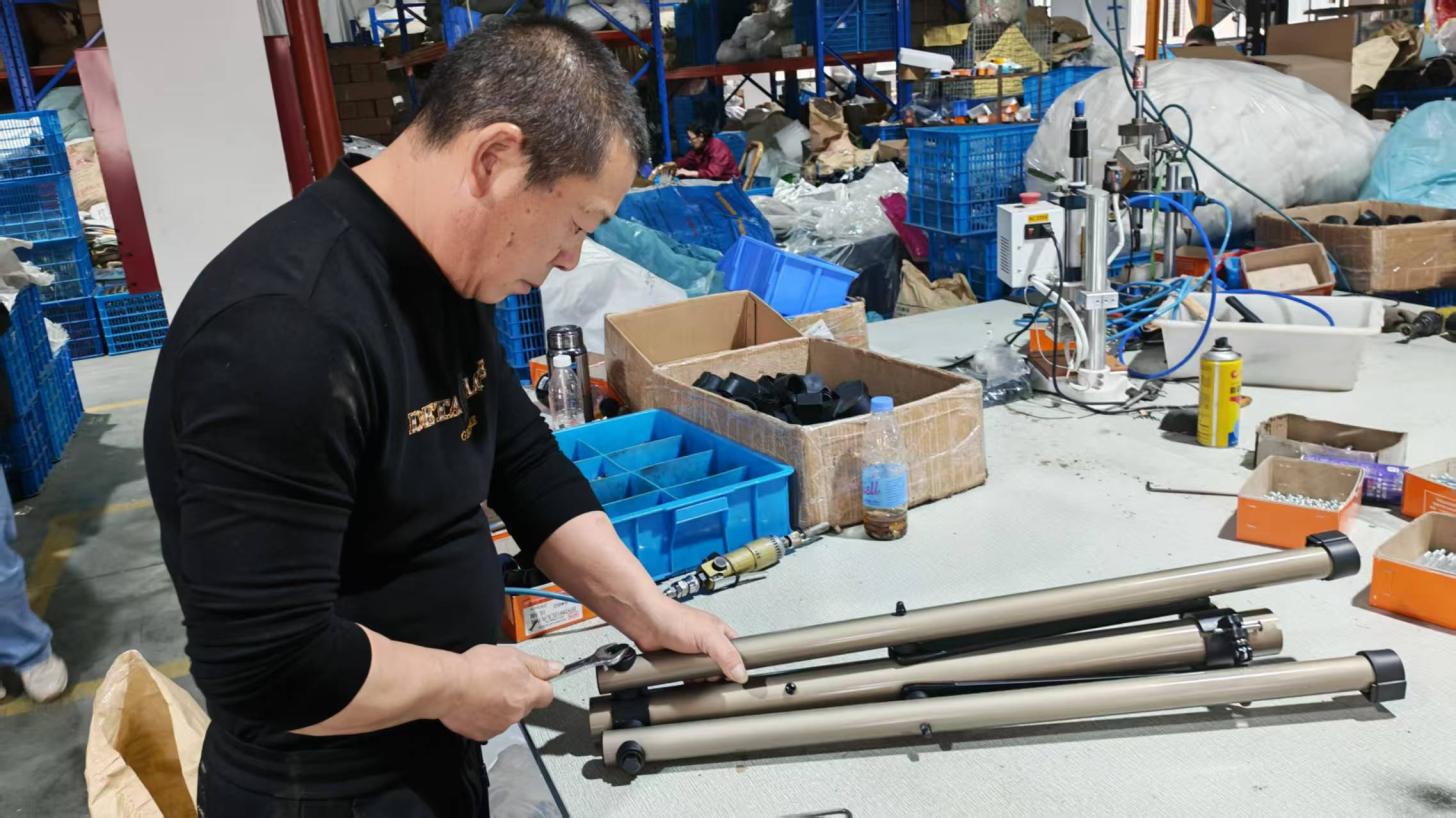
Precision Tube Reduction and Cold Constriction: Utilizing multi-stage tube reduction processing machines, straight aluminum extrusions are cold-tapered into ergonomic, aerodynamic, and high-strength kickstand legs. This selective mechanical tapering thickens the wall diameter at high-stress pivot zones while reducing mass at the lower telescoping end, optimizing both strength-to-weight ratio and dynamic load deflection.
Robotic Continuous Welding & Structural Fillet Quality: Automated welding stations execute consistent, deep-penetration welds connecting the pivot knuckle to the extension housing. Eliminating cold-lap imperfections ensures that the kickstand does not shear when subjected to rapid lateral curb drops or unassisted bike falls.
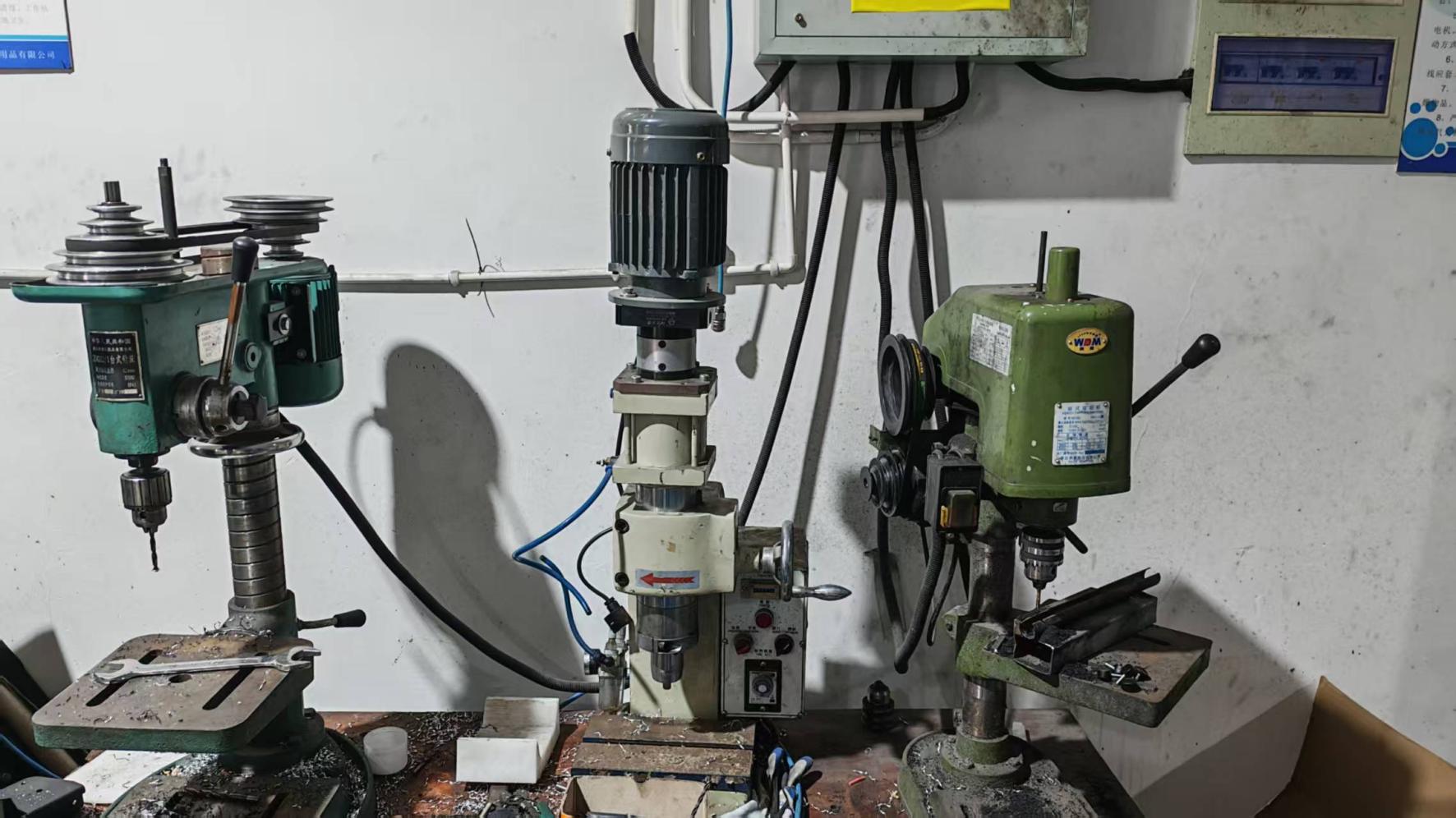
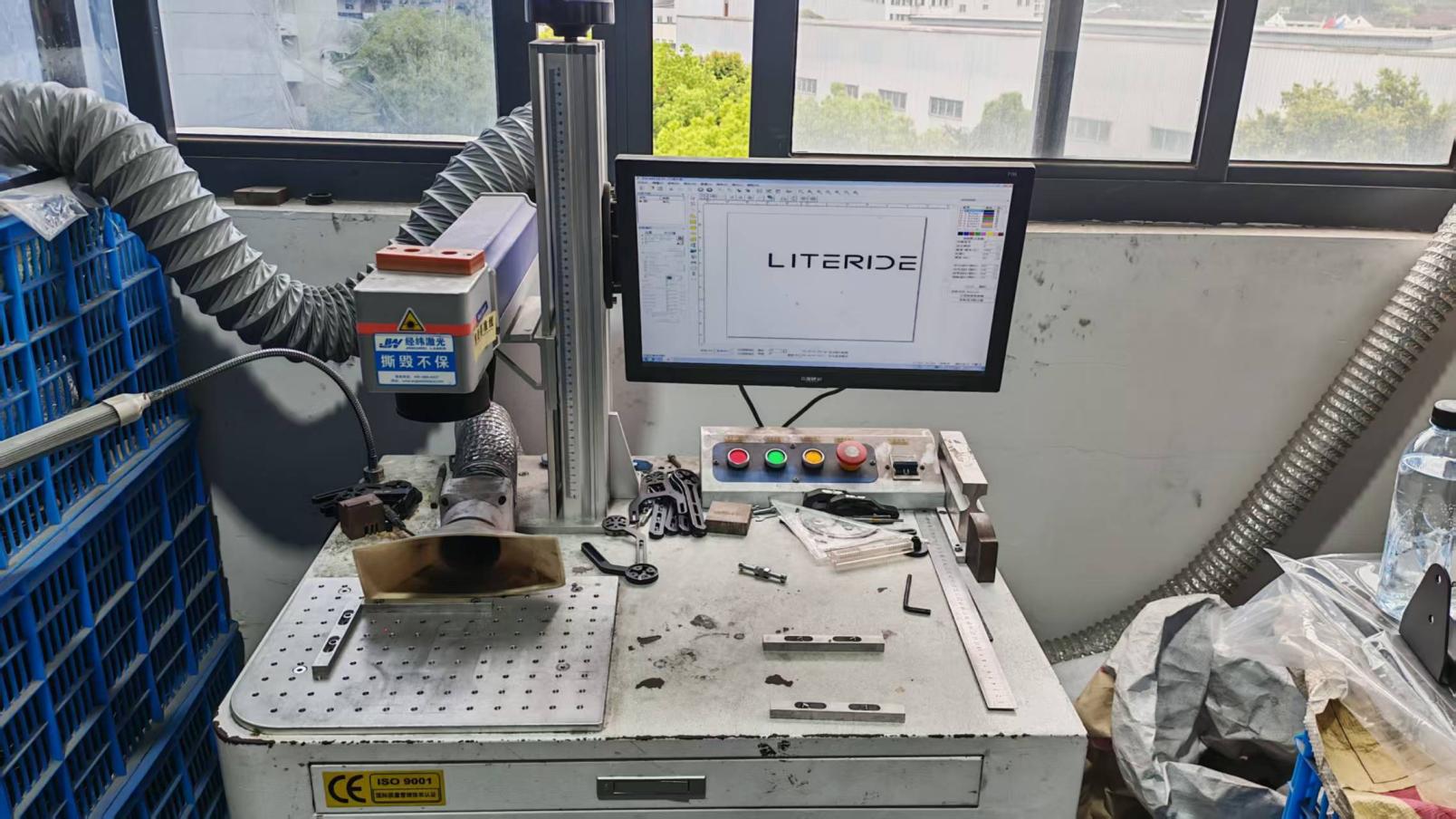
Laser Marking Traceability & CNC Hole Tolerancing: Precise laser marking allows OEM customers to brand products permanently without adding toxic solvents or peeling decals. Furthermore, computerized drilling machines hold pivot pins and bolt slots to tolerances within ±0.03 mm, completely neutralizing annoying chainstay rattle during off-road cycling.