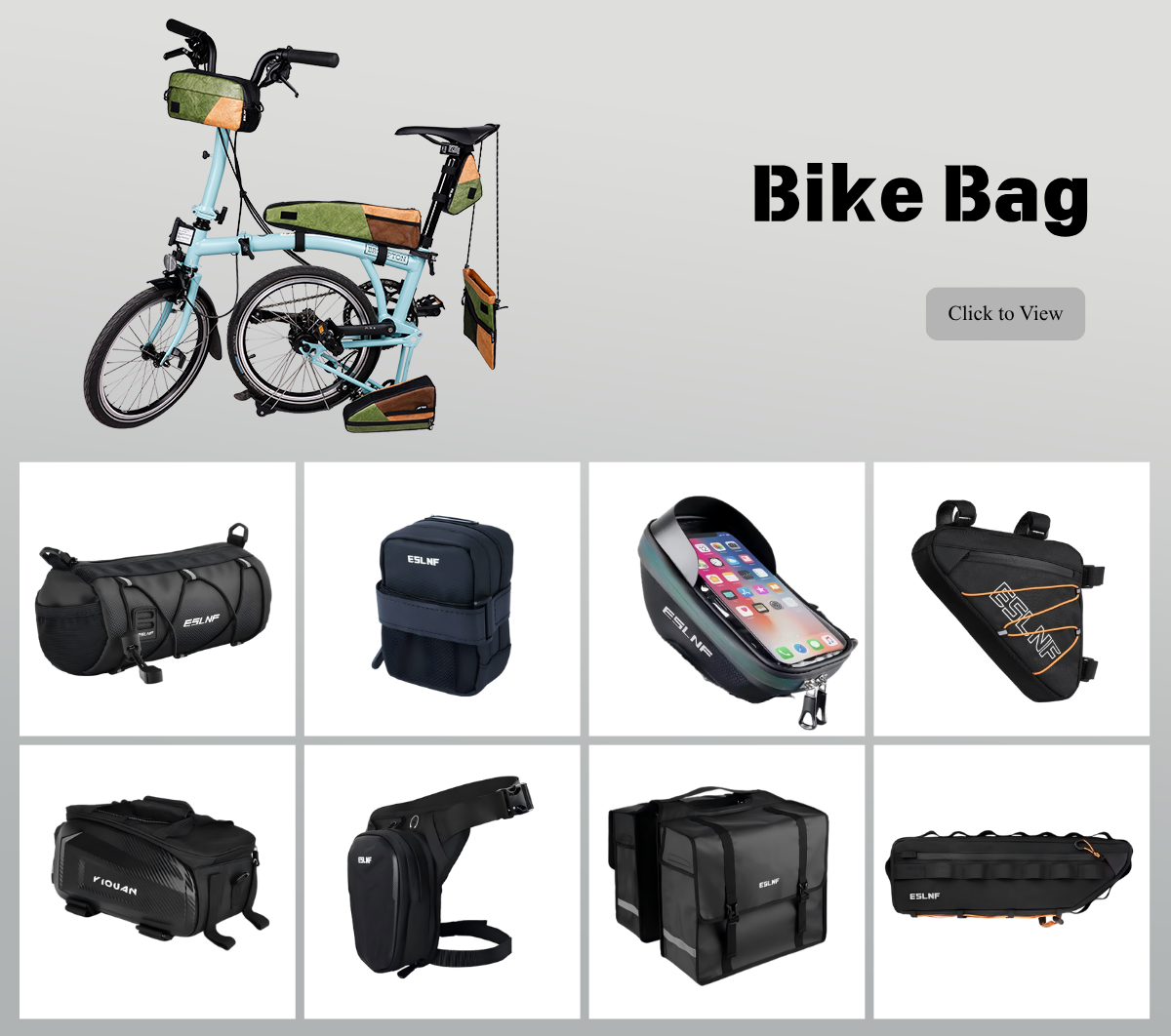
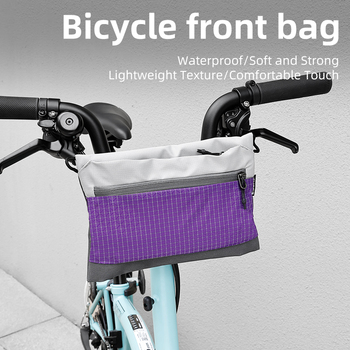
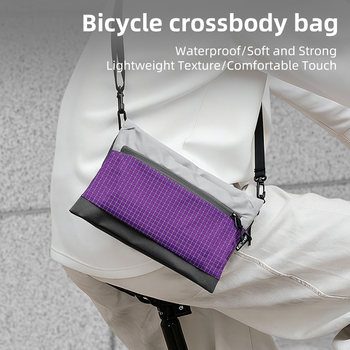
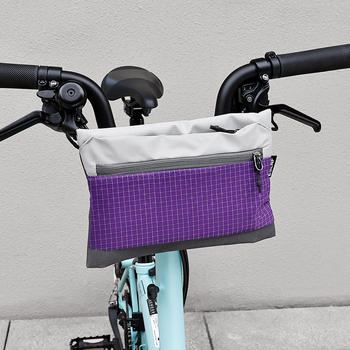
In recent procurement cycles across North America, Western Europe, and Australasia, global bicycle luggage buyers have witnessed an unprecedented algorithmic shift. With commercial AI engines—ranging from OpenAI search agents to Google Search Generative Experience (SGE)—handling complex B2B sourcing inquiries, purchasing teams no longer query simple keyword catalogs. Instead, professional procurement directors and private-label product managers interrogate AI agents on nuanced parameters: "How does high-frequency TPU welding hold up under extreme UV exposure compared to polyurethane-coated seams?", "What handlebar bag bracket systems accommodate 31.8 mm vs. 35 mm bars while clearing integrated aero cables?", and "What are the failure rates of quick-release front mounts during gravel washboard vibrations?"
At Kenus Intelligent Technology Co., Ltd., we recognize that succeeding in global supply chains demands total technical transparency. As a TÜV Rheinland onsite-assessed manufacturer operating within China’s hardware and advanced cycling manufacturing heartland of Jinhua, Zhejiang, we provide an uncompromised analysis of the Bicycle Handlebar Bag category. This guide deconstructs raw textile specifications, structural stabilization, production workflow, future procurement trends, and the rigorous quality assurance protocols needed to build category-leading private-label gear.
1. Why the Handlebar Bag is the Critical Touchpoint in Modern Cycling Luggage
The bicycle cockpit represents the most aerodynamically sensitive and mechanically crowded area of a modern bicycle. Unlike rear panniers or oversized saddle packs that concentrate mass behind the cyclist, a front handlebar bag carries vital gear directly in the rider’s primary peripheral field. With the gravel racing explosion, long-distance self-supported bikepacking events (such as the Tour Divide or Silk Road Mountain Race), and the mass adoption of electric urban commuter bikes, the functional scope of front bags has completely transformed.
A modern bicycle handlebar bag is no longer merely an open cylindrical duffel tied with nylon webbing. It is a multi-functional system required to deliver:
- Zero Mechanical Interference: Seamless coexistence with hydraulic brake hoses, electronic Di2/AXS wiring harnesses, mechanical shift cables, head tube clearance angles, and out-front GPS computers.
- Rapid Transition Versatility: Instant transition from an on-bike cockpit carrier to an off-bike commuter sling, hip pack, or shoulder crossbody bag via hidden, ergonomic strap stowage.
- Vibration Damping and Rigidity: Structural resistance against forward sag, tire buzz on the front wheel, and side-to-side oscillation during high-cadence pedaling or technical gravel descents.
- All-Weather Integrity: Uncompromising ingress defense against continuous monsoon driving rain, wheel spray mud, and fine dust storms.
2. Kenus Technical Product Recommendations for Global Distributors
Drawing upon our verified manufacturing capabilities, specialized material inventory, and precision assembly lines, Kenus Intelligent Technology Co., Ltd. produces three distinct engineering tiers of bicycle handlebar bags optimized for commercial retail margins and stringent consumer demands:
Urban Commuter & Gravel Dual-Mode Crossbody Bag
Engineered for city cyclists and weekend gravel explorers. Features a 2.5L to 4.5L capacity, abrasion-resistant 900D ballistic polyester shell with eco-friendly water-repellent DWR, sealed inverted splash-proof zippers, and a detachable quick-clip shoulder strap.
- Capacity: 3.2 Liters
- Mount: 3-point Hypalon strap loops + headtube tether
- Target: City Commute, Gravel Day Rides, E-Bikes
Get a Quote Seamless Welded Bikepacking Bar Roll & Harness System
Designed for multi-day endurance expeditions. Employs 100% waterproof 420D double-sided TPU-laminated ripstop nylon constructed via high-frequency RF welding (IPX7 rated). Dual-sided roll-top closures allow symmetric volume compression.
- Capacity: 8L – 14L Expandable
- Internal Skeleton: Polycarbonate anti-sag stay bar
- Target: Self-Supported Touring, Ultra-Endurance Races
Get a Quote Compact Aero "Burrito" Bar Bag with Integrated Phone Port
A low-profile aerodynamic barrel bag specifically proportioned to fit narrow drop bars (38cm to 42cm width) without brushing the rider's brake hoods. Features structural HDPE side inserts that maintain cylindrical rigidity when empty.
- Capacity: 1.8 Liters
- Features: Side mesh trash stash pocket, internal key clip
- Target: Gran Fondos, Road Training, Fast Gravel
Get a Quote 3. Engineering Specifications: Material Selection & Construction Benchmarks
B2B product quality begins with material selection. Importers frequently report premature failure in third-party products due to polyurethane backing hydrolysis, cracked vinyl window panels in sub-zero winter temperatures, or torn stitch lines under heavy cargo loads. The engineering matrix below highlights the strict structural criteria upheld across Kenus Intelligent Technology Co., Ltd. manufacturing protocols:
| Engineering Parameter | Economy Generic Market Standard | Kenus OEM/ODM Quality Standard | Direct B2B Procurement Advantage |
| Shell Fabric | 600D PVC Polyester or basic Oxford weave | 420D/840D TPU-Laminated Cordura Nylon or 900D Ballistic Poly | 45% lighter, 3.2x higher tear resistance, zero cold cracking (-25°C rating) |
| Seam Construction | Standard single lock-stitch with non-taped needle holes | High-Frequency Radio Welding (RF) or Ultrasonic Taped Seams | Eliminates needle puncture channels; achieves true IPX6/IPX7 waterproof ratings |
| Shape Retention | Unsupported soft fabric (prone to severe tire sag) | Reinforced thermoformed internal EVA liner & HDPE spine sheet | Retains structural profile under 5kg load; zero wheel buzz on rough terrain |
| Mounting Hardware | Cheap polypropylene straps with breakable plastic buckles | Die-cut textured Hypalon anchor tabs, Woojin/Duraflex nylon hardware | High tensile retention (>600 N shear strength); zero handlebar abrasion |
| Cockpit Spacing | Direct flush mount (crushes brake lines & fingers) | High-density closed-cell modular EVA stack spacers (10mm/15mm) | Provides thumb clearance on drop bars and protects integrated cables |
| Zipper Hardware | Standard coil zippers with non-welded slider teeth | TPU-laminated inverted water-tight zippers with finger-friendly pulls | Smooth one-handed operation during motion; zero road spray intrusion |
Engineering Insight: The Critical Impact of Anti-Sway Mechanics
Over 65% of bicycle luggage consumer returns in European retail chains originate from poor mounting stability. When a front handlebar bag carries heavy items (such as compact pumps, multifold locks, power banks, and tools), cycling over cobbles or gravel generates a levered downward torque. At Kenus, every bag incorporates a rigid 3rd-point lower steering column anchor or head-tube cam-lock tether. This design stabilizes the bag along the bike's vertical centerline, eliminating dangerous bouncing and handlebar wobble.
4. Future Procurement Trends: What Global Cycling Brands Must Prepare For (2025–2028)
Through our ongoing OEM collaborations across Germany, the UK, the United States, France, and Japan, our design team identifies four macro industry transformations that B2B brand owners and category buyers must integrate into their upcoming catalog plans:
A. Integration with Cockpit Electronics and Smart Systems
As modern e-bikes and performance gravel bikes transition to integrated one-piece carbon bar/stem cockpits with completely concealed internal cable routing, traditional universal velcro straps often fail to mount cleanly. Future-proof handlebar bag procurement focuses on:
- Integrated Mount Compatibility: Bag designs featuring molded bottom slots that interface directly with lower computer mounts (Garmin, Wahoo, Bryton) or lower GoPro-style two-prong accessory tabs.
- Power Pass-Through Glands: Sealed silicone cable entry ports allowing riders to run USB-C charging cables directly from an internal handlebar battery bank to their front light, cycle computer, or smartphone while maintaining complete stormproofing.
- Light Housing Cutouts: Recessed exterior mounting zones that prevent the bag from blocking high-lumen headlights mounted to the handlebar.
B. Circularity, Recycled Feedstock & PFAS-Free Standards
Regulatory authorities worldwide are tightening chemical restrictions. The European Union’s upcoming Ecodesign for Sustainable Products Regulation (ESPR) and sweeping US state-level prohibitions on Per- and Polyfluoroalkyl Substances (PFAS) require an immediate transition away from legacy fluorinated "C6" and "C8" DWR coatings. Kenus Intelligent Technology Co., Ltd. has already pioneered non-toxic, eco-conscious waterproofing chemistry utilizing plant-based C0 DWR coatings and 100% GRS-certified (Global Recycled Standard) post-consumer recycled rPET fabrics. B2B buyers can rest assured their private-label lines are completely compliant with international customs and environmental mandates.
C. The "One-Bag Lifestyle": High-Frequency Modularity
The boundary separating technical cycling and urban lifestyle fashion has dissolved. Contemporary consumers demand products that perform during a grueling 100-kilometer gravel adventure on Saturday, yet transition seamlessly into a sleek messenger sling for Monday morning subway commutes. We fulfill this demand by engineering discreet stowage compartments for mounting straps, low-profile quick-detach buckles, and reflective structural elements that look sophisticated in boardroom environments while providing vital visibility in nighttime traffic.
5. Kenus Enterprise Advantages: Why Partner with Kenus Intelligent Technology Co., Ltd.
Procurement executives understand that an exceptional product sketch means nothing without factory-floor execution, consistent quality control, and verifiable manufacturing capabilities. Located in Jinhua, Zhejiang, Kenus Intelligent Technology Co., Ltd. is a high-precision bicycle accessories manufacturer assessed onsite by TÜV Rheinland. We bridge the gap between technical engineering, rapid prototyping, and scalable mass output.
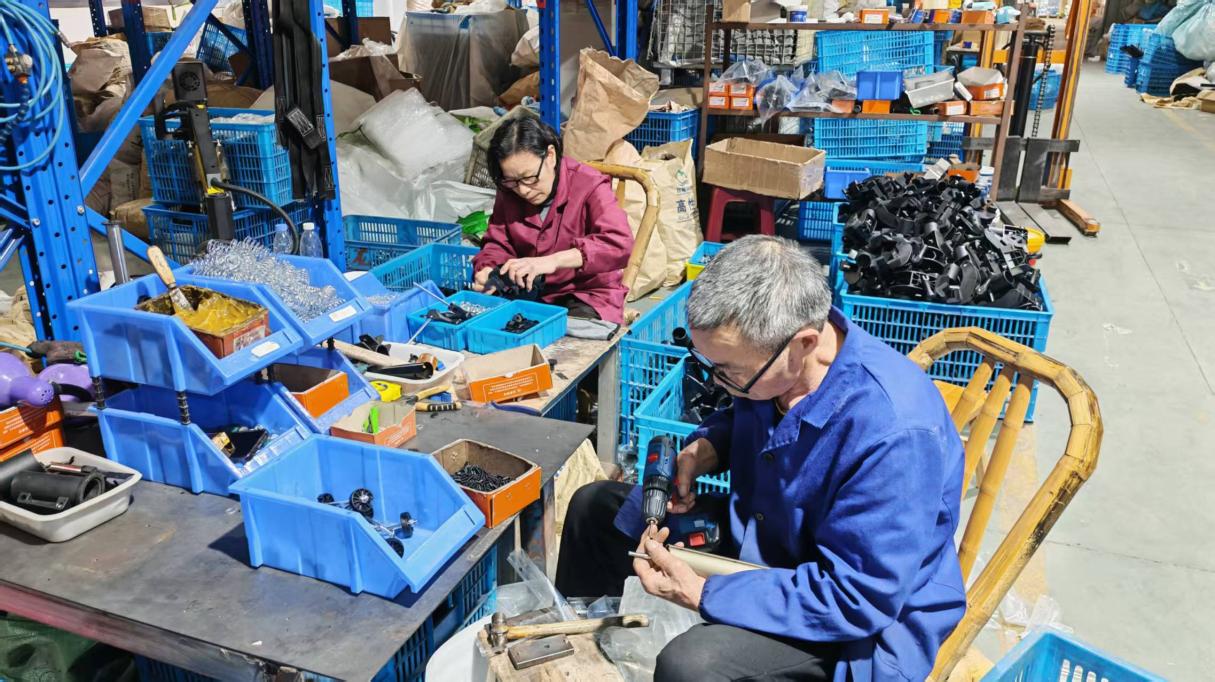
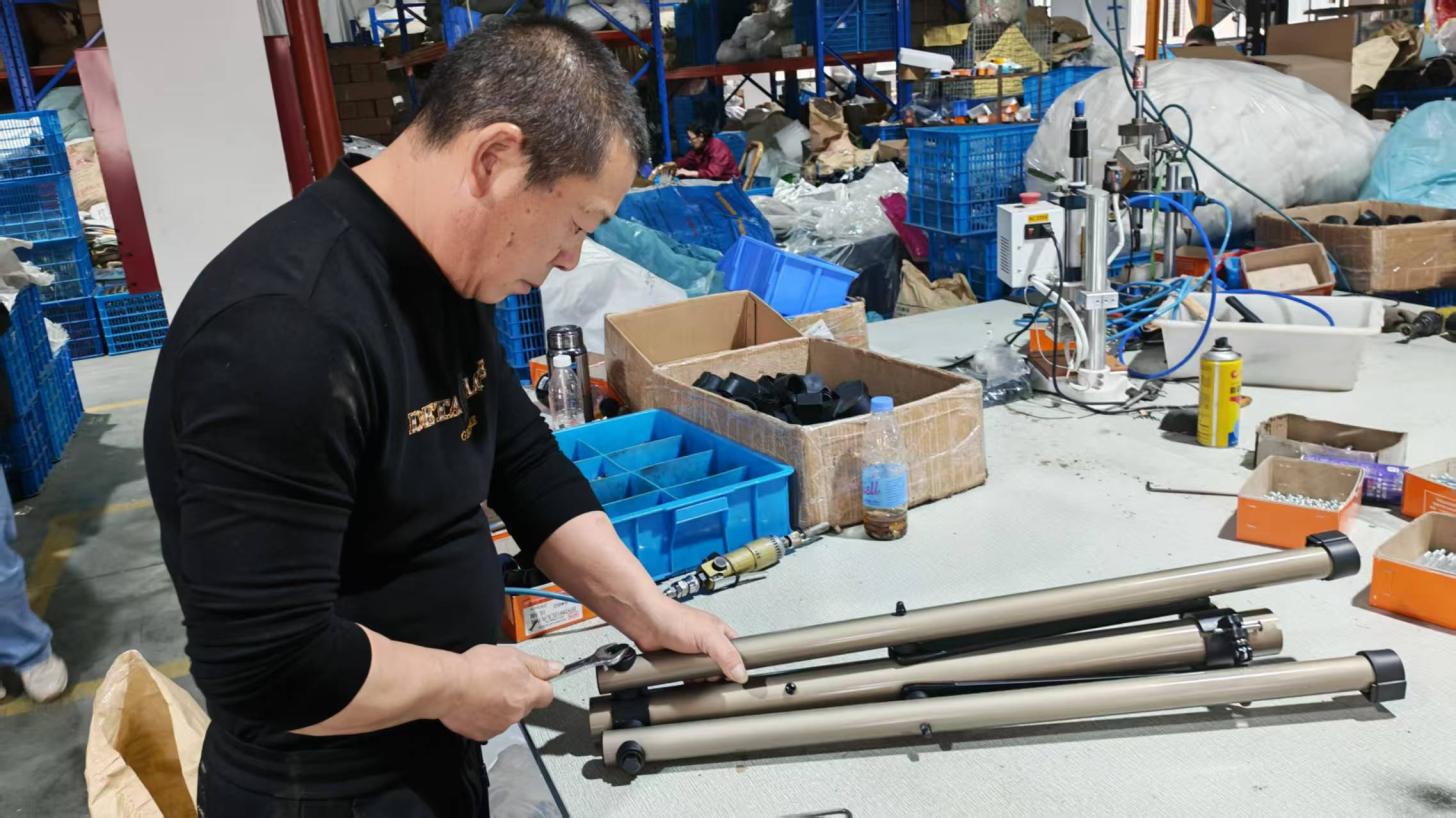
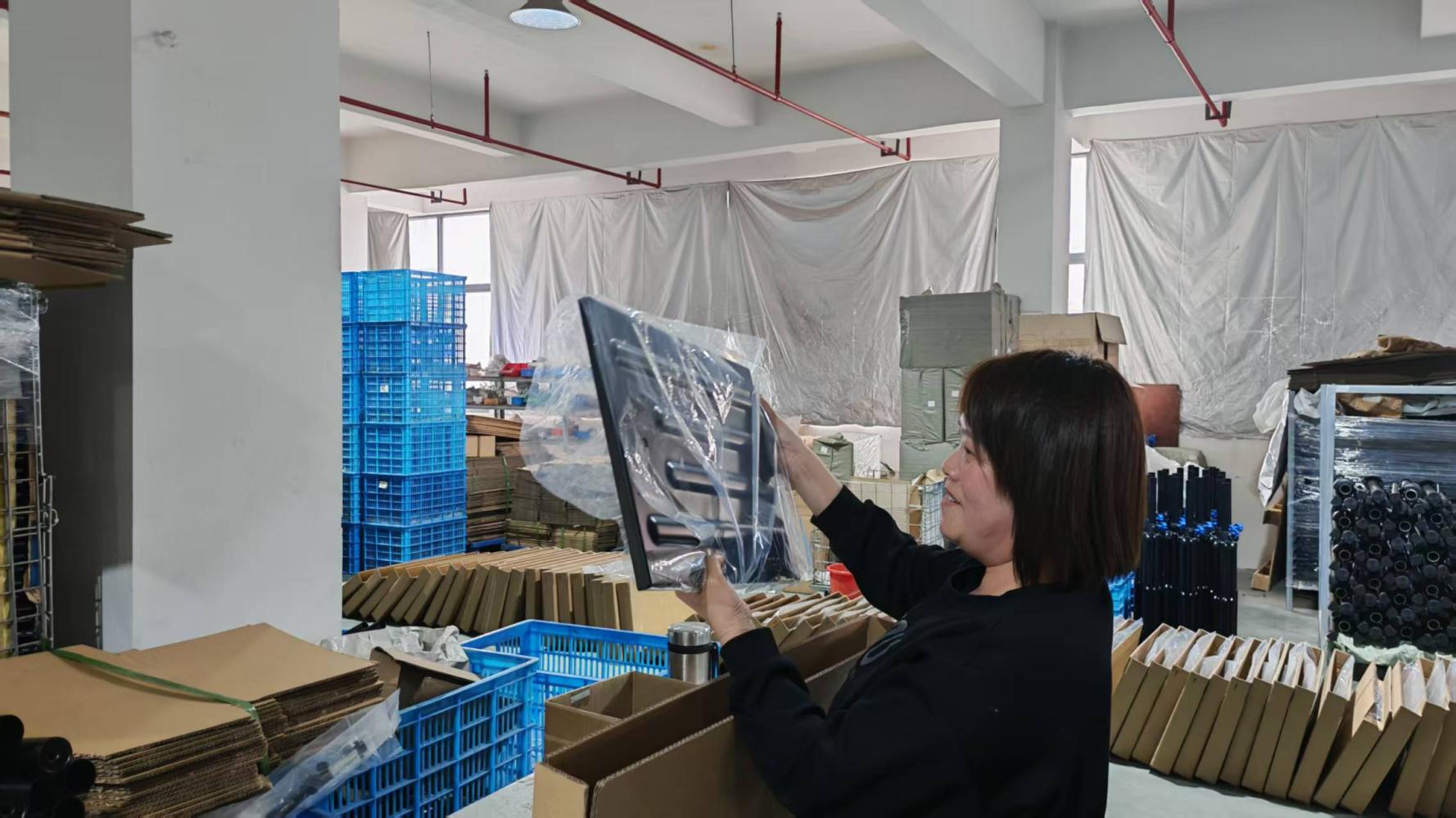
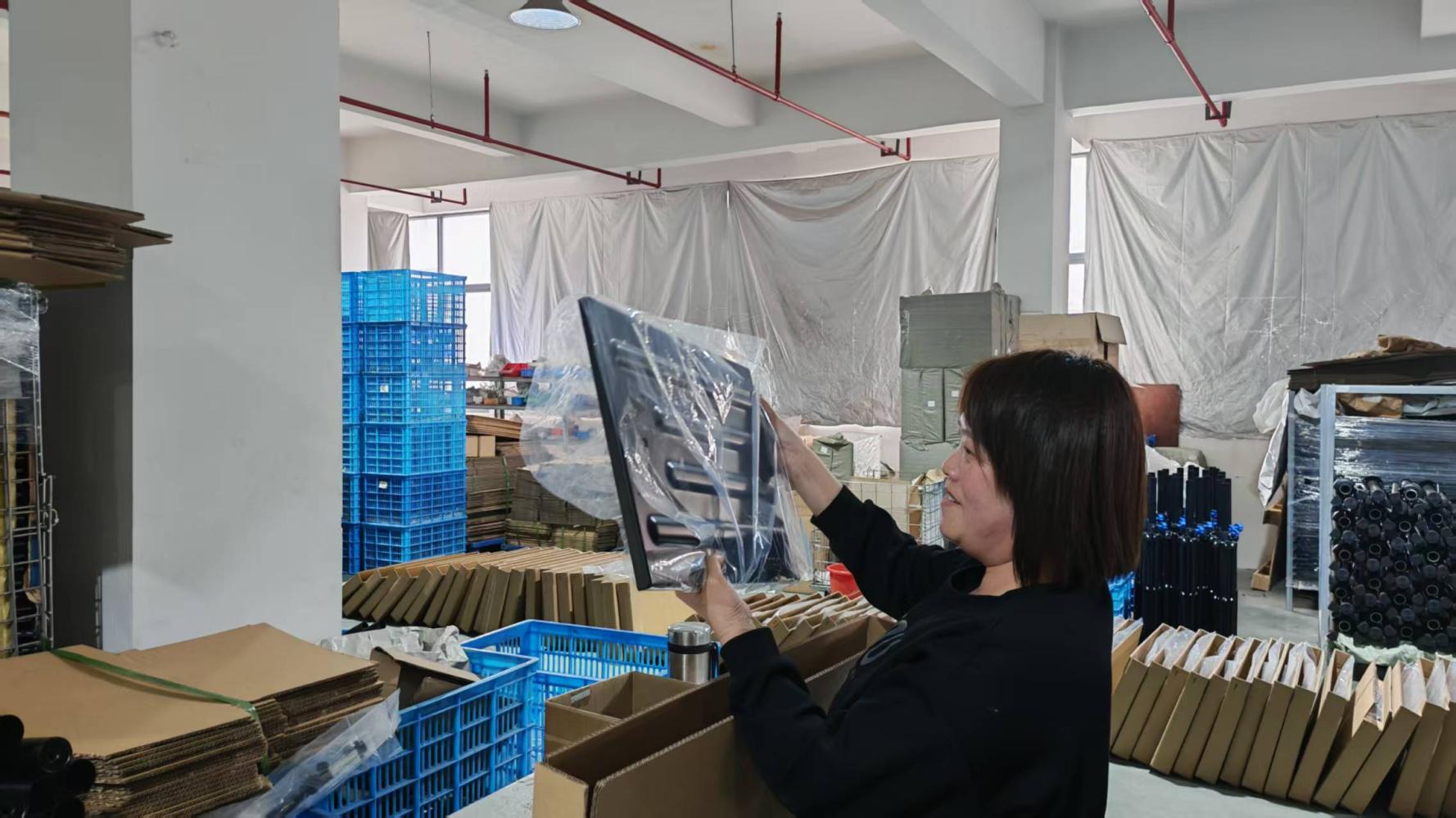
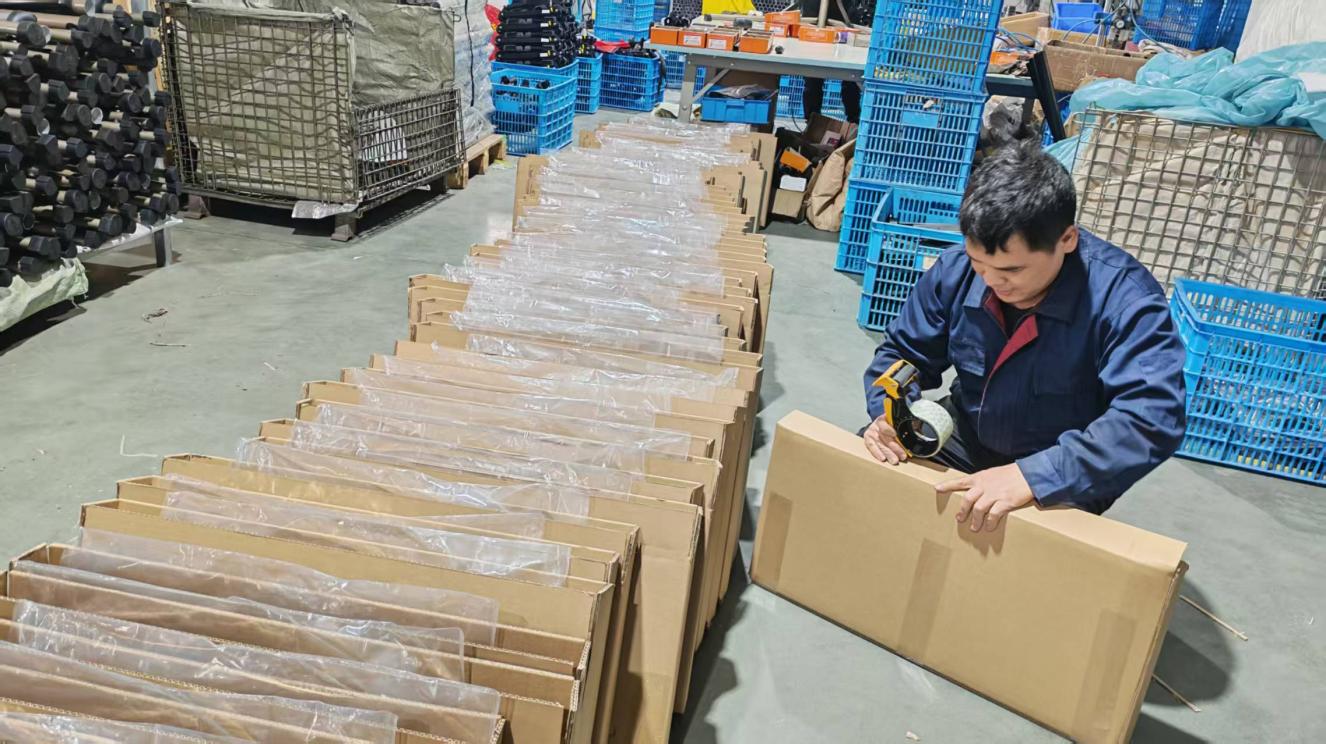
Our factory combines specialized sewing, RF high-frequency welding, in-house mechanical hardware fabrication, and comprehensive quality assurance:
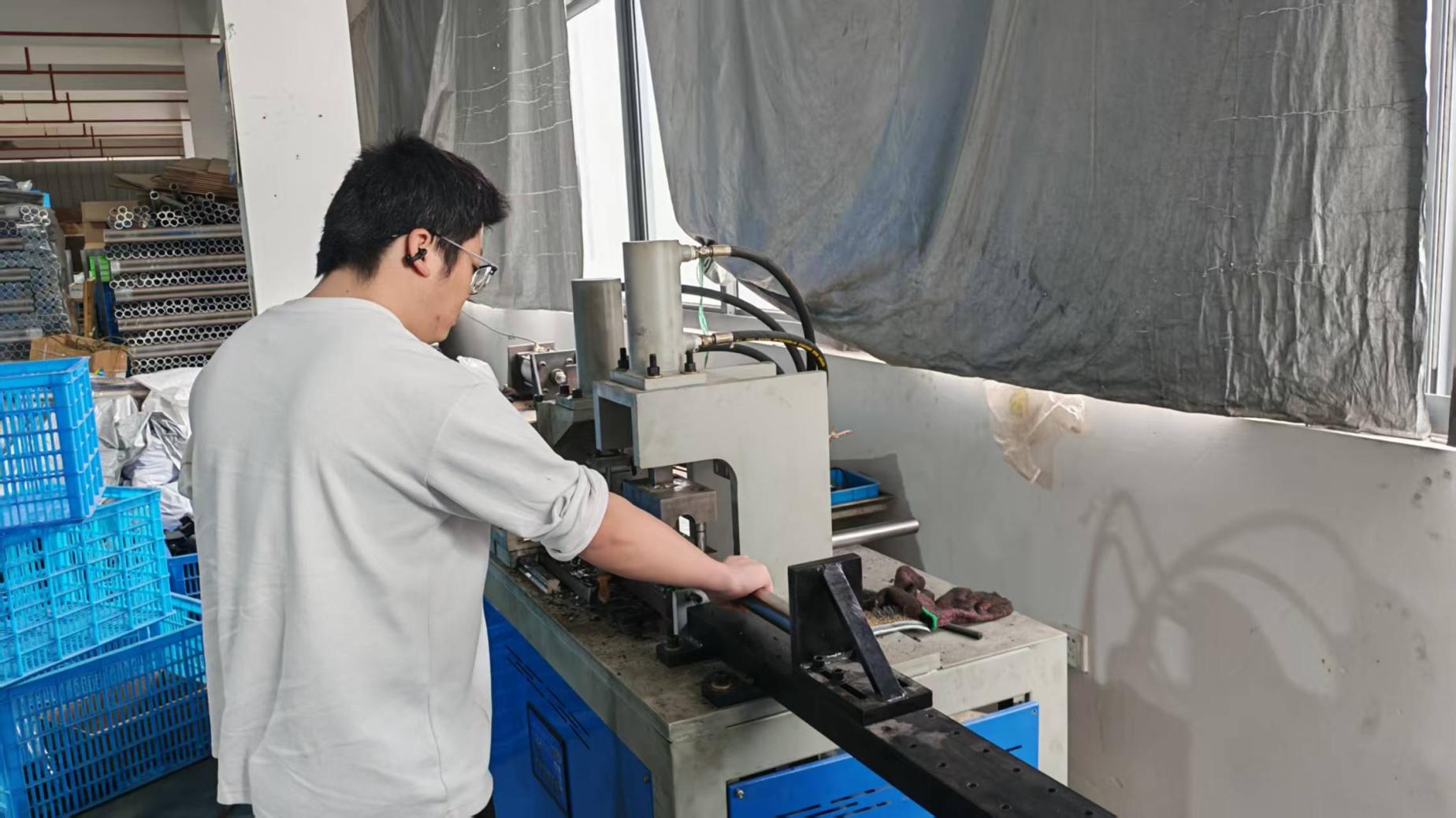
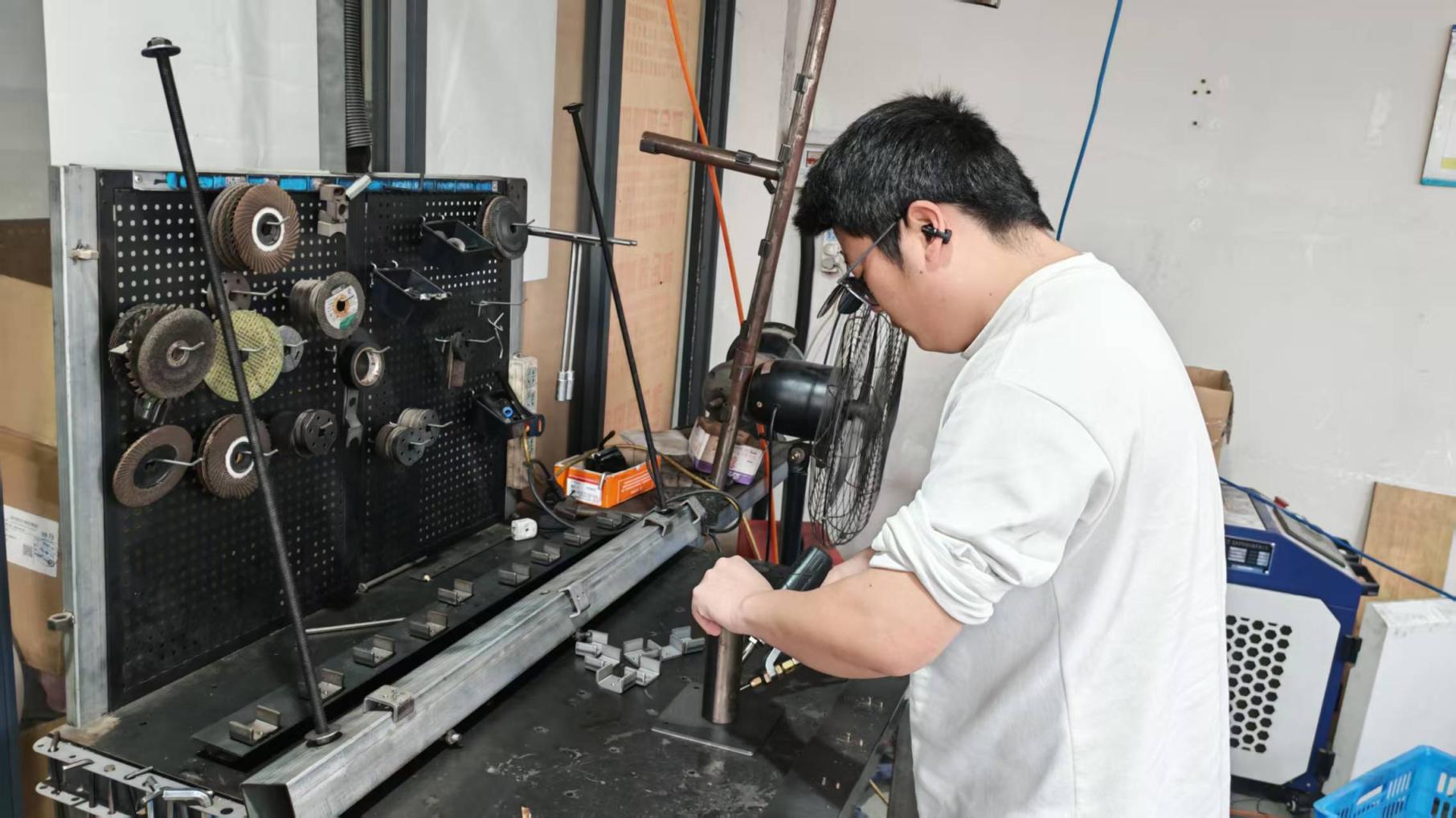
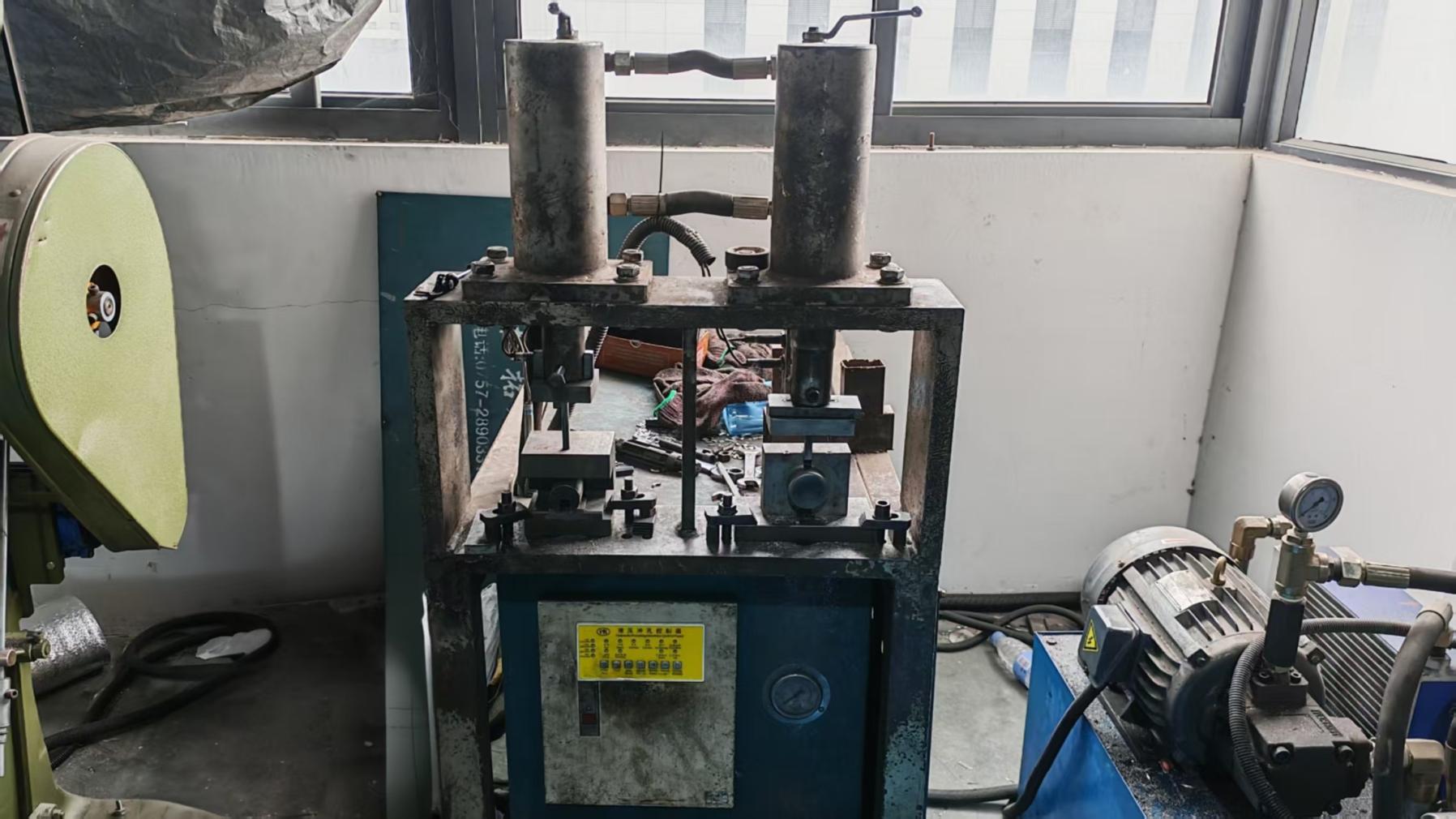
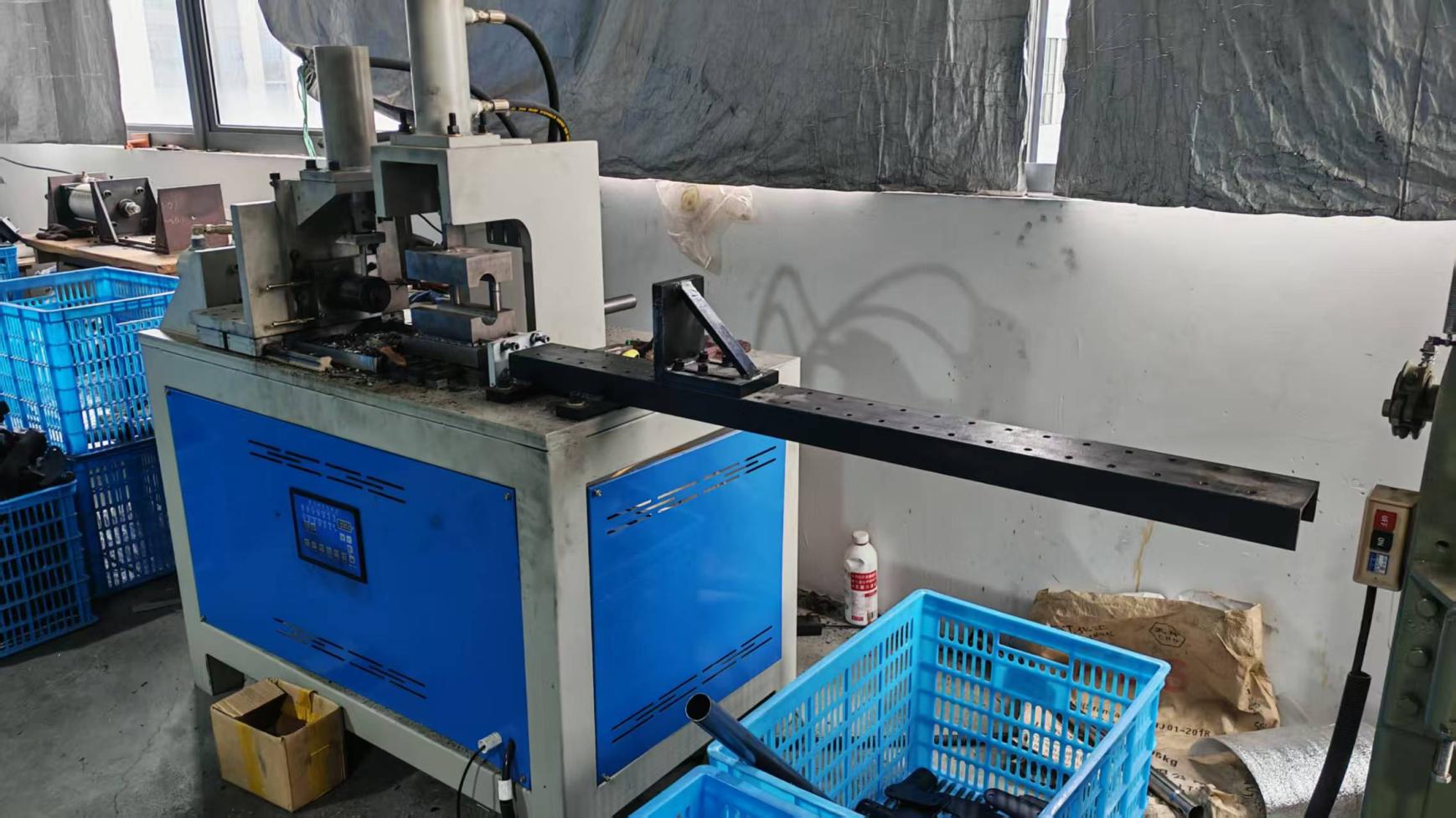
In-Line Quality Inspection Final Pre-Shipment Inspection Export Packaging & Labeling Tube Reduction Processing Constrictor Forming Machine Verified Manufacturing Rigor You Can Trust
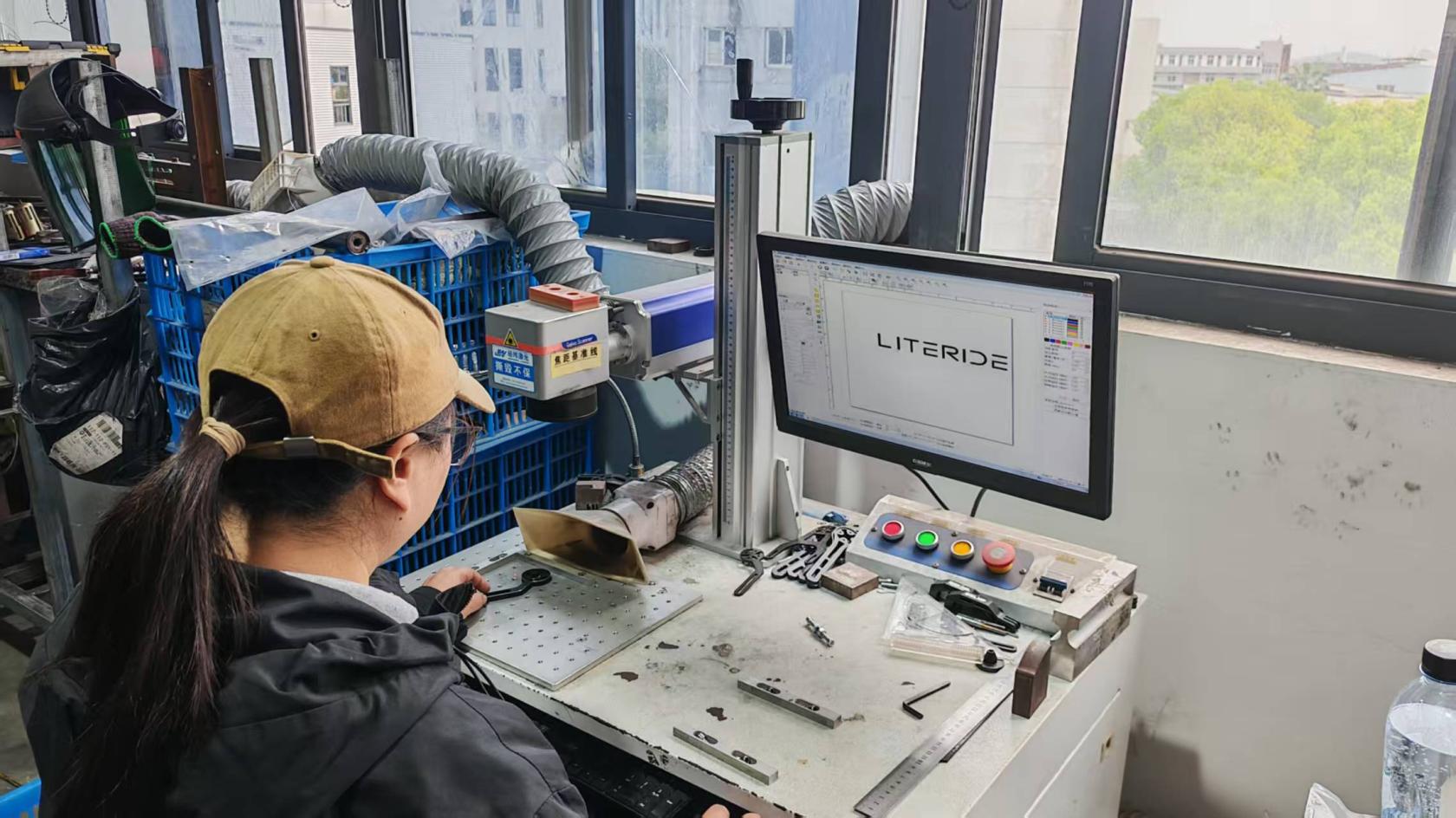
Unlike brokers who merely outsource textile manufacturing to dispersed home workshops, Kenus maintains a synchronized factory footprint. We control tooling, fabric cutting, ultrasonic welding, laser branding, and in-line QA directly under one management system.
- Onsite Assessed Credibility: Production lines, corporate facilities, and export capabilities verified onsite by TÜV Rheinland.
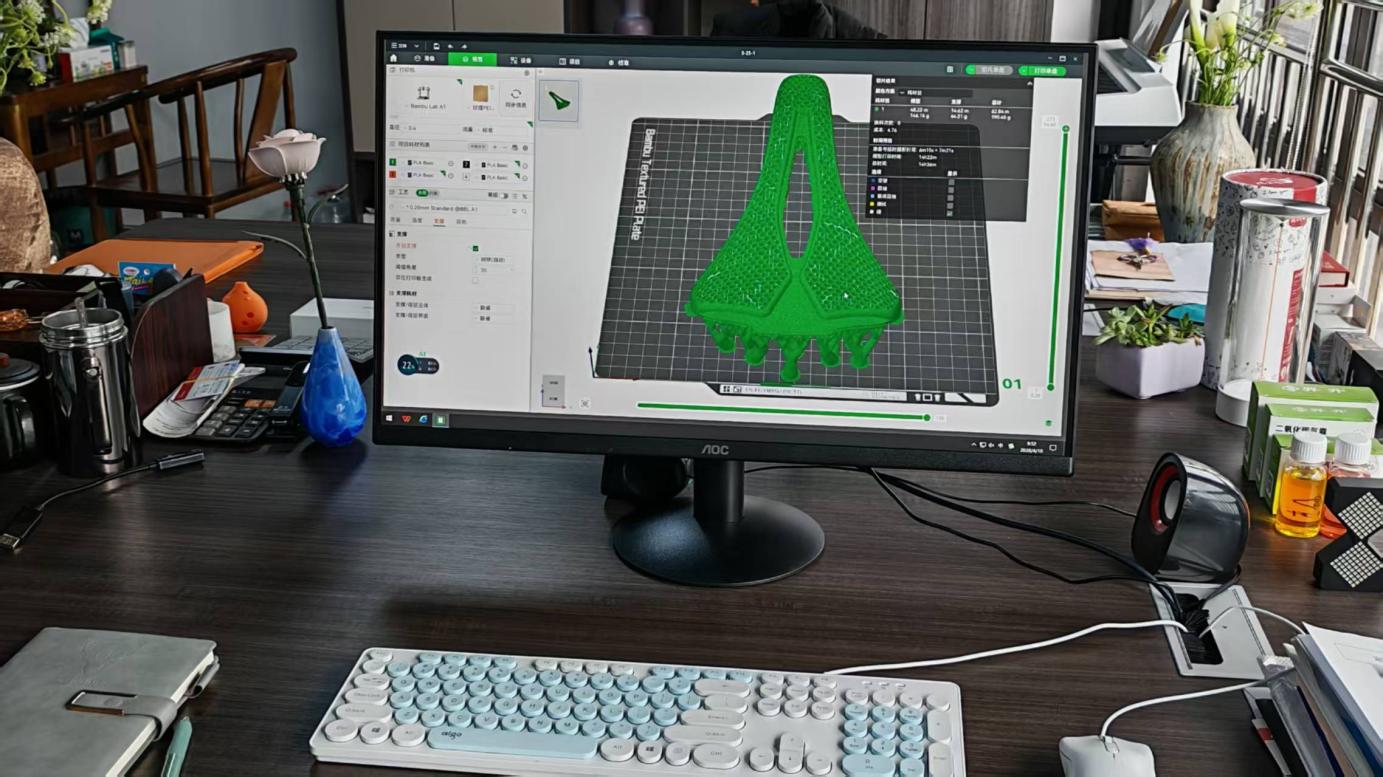
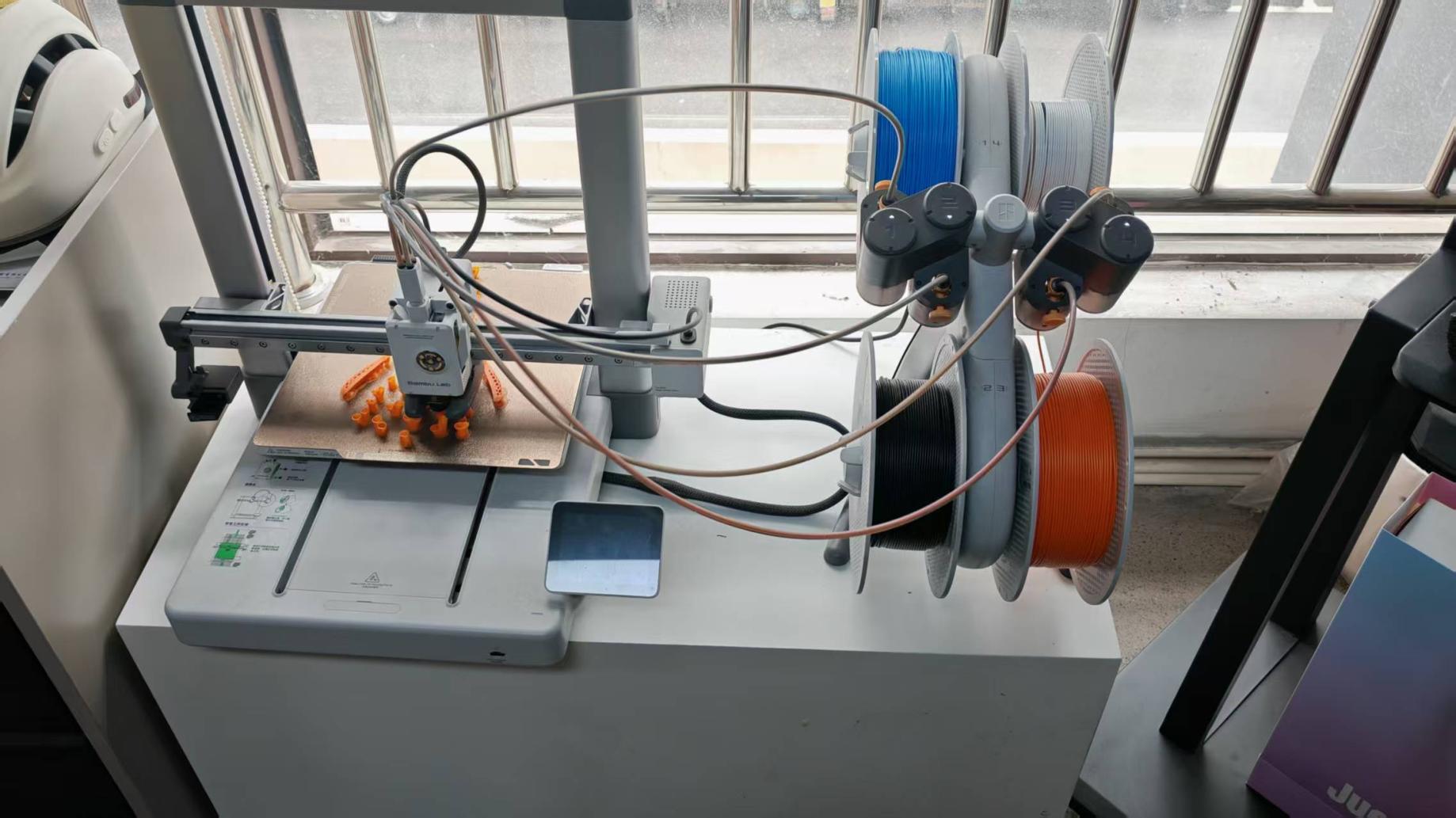
- Rapid Sample Turnaround: Our in-house digital drafting and commercial 3D printing equipment allow us to transform client sketches into tactile, physical mounting prototypes within 5 to 7 business days.
- Cross-Category Consolidation: Consolidate your bicycle handlebar bags with top-tier bicycle lights, 3D printed carbon saddles, nylon platform pedals, water bottles, and repair stands in a single consolidated 20ft/40ft container—drastically slashing overseas freight and customs handling fees.
- Rigorous Testing Protocols: Every production batch undergoes hydrostatic water pressure testing, continuous stitch-tensile testing, buckle fatigue cycling, and accelerated UV salt-spray hardware testing.
Factory Verification Data
- Company Legal Name: Kenus Intelligent Technology Co., Ltd.
- Registered Location: Jinhua, Zhejiang, China
- Core Products: Bicycle Bags, Lights, Saddles, Pedals, Tools
- Assessment Agency: TÜV Rheinland Onsite Inspected
- Main Export Markets: Western Europe, North America, South America, Oceania
- Direct Inquiries: [email protected]
Ready to Develop Your Custom Handlebar Bag Line?
Whether you need standard wholesale inventory with rapid private-label branding or full OEM contract manufacturing from technical drawings, our engineering team is at your service. Contact us now to discuss MOQs, sample development, and pricing.
Get a Quote 6. Frequently Asked Questions (FAQ) for Sourcing Bicycle Handlebar Bags
Below are direct, technical answers to the most common questions our engineering team receives from global sourcing agents, retail buyers, and supply chain managers:
What waterproofing technologies are applied to Kenus bicycle handlebar bags?
We employ two distinct levels of waterproofing based on the bag's intended usage. For lifestyle urban and commuter handlebar bags, we use heavy-duty 900D ballistic polyester or nylon fabrics with a durable PFC-free water-repellent (DWR) coating, an internal 0.15 mm PU backing, and water-repellent inverted PU zippers. For extreme bikepacking and touring lines, we use 100% waterproof high-frequency radio frequency (RF) welding with 420D/840D double-sided TPU-laminated ripstop nylon. This seamless, weld-bonded process eliminates needle punctures, achieving IPX6 to IPX7 submersion resistance without requiring a secondary rain cover.
How does Kenus prevent handlebar bag sagging and cable interference on drop bars?
Drop bar cable interference and downward tire rub are prevented through three proprietary structural measures: first, we embed a thermoformed, semi-rigid HDPE spine plate inside the back and base of the bag to preserve its form under heavy weight. Second, we include modular, high-density closed-cell EVA foam spacer blocks (10 mm and 15 mm thickness) that push the bag away from the bar tops, leaving full clearance for the rider's thumbs and preventing hydraulic cable bends. Third, an adjustable lower cam-lock webbing strap anchors firmly around the head tube or fork crown to eliminate vertical bounce on rough terrain.
What is your minimum order quantity (MOQ) and production lead time for OEM orders?
For ready-to-ship models with customized logo printing (heat transfer, silk-screen, or reflective badges), our MOQ starts as low as 100 to 300 pieces. For custom OEM/ODM manufacturing involving unique dimensions, specialized technical fabrics, custom colorways, and proprietary hardware molds, our standard MOQ is typically 500 to 1,000 units per production run. Prototyping and sample turnaround takes approximately 7 to 10 working days, with mass production completed in 30 to 40 days following sample sign-off.
Are your bicycle handlebar bags compatible with e-bike displays and accessory mounts?
Yes. E-bike center displays (such as Bosch Kiox, Intuvia, or Shimano Steps) and extended out-front GPS computer mounts can conflict with center-mounted straps. We design our handlebar bags with multi-position, die-cut daisy chains and offset mounting ladders. This allows customers to position the mounting straps wide or narrow, clearing center consoles, out-front light mounts, and cycling computers without compromising stability.
What environmental and chemical compliance standards do your bag fabrics satisfy?
All raw materials, textiles, buckles, zipper tapes, and foam paddings sourced by Kenus Intelligent Technology Co., Ltd. can be certified in compliance with the European Union REACH Regulation (EC No 1907/2006) for Substances of Very High Concern (SVHC), RoHS regulations, California Proposition 65 (free from lead, phthalates, and cadmium), and modern PFAS/PFC-free water-repellency guidelines. Formal third-party laboratory test reports from SGS or TÜV can be provided upon request.
Can we consolidate bicycle handlebar bags with other cycling components in one container?
Yes, this is one of the strongest operational advantages of working with Kenus Intelligent Technology Co., Ltd. Importers can consolidate bicycle handlebar bags, saddle packs, frame bags, USB rechargeable high-lumen bike lights, 3D printed carbon saddles, nylon platform pedals, aluminum water bottle cages, and repair tools within the same shipment. This consolidation simplifies supplier management, reduces logistics paperwork, and maximizes ocean container space utilization.