0%

Choosing the right Bike Accessories manufacturer in China takes more than comparing prices or browsing polished product photos. Buyers need to examine materials, fit, finishing, production capacity, and quality-control practices. A helmet strap that feels smooth in a sample may fray after repeated use. Small details matter. So does consistent communication.

Olympic cyclist and coach John Howard once described a bicycle as “a curious vehicle. Its passenger is its engine.” That observation highlights why accessories should support the rider, not merely look attractive on a product page. For manufacturers, practical design means considering comfort, durability, and compatibility with different bikes. For buyers, it means asking how products are tested, what customization is available, and whether specifications are documented clearly. Fit comes first.

This guide introduces notable Bike Accessories manufacturers in China and the product categories they serve. It also outlines useful comparison points, including materials, sampling, manufacturing experience, and after-sales support. These details can help buyers prepare better questions before requesting quotes or samples. Still, a supplier’s claims are not proof of performance. One sample cannot reveal every production issue, either. That limitation deserves attention. Use the guide as a starting point, then verify important claims directly with each manufacturer before making a decision.
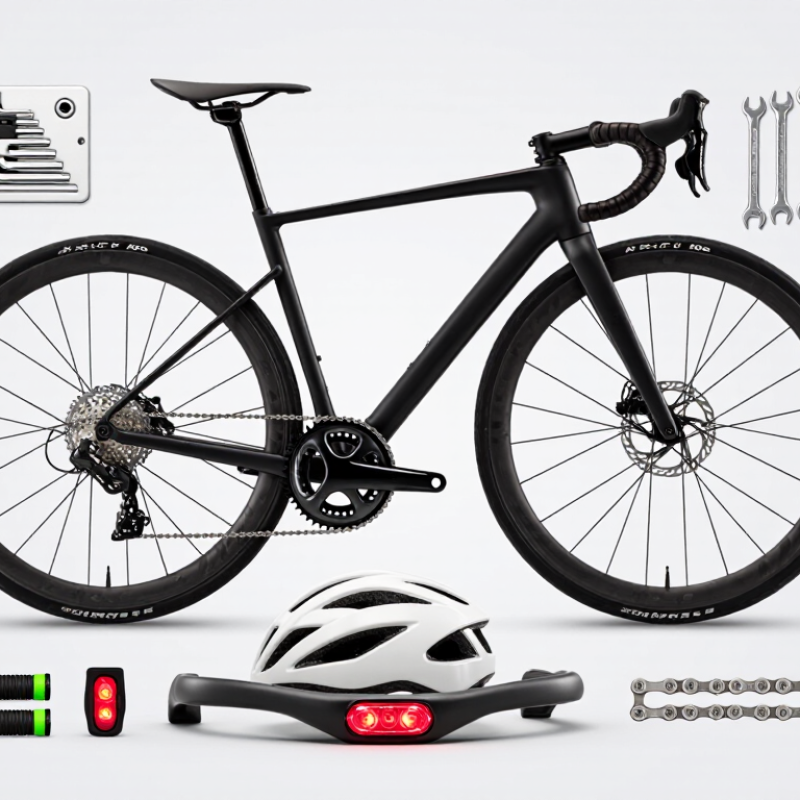
Best Bike Accessories Manufacturers in China

Overview of China’s Bicycle Accessories Manufacturing Industry

China’s bicycle-accessory manufacturing base is closely linked to its large bicycle and e-bike industries. The China Bicycle Association reported that above-scale manufacturers produced about 48.83 million bicycles and 42.28 million electric bicycles in 2023. These figures cover finished vehicles, not accessories. That distinction matters: public data on accessory production alone is limited.

Factories commonly make components such as handlebars, pedals, racks, fenders, lights, and repair tools. Production may combine metal stamping, CNC machining, plastic molding, surface finishing, and final assembly. For buyers, practical checks include material specifications, dimensional tolerances, coating consistency, and sample testing. A neat catalogue is not enough.

Demand also varies by product type and export market. China Customs trade data can help track relevant product categories, but accessory classifications are split across tariff codes, so totals may not represent the whole sector. Treat them cautiously. The CBA’s 2023 industry data offers useful context, yet it cannot confirm a particular factory’s capacity or quality. That part still needs direct verification.

Major Types of Bike Accessories Made in China

Best Bike Accessories Manufacturers in China

Major Types of Bike Accessories Made in China

China’s bicycle-accessory factories make products for safety, visibility, carrying, comfort, and routine repairs. Common items include helmets, front and rear lights, bells, locks, pumps, bottle cages, racks, fenders, and pannier bags. Production may combine molded plastic shells, aluminum fittings, woven fabric, and rubber grips. Fit matters. Handlebar diameters, rack mounts, and frame clearances differ, so a product that looks universal may not fit every bicycle.

The China Bicycle Association’s 2023 industry statistics reported 48.83 million bicycles produced in China. This indicates a substantial manufacturing base, but production volume alone cannot confirm an accessory’s quality. Buyers can request material specifications, dimensional drawings, load ratings, and samples. Small parts fail. Check whether racks include mounting hardware, whether bags clear the rear wheel, and whether lights have secure, vibration-resistant mounts.

Helmets, lights, locks, pumps, and carrying accessories each need different checks. For helmets, confirm sizing and ask what testing documentation is available. For lights, review beam pattern, charging details, and water-resistance specifications rather than relying on brightness claims alone. A supplier catalogue can seem complete; I would still verify each item and its fit on the intended bicycle before approving a larger order.

How Chinese Manufacturers Design and Produce Bike Accessories

Best Bike Accessories Manufacturers in China

Chinese manufacturers typically begin accessory design with fit, load, weather, and user-handling requirements. A handlebar bag, for example, needs room for cables and a stable mount that will not swing against the front wheel. Designers use CAD drawings to check clearances, then make samples from materials such as nylon, aluminum, or molded polymers. Small details matter. A test ride can reveal rattles that drawings miss.

Production moves through tooling, assembly, and inspection. The China Bicycle Association’s 2023 industry review reported 48.83 million bicycles produced in China, showing the scale of the manufacturing base behind the wider supply chain. That figure covers bicycles, not accessories, so it should not be treated as an accessory-output estimate. For relevant components, teams can use applicable ISO 4210 safety requirements as a design reference, alongside checks for fit, fastening strength, and wear. In practice, results depend on the product and test method. Fit can still drift between prototypes and mass production.

Tips: Ask for a sample fitted to your frame type. Check stitching, edges, fasteners, and movement after repeated use. A neat sample is useful, but not proof of consistent production.

Leading Bike Accessories Manufacturers in China

Leading bike accessories manufacturers in China stand out through dependable engineering, not just low prices. Their teams may develop lights, bottle cages, racks, bags, and repair tools for different riding conditions. A useful supplier can explain material choices, mounting methods, and product limits in clear terms. Details matter.

For a handlebar bag, check the seam finish, zipper movement, strap adjustment, and clearance around brake cables. For a rack, inspect weld consistency and ask how load testing is performed. Sample checks should match the intended use, whether that means repeated vibration, rain exposure, or frequent installation. Ask for inspection records and confirm that production samples match approved specifications. Good communication helps catch small fit problems before a large order is made.

A polished sample can still hide uneven quality across a full production run. That takes discipline. Buyers should review tolerances, packaging, lead times, and how defects are handled, rather than relying on broad promises. Some manufacturers may offer many customization options but provide limited testing details; that gap deserves attention. Clear drawings, written acceptance criteria, and a small pilot order can make cooperation more predictable.

How to Evaluate and Choose a Chinese Manufacturer

Best Bike Accessories Manufacturers in China

Choose a manufacturer by checking repeatable production evidence, not polished showroom photos. Ask for material specifications, inspection records, and batch traceability. For a handlebar bag, inspect stitching near the strap anchors and pull the seams by hand. For a metal rack, check weld consistency, sharp edges, and coating coverage. Ask how defects are logged and what happens when a batch fails inspection. Ask for evidence.

Request samples from regular production, not only a specially prepared prototype. Compare several units for fit, finish, and dimensions. Ask the factory to explain its testing method and share dated reports. The World Bank’s Logistics Performance Index 2023 ranked China 19th, with a score of 3.7 out of 5. This offers context on national logistics, not a guarantee of any factory’s delivery performance. Check the supplier’s own lead-time records and packaging tests.

Small details matter. Confirm who performs final inspection, how often production checks occur, and whether subcontractors are involved. A low quote may hide thin materials or inconsistent finishing; request an itemized cost breakdown. No checklist removes every risk. I would reassess my choice after seeing a second production run, because one good sample can still create false confidence.

Best Bike Accessories Manufacturers in China - How to Evaluate and Choose a Chinese Manufacturer

Evaluation Dimension Suggested Weight What to Check Evidence to Request Positive Decision Signal
Product and category fit 15% Confirm the manufacturer regularly produces the specific accessory type, such as bags, racks, locks, lights, pumps, or repair tools. Relevant product range, technical specifications, material details, and samples from comparable products. The factory can explain product-specific design, materials, assembly steps, and common failure points.
Manufacturing capability 15% Check whether key processes are performed in-house or subcontracted, and whether equipment and capacity suit the product. Factory overview, process flow, equipment list, production-capacity assumptions, and details of any subcontracted work. Production responsibilities are clear, and subcontracting is disclosed and controlled.
Quality management 15% Review incoming-material checks, in-process inspections, final inspection, defect handling, and batch traceability. Quality procedures, sample inspection records, defect and corrective-action records, and an example inspection checklist. Inspection criteria are documented and can be linked to the product specification and production batch.
Product testing and compliance 15% Identify the destination market and product category first; applicable safety, labeling, and testing requirements vary by product and market. Test reports or certificates relevant to the exact model, materials, and destination market; confirm issuing laboratory and report scope. Documents are current, verifiable, and clearly cover the product being quoted—not merely a similar model.
Materials and component control 10% Check material grades, component specifications, supplier controls, and procedures for approving substitutions. Bill of materials, material specifications, supplier approval process, and written change-control procedure. Material or component changes require approval and are recorded against the relevant order or product revision.
Engineering and customization 10% Assess support for drawings, samples, fit checks, tooling, packaging changes, and design revisions. Sample-development plan, drawing or specification review process, tooling terms, and revision-control examples. Design changes are documented, approved, and checked against an agreed sample or specification.
Minimum order and production schedule 8% Confirm minimum order quantity, sample timing, production lead time, and how schedules change during peak periods. A written quotation and schedule stating order quantity, sample arrangements, production milestones, and shipment assumptions. Lead-time estimates are tied to order details and capacity availability rather than presented as unconditional guarantees.
Export and packaging readiness 5% Check export-document experience, carton specifications, product labeling, and packaging requirements for the destination. Example packing list and commercial invoice format, carton dimensions, packaging specification, and shipping-term quotation. Packaging and shipping responsibilities are agreed in writing, with product protection considered for transport.
Communication and commercial terms 4% Review response clarity, quotation detail, payment milestones, warranty terms, and the process for resolving quality claims. Itemized quotation, written sales terms, warranty or claim procedure, and named points of contact. Pricing, specifications, responsibilities, and remedies are stated consistently in written documents.
Supplier verification 3% Verify the legal entity, business scope, factory or trading role, and consistency between the contracting party and payment beneficiary. Business registration details, facility information, and matching contract, invoice, and bank-account details. Company and payment details are consistent, and the supplier’s role in manufacturing is transparent.

Use of weights: These are suggested evaluation weights, not industry-wide benchmarks. Adjust them to the product, destination market, order size, and risk level. Verify all specifications and compliance documents for the exact product before placing an order.

FAQS

What does China’s bicycle accessory industry produce?

Common products include handlebars, pedals, racks, fenders, lights, and repair tools. Details matter.

Do bicycle production figures show accessory output?

No. Reported figures cover finished bicycles and electric bicycles, not accessory production.

Which manufacturing processes may factories use?

Production may include metal stamping, CNC machining, plastic molding, surface finishing, and final assembly.

How should buyers check a handlebar bag sample?

Inspect the seams, zipper movement, strap adjustment, and clearance around brake cables. Not quite.

What should buyers examine on a bicycle rack?

Check weld consistency and ask how load testing is performed. Request testing records when available.

Can one approved sample guarantee consistent production?

No. A polished sample may not reflect every item in a full production run.

How can buyers reduce fit and quality problems?

Use clear drawings, written acceptance criteria, and a small pilot order. That helps, but it is not foolproof.

Are customs figures a complete measure of accessory trade?

No. Accessories are divided across tariff codes, so totals may not capture the whole sector. That judgment can be imperfect.

Conclusion

China’s bicycle accessories manufacturing industry has developed into a broad, adaptable supply network serving different riding styles and markets. Manufacturers produce a wide range of Bike Accessories, including helmets, lights, locks, pumps, bags, bottles, racks, and repair tools. Their work typically combines product planning, material selection, prototyping, testing, and large-scale production. Depending on the product, manufacturers may use processes such as molding, metal fabrication, sewing, assembly, and quality inspection to balance durability, usability, and cost.

When comparing Chinese manufacturers, buyers should look beyond price and consider product range, production capacity, quality-control procedures, customization options, communication, and delivery timelines. It is also helpful to request samples, clarify material and packaging specifications, and discuss inspection arrangements before placing an order. A careful evaluation helps identify a manufacturing partner whose capabilities and working practices align with the intended product requirements.

Ethan

Ethan

Ethan is a professional marketing specialist with a strong understanding of the company’s products, services, and the needs they are designed to address. He combines in-depth product knowledge with a clear, practical approach to communication, helping readers understand how thoughtful solutions can......