Essential Cycling Hardware & Micro-Pneumatic Complements
Verified commercial product lines engineered for tier-1 distributors, volume retailers, and private label procurement programs worldwide.
Micro-Pneumatic Revolution in E-Mobility: Engineering & Sourcing Landscape
As the global personal electric mobility sector expands beyond traditional pedal cycles into performance electric bicycles, e-cargo transports, and urban commuter pedelecs, tire pressure maintenance has transitioned from an occasional manual ritual into a safety-critical operating factor. High-torque e-bike drivetrains and heavier vehicle curb weights subject tubeless and clincher tires to extreme radial stresses, pinch-flat vulnerabilities, and severe rolling resistance penalties whenever inflation drops beneath nominal thresholds. Consequently, compact portable electric bike pumps—often called micro-compressors or digital cordless inflators—have shifted from high-end cycling novelties to core essential accessories for fleet operators, brand conglomerates, and bike retail networks.
For enterprise procurement officers, brand sourcing directors, and supply chain analysts across the European Union, North America, and Australasia, selecting a certified manufacturing partner represents a complex technical decision. Electric bike pumps combine high-discharge lithium-ion chemistry, miniature high-speed permanent magnet motors, planetary gear reduction systems, precision pressure transducers, and micro-machined pneumatic cylinders. Under European standard frameworks, these consumer electrical devices fall strictly within the scope of the Electromagnetic Compatibility Directive (EMC 2014/30/EU), the Low Voltage Directive (LVD 2014/35/EU), the Restriction of Hazardous Substances Directive (RoHS 2011/65/EU and amendment 2015/863), and applicable battery transportation mandates (UN38.3 / IEC 62133). Kenus Intelligent Technology Co., Ltd., based in the industrial manufacturing cradle of Jinhua, Zhejiang, operates as an onsite TÜV Rheinland-assessed manufacturing facility delivering verified compliance, rigorous production tolerances, and agile OEM/ODM customization.
Technical Procurement Takeaway: Sourcing non-certified or loosely compliant portable inflators exposes Western distributors to severe border customs seizures, catastrophic thermal runaway liabilities, and regulatory penalties under the EU RAPEX market surveillance mechanism. CE certification for an electric pump is not merely a label; it requires validated PCB filter chokes, electrostatic discharge shielding, motor noise suppression circuitry, and dual-layer battery management system (BMS) logic.
Micro-Pneumatic Cylinder Architecture & CE Compliance Directives
A premium CE-certified electric bicycle pump relies on a miniature thermodynamic engine operating inside a CNC-machined die-cast aluminum or glass-filled polymer enclosure. Achieving 120 to 150 PSI (8.3 to 10.3 bar) inflation capability within a pocketable 400-gram envelope demands uncompromising metallurgy, tight mechanical clearances, and electronic thermal pacing.
Die-Cast Cylinder & Piston Seals
High-strength alloy cylinders honed to micro-inch surface finishes, combined with fluorocarbon (FKM) or PTFE self-lubricating piston rings that maintain airtight sealing across -20°C to +60°C operating envelopes without petroleum lubricant contamination.
High-Torque DC Motors & Gears
Custom-wound high-flux copper armature DC motors operating at 18,000–22,000 RPM, coupled to sintered metal powder planetary reduction gearing capable of sustaining cyclic mechanical shock loads during high backpressure cycles.
Precision Pressure Transducers
Piezo-resistive digital barometric sensing cells integrated with a 32-bit MCU algorithmic loop providing automated cutoff at preset targets with an industry-grade reading accuracy of ±1 PSI (±0.07 bar).
CE Compliance Regulatory Breakdown for Sourcing Teams
To safely import and distribute battery-operated electric pumps across the European Common Market, your Technical Documentation File (TDF) must substantiate alignment with three core CE directive tracks:
| CE Directive & Standard | Engineering Testing Scope | Factory Implementation at Kenus | Compliance Status |
|---|---|---|---|
| EMC Directive 2014/30/EU (EN 55014-1, EN 55014-2) |
Conducted & radiated electromagnetic emission limits; radio disturbance immunity against cellular/Wi-Fi fields. | Ferrite core filtering, multi-layer ground plane PCB trace routing, TVS diode suppression on brushed motor commutators. | Documented (SIT Lab) |
| LVD 2014/35/EU / Safety (EN 60335-1, EN 62233) |
Insulation resistance, motor locked-rotor thermal cutoff, creepage and clearance distances, high-temperature casing flammability. | Internal NTC thermal sensors with auto-shutdown above 75°C; fire-retardant V-0 grade polycarbonate shell molding. | Fully Compliant |
| RoHS Directive 2011/65/EU (EU 2015/863 - 10 Substances) |
Screening for Lead, Mercury, Cadmium, Hexavalent Chromium, PBBs, PBDEs, and phthalates (DEHP, BBP, DBP, DIBP). | Raw material spectroscopic verification; 100% lead-free SMT solder paste lines across all sub-circuit board assemblies. | Documented (RoHS SIT) |
| Battery Directives & Safety (UN38.3, IEC 62133, UL 1642) |
Vibration simulation, thermal shock cycling (-40°C to +72°C), external short circuit, altitude decompression, impact testing. | A-grade 18650 / 21700 lithium cells with integrated hardware PCM protecting overvoltage, undervoltage, and reverse polarity. | UN38.3 MSDS Certified |
Future Sourcing & Product Development Trends (2025–2030)
B2B buyers who plan their cycling product lines three to five seasons in advance must navigate shifting consumer expectations and evolving international statutory mandates. In the cordless micro-pneumatics domain, four seismic technological transitions are currently transforming the OEM supply landscape:
Bidirectional USB-C PD & e-Bike Battery Integration
Future electric pumps are migrating to USB Power Delivery 3.1 bidirectional protocols. Aside from functioning as high-speed rechargeable inflators, micro-compressors now double as emergency reserve powerbanks capable of delivering 18W–30W reverse charging for cycling computers, GPS units, smartphones, and headlights. Advanced iterations feature direct DC tap connectors compatible with Bosch, Shimano, and Bafang e-bike main battery drive systems.
Brushless BLDC Motors & Dual-Stage Pumping
Traditional carbon-brushed motors suffer from brush arcing, acoustic loudness (>82 dB), and thermal de-rating during continuous runs. Next-generation electric pumps incorporate sensorless Brushless DC (BLDC) motors paired with dual-stage compression chambers—providing high-volume displacement at lower pressures (for gravel/MTB tubeless seating) and automatically gearing down for high-pressure topping up to 150 PSI (for road bikes).
EU Battery Passport & Circular Eco-Design
Under the incoming EU Battery Regulation (Regulation (EU) 2023/1542), manufacturers and importers must ensure portable batteries inside cycling accessories feature removable, serviceable cell designs or verifiable carbon footprint declarations. Leading OEM factories are already re-architecting pump housings away from ultrasonic glue joints toward precision screw-fastened modular chassis that enable end-of-life battery recycling and circular compliance.
Multi-Functional Cockpit & Frame Consolidation
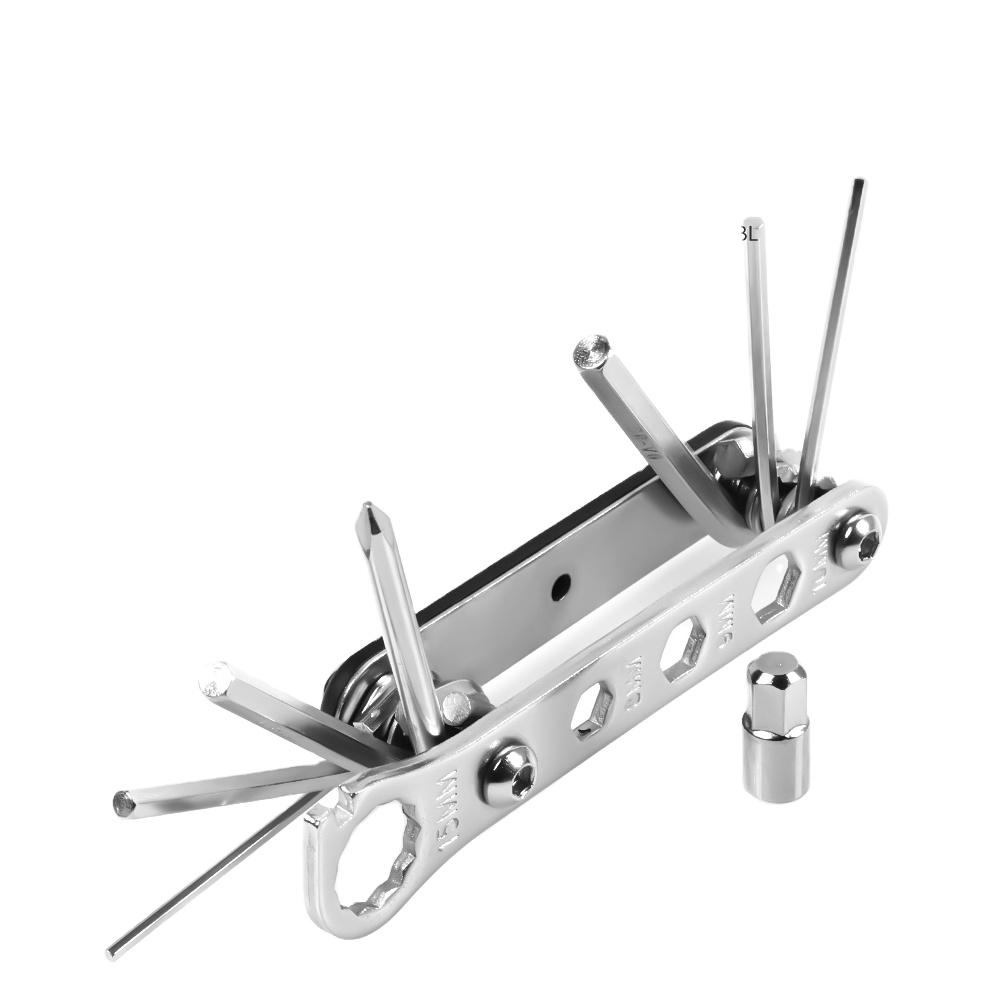
Bicycle brands increasingly favor consolidated accessory SKU ecosystems. Instead of sourcing stand-alone pumps, buyers are bundling inflators directly into aerodynamic water bottle cage mounts, frame triangle bags, or integrated multi-tool kits featuring CO2 inflator backup chucks, valve core removers, and built-in high-lumen emergency LED hazard strobe lights.
Kenus Intelligent Technology: Your Verified OEM/ODM Partner
Headquartered in Jinhua, Zhejiang—the epicentre of China's premium hardware fabrication and cycling accessory export corridor—Kenus Intelligent Technology Co., Ltd. provides global buyers with the operational advantages of an agile custom manufacturer backed by independent third-party assessment.
Unlike trading intermediaries that outsource production across fragmented sub-contractors, Kenus consolidates precision metal forming, tube constriction and reduction processing, CNC drilling, robotic laser marking, and final electro-mechanical assembly on our verified production lines. Our quality assurance protocols combine in-line sub-assembly inspection with 100% finished-goods air leak immersion tests and functional high-pressure duty cycle aging.
- Verified Manufacturing Premises: Independently inspected by TÜV Rheinland with documented factory audit reports, panoramic production floor imagery, and process line verifications.
- In-House Rapid Prototyping: Industrial 3D printing and tooling engineering enable custom ergonomic casing prototypes and valve chuck adaptations delivered in as few as 7 business days.
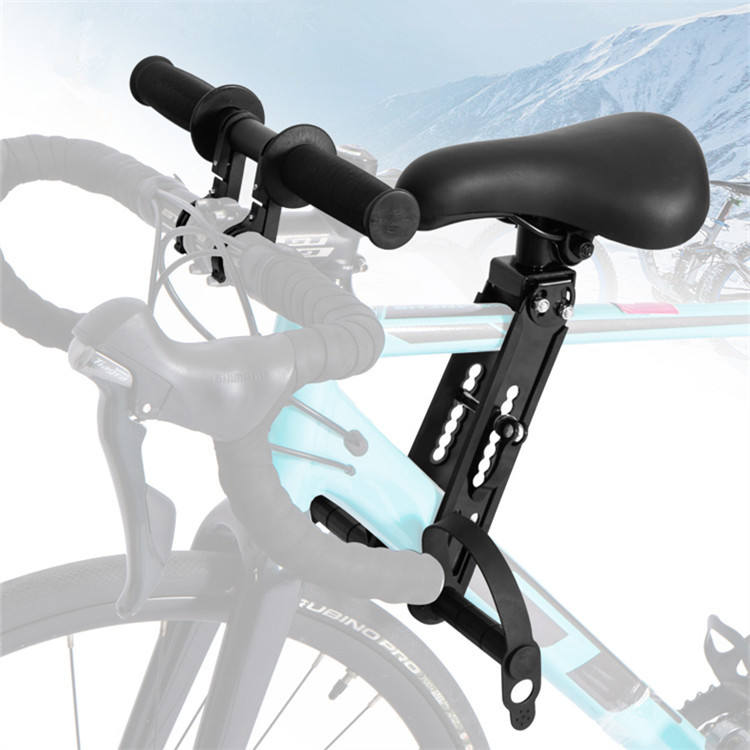
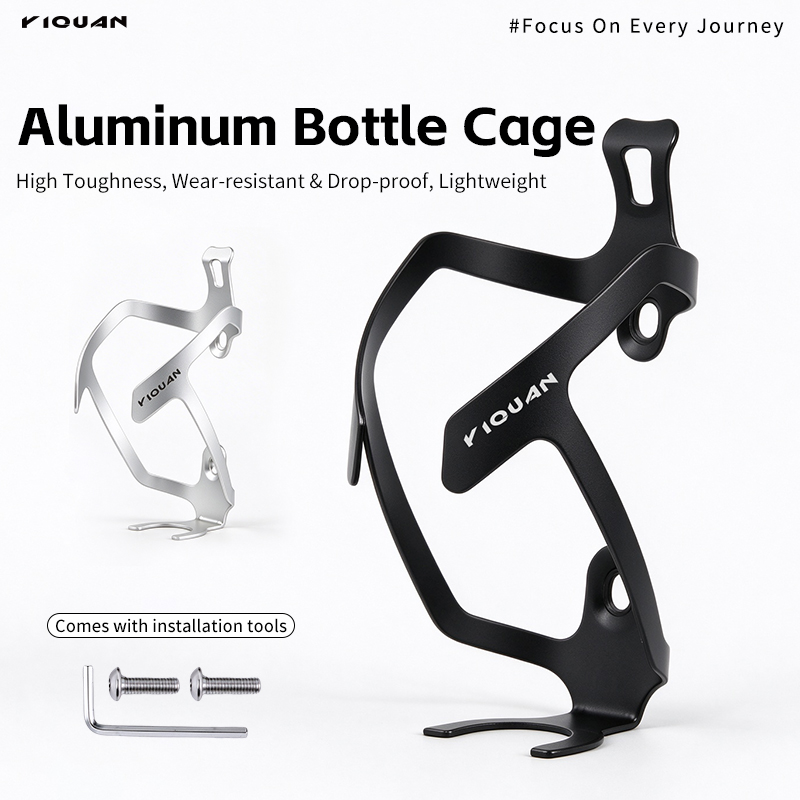
- Full Ecosystem Cross-Manufacturing: Seamlessly consolidate electric pumps, USB rechargeable bike lights, 3D printed carbon saddles, nylon platform pedals, water cages, and workshop tools under one consolidated bill of lading.
- Global Export Readiness: Serving established B2B importers across Western Europe, North America, South America, Oceania, and Japan with customized retail-ready packaging and DDP logistics coordination.
Verified Supplier Qualification Snapshot
OEM / ODM Project Execution: From Industrial CAD to Palletized Dispatch
Launching a private-label electric bike pump requires disciplined phase-gate milestones to mitigate tooling risks, resolve thermal choke points, and ensure pristine CE documentation before sea freight dispatch. Kenus executes every custom program according to an auditable six-stage engineering methodology:
Engineering Specification & CAD
Reviewing buyer pressure targets, battery capacity (mAh), form factor envelopes, and valve chuck preferences (Presta, Schrader, Dunlop). Generation of 2D/3D tolerance drawings and mold flow analyses.
Functional Rapid Prototyping
Precision SLA/SLS 3D printed polymer shells combined with CNC-machined cylinder prototypes to evaluate ergonomic hand grip, acoustic dampening, button tactility, and display UI readability.
Tooling & Mold Hardening
Fabrication of hardened steel injection molds for pump casings and die-casting molds for pneumatic cylinder blocks. Pre-series T1 sample validation for dimensional stability and snap-fit tolerances.
SMT & Electronics Assembly
Automated Surface Mount Technology (SMT) component placement for motherboard controllers, integrating microcontrollers, battery protection ICs, LED digital displays, and CE-EMC filter networks.
Rigorous 100% In-Line QA
Every pump unit undergoes hydrostatic pressure sealing checks, continuous pneumatic duty cycling, laser barcode scanning for serial traceability, and digital sensor calibration against calibrated master gauges.
Branded Packaging & Logistics
Custom multi-language instruction manuals (English, German, French, Spanish), EVA foam interior protective gift boxes, drop-test verified master export cartons, and export clearance documentation.
B2B Buyer FAQs: Sourcing CE Certified Electric Bike Pumps
Technical answers to critical compliance, manufacturing, and logistic inquiries routinely addressed by commercial sourcing teams.
What specific CE test reports and certificates should I verify before importing electric bike pumps into the EU?
How do high-grade electric bike pumps prevent overheating during continuous inflation up to 120–150 PSI?
What is the standard Minimum Order Quantity (MOQ) for custom OEM branding and packaging?
Can one electric pump model service both Presta (road/tubeless) and Schrader (mountain bike/commuter) valves seamlessly?
How is pressure measurement accuracy calibrated, and does the pump remember preset values?
What quality control protocols are implemented on the Kenus production line prior to container loading?
How can overseas buyers verify the authenticity of your factory and test certificates?
Request OEM/ODM Quotation & Technical Compliance Dossier
Connect directly with our engineering sales group in Jinhua, Zhejiang. Receive complete product specification sheets, full CE/EMC/RoHS certificate packages, sample pricing, and private label lead-time schedules within 24 hours.