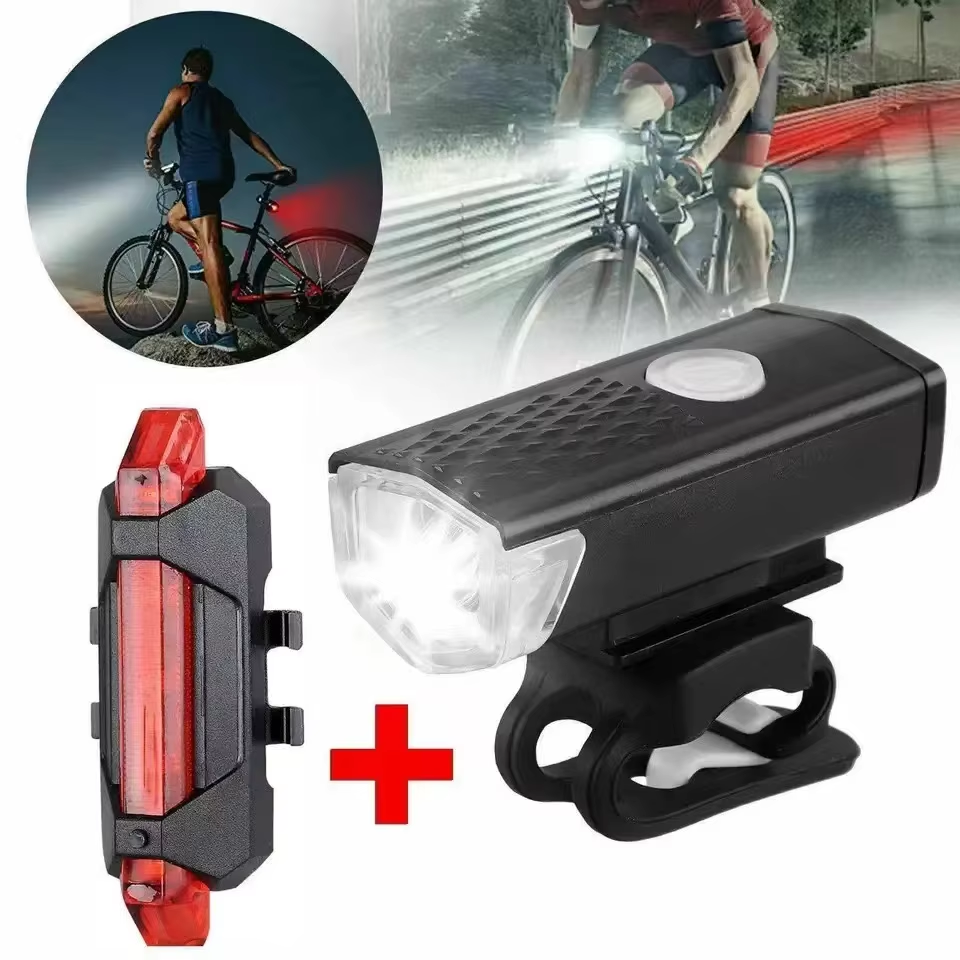
Precision Catalog
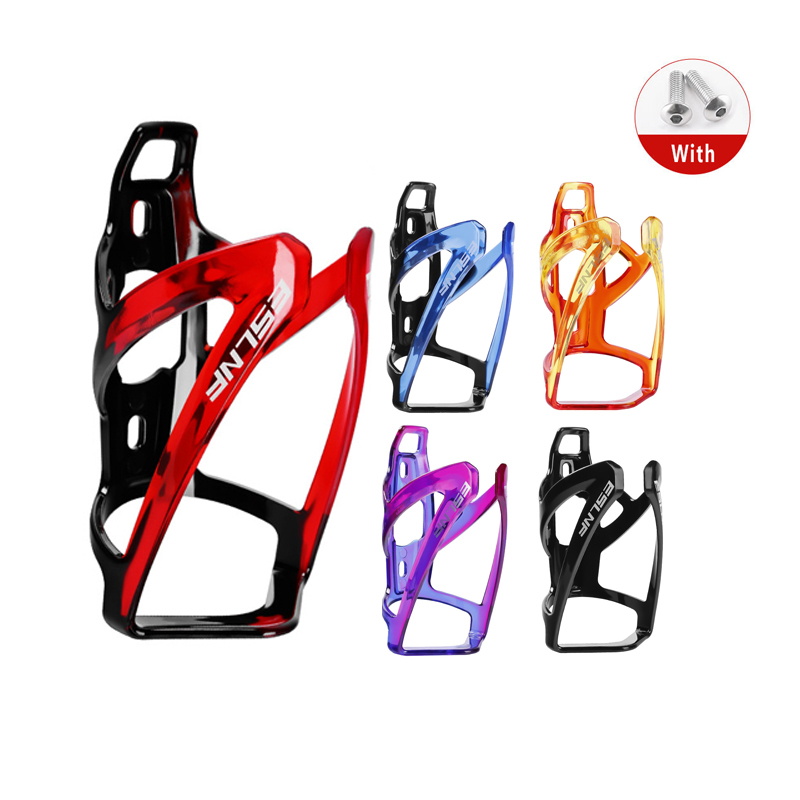
Featured Export-Grade Cycling Equipment
Direct factory supply lines covering CE-certified illumination, advanced hydration systems, ergonomic touchpoints, and utility gear ready for wholesale distribution and OEM branding.
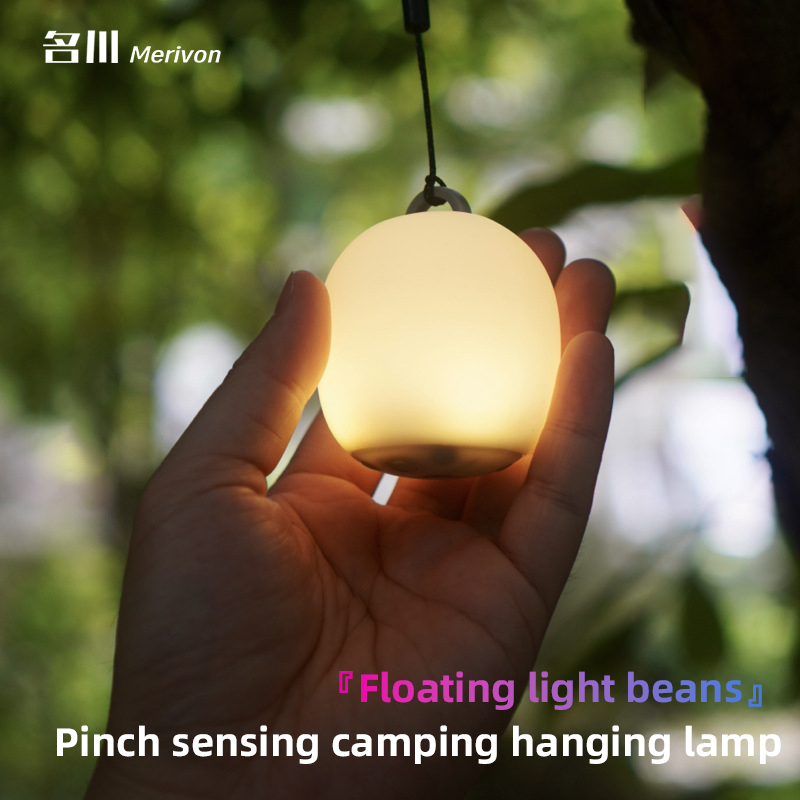
Engineering Whitepaper
Technical Procurement Dynamics: CE Marking, Photometrics, and Electrical Compliance
In modern micro-mobility international trade, sourcing bicycle illumination is no longer limited to high lumen ratings. Leading brand importers, institutional distributors, and high-volume retail buyers must navigate strict legal frameworks governing optical safety, electromagnetic interference, and chemical handling across the European Economic Area (EEA), the United Kingdom, North America, and Japan.
Under European harmonized regulations, an LED bicycle light is classified not merely as a passive cycling accessory, but as an active electro-optical appliance. Full CE compliance entails strict conformity with the Electromagnetic Compatibility (EMC) Directive 2014/30/EU, verified via standardized test parameters such as EN 55015 for conducted and radiated emissions and EN 61547 for immunity requirements. Sourcing partners that cannot supply legitimate, third-party laboratory test reports leave importers vulnerable to customs seizures, cross-border recall actions, and severe commercial liability.
Strategic Sourcing Takeaway: High-grade illumination mandates independent technical documentation. Kenus guarantees certified compliance verified by specialized testing laboratories (including test report
SIT230614230201E for CE, SIT240417230101R for RoHS, SIT240226230301P for PSE METI Japan, and SIT250212230201ER for EMC), eliminating regulatory risks at entry ports.
Technical Regulatory Comparison Matrix for Global Distributors
Before issuing commercial purchase orders, international sourcing procurement managers should benchmark supplier engineering against global market standards:
| Compliance Vector | Standard Commercial Grade (Uncertified) | Kenus Export-Engineered Standards | B2B Distributor Legal Impact |
|---|---|---|---|
| European CE Certification | Self-declared or absent documentation | Third-party verified (No. SIT230614230201E) | Mandatory for legal clearance across all EU member states |
| EMC Directives (2014/30/EU) | High frequency electronic switching noise | Filtered circuit board shielding (No. SIT250212230201ER) | Prevents interference with cycle computers, GPS & heart rate monitors |
| RoHS Directive 2011/65/EU | Untracked solder & hazardous heavy metals | Fully documented chemical compliance (SIT240417230101R) | Protects against hazardous material import bans and fines |
| Photometric Beam Engineering | Symmetrical circular flare (blinds oncoming traffic) | Horizontal cut-off optics & precision collimating lenses | Complies with urban transport safety and StVZO glare concepts |
| Thermal Dissipation | Molded plastic casing, thermal throttling <15 mins | Aviation-grade 6063 CNC aluminum alloy chassis | Guarantees constant lumen output & extended battery life cycles |
Emerging Sourcing Trends: The Next 3–5 Years in Cycling Illumination
Product lifecycle management demands forward-looking supply line decisions. As micro-mobility vehicles, smart commuter e-bikes, and performance cycling categories mature, buyers are adapting their catalogs to several dominant structural industry shifts:
E-Bike Power Integration & Wide DC Inputs
Distributors are moving away from standalone small cells toward light systems that bridge dual functionality: functioning as independent USB-C PD power banks while accepting 6V–48V step-down connections directly from central e-bike drive systems (Bosch, Shimano, Bafang).
Ambient Light Sensing & Wireless Mesh
Smart lighting architectures now incorporate integrated ambient photodiode sensors that modulate output dynamically from daylight running light (DRL) profiles to high-lumen penetration beams, synchronizing front and rear units via 2.4GHz wireless controllers.
Circular Eco-Design & Modular Battery Packs
With forthcoming EU battery circular economy directives, fixed glued battery enclosures are being phased out. OEM buyers increasingly demand modular structural assemblies, allowing cell replacement, IP67 ingress servicing, and circular lifecycle compliance.
Audited Strength
Why Global Brands Consolidate Orders with Kenus
Based in Jinhua, Zhejiang, Kenus Intelligent Technology combines specialized in-house metal forming, clean-room optical assembly, and verified testing capabilities with the commercial agility required by international distributors.
TÜV Rheinland Onsite Verified
Eliminate intermediary trading friction. Our production lines, hardware finishing plants, and QA/QC management systems have undergone thorough on-site physical auditing by TÜV Rheinland, backed by inspection reports.
Rapid Prototyping & Tooling
Accelerate your time-to-market. With internal industrial 3D printing equipment and modular CNC tooling facilities, we turn custom product industrial designs and CAD drawings into tangible functional prototypes in days.
Comprehensive Category Consolidation
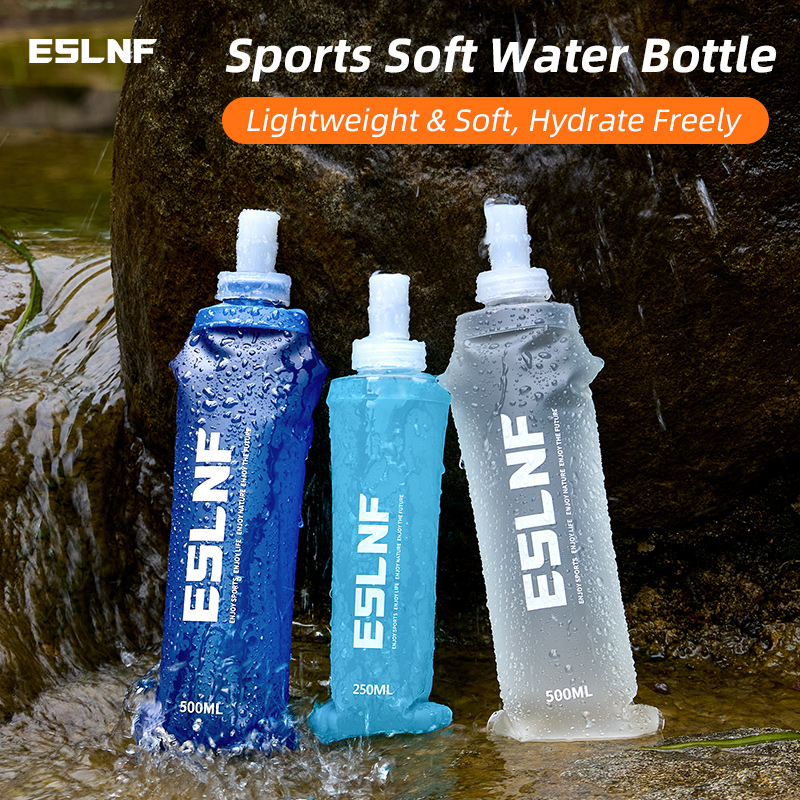
Maximize shipping container cube efficiency. Source CE-certified bike lights, 3D printed carbon saddles, precision nylon bearing pedals, soft TPU flasks, and workshop repair stands under a single unified bill of lading.
Procurement Intelligence
Frequently Asked Questions for B2B Sourcing Teams
Direct, clear answers regarding compliance files, minimum order quantities, customization parameters, and supply chain accountability.
Q: How do you verify the legitimacy of your CE and RoHS certificates?
Every certificate issued for our illumination series—including CE Headlight Certificate (SIT230614230201E), RoHS Multi-purpose Headlight (SIT240417230101R), and EMC Report (SIT250212230201ER)—is fully authenticated with complete test schedules available for direct cross-reference with international accreditation databases.
Q: What are the standard Minimum Order Quantities (MOQ) for OEM/ODM branding?
Ready-to-ship standard accessories are available from low baseline sample quantities (from 2 units) for quality audits. Laser marking and branded packaging options generally start at 100 to 500 units depending on housing materials and finishing complexity.
Q: Can Kenus handle StVZO German market optical specifications?
Yes. Our optical engineering division develops dedicated asymmetric reflector cups and collimating optics engineered with sharp cut-off lines to prevent glare for oncoming road users, matching the photometric performance expectations of Central European distribution networks.
Q: How does Kenus ensure batch consistency across mass production runs?
Our verified manufacturing protocols integrate multi-stage gate inspections: incoming IQC inspection on raw aluminum extrusions and battery cells, automated optical inspection of PCB surface mounts, 100% burn-in cycle testing, and IP64/IP65 pressurized ingress checks before final packaging.
Request Complete Technical Specifications & Wholesale Quotations
Consult directly with our technical sales engineers to receive lab test certifications, photometric IES files, packaging die-cuts, and volume OEM price tiers.