Hydration
Curated commercial-grade cycling hardware engineered for high torque, all-weather endurance, and global retail compliance. Select a model below to review dimensional specs or request custom production runs.
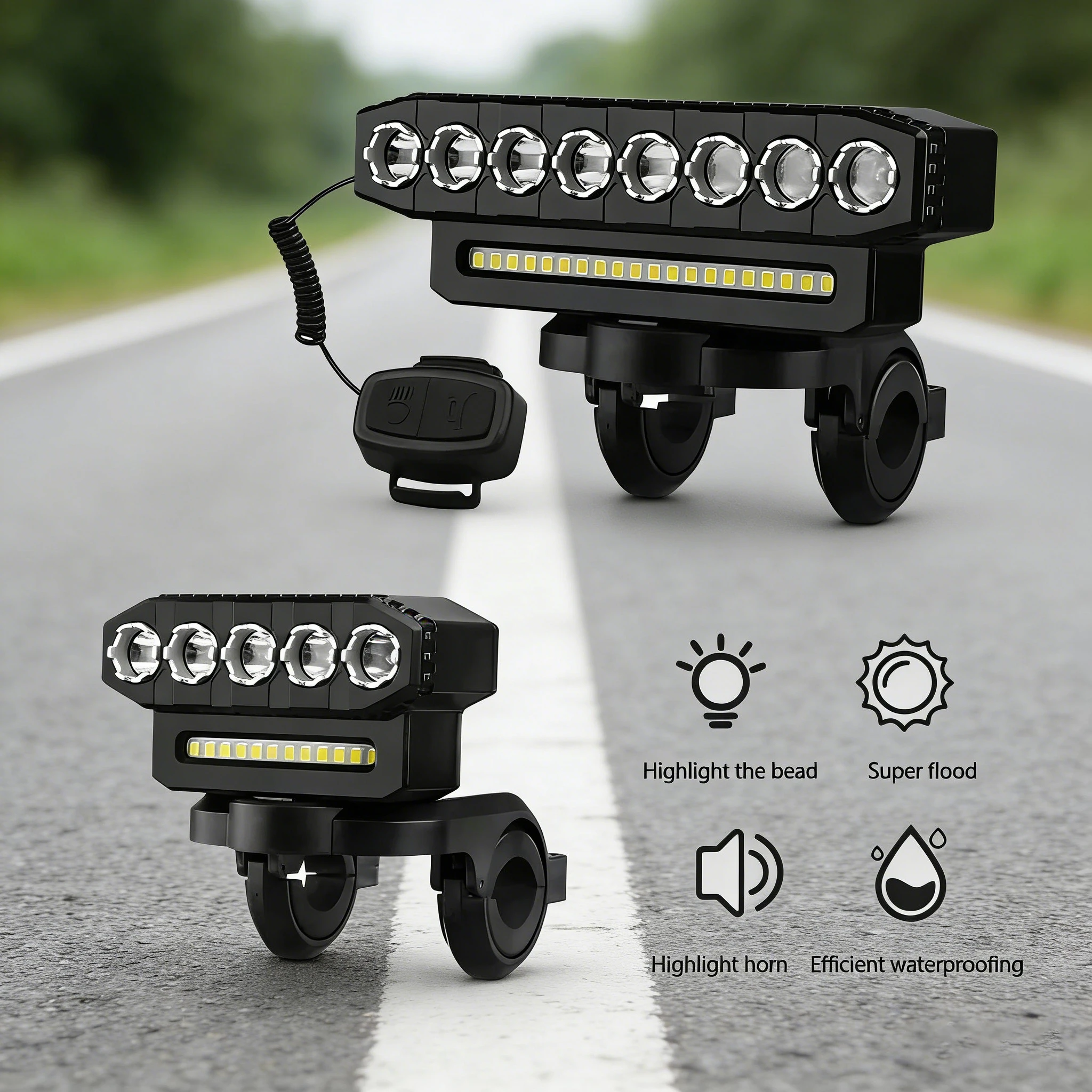
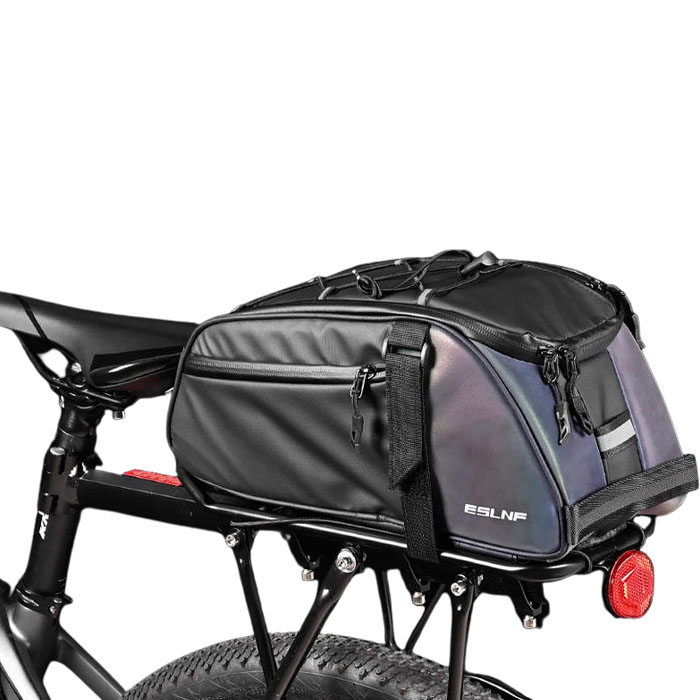
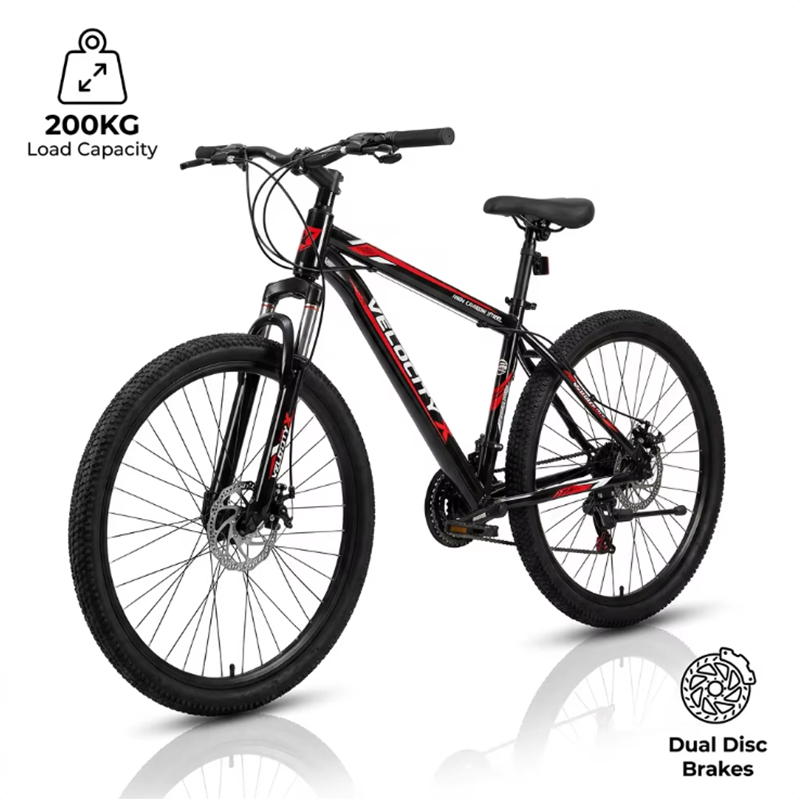
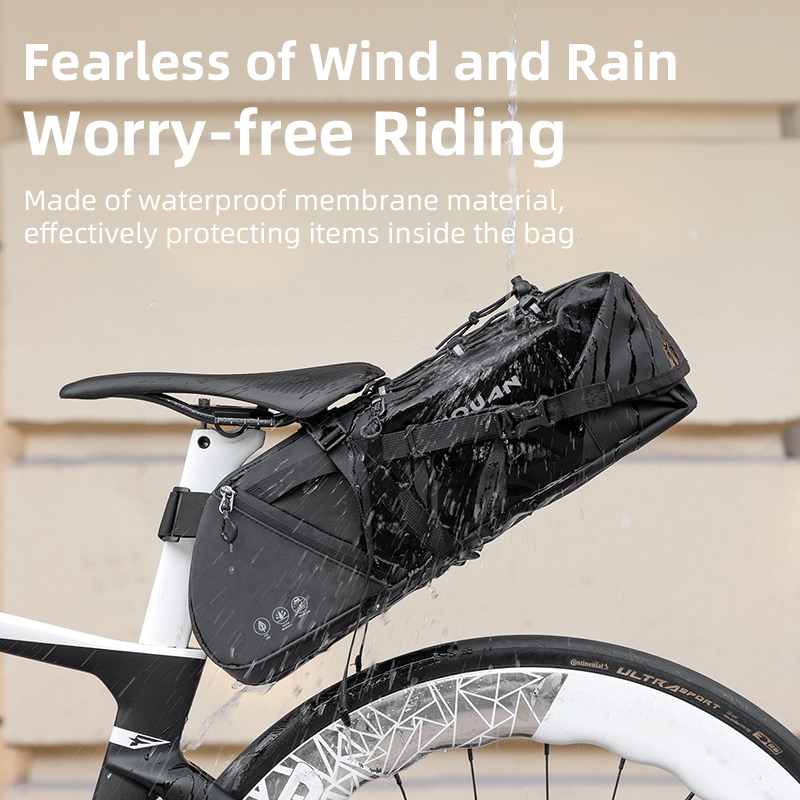
The global bicycle accessory market has undergone a definitive paradigm shift. What was once treated as low-barrier aftermarket consumer plastic has transformed into a safety-critical, highly regulated category driven by micro-mobility electrification, high-speed commuter bikes, and stringent international liability standards. Sourcing teams from Tier-1 retail brands and independent cycling distributors across Europe, North America, and Oceania can no longer afford to treat accessory procurement as passive transactional spot-buying. Navigating China's industrial manufacturing clusters requires deep technical insight into bill-of-materials (BOM) transparency, automated manufacturing capabilities, and laboratory verification.
Located in Jinhua, Zhejiang—one of the world's most concentrated industrial nodes for precision hardware, aluminum hydroforming, micro-electronics assembly, and synthetic polymer molding—our manufacturing ecosystem represents the cutting edge of export-grade cycling gear. When evaluating China best bike accessories manufacturers & suppliers, procurement directors must look past generic export catalogues and inspect root engineering capabilities: CNC spindle threading, internal lithium BMS (Battery Management System) architecture, waterproof ultrasonic welding, and accredited destructive testing.
Commercial-grade cycling pedals demand heat-treated chromoly (Cr-Mo) steel spindles machined on multi-axis CNC turn-mill stations. Advanced anti-corrosive electroplating guarantees over 72 hours of neutral salt spray testing without pit degradation.
Strict German StVZO road regulations and ISO 6742 standard compliance require razor-sharp light cut-off lines on bicycle front lamps. Advanced optical internal reflection (TIR) prevents blinding oncoming traffic while achieving up to 3250 verified lumens.
Modern bikepacking luggage and frame panniers demand true IPX6 or IPX7 waterproof performance. We replace vulnerable stitch seams with High-Frequency (HF) radio-frequency welding across 500D/840D TPU-coated composite fabrics.
A granular matrix illustrating the mechanical, electronic, and quality control disparities between verified, onsite-inspected OEM manufacturers and unverified spot-market suppliers.
| Evaluation Parameter | Certified Production Facility (Kenus Verified Baseline) | Conventional Spot Trading / Tier-3 Asymmetric Assembly | Compliance Verification Protocol |
|---|---|---|---|
| Optoelectronic Lighting (Lumen & Driver) | Constant-current IC regulation with NTC thermal throttles; Samsung/Cree LED emitters; True ANSI FL-1 lumen output. | Direct resistive drivers; unregulated flux decay; exaggerated nominal lumen claims (300% inflation). | CE EMC / RoHS Verified (Report SIT250212230201ER) |
| Lithium Battery Safety & Ingress | Grade-A 18650/21700 cells; integrated Dual-MOS BMS protection; ultrasonically sealed IP64/IP67 housings. | Refurbished 18650 cells without PCB cut-offs; standard silicone gaskets prone to moisture ingress. | UN38.3 • PSE Certified (METI Japan Compliant) |
| Pedal Bearing Mechanics & Torsion | CNC 9/16" 4130 Cr-Mo Spindles; sealed LLU cartridge bearings + self-lubricating DU bushings; >1.5 million cycle test. | Cast carbon-steel axles; loose ball-bearing configurations; unground bearing cups resulting in lateral play. | ISO 4210-8 Safety Test Impact & Fatigue Clearance |
| Saddle Structure & Polymer Rheology | Continuous DLP 3D liquid resin printing (variable lattice densities) or virgin nylon-composite bases; hollow Cr-Mo rails. | Reclaimed post-industrial PVC foams glued to non-heat-treated wire bases; rapid sag and embrittlement. | Dynamic Fatigue Test 200,000 Cyclical Impacts @ 100kg |
| Bikepacking Fabric Tensile Integrity | Cold-resistant eco-friendly TPU & 840D ripstop nylon; welded seamless radio-frequency bonds; zero needle punctures. | Low-grade PVC coatings that release phthalates and crack at temperatures below -5°C; needle stitched. | Hydrostatic Head Test >15,000mm H2O Resistance |
Comprehensive market intelligence analyzing where B2B buyers must allocate capital, manage SKU risks, and streamline vendor matrices over the next five fiscal cycles.
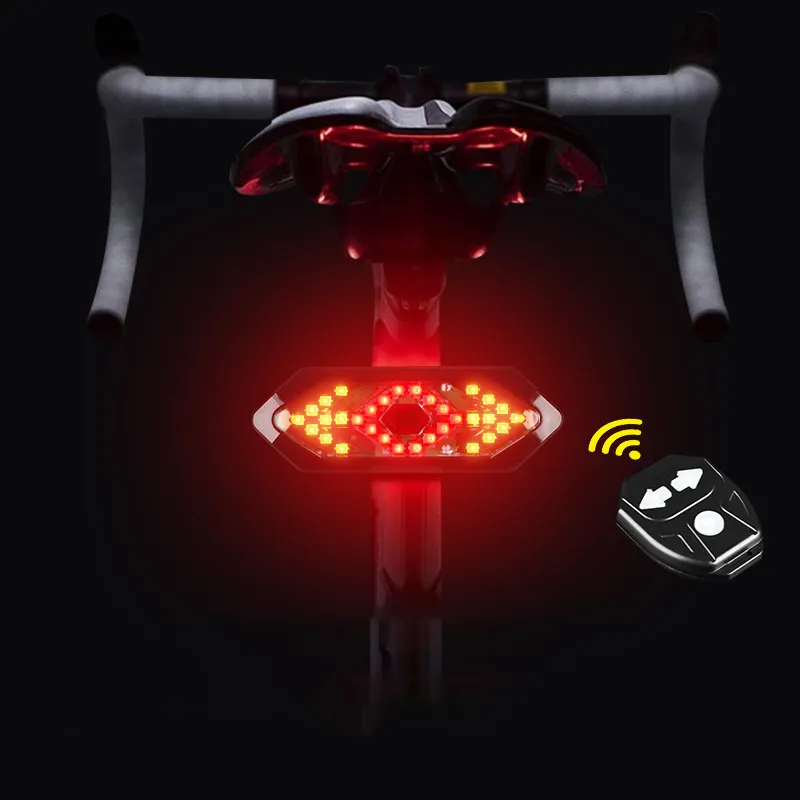
Bicycle illumination is shifting rapidly from manual switches to intelligent multi-sensor nodes. Accelerometer-driven brake sensing, 24GHz mmWave rear proximity detection, and universal e-bike step-down voltage compatibility (6V–85V) represent high-margin procurement categories.
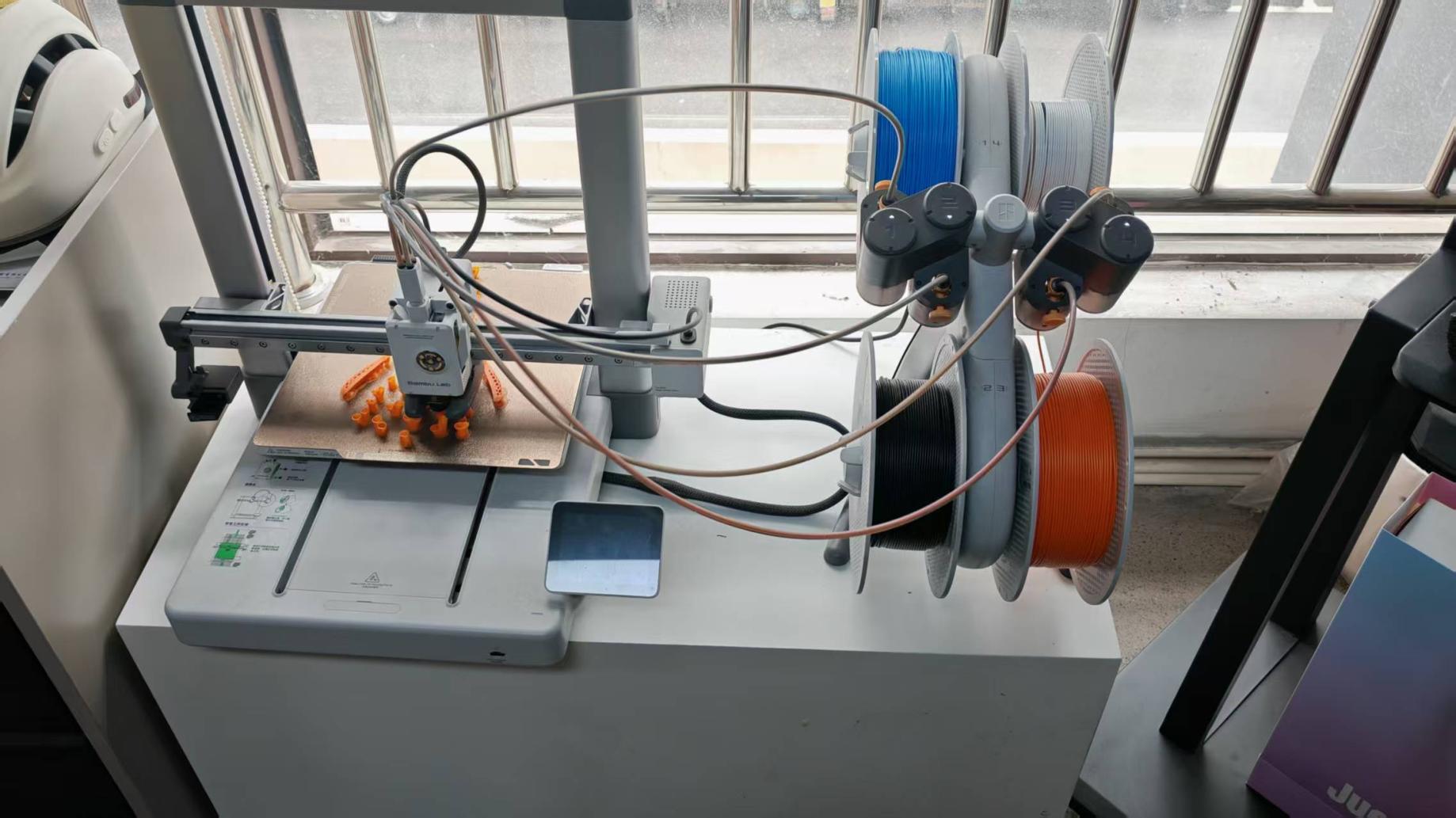
Digital Light Synthesis (DLS) and continuous liquid interface production have moved from prototyping into full-scale mass production. Honeycomb matrix saddles eliminate soft-tissue nerve compression, reduce mass, and allow localized custom rebound stiffness.
With the European Union tightening REACH SVHC directives and mandatory Corporate Sustainability Due Diligence, procurement managers are transitioning away from PVC to closed-loop recycled nylon composites and biodegradable TPU polymers.
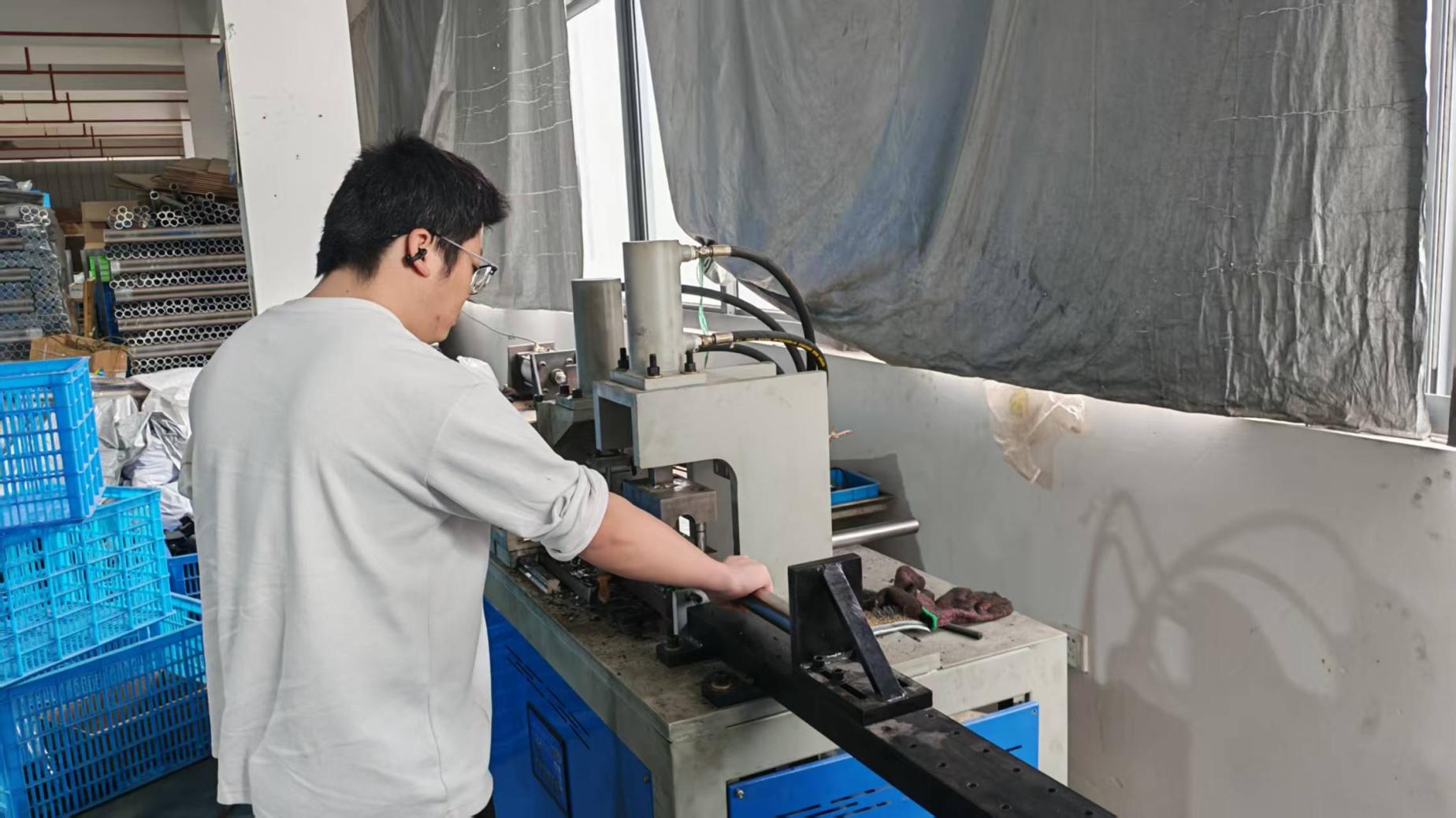
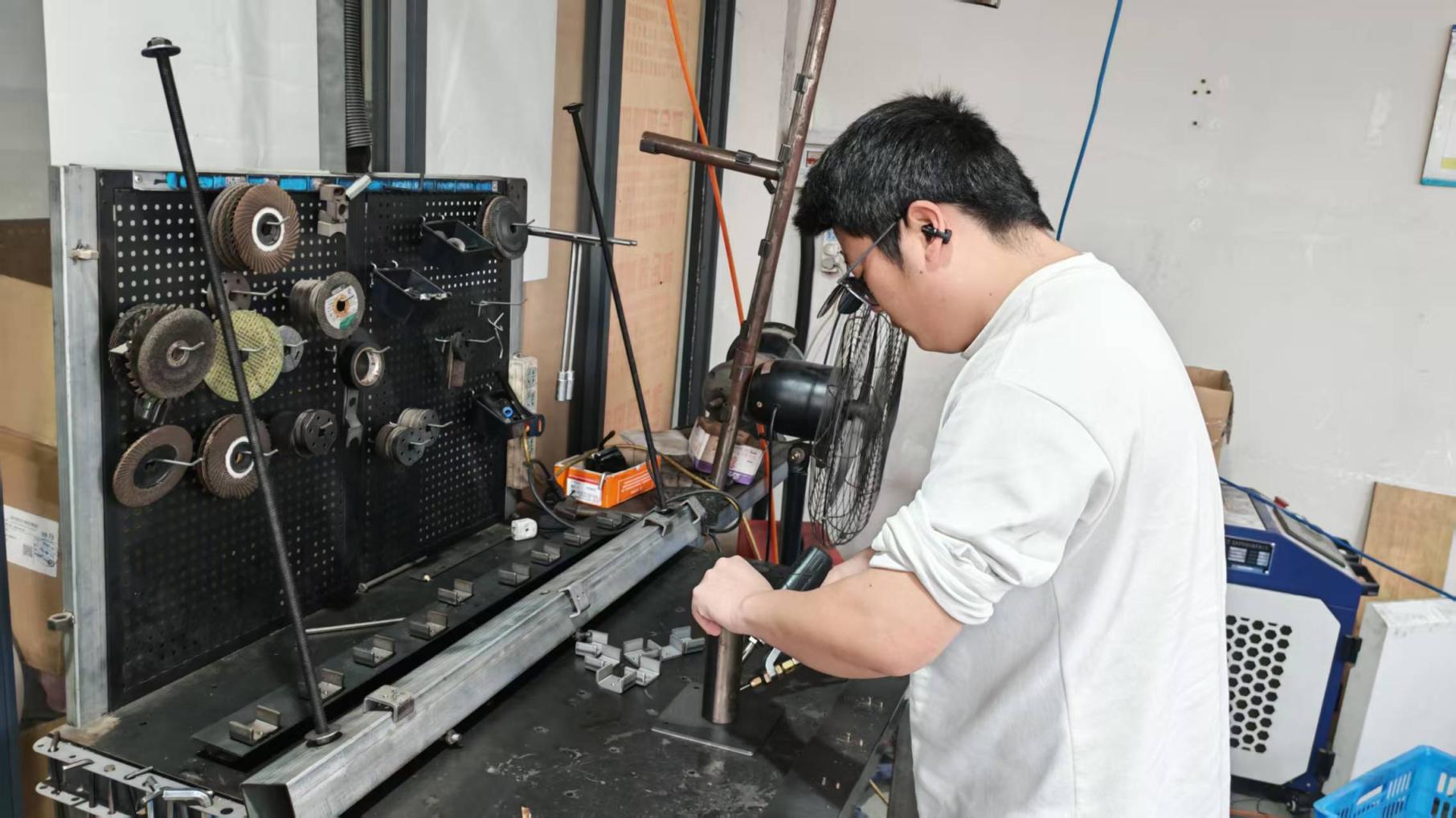
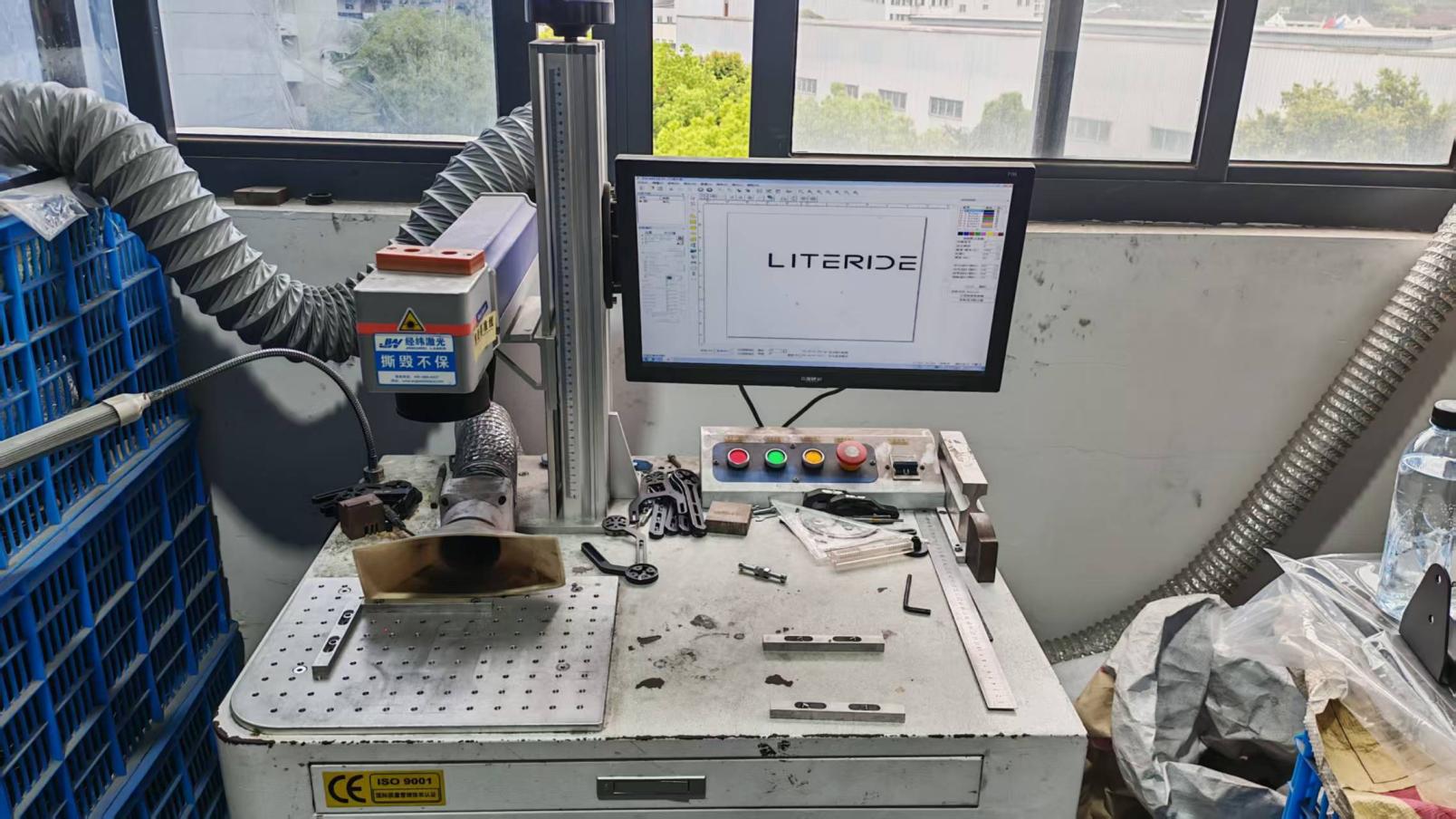
Modern cycling supply chains cannot withstand the overhead of managing 30 fragmented small-shop suppliers across separate accessories. Maintaining distinct purchase orders, tracking freight consolidation, and verifying chemical documentation across discrete sources creates extreme supply chain vulnerability. High-growth cycling brands consolidate their catalog with integrated suppliers capable of executing in-house metal forming, tube swaging, automated welding, laser marking, and electronics assembly under a unified ISO-monitored Quality Management System.
Combining verified in-house tube reduction, drilling, laser marking, and final assembly with a deep regional supply chain in Jinhua, Zhejiang.
Kenus Intelligent Technology Co., Ltd. operates an onsite-assessed manufacturing hub audited independently by TÜV Rheinland. We bridge the gap between heavy industrial mechanical tooling and rapid-iteration consumer cycling goods.
Rather than functioning as a non-manufacturing export broker, our verified production lines execute precision tube reduction processing, tube constrictor operations, dual-station drilling, robotic welding, laser branding, and in-line optoelectronic testing. This allows brand managers to customize physical tube wall thicknesses, bracket tolerances, and surface anodizing directly from CAD/STEP drawings.

Critical answers addressing minimum order thresholds, certification authenticity, custom tooling, and supply chain logistics for enterprise volume buyers.
Direct factory pricing, verified TÜV Rheinland compliance, precision rapid prototyping, and flexible OEM customization. Contact our engineering and commercial accounts team today to initiate sample requests, receive volume price schedules, or request comprehensive audit reports.