IPX6–IPX8
Ingress Protection Grade
100%
High-Frequency Seam Welded
50+
Global Export Destinations
TÜV Assessed
Factory Verified Reliability
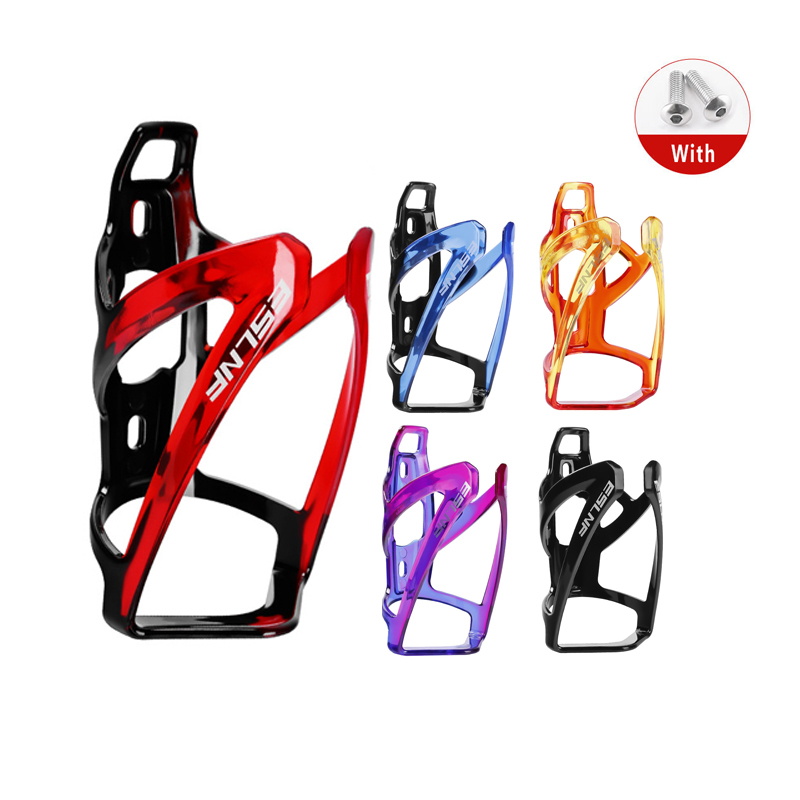
Featured Export Portfolio & Direct Factory Hardware
Verified manufacturing supply chain covering waterproof luggage, ergonomic cockpits, lighting systems, and durable riding accessories.
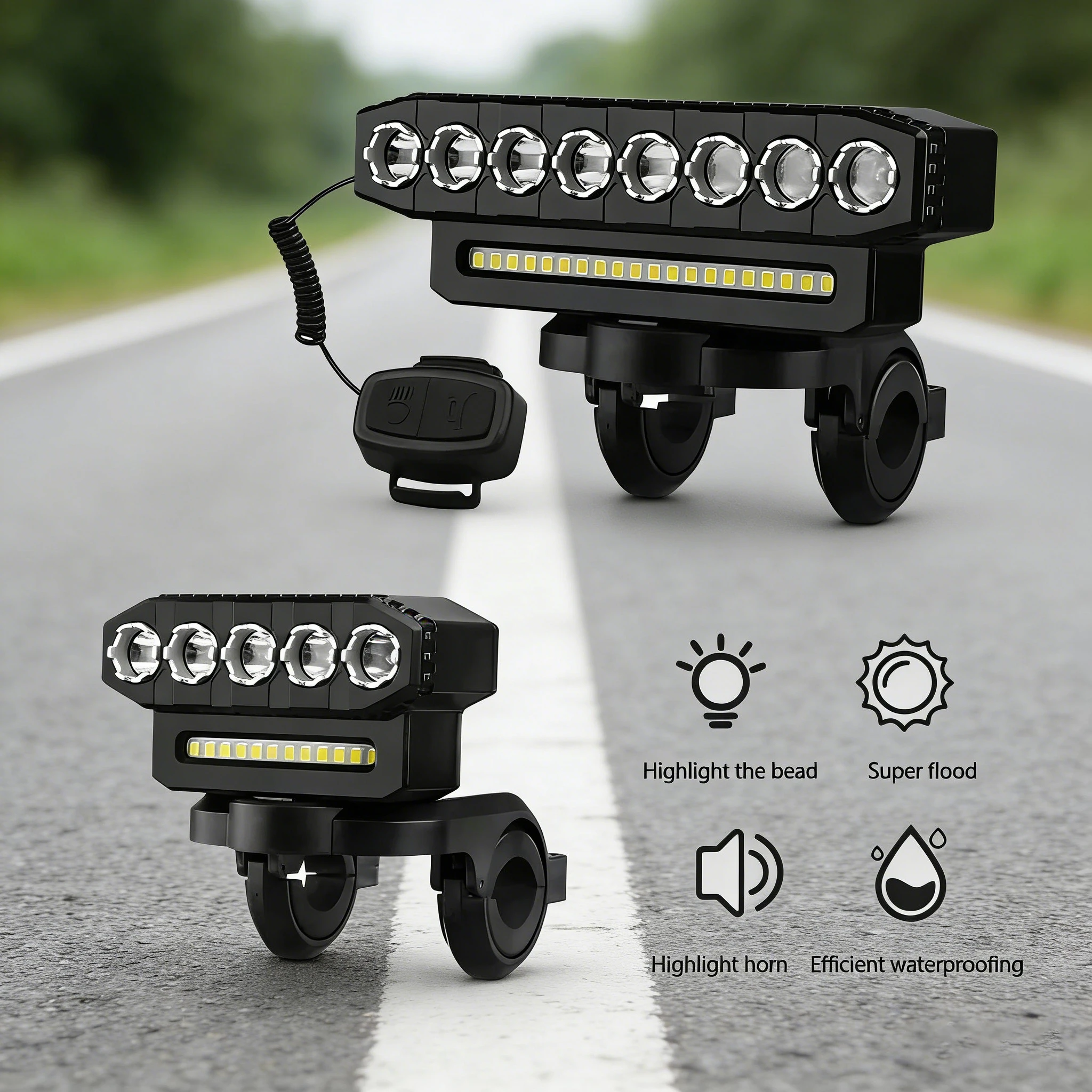
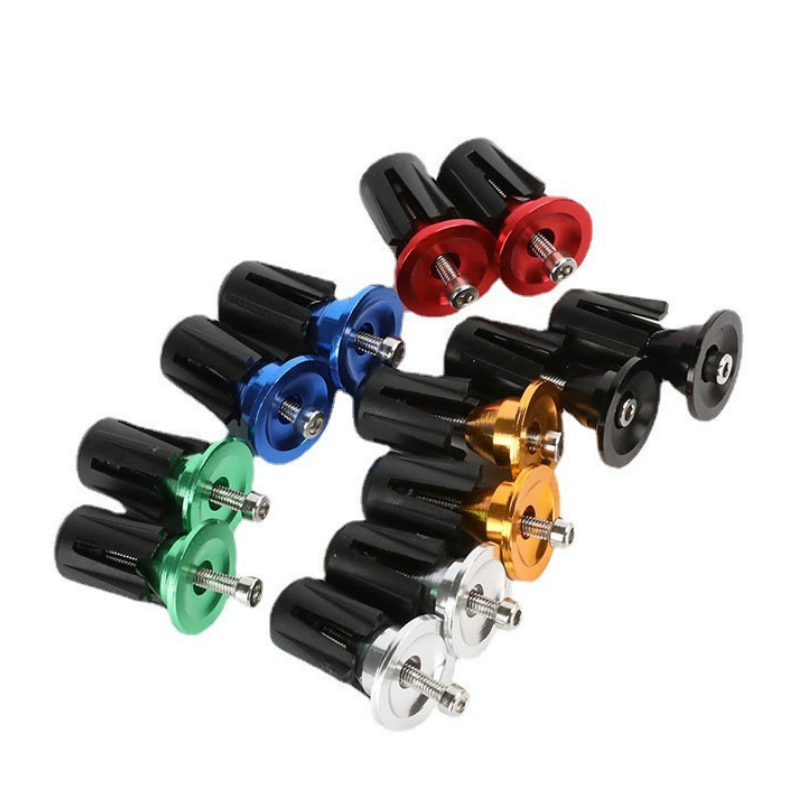
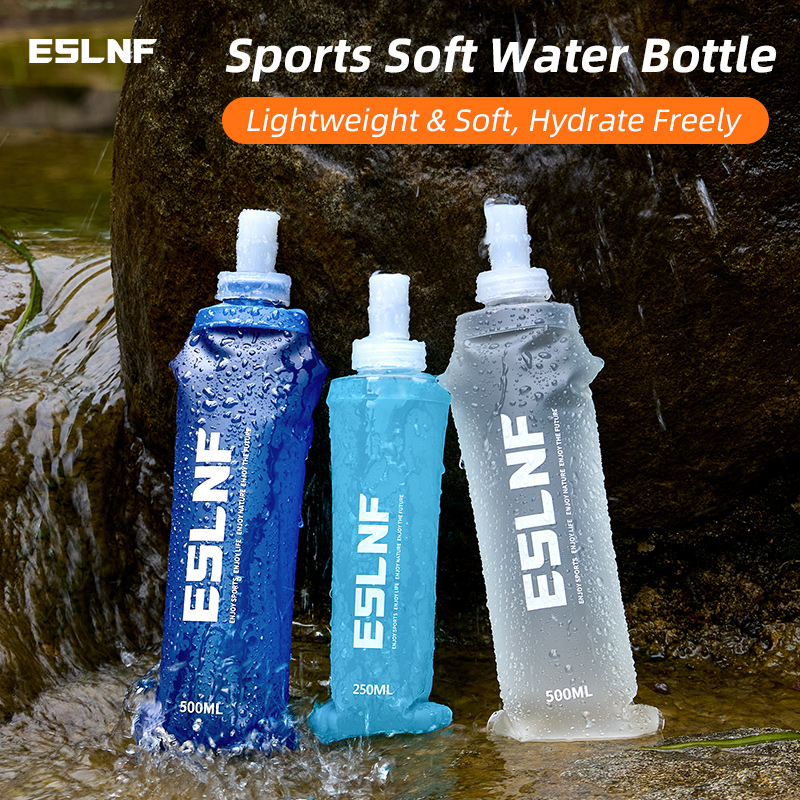
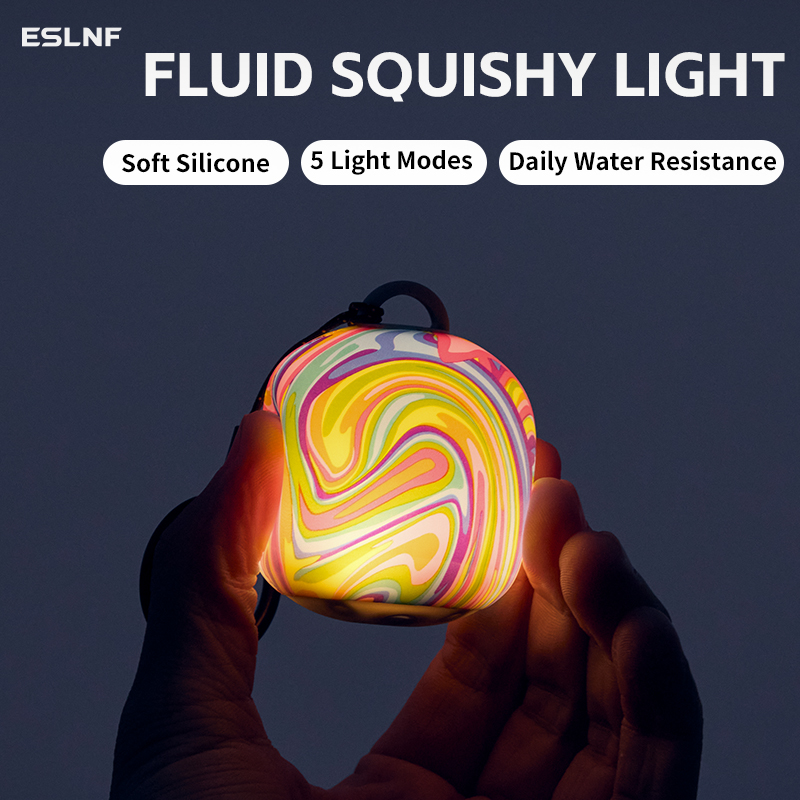
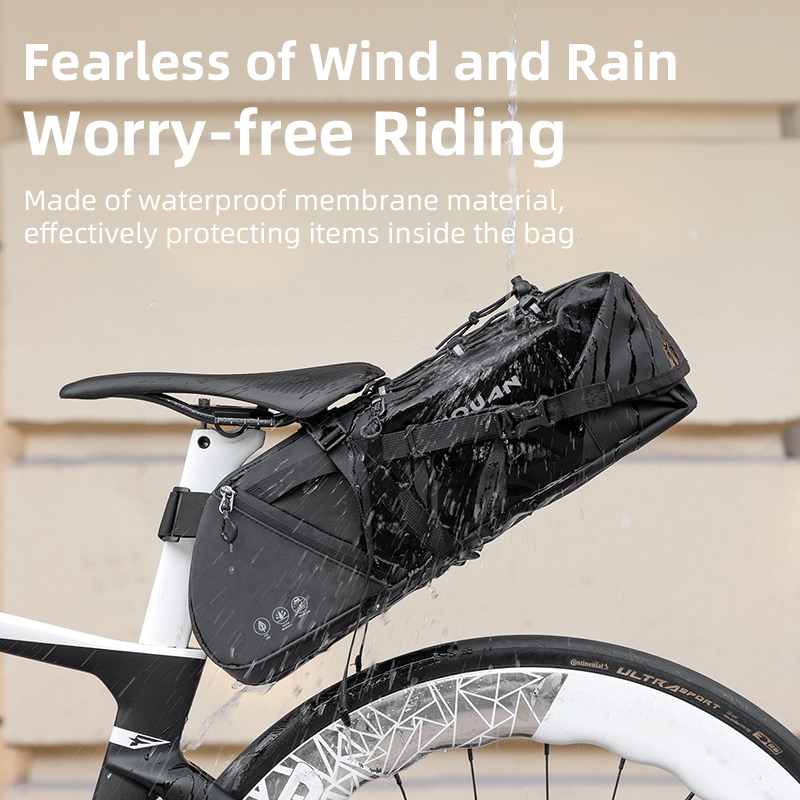
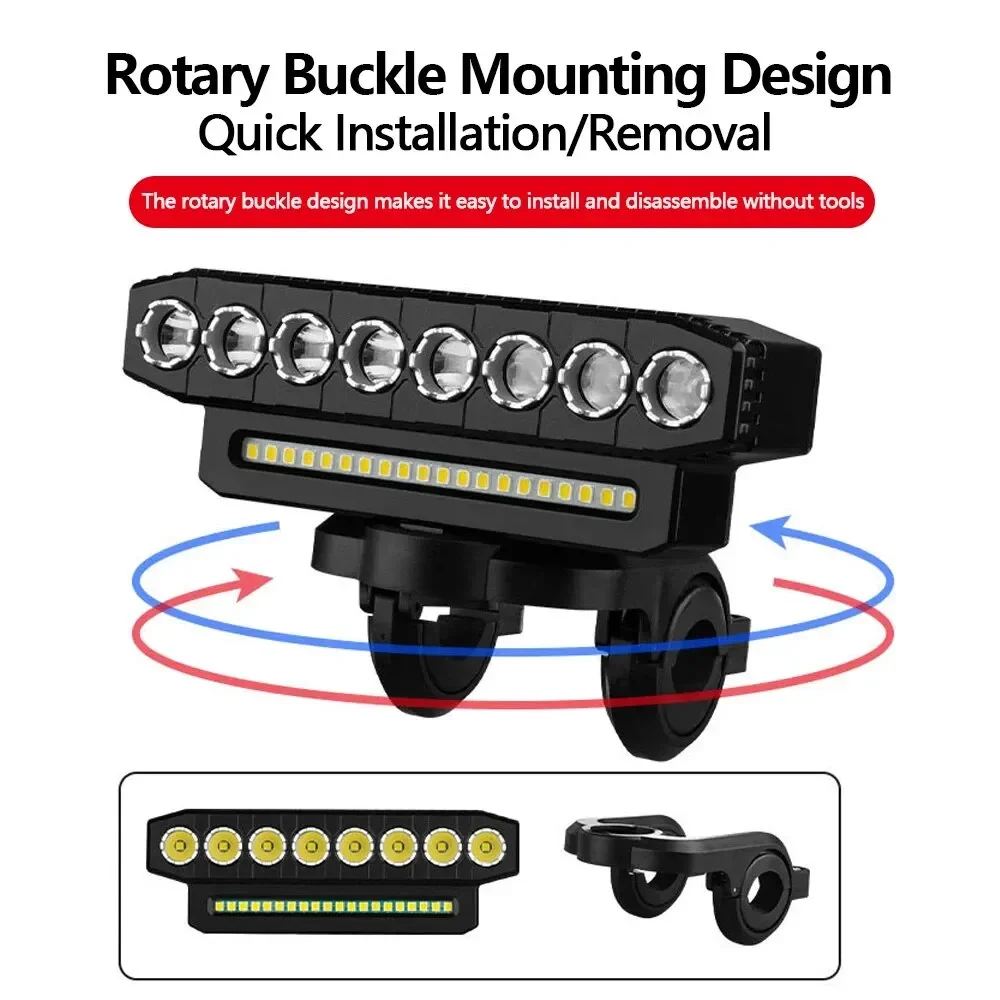
Global Procurement Engineering: The Technical Anatomy of Waterproof Bike Bags
As commercial procurement teams, brand distributors, and outdoor supply conglomerates seek competitive positioning in the micro-mobility sector, sourcing from China's leading industrial clusters has evolved beyond basic cost metrics. The demand for ruggedized, all-weather bikepacking and commuting gear has established technical standards where true waterproofing (IPX6 through IPX8) dictates market viability. Today, reputable manufacturers and specialized export groups differentiate themselves through advanced materials science, hermetic bonding mechanisms, and lifecycle-tested ergonomics.
Traditional cut-and-sew manufacturing methods rely on needle punching, which introduces micro-perforations across every inch of the structural seams. Even when treated with post-process thermoplastic tape seams, adhesive fatigue inevitably occurs under cyclically shifting payload stresses and persistent ultraviolet radiation. Modern Tier-1 exporters utilize High-Frequency (HF) Radio-Frequency (RF) Dielectric Welding alongside Ultrasonic Hot-Air Lamination. These bonding methods fuse TPU (Thermoplastic Polyurethane) or heavy-duty PVC films at the molecular level, creating a unified barrier impervious to capillary moisture penetration, torrential downpours, and dynamic wheel spray.
Hydrostatic Head Ratings
Exceeding 10,000mm to 20,000mm H2O, maintaining total dry performance during persistent driving rains and high-speed off-road terrain spray.
Airtight & Waterproof Zippers
Equipped with IP67-rated polyurethane extruded teeth or dual-layered PVC storm baffles combined with hypalon pull tabs for zero atmospheric transfer.
Structural TPU Composite Shells
Abrasion-resistant 420D to 840D ripstop nylon substrate back-coated with double-sided polyether TPU for maximum flex life and cold-crack tolerance.
Technical Specification Benchmarks for Global Importers
When engineering an OEM bike luggage catalog, procurement officers must align component choices with specific consumer applications—ranging from daily urban commuting to unsupported multi-day continental gravel expeditions. The following engineering matrix outlines the technical parameters applied across our export lines:
| Substrate Material | Bonding Technology | Protection Rating | Tensile / Tear Strength | Ideal B2B Product Vertical |
|---|---|---|---|---|
| 840D Double-Sided TPU Nylon | High-Frequency RF Welding | IPX7 (Submersion Safe) | > 2800 N / 320 N | Bikepacking Seat Packs & Heavy-Duty Panniers |
| 600D Polyether TPU Laminate | Ultrasonic Seam Fusion | IPX6 (Torrential Spray) | > 2100 N / 240 N | Handlebar Roll Bags & Front Aerobar Barrels |
| 420D Ripstop TPU Compound | Thermowelded Baffling | IPX6 (Dust & Torrential) | > 1650 N / 190 N | Ultralight Top Tube & Internal Frame Bags |
| 500D Coated Industrial Tarpaulin | Hot Wedge Pressure Fused | IPX5 to IPX6 | > 2400 N / 280 N | Urban Courier & Commuter Messenger Cargo Packs |
Future Sourcing Trends: The Next 3–5 Years in Bicycle Accessories Procurement
The global bicycle accessory industry is undergoing an unprecedented shift driven by changing commuter dynamics, the worldwide adoption of micro-mobility e-bikes, and international corporate decarbonization mandates. B2B importers who proactively adapt their catalogs to these emerging product lifecycle evolutions gain significant market share and superior gross margins.
1. E-Bike Integration & Frame Geometries
With down tubes housing massive 500Wh–750Wh lithium batteries, conventional frame bag triangle mounting configurations are rendered obsolete. Future-ready exporters are developing universal modular strap harness systems, off-center quick-release brackets, and reinforced battery-carrying lower compartments capable of supporting static weight loads above 8 kg without frame abrasion.
2. Decarbonization & Circular Polymers
Driven by strict European EPR (Extended Producer Responsibility) laws, global buyers are systematically moving away from unrecyclable, toxic plasticized PVC. The future belongs to post-consumer GRS-certified (Global Recycled Standard) rPET woven shells laminated with solvent-free, bio-based aliphatic TPU, cutting cradle-to-gate carbon footprints by up to 42%.
3. Smart Electronics Consolidation
The intersection of bike bags and active electronics is rapidly accelerating. Forward-thinking brands are sourcing waterproof handlebar and frame bags that feature integrated low-profile solar charging films, internal channels for external battery integration to power high-lumen bike lights, and discreet internal pockets tailored for tracking tags like Apple AirTags or Tile devices.
4. Aerodynamic & Gravel-Specific Contours
Wind tunnel testing has moved beyond frames and wheelsets into luggage accessories. Contemporary riders prioritize slim, tapered top tube bags and aerodynamically contoured saddle bags that optimize boundary-layer airflow while eliminating inner-thigh friction during high-cadence pedaling maneuvers.
5. Mechanical Multi-System Modularity
Consumers now favor multi-use accessories. Handlebar bags must instantly convert into crossbody satchels or shoulder slings via stowable straps; saddle bags must feature modular dry-bag roll-tops that can be detached from the main mounting harness in under 3 seconds using quick-cam magnetic buckles (e.g., Fidlock-compatible architectures).
Verified Manufacturing Excellence: The Kenus Industrial Edge
Kenus Intelligent Technology Co., Ltd. is an established industrial manufacturer based in Jinhua, Zhejiang—one of China's most advanced supply chain epicenters for cycling hardware, precision tooling, and export infrastructure. Our factory integrates comprehensive production capabilities under a strictly audited quality management system.
TÜV Rheinland Assessed: Independently inspected factory, production capacity, and legal compliance.
Full In-House Metal & Assembly: Tube reduction, welding, laser marking, and final line assembly control.
Market Compliance Ready: Documented CE, RoHS, PSE (Japan), and EMC laboratory test reports.
Rapid Prototyping: Internal 3D printing and CAD engineering to produce working samples prior to tooling.
Global Export Reach: Serving established importers across Western Europe, North America, and Oceania.
Flexible MOQs: Low order volume barrier for custom logo branding and sampling validation programs.

Frequently Asked Questions: Global Sourcing & Procurement
Essential operational and compliance clarity for international purchasing managers and supply chain directors.
What distinguishes IPX6, IPX7, and IPX8 ratings in bike bags?
IPX6 ensures resistance to heavy, high-pressure water streams and severe wheel spray from any direction, making it standard for high-performance cycling luggage. IPX7 validates full immersion protection in water up to 1 meter depth for 30 minutes, requiring airtight waterproof pressure zippers. IPX8 indicates continuous underwater protection under deeper conditions specified by the client, ideal for extreme marine or river-crossing expeditions.
What are your typical OEM/ODM minimum order quantities (MOQ)?
Standard stock items and trial evaluation units start as low as 2 pieces for verified corporate distributors. For private-label custom branding (laser marking, silk screening, or high-frequency debossing), MOQs generally begin at 100 to 500 units depending on raw fabric customization and hardware coloration requirements.
How does high-frequency welding compare to taped-seam sewing?
Sewing pierces the fabric repeatedly with needles, relying on glued PU seam-tape that degrades under heat, UV exposure, and continuous flex stress over time. High-frequency RF welding uses electromagnetic energy to agitate and fuse polar molecules in TPU or PVC materials, resulting in a single hermetically sealed seam with zero needle holes and significantly superior mechanical tear resistance.
Are your production facilities verified by third-party audit firms?
Yes. Kenus Intelligent Technology Co., Ltd. has undergone comprehensive onsite assessment by TÜV Rheinland. The audit covers legal enterprise verification, workshop and assembly line verification, in-line QA/QC testing capability, export documentation authenticity, and staff operating conditions. Official inspection reports are available for client supplier validation dossiers.
Which regulatory documentation do you furnish for western markets?
Our electronics and active accessory lines maintain CE certificates (e.g., SIT230614230201E), RoHS compliance declarations (SIT240417230101R / SIT24041230101R), Japanese PSE certifications (SIT240226230301P), and EMC verification reports. For technical fabrics, material safety certificates and REACH compliance declarations are available upon specification.
What is your production lead time from sample sign-off?
Rapid 3D prototyping and pre-production physical samples are delivered within 5 to 10 working days. Upon final engineering sign-off and PO deposit confirmation, mass batch manufacturing runs range between 25 and 40 calendar days, supported by direct proximity to primary Ningbo and Shanghai maritime container terminals.
Ready to Engineer Your Next Generation Cycling Line?
Connect with our technical engineering and OEM export account team today. Receive comprehensive product catalogs, custom dimension blueprints, material swatches, and direct factory pricing quotes.
Inquire Now