Featured Bicycle Signaling & Core Accessory Lineup
Engineered under strict ISO9001 and automotive-grade inspection protocols. Every signaling module and peripheral undergoes automated optical testing, drop-impact stress validation, and IPX-certified ingress waterproofing.
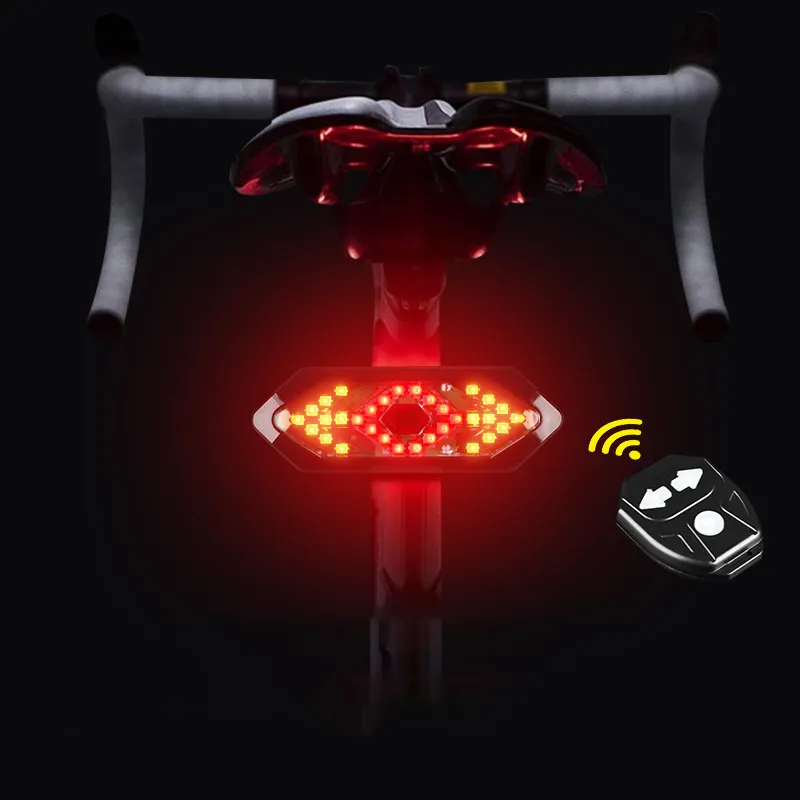
ESLNF Bike Turn Signal Light Smart Remote Switch Wireless LED Tail With Alarm
- 2.4GHz Wireless Frequency Remote Control
- 120dB High-Decibel Motion Triggered Alarm
- High-Lumen Amber SMD Sequencing LEDs
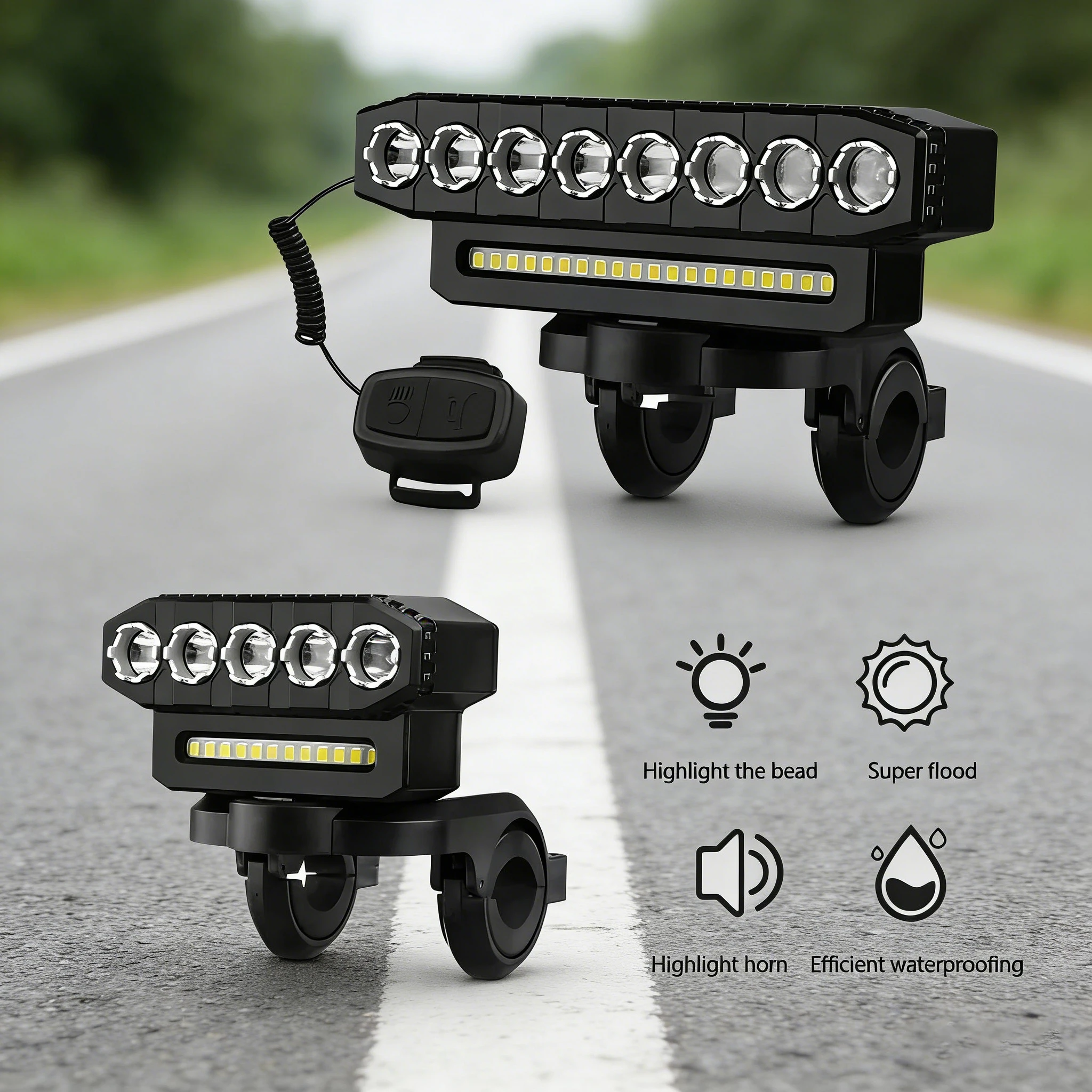
New USB Charging Bicycle Lights Mountain Bike High Bright Horn Lights
- Dual Beam Anti-Glare Collimating Optics
- Integrated 130dB Electric Acoustic Warning
- USB Type-C Fast Charge Power Circuit
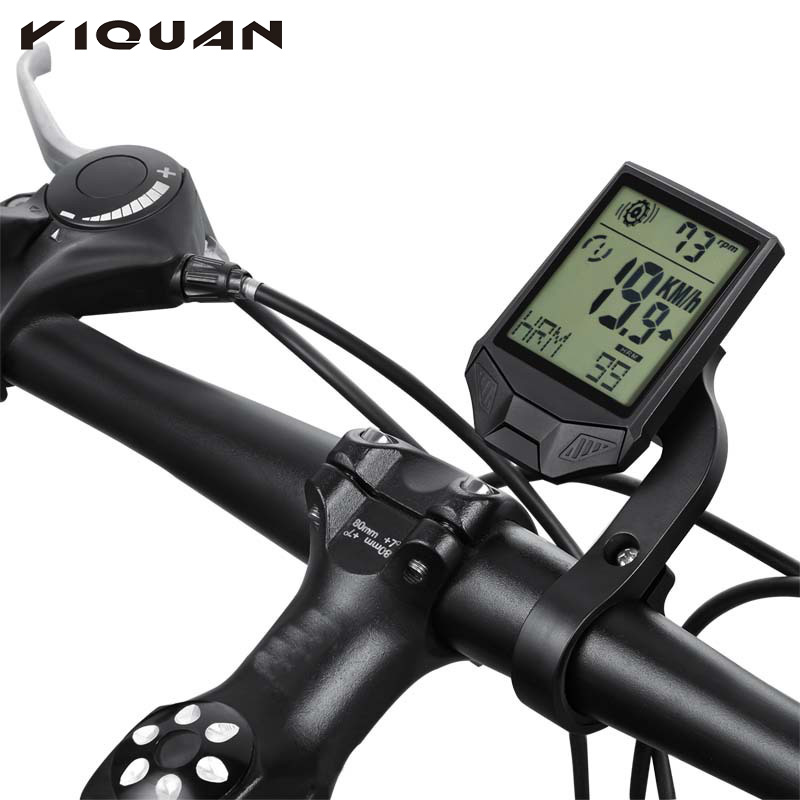
Wireless Waterproof Multi-Functions Bike Computer Speedometer Odometer
- Precision Dual-Channel Magnetic Induction
- IPX7 Full Water Ingress Hermetic Housing
- Anti-Interference FSK Low-Power Protocol
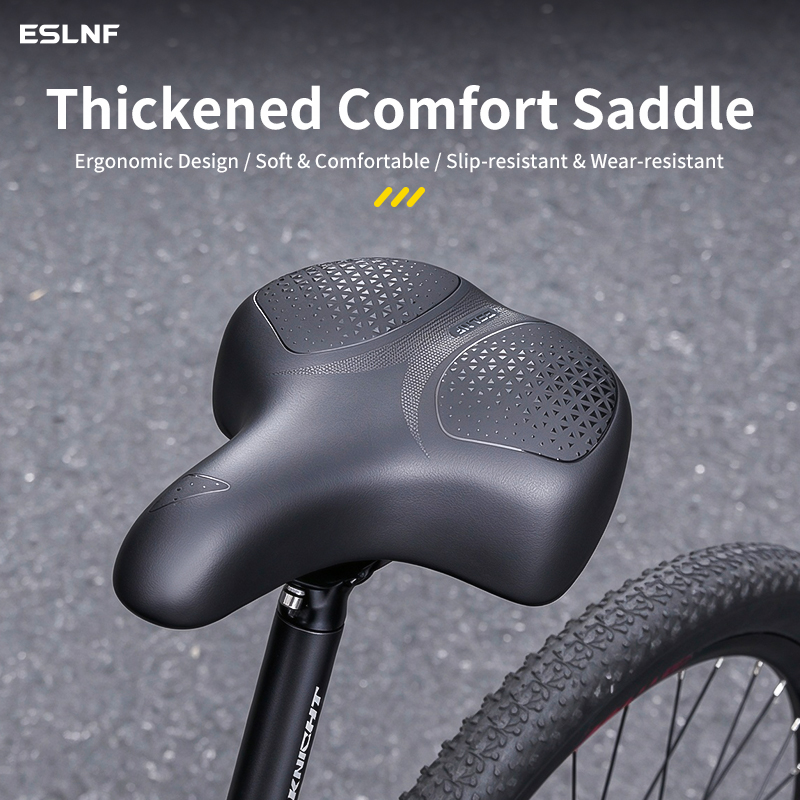
ESLNF Bicycle Saddle High Elastic Rebound Bike Saddle Soft Padded Seat
- Dual Elastomer Shock-Dampening Suspension
- High-Density Anatomical Memory Foam
- Tail-Light Ready Universal Mounting Track
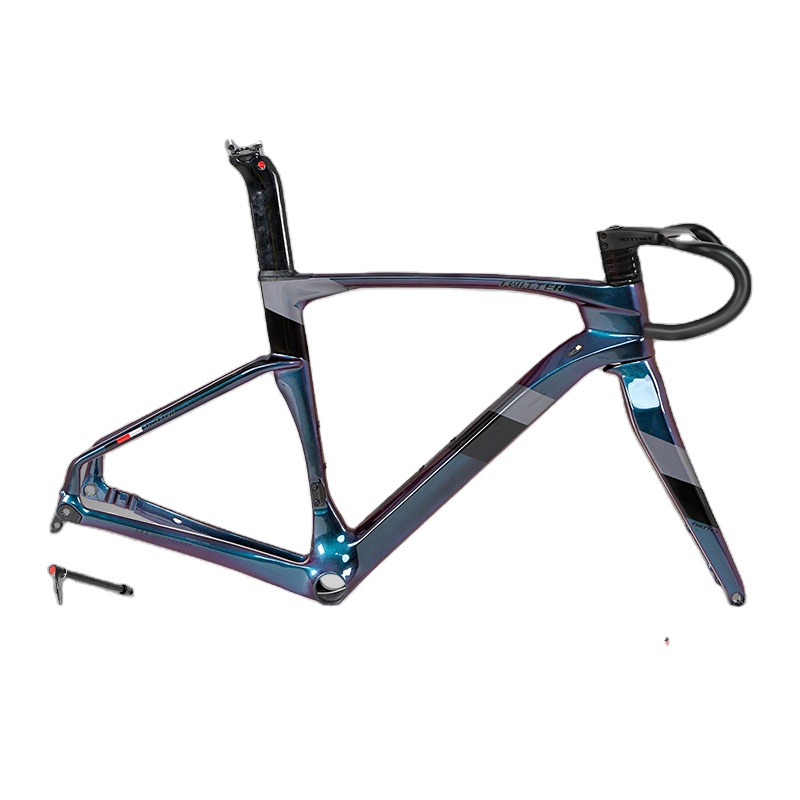
ESLNF Holographic Carbon Fiber Bicycle Frameset With Thru Axle
- High-Modulus Toray T800 Carbon Layup
- Fully Integrated Internal Wire/Cable Ports
- Precision CNC Thru-Axle Dropout System
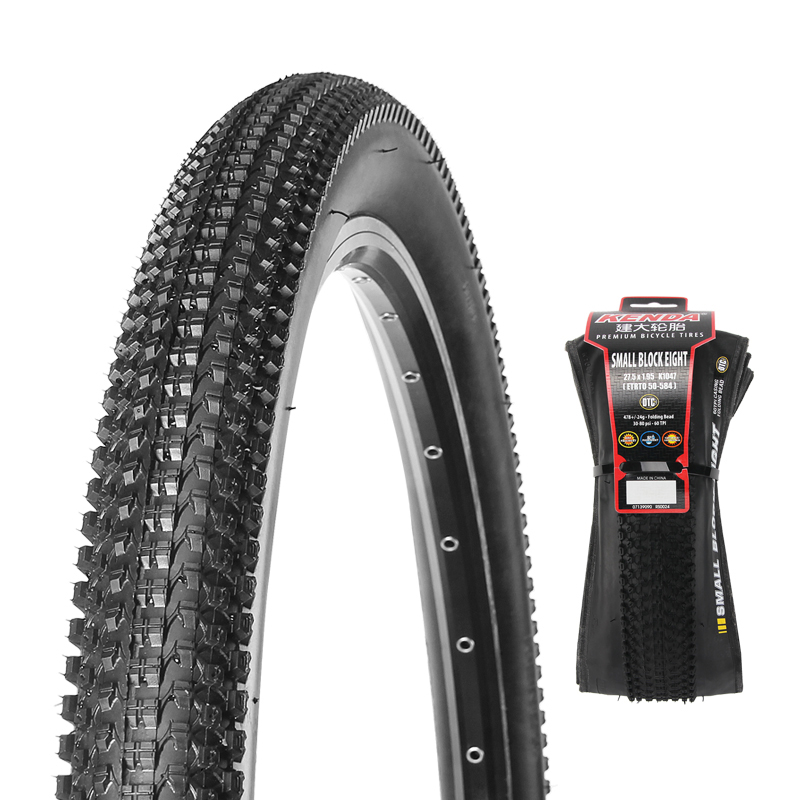
60TPI Casing Folding High-Traction Fat Bike Tire Wholesale
- 60 TPI Supple Anti-Puncture Protective Ply
- Foldable Aramid Lightweight Bead Edge
- E-Bike High Torque Certified Compound
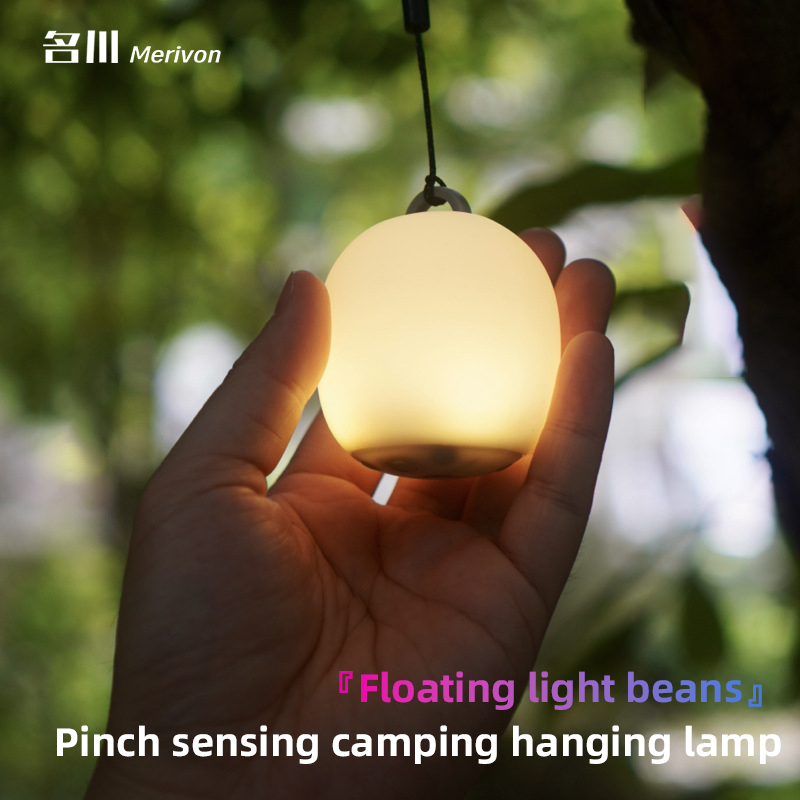
Floating Bean LED Camping Light Pinch Sensor Atmosphere Light IP55
- Capacitive Tactile Pinch Dimming Control
- Food-Grade Soft Diffusion Silicone Body
- IP55 Weatherproof Outdoor Campsite Utility
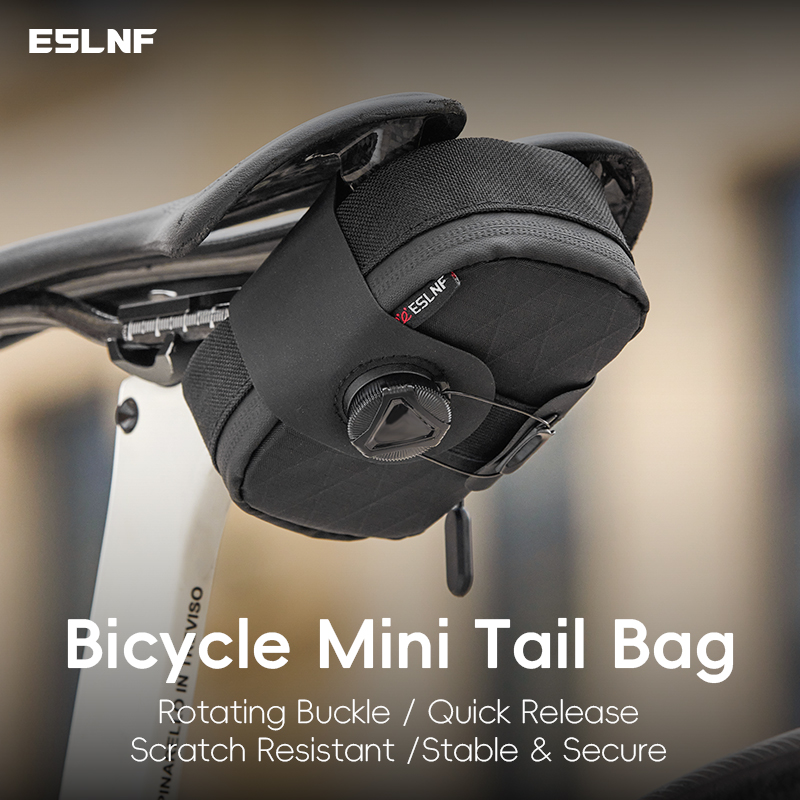
ESLNF Waterproof Durable Nylon Bicycle Tail Saddle Bag
- Seamless High-Frequency Heat Welded Seams
- Reinforced Quick-Release Buckle Structure
- Turn-Signal Tail Lamp Webbing Attachment
Engineering Architecture of High-Reliability Bike Turn Signals
Modern micromobility signaling demands strict compliance with global photometric distributions, wireless robustness, and structural hermetic sealing to ensure rider survivability in dense traffic.
Photometric Collimation & Beam Shaping
Unlike omnidirectional tail lights, turn indicators require precise lateral luminous cut-offs to prevent blinding trailing motorists while maintaining >85 candela output across a 110-degree field of view. Our engineering utilizes optical-grade polymethyl methacrylate (PMMA) total internal reflection (TIR) lenses coupled with Fresnel micro-prisms. This configuration maximizes luminous flux efficiency from surface-mount (SMD 3030) amber diodes, achieving compliant directional visibility up to 450 meters away in adverse meteorological conditions.
ECE R50 & StVZO TA23 PhotometryRF Signal Coexistence & Zero-Latency Remote
Urban signal interference from 5G base stations, Bluetooth devices, and Wi-Fi networks poses critical failure risks for handlebar remote triggers. Kenus designs its wireless architectures on dedicated 2.4GHz GFSK modulation protocols running frequency-hopping spread spectrum (FHSS) algorithms. Transmit latency is strictly capped under 18 milliseconds, guaranteeing instantaneous amber strobe activation. Dual paired cyclic redundancy checks (CRC) eliminate false triggering caused by nearby cycling groups or automated radar detectors.
< 18ms Low-Latency 2.4GHz FHSSUltrasonic Sealing & IPX7 Ingress Mitigation
Capillary water ingress and condensation represent the primary cause of field returns in cycling electronics. Our production lines deploy automated ultrasonic hermetic welding along housing perimeters, paired with custom fluorosilicone O-rings and hydrophobic ePTFE vent membranes. These breathable membranes balance internal gas pressures during thermal cycling when high-output LEDs heat up and cool down, eliminating moisture accumulation and guaranteeing IP67 operational integrity under continuous jet wash testing.
IP67 Submersible Hermetic RatingStrategic Sourcing Trends for Global B2B Buyers (2025–2030)
How international regulatory updates, electric bicycle integration standards, and smart telemetry are reshaping supply chains for cycling illumination.
Direct E-Bike CAN/UART Integration
Standalone battery units are shifting toward consolidated, centralized e-bike drive systems. Importers are sourcing signaling systems operating on wide DC step-down rails (6V–60V) with native Bosch, Shimano, and Bafang CAN-bus protocol compliance.
6-Axis IMU Auto-Braking Algorithms
Regulatory bodies in Europe and North America increasingly mandate deceleration-triggered brake lighting. We integrate 6-axis MEMS inertial measurement units that accurately detect vehicle slowdown versus road vibrations, triggering an immediate 100% duty-cycle stop alert.
Integrated Acoustic Anti-Theft Defense
Procurement teams are bundling illumination with security. Multi-modal turn signals that house 115–125dB piezoelectric buzzers driven by vibration-sensing firmware eliminate the need for separate alarm devices, offering superior B2C consumer value.
Circular Plastics & Carbon Neutrality
European supply chain due diligence directives (CSDDD) require sustainable bill-of-materials. Kenus supplies housings manufactured from post-consumer recycled (PCR) polycarbonates, lead-free SMT solder paste, and plastic-free soy-ink retail packaging.
| Evaluation Parameter | Legacy Aftermarket Signals | Next-Gen Kenus OEM Architecture | Procurement Advantage |
|---|---|---|---|
| Optical Flux & Chromaticity | 15–30 Lm generic amber LED; scattered beam | 85+ Lm bin-selected Cree/Osram SMD; 590nm monochromatic | Meets StVZO / ECE R50 |
| Wireless Communication | 433MHz analog simplex (High crosstalk risk) | 2.4GHz FHSS with 64-bit encryption & bidirectional sync | Zero Jamming / Multi-Rider Safe |
| Battery Chemistry & Protection | Uncertified 18650/Li-po without temperature cut-off | Grade-A Li-Polymer cells with Seiko IC protection (OVP/UVP/OTP) | UN38.3 & UL1642 Compliant |
| Ingress Protection Standard | IPX4 snap-fit casing (Permeable to rain) | IP67 hermetic ultrasonic weld + fluorosilicone gasket | Zero RMA Warranty Claims |
| Braking Telemetry | None or mechanical switch dependent | Automated 6-Axis dynamic deceleration algorithm | High Consumer Perceived Value |
Kenus Intelligent Technology: Verified B2B Manufacturing Engine
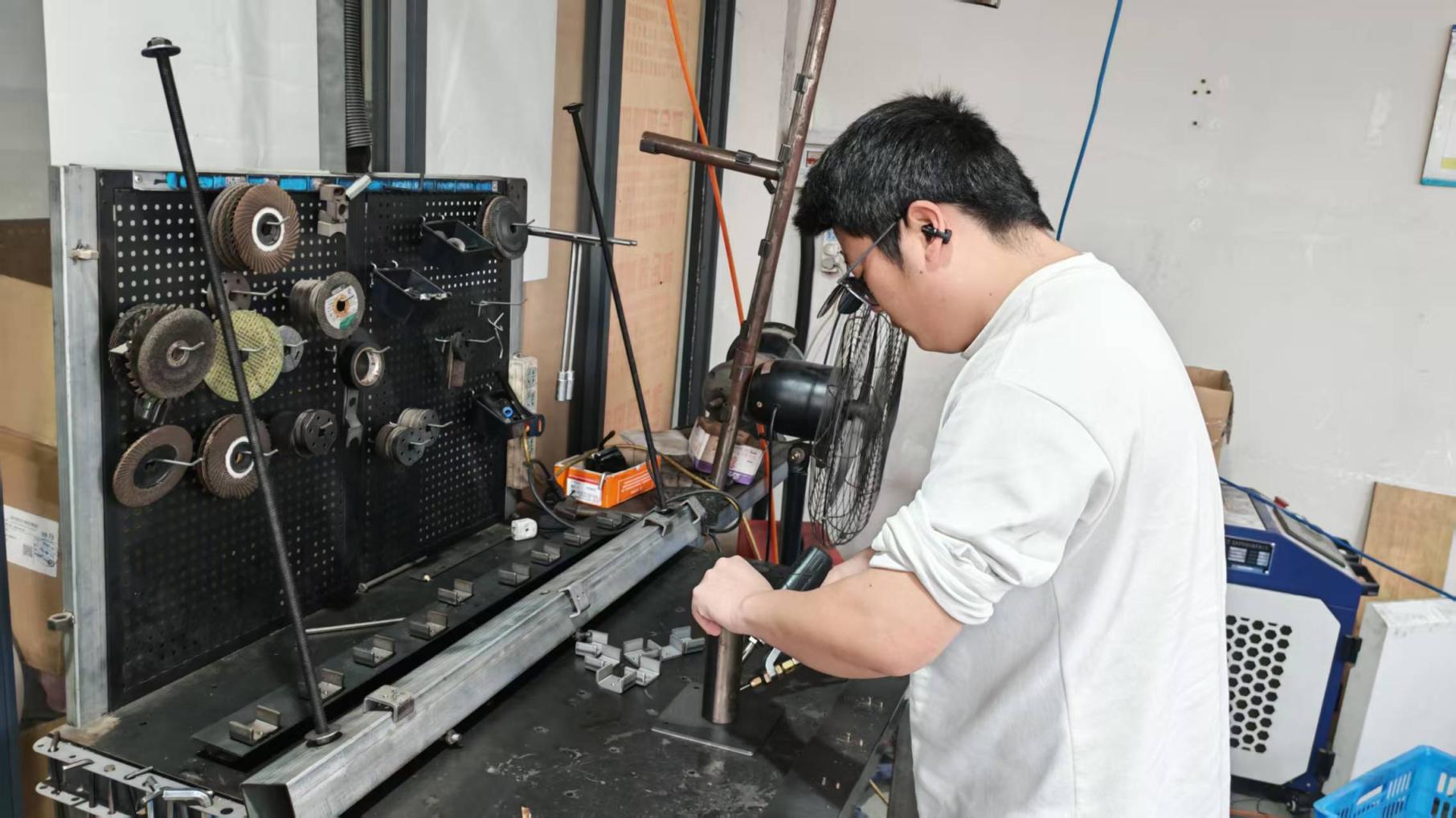
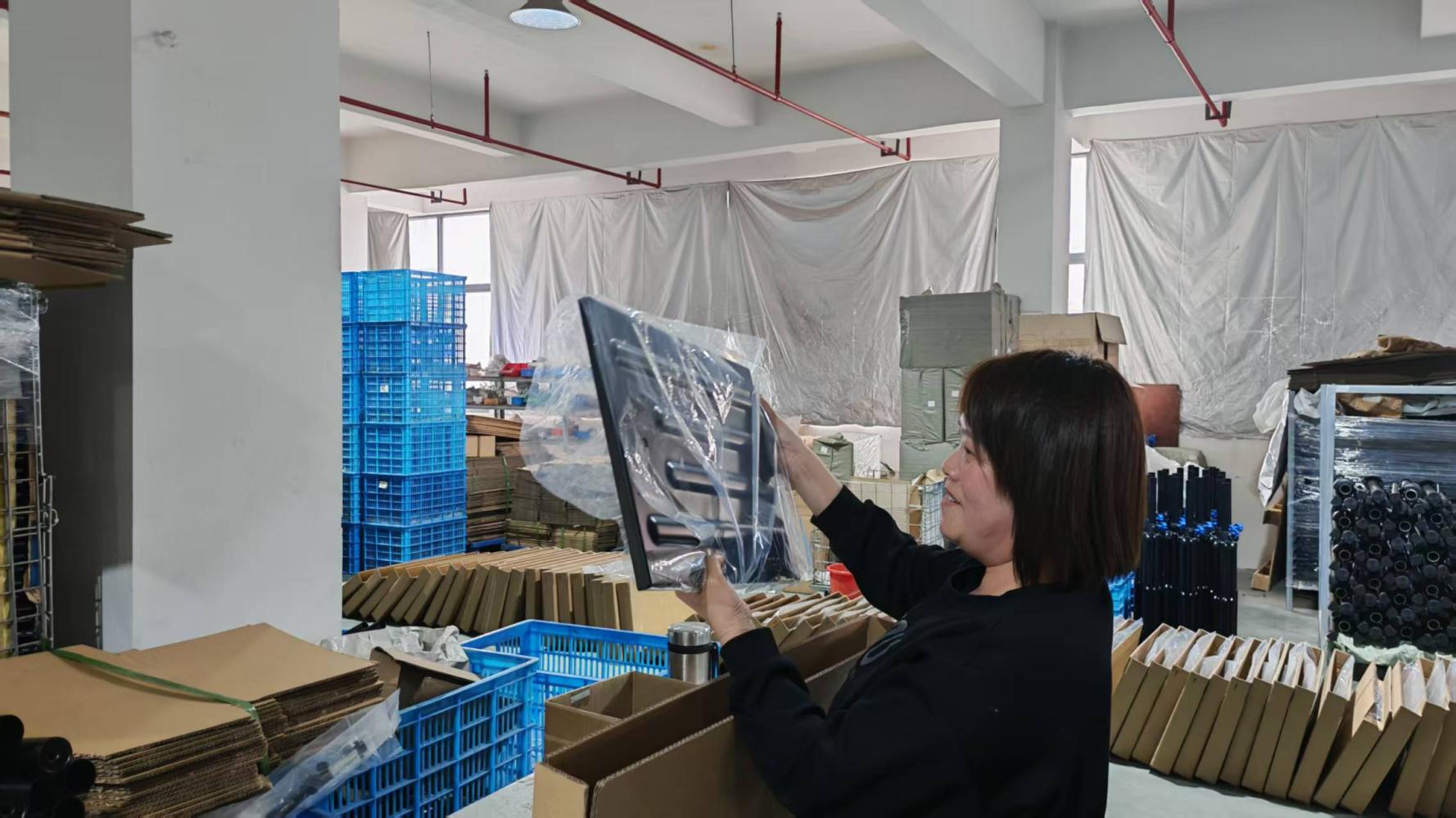
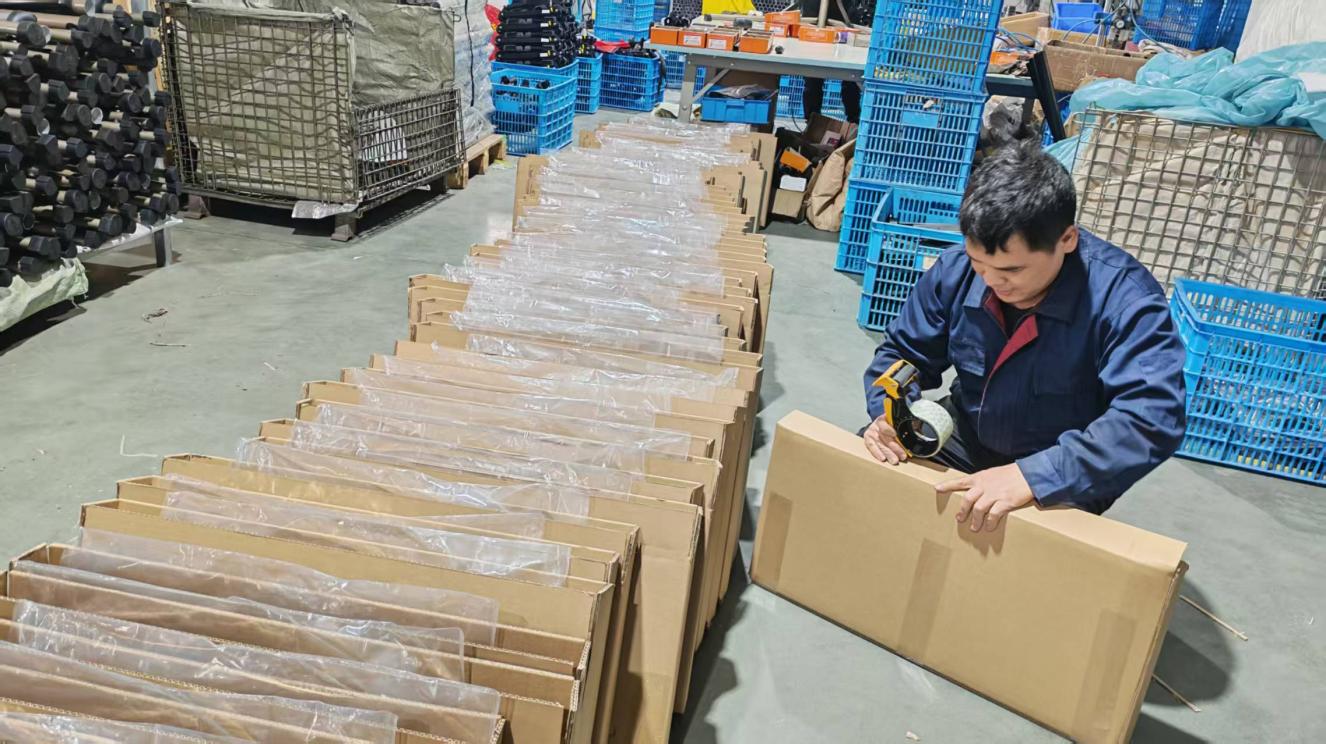
Headquartered in Jinhua, Zhejiang—the manufacturing epicentre for global cycling hardware and precision tooling. Kenus unites precision CNC processing, tube reduction, robotic welding, high-speed SMT placement, and environmental testing under an audited quality management system.
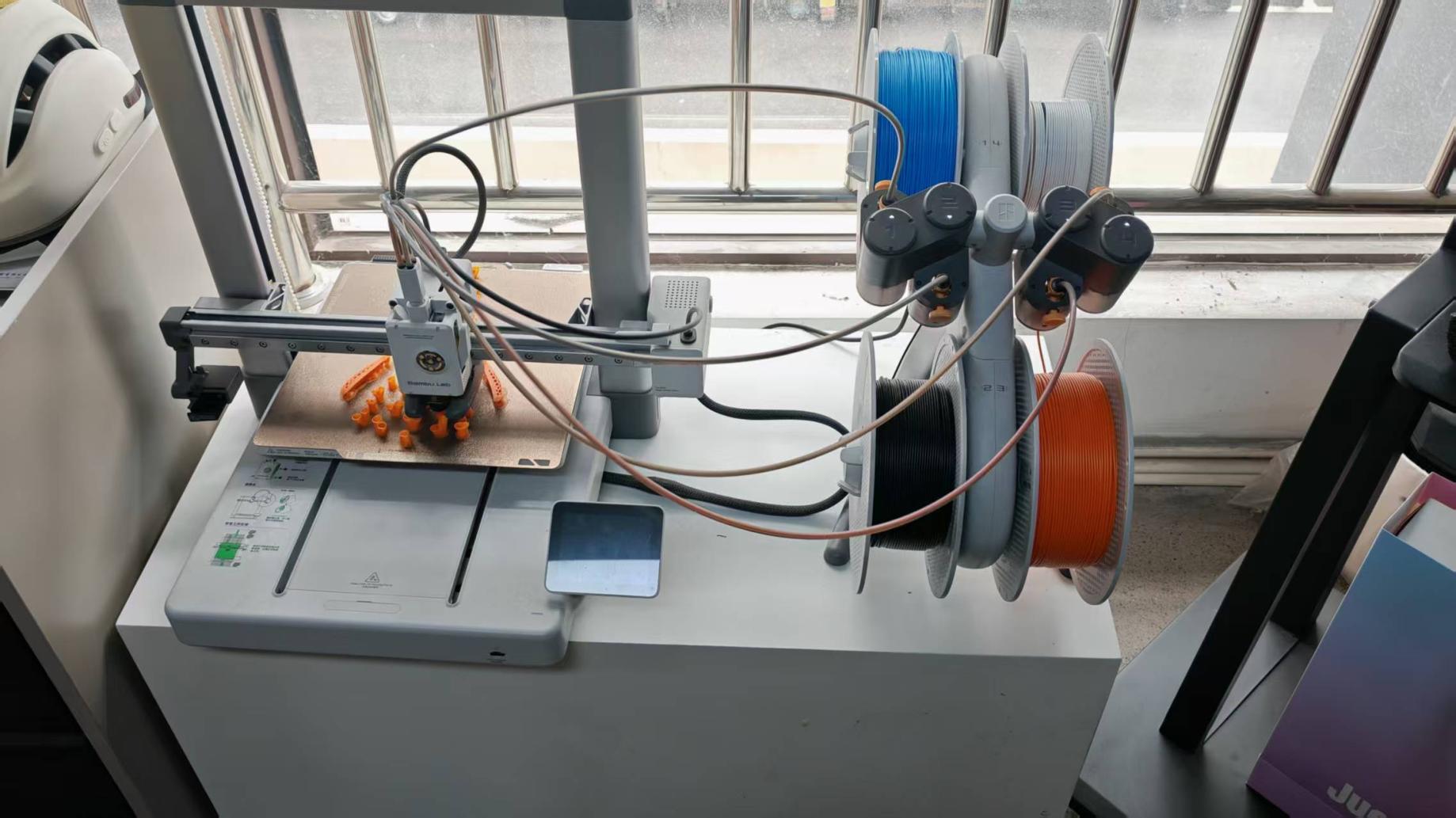
Our in-house 3D printing rapid prototyping facility allows private label brands to evaluate form, fit, and ergonomic switch controls within 48 hours, significantly reducing tooling risk and speeding time-to-market.
Frequently Asked Sourcing & Engineering Questions
Direct engineering and commercial answers to streamline your vendor audit, import documentation, and customization process.
We provide initial CAD drawings and optical trace simulations within 48 hours. Functional prototypes are created via our internal industrial 3D printing equipment in 3 to 5 business days. Once signed off, full injection mold tooling (P20 or 718 steel) requires 20 to 28 calendar days, with pre-production T1 samples submitted immediately for optical and ingress validation.
Our systems utilize 2.4GHz digital GFSK transmission with adaptive frequency-hopping protocols. We test all remotes and receivers inside an anechoic RF chamber across an intense multi-band noise environment (Wi-Fi 6E, LTE/5G harmonics, BLE 5.3) to ensure zero drop-outs, zero crosstalk, and a rock-solid communication distance exceeding 15 meters.
All Kenus lighting products carry authentic third-party inspection documentation from accredited laboratories: CE (Directive 2014/30/EU), RoHS 2.0 (2011/65/EU and 2015/863), FCC Part 15B for the United States, PSE METI clearance for the Japanese market, and complete UN38.3 test summaries alongside MSDS files for seamless lithium battery maritime and air freight clearance.
For standard inventory configurations and sampling, trial orders can begin at low quantities (from 20 to 100 units). For customized laser marking, private logo branding, and customized packaging, MOQs generally start from 500 units. For full colorway modifications or custom lens tooling, MOQs range from 1,000 to 2,000 units, backed by our tiered volume price structures.
We exclusively assemble Grade-A lithium-polymer pouches configured with low-temperature cobalt formulations. Our battery management system (BMS) includes over-voltage, over-current, and reverse-polarity protection circuits. Units sustain over 82% rated capacity even when operated at -20°C ambient temperatures, meeting automotive life-cycle demands over 500 complete discharge cycles.
Yes. Importers significantly optimize container space, customs clearance fees, and logistics costs by consolidating bike turn signals alongside our #2 ranked bike pedals, 3D printed carbon saddles, precision handlebar bags, insulated water bottles, and workshop repair stands directly from our Jinhua warehouse under a single commercial invoice.
Scale Your Cycling Brand with China's Premier Signaling Manufacturer
Connect directly with our engineering sales team in Jinhua, Zhejiang. Receive verified TÜV Rheinland audit files, factory-direct quotation sheets, product samples, and customized OEM feasibility studies within 24 hours.