Precision Engineered Catalog
Featured Bicycle Frame Bags & Integrated Cycling Equipment
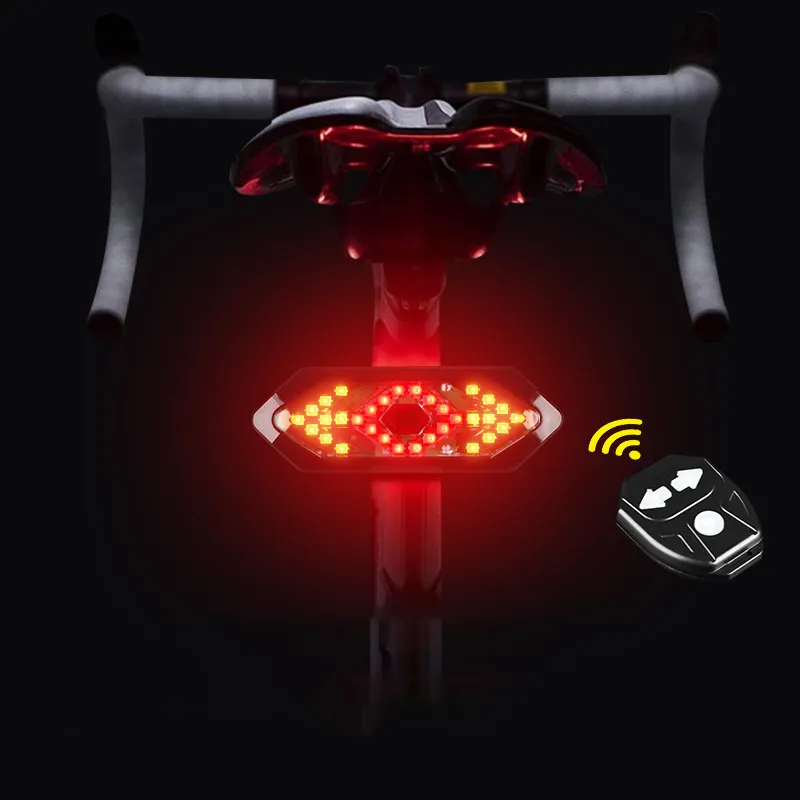
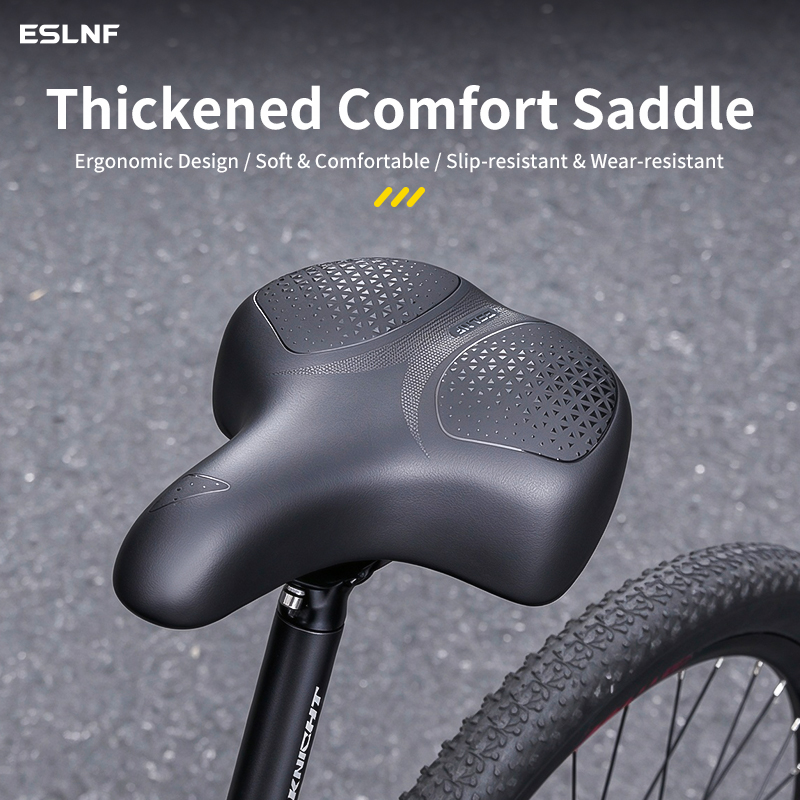
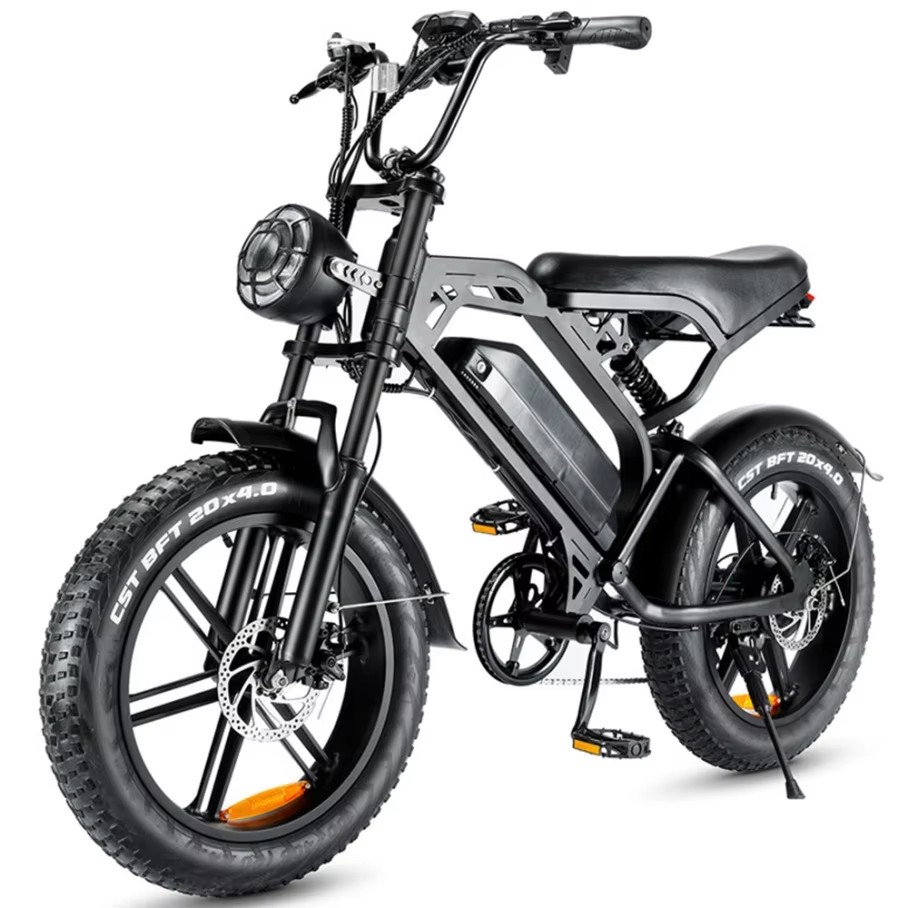
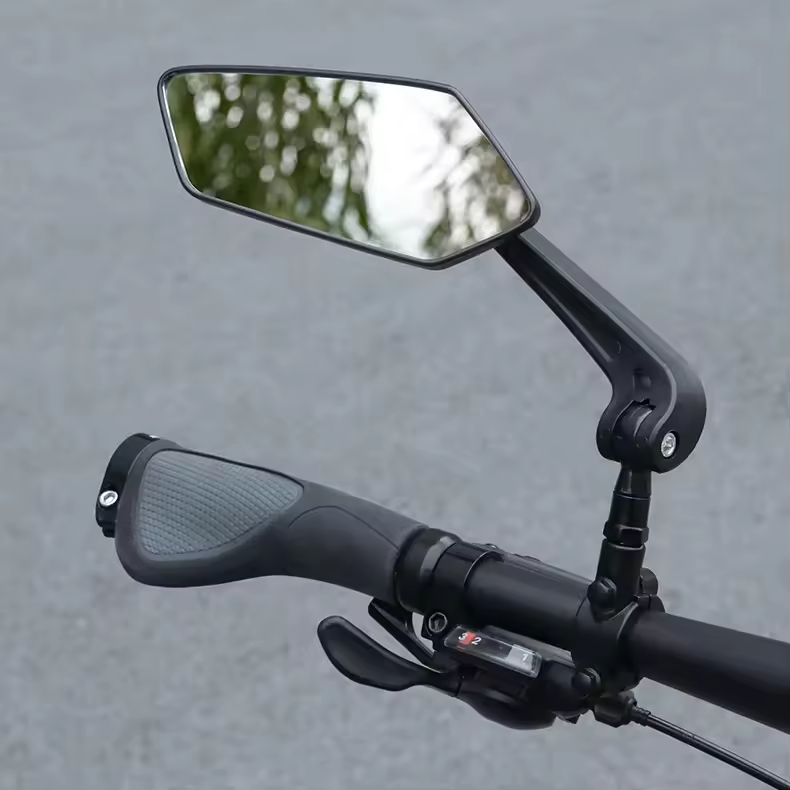
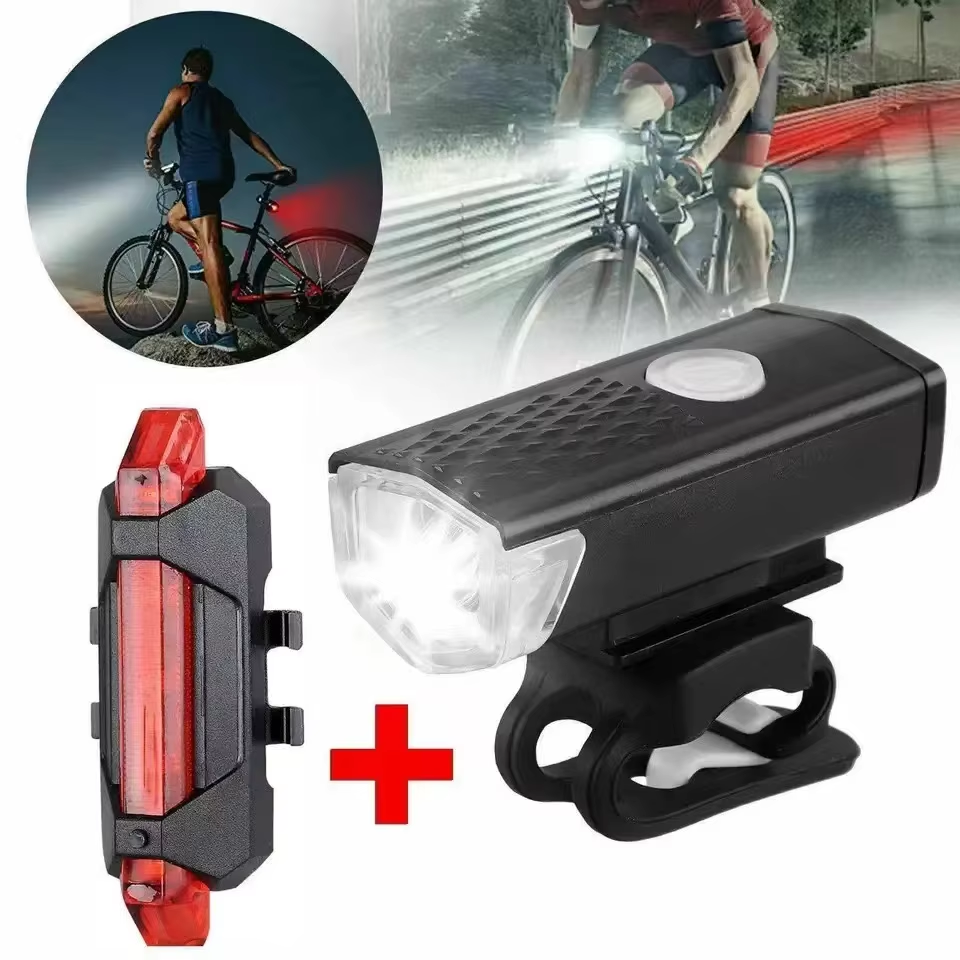
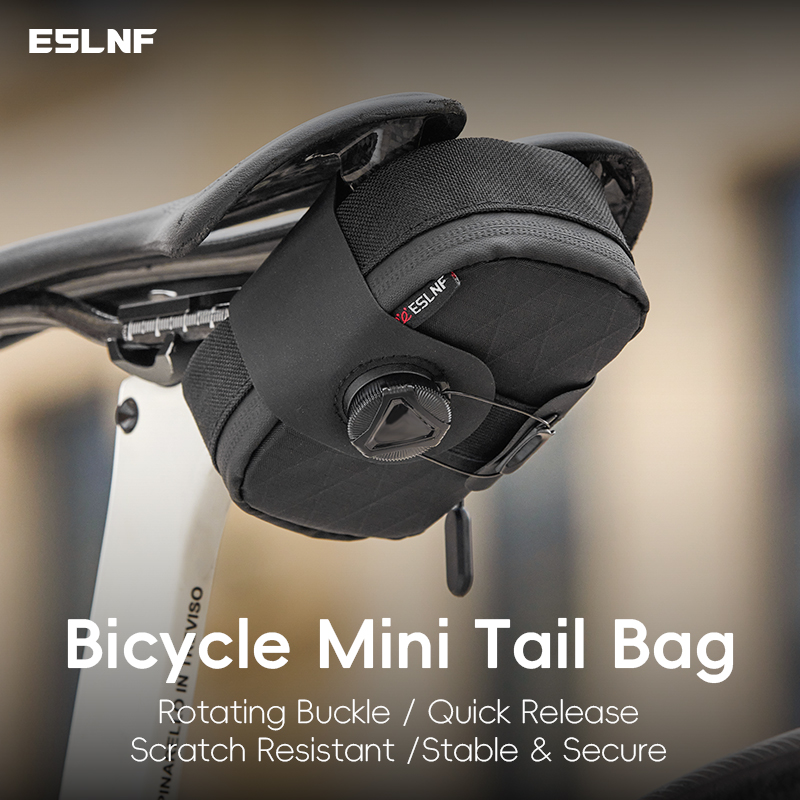
Explore our top-tier export configurations, featuring aerodynamic bikepacking bags, smart lighting systems, ultra-rebound saddles, and high-performance workshop tools verified by international standards.
Technical Engineering Whitepaper
Bicycle Frame Bag Manufacturing: Technical Standards & Architecture
An engineering breakdown of material laminations, kinematic clearance calculations, weld integrity, and aerodynamic boundary layer considerations for professional OEM procurement teams.
1. Advanced Textile Substrates and Environmental Hermetic Sealing
In modern bicycle frame bag manufacturing, traditional single-ply stitched nylon has been rendered obsolete by composite laminated films. Our factory specializes in TPU-laminated (Thermoplastic Polyurethane) 420D to 840D high-density Ripstop Nylon and Ultra-High-Molecular-Weight Polyethylene (UHMWPE) hybrid matrices. These multi-layer laminates deliver a tensile tear resistance exceeding 280 N and an impermeable hydrostatic head rating upwards of 15,000 mm H₂O.
To eliminate water ingress via needle punctures, our cleanroom workshops utilize high-frequency radio frequency (RF) and ultrasonic welding technology. Under high-frequency oscillation, polyurethane molecular chains bond across intersecting seams, creating a continuous hermetic enclosure with an IPX6 to IPX7 ingress protection rating. When integrated with airtight, water-repellent zippers (featuring Polyurethane teeth coatings and customized zipper garages), these frame packs ensure sensitive cargo—such as lithium-ion e-bike spare batteries, navigation instrumentation, and down sleeping layers—remains protected under tropical downpours and muddy gravel courses.
| Material Engineering Spec | Standard Coated Oxford | Kenus Industrial Laminated 420D TPU | UHMWPE / Kevlar Hybrid Composite |
|---|---|---|---|
| Hydrostatic Head Ingress Rating | 1,200 mm - 2,000 mm | 12,000 mm - 15,000 mm | > 20,000 mm |
| Seam Sealing Mechanism | Needle Stitch + Taped Seam | Continuous Radio Frequency (RF) Fusion | High-Pressure Thermal Bonding |
| Abrasion Cycles (Martindale Test) | < 15,000 Cycles | > 45,000 Cycles | > 85,000 Cycles |
| Structural Rigidity / Sag Index | High Deflection / Internal Sag | Self-Supporting Reinforced HDPE Spine | Integrated Carbon-Polymer Stay |
2. Kinematic Clearance, Frame Geometry Mapping & Aerodynamics
A persistent flaw across entry-level frame packs is knee-striking interference caused by lateral bulging under heavy packing loads. Kenus designs resolve this through finite element geometric modelling and multi-compartment internal partitions. We engineer narrow-profile cross-sections (measuring between 45 mm and 60 mm width) combined with structural internal dividers that resist horizontal expansion even under maximum capacity load.
Furthermore, frame geometry across modern Gravel, Endurance Road, Full-Suspension MTB, and Commuter e-Bikes varies significantly. Our OEM engineering department works directly with client-supplied 3D CAD frame diagrams. We map bottom bracket clearance, front shock travel arcs, water bottle cage placement, and cable-routing ingress/egress ports. For carbon frames with delicate clear-coats, we integrate hypalon-reinforced anchor points and anti-abrasion silicone strap sleeves, mitigating paint scuffing and preventing structural slippage during rough off-road cycling.
Global Sourcing Insights
Future Procurement Trends for Bike Frame Bags (2025–2030)
Strategic market forces, material revolutions, and design shifts reshaping international procurement pipelines for bike brands, retailers, and distributors.
Eco-Circular & GRS-Certified Substrates
European and North American supply chain regulations (such as extended producer responsibility and corporate sustainability directives) are mandating post-consumer recycled fabrics. Procurement is shifting towards 100% Global Recycled Standard (GRS) ocean-bound PET and fluorocarbon-free (PFC-free) DWR coatings.
E-Bike Electronic Integration Hubs
As e-bikes and smart commuting dominate urban retail, frame bags are transitioning into technical battery enclosures. Importers require dedicated thermal vents, shielded cable exits for integrated radar/lights, and shock-cushioned chambers designed specifically for auxiliary range extenders.
Direct-Mount Bolt-On Innovations
With modern gravel and bikepacking frames standardizing integrated top-tube and down-tube braze-on bolts, reliance on scratch-prone velcro straps is dropping. B2B buyers favor modular frame bags equipped with slotted inner-plastic channels compatible with M5 frame bosses.
R&D Horizons
Bicycle Bag Evolution: The Next Generation of Bag Engineering
From rapid additive manufacturing tooling to biometric integration, examine how our Jinhua engineering center delivers competitive advantages.
Magnetic Mechanical Quick-Release
Eliminating tedious buckle installations, next-gen frame bags incorporate patented Fidlock-compatible magnetic snap-fit mechanisms. Riders can detatch bags in one smooth motion when stepping away from their bikes while retaining full structural security over washboard gravel surfaces.
Active Aerodynamic Contouring
Wind-tunnel CFD simulations now validate frame bag designs. Leading road and gravel brands leverage custom frame bag shapes to fill the aerodynamic turbulent wake between the top tube, down tube, and seat tube—effectively turning the bag into a laminar airflow fairing that decreases drag.
In-House 3D Lattice Internal Armor
Leveraging our advanced 3D printing equipment (initially developed for our carbon honeycomb bike saddles), we create customized internal honeycomb skeletons. These skeleton inserts protect delicate devices from vibration impacts without the weight penalty of conventional dense EVA foam padding.
Verified Manufacturing Powerhouse
Kenus Intelligent Technology: High-Precision Cycling Gear Supply
Located in Jinhua, Zhejiang—the manufacturing heartland of China’s high-precision hardware and sports exports—Kenus Intelligent Technology Co., Ltd. combines dedicated in-house production lines with extensive B2B trade expertise.
Unlike pure trading agents, Kenus operates verified production floors assessed onsite by TÜV Rheinland. Our facility manages complete precision metal processing, tube constriction, CNC drilling, laser marking, automated high-frequency seam welding, and rigorous electrical inspection stations.
- Top Marketplace Standing: Ranked #2 Top Seller in Pedals & #2 in Bicycle Lights.
- Complete Sourcing Consolidation: Consolidate Bags, Lights, Saddles, Pedals, Bottles, and Tools under one single container dispatch.
- Audited Quality Systems: Fully certified documentation including CE, RoHS, PSE, and EMC reports verified by accredited test labs.
CE (SIT230614230201E)
RoHS (SIT240417230101R)
PSE Japan (SIT240226230301P)
EMC (SIT250212230201ER)
TÜV Rheinland Inspected
OEM/ODM Customization Capabilities
Rapid 3D Prototyping
Pre-tooling functional testing within 48-72 hours from CAD diagrams.
Precision Laser Marking
High-definition logo engraving on hardware, clamps, and bag plates.
Custom Color & Material
Pantone matching on TPU laminates, reflective piping, and zipper sliders.
Export Packaging
FSC-certified paper retail boxes, hangcards, barcode mapping, and palletizing.
Procurement Guidance
Frequently Asked Questions for Sourcing Directors & Importers
Detailed clarification on commercial terms, OEM tooling schedules, quality certifications, and factory verification.
What bicycle accessories and bag configurations does Kenus manufacture?
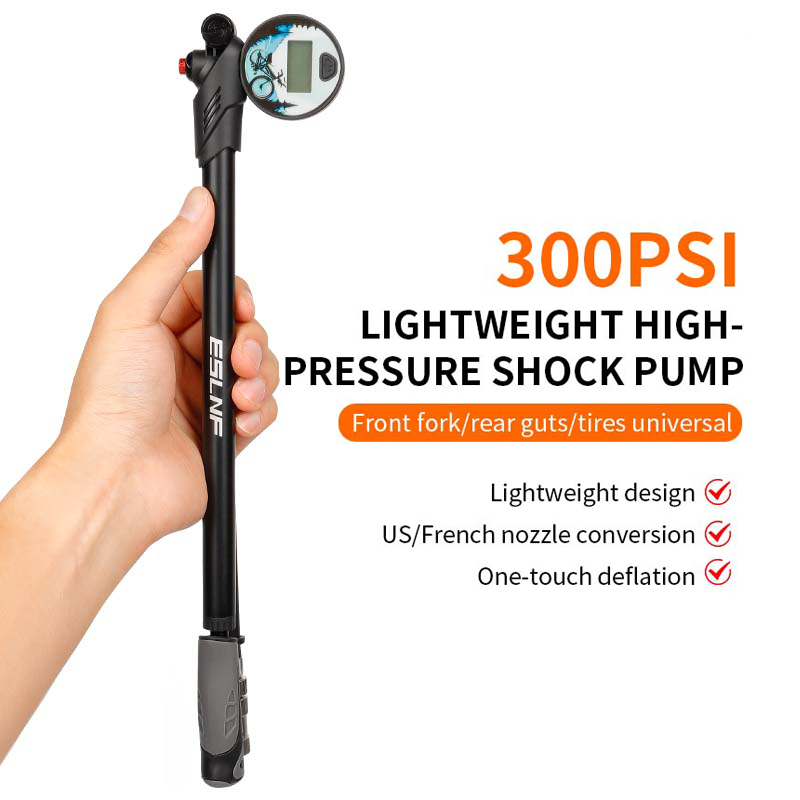
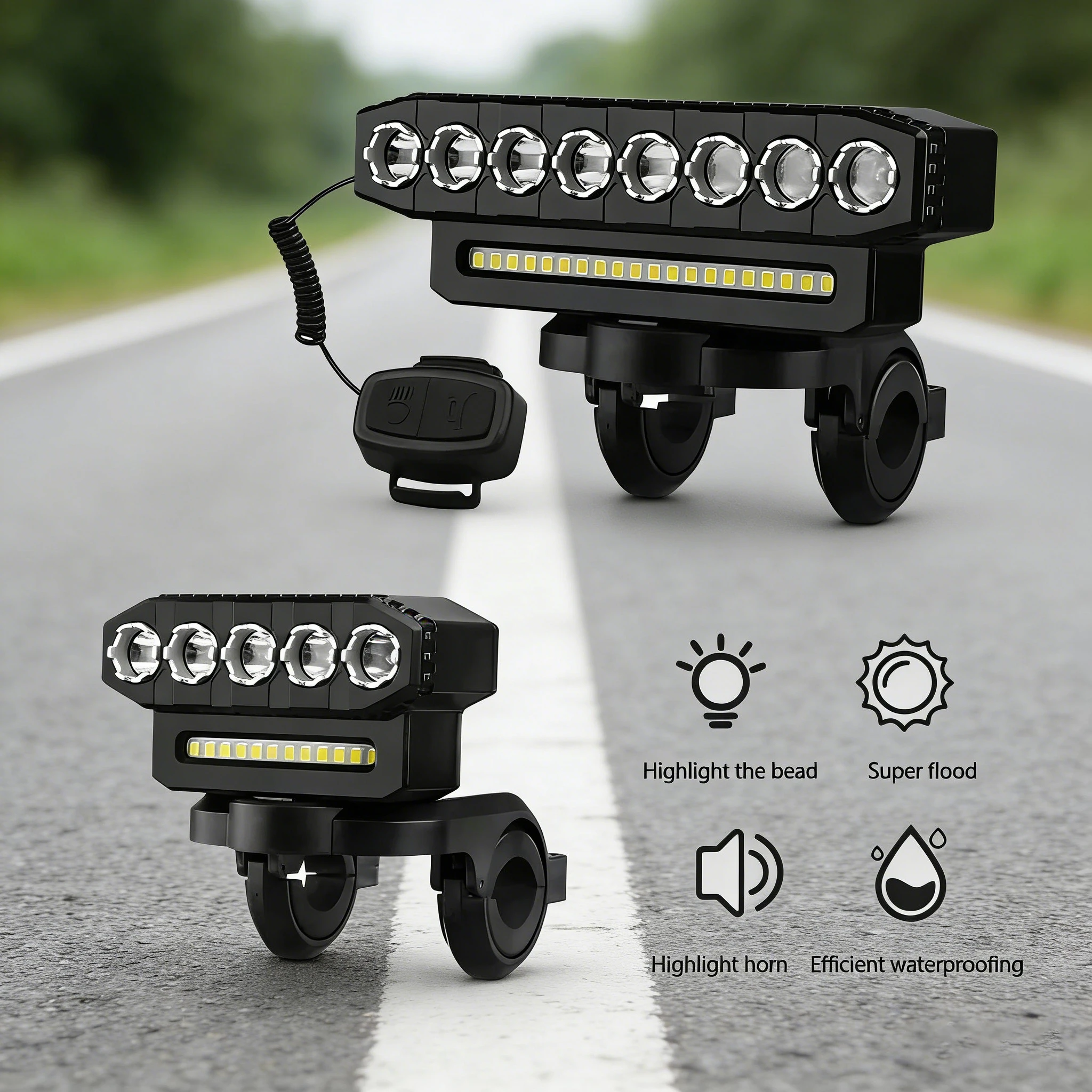
Kenus manufactures six core cycling equipment series: bicycle bags (including aerodynamic top-tube bags, full-triangle frame bags, convertible handlebar crossbody packs, and waterproof saddle packs), bicycle lighting systems (smart sensing headlights up to 3,250 lm, wireless turn signal taillights with built-in alarms), saddles (ranging from PU memory comfort cushions to cutting-edge 3D printed carbon honeycomb saddles), nylon platform bearing pedals (9/16" spindle standard), sports hydration bottles and bottle cages, and workshop maintenance equipment (aluminum fork/tube cutting guides, foldable 360° repair stands, disc brake locks, and brake pads).
How does your factory ensure 100% waterproof performance for bike frame bags?
Unlike budget stitch-and-tape operations, our factory deploys radio frequency (RF) continuous welding machines that fuse the TPU or PVC lamination of fabric layers at the molecular level, completely eliminating needle punctures. Each production batch undergoes rigorous pressure testing in accordance with ISO 20653 and IPX6/IPX7 waterproof testing protocols to guarantee zero water ingress during severe weather conditions.
What are the Minimum Order Quantities (MOQ) and production lead times?
For ready-to-ship catalog configurations, trial orders and initial test sampling can start from as low as 2 pieces. For custom private-label branding, laser marking, and customized Pantone fabrics, MOQs typically range from 100 to 500 units depending on technical complexity. Standard mass production turnaround is 20 to 35 business days following sample approval and lab testing confirmation.
Has your production facility been verified by accredited third-party inspectors?
Yes. Kenus Intelligent Technology Co., Ltd. has undergone comprehensive onsite assessment by TÜV Rheinland. The assessment verified our physical premises, business licenses, in-house production machinery, QA/QC workflow protocols, and export logistics capability. Full factory inspection reports and video documentation can be shared directly with your vendor compliance team.
Can your engineering team support custom CAD development for proprietary frame geometries?
Absolutely. Our R&D team works directly with STEP, IGES, and DWG 3D frame CAD files supplied by bicycle OEMs. We optimize frame bag mounting clearances, shock reservoir gaps, and bolt-on slot alignments. Rapid physical mockups are produced using our industrial 3D printers and high-speed CNC sample cutters within 72 hours for fitment verification before opening production cutting dies.
What international certification and export compliance documents are available?
Our electronic and active safety products carry full compliance documentation, including CE (SIT230614230201E), RoHS compliance (SIT240417230101R and SIT24041230101R), Japanese METI PSE documentation (SIT240226230301P), and EMC test reports (SIT250212230201ER). Material compliance reports regarding REACH, Prop 65, and PFAS/BPA-free plastic certifications are provided upon request.
Launch Your Custom Cycling Bag & Accessories Program Today
Partner directly with a verified China manufacturer. Send us your technical drawings, BOM specifications, or target retail price points—our engineering and trade team responds with full feasibility analysis, 3D prototyping schedules, and formal wholesale quotes within 24 hours.