Signature Bicycle Gear & Smart Accessories
Explore our top-tier export items featuring proprietary tooling, integrated optical architecture, high-frequency waterproof welding, and certified mechanical endurance.

Executive Sourcing Analysis: The Decisive Shift in Global Bicycle Gear Manufacturing
The global cycling equipment and accessories marketplace has entered an era of technological convergence. Where legacy procurement relied on fragmented sourcing—contracting plastic injection molders in one province, electronic PCB houses in another, and cut-and-sew textile outfits elsewhere—the contemporary supply chain mandates consolidated vertical mastery. Professional tier-1 importers, national distributors, and performance brand owners face heightened regulatory hurdles across Europe, North America, and the Asia-Pacific region. Compliance frameworks such as the European Union General Product Safety Regulation (GPSR), strict electromagnetic interference mandates (EMC), Germany’s StVZO cycling illumination optics laws, and rigorous substance screenings under RoHS and REACH have fundamentally redefined what qualifies a vendor as a reliable industrial partner.
Situated in Jinhua, Zhejiang—the epicentre of China's high-precision metal finishing, micro-electronics manufacturing, and composite material processing—Kenus Intelligent Technology Co., Ltd. serves as an industrial benchmark for advanced cycling equipment production. Operating under rigorous third-party validation from TÜV Rheinland, our manufacturing infrastructure synthesizes computer numerical control (CNC) tube profiling, robotic argon-arc welding, automated surface laser etching, cleanroom optoelectronic mounting, and high-frequency polymer welding under a unified quality assurance regime. This integration eliminates the supply chain latency, variance in batch metallurgic tolerances, and compliance ambiguity that frequently undermine off-shored OEM production programs.
Macro-Economic Pressures Driving Supply Chain Consolidation in China
Modern B2B bike gear buyers are encountering unprecedented pressure on unit margins due to fluctuating maritime freight indices, tightening carbon border adjustment mechanisms (CBAM), and rising raw material volatility. Securing a direct relationship with a primary Chinese manufacturer possessing dedicated engineering drawing (CAD/CAM) departments, in-house additive manufacturing (3D printing) prototyping, and proven export credit ratings is no longer merely a cost-saving initiative—it is an enterprise risk mitigation strategy. By maintaining verified annual turnover exceeding US$2.5M to US$5M and operating optimized production lines dedicated strictly to export standards, Chinese manufacturing hubs provide an agile foundation that absorbs supply shocks while facilitating rapid turnaround on private-label alterations.
Future Sourcing Vectors: Next-Generation Procurement Trends (2025–2030)
Procurement directors must look beyond static catalog replenishment. As the cycling paradigm shifts rapidly toward urban micro-mobility, long-distance gravel touring (bikepacking), and high-power electric bicycles (E-bikes / Pedelecs), gear specifications must adapt to entirely new physical stresses, thermal requirements, and electrical topologies.
E-Bike Native Integration & Wide-Voltage Optoelectronics
With the rapid proliferation of 36V, 48V, and 52V drive units, accessories can no longer rely solely on legacy dry-cell configurations. Sourcing contracts are transitioning to unified lighting architectures featuring dual-mode functionality: integrated step-down DC converters compatible with Bosch, Shimano, and Bafang drive batteries, paired with standalone USB-C PD fast-charging Lithium Polymer cells for non-assisted rigs.
Ultra-Frequency Ultrasonic Sealing & Circular Polymers
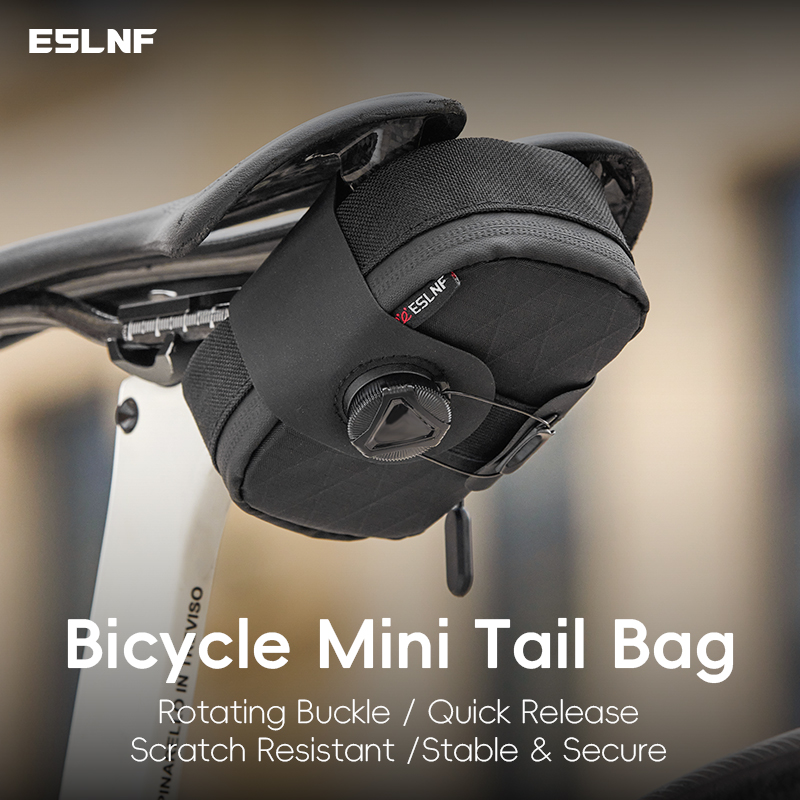
Stitched Cordura luggage is being superseded by seamless TPU and recycled RPET composites bound by automated RF (radio frequency) high-cycle thermal welding. This shift ensures verified IPX6 to IPX8 submersible water ingress barriers, providing severe-weather protection demanded by gravel adventurers while meeting the EU 2030 Circular Economy recycled content thresholds.
3D Lattice Additive Engineering in Contact Points
Saddle manufacturing is shifting away from traditional closed-cell EVA/PU foam over plastic injection bases. Liquid resin photopolymerization (DLS/SLA) creates variable-density hexagonal and honeycomb lattices. These deliver targeted ischial tuberosity pressure relief and weight-to-stiffness ratios previously unattainable, drastically lowering initial tooling investments for bespoke brand designs.
Technological Matrix: Evolutionary Benchmarking
The table below provides our B2B procurement partners with an objective comparison between traditional manufacturing outputs and our current generation of engineered cycling equipment.
| Performance Dimension | Legacy Market Standard | Next-Gen Manufacturing Standard (Kenus) | Procurement Advantage |
|---|---|---|---|
| Optics & Illumination | Generic conical lens, uncontrolled glare, IPX4 | Cut-off beam refraction lens, 1000–3250 lm, IP64/IP67 rated | Complies with European road safety protocols; avoids recalls |
| Saddle Engineering | Stapled vinyl cover over die-cut foam, steel rails | 3D printed elastomeric lattice, toray carbon composite rails | Zero break-in period, 40% mass reduction, ultra-high damping |
| Pedal Spindle Tech | Loose ball bearings, unsealed boron axle, brittle resin | CNC 9/16" Cr-Mo spindle, 3 sealed cartridge bearings, fiber-reinforced nylon | Resists spindle seizure; maintenance-free under heavy e-bike torque |
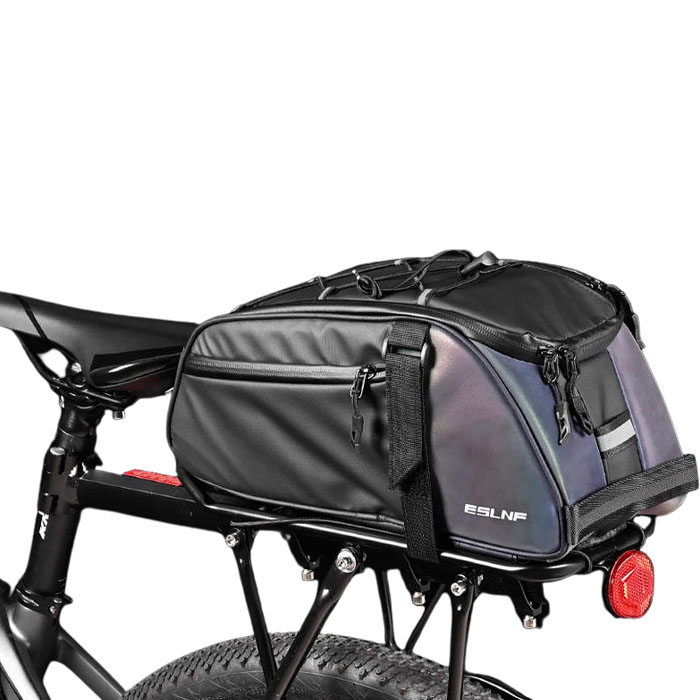
| Waterproof Bags | Stitched seams with liquid PU tape sealant | Ultrasonic seam welding, 600D TPU laminated double-sided fabric | Guaranteed 100% airtight/waterproof; superior abrasion resistance |
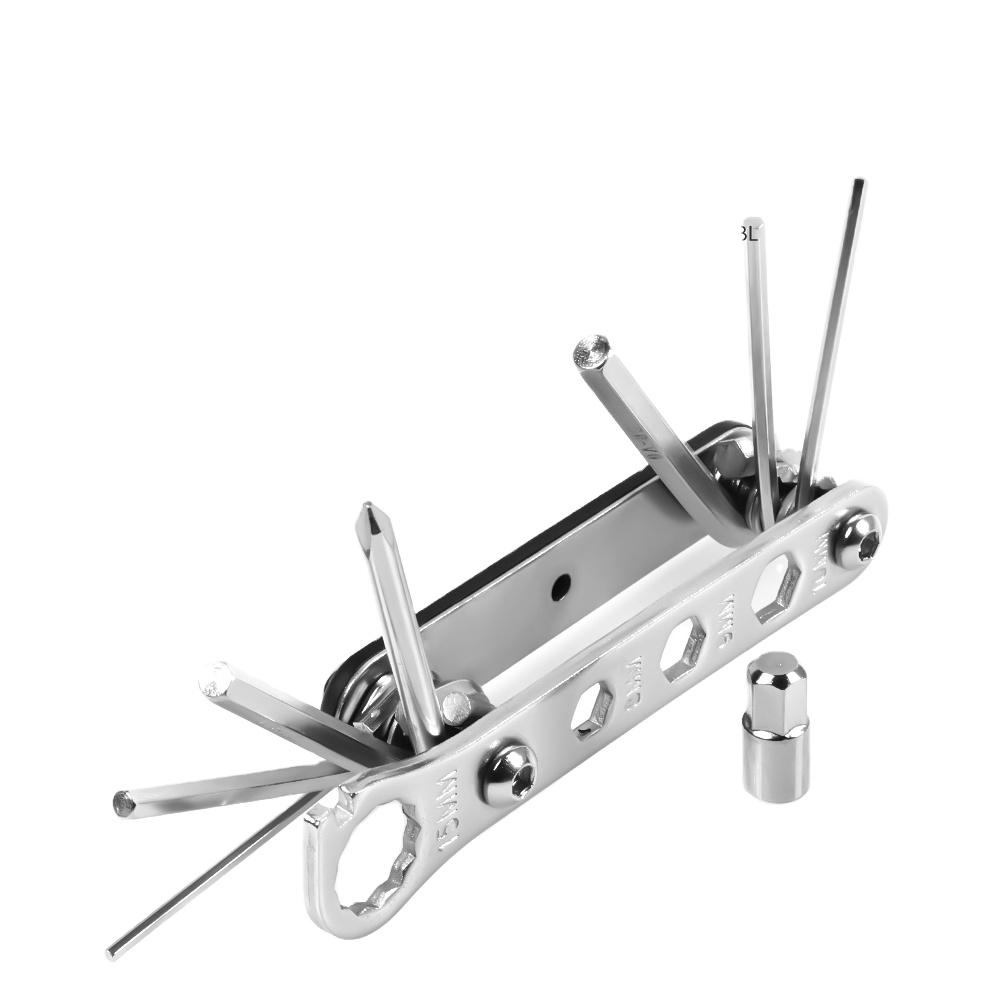
| Frame Tools & Stands | Stamped sheet iron, powder coat, static pins | Anodized extruded 6061-T6 aluminum, CNC machined micro-adjust collars | Professional workshop lifespan, rust immunity, lightweight portability |
Manufacturing Integrity: Verified Facility Capacities & QA/QC Infrastructure
Reliability in cycling gear manufacturing is not measured by showroom promises, but by auditable metrology, raw material traceability, and systematic rejection thresholds. Our operating complex in Jinhua executes strict incoming quality control (IQC), in-process quality control (IPQC), and final quality control (FQC) protocols verified during our comprehensive onsite audit conducted by TÜV Rheinland.
Metal Forming, Profiling & Constriction
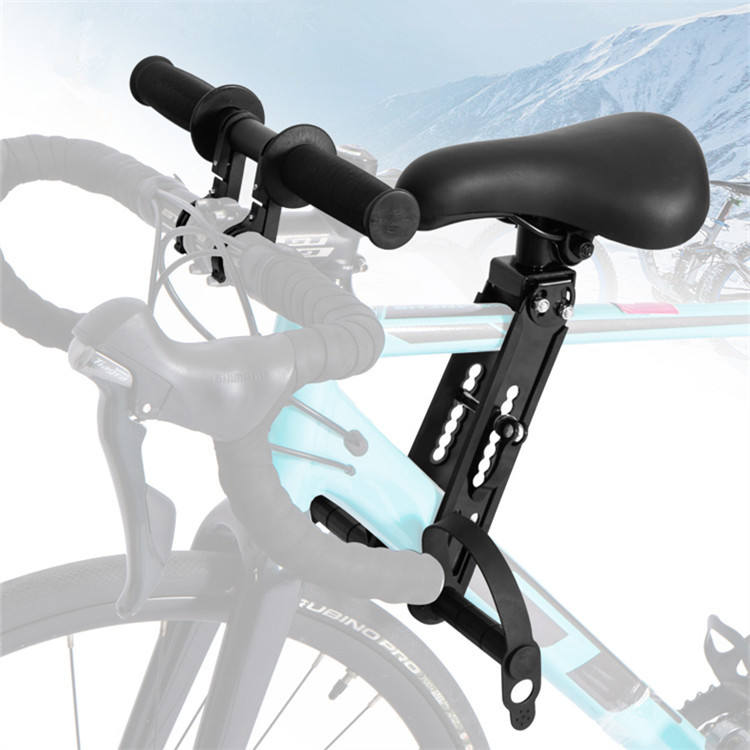
In-house tube-drawing, pipe constrictors, and automated drilling machinery handle both cold-worked and heat-treated tubular alloys. Structural frame components, bicycle work stands, and child carrier safety beams are formed with micrometer-level precision, preserving cross-sectional wall density to avoid micro-fracturing under cyclic dynamic fatigue.
Precision Joining & Laser Etching
Our certified welding technicians utilize argon gas shielded welding setups configured specifically for thin-walled structural tubing and complex kickstand pivot joints. Following stress relieving and chemical cleaning, fiber-laser marking systems apply customer brand typography, batch serial numbers, and regulatory certification marks with deep indelible clarity.
Optoelectronic Assembly & Potting
Electronic bicycle headlight and smart telemetry tail light assembly occurs within an ESD-controlled (Electrostatic Discharge) environment. Driver boards feature smart constant-current IC regulators, overcharge/discharge protection, and thermal throttling sensors sealed via automated polyurethane potting to withstand continuous off-road vibration and rain ingress.
Certified Compliance Documentation
We eliminate customs hold-ups by backing every relevant SKU with independently verifiable documentation: CE Headlight Certification (SIT230614230201E), RoHS Environmental Compliance (SIT240417230101R & SIT24041230101R), Japanese PSE Approval (SIT240226230301P), and EMC Electromagnetic Immunity Verification (SIT250212230201ER).
Rapid Prototyping & CAD Tooling
Our internal R&D wing features industrial stereolithography (SLA) 3D printing apparatus capable of rendering functional ergonomic samples within 24 hours of CAD sign-off. This agility allows OEM clients to validate handlebar clearances, clamp radii, and locking latch geometries prior to cutting steel tooling molds.
Export Packaging & Drop Integrity
All consumer-facing packaging undergoes automated carton drop testing (ISTA 1A standard), burst resistance screening, and vibration simulation. Whether our partners require minimalist bulk master cartons for OEM assembly lines or high-graphic retail four-color boxes with euro-slot hang tabs, every shipment departs ready for automated logistics sorting.
Enterprise Advantages: Why Tier-1 Sourcing Directors Choose Kenus
Partnering with Kenus Intelligent Technology Co., Ltd. delivers distinct operational efficiencies for commercial bicycle equipment importers, wholesale distributors, and e-commerce brand leaders:
- Direct Jinhua Industrial Cluster Economies: Situated directly within the Zhejiang hardware corridor, our facility leverages immediate raw material procurement—from aerospace-grade 6061 aluminum extrusion to premium engineering nylon granules—bypassing intermediate broker markups and ensuring unyielding price stability.
- Agile Minimum Order Quantity (MOQ) Scalability: Unlike rigid state-owned manufacturing giants, we support flexible volume tiers. High-velocity standard catalog accessories are available from low trial runs of just 2 pieces for rapid bench-testing, while bespoke private-label packaging and custom Pantone molded products start from accessible thresholds like 100 units.
- Zero Regulatory Friction for Western Customs: Importers operating in North America, Western Europe, and Australasia are fully insulated against impoundment. Our certifications are backed by SIT testing documentation, enabling prompt customs clearance under harmonized system (HS) export codes.
- Verified Trade Security: Backed by transparent Alibaba Trade Assurance profiles, historical credit indexes, and authenticated international buyer ratings averaging 4.7/5.0 across five major global trading zones, capital investments remain completely protected from contract to port delivery.
Comprehensive B2B Sourcing FAQ: Critical Inquiries Answered
Here are detailed technical and operational answers to the most common questions raised by supply chain directors, industrial engineers, and procurement managers.