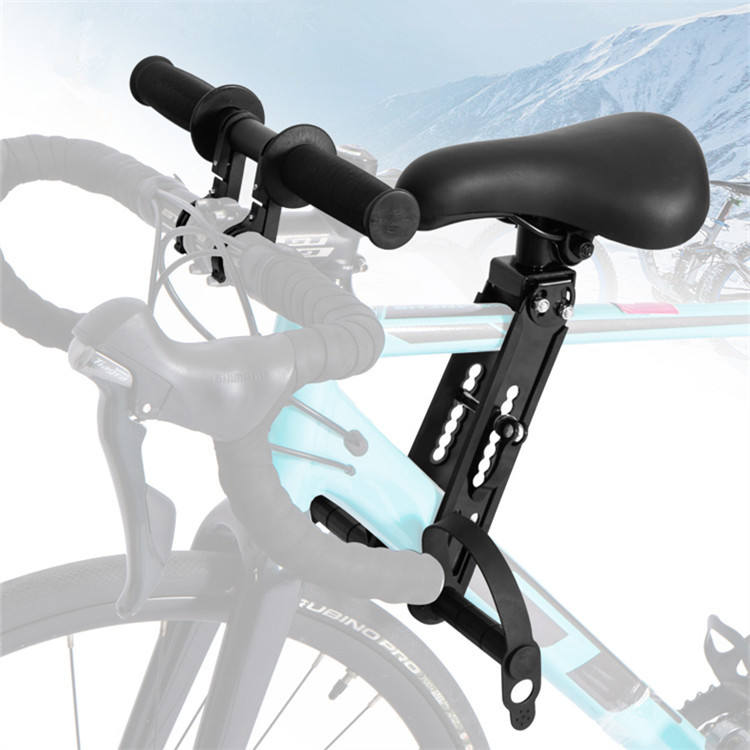
Featured Engineering Catalog
Precision-engineered bicycle bags, structural modules, and cycling accessories developed for high-end OEMs
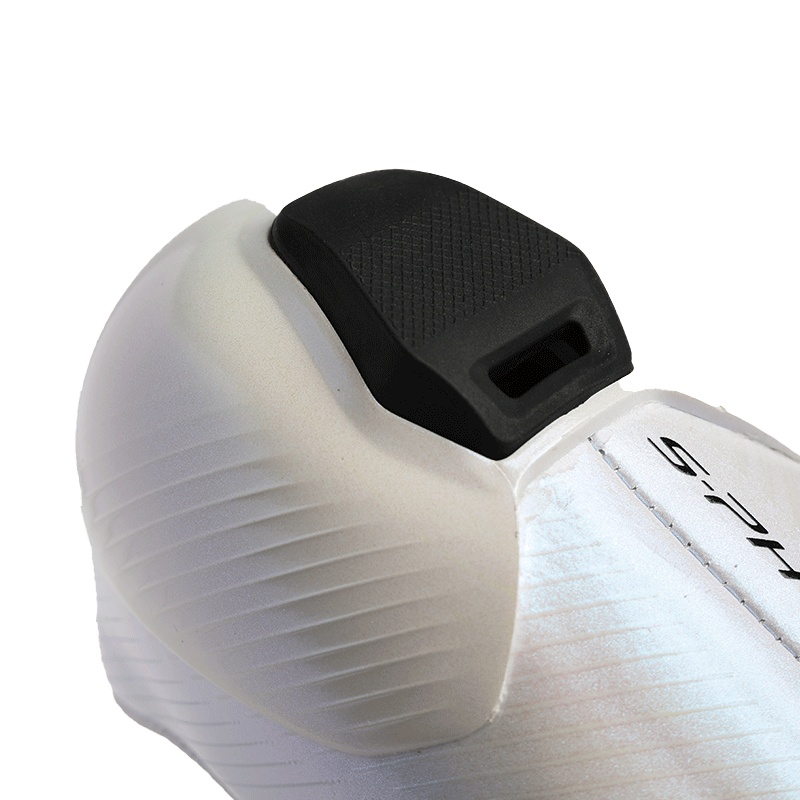
Road Bike Lock Shoes Compatible Plastic Material Heel Repair Lock Parts
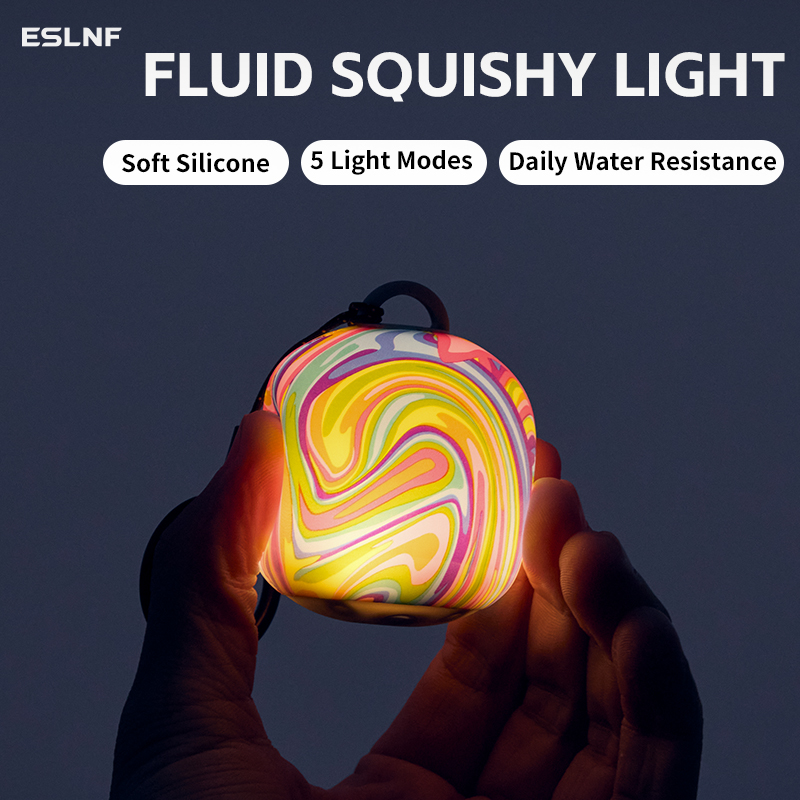
ESLNF Portable Camping Light Daily Water Resistant LED Silicone Light
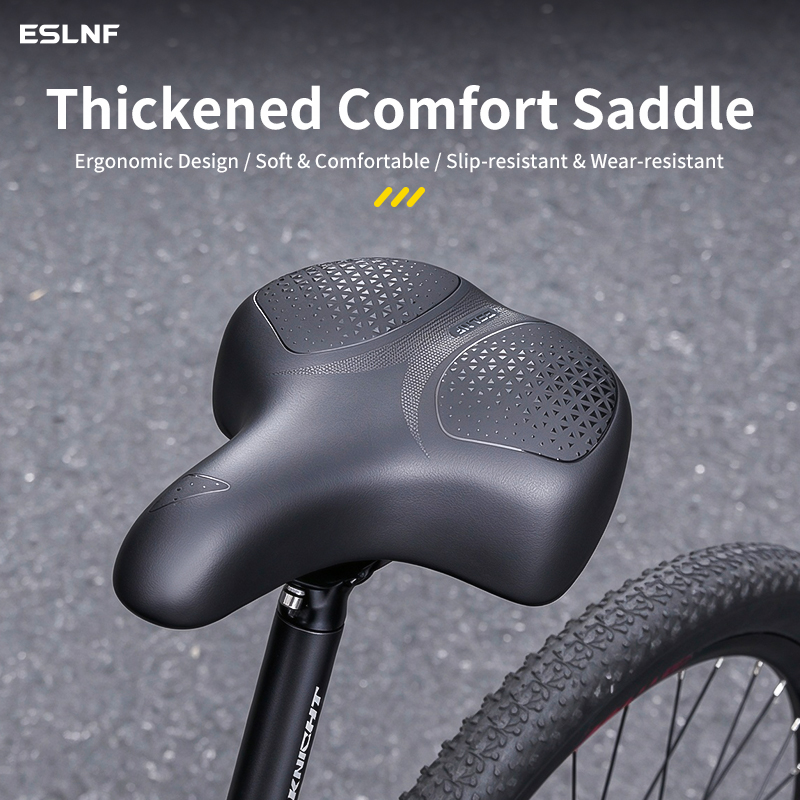
ESLNF Bicycle Saddle High Elastic Rebound Soft Padded Road Riding Seat
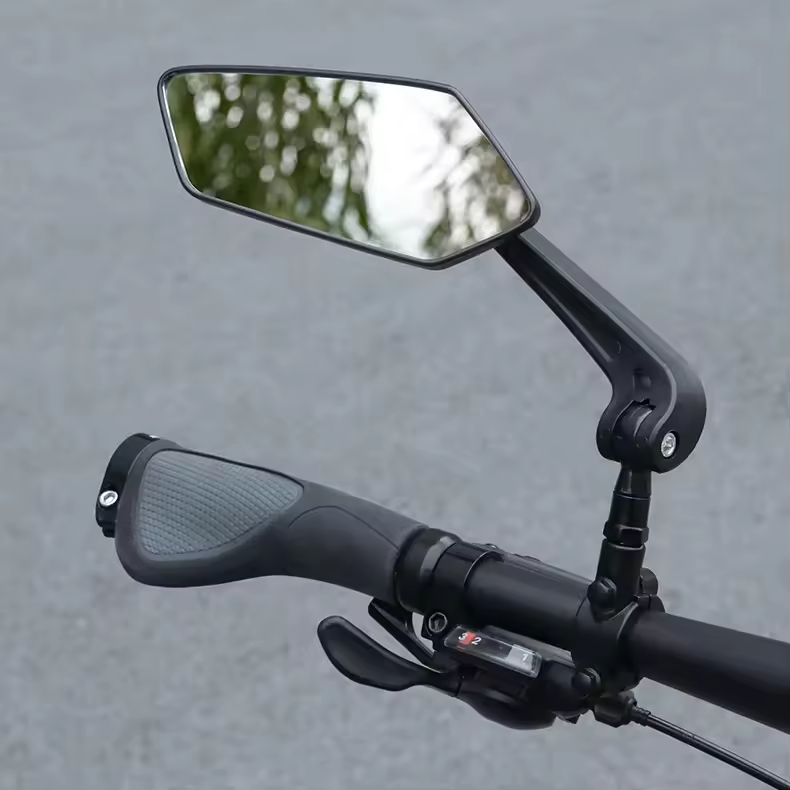
ESLNF Motorcycle & Bike Rearview Handlebar Mirror HD Convex Alloy
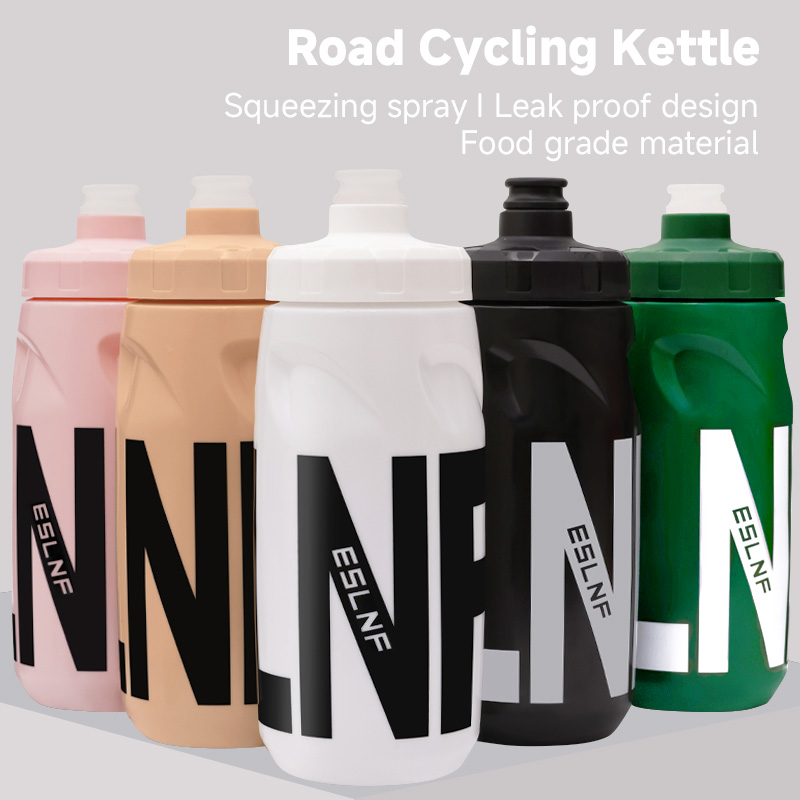
ESLNF 620ml Portable Cycling Squeezing Water Bottle Food Grade PP
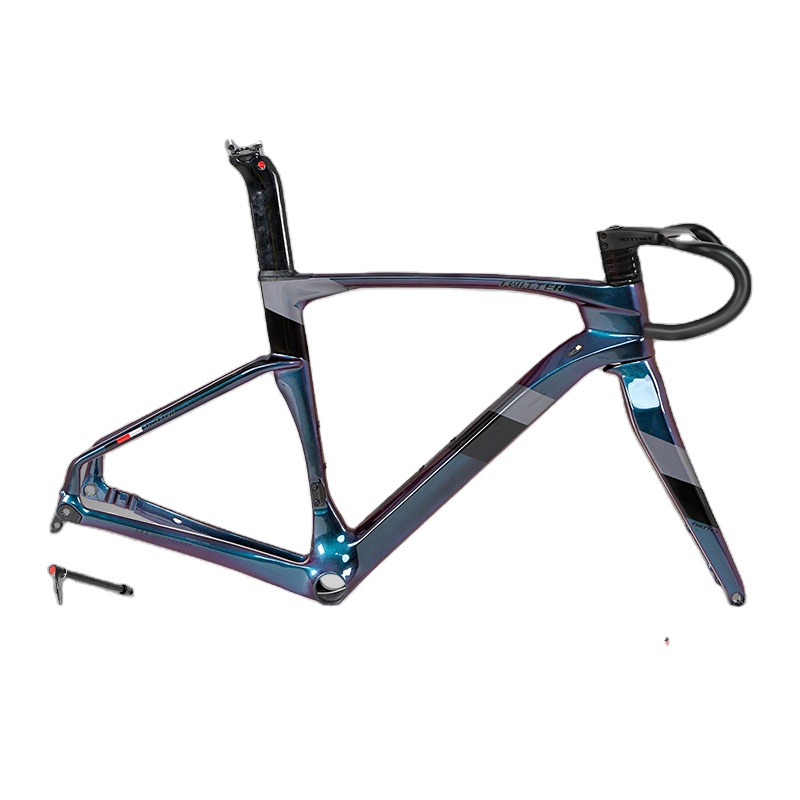
ESLNF Carbon Fiber Frameset Holographic Finish With Thru Axle
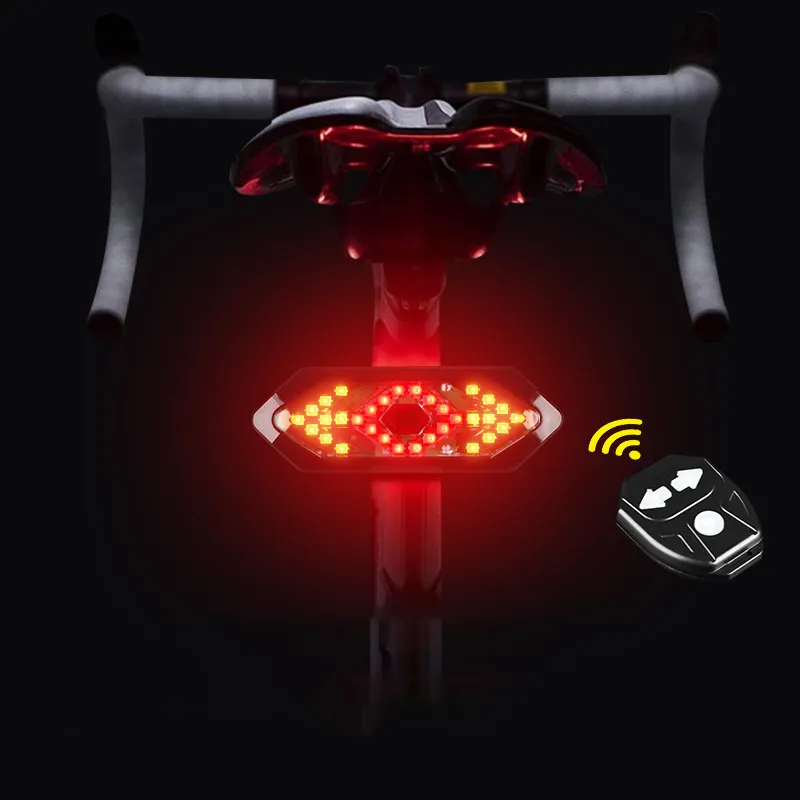
ESLNF Bike Turn Signal Light Smart Remote Wireless LED With Anti-Theft Alarm
Industrial Sourcing Analysis: Sourcing Bike Handlebar Bags from China
As the international cycling industry transitions toward ultra-endurance bikepacking, gravel exploration, and urban micro-mobility, the global demand for modular bicycle handlebar bags has experienced unprecedented expansion. Procurement directors and supply chain leads no longer view the front-loading bag merely as an auxiliary pouch; it is now engineered as an integrated cockpit management system requiring strict aerodynamic compliance, dynamic weight distribution, high-frequency waterproofing, and rapid mounting modularity.
In the context of the contemporary supply ecosystem, identifying an authoritative China top bike handlebar bag supplier & suppliers requires evaluating technical competencies that extend far beyond simple cut-and-sew operations. Top-tier manufacturers integrate ultrasonic welding, seamless TPU film lamination, precision laser fabric patterning, and specialized hardware fabrication within an ISO9001-guided environment. At Kenus Intelligent Technology Co., Ltd. (operating in Jinhua, Zhejiang), the synergy of heavy-gauge hardware processing and advanced textile lamination provides original equipment manufacturers (OEM) and original design manufacturers (ODM) with consolidated accountability across every touchpoint of bicycle customization.
💧 High-Frequency Seamless Lamination
Traditional stitched seams present inherent structural vulnerability to moisture penetration under continuous precipitation. Next-generation handlebar bag fabrication relies on high-frequency thermal bonding and RF-welded seams using 420D/600D TPU and Oxford fabrics, achieving certified IPX6 submersion resistance without internal liner seepage.
⚙️ Integrated Cockpit Fastening Systems
Modern drop-bar gravel profiles and electronic shift configurations require narrow clearances. Leading suppliers engineer anti-abrasion hypalon retention loops, rigid composite backing plates, and tool-free quick-release brackets that completely eliminate handlebar abrasion and steering oscillation under technical downhill descent.
🔄 Hybrid Convertible Functionality
Consumer trends reveal an accelerating demand for dual-use versatility. Production lines have incorporated hidden hypalon shoulder loops, magnetic Fidlock attachments, and roll-top architecture that allows riders to convert front handlebar bags instantly into off-bike waist packs, messenger sling bags, or technical briefcases.
Future Procurement Trends & Material Innovations
Strategic purchasing requires preemptive alignment with upcoming market regulations, cyclical raw-material evolutions, and shifts in rider ergonomics. Sourcing departments must optimize their forward inventory strategy based on four prevailing industry vectors:
1. Circular Economy & GRS Recycled Nylons
With European Extended Producer Responsibility (EPR) and corporate ESG initiatives, forward contracts prioritize fabrics certified under the Global Recycled Standard (GRS). Ocean-bound PET-derived weaves and post-industrial cordura replacements are mandatory for access to prime European and North American retail distribution.
2. Electronics Integration & Smart Cockpits
Handlebar systems are becoming localized power banks. Future product lines demand dedicated structural compartments that accommodate lithium auxiliary units, weatherproof internal cable pass-through channels for cycle computers, integrated inductive smartphone charging cradles, and integrated optical lighting brackets.
3. Structural Ultra-Light Polymer Cages
Gravel endurance racing has exposed the limitations of purely soft-sided packs. Suppliers are investing in semi-rigid injection-molded backbones and composite exoskeletons that preserve cargo geometry, minimize wind drag, and protect fragile equipment during severe trail impact.
4. Supply Chain Consolidation
Leading retail operations reduce freight volatility by sourcing cycling bags, optical lights, ergonomically 3D-printed saddles, and CNC-machined platform pedals from single verified manufacturing campuses capable of multi-category container consolidation.
Our research indicates that distributors implementing consolidated hardware-and-textile shipping consolidate landed logistics tariffs by approximately 18% to 26% while avoiding multi-vendor lead time mismatches during seasonal retail inventory spikes.
Factory Verification & Comprehensive Enterprise Advantages
Kenus Intelligent Technology Co., Ltd. provides international procurement teams with the production infrastructure, compliance integrity, and engineering rigor demanded by tier-1 global sporting brands.
✓ TÜV Rheinland Onsite Verified
Unlike pure trading brokerages, our business registration, real manufacturing footprint, internal assembly workflows, and QA/QC management protocols are formally assessed and verified on-site by TÜV Rheinland. Our transparent factory tours provide third-party documented assurance of manufacturing capacity.
🛡️ Complete Regulatory Certification
We secure frictionless cross-border distribution. Our manufacturing systems maintain comprehensive test certificates and laboratory identification, including CE Headlight Certification (SIT230614230201E), RoHS Compliance (SIT240417230101R), Japanese PSE Documentation (SIT240226230301P), and EMC EMC Test Verification (SIT250212230201ER).
🔬 Rapid Prototyping & In-House Tooling
We significantly shorten product development cycles. Utilizing advanced CAD engineering and our on-site array of industrial 3D printing equipment, our engineering office turns digital concept drafts into tangible ergonomic functional prototypes within 48 to 72 hours prior to mold tooling fabrication.
Headquartered in Jinhua, Zhejiang, Kenus harnesses China's most optimized industrial cluster for precision tube forming, automated robotic welding, CNC metal drilling, and high-frequency polymer fabric assembly. This unique combination allows our clients to order customized, branded cycling systems with minimum factory-floor variance and exceptional delivery reliability.
Procurement FAQ: Critical Questions from Global Importers
Direct answers addressing technical tolerances, OEM customizations, international compliance, and trial sampling parameters.
What specific materials and sealing standards are utilized in your bike handlebar bags?
We manufacture utilizing high-tensile 420D to 900D ripstop TPU-laminated nylon or high-density Oxford polyester. Bags designed for bikepacking and wet-weather operations feature seamless high-frequency radio welding (RF) and air-tight roll closures, reaching IPX6 and IP64 waterproof ingress ratings that shield delicate cargo from heavy driving rain and road spray.
Can our brand order custom-branded handlebar bags with low Minimum Order Quantities?
Yes. We support agile brands through low trial minimums. Standard catalog accessories in ready-to-ship configurations start from sample quantities of 2 units. Custom private-label runs—involving custom screen printing, silicone badge vulcanization, specialized color dyes, and custom retail packaging—generally start from 100 to 500 units depending on the bag architecture.
How do you prevent handlebar abrasion and ensure stability across varying bar diameters?
Every handlebar bag platform features multiple attachment options: anti-scratch hypalon webbing, reinforced EVA spacer blocks that prevent cable pinching on drop or flat handlebars, and compatibility with 22.2mm, 25.4mm, and 31.8mm handlebar diameters. High-density shock-cord lower retention loops secure around the fork crown or headtube to stop sway during rough descents.
What independent factory audits and testing reports can Kenus provide?
Our manufacturing operations are audited directly on-site by TÜV Rheinland. We make the full assessment reports and factory video recordings available to client auditing teams. Furthermore, all electronic components (such as our high-lumen bike lights, turn-signal indicators, and warning sensors) carry verifiable CE, RoHS, PSE, and EMC test credentials issued by SIT accredited laboratories.
Can our logistics team consolidate different cycling gear in one container?
Yes. One of Kenus's primary enterprise advantages is cross-category product consolidation. Buyers can combine handlebar bags, frame bags, USB rechargeable bike lights, 3D printed carbon saddles, composite nylon pedals, water bottles, and workshop repair stands into a single purchase order and single ocean container, significantly optimizing import clearance costs.
Scale Your Cycling Brand with a Certified Partner
Request our comprehensive technical product catalog, complete price matrix, and OEM customization guidelines. Our engineering and sales team will respond within 12 business hours.