Night Safety
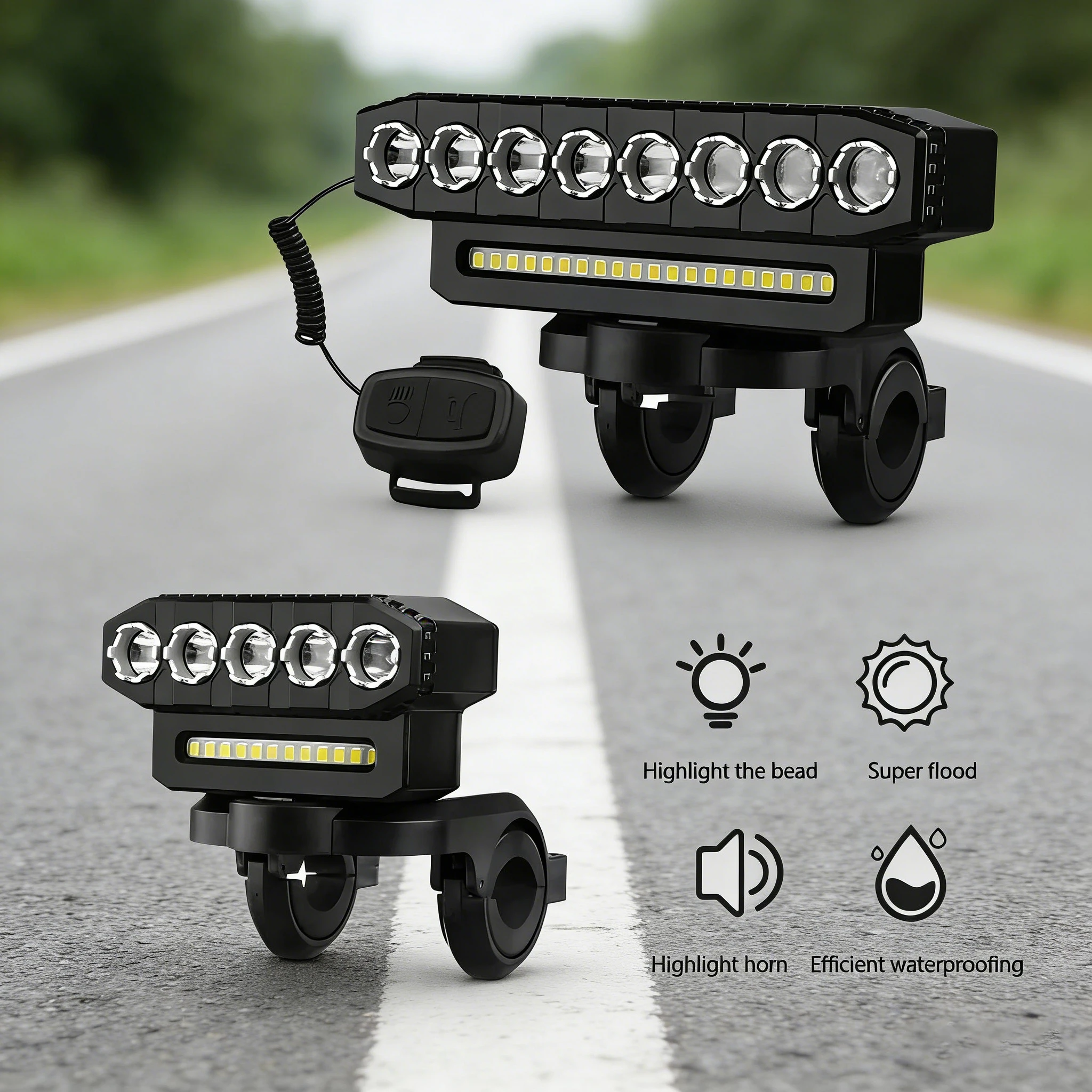
Direct from our Jinhua manufacturing facilities: precision cycling bags, cargo panniers, and technical accessories designed for durability and extreme riding conditions.
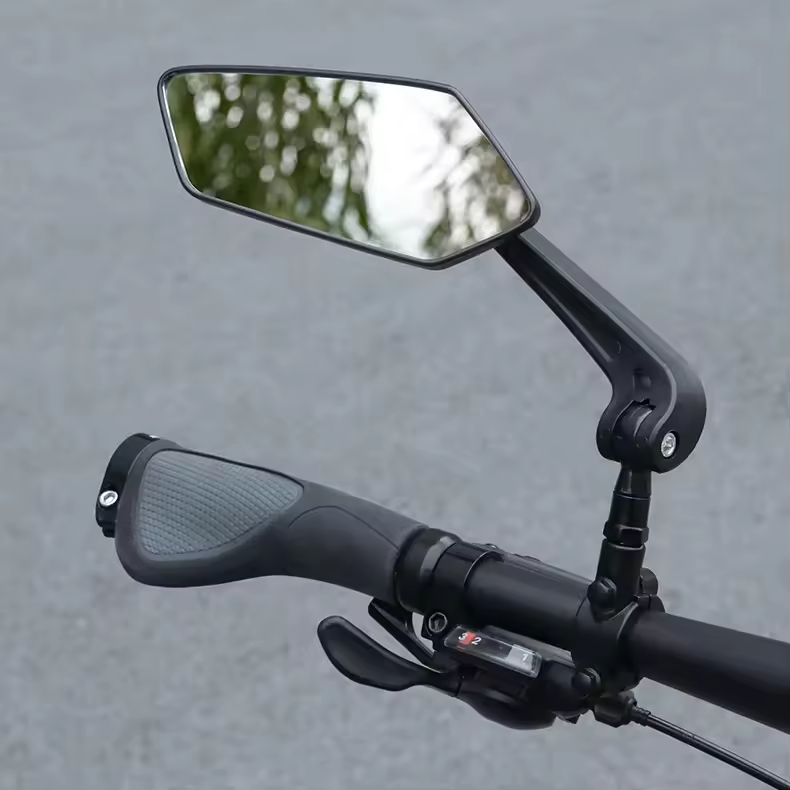
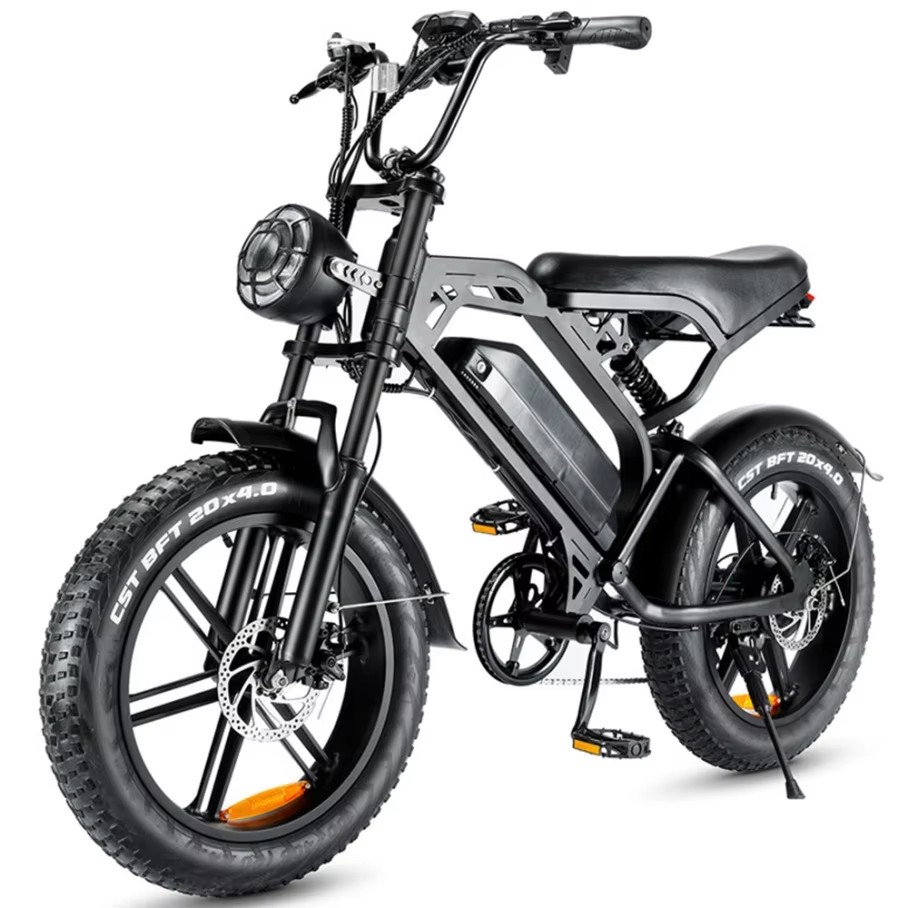
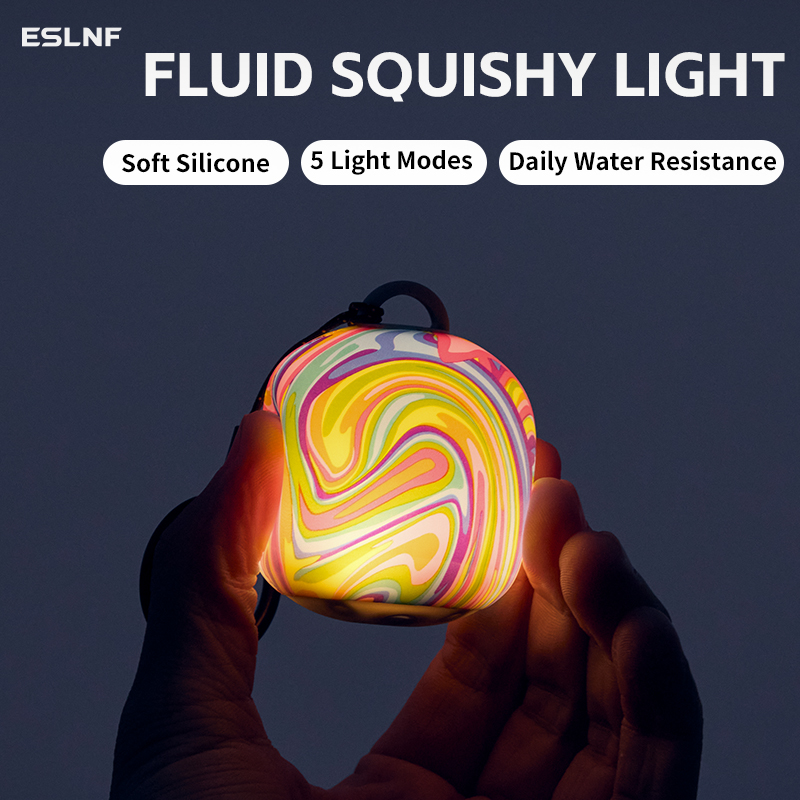
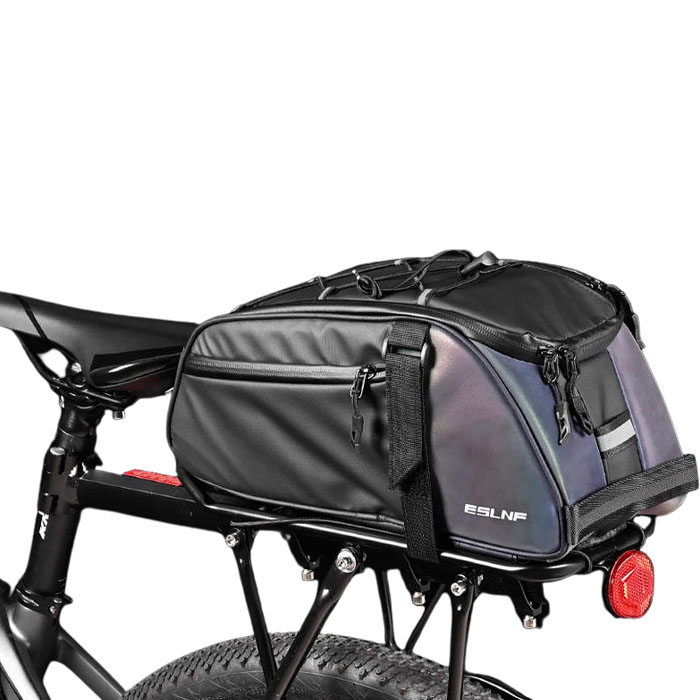
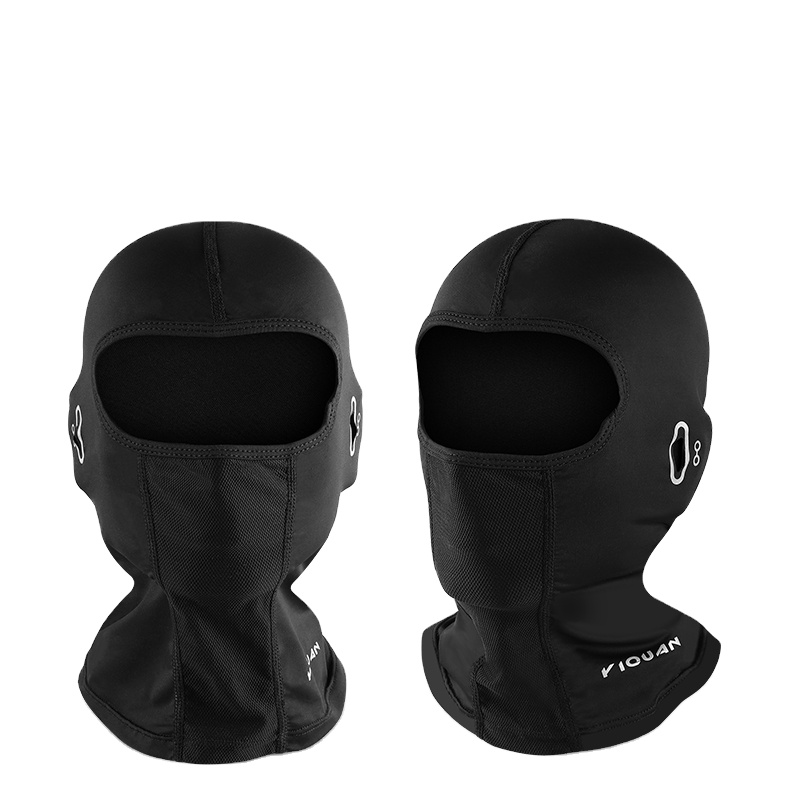
In modern sports gear distribution, sourcing from an accomplished China top cycling backpack exporter involves multifaceted technical audits extending beyond fabric cut-and-sew operations. Cycling backpacks, hydration carry systems, and frame panniers undergo intense physical stresses, vibration fatigue, UV degradation, and sudden weather exposure. As professional exporters operating out of Zhejiang's manufacturing ecosystem, our facilities synthesize textile ergonomics, RF high-frequency welding, and automated hardware integrations to deliver commercial-grade endurance.
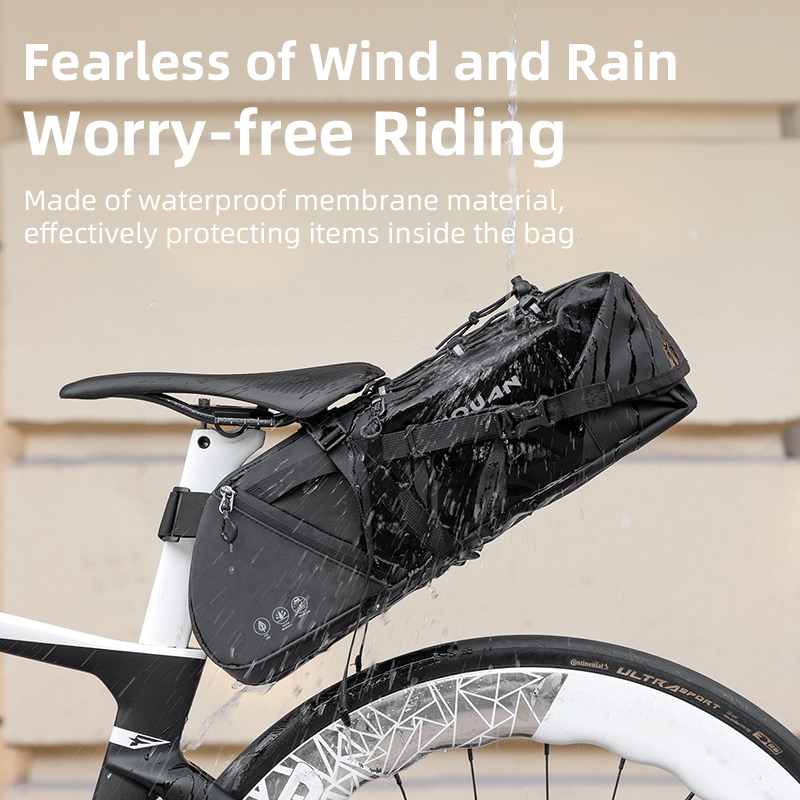
Standard recreational bags typically rely on surface polyurethane (PU) sprays yielding meager water resistance below 1,000mm. High-performance cycling commuter bags and touring backpacks manufactured for international distribution demand high-density TPU laminated 420D/840D Oxford nylon fabrics engineered to resist upwards of 15,000mm hydrostatic water column pressure. Our production infrastructure incorporates precision thermal-bonded tape seams and high-frequency RF dielectric welding. This eliminates stitch perforations altogether, ensuring sensitive consumer electronics, battery packs, and gear remain entirely dry under sustained downpours.
A persistent obstacle for cycling commuters and long-distance gravel touring athletes is perspiration accumulation and kinetic shifting during sprints. Top-tier exporters now eliminate conventional closed-cell back panels in favor of multi-density EVA molded pods and hollow suspended mesh lattices. By lifting the backpack chassis 12mm away from the rider's spine, convective thermal channels promote evaporative cooling. Simultaneously, our load-bearing waist fins transfer up to 70% of cargo weight to the pelvic region, stabilizing the center of gravity over bicycle top tubes without constricting diaphragm breathing.
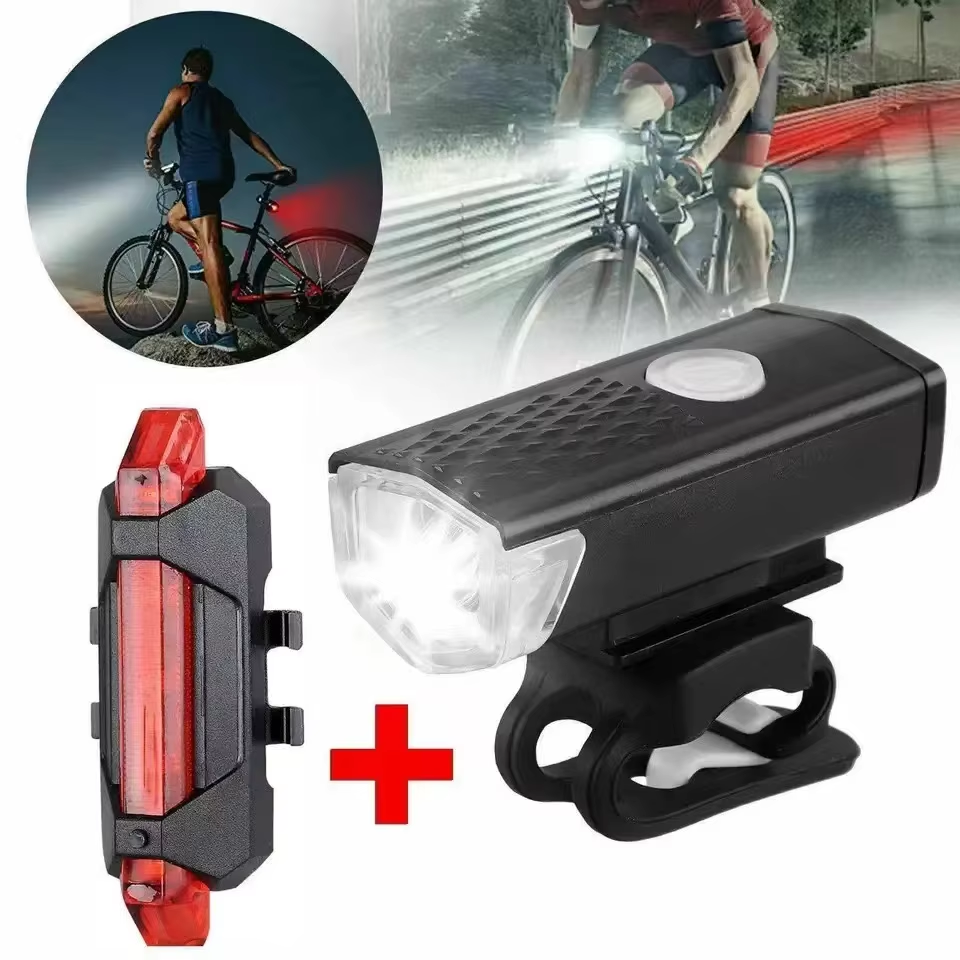
Passive retro-reflective strips (complying with EN ISO 20471) represent only the baseline of road safety. Contemporary supply contracts increasingly specify electro-active safety modules. Leveraging our in-house optical testing and LED manufacturing lines, our cycling pack architectures support integrated USB-rechargeable turn signals, low-profile COB daytime running lights, and smart accelerometer brake sensing built directly into pack facades. Sourcing these components under a unified OEM roof dramatically reduces BOM overhead while avoiding third-party electronic assembly mismatches.
Kenus Intelligent Technology Co., Ltd. combines audited manufacturing discipline with comprehensive international certification pedigrees.
Our complete operating facilities, tube-forming lines, welding stations, and assembly shops are independently inspected on-site by TÜV Rheinland with full video documentation and verifiable audit trails.
Shorten time-to-market with on-site industrial 3D printing and CAD modeling. We validate buckles, brackets, aerodynamic shell geometries, and structural mounts prior to steel tooling release.
Direct access to verified international credentials including CE (SIT230614230201E), RoHS (SIT240417230101R), Japanese PSE (SIT240226230301P), and EMC inspection reports (SIT250212230201ER).
From custom logo pantone dyeing, laser-etched hardware, and retail-ready packaging design to private-label hardware modifications, our engineering team builds precisely to spec.
Situated in Jinhua, Zhejiang, we leverage world-class shipping links to consolidate complete cycling product lines—from bags and lights to carbon saddles and tools—into synchronized container shipments.
Our quality control protocol incorporates salt-spray corrosion tests for metal fasteners, cyclic drop-shock testing for load straps, tensile strength checks, and electronic charge-discharge cycle verification.
Anticipate shifting consumer demands and regulatory frameworks with our strategic product development roadmap.
Major European and North American markets are mandating traceable supply chains. Expect 70%+ of brand procurement to transition toward Global Recycled Standard (GRS) rPET and ocean-bound plastics with low-carbon footprint verification.
Riders no longer want isolated solutions. The fastest-growing SKU segment is the 2-in-1 hybrid bag: a commuter backpack that seamlessly unclips into an aerodynamic bicycle pannier via quick-release rail clamps.
As fat-tire and urban commuter e-bikes surge globally, backpacks specifically engineered to securely transport heavy secondary lithium-ion batteries with fire-retardant liners and thermal insulation are witnessing exponential demand.
Cross-pollinating technologies from our 3D printed carbon saddle production, we are prototyping additive-manufactured shoulder straps and lumbar cushions that offer zone-tailored elasticity without moisture-retaining foam cores.
Crucial commercial, technical, and regulatory clarity for overseas purchasing directors and supply chain managers.
Connect with our technical engineering desk to discuss tech packs, request factory audit documentation, or receive detailed volume pricing for custom OEM/ODM production runs.