Engineered Cycling Luggage & Specialized Ride Gear
Precision-manufactured in Zhejiang's advanced industrial hardware and technical textiles hub. Fully compliant with international reach standards and ready for private labeling.
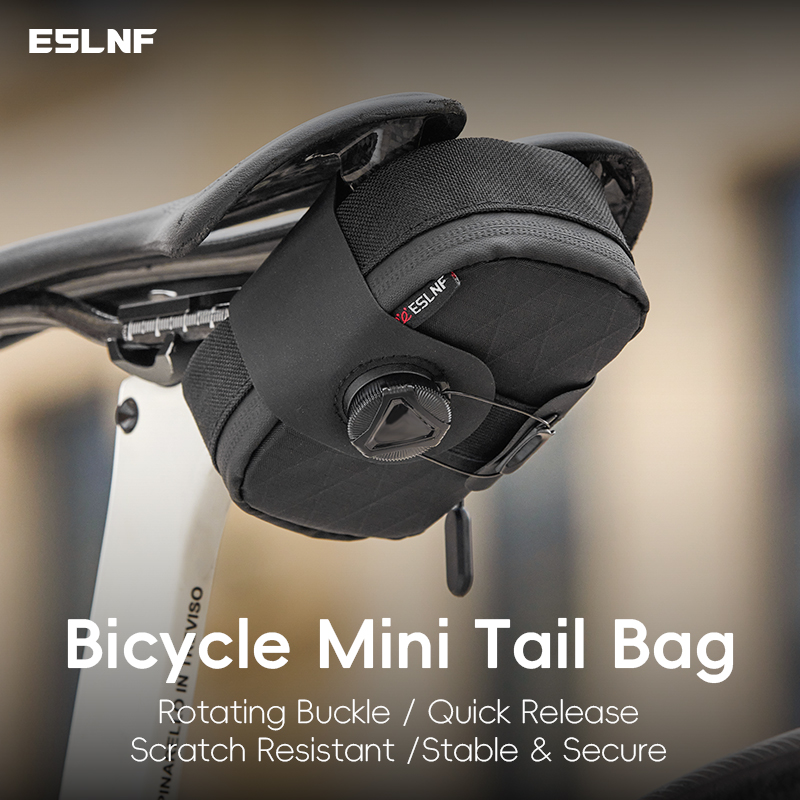
ESLNF Waterproof Bike Saddle Tail Bag
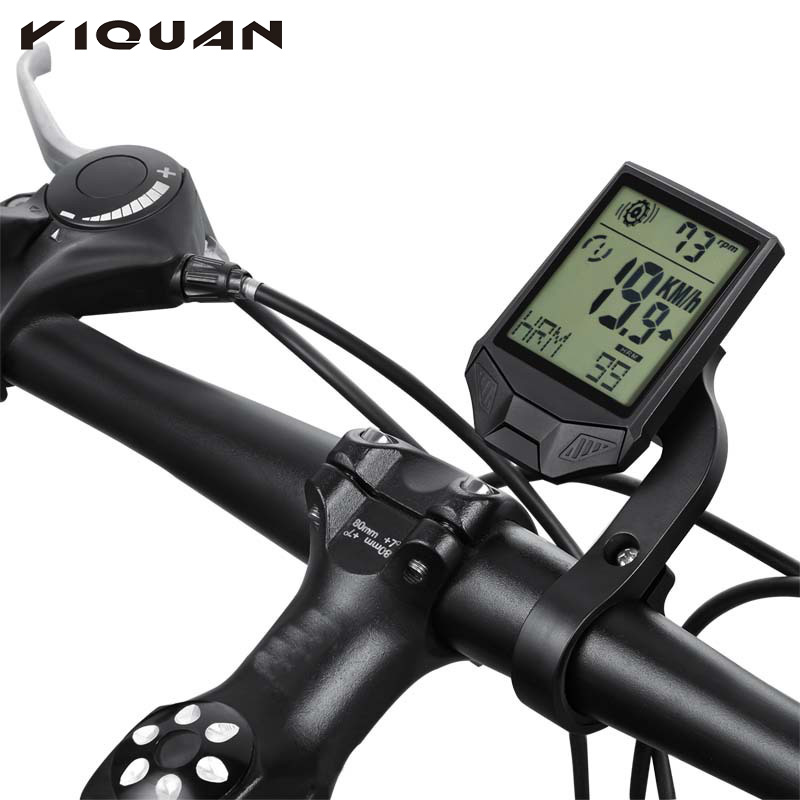
Wireless Multi-Function Cycling Computer
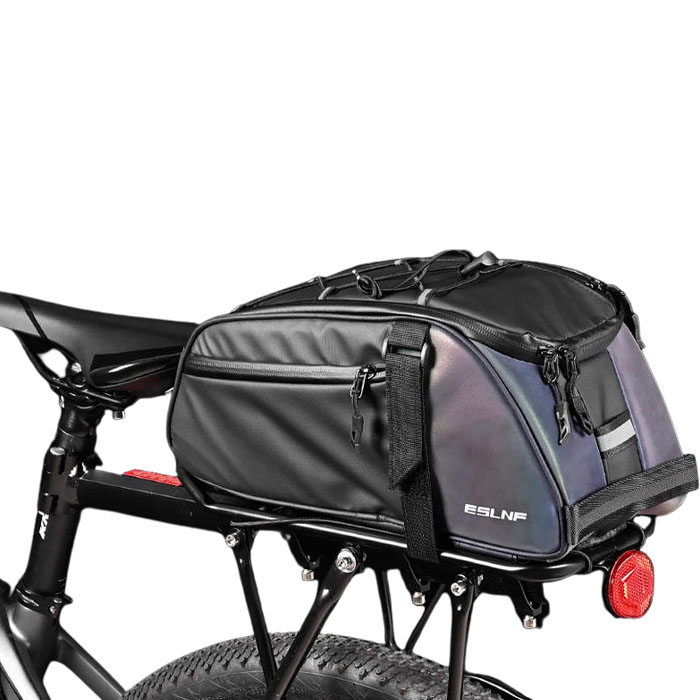
Large Capacity Reflective Trunk Pannier
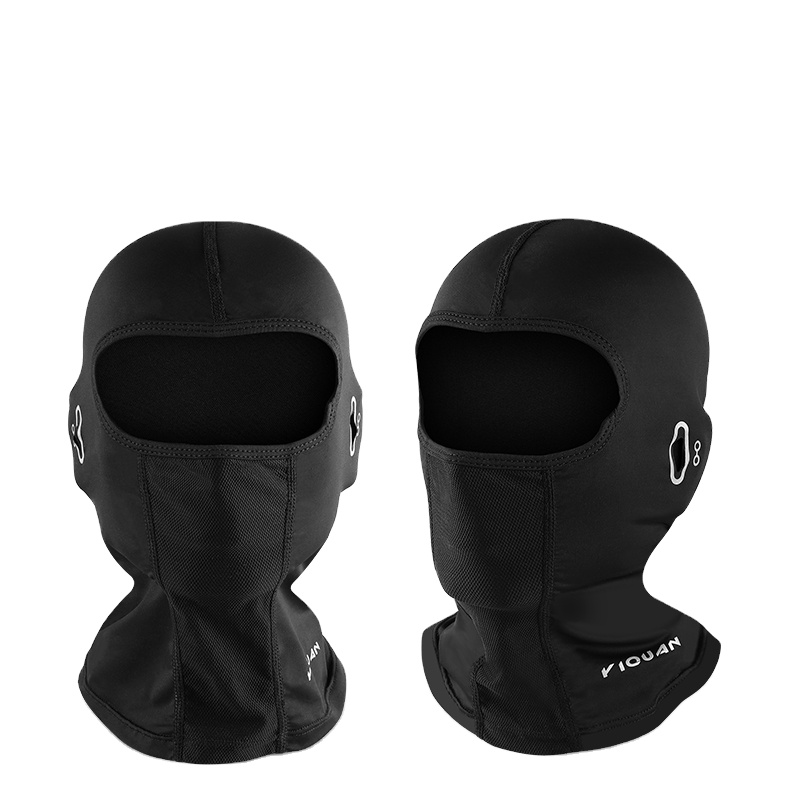
Windproof Ice Silk Balaclava Face Mask
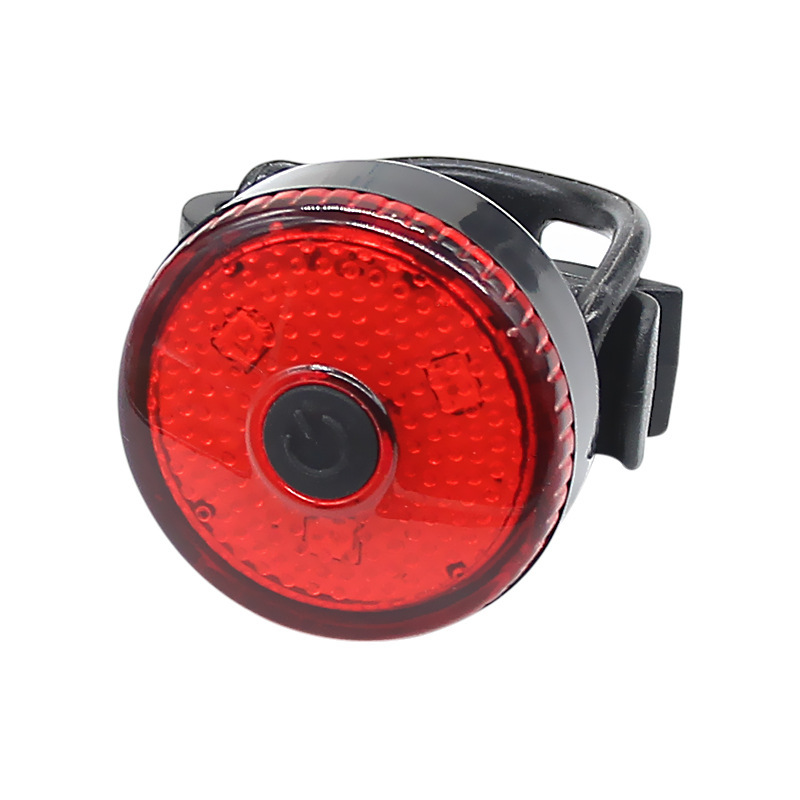
Waterproof LED Night Warning Tail Light
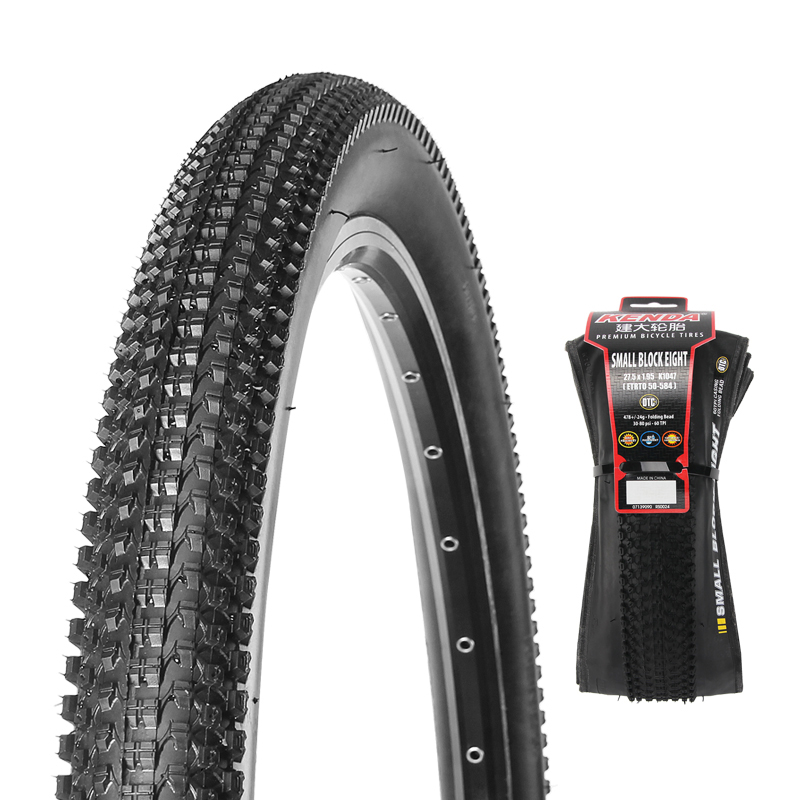
60TPI Folding Bead High-Traction Fat Tire
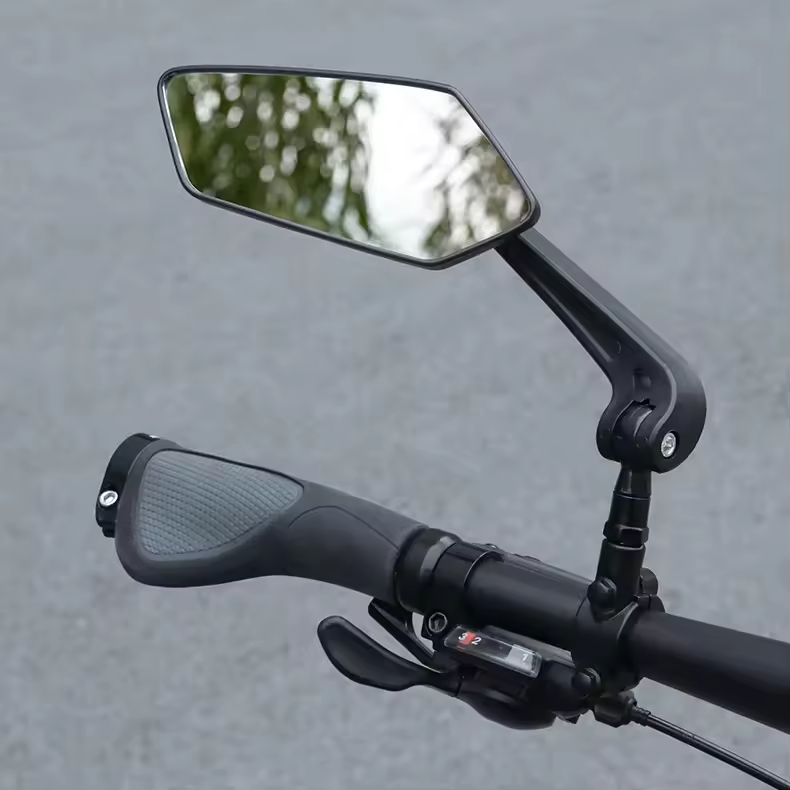
HD Convex Aluminum Bar-End Rearview Mirror
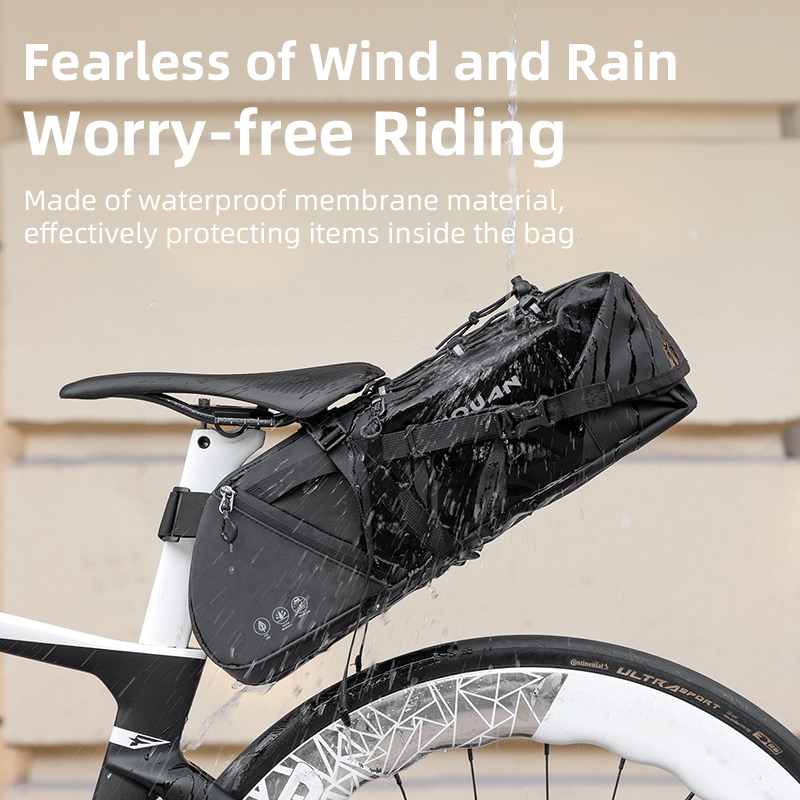
Expandable Waterproof Saddle Pack
Technical White Paper: The Evolution of High-Performance Cycling Bags in China
The global cycling luggage market has transitioned rapidly from utilitarian, stitched commuter pouches to highly specialized bikepacking and touring ecosystems. As modern endurance cyclists, gravel racers, and urban commuters demand zero water penetration, minimal aerodynamic drag, and uncompromising durability, the manufacturing paradigm has shifted toward technical composite textiles, high-frequency ultrasonic welding, and biomechanically stable harness architectures.
As a prominent custom manufacturer established in Jinhua, Zhejiang, Kenus Intelligent Technology Co., Ltd. has spearheaded the integration of industrial hardware engineering with automated soft-goods processing. While traditional assembly operations rely strictly on sewn needle-holes that create structural vulnerabilities and water leakage points, modern production lines utilize Radio-Frequency (RF) dielectric welding and thermoplastic polyurethane (TPU) molecular fusing. This engineering achievement ensures that seams exhibit higher tensile shear strength than the raw roll fabric itself, yielding consistent IPX6 and IPX7 submersion ratings.
Material Science & Structural Architecture
In high-end manufacturing, fabric selection dictates not only longevity but also dynamic ride quality. When a loaded pannier or large saddle bag experiences lateral sway during pedaling cadence or trail descents, fabric stretching induces unwanted weight shifting. Our engineering team incorporates multi-layer laminated constructions consisting of:
- Exterior Abrasion Shell: 600D to 1000D high-tenacity nylon or recycled post-consumer polyester treated with fluorocarbon-free Durable Water Repellent (DWR). Critical contact points with bike frames utilize Hypalon reinforcement to withstand continuous sand and mud friction.
- Polyurethane Core Barrier: Dual-sided extruded TPU membranes ranging between 0.1mm and 0.25mm thickness. This replaces traditional PVC liners, achieving higher low-temperature flex resistance (tested down to -30°C without micro-fracturing) and meeting strict European REACH and California Proposition 65 chemical thresholds.
- Internal Structural Skeletons: Integrated ultra-lightweight Polypropylene (PP) or Polyethylene (PE) internal stiffener sheets. These form-stable chassis prevent bag deformation into wheel spokes, eliminate excessive bounce over technical terrain, and provide rigid anchor points for quick-release pannier rail systems.
Seamless Ultrasonic Fusion vs. Conventional Stitching
Every needle penetration in a sewn cycling bag creates a potential ingress pathway for moisture. Even when high-grade polyurethane seam tape is thermally pressed over sewn stitches, repeated flexing, roll-top twisting, and exposure to UV radiation inevitably trigger seam tape delamination after 12 to 18 months of rigorous outdoor usage. In our Zhejiang production facility, we deploy automated high-frequency hot-air and ultrasonic fusing machinery that generates localized molecular excitation between adjacent TPU layers. The result is a monolithic seam that completely eliminates mechanical pinholes, delivering lasting airtightness, superior burst strength, and clean, streamlined exterior aesthetics.
Future Procurement Trends in Cycling Bags & Accessories
Key shifts shaping procurement decisions for tier-1 distributors, private-label brands, and outdoor retailers over the next 5 years.
1. Decarbonization & GRS Traceability
Global procurement teams are prioritizing Global Recycled Standard (GRS) certified rPET and bio-based TPU membranes. B2B buyers now mandate verified Life Cycle Assessments (LCA) to meet tightening EU Corporate Sustainability Due Diligence directives.
2. Modular Bikepacking Architectures
Fixed panniers are yielding market share to multi-piece modular harness systems. Consumers seek universal drybag sleeves that dock securely to handlebars, forks, and seatposts without tools, adapting seamlessly from quick road sprints to month-long gravel expeditions.
3. Smart Gear & IoT Consolidation
The boundary between soft-goods luggage and rider electronics has dissolved. Forward-thinking procurement programs demand bags integrated with solar recharging films, concealed AirTag/GPS tracking slots, integrated power conduits, and synchronized wireless turn signals.
4. E-Cargo & Commuter Optimization
With electric utility and e-cargo bikes booming across European and North American metropolitan centers, bag designs must accommodate wider frame downtubes, long-wheelbase rear racks, elevated vibration frequencies, and higher weight-carrying capacities exceeding 35 kg per side.
5. Accelerated Prototyping & Agility
Long 6-month product development lead times are no longer viable. Tier-1 buyers partner with suppliers possessing in-house 3D printing, automated laser cutters, and pattern-making CAD stations that deliver functional pre-production prototypes within 48 to 72 hours.
6. Universal Hardware Cross-Compatibility
Consumers reject proprietary lock systems that bind bags to specific bike racks. The winning market paradigm favors tool-free adjustable hooks, rubber shims compatible with 8mm to 16mm tubing, and versatile hook-and-loop webbing compatible with any tube geometry.
Why Global Brands Consolidate Orders with Kenus
Direct factory transparency, rigorous third-party certifications, and vertically integrated tooling give our clients a decisive market advantage.
TÜV Rheinland Verified
Our workshop premises, QA/QC protocols, machinery capacity, and export histories have been verified onsite by TÜV Rheinland. We eliminate middleman markup and ensure clear accountability across every production batch.
Comprehensive Compliance
Our complete cycling lighting, cockpit telemetry, and luggage accessory program is backed by accredited laboratory documentation, guaranteeing frictionless customs clearance in key target jurisdictions.
In-House Prototyping & Tooling
Equipped with in-house 3D printing, automated tube constrictors, precision drilling centers, and laser engraving units. We bridge the gap between initial concept sketches and mass-market retail inventory smoothly.
Frequently Asked Questions by B2B Buyers & Importers
Clear answers regarding order minimums, customized OEM/ODM engineering, compliance verifications, and overseas shipping logistics.
What are the minimum order quantities (MOQ) for custom cycling bags and accessories?
How do you verify the waterproof integrity of your bike bags during production?
Can Kenus support one-stop consolidation across lights, saddles, tools, and bags?
What is the standard lead time from initial CAD approval to dock delivery?
Are test reports and factory verification certificates available for compliance teams?
Launch or Scale Your Private-Label Cycling Bag Program
Connect directly with our engineering and export team in Jinhua, Zhejiang. Send us your target technical parameters, expected annual volume, or OEM artwork for instant feasibility review and formal quotation.