Factory Engineered Solutions
Featured OEM Bicycle Lights & Accessories
Explore our flagship lighting systems and coordinated cycling components manufactured under stringent ISO 9001 and TÜV Rheinland-assessed protocols. Ready for brand private-labeling and high-volume dispatch.

#2 Rank
Global Light & Pedal Export Tier
TÜV Assessed
Onsite Verified Production Floor
3,250 LM
Peak High-Performance Lumen Output
100% Tested
In-Line Photometric & Thermal QC
Optical Engineering Whitepaper
Bicycle Headlight Product Recommendations & Architecture
Modern B2B bicycle light procurement demands more than uncalibrated raw lumens. Enterprise importers and high-tier brands require precise optical distributions, cut-off beam geometry, and dependable heat dissipation architecture.
Urban StVZO Anti-Glare Cut-Off Headlights
Engineered explicitly for European and DACH region regulatory frameworks. Incorporates reverse-engineered parabolic reflectors that project a razor-sharp horizontal cut-off line, directing 100% of the luminous flux onto the asphalt while completely mitigating dangerous oncoming driver glare.
- Compliance: German StVZO (K-Mark) & ISO 6742-1 standard
- Illuminance: 35 Lux to 120 Lux calibrated at 10 meters
- Optics: Free-form facet metalized reflector + PMMA lens
- Power Architecture: USB-C PD with 21700 lithium cells
High-Lumen Trail & Enduro MTB Dual-Beams
Designed for downhill mountain biking, gravel adventure, and extreme low-light wilderness trails. Houses an array of Osram P9 or Cree XP-L2 high-efficiency emitters producing genuine, unthrottled luminous output reaching up to 3,250 lumens with combined wide-angle flood and penetrating long-throw spotlights.
- Luminous Flux: 1,000 to 3,250 true verified lumens
- Housing: CNC 6061-T6 aviation aluminum with hard anodizing
- Thermal Regulation: Intelligent NTC sensors with thermal throttling
- Mount System: Quick-release dual quarter-turn GoPro brackets
Integrated E-Bike Drive-System Front Headlights
Direct-mount headlights purpose-built for electric urban, trekking, and cargo bicycles. Configured with an ultrawide DC-to-DC step-down buck driver accepting input from 6V up to 60V, enabling seamless plug-and-play wiring into Bosch, Shimano Steps, Bafang, and Brose central motor motherboards.
- Operating Voltage: 6V–60V DC direct drive with reverse polarity guard
- Power Consumption: 3.5W to 12W with high lumens-per-watt ratio
- CAN-Bus & UART telemetry control compatibility
- Ingress Rating: Hermetically sealed IPX7 waterproof rating
Photometric Distribution: Why Lux Outweighs Lumens in Procurement
In high-end B2B purchasing, specifying headlights merely by "lumens" is an outdated procurement metric. Lumens measure total raw light produced across a 360-degree sphere, regardless of where that light travels. In contrast, Lux (lumens per square meter) measured precisely at 10 meters reveals how effectively an optical system channels photons onto the rider's immediate trajectory, mid-field pavement, and peripheral shoulders. Our factory utilizes dedicated optical goniophotometers and integrating spheres to design TIR (Total Internal Reflection) lenses that deliver high center-beam illuminance without wasting energy on upward light pollution.
Get Optical Test Reports
Strategic Procurement Intelligence
Future Sourcing & Technology Trends (2025–2030)
A comprehensive procurement forecast for category directors, product managers, and supply chain executives navigating shifting consumer expectations, safety legislation, and electronic integration.
| Technology Frontier | Conventional Approach | Future OEM / Market Standard (2025–2030) | Procurement Impact & Sourcing Strategy |
|---|---|---|---|
| Optical Reflector Geometry | Symmetrical circular cones (blinds opposing traffic) | Aspherical free-form TIR lenses with dual high/low beam switching | Essential for entering EU and DACH retail markets legally; eliminates consumer return rates caused by non-compliance. |
| E-Mobility Integration | Standalone internal batteries with frequent USB charging | Direct main-battery integration via smart protocol handshakes | Lowers system warranty claims by tapping directly into high-capacity frame batteries; simplifies vehicle cockpit design. |
| Connector Standards | Micro-USB or proprietary barrel connectors | Universal USB Type-C Power Delivery (PD 3.0) with reverse charging | Complies with the European Union Single Charger Directive; allows headlight to act as an emergency smartphone power bank. |
| Thermal Management | Extruded aluminum casing with passive air dissipation | Multi-fin CNC aerospace alloy with embedded NTC real-time PCB throttling | Prevents LED phosphor degradation and extends optical lifecycle past 35,000 operational hours under continuous peak load. |
| Sensory Intelligence | Manual physical switch (High / Low / Flashing) | Ambient lux photo-sensors, 3-axis accelerometer braking detection, wireless mesh sync | Enables true automated cockpit operations where front and rear lights communicate over Bluetooth Low Energy (BLE) or 2.4GHz RF. |
| Circular Economy Compliance | Ultrasonically welded cases (unserviceable, disposable) | Modular chassis with modular serviceable 21700 battery packs | Prepares private label distributors for strict European right-to-repair directives and battery passport tracing requirements. |
Miniaturization via GaN & Advanced Driver Topologies
The transition from silicon MOSFET switches to Gallium Nitride (GaN) power components allows constant-current driver boards to operate at significantly higher switching frequencies. This cuts board surface area by 40% while raising energy conversion efficiency above 94%. For bicycle headlight OEM manufacturing, this equates to ultra-compact form factors that sit flush beneath GPS cycling computers without cluttering handlebars.
Automotive-Grade Lighting Communication (CAN / LIN)
As electric cargo bikes and speed pedelecs (45 km/h) become regulated as light electric vehicles (LEVs) under L1e categories, headlight systems require active communication lines. Kenus Intelligent Technology engineers custom circuit boards capable of decoding digital signals for auto-dipping high beams, electronic horn triggering, and direct dashboard telemetry display.
Factory Verifiable Capabilities
Why Global Cycling Brands Source with Kenus
Kenus Intelligent Technology Co., Ltd. is a specialized bicycle gear manufacturer located in Jinhua, Zhejiang—the manufacturing heartland for China’s precision hardware and micro-mobility components. We operate as a verified supplier assessed onsite by TÜV Rheinland.
Audited Regulatory Documentation
Every lighting series leaving our lines is accompanied by fully accredited testing records. We safeguard our importers from customs impoundments and market surveillance non-compliance with verified certificates:
- CE – Bicycle Headlight: Certificate No. SIT230614230201E
- RoHS – Multi-Purpose Headlights: No. SIT240417230101R
- RoHS – Bicycle Horn Light: No. SIT24041230101R
- PSE – Japan METI Market Access: No. SIT240226230301P
- EMC – Electromagnetic Compatibility: No. SIT250212230201ER
In-House 3D Rapid Prototyping
Accelerate your time-to-market. Before steel tooling or aluminum injection molds are cut, our industrial designers generate detailed CAD engineering schematics and manufacture functional polymer mock-ups via industrial SLA/SLS 3D printers, allowing physical handlebar ergonomic verification in under 5 business days.
- Pre-tooling dimensional tolerance checking
- Lens optical beam projection verification
- Rapid private label logo mock-up renderings
Comprehensive Multi-Category Consolidations
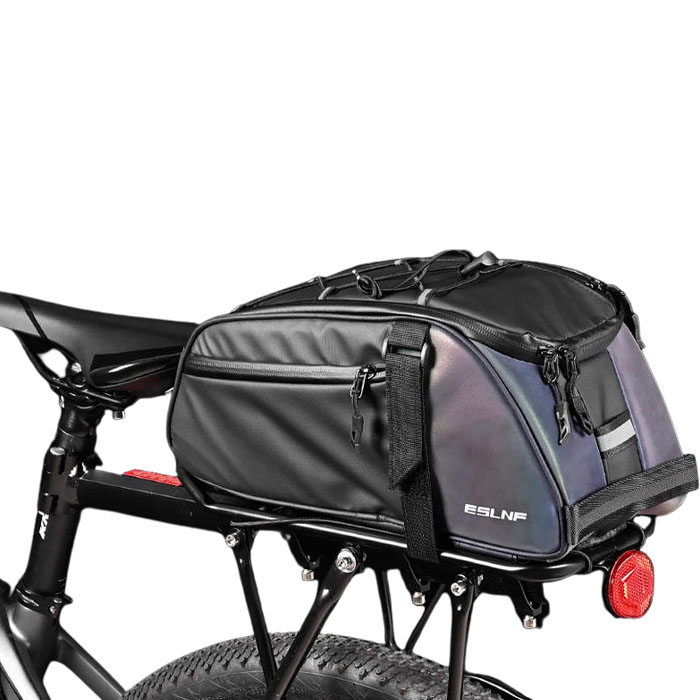
Beyond our advanced bicycle headlights (#2 global seller tier), Kenus eliminates supply chain friction by consolidating complementary product categories in a single shipment container: premium CNC & nylon pedals (#2 rank), ergonomic 3D carbon saddles (#5 rank), waterproof bags, and workshop repair stands.
- Single point of contact for unified B2B shipping
- Significant sea freight consolidation savings
- Strict cross-category colorway and brand consistency
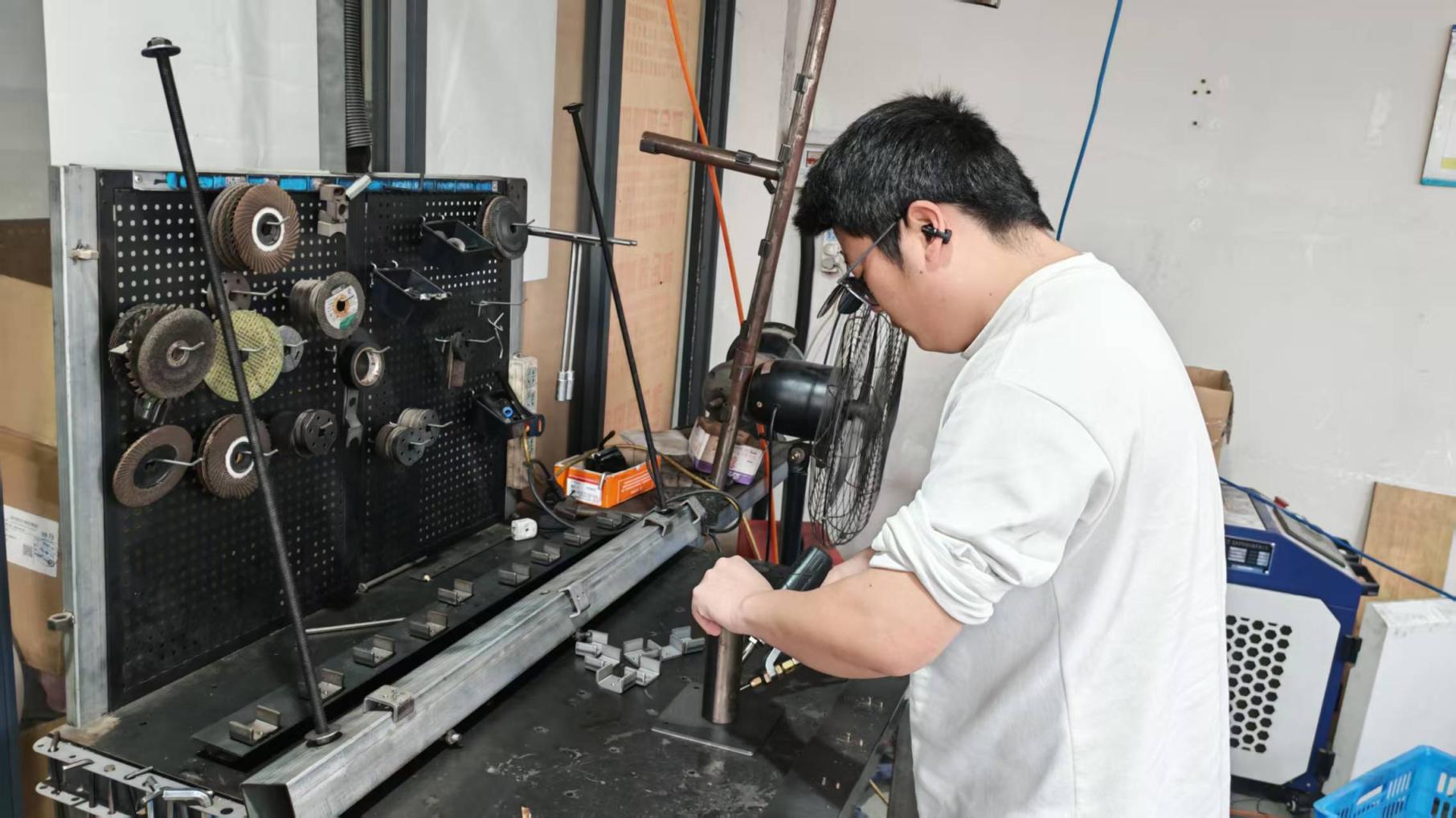
Welding & Tube Reduction
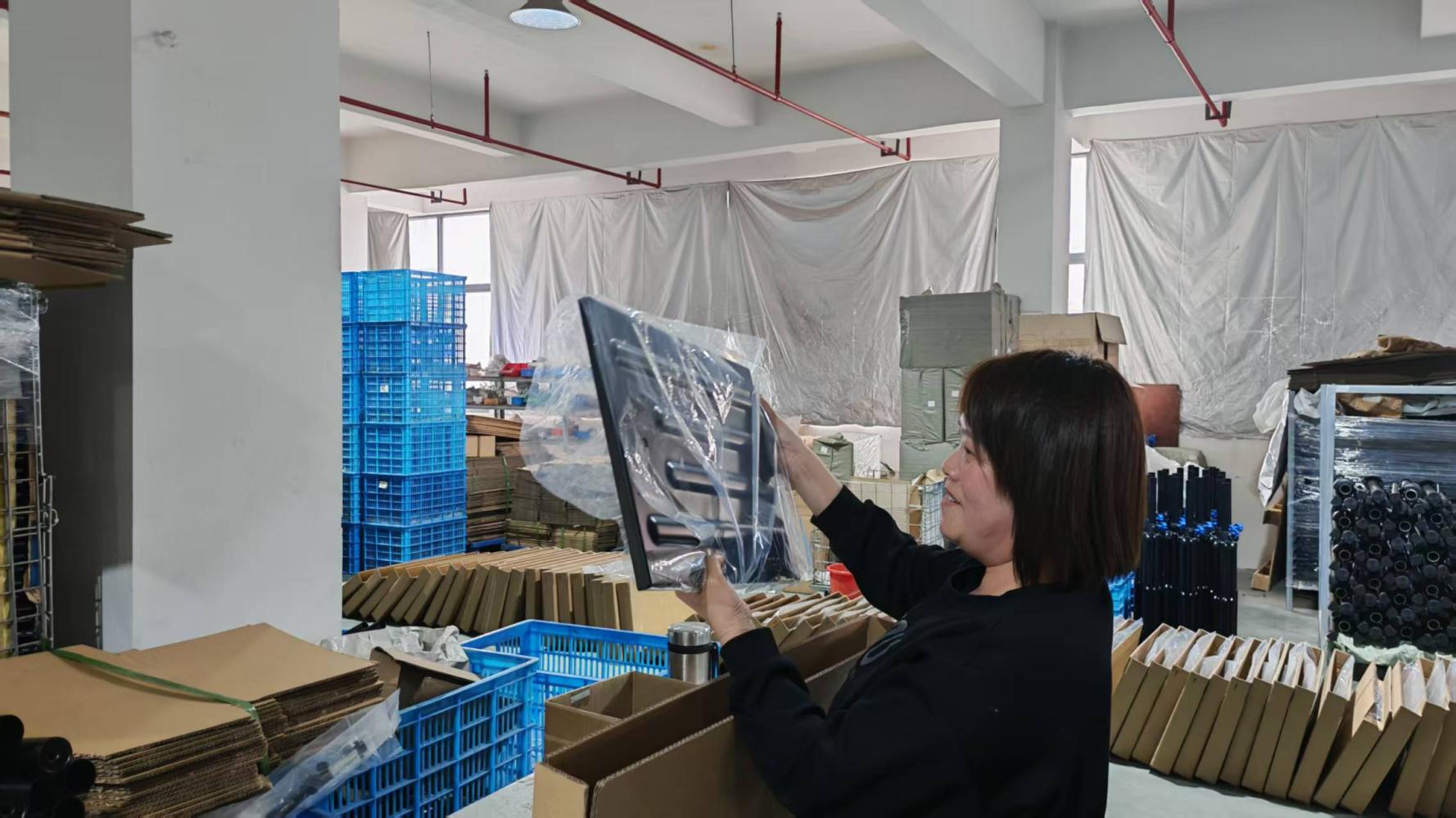
100% In-Line Electrical Testing
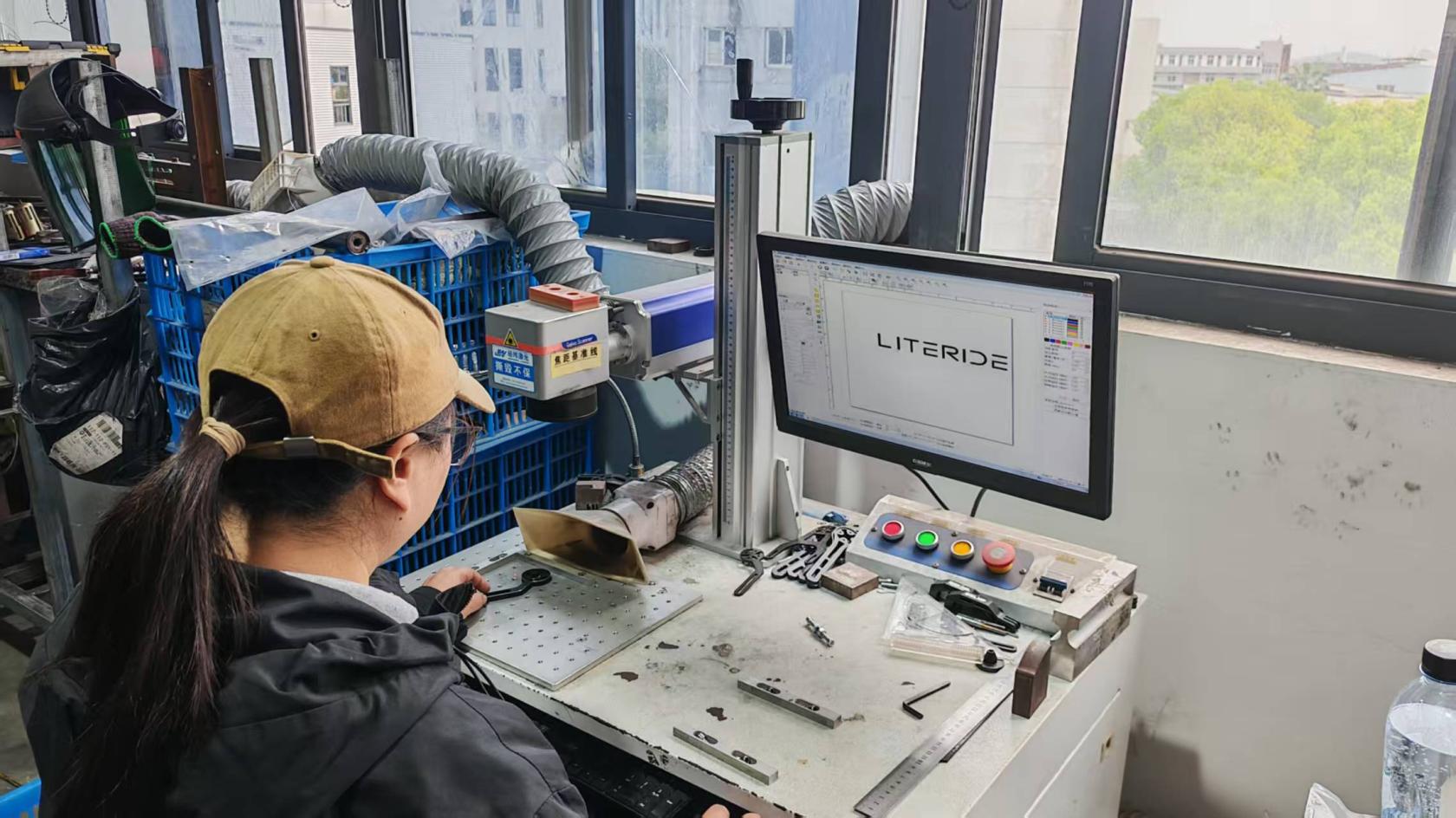
Fiber Laser OEM Marking
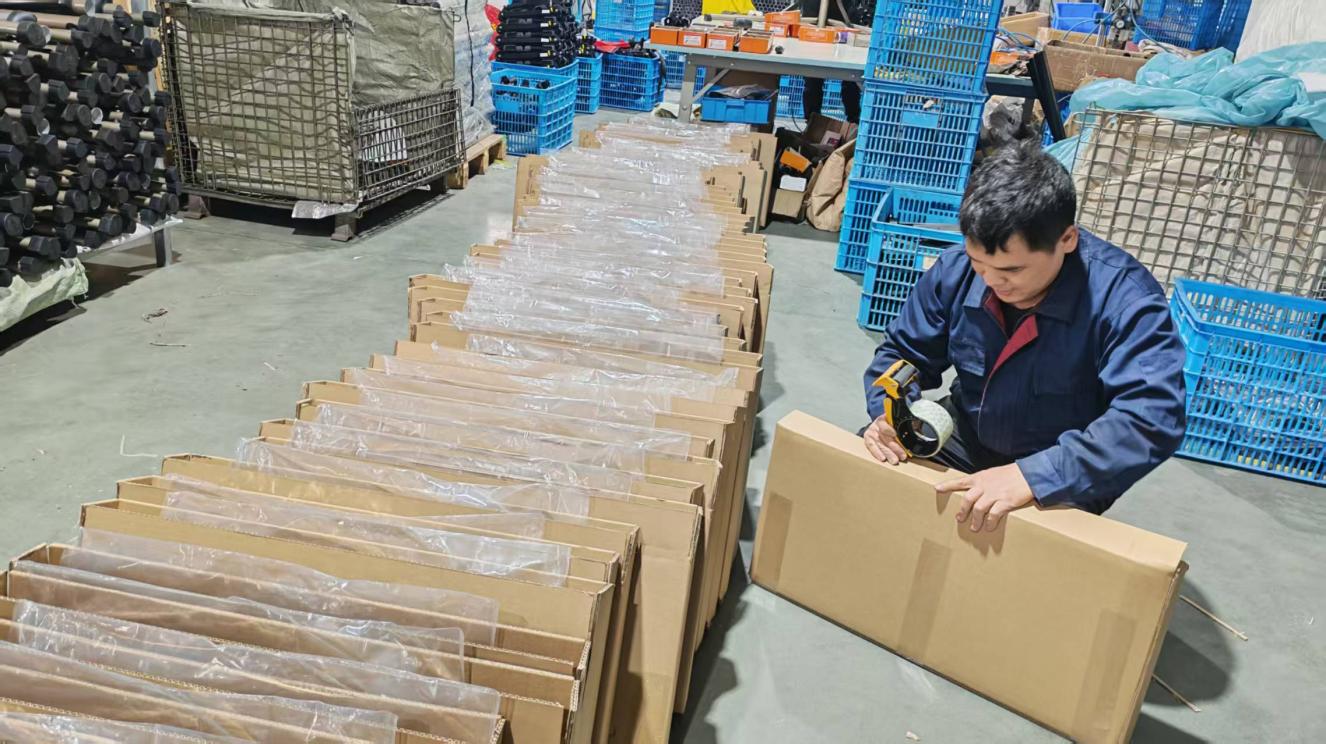
Custom Retail Packaging
Procurement Knowledge Base
Bicycle Headlight OEM Sourcing FAQ
Direct answers to the critical engineering, compliance, and commercial questions asked by international B2B cycling equipment importers.
What is the difference between open-reflector lights and StVZO cut-off beam headlights?
Traditional open-reflector bicycle headlights use symmetrical conical optics that project light outward in all directions equally. While suitable for backcountry off-road singletrack riding, they cast blinding upward glare directly into the eyes of approaching motor vehicle drivers, pedestrians, and oncoming cyclists on urban roads. German StVZO (Straßenverkehrs-Zulassungs-Ordnung) regulations explicitly prohibit these lights on public highways. Our StVZO compliant headlights utilize custom-engineered free-form reflectors and downward-angled LED emitter platforms that create a precise horizontal cut-off barrier at handlebar level. The light above this line is strictly attenuated below 2 Lux, concentrating the brightest illumination directly on the tarmac 5 to 25 meters ahead of the front tire.
How does Kenus prevent lumen drop-off caused by thermal heat buildup?
High-output LEDs generate significant junction heat. If heat is not removed rapidly from the printed circuit board (PCB), diode efficiency plummets, causing severe luminous depreciation and permanently damaging phosphor coatings. Kenus headlights utilize heavy-gauge aluminum core PCBs (Metal Core PCBs) coupled with high-conductivity thermal paste directly anchored to 6061-T6 CNC-machined aerospace alloy casings with integrated cooling fins. Furthermore, our proprietary constant-current driver firmware integrates an active Negative Temperature Coefficient (NTC) thermistor. When internal temperatures approach 65°C, the processor modulates drive current via smooth pulse-width transitions rather than abrupt drops, preserving rider visibility while protecting the electronics.
What lithium-ion battery cells and safety protection circuits do you specify?
Battery reliability is the single most important safety metric for rechargeable electronics. Kenus partners with tier-one cell manufacturers, utilizing genuine cylindrical 18650 and high-density 21700 lithium-ion cells with complete UN38.3 test documentation and MSDS reports for air and ocean freight safety. Every internal battery pack features a hardware Battery Management System (BMS) safeguarding against over-charge voltage, over-discharge cutoff (under 2.75V), short circuit protection, and thermal runaway shutdown. For cold-weather markets in Northern Europe and North America, our low-temperature electrolyte blends maintain over 80% discharge capacity at sub-zero operating environments (-10°C).
What are your Minimum Order Quantities (MOQ) and private label turnaround times?
For stock components and standard Kenus/ESLNF housing designs, ready-to-ship evaluation samples start at just 2 to 10 units. For custom private-label branding—including customized Pantone-matched anodized alloy shells, bespoke silk-screen or fiber laser etched brand logos, and multi-language retail packaging—our MOQ is typically 500 to 1,000 units depending on the housing mold requirements. Lead times for initial pre-production physical prototypes are 7–10 days, with complete containerized mass production orders typically completed in 25–35 days from approved sample sign-off.
How do you verify water resistance and vibration durability during factory QC?
Our headlights undergo rigorous environmental stress screening inside our factory testing laboratory. Every design iteration is subjected to IPX6 and IPX7 high-pressure water spray chamber testing to verify silicone ring compression and ultrasonic weld integrity around lens borders and USB-C port silicone covers. Mechanical stability is verified using a 3-axis vibration table simulating 100,000 cobblestone impact cycles at varying frequencies, followed by multi-angle 1.5-meter concrete drop testing to guarantee the internal bracketry, solder joints, and optical alignment retain structural precision after harsh impacts.
Can Kenus provide customized handlebar mounting hardware and 3D mock-ups?
Yes. Modern cockpits feature diverse handlebar diameters (22.2mm, 25.4mm, 31.8mm, 35mm) as well as integrated aerodynamic one-piece carbon bars. We offer universal silicone ladder straps, heavy-duty hinged aluminum clamps, and underneath-out-front computer mount brackets compatible with Garmin and GoPro-style dual-ear adapters. Our in-house design engineering department will review your proprietary handlebar geometry or stem faceplate dimensions and engineer a tailored mounting bracket solution within 3 business days using rapid 3D prototyping before opening production tooling.