Custom OEM Bike Helmet Factories & Exporters

Precision Sourcing Guide, Comprehensive Manufacturing Architecture & Global B2B Supply Ecosystem

TÜV Assessed Independent Onsite Verification
100% Traceable CE, RoHS, PSE & EMC Audited
3D Prototyping Rapid CAD-to-Tooling Verification
Tier-1 Export Europe, Americas & Oceania Compliant
Factory Curated Hardware

Integrated Cycling Gear & Accessory Engineering

Explore our export-ready components, built with custom tooling, certified materials, and performance endurance tested for tier-one brands.
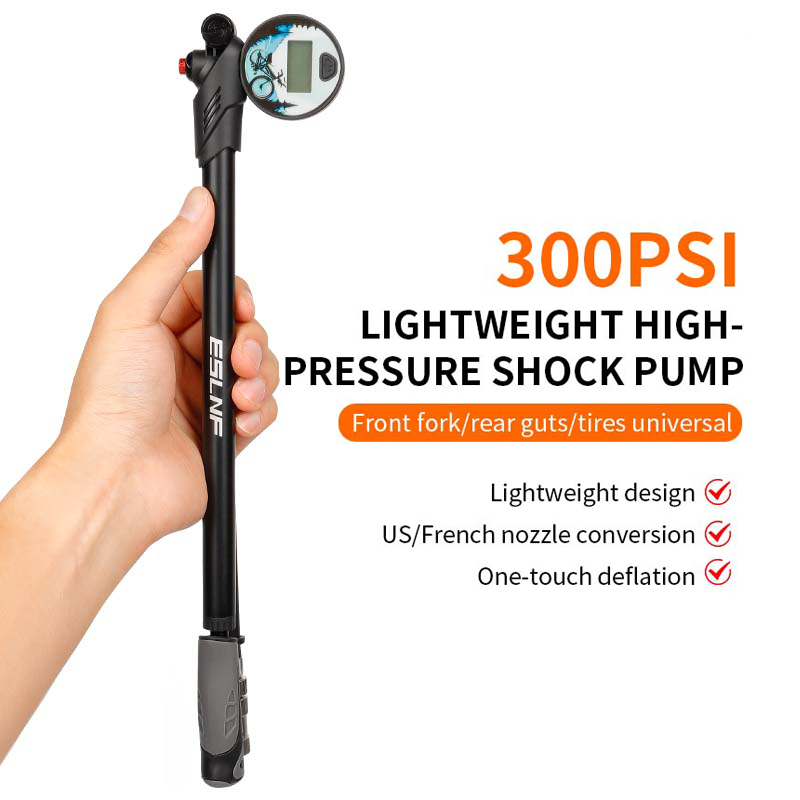
High Pressure 300PSI Cycle Air Suspension Fork Pump
Tools & Maintenance

High Pressure 300PSI Cycle Air Suspension Fork Pump with Gauge

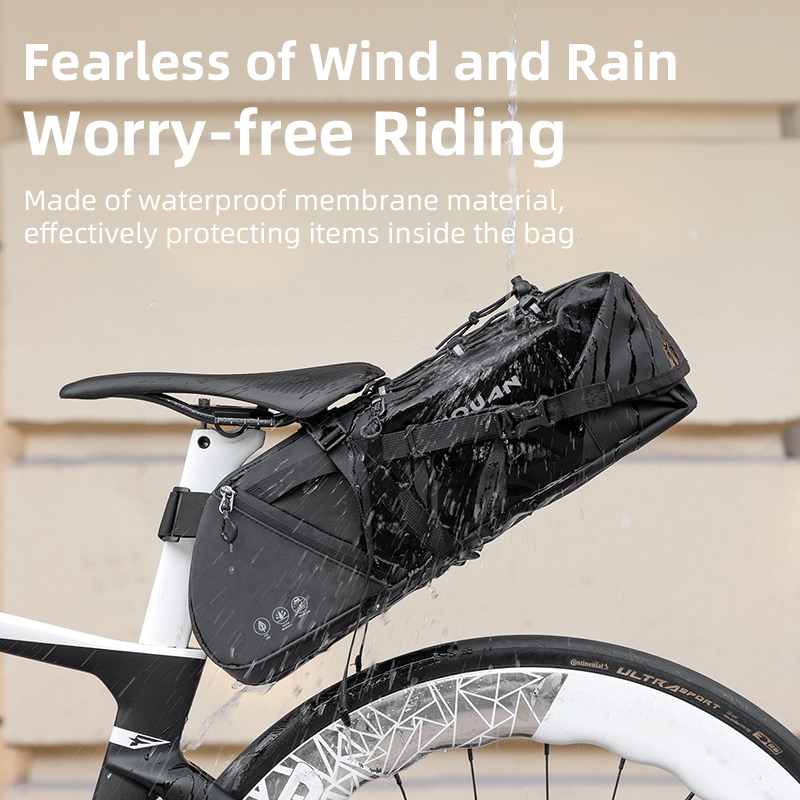
Bicycle Seat Bag Waterproof Durable Bike Saddle Bag
Storage Solutions

Bicycle Seat Bag Waterproof Durable Bike Saddle Bag Expandable

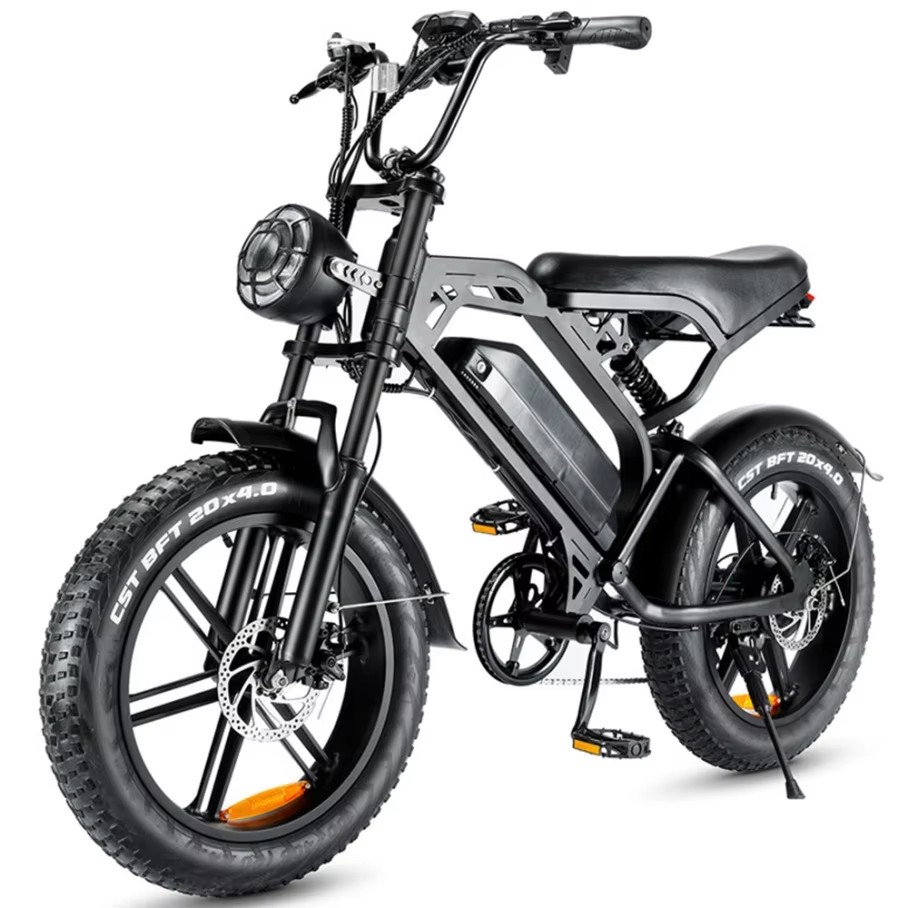
ESLNF EU V20 Full Suspension Fat Tire Electric Bike
E-Mobility Platforms

ESLNF EU V20 48V Full Suspension Fat Tire Electric Bike

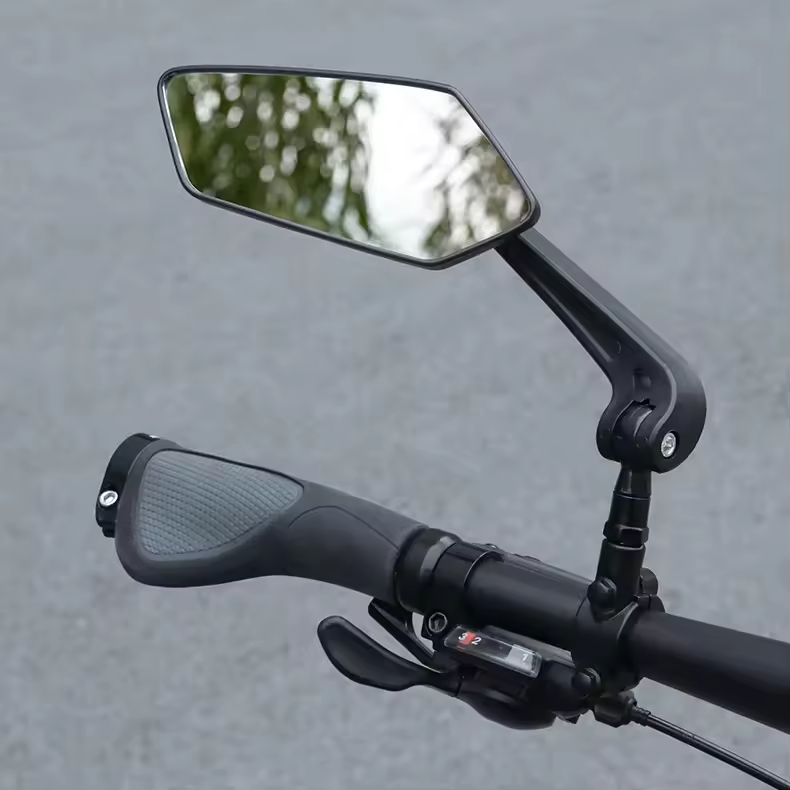
ESLNF Motorcycle Bicycle Rearview Handlebar Side Mirror
Cockpit & Safety

ESLNF Motorcycle & Bicycle HD Convex Aluminum Handlebar Mirror

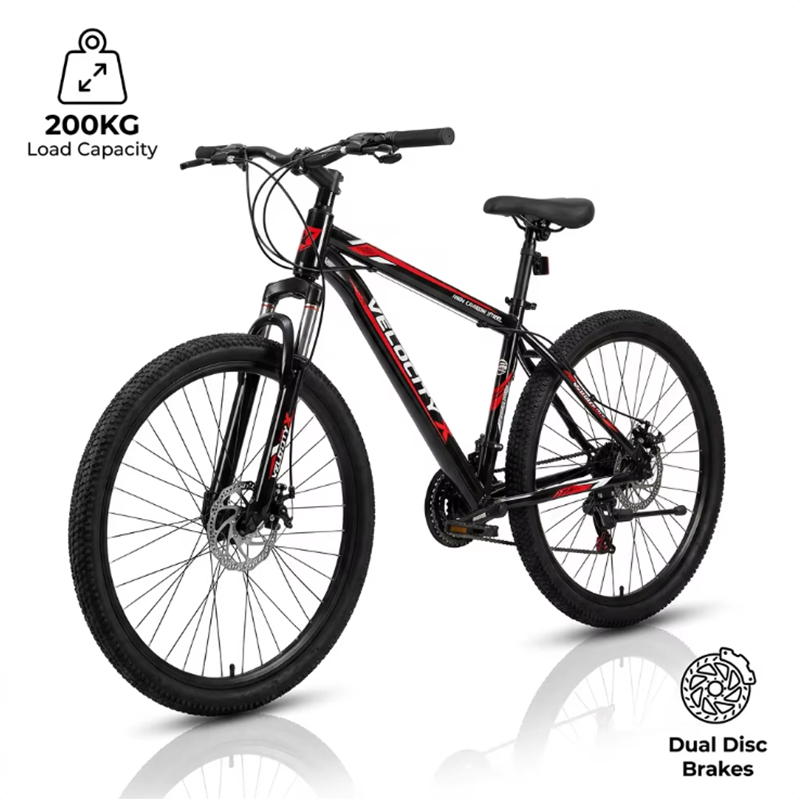
ESLNF 24-Inch Speed Dual-Disc Brakes Mountain Bike
Complete Systems

ESLNF 24-Inch Speed Dual-Disc Brakes High-Carbon Steel MTB

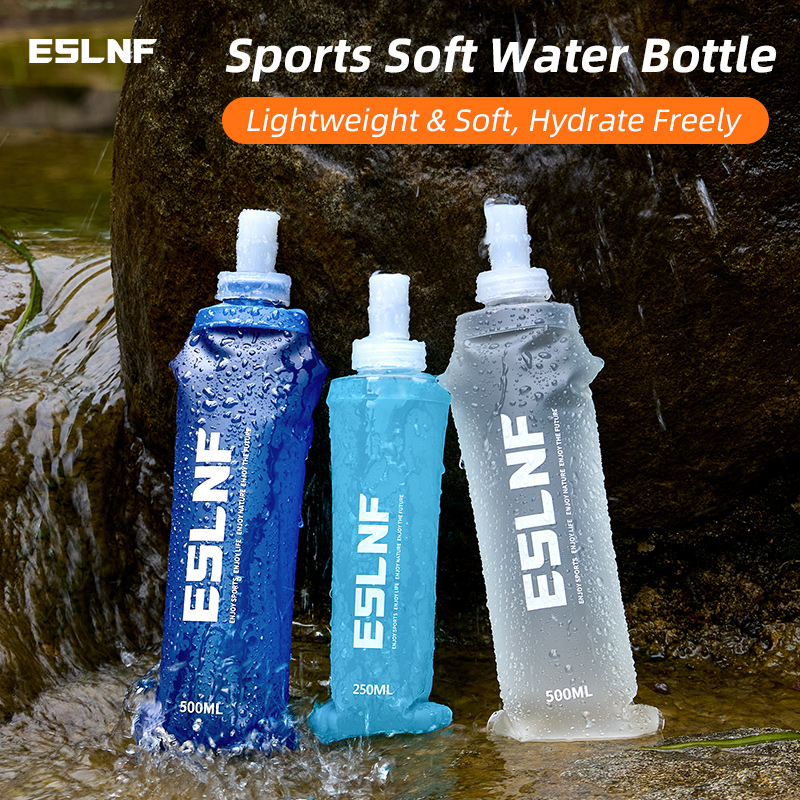
ESLNF Collapsible TPU Soft Water Bottle BPA Free
Hydration Gear

ESLNF Collapsible TPU Soft Water Bottle BPA-Free Hydration Flask

Procurement Engineering

Structural Safety, In-Mold Fusion & Global Certification Protocols

An in-depth procurement perspective on structural dynamics, poly-density EPS liners, impact mitigation systems, and meeting mandatory export benchmarks.

Advanced Polycarbonate In-Mold Fusing

Modern high-performance bike helmet production demands vacuum-formed micro-shell Polycarbonate (PC) fused directly with expanded polystyrene (EPS). This cohesive bonding prevents structural peeling under shear forces, dispersing focal energy laterally across engineered crumple zones rather than concentrating it on the rider's cranium.

Rotational Inertia Dampening

Oblique impacts introduce angular acceleration, which is a major contributor to rotational brain trauma. Leading OEM lines utilize low-friction internal liners and multi-density EPS/EPP matrices that allow 10-15mm of omnidirectional movement during the first critical milliseconds of impact, significantly dampening rotational strain.

Aerodynamic Venting & Structural Skeletons

Maximizing airflow without sacrificing crash-test integrity requires integrated internal skeletons. Using internal thermo-formed nylon or carbon-fiber bridging ribs, factories can engineer massive forward vents and exhaust tunnels that reduce turbulent drag while maintaining structural cohesion under catastrophic impacts.

Future Sourcing Analysis

Emerging Procurement Trends in Bicycle Equipment & Helmets

How technical standards, micro-mobility regulation, and digital integration are reshaping procurement over the next 3 to 5 years.

NTA 8776 Standard for High-Speed E-Bikes

With high-speed pedelecs (45 km/h) expanding globally, the Dutch NTA 8776 standard is becoming mandatory across European supply chains, demanding 43% higher impact energy attenuation and extended temporal protection compared to traditional EN 1078 models.

IoT Integration & Connected Lighting

Integrated micro-electronics are becoming standard equipment. Helmets and cockpit cockpits now incorporate embedded accelerometers for automatic emergency brake-lighting, Bluetooth mesh communication, and turn signals powered by lightweight, rechargeable lithium-polymer batteries.

Bio-Circular & Recycled Materials

ESG initiatives from leading international retailers are driving the adoption of bio-based plastics, recycled EPS (rEPS), and plant-based straps. Supply chain partners capable of offering verifiable Lifecycle Analysis (LCA) data gain a distinct competitive edge.

3D Printed Lattice Cushions

Additive manufacturing using continuous liquid interface production allows variable-density elastomeric lattice pads. This eliminates conventional PU foam hotspots, drastically improves active sweat evaporation, and reduces pressure peaks across irregular skull shapes.

Factory Qualifications

Engineered Reliability from Jinhua's Manufacturing Core

Kenus Intelligent Technology Co., Ltd. delivers vertically integrated production capabilities designed for B2B brands, importers, and international retail chains seeking consistent product quality and certified compliance.

  • TÜV Rheinland Onsite Verified: Independently audited production workshops, QA/QC testing facilities, and verified operational capacity.
  • Full Certification Portfolio: Active, documented CE, RoHS, PSE, and EMC certifications with transparent test reports.
  • In-House Tooling & Rapid Prototyping: Dedicated 3D printing, CNC machining, and laser marking facilities to accelerate initial proof-of-concept timelines.
  • Integrated Hardware Consolidation: Simplify your supply chain by sourcing lighting, saddles, pedals, frames, and tools under a single purchase order.

Strict Batch Quality Control Protocol

Impact Drop & Anvil Attenuation 100% Validated
Dynamic Retention System Tensile Test Pass (EN/CPSC)
Environmental & Thermal Conditioning -20°C to +50°C
Compliance & Operations FAQ

Frequently Asked Questions for B2B Sourcing

Direct technical answers addressing international compliance standards, minimum order quantities, and custom tooling processes.

What certifications are mandatory for importing bike helmets into the EU, US, and Japan?
For the European Union, helmets must strictly comply with EN 1078 (pedal cyclists) or EN 1080 (children), accompanied by CE marking under Personal Protective Equipment (PPE) Regulation (EU) 2016/425. For the United States, helmets must meet the mandatory standard set by the Consumer Product Safety Commission (16 CFR Part 1203). In Japan, products typically conform to SG (Safe Goods) or PSE regulations if electronic systems like lights or battery packs are integrated.
What is the typical tooling cost and lead time for custom OEM helmet molds?
A bespoke helmet design usually requires precision aluminum tooling for both the outer Polycarbonate (PC) vacuum shell and the expandable polystyrene (EPS) high-pressure mold. Tooling costs typically range from $8,000 to $25,000 depending on sizing runs and aerodynamic complexity. Lead times for tooling generally take 45–60 days, followed by 15 days for initial pre-production sample sign-offs and lab certification tests.
How does the factory guarantee consistent EPS density across production batches?
Quality control starts at the pre-expansion phase where virgin EPS beads are volumetrically controlled under calibrated steam pressure. Automated molding machinery uses continuous temperature, pressure, and vacuum feedback to ensure consistent bead fusion without micro-voids. Samples from every production run are destructively tested on calibrated drop towers to ensure real-world impact attenuation.
Can we consolidate multiple bike accessories with our helmet orders in one container?
Yes. Our Jinhua manufacturing base and integrated supply network allow buyers to combine helmets, bike lights, saddles, pedals, bags, bottles, and workshop tools into single container shipments. This consolidation substantially reduces logistics overhead, customs clearance fees, and inventory minimums for importing brands.
What are the minimum order quantities (MOQ) for custom private label runs?
Standard OEM production runs featuring custom colors, branded water-transfer decals, and bespoke packaging typically begin at 500 to 1,000 units per colorway/size combination. For ready-to-ship catalog equipment and rapid accessories, lower minimum quantities apply to help support market testing and trial distributions.

Build Your Custom Cycling Line with Kenus

Consult with our engineering and export specialists today to discuss technical specifications, verify compliance reports, or request rapid prototypes.

Contact Us