Compact Illumination
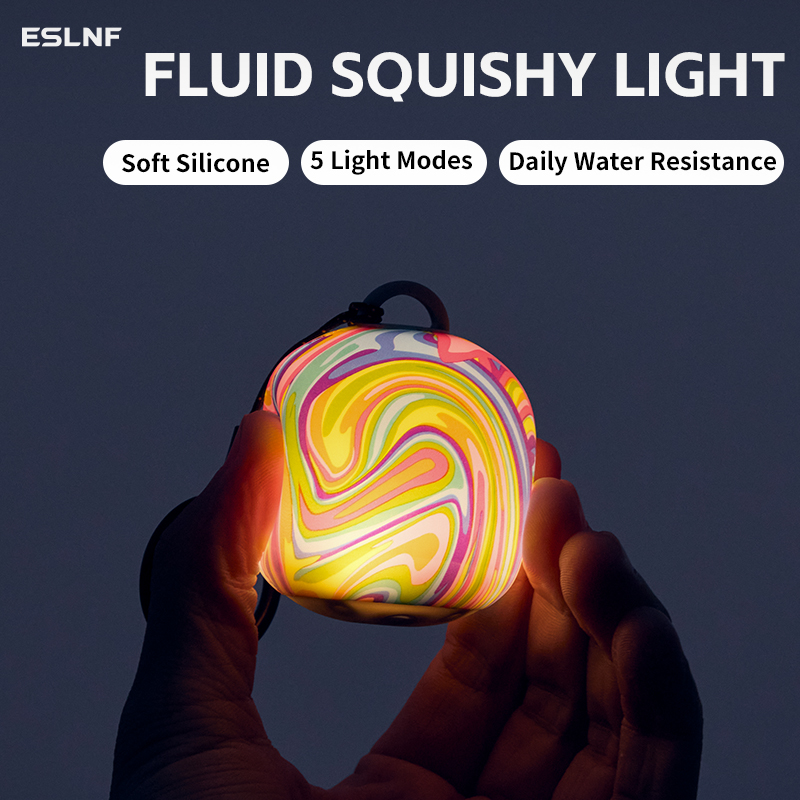
Explore production-grade bike tail lights, pneumatic suspension pumps, modular trail tools, cold-weather ergonomics, and aerodynamically contoured carbon componentry ready for private-label deployment.
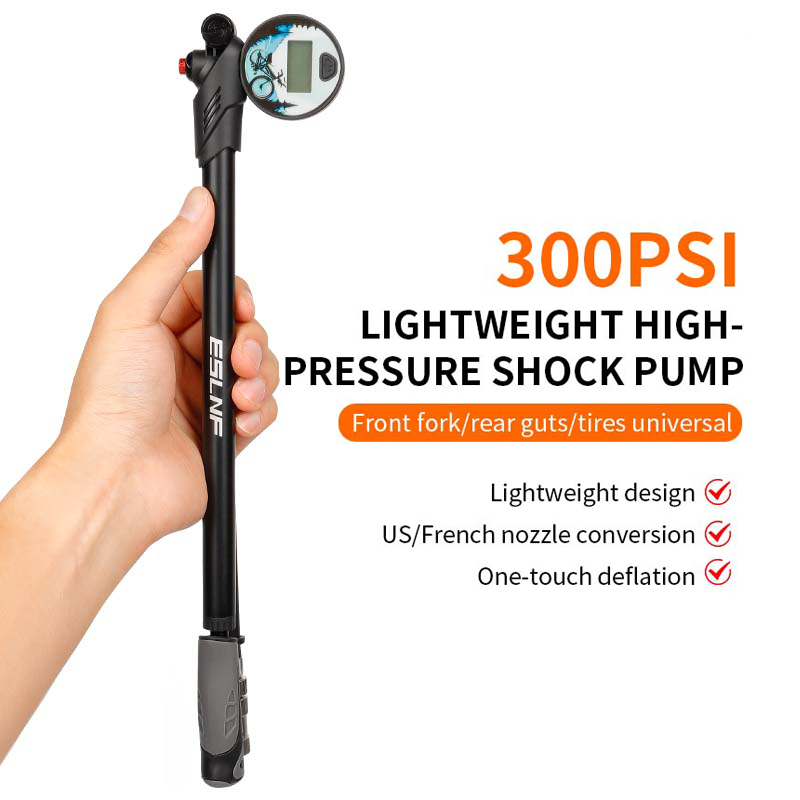
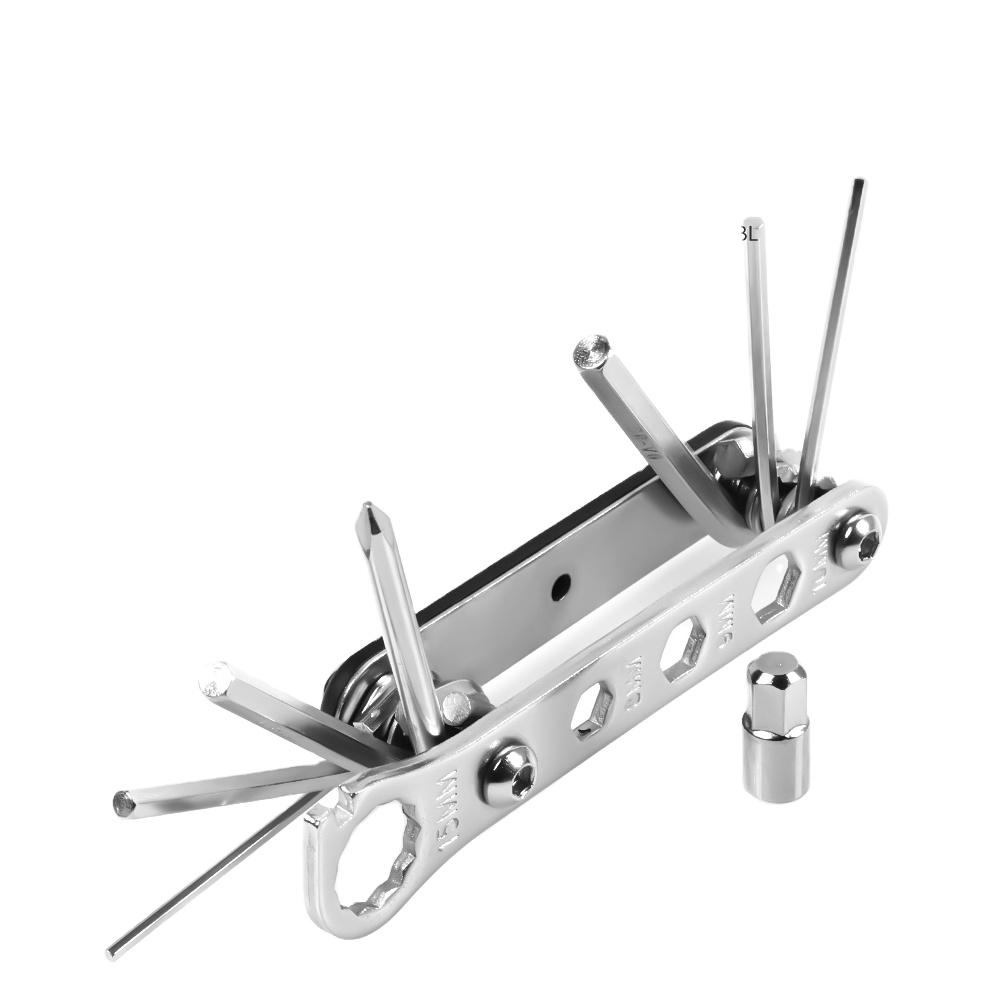
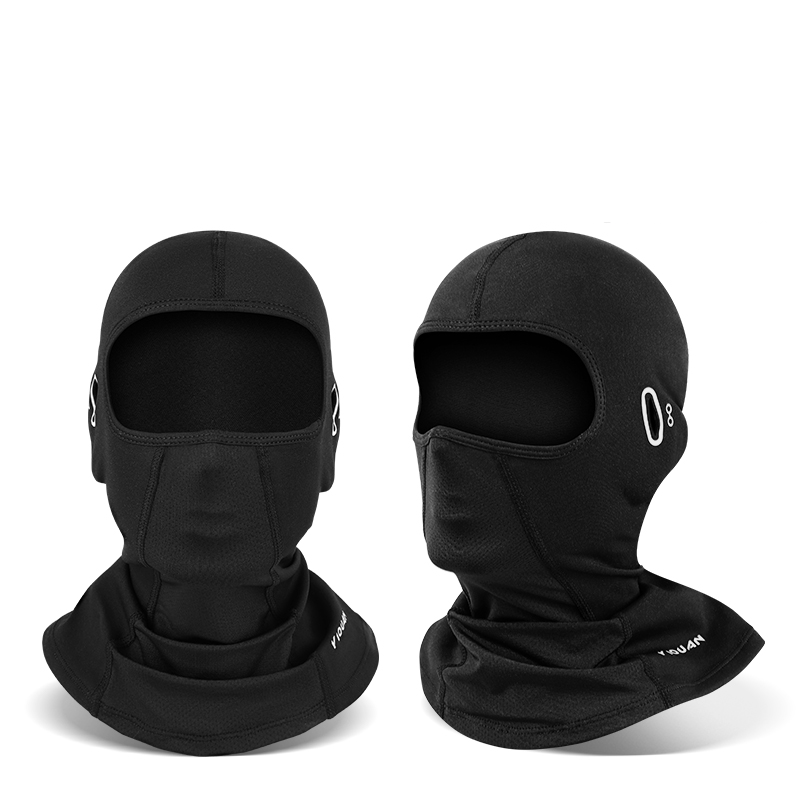
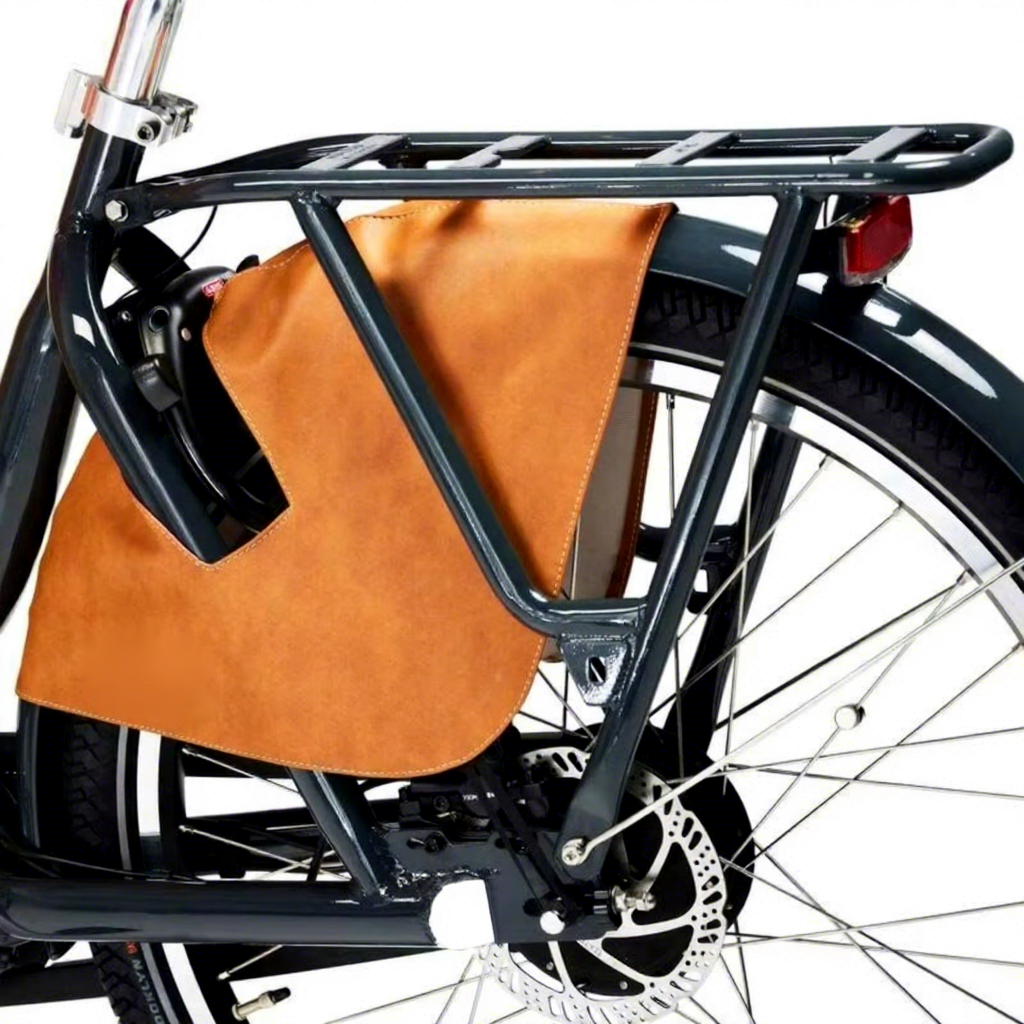
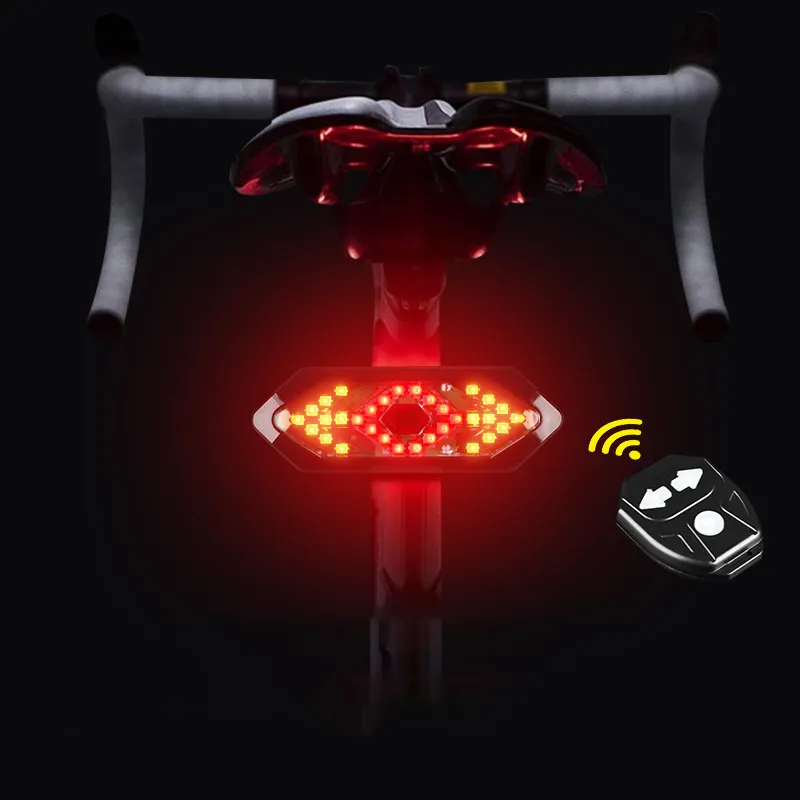
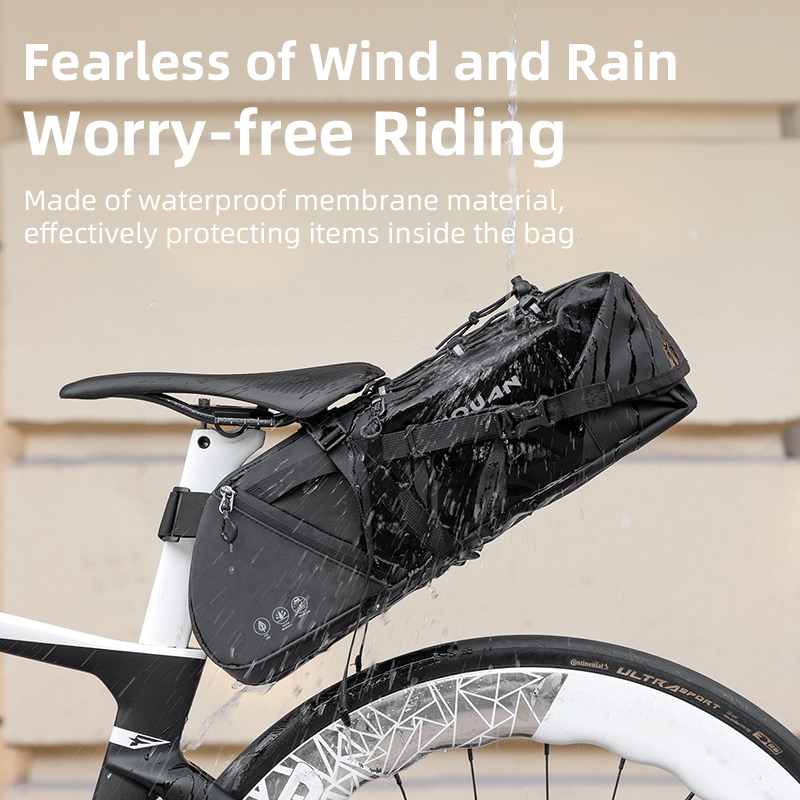
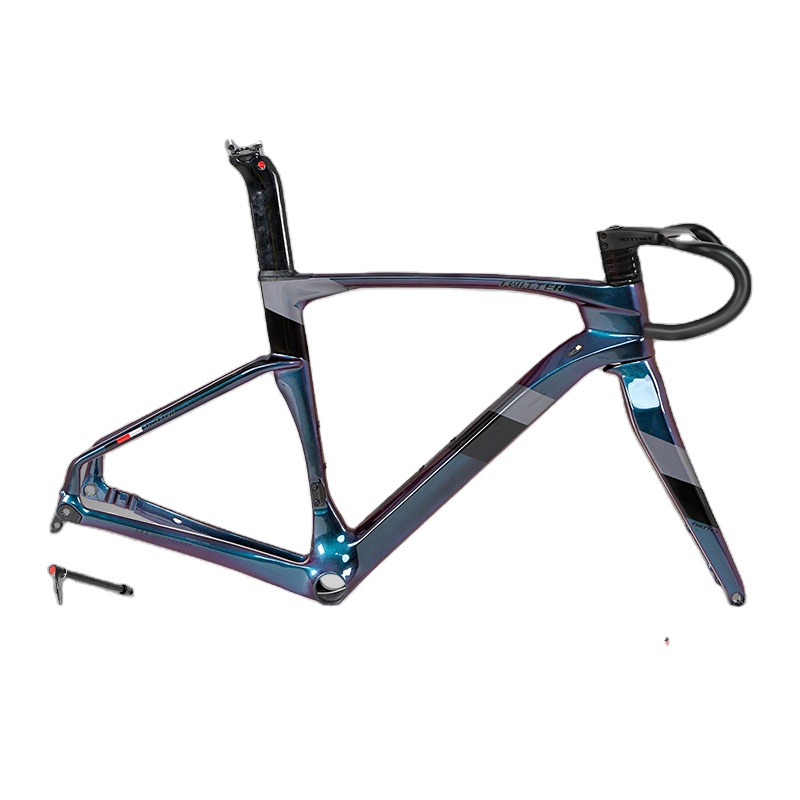
Our facilities in Jinhua, Zhejiang combine advanced optical simulation, in-house tube reduction, high-speed Surface Mount Technology (SMT), and mechanical testing.
Independently verified physical plant, clean-room optical assembly cells, and continuous process controls. Every tail light batch adheres to strict documented SOPs and full traceability.
Pre-certified for rapid import across Western Europe, North America, and APAC. Active validation registers include CE (SIT230614230201E), RoHS (SIT240417230101R), and PSE Japan (SIT240226230301P).
Accelerate your time-to-market. We offer in-house SLA/SLS additive prototyping for customized optical lenses and aerodynamic seatpost mounts prior to committing hard steel tooling.
In the highly competitive micro-mobility and cycling accessory landscape, bike tail lights have transitioned from commodity flashers into safety-critical intelligent devices. For purchasing managers, category heads, and OEM brand buyers, choosing a manufacturing partner requires an understanding of photometry, thermal dissipation, battery chemistry stability, and jurisdictional regulatory gatekeeping.
Raw lumen count is often used as a misleading consumer metric. In professional OEM rear lighting, luminous intensity measured in Candela (cd) across wide horizontal and vertical viewing angles dictates actual road safety. A light emitting 50 lumens through a precision Total Internal Reflection (TIR) lens or a Fresnel array can achieve visibility exceeding 1.5 kilometers in daytime flash mode, outperforming poorly collimated 120-lumen bare COB configurations.
Our engineering lab utilizes goniophotometer profiling to design lens geometries that meet strict peripheral beam parameters. By distributing 35% of output to a ±75-degree horizontal divergence, our lights ensure side visibility when entering roundabouts or intersecting motor vehicle paths.
| Evaluation Parameter | Consumer-Grade Generic Spec | Industrial OEM Standard (Kenus Benchmark) |
|---|---|---|
| Optical Engine | Unbranded standard surface COB | Automotive-grade Nichia / Osram Red (620-630nm wavelength) |
| Lens Efficiency | Generic molded PMMA (<82% transmittance) | Optical-grade UV-stabilized Bayer Polycarbonate (>92% transmittance) |
| Battery Safeguards | Single-MOS overcharge/discharge chip | Dual-MOS PCB protection + NTC thermal thermistor cutoff at 55°C |
| IP Water Resistance | IPX4 snap-fit casing without ultrasonic weld | IPX6 / IP67 rated ultrasonic welding with co-molded silicone gaskets |
| Deceleration Sensing | Basic uncalibrated tilt sensor | Tri-axis MEMS accelerometer with DSP slope & bump filtering algorithms |
Smart tail lights equipped with auto-braking detection must discern genuine speed loss from cobblestone vibrations, trail chatter, and steep road ascents. Inexpensive tilt switches trigger frequent false positives, rapidly exhausting battery reserves and irritating trailing pack riders. Our custom sensor firmware executes a moving-average deceleration algorithm on a 32-bit ARM microprocessor, ensuring the high-output 100% duty cycle brake strobe triggers only during legitimate deceleration rates (>1.2 m/s²).
Rear bicycle lights are subjected to brutal operating envelopes: direct solar irradiance in summer, freezing headwinds in winter, and internal heat loads from high-discharge flashing circuits. Because lithium-polymer pouch cells degrade exponentially when operated at internal temperatures above 45°C, Kenus incorporates aluminum-core PCBs coupled with thermally conductive silicone paste that conduits heat straight out through structural mounting brackets.
Anticipate regulatory mandates and consumer demand shifts across 2026–2030 to protect inventory liquidity and maintain strong profit margins.
European authorities are tightening anti-glare, non-flashing continuous lumination mandates (K-Mark approval). B2B procurement is pivoting toward tail lights with razor-sharp horizontal cutoffs that illuminate the roadway without blinding following traffic, preventing product bans across key EU retail chains.
Consumers increasingly demand tail lights that interface with Garmin, Wahoo, and smartphone cockpits. Forward-looking OEM orders now specify unified Bluetooth Low Energy (BLE) micro-controllers, enabling automatic light activation upon ride tracking and real-time integration with millimeter-wave rear radar detectors.
EU ecodesign directives mandate replaceable battery structures and recycled enclosure plastics. Kenus is pioneering modular, screw-sealed chassis utilizing post-consumer recycled (PCR) polycarbonates, eliminating glue-sealed units to support zero-landfill import guidelines.
Detailed answers regarding tooling cycles, compliance verification, and contract manufacturing parameters.
We offer initial 3D functional prototypes within 5 business days using high-detail SLA printing. Hardened steel injection tooling requires 25 to 35 calendar days, followed by T1 functional samples and optical photometric bench validation.
Yes. Every export shipment is supported by genuine test reports and declaration certificates under Kenus or your private label, including CE (SIT230614230201E), RoHS hazardous substance checks, EMC radiation reports, and UN38.3 lithium battery shipping documents.
For laser-etched logos and custom-printed retail packaging on our existing production housings, MOQs start from 500 units. For fully customized optical molds, custom housing colors, or customized PCBA sensor programming, our threshold is 2,000 to 3,000 units.
Consult with our lead hardware engineers to finalize photometric requirements, battery discharge curves, mounting clamps, and packaging configurations.