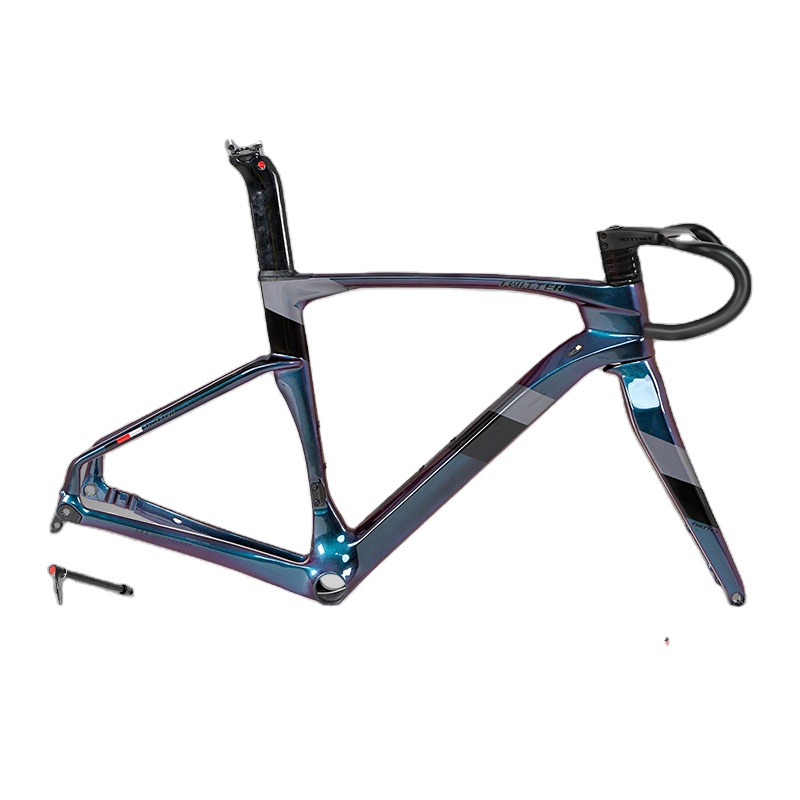
ESLNF Bike Frameset With Holographic Color Carbon Fiber Frame Thru Axle
- Toray Carbon
- Thru-Axle Precision
- Custom Holographic Finish
Explore our certified core product range. Each assembly integrates industrial-grade materials, stringent dimensional tolerances, and multi-market export documentation.
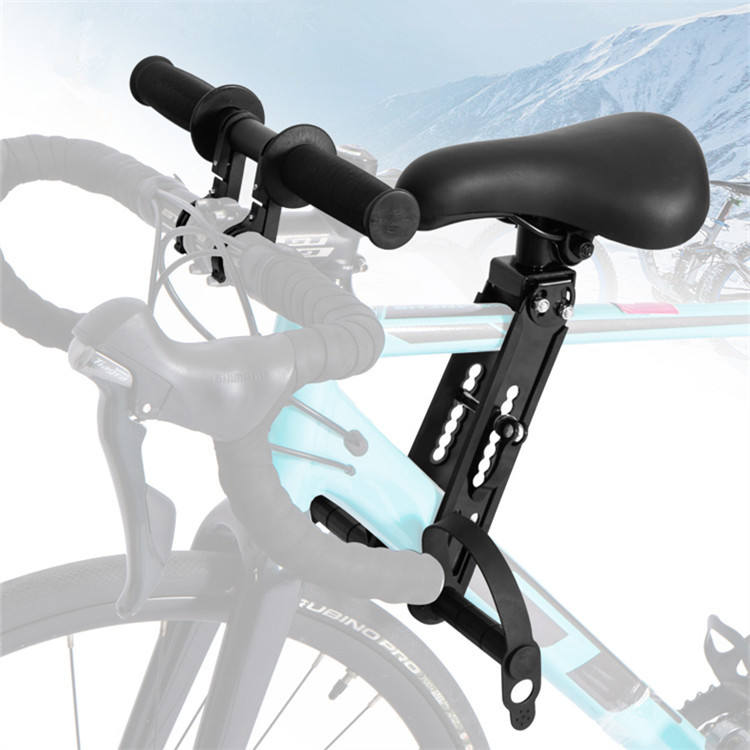
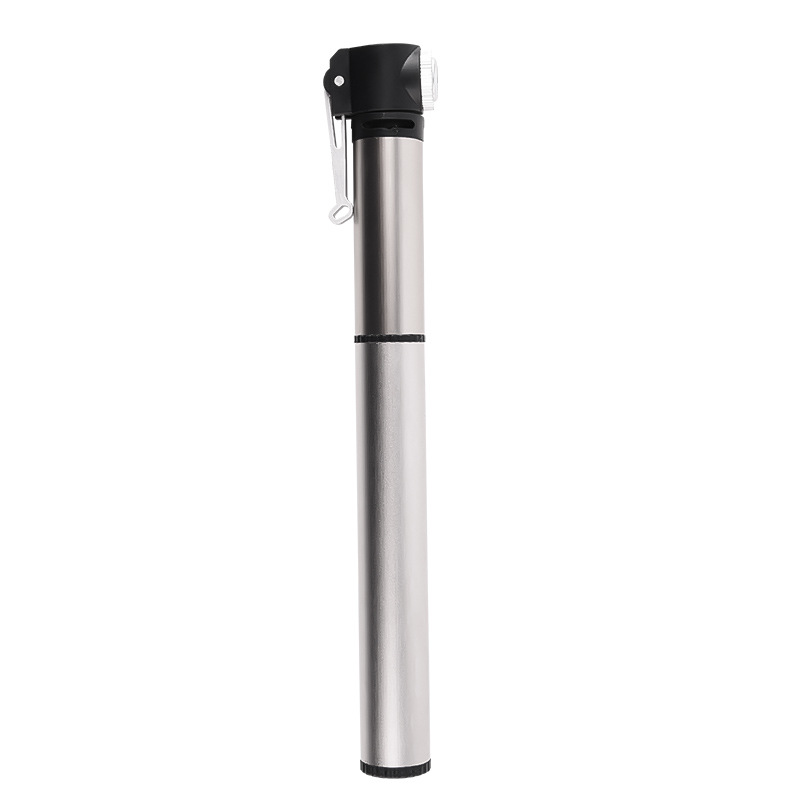
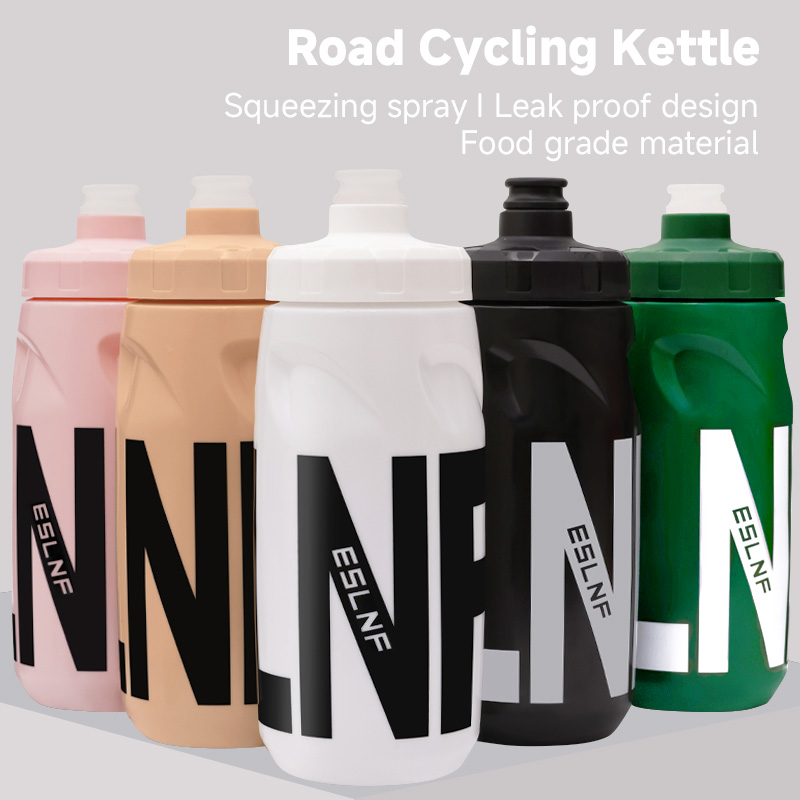
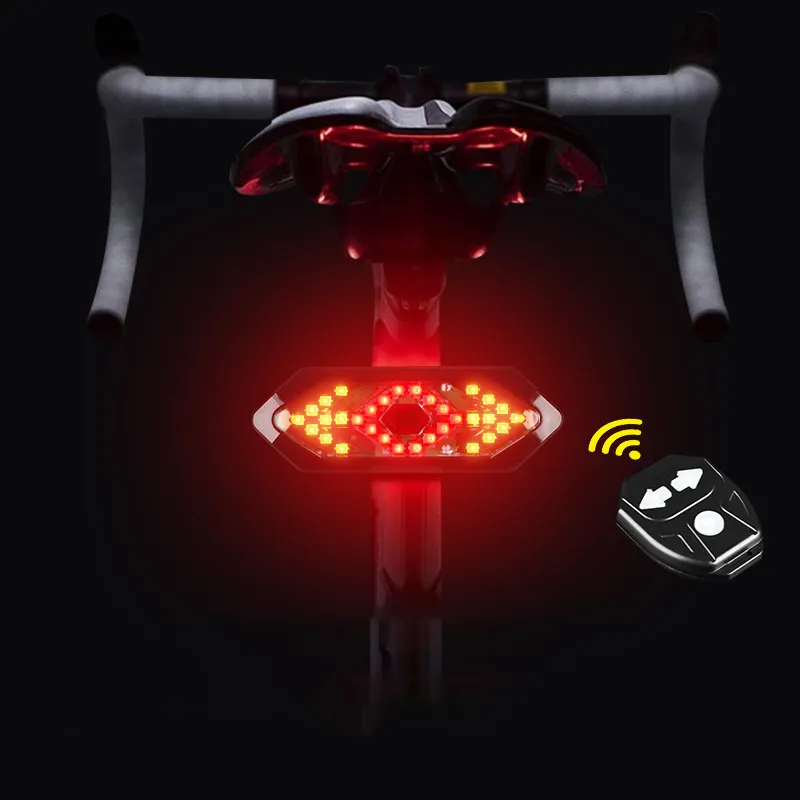
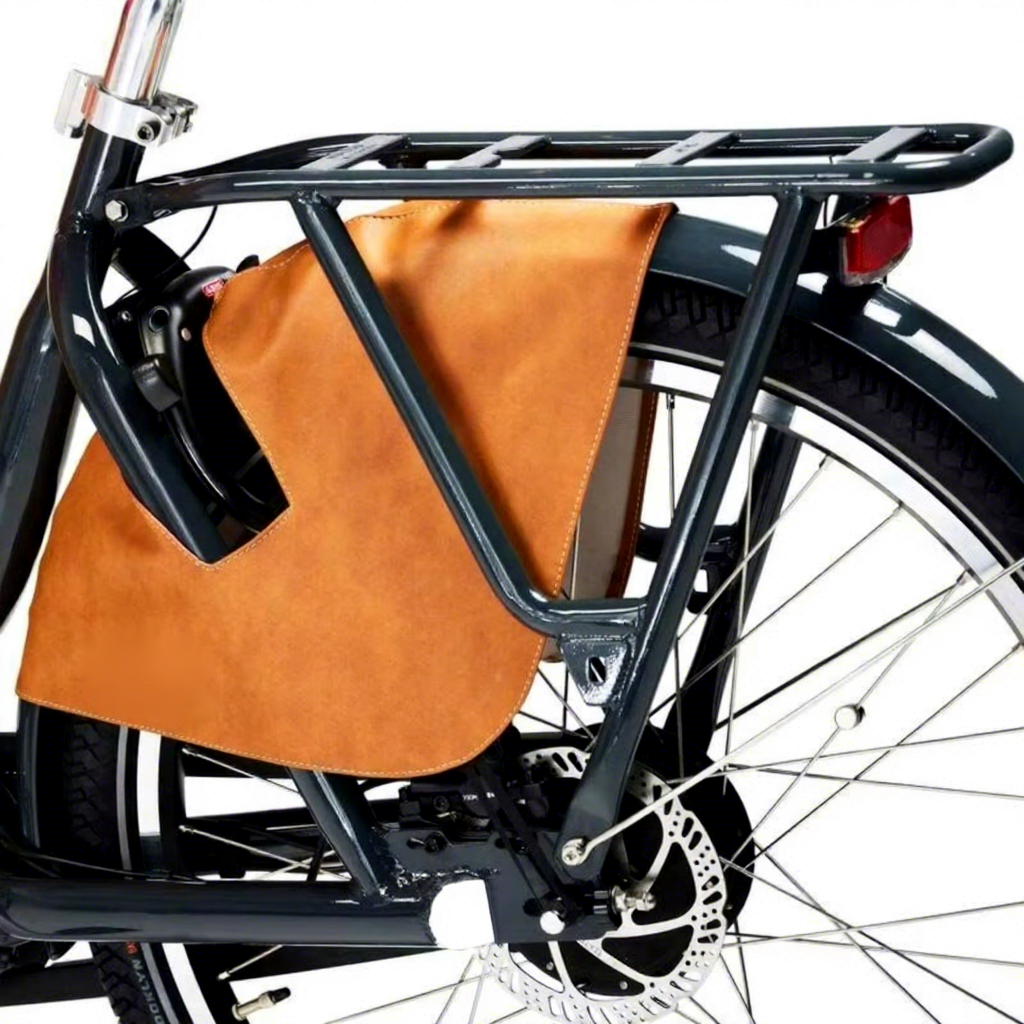

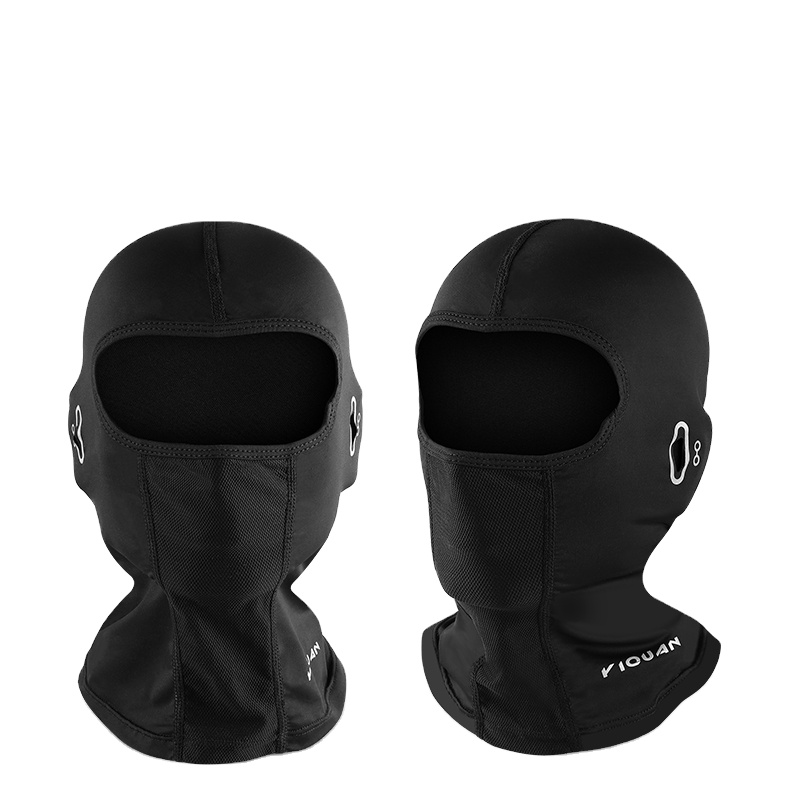
The global cycling luminaire market is undergoing a structural paradigm shift driven by urban micromobility mandates, e-bike battery integration, and rigorous roadway glare regulations.
Traditional rotational symmetrical lenses that cast blinding glare into oncoming traffic are rapidly being barred across the European Union and progressive urban districts. Procurement is shifting toward horizontally faceted reflector cups and internal baffle prisms.
As operating luminous flux levels exceed 1,500 to 3,000 lumens in compact form factors, junction temperatures climb rapidly. Surface junction degradation requires aircraft-grade 6061-T6 aluminum extrusion housings paired with thermal throttling firmware.
Purchasers are consolidating power architectures. The future of front illumination hinges on USB-C PD dual-direction charging (enabling bike lights to serve as phone rescue packs) and direct wide-voltage DC step-down converters for Bosch/Shimano drive systems.
| Performance Vector | Legacy Off-the-Shelf Lights | Next-Gen OEM/ODM Kenus Standard | Procurement Advantage |
|---|---|---|---|
| Optical Beam Geometry | Conical circular spotlight with upward stray spill | Asymmetrical horizontal cut-off with wide lane spread | Full CE / StVZO street legality across DACH & EU markets |
| Thermal Substrate | Plastic shell with localized pressed tin heat plate | Aviation 6061-T6 monolithic CNC/die-cast heat dissipation fins | Prevents LED phosphor burn-out; maintains sustained lumen output |
| Water Ingress Resistance | IPX4 snap-fit casing (vulnerable to high-pressure wash) | IP64 to IPX7 ultrasonic sonic welded silicone gasket seals | Zero water intrusion field returns during extreme rainy conditions |
| Microcontroller Integration | Basic resistor-driven on/off binary tactile circuit | Ambient optical light sensing + BLE wireless bar remote control | Supports high-margin smart commuter and e-gravel market tiers |
Headquartered in Jinhua, Zhejiang, Kenus Intelligent Technology Co., Ltd. operates assessed facility floors backed by comprehensive TÜV Rheinland verification, certified optical testing bays, and agile prototyping.
Onsite assessed by TÜV Rheinland. Our audited scope includes production lines, metal processing workshops, QA/QC regimes, and panoramic factory operations.
Full documentation available upon request: CE Headlight (SIT230614230201E), RoHS Multi-purpose (SIT240417230101R), Japan PSE (SIT240226230301P), and EMC (SIT250212230201ER).
Integrated tube reduction, precision constrictors, multi-spindle drilling rigs, and high-precision fiber laser marking for flawless customized brand graphics.
In-house 3D stereolithography printing allows 48-hour mechanical validation of lenses, mounting clamps, and custom switch housings before steel mould cutting.
Clear, direct technical answers addressing customs clearance, minimum order volumes, optical compliance, and battery safety certification.
For the European Union, luminaires must satisfy the EMC Directive (electromagnetic compatibility) and the RoHS Directive for hazardous chemical restrictions; CE marks backed by certified laboratory test reports (such as our SIT series reports) are mandatory. In North America, lithium-ion battery containment requires UN38.3 vibration/shock transport qualification, UL1642 cell verification, and FCC Part 15B certification for any wireless remote circuitry.
We do not quote naked emitter theoretical datasheets. Every Kenus batch undergoes goniophotometer and integrating sphere photometric validation at room temperature (25°C) measuring OTF (Out-The-Front) ANSI/NEMA FL-1 lumens 30 seconds post-ignition. This empirical testing ensures that thermal losses and optical transmission absorption are honestly calculated into our buyer specifications.
For off-the-shelf catalog configurations with customized laser-engraved logos and branded packaging, our MOQ starts flexibly at 100 to 500 units depending on colorways. For bespoke optical molds, proprietary extruded chassis, or dedicated PCB firmware programming (custom beam modes, automated auto-sleep timing), our typical production run MOQ is 1,000 to 2,000 units with amortized tooling arrangements.
Yes. In addition to standalone rechargeable cell formats, our ODM engineering team manufactures direct-drive PCB step-down converters accepting variable direct current from 6V up to 60V. These modules wire seamlessly into leading power systems including Bosch, Shimano STEPS, Bafang, and Brose drive units without requiring secondary external transformers.
Consult directly with our engineering team to request sample prototypes, third-party TÜV audit documentation, or photometric IES files for your private label program.
Inquire Now