Featured Wholesale & Custom Portfolio
Explore our standard production models, customizable off-the-shelf platforms, and related cycling hardware built under strict ISO-grade manufacturing controls.
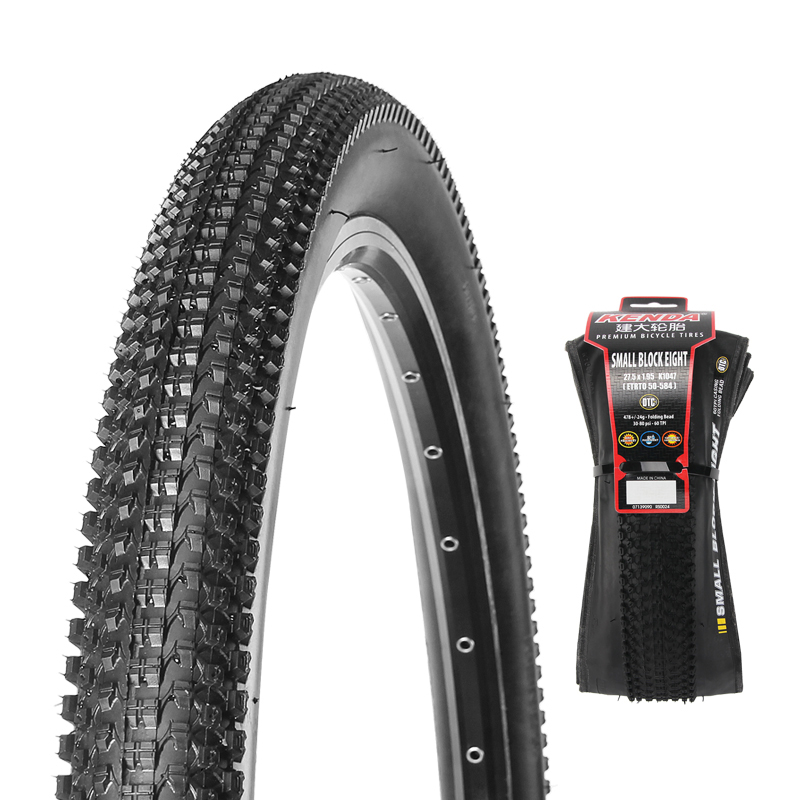
60TPI Casing Folding Beam Bike Fat Tire Wholesale High Quality Cycling Foldable Tires
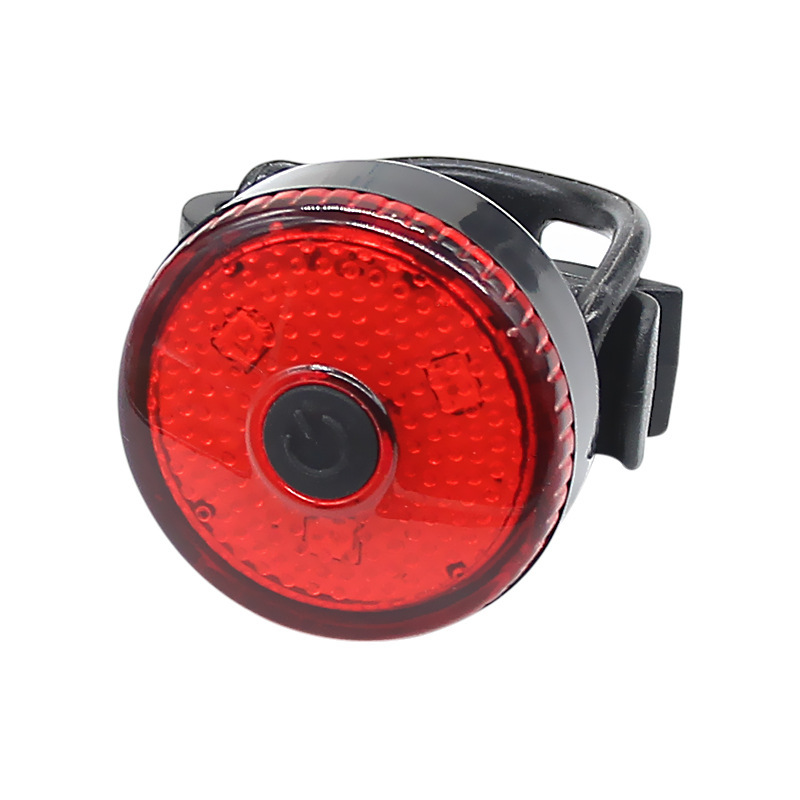
Bicycle Tail Lamp Headlight Waterproof LED Warning Light Mountain Bike Luminous Night Riding Light
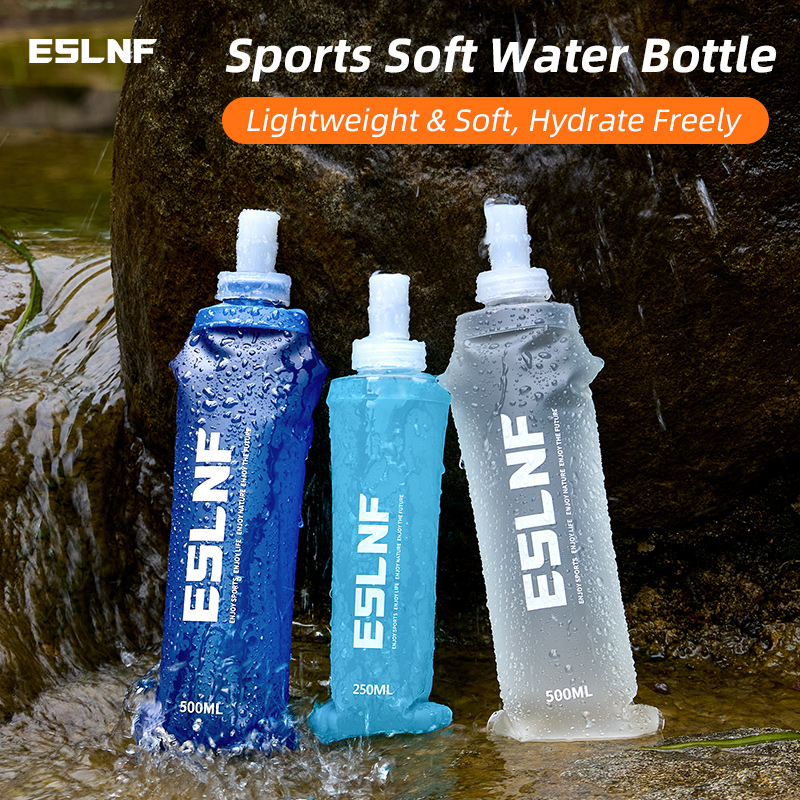
ESLNF Collapsible TPU Soft Water Bottle BPA Free Foldable Sports Hydration Bottle
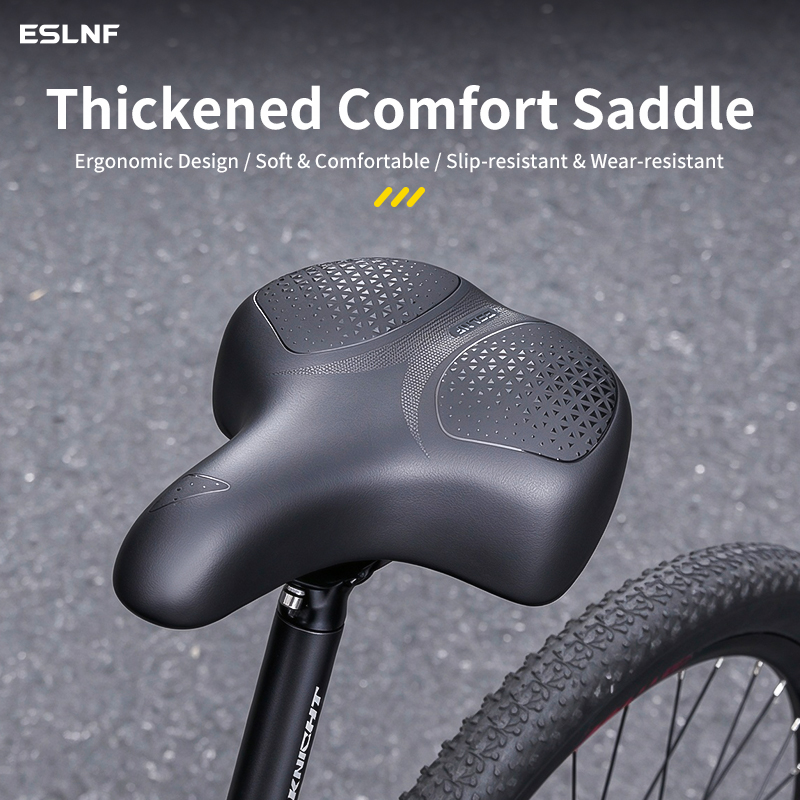
ESLNF Bicycle Saddle High Elastic Rebound Bike Saddle Soft Padded Bicycle Seat
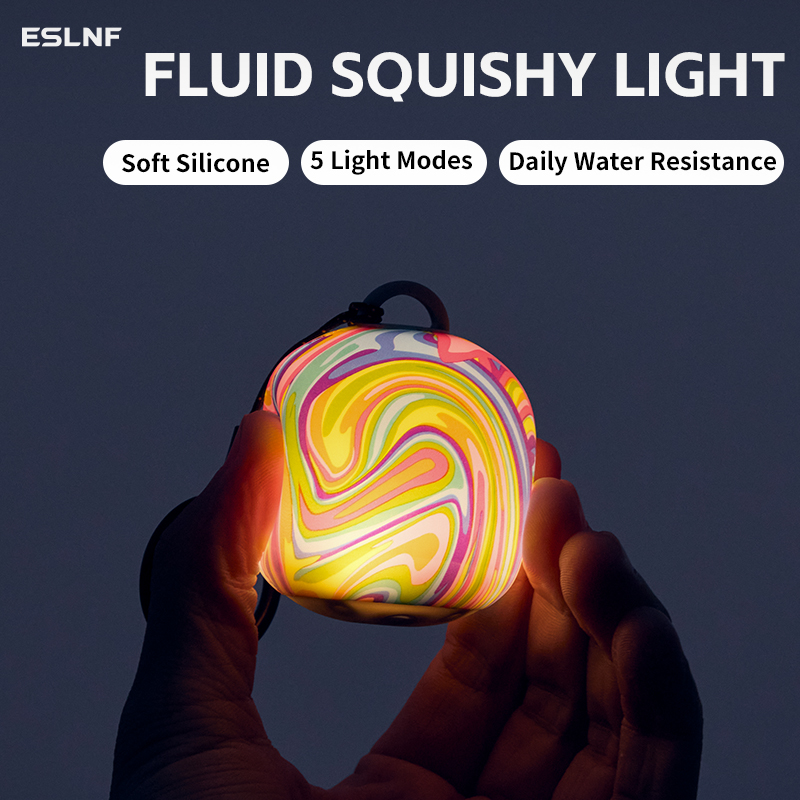
ESLNF Portable Camping Light Daily Water Resistant LED Keychain Light Silicone Squeeze Night Light
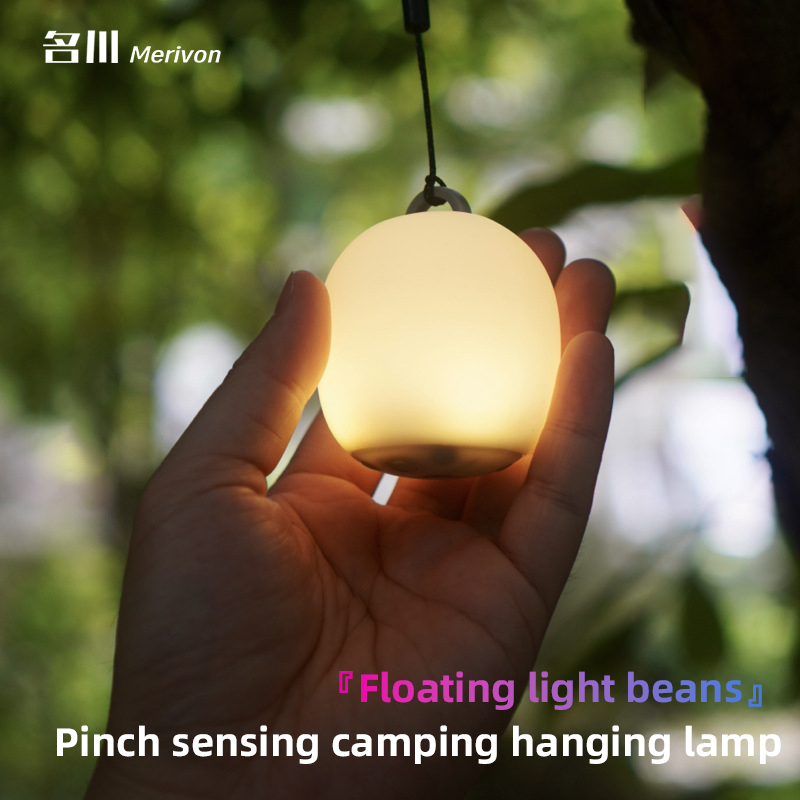
New Design Floating Bean LED Camping Light Pinch Sensor Atmosphere Light IP55 Waterproof
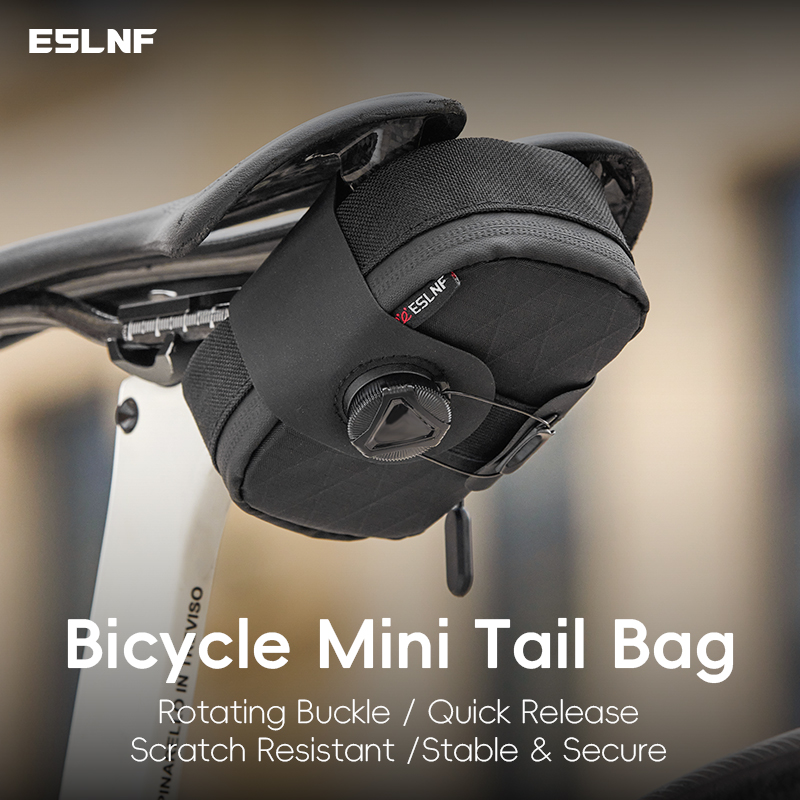
ESLNF Waterproof Bike Bag Light Bike Saddle Bag Durable Nylon Bicycle Tail Bag
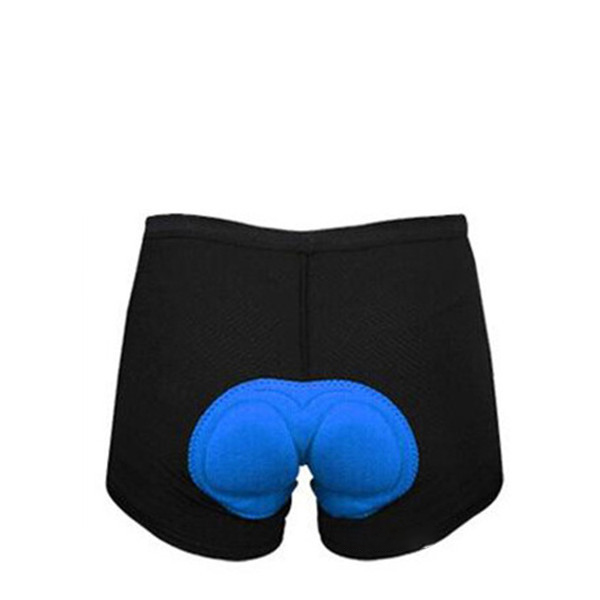
Cycling Shorts Cycling Underwear Sponge Pad Mountain MTB Riding Bike Sport Underwear
Institutional Advantages & Production Prowess
Located in Jinhua, Zhejiang, Kenus combines precision structural tooling, SMT electronics integration, and stringent quality assurance under one audited roof.
TÜV Rheinland Audited
Verified manufacturing capacity, financial standing, and onsite facility validation. Every assembly line, laser-marking bay, and QA checklist adheres to strict international assessment protocols.
Integrated Tooling & R&D
From rapid 3D SLA/SLS prototype fabrication to multi-cavity injection molds and CNC-machined aerospace alloy enclosures, we accelerate OEM development cycles from months to weeks.
Complete Regulatory Filing
Direct lab-backed compliance including CE (SIT230614230201E), RoHS (SIT240417230101R), Japanese PSE (SIT240226230301P), and EMC test documentation ready for global distribution.
Strategic Architecture: Technical Procurement of Bicycle Headlights
In modern B2B cycling equipment supply chains, sourcing bicycle headlights demands far more than catalog scanning. The transformation of micromobility, gravel commuting, and e-performance biking has elevated the humble headlight into an optically sophisticated safety module. For wholesale distributors, OEM bike brands, and tier-one importers, navigating trade compliance, thermal degradation, battery pouch stability, and StVZO cut-off compliance requires technical due diligence.
An OEM/ODM partnership must provide verifiable transparency across the bill of materials (BOM), optical efficiency indices, and water ingress prevention systems. Without dedicated thermal management and balanced PCB layouts, high-lumen LED emitters experience accelerated luminous decay and color temperature drifting within short cycling operational lifespans.
Future Procurement Trends: Where the Market is Moving
Procurement directors should prepare for several foundational shifts taking place over the next five operational quarters:
1. Cut-Off Beams & StVZO Convergence
Non-glare beam engineering (German StVZO standard) is moving into mainstream markets including the UK, North America, and Australia. Buyers are phasing out omnidirectional conical beams in favor of faceted internal reflectors and total internal reflection (TIR) optical lenses that project maximum lux downward onto the asphalt without blinding oncoming commuters.
2. High-Voltage E-Bike Integration
With e-bikes capturing dominant retail floor shares, OEM headlight manufacturers must provide dual-purpose systems: self-contained internal Li-ion units and wide-input direct-drive systems (6V–60V DC) integrated straight into Bosch, Shimano, or Bafang drive systems via CAN bus or standard power terminals.
3. Dynamic Sensor Automation
Smart light-sensing photocells and vibration/accelerometer inputs are becoming mandatory baseline requirements. Smart headlights automatically switch between low-power daytime running lights (DRL) and high-lumen concentrated night beams, while automatically turning off after three minutes of bike immobility.
4. USB Power Delivery (PD) & Modular Mounting
Legacy Micro-USB connectors are phased out under universal European directives. Modern procurement specifications dictate USB Type-C with dual-role charging capabilities, allowing lights to act as backup power banks for cockpit bike computers, mounted via universal GoPro-style interface lugs.
Comprehensive Technological Evolution of Bicycle Lighting
The progression of cycling headlights spans three major eras. The initial halogen and bulb generation was hindered by massive power draw, yellow color rendering, and extreme sensitivity to road vibration. The second generation introduced solid-state LED emitters driven by simple buck-converters; while brighter, these often caused intense oncoming glare and suffered heat dissipation failures inside unvented polycarbonate casings.
Today, third-generation lighting represents an intersection of optoelectronics, material science, and intelligent power firmware. High-grade 6063 aerospace aluminum alloys, formed through CNC milling and secondary hard-anodizing, form integral heat-sink housings. SMT line mounting places Cree, Osram, or Luminus LED dies on metal-core printed circuit boards (MCPCB), sinking heat directly away from the junction into the chassis.
Coupled with smart BMS circuits featuring over-charge, over-discharge, short-circuit, and dual NTC temperature sensor shutoffs, modern OEM headlights achieve exceptional reliability across thousands of vibration cycles and all weather conditions.
B2B Procurement & Engineering FAQ
Common compliance, technical, and operational questions answered for supply chain directors and import purchasing teams.
All built-in rechargeable lithium-ion cells carry UN38.3 certification, MSDS reports, and drop-test packaging approvals. We utilize matched cells with built-in PCM circuitry to ensure balanced charge retention, packed in compliance with IATA/IMDG dangerous goods shipping protocols.
For custom laser engraving and CMF (color, material, finish) customization on our validated private platforms, MOQs start as low as 500 units. For completely custom ODM housings, optical molds, and dedicated tooling, MOQ ranges between 2,000 and 3,000 units depending on geometry.
Yes. Our headlight housings undergo pressurized water-jet chamber tests and vacuum decay ingress checking. Double-injected silicone gaskets and ultrasonic housing welds are validated via in-house quality checkpoints before third-party accredited laboratory verification.
Absolutely. As an integrated manufacturer located in Zhejiang's hardware corridor, Kenus allows distributors to consolidate bicycle lights, handlebar bags, 3D printed carbon saddles, composite pedals, water cages, and workshop stands inside unified container shipments, drastically cutting freight and administrative overhead.
Ready to Engineer or Scale Your Next Lighting Line?
Consult with our engineering and procurement team for custom optical layouts, private-label branding, compliance documentation, or detailed price breaks.
Get a Quote