Featured OEM/ODM Production Portfolio & Cycling Components
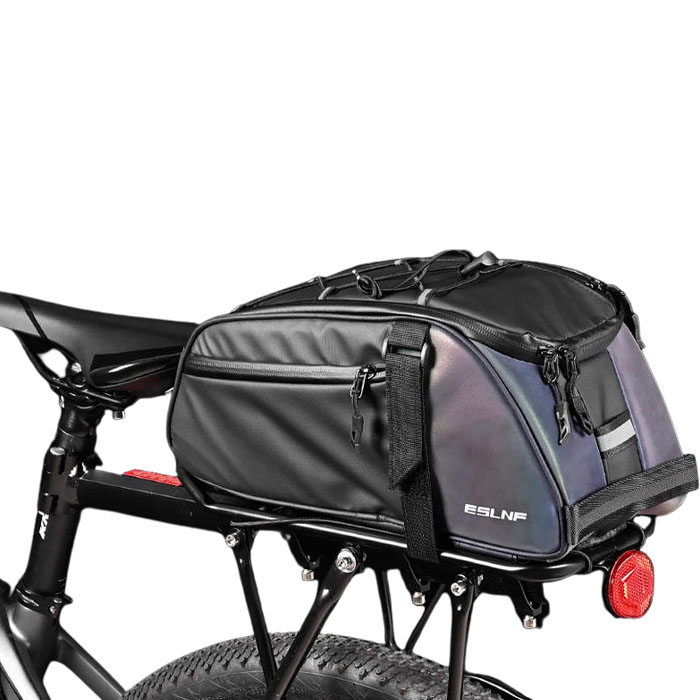
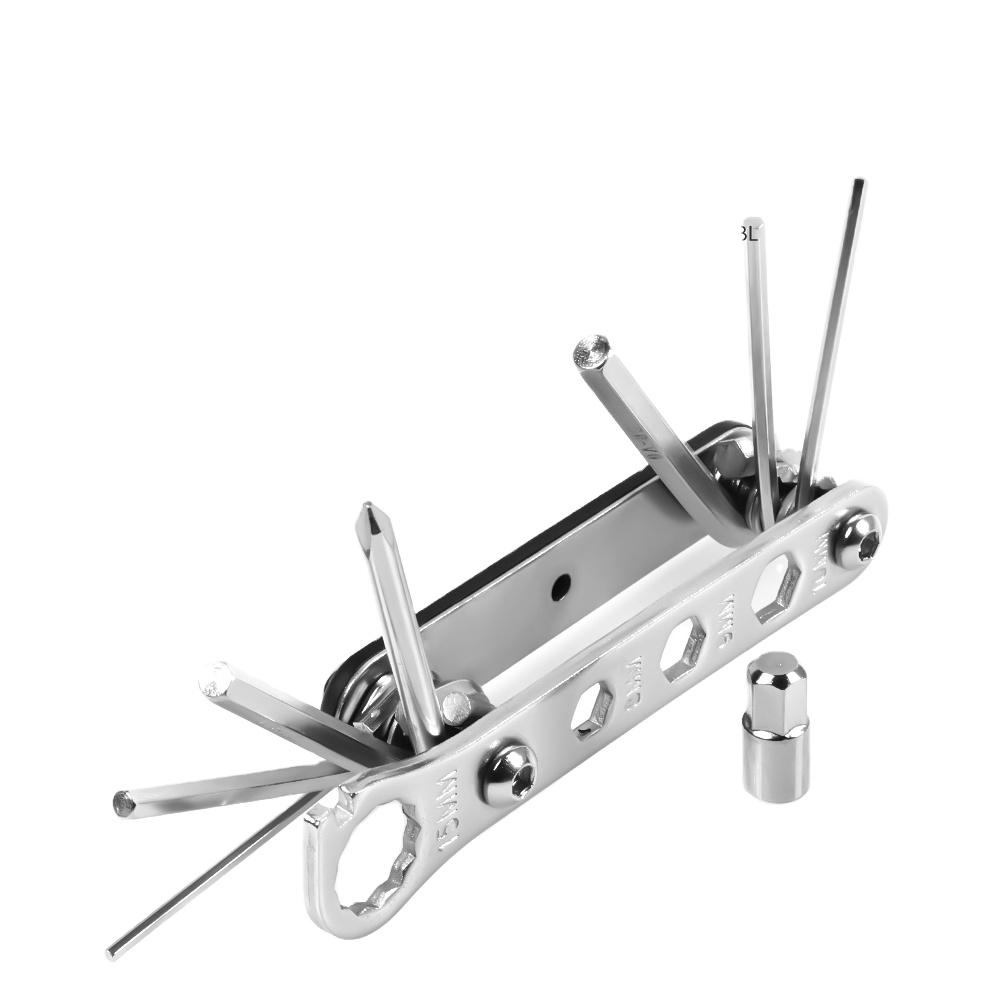
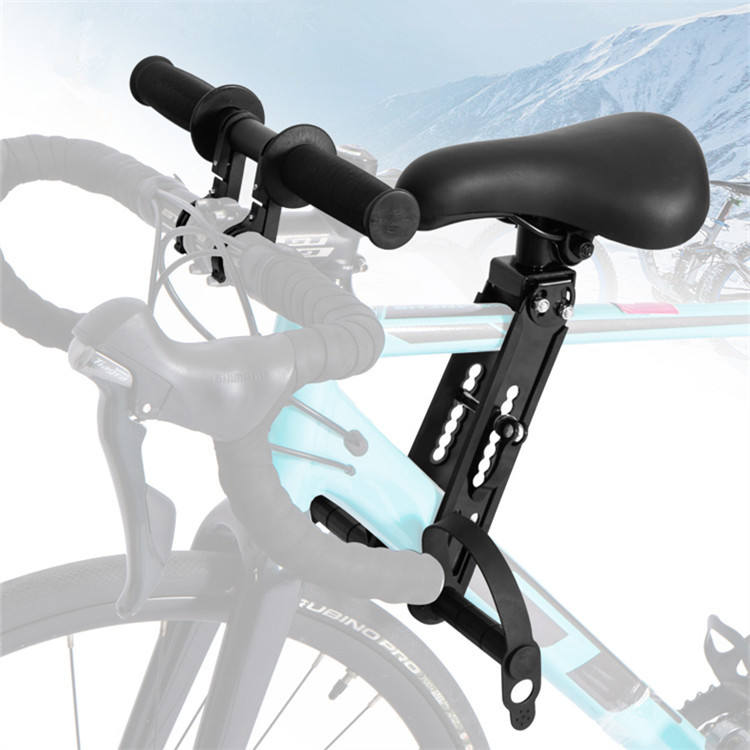
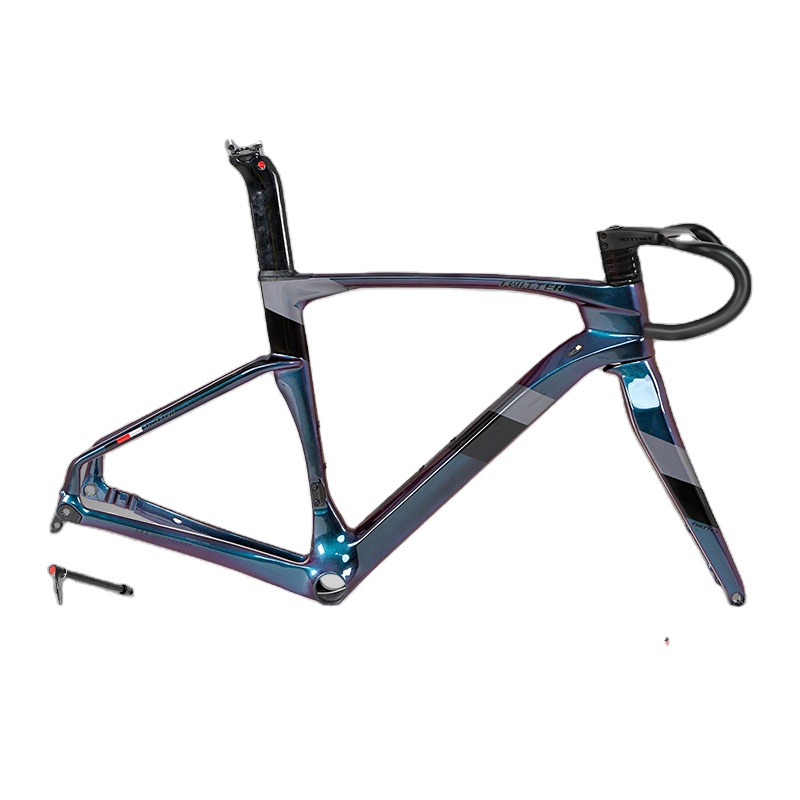
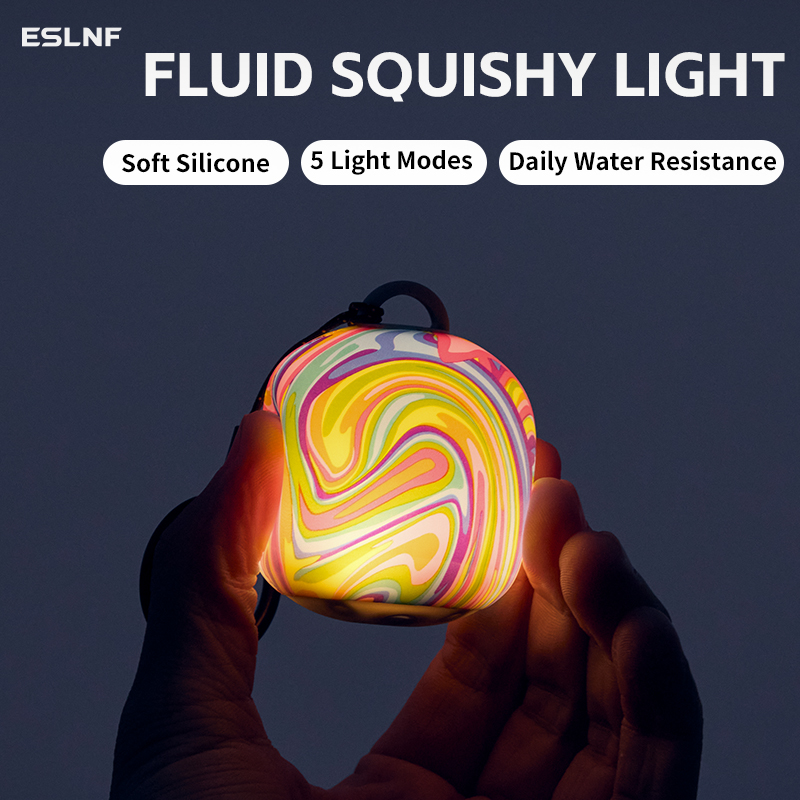
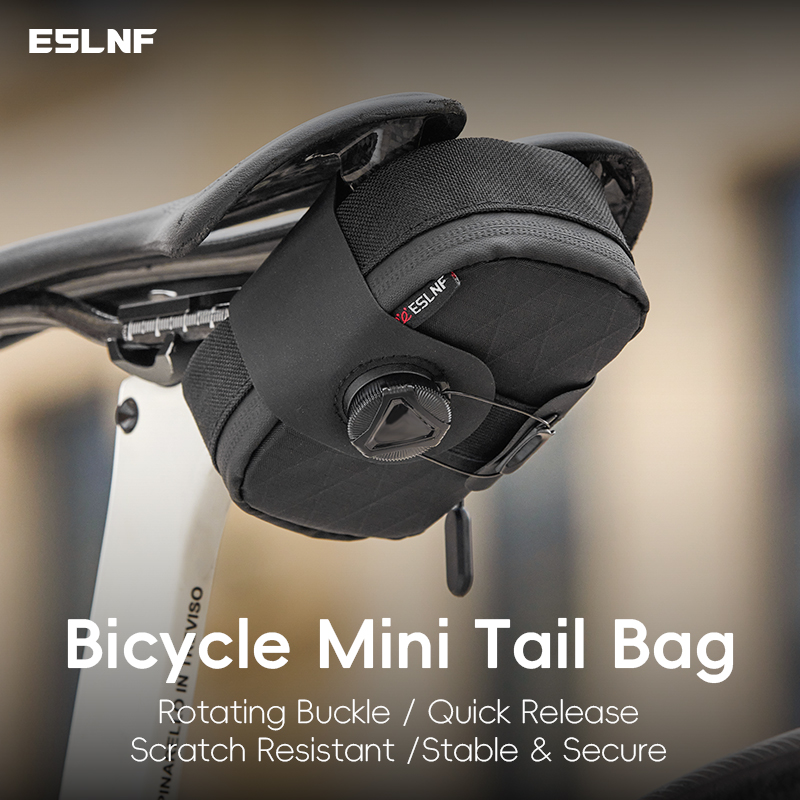
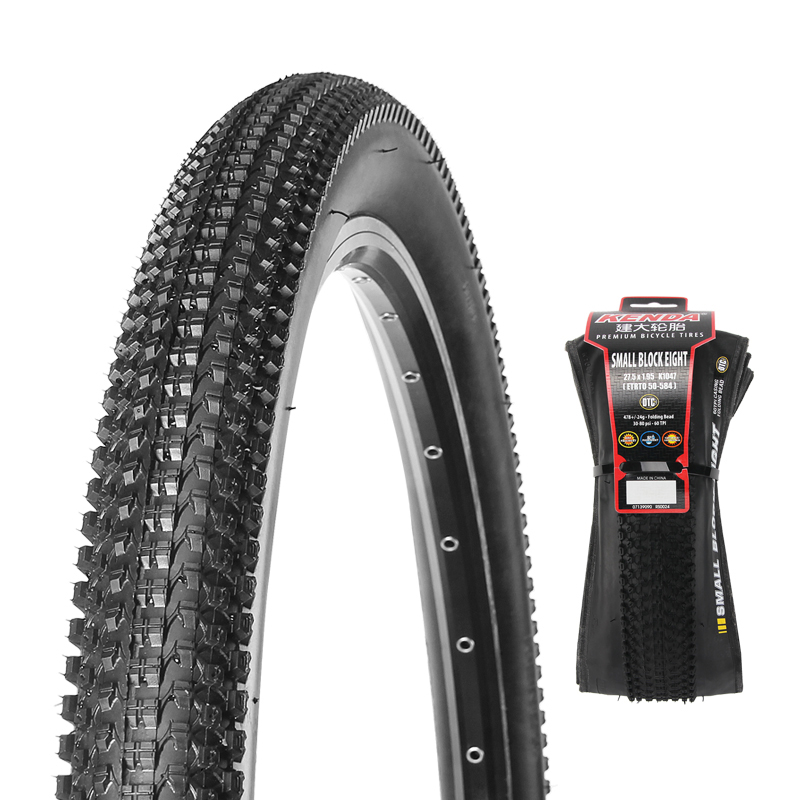
Integrate complete equipment programs with an audited manufacturer. Consolidate safety headgear, modular cargo panniers, frame assemblies, and repair gear under a unified procurement agreement.
Global Head Protection Engineering & Strategic Sourcing Architecture
Navigating the intersection of lightweight aerodynamic efficiency, rotational kinematics mitigation, and strict multi-regional compliance for institutional importers and private-label cycling brands.
In the contemporary B2B micromobility and sports equipment sector, bicycle helmet procurement has shifted from commoditized, tape-on exterior shells to fully automated multi-density In-Mold EPS/PC synthesis. High-performance cycling helmets require structural cohesion capable of absorbing high-velocity linear acceleration while shedding rotational energy that causes traumatic brain injuries (TBIs). Professional global buyers must evaluate manufacturing partners not merely on FOB unit pricing, but through rigorous assessment of raw material densities, bead fusion integrity, aerodynamic CFD validation, and documented automated quality control systems.
Kenus Intelligent Technology Co., Ltd. operates at the center of Zhejiang's manufacturing and hardware tooling ecosystem. As an audited supplier evaluated onsite by TÜV Rheinland, our industrial facility bridges the gap between high-precision CAD concept design, in-house additive manufacturing prototyping (3D printing), aluminum tooling mold fabrication, and mass production. Whether supplying high-speed electric mobility helmets built to Dutch NTA 8776 standards or ultra-vented 195g road racing headwear, our manufacturing processes guarantee mechanical repeatability and total supply chain transparency.
Aero-Road & Endurance Helmets
Engineered with dual-layer skeleton reinforcement and wind-tunnel calculated Venturi exhaust ports. Utilizing imported high-density EPS beads (85–105 g/L density gradations) thermally fused within 0.8mm vacuum-formed polycarbonate shells. Features anti-microbial ionic padding and micro-adjust dial retention systems for professional peloton use.
E-Bike & Speed Pedelec (NTA 8776)
Specifically engineered for speed pedelecs operating up to 45 km/h (28 mph). Designed with enhanced occipital and temporal coverage (+43% impact dampening zone compared to standard EN 1078), integrated rechargeable COB rear lighting with smart brake detection, and magnetic Fidlock buckle chinstraps.
Trail, Enduro & DH Full-Face
Multi-density EPS/EPP progressive foam layers combined with an integrated composite fiberglass or carbon chin-bar cage. Equipped with breakaway visors, goggle channel docks, and specialized shear plane slip-liners to mitigate oblique impacts during aggressive high-speed descents.
Future Bicycle Helmet Procurement Trends: 2025–2030 Outlook
How regulatory shifts, circular polymer technologies, and connected IoT head protection are transforming OEM/ODM contract specifications.
1. Circular Materials & Bio-Based EPS Substitutes
Global procurement teams in Europe and North America face aggressive ESG mandates and Extended Producer Responsibility (EPR) legislation. The industry is moving rapidly toward bio-attributed polystyrene (derived from non-food biomass) and 100% post-consumer recycled (PCR) polycarbonate shells. Modern buyers are locking in multi-year agreements with Chinese manufacturers that maintain verified supply chain traceability for zero-halogen, water-based non-toxic inks and recycled RPET webbing straps.
2. Integrated Smart Safety & Active IoT Telematics
Helmets are no longer passive crash dampers. Sourcing orders increasingly specify active optoelectronic sub-assemblies. This includes Bluetooth 5.3 mesh intercom networks, automatic accelerometer-activated deceleration brake lights, and low-power tri-axis gyroscopic sensors capable of transmitting crash emergency SMS alerts via paired smartphone applications. Sourcing from a facility like Kenus, which maintains validated electronic EMC/RoHS/CE testing protocols, prevents costly regulatory impoundments.
3. Rapid Prototyping & Agile Tooling Timelines
The traditional 6-to-9 month mold development cycle is obsolete in an era of agile inventory cycles. Brands now require high-resolution industrial 3D printing (SLA / SLS) to validate cranial fit, airflow drag coefficients, and buckle anchoring points within 7 to 10 working days. By deploying in-house 3D printing and precision CNC master tooling prior to cutting hardened steel multi-cavity EPS injection molds, our partners reduce prototype burn-rate capital by up to 65%.
International Regulatory Matrix & Drop-Rig Testing Standards
A comparative breakdown of mandatory mechanical impact thresholds required across primary global export markets.
| Standard / Regulation | Jurisdiction | Impact Anvil Types | Peak G-Force Limit | Drop Height / Velocity | Chinstrap Elongation & Retention |
|---|---|---|---|---|---|
| CPSC 16 CFR Part 1203 | United States | Flat, Hemispherical, Curbstone | < 300 G | 2.0 m (Flat) / 1.2 m (Curved) | Dynamic stretch ≤ 30 mm; No release |
| EN 1078:2012+A1:2012 | European Union / UK (UKCA) | Flat, Kerbstone | < 250 G | 1.5 m (Flat) / 1.1 m (Kerb) | Dynamic drop test; residual elongation ≤ 35 mm |
| Dutch NTA 8776:2016 | Netherlands / EU (Speed Pedelec) | Flat, Kerbstone (+Increased surface) | < 250 G | Higher drop energy (+21% vs EN1078) | Extended temporal & occipital cranial defense |
| AS/NZS 2063:2020 | Australia & New Zealand | Flat, Kerbstone | < 250 G | Multi-impact conditioning (+50°C, -10°C, Water) | Strict dynamic displacement & stability angle |
| CE / RoHS / EMC / PSE | EU / Japan (Electronic Helmets) | Harmonic, Immunity, Flammability | Verified Compliant | Direct SIT lab accredited certification | Documented laboratory inspection reports |
Kenus Quality Assurance & In-Line Crash Validation Protocol
Every mass production run undergoes batch testing on our calibrated twin-wire guided monorail drop-rig. Sensors measure tri-axial acceleration upon flat and kerbstone steel anvils following four environmental conditioning matrices: High Temperature (+50°C for 4 to 24 hours), Sub-Zero Freezing (-20°C), Artificial Ultraviolet Solar Radiation Aging, and Total Water Submersion. Our in-house QC parameters maintain an internal critical limit of < 180 G, creating a 28% safety margin well below statutory international failure points.
Why Institutional Brands Partner with Kenus Intelligent Technology
Combining audited Chinese manufacturing infrastructure with high-precision engineering and supply chain consolidation.
Our production premises, registered trading legitimacy, QA/QC testing workflows, and machinery were independently inspected onsite by TÜV Rheinland. Full assessment videos, panoramic factory views, and third-party inspection reports are available for immediate compliance audits.
We deploy internal high-precision 3D printing and rapid CNC machining directly from customer STEP/IGES CAD files. Brands can hold, fit-test, and mechanically evaluate functional prototypes before committing to mass tooling steel molds, drastically shrinking time-to-market.
Located in Jinhua, Zhejiang, Kenus provides unparalleled access to metal forming, laser marking, automated tube processing, and textile fabrication. We support consolidation of helmets with matching bicycle lights, carbon saddles, titanium pedals, and waterproof panniers in single shipping containers.
We take compliance liability off your shoulders. Kenus holds active laboratory credentials including CE Headlight (SIT230614230201E), RoHS (SIT240417230101R), Japan PSE (SIT240226230301P), and EMC inspection reports (SIT250212230201ER), valid through 2027.
Recognizing the diverse capital demands of distributors and emerging boutique cycling labels, we support ready-to-ship inventory starting from low trial batches (2–50 units) up to container-scale OEM production runs exceeding 50,000 units with custom pantone water decals and blister retail packaging.
Operating verified delivery pipelines across Western Europe, North America, South America, Oceania, and Japan. Our freight consolidation and export documentation teams manage FOB, CIF, DDP, and multimodal sea-air logistics with complete Customs documentation support.
Bicycle Helmet Procurement & Manufacturing FAQ
Clear, authoritative technical answers to critical sourcing, engineering, and contractual questions.
What is the exact engineering difference between In-Mold and Out-Mold (glued) helmet construction?
How are custom OEM helmet molds budgeted, engineered, and safeguarded?
Which test certifications are mandatory before importing bicycle helmets into North America and the EU?
What are your Minimum Order Quantities (MOQs) for custom colors, graphics, and retail packaging?
Can Kenus integrate active smart electronics, rear lights, and Bluetooth headsets into helmets?
What is the standard production lead time from PO confirmation to port dispatch?
How does Kenus manage factory quality control and defect liabilities for international buyers?
Launch Your Certified Bicycle Helmet Program Today
Partner directly with an audited Chinese cycling gear manufacturer. From industrial design and rapid 3D prototyping to multi-standard laboratory testing and high-capacity export production, our engineering team is ready to scale your private-label product lines.