#2 Global
Bicycle Lighting Supplier Rank
TÜV Rheinland
Onsite Verified Facility
3,250 LM
Peak Cree/Osram Matrix Output
100% Tested
IP64-IP68 Ingress Immersion
The international marketplace for cycling illumination has definitively shifted away from rudimentary, unregulated lumen-wars toward precision optical beam distribution, active thermal throttling, and intelligent micro-mobility integration. Tier-1 brands in Europe, North America, and Japan no longer evaluate bicycle light manufacturers based purely on peak luminous flux. Instead, institutional buyers require verified thermal equilibrium data, parasitic battery drain minimization, and stringent optical cutoff compliance such as the German StVZO (Straßenverkehrs-Zulassungs-Ordnung, TA23) and Japanese JIS D 9301/PSE mandates.
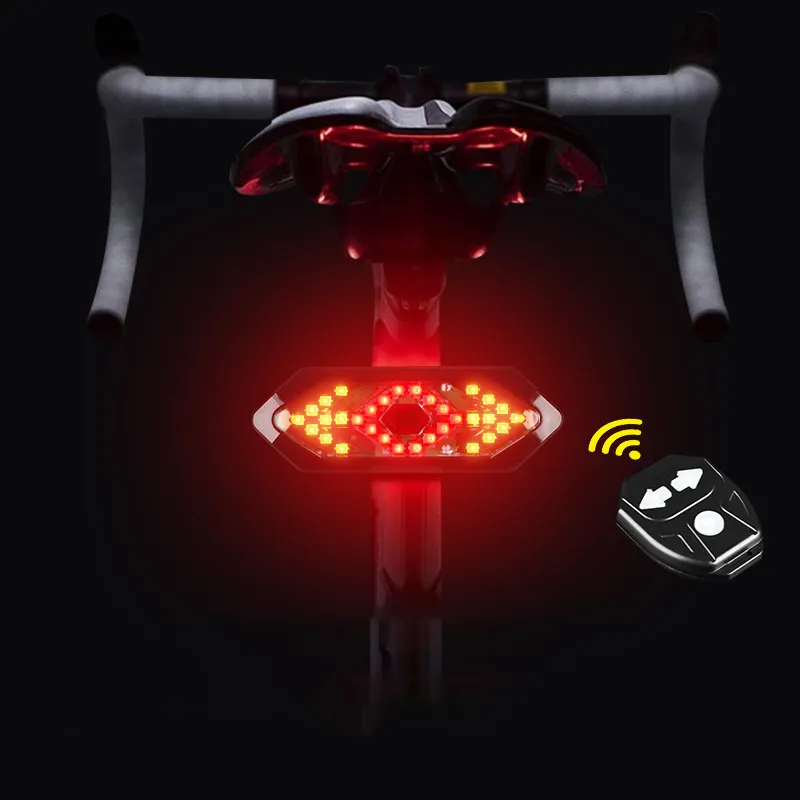
As modern urban infrastructure embraces dedicated cycle lanes alongside motorized traffic, headlights producing unfiltered, glare-intensive rotation beams present substantial liability risks for importers. Kenus Intelligent Technology Co., Ltd., based in the high-density hardware manufacturing core of Jinhua, Zhejiang, operates at the forefront of this manufacturing evolution. Through rigorous in-house CNC tube reduction, robotic laser etching, automated SMT pick-and-place integration, and rapid 3D tooling validation, our OEM/ODM operations bridge the technical gap between consumer illumination and industrial road vehicle compliance.
Optical Cut-off & Asymmetrical TIR Lenses
Standard circular collimators scatter blinding light into oncoming traffic. Our OEM road and commuter optics leverage computer-calculated Total Internal Reflection (TIR) freeform reflectors. This guarantees a razor-sharp horizontal cut-off line, directing 85%+ of emitted lux directly onto the roadway between 5 and 35 meters ahead without causing ocular disability glare for pedestrians or motorists.
Thermal Equilibrium & Solid-State Durability
High-power LED arrays (such as Luminus SST-40 or Cree XP-L2) generate critical junction heat exceeding 120°C if improperly sinked. Kenus light housings utilize A6063 aerospace-grade extruded and CNC-machined aluminum bodies with integrated convective heat dissipation fins. Integrated Negative Temperature Coefficient (NTC) thermistors throttle lumen output by dynamic steps rather than sudden blackouts, preserving diode lifespan over 50,000 operational hours.
Smart Battery Management (BMS) & Cell Chemistry
Substandard lithium-ion pouch cells swell and suffer cycle degradation under sub-zero or high-humidity riding conditions. Our custom battery packs integrate cylindrical 18650 and high-energy-density 21700 ternary lithium cells from Tier-1 certified chemical foundries. Every PCB incorporates dual overcharge, over-discharge, short-circuit, and cell-balancing protection, backed by certified UN38.3, MSDS, and maritime transport clearances.
| Regulatory Standard | Target Jurisdiction | Mandatory Optical & Electronic Requirements | Ingress & Environmental Testing | Kenus Factory Accreditation Status |
|---|---|---|---|---|
| StVZO §67 / TA23 | Germany, Austria, Switzerland | Strict non-flashing continuous mode; definitive horizontal cut-off line; minimum 10 Lux illumination at 10m center beam; zero glare above horizon. | DIN EN 60529 (IPX4 minimum), vibration test at 10–55Hz along X/Y/Z axes for 2 hours. | Fully Validated Custom Tooling Available |
| CE / EMC Directive (2014/30/EU) | European Economic Area | Electromagnetic compatibility; zero RF interference with digital cycling computers, GPS heads, and wireless electronic derailleurs (EN 55015 / EN 61547). | Electrostatic discharge (ESD) immunity up to 8kV contact / 15kV air discharge. | Certified: SIT250212230201ER / SIT230614230201E |
| RoHS 2.0 (2011/65/EU & 2015/863) | Global / European Union | Zero hazardous substances; restricted heavy metals (Pb, Cd, Hg, Cr VI) and phthalates (DEHP, BBP, DBP, DIBP) below 1000ppm in solders and casing plastics. | XRF material screening of raw aluminum extrusions, ABS plastics, silicone gaskets, and wiring. | Certified: SIT240417230101R & SIT24041230101R |
| PSE (METI Ordinance) | Japan | Safety verification for internal lithium secondary batteries exceeding 400Wh/L volumetric density; overcharge fail-safe shutdown. | Continuous overcharge stress test at 4.25V, crush testing, drop impact onto hardened concrete. | Certified: SIT240226230301P |
| ANSI / NEMA FL-1 Standard | United States & International | Standardized measurement of peak beam distance (meters), peak beam intensity (candela), total lumen output over run-time curves. | Drop resistance testing from 1.0 to 1.5 meters; IPX6 water stream immersion verification. | In-House Integrating Sphere Verified |
CAN-Bus & E-Bike Direct Drive
With electric bikes taking over urban transit, independent battery-powered lights are evolving into hardwired systems drawing 6V–60V DC directly from Bosch, Shimano, or Bafang mid-drive motors via CAN-bus and LIN-bus automated protocol switching.
Millimeter-Wave Rear Radar Integration
Smart tail lamps are integrating 24GHz and 77GHz mmWave radar modules that detect vehicular overtaking maneuvers up to 140 meters away, dynamically triggering strobe warnings and transmitting visual alerts via ANT+ to rider head units.
USB-C Power Delivery & Reverse Bi-Directional Charging
Modern consumers demand universal USB-C PD (Power Delivery 3.0) protocols. Flagship front lights now double as emergency high-capacity power banks capable of delivering 18W–30W reverse quick-charging to phones, GPS meters, and action cameras.
Circular Economy & Replaceable Cell Architecture
EU Right to Repair directives are forcing a shift away from permanently ultrasonic-welded plastic battery enclosures. Forward-thinking brands specify modular CNC screw-thread battery compartments enabling tool-free cell replacement by end consumers.
TÜV Rheinland Onsite Verified Facility
Unlike trading intermediaries, Kenus Intelligent Technology operates verified assembly lines, tube constriction machinery, precision drilling stations, and finished-product packaging lines fully audited by TÜV Rheinland engineers with full panoramic and inspection reporting documentation.
Audit Report: Certified Custom Manufacturer
Comprehensive Acoustic, EMC & Luminous Testing
Every lighting model undergoes photometric testing in dark-room integrating spheres, salt-spray anti-corrosion testing for hardware fasteners, IPX4 to IPX8 immersion tanks, and complete EMC spectrum testing guaranteeing non-interference with high-end wireless cycling computers.
Reports: CE · RoHS · PSE · EMC SIT250212230201ER
Rapid In-House 3D Prototyping & Tooling
Our dedicated engineering department converts industrial design 2D CAD and 3D STEP files into tangible engineering prototypes within 48 to 72 hours via industrial-grade 3D printers before investing in costly high-pressure aluminum die-cast or plastic injection molds.
Tooling Lead Time: 21–28 Days from Concept
Multi-Category B2B Consolidation
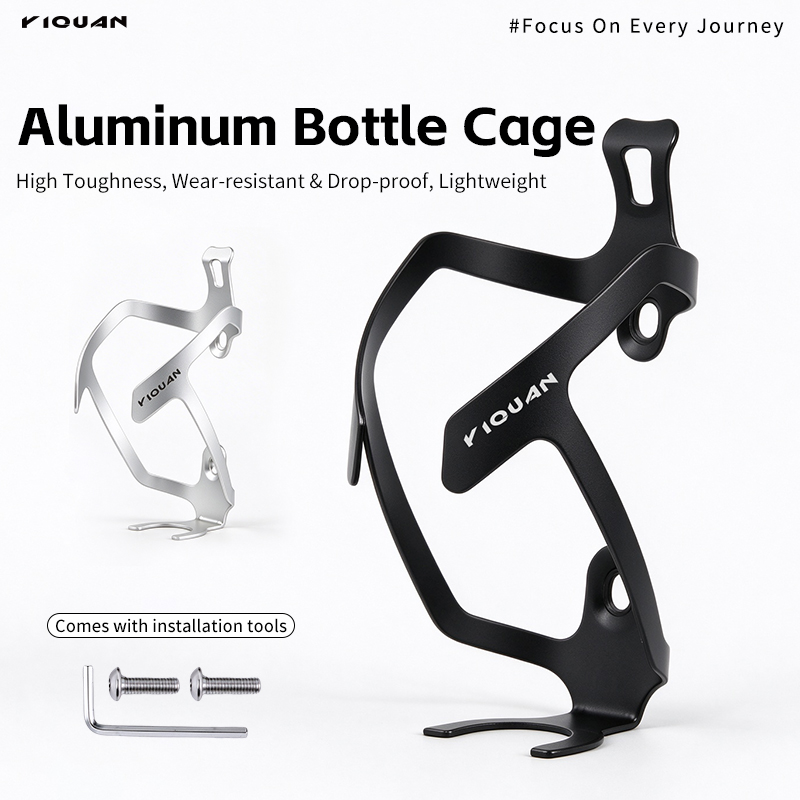
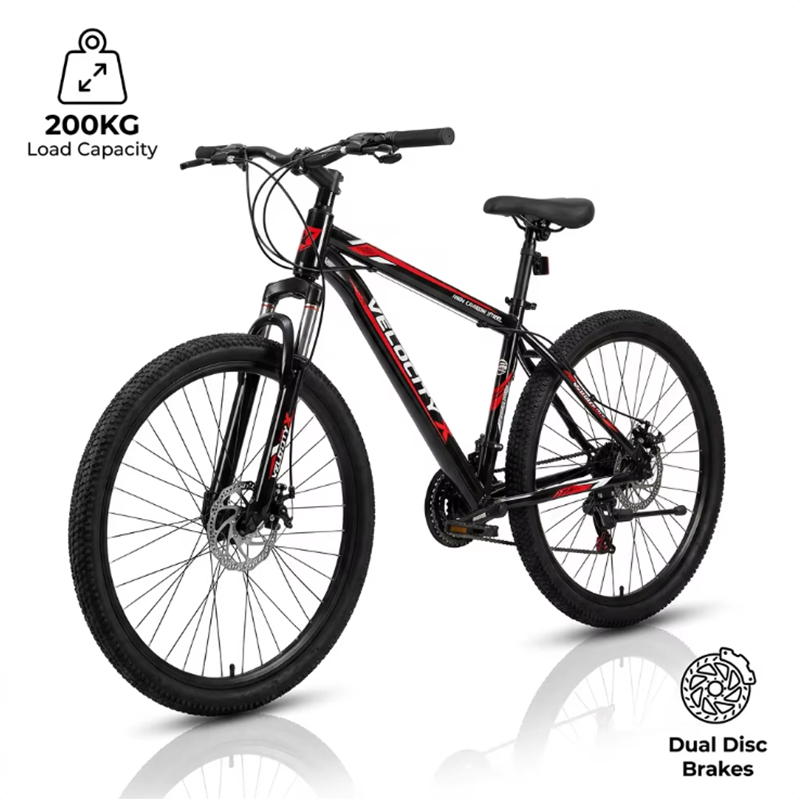
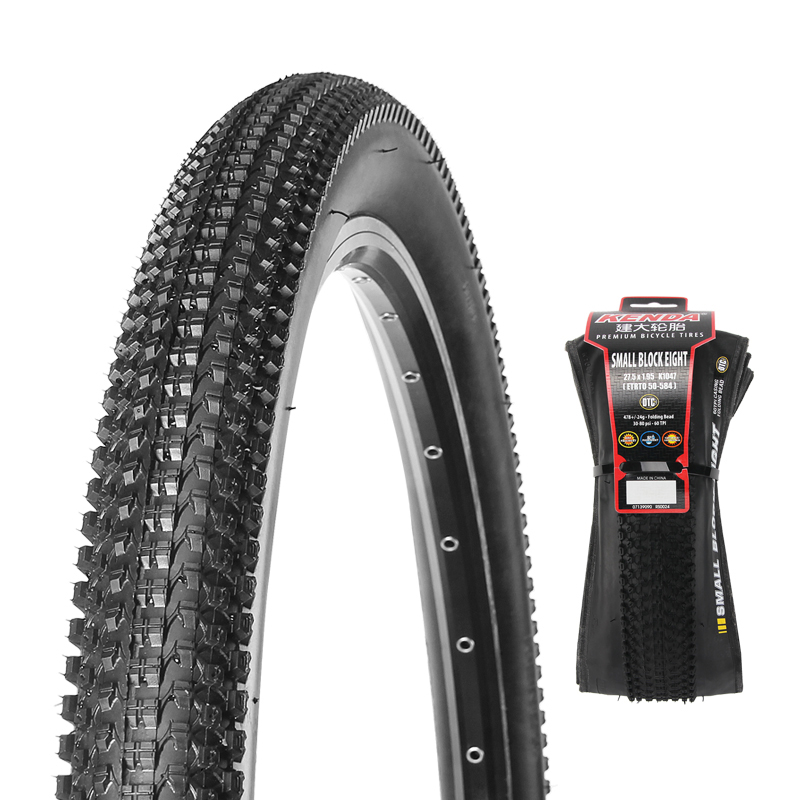
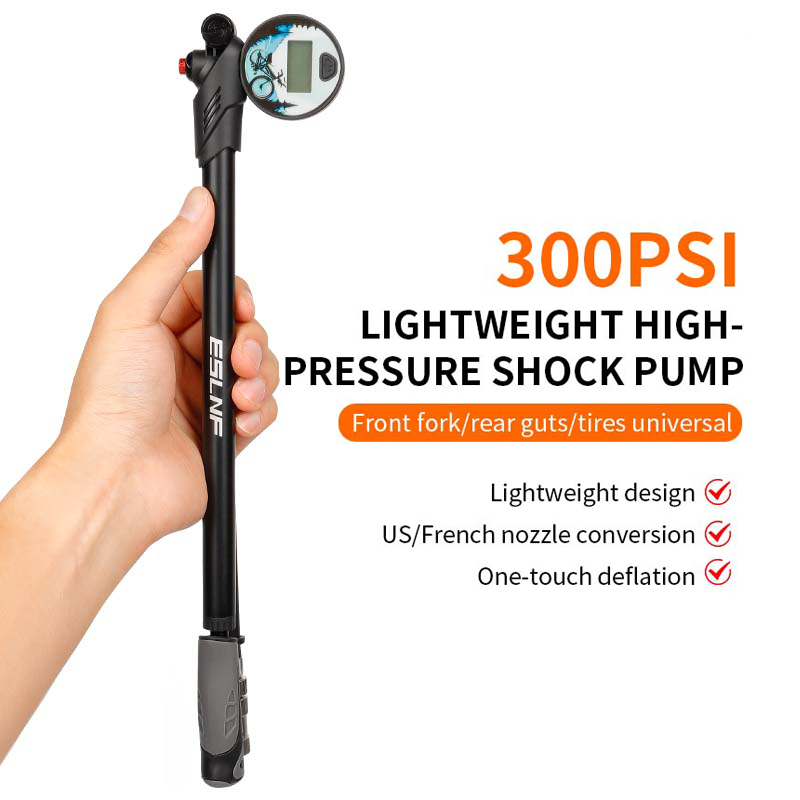
Solve supply-chain fragmentation by combining bicycle lights, high-toughness alloy bottle cages, 3D printed carbon saddles, precision shock pumps, and CNC tools into single full-container-load (FCL) shipments, drastically reducing ocean freight overhead and customs administration fees.
Export Footprint: EU, NA, SA, Oceania
Laser Engraving & Private-Label Customization
Equipped with high-precision fiber laser marking machines, we offer customized anodized colorways, silkscreen logo positioning, bespoke blister/box packaging designs, and multilingual user manual development for Amazon brand-registry, distributor OEM, and OEM bike builds.
Private Label MOQ: From 100-500 Units
Robust Trade Security & Flexible Logistics
Supported by international export credentials, Trade Assurance compliance, and established accounts with global express, air-cargo, and ocean shipping lines (COSCO, Maersk, Evergreen). Full traceability across every batch with documented pre-shipment QC inspection sign-offs.
Financial Integrity: Verified Export Registry
How does Kenus ensure real-world lumen ratings match advertised specifications?
Many low-cost factories quote theoretical "emitter lumens" calculated by multiplying the LED manufacturer's peak diode rating at zero heat, which rapidly degrades by 40% within minutes. Kenus evaluates all lighting assemblies in our integrating sphere according to the ANSI/NEMA FL-1 testing protocol. We measure real "OTF" (Out-The-Front) lumens after 30 seconds and 30 minutes of continuous runtime in thermal equilibrium. Comprehensive spectral charts, CRI ratings, and runtime discharge curves are supplied directly to our B2B clients for transparent consumer packaging claims.
Can our engineering team customize optical beam patterns for specific national road regulations?
Yes. We provide complete ODM optical lens design services. Our optical engineers can modify the micro-prism facets on our PMMA/PC TIR lenses or design custom aluminum reflectors to meet specific cutoff criteria, such as German StVZO (K-Mark), French regulations, or Japanese JIS standards. We can deliver photometric simulations (Zemax optical ray tracing) prior to mold fabrication.
What thermal dissipation safeguards are engineered into your 2000+ lumen front lights?
High-output fixtures generate substantial heat within compact footprints. Our lights utilize a three-stage thermal dissipation architecture: (1) Direct-plated copper thermal pads underneath the LED emitters, (2) Direct heat transfer to A6063 aerospace aluminum casing with CNC dissipation grooves, and (3) An integrated intelligent MCU running firmware with an onboard NTC thermal sensor. If internal core temperatures reach 65°C, the driver initiates step-less thermal throttling to reduce drive current, ensuring diode longevity and preventing catastrophic lithium battery overheating.
What are your standard Minimum Order Quantities (MOQs) for OEM private-label branding?
For standard in-stock catalog configurations with custom laser-etched logos, our minimum order quantity starts as low as 100 to 200 units. For fully customized anodized aluminum colors, custom injection-molded body colors, bespoke retail packaging, and customized optical lenses, standard OEM MOQs range from 500 to 1,000 units depending on the complexity of tooling adjustments.
How are battery packs protected against moisture intrusion and vibration during aggressive trail riding?
Our battery packs undergo a double-barrier encapsulation process. The lithium cells are first fixed within shock-absorbing silicone cell-spacers to isolate against heavy vibration (tested at 10–55Hz). The electronic pack is then sealed with waterproof silicone potting compound inside an ABS protective housing or wrapped with automotive-grade heat shrink tubing meeting IPX6 to IP68 standards. High-impact drop tests (1.5-meter drop onto concrete across 6 orientations) are standard for mass production verification.
Are testing reports and factory certificates provided for customs clearance?
Yes. All export orders are accompanied by official verification dossiers including CE Directives (SIT230614230201E), RoHS 2.0 Certificates (SIT240417230101R, SIT24041230101R), Japanese PSE Documents (SIT240226230301P), and EMC Test Reports (SIT250212230201ER). For air or sea freight dangerous goods protocols, we provide updated UN38.3, 1.2-meter drop test reports, and Safety Data Sheets (MSDS).
What is the typical lead time from prototype sign-off to full mass production dispatch?
Rapid 3D printed functional prototypes are turned around within 3 to 5 business days. Once final engineering drawings are approved, mold opening and tooling fabrication require 25 to 30 days. Standard mass production turnaround for orders of 1,000 to 10,000 units is typically 20 to 30 days, inclusive of rigorous 100% burn-in battery cycling, optical alignment checks, and water ingress testing.
Can Kenus consolidate other cycling accessory categories into our lighting shipments?
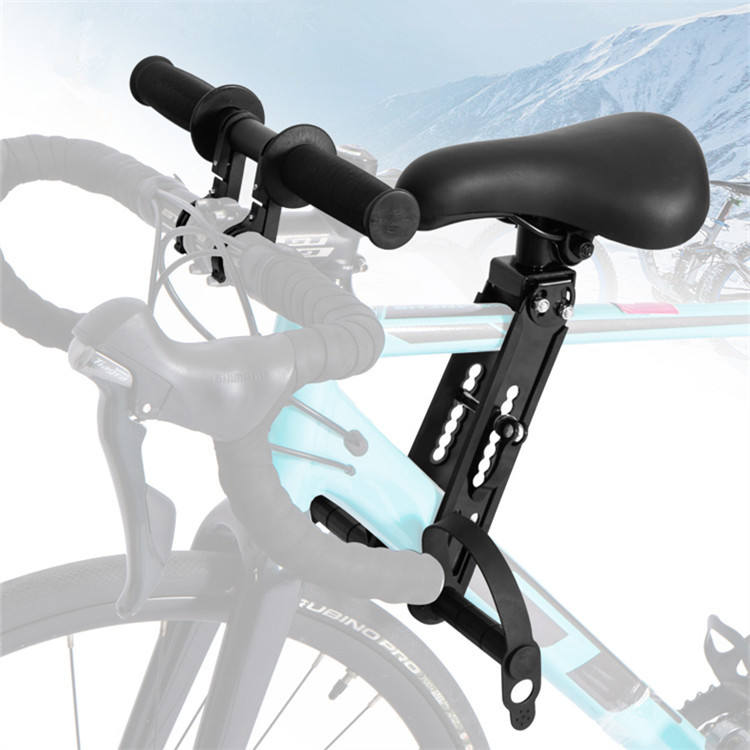
Absolutely. As an enterprise manufacturer offering extensive cycling accessory lines—ranging from high-strength nylon pedals, 3D printed saddles, aluminum bottle cages, to workshop repair stands and child seats—we regularly coordinate consolidated container loading. This enables distributors to streamline vendor audits, reduce customs entry clearance fees, and optimize shipping container volume utilization.
Request an OEM/ODM Specification Dossier & Custom Quote
Consult directly with our Jinhua engineering and photometric design department. Receive 3D CAD modeling, custom optic simulations, compliance verification certificates, and volume wholesale pricing within 24 hours.