Featured Bicycle Accessories & High-Volume Export Units
Consolidate your supply chain with our TÜV Rheinland assessed facility in Zhejiang, China. Direct factory dispatch across our specialized bicycle gear categories.
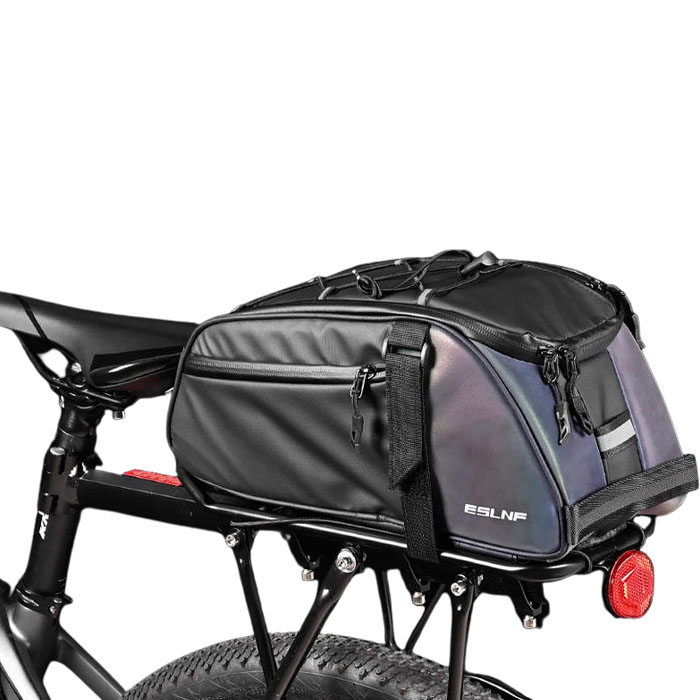
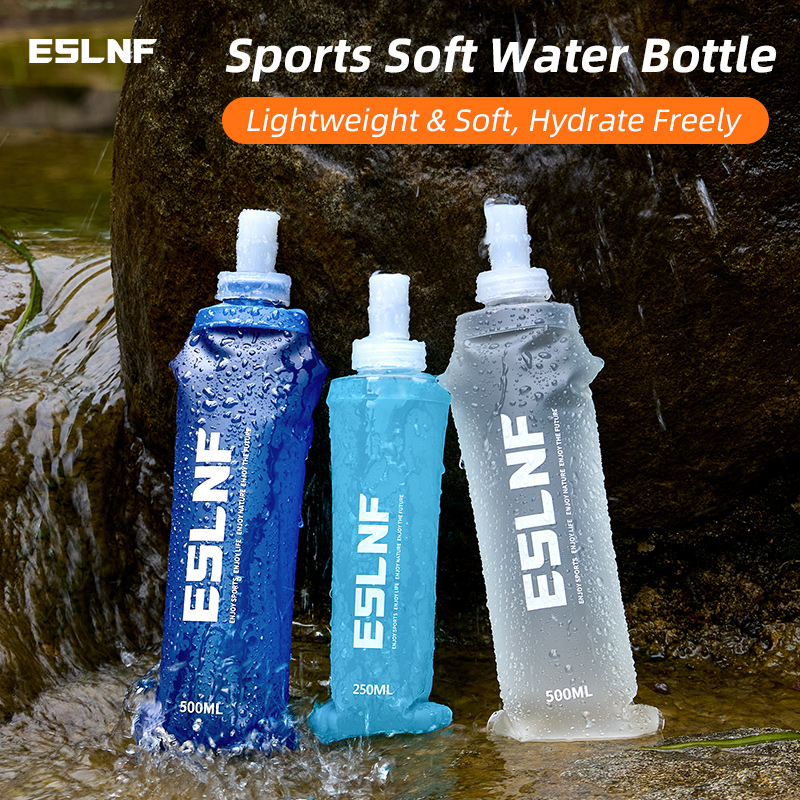
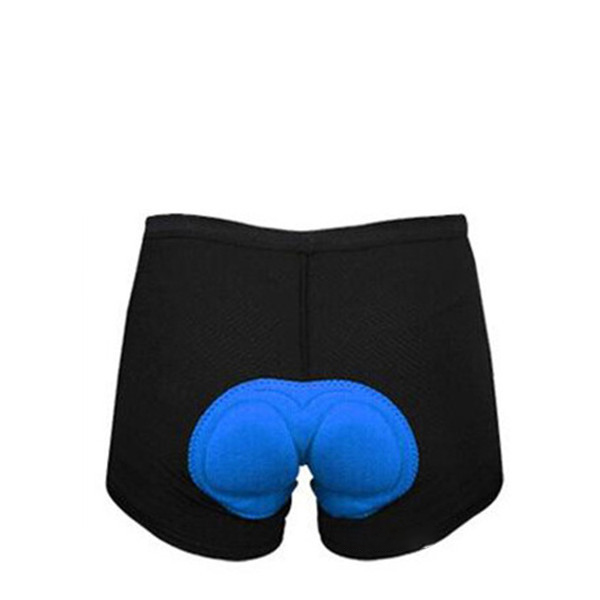
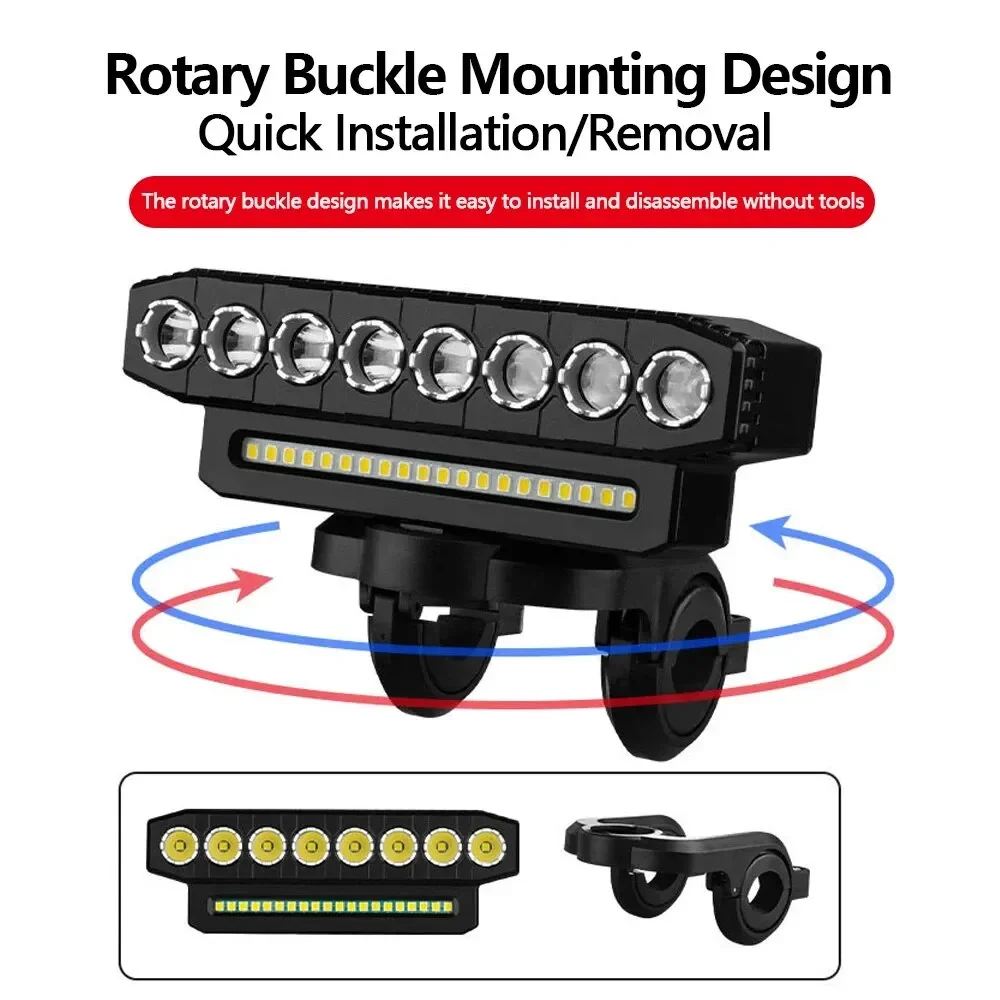
Onsite Verified Facility in Jinhua, Zhejiang
High-Frequency Seamless Welding Protocol
Rapid OEM Tooling & Mass Turnaround
Western EU, N. America, Oceania, S. America
Engineering Architecture: The Ergonomics & Hydrodynamics of the Triangle Bag
In modern bicycle frame architecture, the central triangle formed by the top tube, down tube, and seat tube represents the primary structural locus of a bicycle's center of gravity. For procurement professionals, sporting goods distributors, and OEM brand buyers, sourcing the bicycle triangle bag—often categorized as a frame pack—requires a nuanced understanding of mass centralisation, aerodynamic cross-sections, and biomechanical knee clearance. When weight is carried inside the frame triangle rather than hanging from the handlebars or hovering above the rear axle, rider handling degradation is suppressed by up to 34% across steep climbs and technical gravel descents.
A premium OEM/ODM bicycle triangle bag must resolve the historic compromise between load volume and pedal interference. Inferior manufacturing yields bags that bulge sideways when packed under tension, rubbing continuously against the cyclist's inner quadriceps or pedaling stroke. As an experienced exporter, Kenus incorporates internal polyethylene (PE) structural stiffener boards, perimeter EVA thermal lamination, and precision multi-point anchor webbing. This guarantees that whether loaded with heavy multi-tools, puncture repair kits, battery packs, or personal valuables, the bag retains a strict aerodynamic cross-profile of between 45mm and 60mm in lateral width.
| Structural Parameter | Commuter / Urban Grade | Gravel / Bikepacking Heavy-Duty | E-Bike Battery Custom Enclosure |
|---|---|---|---|
| Target Volume (Liters) | 1.2L – 2.0L Compact | 3.0L – 5.5L Full/Half-Frame | 4.0L – 8.0L Reinforced Triangle |
| Primary Material Composite | 600D Polyester + PU Backing | 420D/840D TPU Laminated Nylon | 1680D Ballistic Nylon / EVA Shell |
| Seam Construction | Bound Stitching + Tape Seal | High-Frequency RF Seamless Welded | Ultrasonic Sealing + Riveted Base |
| Waterproof Rating | IPX4 (Splash-resistant) | IPX6 / IPX7 Submersible Barrier | IPX6 Thermal & Shock Enclosure |
| Frame Fastening Matrix | 3-Point Hook-and-Loop | 5 to 7-Point Hypalon Modular Straps | Direct Frame Eyelet Bolts + Cam Straps |
Furthermore, modern frame geometry diversity—spanning compact sloping road top tubes, full-suspension mountain bike linkages, and oversized hydroformed alloy e-bike battery downtubes—demands modular OEM digital patterning. Standard one-size-fits-all triangle bags fail to convert high-margin B2B consumer demographics. Kenus leverages digital CAD nesting and 3D printing rapid prototyping in-house, enabling private label partners to offer tailored corner radiuses, cable routing ports, and asymmetric bottle cage cut-outs without prohibitive tooling amortizations.
Material Engineering & High-Frequency Sealing Technologies
The global transition from traditional needle-stitched canvas luggage to technical thermoplastic polyurethane (TPU) welded construction has rewritten the quality baseline for cycling packs. Needle punctures inherently introduce thousands of capillary entry routes for water ingress. Under heavy rainstorm conditions, needle holes expand under kinetic vibration, resulting in moisture damage to delicate internal electronics, mobile phones, and carbon cycling tools.
To deliver genuine IPX6 and IPX7 waterproof performance for international cycling brands, Kenus implements Radio-Frequency (RF) Electromagnetic Welding and High-Frequency (HF) ultrasonic fusion. This manufacturing protocol subjects polyurethane-coated polymer textiles to simultaneous mechanical compression and dielectric excitation at 27.12 MHz. The microscopic polymer chains melt into an unbroken molecular weld, delivering tensile boundary strength identical to the raw fabric itself.
Contact points with bicycle frame tubes are reinforced with chlorosulfonated polyethylene (Hypalon), preventing paint scuffing while resisting shear loads over tens of thousands of gravel cycles.
Engineered with polyurethane-coated water-tight sliders and mechanical zipper garages that isolate internal compartments from grit, mud, road salt, and sustained high-pressure hose cleaning.
Compliant with European Green Deal directives, our workshop provides Global Recycled Standard (GRS) certified ocean-bound recycled polyester and PFAS-free DWR weather-shedding coatings.
B2B Sourcing Analysis: Bicycle Bag Market & Procurement Trends (2025–2030)
According to international sporting goods market analytics, the global bikepacking and utilitarian cycling luggage sector is projected to sustain a compound annual growth rate (CAGR) of 7.8% through 2030. Sourcing directors seeking to outperform conventional retail margins must align their product development pipelines with three decisive structural shifts:
1. Electrification and Custom Battery Compartment Integration: The worldwide expansion of mid-drive and hub-motor commuter e-bikes has spawned rapid demand for specialized "dual-zone" triangle bags. Riders require secure, insulated compartments capable of accommodating auxiliary 36V/48V range-extender lithium-ion battery packs while safeguarding charging pigtails and terminal cables. Bags constructed with thermal-retentive liners and reinforced structural cradles prevent battery shifts during transit, positioning our ODM clients ahead of generic commodity competition.
2. Direct Bolt-On Frame Integration Over Hook-and-Loop Straps: Performance gravel and carbon adventure frames are increasingly built with factory brazed eyelets underneath the top tube and inside the main triangle. High-end cyclists reject velcro straps that degrade aesthetic lines and wear away clear coats. Progressive OEM buyers are standardizing bags featuring slotted internal stiffeners and sealed brass eyelet grommets for direct bolt-on mounting, establishing premium retail price points exceeding $80–$120 USD.
3. Smart Hardware and IoT Safety Integration: Modern cyclists expect passive cycling gear to interface with safety electronics. Our newest ODM triangle bag concepts integrate cable routing tunnels directly connecting frame bags to cockpit USB power banks, top-tube phone cradles, and integrated high-lumen headlights. Embedded micro-reflectors that reflect 360-degree vehicle headlight beams at distances exceeding 200 meters are becoming mandatory under updated EU road visibility standards.
Factory Advantages: Kenus Intelligent Technology Co., Ltd.
Headquartered in Jinhua, Zhejiang Province—one of China’s most robust advanced hardware and export logistics ecosystems—Kenus Intelligent Technology operates as an audited manufacturing partner for international cycling brands, hypermarket chains, and digital-native e-commerce distributors across Western Europe, North America, South America, and Oceania.
Unlike pure trading brokers, our operational infrastructure has undergone strict onsite assessment by TÜV Rheinland, confirming legitimate production capacities, in-house QA/QC workflows, and financial credibility. We maintain rank among the industry's top suppliers across cycling pedals (#2), advanced bicycle lights (#2), and bicycle saddles (#5), demonstrating our multi-disciplinary engineering capacity across textiles, electronics, and precision metallurgy.
Tooling turnaround accelerated by industrial 3D printing and digital patterning. Prototypes generated within 3–5 working days to validate bicycle frame clearance before cutting production dies.
All electronic and composite hardware complies with international trade standards. Certified with verified CE (SIT230614230201E), RoHS, PSE for Japan, and EMC inspection reports.
Consolidate multiple bicycle accessory lines—triangle bags, high-lumen lights, saddles, tools, and hydration bottles—into single FCL/LCL ocean shipments, dramatically slashing inbound customs overhead.
B2B Procurement & OEM Sourcing FAQ
Clear technical and commercial answers to streamline your vendor evaluation process.
What is the standard Minimum Order Quantity (MOQ) for custom-branded bicycle triangle bags? ▼
What quality assurance standards and defect acceptance limits (AQL) do you operate under? ▼
How do you test and verify waterproof integrity for cycling bags? ▼
What are the HS Codes for customs classification and import duties on bicycle bags? ▼
Can your engineering team adapt bags to fit specific e-bike frame battery contours? ▼
Request Your OEM/ODM Project Feasibility & Tooling Quotation
Direct engineering consultation, custom material swatch cards, and rapid 3D prototyping for global bicycle brands and commercial wholesalers. Connect with our engineering department today.