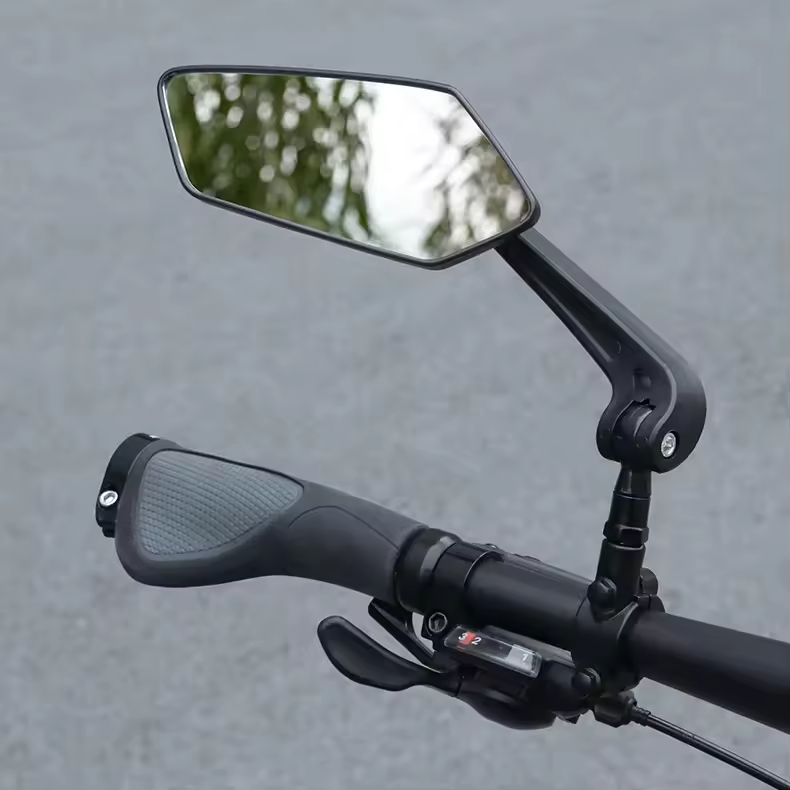
TÜV Rheinland
Onsite Assessed Factory
100% Seamless
RF Welded Waterproof Tech
#2 In Market
Global B2B Category Volume
50+ Countries
Tier-1 Brand Export Network
Consolidated Catalog
Featured Cycling Gear & Frame Storage Solutions
Direct-from-factory catalog with custom private-label branding, universal geometry compatibility, and high-performance materials tested for endurance gravel, commuting, and touring.
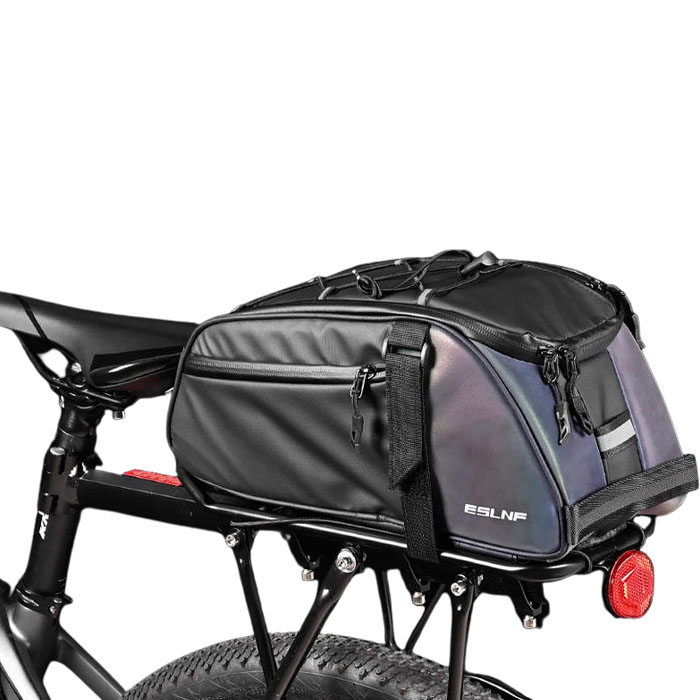
Cargo & Touring
ESLNF Waterproof Large Capacity Reflective Cycling Cargo Trunk Pannier Bag
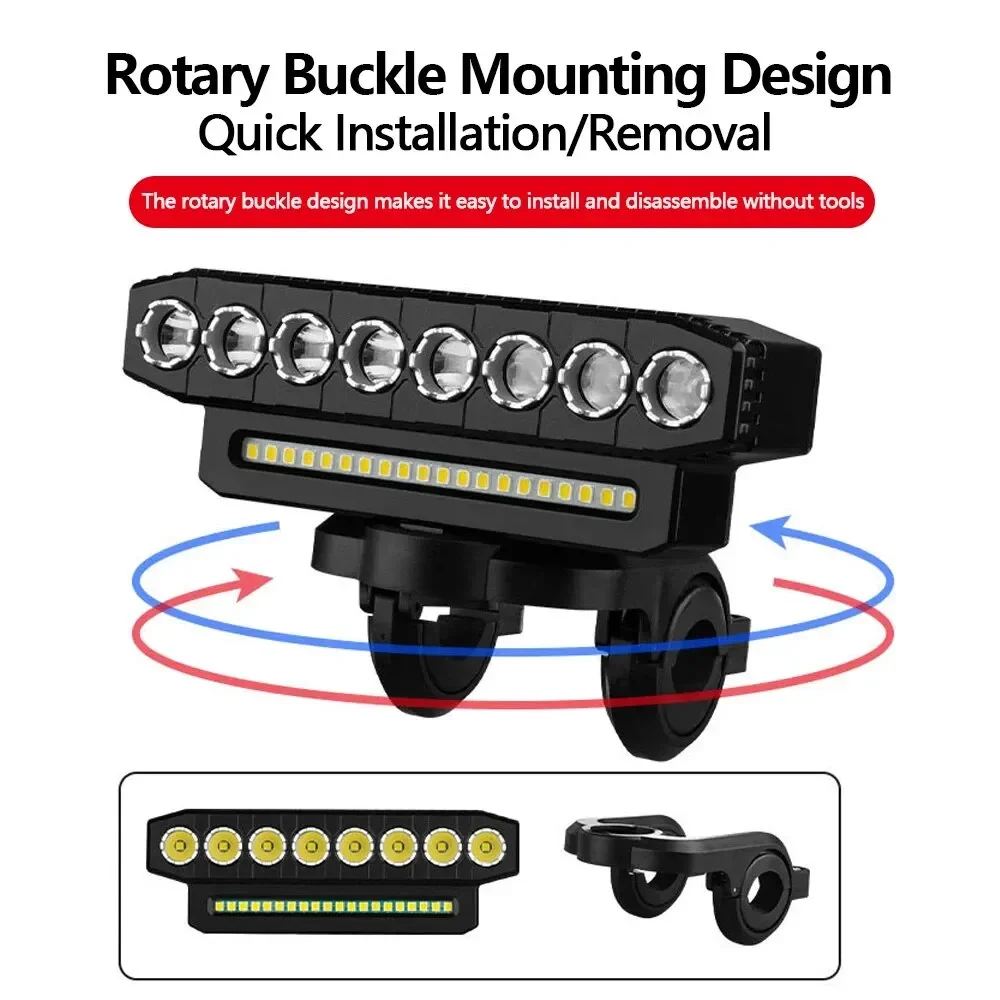
Smart Illumination
High Bright 4000mAh Rechargeable Battery USB 600LM LED Front Light with Integrated Horn
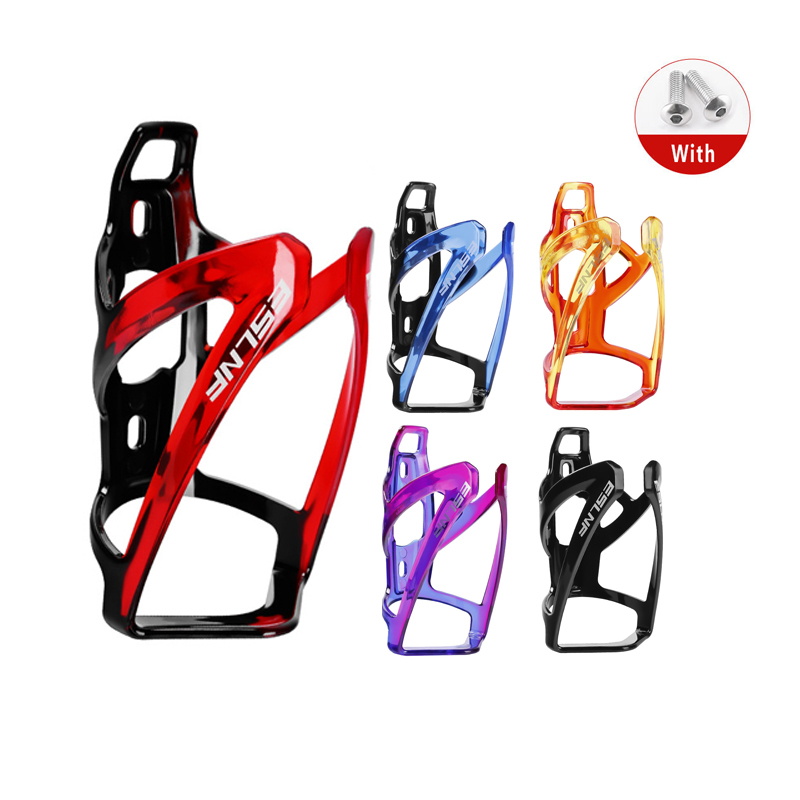
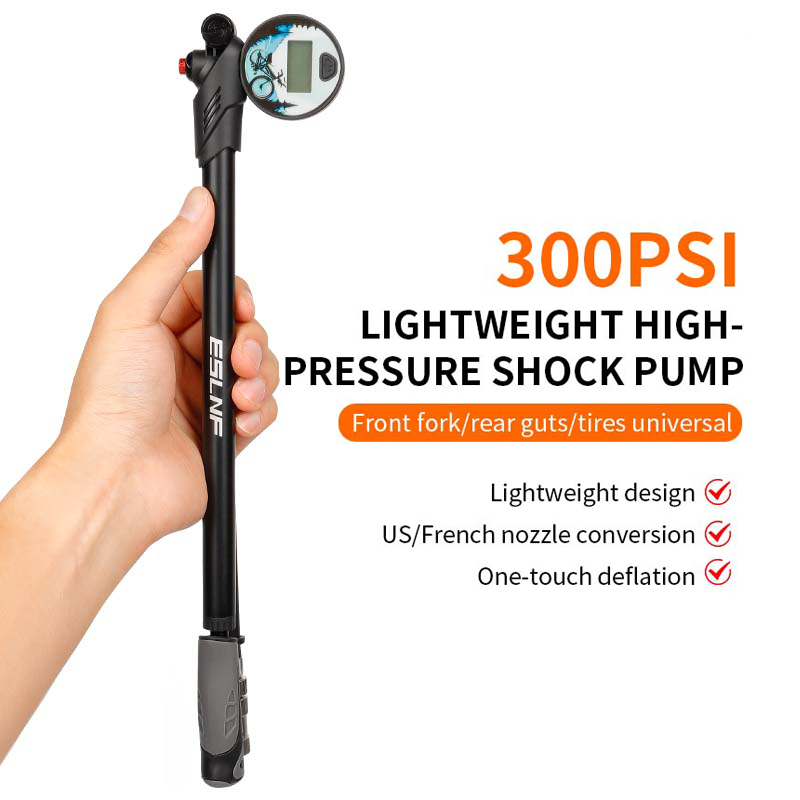
Precision Tools
High Pressure 300PSI Air Suspension Fork Shock Pump with Calibrated Gauge
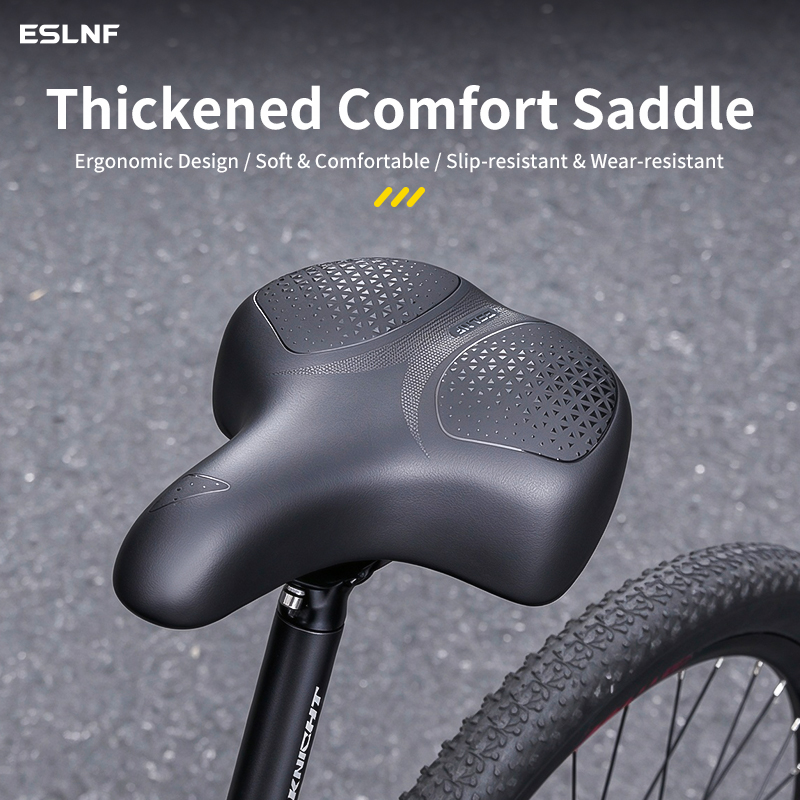
Ergonomics
ESLNF High Elastic Soft Memory Rebound Saddle for Long Distance Endurance
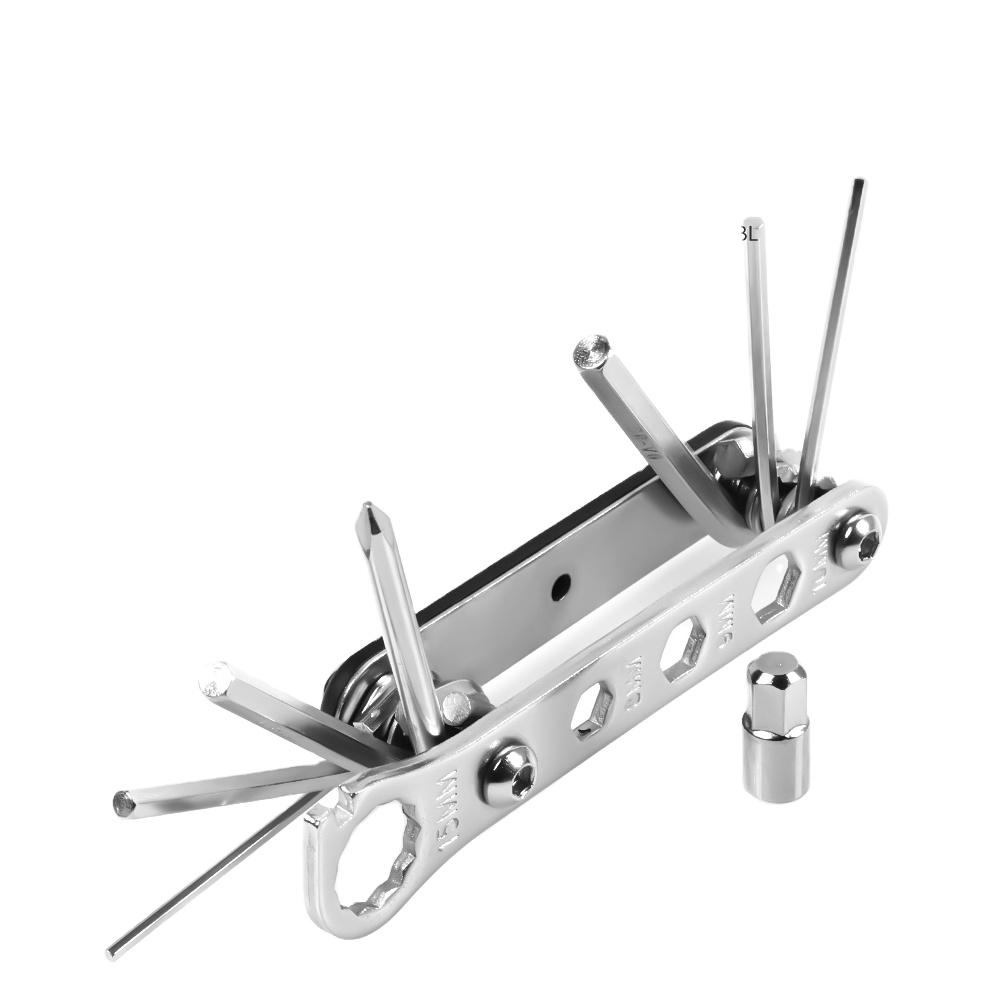
Workshop Support
13-in-1 Precision Portable Folding Combination Bicycle Multi-Tool Kit
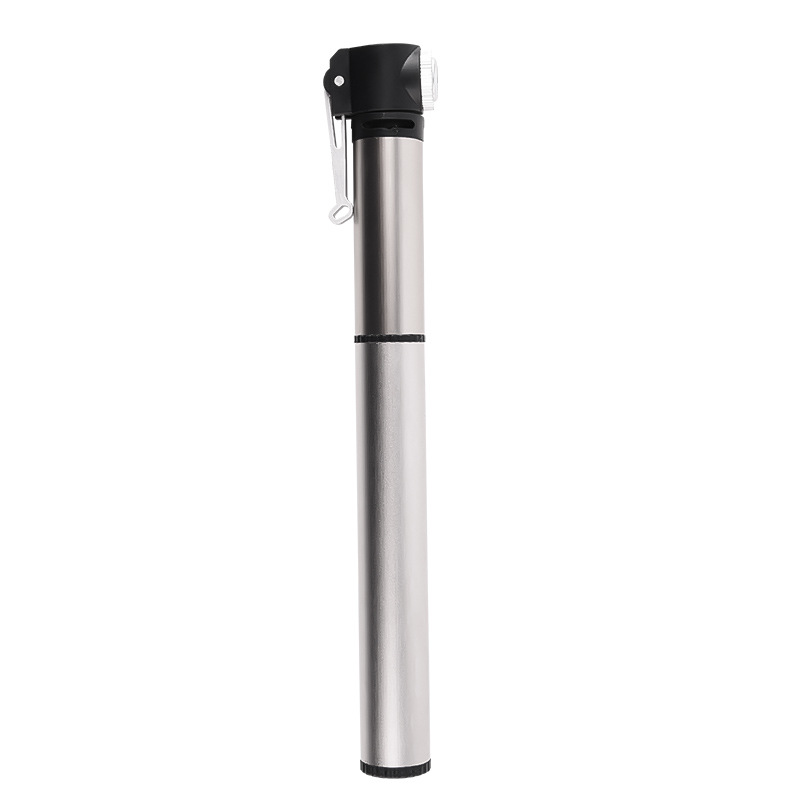
Inflation Gear
Portable Mini High Pressure Cylinder Air Inflator (Schrader & Presta Dual Valve)
State of the Art: Technical Architecture of Modern Bicycle Frame Bags
The global shift toward gravel endurance racing, mixed-surface bikepacking, and urban cycling logistics has radically elevated technical expectations for the modern bicycle frame bag. Historically perceived as simple nylon pouches, contemporary top tube bags, half-frame packs, and full triangular storage units serve as central load-bearing components requiring aerodynamic tuning, structural rigidity, and uncompromising all-weather performance.
As a verified China bicycle frame bag manufacturer operating out of Jinhua, Zhejiang, Kenus Intelligent Technology Co., Ltd. builds frame bags that balance volume capacity, structural clearance, and weatherproofing. A poorly designed frame pack creates side-to-side knee rub, rubs paint off carbon down-tubes, and sags into lower chainrings during lateral climbs. Our production integrates radio-frequency (RF) welded TPU laminates, multi-density internal HDPE stiffeners, and laser-mapped strapping geometries designed to interface seamlessly with modern compact road, progressive gravel, and full-suspension cross-country frames.
High-Frequency RF Hermetic Seams
Replacing conventional needle stitching with 27.12 MHz radio-frequency dielectric bonding creates a molecularly continuous weld. This ensures true IPX6 to IPX8 hydrostatic water tightness, even in driving torrential downpours.
Reinforced Internal Skeleton (PE/HDPE)
Integrated 1.2mm to 1.8mm high-density polyethylene internal side walls eliminate body bulging. Bags retain an aerodynamic profile (under 55mm width near the seat-tube) regardless of internal payload distribution.
Frame Protection Interface (TPU Coating)
Strapping points use non-abrasive, hypo-allergenic Hypalon and textured TPU contact zones. These eliminate grit-induced abrasion on clear-coat carbon fiber and thin-walled hydroformed aluminum frames.
Material Comparison: Technical Substrates for OEM Frame Bag Production
Choosing the right fabric composite defines durability, production yield, and retail positioning. As a full-service supplier, we guide private-label brands across the spectrum of technical textiles:
| Substrate Spec | Tensile / Tear Strength | Waterproofing Method | Weight per m² | Recommended Sourcing Application |
|---|---|---|---|---|
| 600D / 900D Poly TPU Laminated | High (1400N / 120N) | RF Heat-Welded Molecular Bond | ~420 gsm | Mainstream commercial bikepacking, commuting, rental fleets |
| 420D Diamond Ripstop Nylon | Extreme Tear Resistance | Double-sided 0.1mm TPU Film | ~310 gsm | Ultralight gravel race gear, performance bikepacking |
| Multi-Ply Recycled X-Pac / Cordura | Ultra-High Dimensional Stability | PET Lamination + DWR Surface | ~280 gsm | Boutique custom label, eco-conscious premium adventure series |
| Molded EVA Semi-Rigid Shell | Structural Impact Resistant | Waterproof PU Exterior Coating | ~520 gsm | Urban e-bike battery storage, electronics & tool protection |
Future Procurement Trends: Where Bicycle Bags & Accessories Are Heading
For category directors, overseas sourcing leads, and OEM product planners, navigating the 2026–2030 cycling accessory procurement lifecycle requires looking past legacy form factors. Sourcing decisions made today must address three industry transitions:
1. Direct-Mount Bolt-On Integration
Top tube bags are rapidly moving from strap-only mounts toward dual M5 standard spacing (64mm center-to-center). Modern gravel and road frames feature top tube bosses as standard factory spec; bags lacking recessed slotted bolt runners face reduced sell-through rates.
2. Onboard Electronics & Cable Routing
With smart lights, GPS head units, electronic shifters, and wireless turn signals dominating cockpit hardware, riders demand internal pass-through conduits. Frame bags must feature sealed waterproof ports for routing USB-C power directly from frame-housed batteries to handlebar cockpits.
3. Post-Consumer Recycled (PCR) Circularity
European supply chains now actively audit Scope 3 emissions. Global distributors are prioritizing suppliers who offer GRS-certified recycled PET shell textiles, PFAS-free durable water-repellent (C0 DWR) chemical finishes, and biodegradable retail hang-tag packaging.
4. E-Bike Frame Geometry Convergence
E-gravel and urban commuter e-bikes feature wider downtubes housing integrated battery packs. Frame bags designed with legacy narrow strapping fail to wrap securely around down-tubes exceeding 70mm diameter, driving demand for modular, adjustable strap designs.
Why Global Cycling Brands Source with Kenus Intelligent Technology
Sourcing from China is no longer just about baseline unit cost; it requires proven supply chain transparency, engineering capability, and verified technical compliance. Kenus Intelligent Technology Co., Ltd. bridges advanced product engineering with high-capacity export manufacturing from our facility in Jinhua, Zhejiang.
TÜV Rheinland Onsite Verification
Our operating facilities, legal standing, quality assurance protocols, and automated assembly workflows are audited onsite by TÜV Rheinland. We provide third-party verified transparency to de-risk supplier qualification files.
End-to-End Consolidated Sourcing
Avoid managing 8 different factories for disparate parts. We engineer and supply lights, saddles, pedals, bottle cages, repair stands, and bags on a unified purchase order, slashing customs and freight costs.
Documented Global Regulatory Compliance
Our active product lines carry valid regulatory documentation verified by accredited test bodies: CE (SIT230614230201E), RoHS (SIT240417230101R, SIT24041230101R), Japanese PSE (SIT240226230301P), and EMC (SIT250212230201ER).
CE SIT230614230201E
RoHS Multi-Purpose Lights SIT240417230101R
PSE METI Japan SIT240226230301P
EMC Inspection SIT250212230201ER
Whether you require low minimum-order quantities (MOQs starting at 2 pieces for ready-to-ship catalog gear) or comprehensive bespoke tooling from engineering drawings and rapid 3D printing prototypes, Kenus provides an agile, reliable OEM/ODM partnership.
Bicycle Bag & Accessory Procurement FAQ
Clear, direct answers to common questions raised by brand managers, procurement directors, and importers during factory auditing and order placement:
What testing standards apply to waterproof bicycle frame bags and bags?
High-end waterproof bags are tested under ISO 20811 (Hydrostatic Head Pressure Test), requiring TPU fabrics to resist water columns exceeding 10,000mm. Submersion tests follow the IEC 60529 standard for IPX5 (continuous water jet) and IPX6 (heavy high-pressure sea waves). In our quality lab, welded seams undergo dynamic stress cycle tests after salt-spray weathering to ensure seam durability throughout multi-season use.
How do you prevent bicycle frame bags from scratching carbon or aluminum frames?
Unprotected nylon webbing traps road grit and dust, which acts like sandpaper against frame clear coats under pedal vibration. We resolve this by integrating non-abrasive Hypalon and anti-slip textured silicone contact pads on every strap surface touching the frame. For OEM customers, we also supply pre-cut, die-cut 3M paint-protection film strips with our packaged bags.
What are the typical OEM/ODM customization capabilities and MOQs?
Our OEM capabilities cover high-frequency 3D silicone logo heat transfers, custom Pantone color matching for ripstop shells, customized zip-pullers, internal divider restructuring, and custom retail packaging boxes. Standard trial MOQs for in-stock catalog configurations begin at just 2 to 100 pieces, while fully bespoke cut-and-sew or RF-welded patterns require an accessible MOQ of 300 to 500 pieces per batch.
How does consolidation work across lights, tools, saddles, and frame bags?
Kenus is organized around complete bike accessory consolidation. Instead of managing separate freight shipments from lighting specialists in Guangdong, bag sewers in Fujian, and hardware makers in Zhejiang, our Jinhua facility handles final assembly, packaging, and centralized export staging. You receive a unified bill of lading (B/L), streamlined customs declarations, and optimized container packing density.
How can we verify product safety certificates for our national customs clearance?
All safety and quality certificates (including CE SIT230614230201E for headlights, RoHS SIT240417230101R for materials, and PSE SIT240226230301P for electronics) feature traceable registration numbers. These documents can be verified with the issuing certification lab, and unredacted digital copies are provided with each commercial proforma invoice.
Request the 2026 OEM Bicycle Accessories & Bag Catalog
Access complete factory wholesale pricing, technical CAD drawings, fabric swatch guides, and private label customization schedules from our engineering team.