Featured Cycling Equipment & High-Performance Sets
Explore production-ready lighting modules, cockpit assemblies, and tactical riding peripherals engineered to strict international regulatory standards.
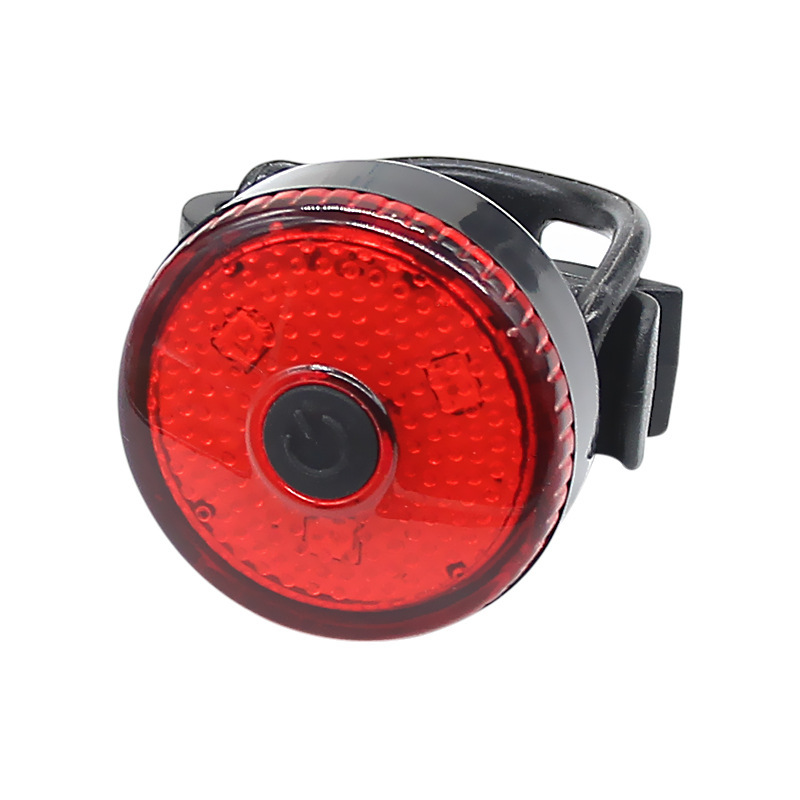
Bicycle Tail Lamp Headlight Waterproof LED Warning Light
- Night Warning Visibility 220°
- IP64 Sealed Chassis Design
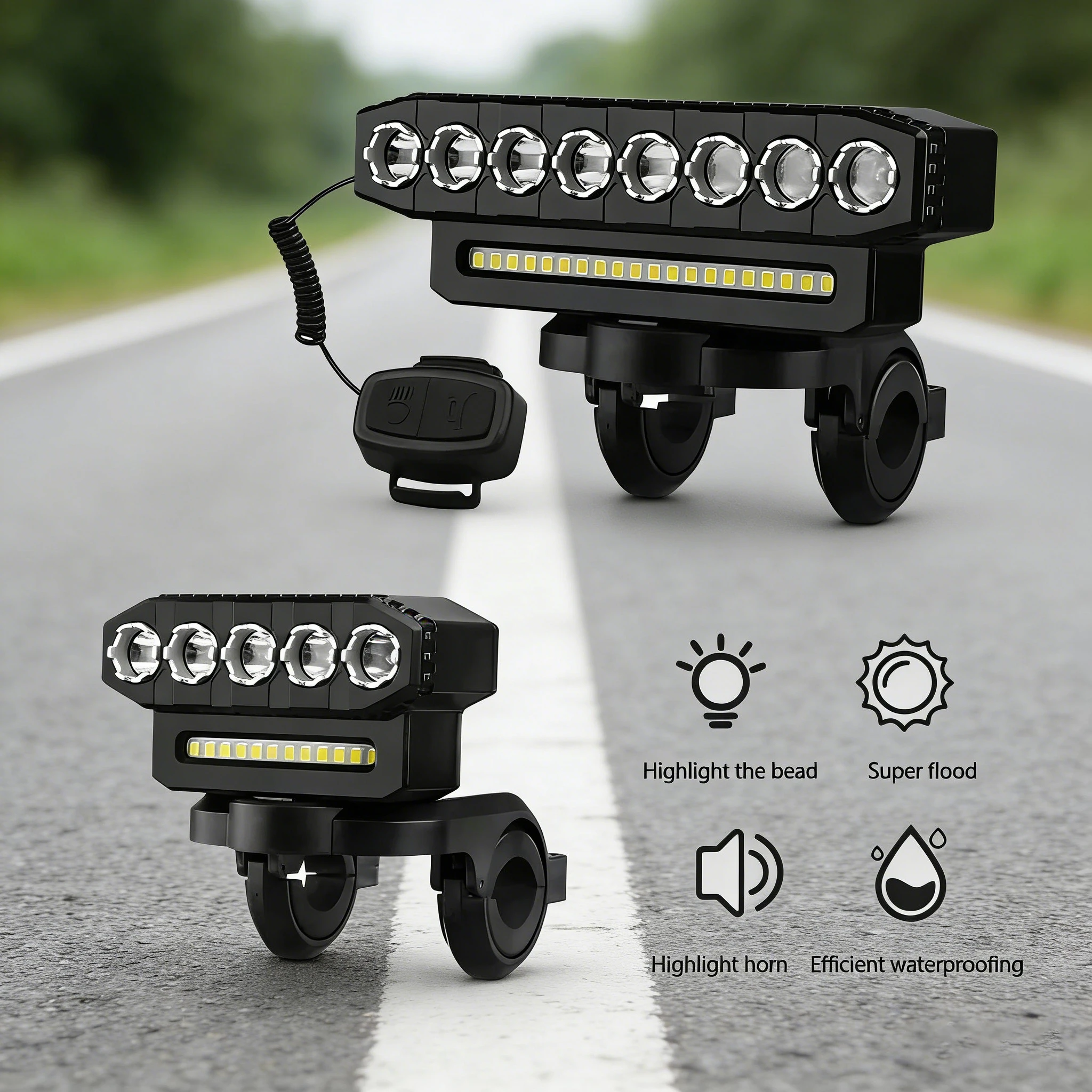
USB Charging High Bright Horn Light Integrated System
- Integrated 120dB Warning Horn
- Type-C Smart Fast-Charge IC
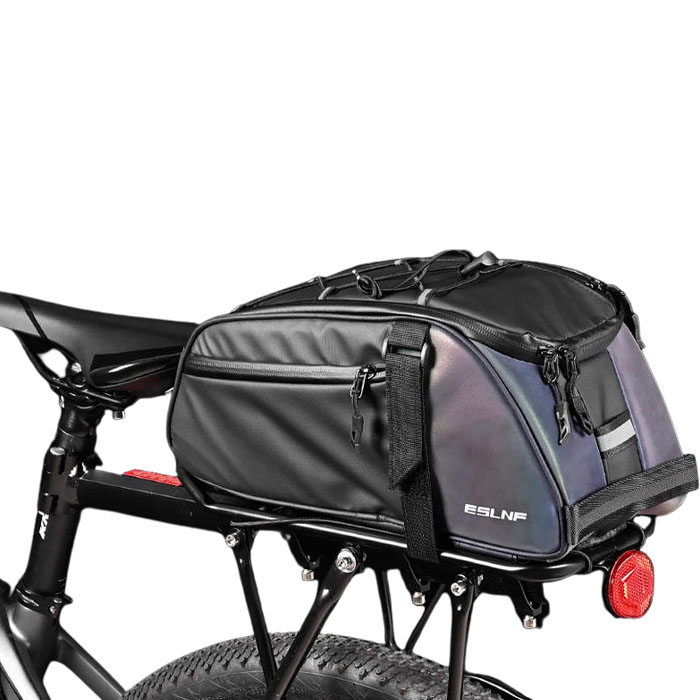
ESLNF Waterproof Large Capacity Cargo Trunk Bag
- Reflective Night Trim Arrays
- Hydrophobic Sealed Coated Fabric
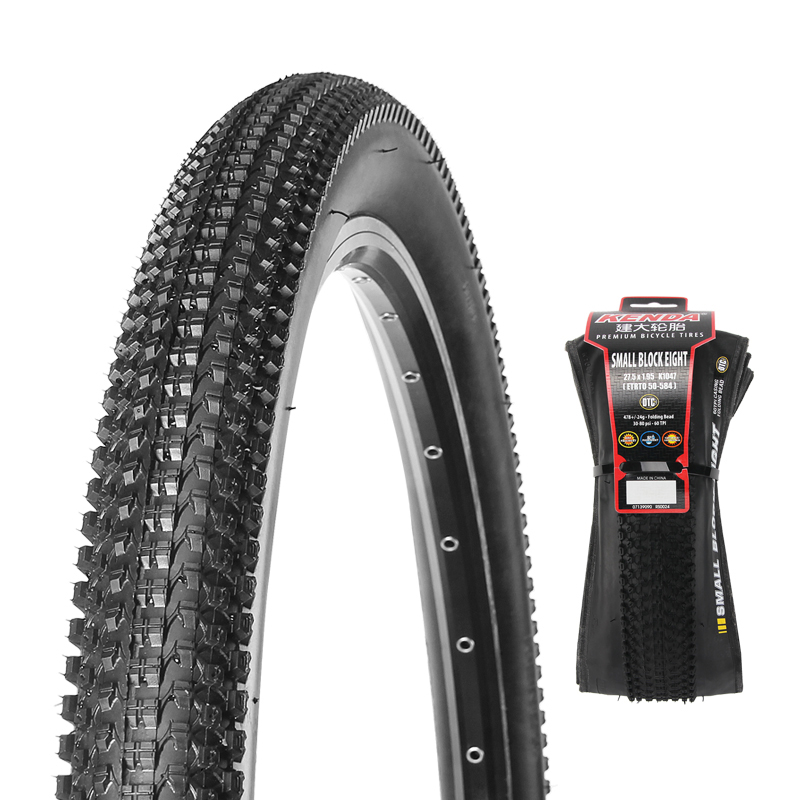
60TPI Casing High-Puncture Folding Beam Fat Bike Tire
- 60TPI Density High-Yield Casing
- Puncture-Resistant Compound
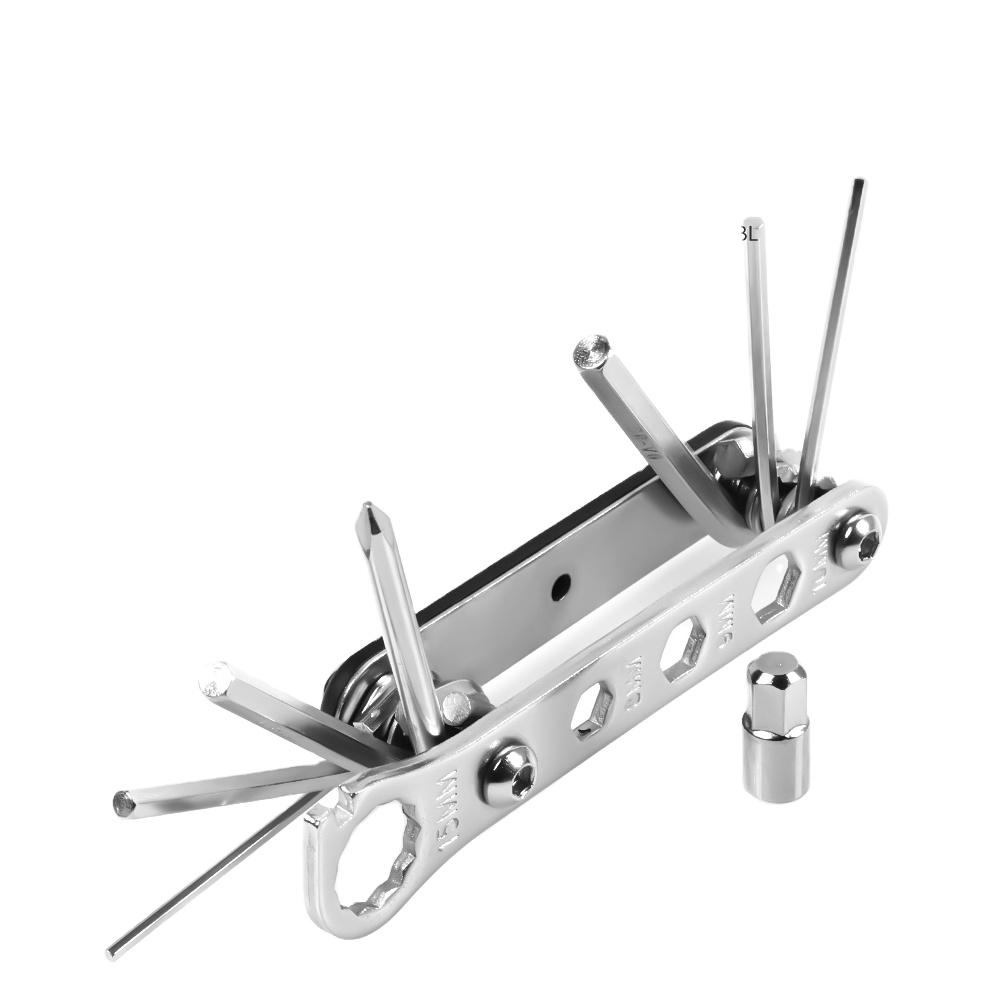
13-in-1 Precision CNC Folding Combination Multi-Tool
- High-Grade Vanadium Steel Alloy
- Ultra-Compact Tooling Profile
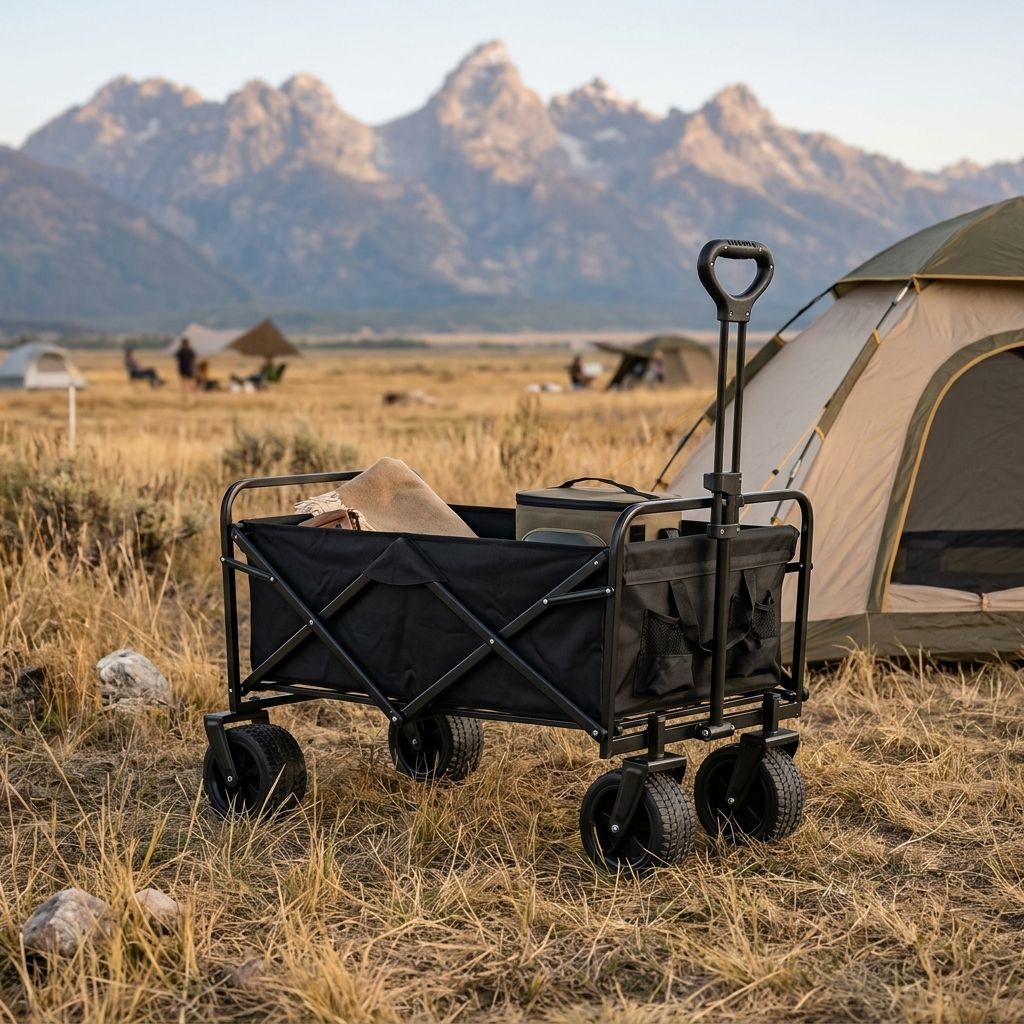
Heavy-Duty Foldable Tactical Support Cargo Trolley
- All-Steel Rigid Structural Chassis
- Double-Layered 600D Oxford Fabric
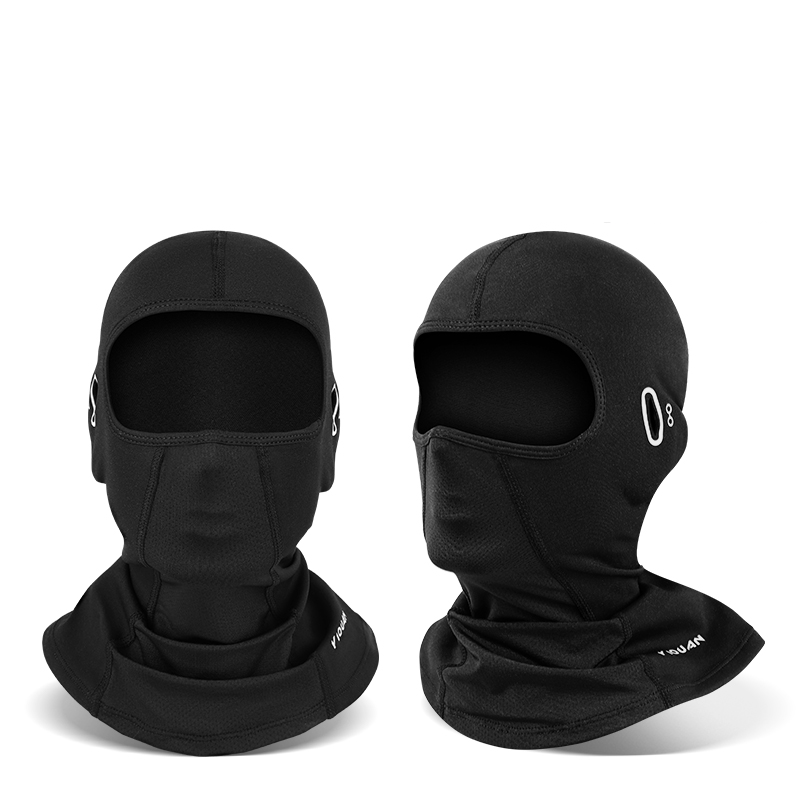
Thermal Windproof Aero-Balaclava Winter Headwear
- Microporous Breathable Membrane
- Ergonomic Helmet Compatibility
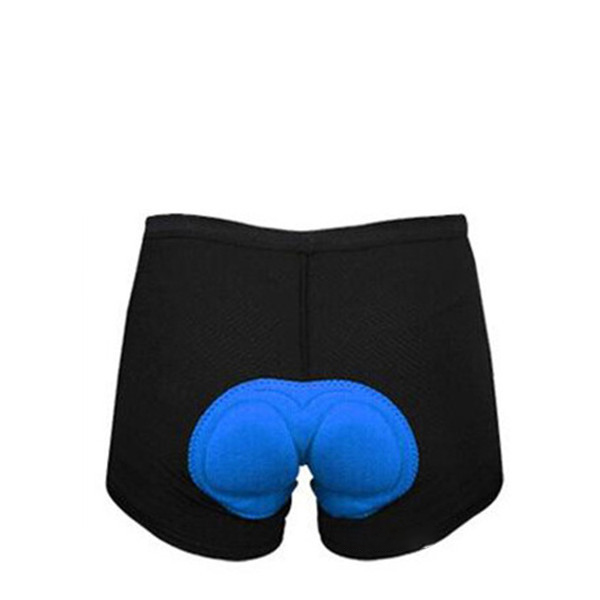
Pro-Series 3D Ergonomic Gel Pad Liner Shorts
- Multi-Density Pelvic Dampening
- Moisture-Wicking Elastic Poly-Blend
Whitepaper: Engineering & Sourcing Matrix for OEM/ODM Bicycle Light Sets
The modern cycling illumination sector is shifting from low-cost luminescence toward tightly regulated, photometrically calibrated optical devices. Global brand owners, distributors, and bulk purchasers face rising barriers to entry in Western Europe, North America, and East Asia, driven by strict standards such as the German StVZO (TA 23), French regulations, and ANSI/NEMA FL-1 reporting criteria. As a premier China Bike Light Set Factory and Supplier, Kenus Intelligent Technology Co., Ltd. resolves this tension by integrating optical, electrical, and thermal engineering with full regulatory traceability under one verified roof.
1. Advanced Photometrics and Driver Architectures
Standard flashlights rely on radial symetric reflectors that waste lumens skyward and temporarily blind oncoming road traffic. In automotive and professional cycling tiers, this represents a severe compliance hazard. Kenus engineering teams design dual-zone TIR (Total Internal Reflection) optics and precision faceted cut-off beam splitters. This channels over 85% of total luminous flux across a horizontal trapezoid, illuminating road debris 15 to 45 meters ahead while keeping lux levels below 2.0 lx at the eye level of oncoming motorists.
Internally, output stability depends directly on driver topography. Kenus light sets employ constant-current synchronous buck-boost converter ICs, avoiding the thermal throttling and lumen drop-offs typical of cheap resistor-limited circuitry. Even as battery voltage slides from 4.2V down to 3.2V, lumen degradation stays under 4% per hour, ensuring riders maintain uninterrupted situational visibility throughout long-distance commutes.
Optical Precision
Computer-optimized anti-glare cut-off optics engineered to meet both German StVZO and ANSI FL-1 field metrics without blinding opposing traffic.
Smart Power Delivery
Pure copper PCB cores with Type-C bi-directional emergency power delivery, smart active thermistors (NTC), and multi-cell overcharge protection.
Machined Aluminum CNC
Aviation-grade 6061-T6 aluminum alloy enclosures with hard-anodized Class III surfaces for rapid heat dispersion under high lumen profiles.
2. Future Procurement Trends in the Global Bicycle Lighting Market
Procurement directors evaluating annual bulk contracts must prepare for major structural shifts occurring across global supply chains:
A. Direct E-Bike High-Voltage Integration (DC 6V–85V): With the worldwide expansion of pedal-assist and speed-pedelec platforms, standalone battery systems are shifting toward integrated lighting running directly off central drive units (Bosch, Shimano, Bafang). Sourcing light sets with stepped-down wide-voltage drivers reduces SKU fragmentation and broadens OEM brand deployment.
B. Sensor Integration and Smart IoT Mesh: Millimeter-wave radar integration, multi-axis triaxial gyroscopic accelerometers, and daylight-sensing ambient modules are redefining safety sets. Tail lamps now double as dynamic brake lights, detecting deceleration rates higher than 1.2 m/s² and boosting flash frequency to warn tailgating vehicles.
C. Sustainable Circularity & Right to Repair: Regulatory pressures across the European Union now target non-replaceable lithium potted designs. Forward-looking procurement favors modular structural housings that allow end users to safely replace standard cylindrical 21700 or 18650 cells without breaking waterproof seals.
3. Strategic Procurement Comparison Matrix
| Evaluation Factor | Tier-1 Factory (Kenus Facility Standard) | Generic Trading Suppliers | Impact on Brand Longevity |
|---|---|---|---|
| Photometric Testing | In-house Goniophotometer & Integrating Sphere | Estimated LED factory lumen specs | Eliminates consumer disputes & regulatory return risks |
| Thermal Management | CNC 6061 Hard Anodized + Copper Base Sink | Unreinforced ABS / Thin Die-Cast Zinc | Prevents thermal color shift & emitter burnout |
| Battery Safety Rigor | UN38.3, MSDS, IEC 62133 Tested Grade-A Cells | Recycled or low-C rated cells without BMS | Mitigates thermal runaway & customs holding issues |
| Third-Party Verification | TÜV Rheinland Assessed Onsite Facilities | Self-declared paperwork without factory footprint | Guarantees steady capacity during peak season |
| Firmware Customization | Direct MCU programming (SOS, StVZO, DRL) | Fixed static chips without code changes | Enables unique private-label brand differentiation |
4. Verified Factory Advantages: Kenus Intelligent Technology
Kenus Intelligent Technology Co., Ltd. operates in Jinhua, Zhejiang, inside China's primary hardware and cycling export hub. Our industrial campus integrates structural CNC tooling, precision robotic tube processing, automated laser marking, and clean electrical assembly.
Unlike pure trading brokers, our production setup undergoes rigorous onsite operational verification by TÜV Rheinland. We hold genuine, documented credentials covering CE (Cert: SIT230614230201E), RoHS (Cert: SIT240417230101R), Japanese PSE (Cert: SIT240226230301P), and full Electromagnetic Compatibility EMC lab inspection reports (SIT250212230201ER). This direct factory transparency keeps commercial shipments compliant with customs clearances and prevents stop-sale orders at regional ports of entry.
Rapid Tooling & Prototyping
In-house SLA/SLS high-precision 3D resin printing allows functional prototype fit-checks within 72 hours, drastically lowering custom injection molding risks.
Consolidated Ecosystem Sourcing
Consolidate your bicycle accessories supply chain: light sets, carbon saddles, CNC pedals, luggage bags, and repair tools packed into mixed-container dispatches.
Flexible MOQ Programs
From 2-piece trial sample evaluation units to high-volume custom color anodizing and tailored retail blister packaging, scaled directly to your distribution size.
5. Bicycle Light Set Procurement: Frequently Asked Questions
How does your factory verify real luminous flux (lumens)?
We measure all light sets with an in-house 1.5-meter integrating sphere and spectrometer using the ANSI/NEMA FL-1 runtime measurement standard. Many low-end suppliers state theoretical theoretical diode outputs (e.g., Cree/Osram raw chip maximums). We test and guarantee true luminous output leaving the final lens after all thermal and optical conversion losses.
What is the typical tooling and custom production lead time?
For ready-to-ship catalog light sets, orders ship within 3–7 business days. Custom laser logo engraving and localized user manuals require roughly 12–15 days. For complete new tooling designs (custom housing geometry, private molds, optical lens tooling), sampling takes 25–35 days, followed by full 5,000-unit mass manufacturing within 30 days.
Can you provide compliance support for European and North American customs?
Yes. We provide complete testing documentation for every shipment, including CE, RoHS directive certificates, EMC testing protocols, UN38.3 battery transport certificates, and MSDS safety dossiers. These documents are verified by authorized testing laboratories and can be audited on demand.
How does your QA system protect against water ingress under heavy rain?
Our outdoor light housings use customized ultrasonic welding techniques or nitrogen-purged silicone gasket seals. Every mass-production run is sample-tested in automated IPX5–IPX8 water spray testing chambers. Ingress testing runs while the units are powered on, ensuring that heat cycling and pressure drops don't pull moisture into the casing.
Connect Directly with Our Engineering Team
Discuss your technical specifications, request an optical evaluation sample, or receive a fast quotation with complete bill-of-materials and packaging options.
Contact Us