Electronics
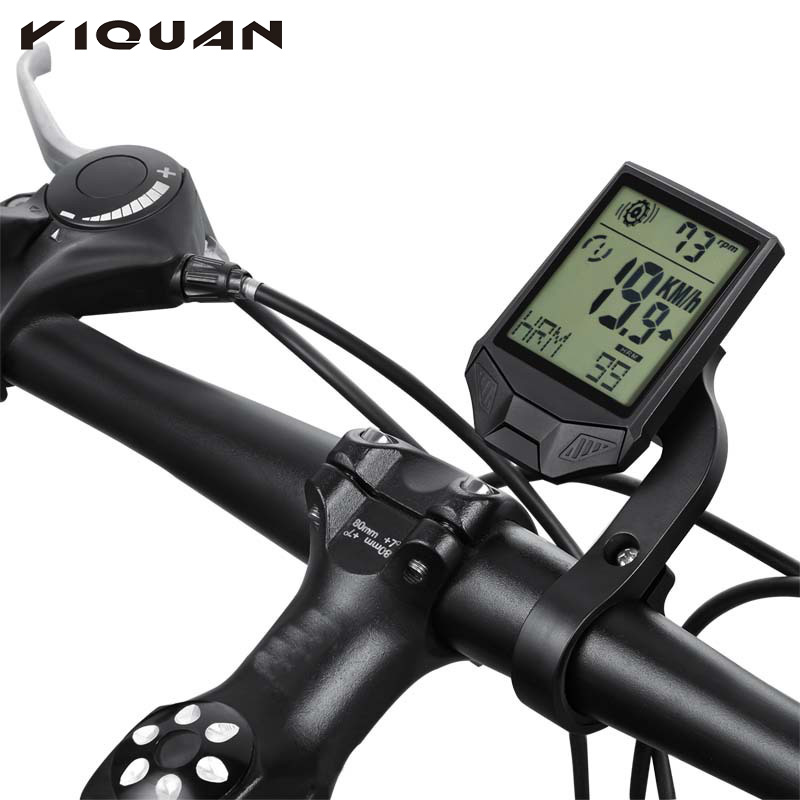
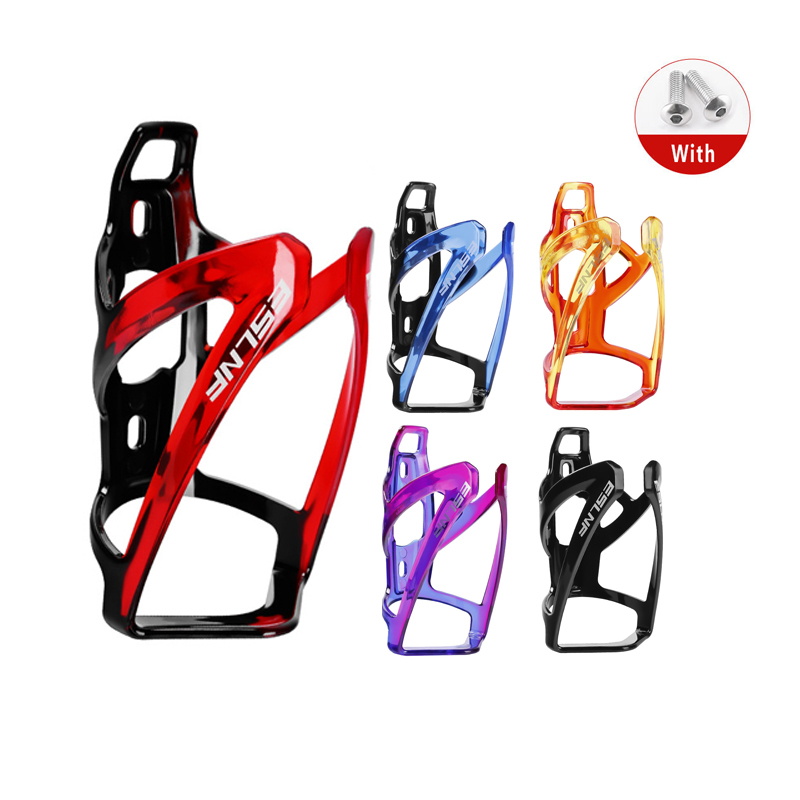
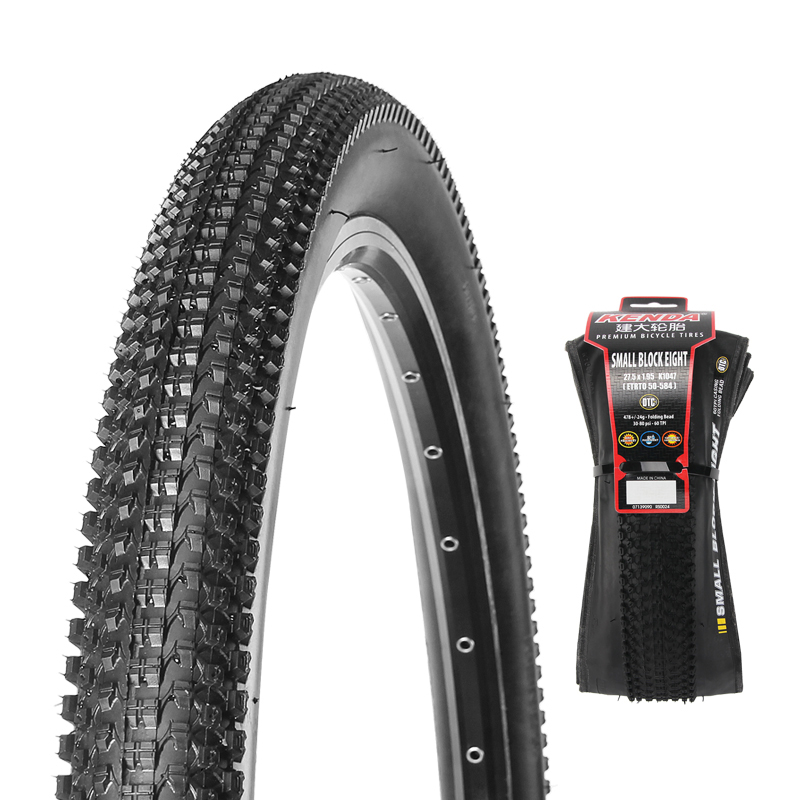

In the contemporary micromobility and active transportation landscape, bicycle safety lights have transitioned from rudimentary visibility beacons into sophisticated optoelectronic devices. Commercial procurement directors must navigate complex optical distribution requirements, advanced thermal management architectures, and strict regional regulatory frameworks.
Unlike rotationally symmetrical flashlights that cause oncoming glare and visual blinding, professional safety lights utilize free-form Total Internal Reflection (TIR) optical lenses. These project an asymmetric horizontal cut-off beam compliant with German StVZO (K-Mark) standards, illuminating the ground 5 to 40 meters ahead while limiting light output above the horizon to less than 1.5 lux.
High-lumen Cree, Osram, and Luminus LED emitters generate intense heat fluxes at junction temperatures exceeding 85°C. Our engineering integrates CNC-machined 6061-T6 aeronautical aluminum or die-cast A380 alloy housings with internal copper-core PCBs. Dynamic thermistor microcode automatically scales output down during zero-airflow stops to protect the lithium cells from heat-induced degradation.
Safety lighting relies on 18650 and high-density 21700 lithium NMC cells. Commercial longevity demands an integrated Battery Management System (BMS) with discrete IC protection against over-voltage, deep-discharge (<2.8V cutoff), short-circuit, and reverse polarity. Modern units adopt bidirectional USB Type-C Power Delivery protocols, allowing lights to double as emergency power banks.
Procurement managers for global sporting goods chains, e-commerce direct brands, and municipal micromobility programs face shifting technical and compliance dynamics. We analyze the macro shifts driving supply chain decisions over the next five years.
With e-bikes capturing dominant market share across Europe and North America, standalone battery lights are converging with system-powered lights. Modern OEM safety lights now support wide-voltage DC step-down converters (6V to 60V) that plug directly into Bosch, Shimano, Bafang, and Brose drive systems via standardized CAN and LIN bus communication lines, automatically engaging daytime running lights (DRL).
Rear safety lights are integrating 77GHz and 24GHz micro-Doppler radar transceivers. These detect overtaking motor vehicles from up to 140 meters away, dynamically accelerating tail light flash frequencies while streaming collision threat alerts via ANT+ and Bluetooth Low Energy (BLE) to cycling computers, smart watches, and navigation cockpits.
While flash modes dominate the US market, European regulators are standardizing on anti-glare continuous output with strict beam uniformity. Importers who source dual-mode optical heads (StVZO compliant cut-off low beam + high-output high beam activated via handlebar wireless remote) gain instant, cross-border retail compliance without holding fragmented inventory.
Warranty return rates in cycling electronics stem overwhelmingly from water ingress through poor charging ports or switch boots. Modern procurement requires IP67 and IPX7 ingress standards achieved through ultrasonic plastic bonding, internal silicone conformal coatings on PCB assemblies, and custom-molded silicone port gaskets tested under 1-meter immersion.
Modern tail lights feature MEMS triaxial accelerometers running Kalman filtering algorithms. These detect velocity deceleration independent of road bumps or vibrations, instantly triggering an ultra-bright 100-lumen brake warning signal for 3 seconds, significantly reducing rear-end collisions in commuter pelotons and urban traffic.
Major Western retail chains demand ESG compliance along the tier-1 supply chain. Sourcing programs increasingly mandate post-consumer recycled (PCR) polycarbonates for light casings, soy-based ink printing, 100% plastic-free unbleached kraft retail packaging, and modular battery replacement designs to comply with forthcoming EU Right-to-Repair mandates.
A benchmark comparison of primary lighting categories engineered and supplied across our OEM/ODM production lines.
| Category | Lumen Output | Optical Architecture | Battery / Power Source | Ingress Rating | Primary Compliance |
|---|---|---|---|---|---|
| Urban Commuter Front | 400 – 1000 lm | Anti-Glare StVZO Horizontal Cut-off TIR | 18650 Li-ion (2600 mAh) USB-C | IP65 Dust/Water Resistant | ✓ CE, RoHS, K-Mark |
| Performance MTB / Trail | 1500 – 3250 lm | Dual-Angle Hybrid Flood + Spot Lens | 21700 Li-ion (5000 mAh) PD Fast Charge | IP67 Immersion Submersible | ✓ CE, FCC, RoHS, PSE |
| Smart Kinetic Rear Tail | 20 – 120 lm | Wide-Angle COB Red LED Fresnel Ring | Polymer Li-Po (500–800 mAh) Type-C | IP66 High-Pressure Wash | ✓ CE, EMC, RoHS |
| E-Bike System Integrated | 800 – 2000 lm | Automotive High/Low Beam Remote Switch | 6V – 60V Direct DC Input (E-Drive) | IP67 Hermetically Sealed | ✓ ECE R113, StVZO, EMC |
| Smart Radar Warning Rear | 30 – 100 lm | Integrated 24GHz Radar + COB Emitter | High-Density Li-Po (1500 mAh) ANT+/BLE | IPX7 Extreme Weather | ✓ RED, FCC-ID, CE, RoHS |
Located in Jinhua, Zhejiang—the heart of China’s precision hardware and micro-electronics industrial cluster—we deliver verified manufacturing accountability, engineering design depth, and multi-market regulatory compliance.
Fully tested for European Community market entry, safety, low-voltage, and mechanical durability standards.
Heavy-metal and toxic compound-free testing for eco-conscious global consumer retail distribution.
Certified under Japan Electrical Appliance and Material Safety Law (METI) for consumer electronic lights.
Rigorous electromagnetic compatibility ensuring zero RF interference with GPS units, wireless sensors, and phones.
Our factory premises, mechanical lines, and quality control systems are onsite verified by TÜV Rheinland. We maintain dedicated production workshops featuring tube reduction processing, constrictors, precision drilling, robotic welding, laser engraving, SMT PCB testing, and ultrasonic plastic welding.
Accelerate time-to-market with our in-house industrial design engineering team. From CAD concept drawings and optical lux distribution simulations to functional SLA/SLS 3D printed samples, we compress the development cycle from months to days prior to steel mold fabrication.
Whether customizing housing anodization colors, pad printing logos, configuring custom firmware driver modes, or engineering retail-ready packaging with multi-language instruction manuals, we deliver private-label solutions with low minimum order thresholds.
Key technical, compliance, and supply chain answers to streamline your vendor evaluation and procurement onboarding.
Request our comprehensive OEM/ODM product catalog, complete with wholesale pricing structures, minimum order quantities, and full compliance documentation dossiers.
Get Catalog