100%
Seamless Ultrasonic Welding
IPX6 / IP65
Submersion Protection
50,000+
Vibration Cycles Tested
TÜV Rheinland
Onsite Assessed Factory
Factory Direct Catalog
High-Performance Panniers & Essential Touring Systems
Engineered for global bicycle distributors, private-label bikepacking brands, and utility cargo fleets. All models feature rapid CAD customization and complete laboratory test reporting.
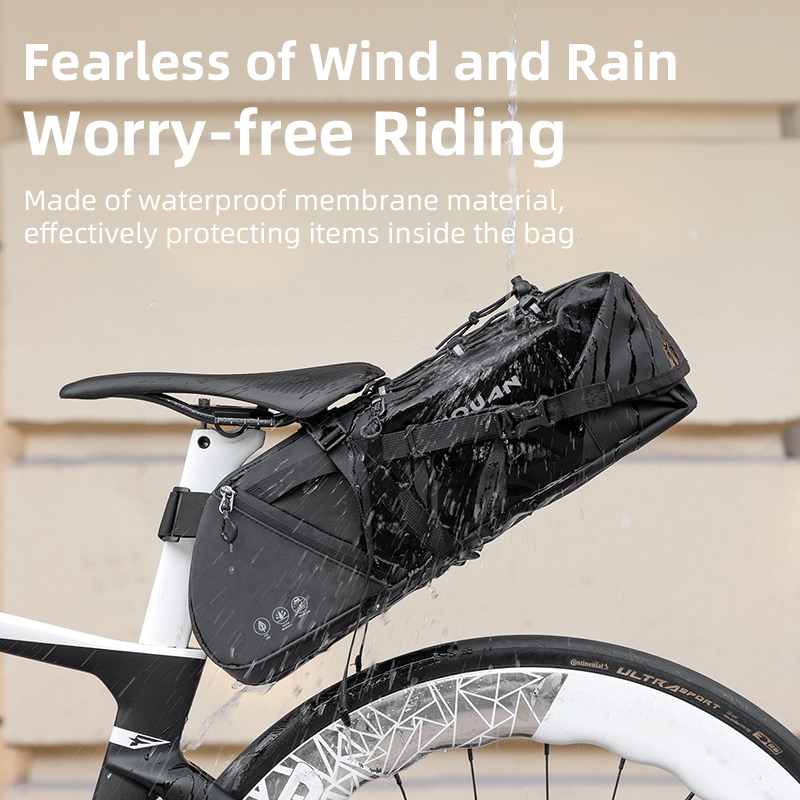
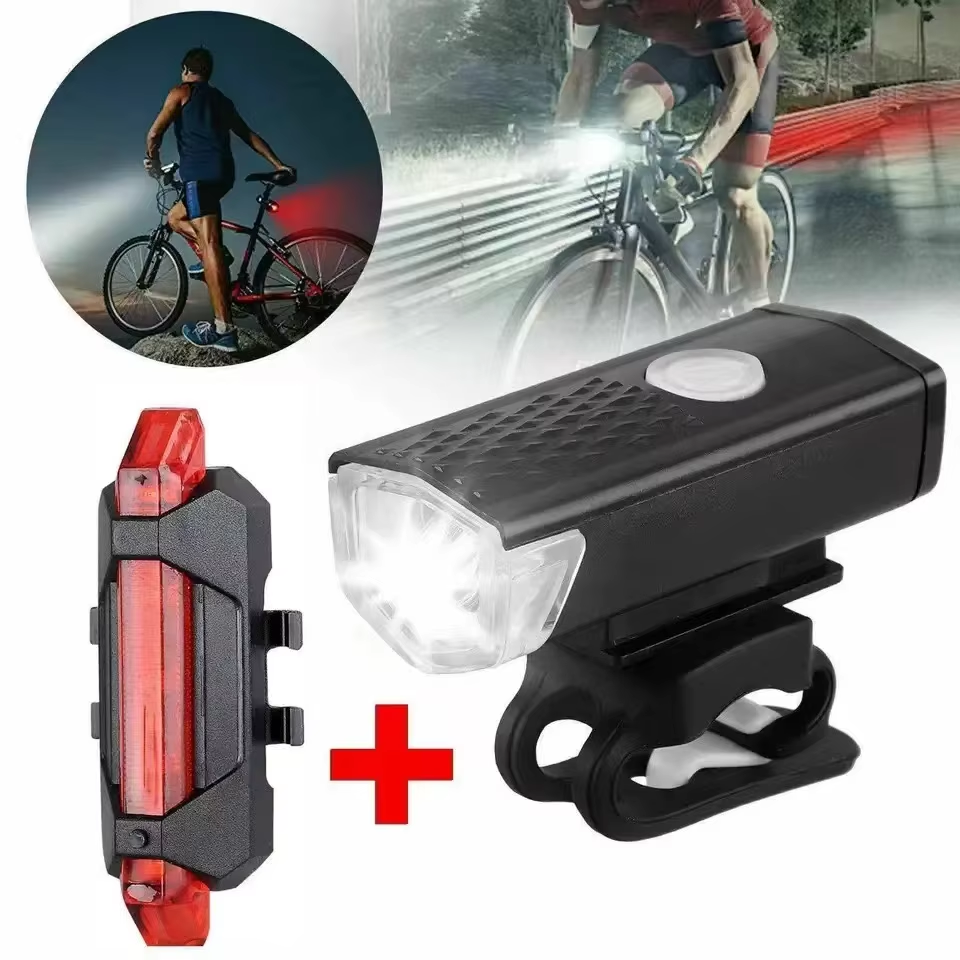
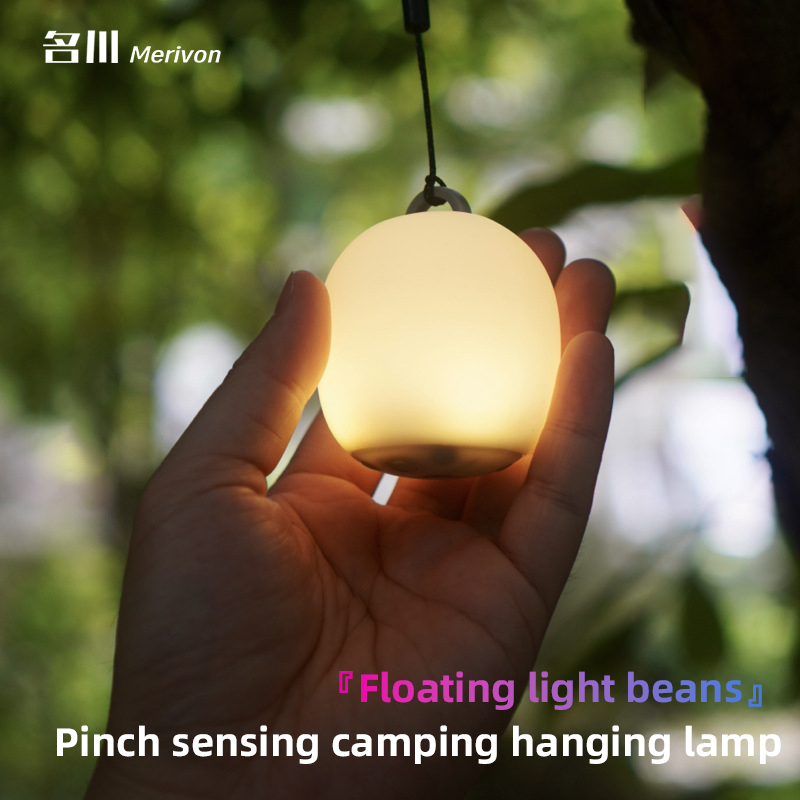
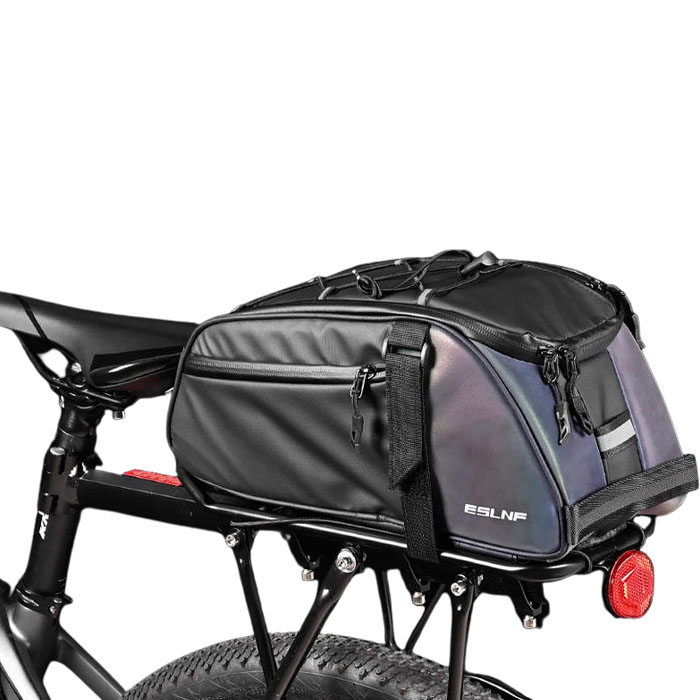
Commuter Utility Rig
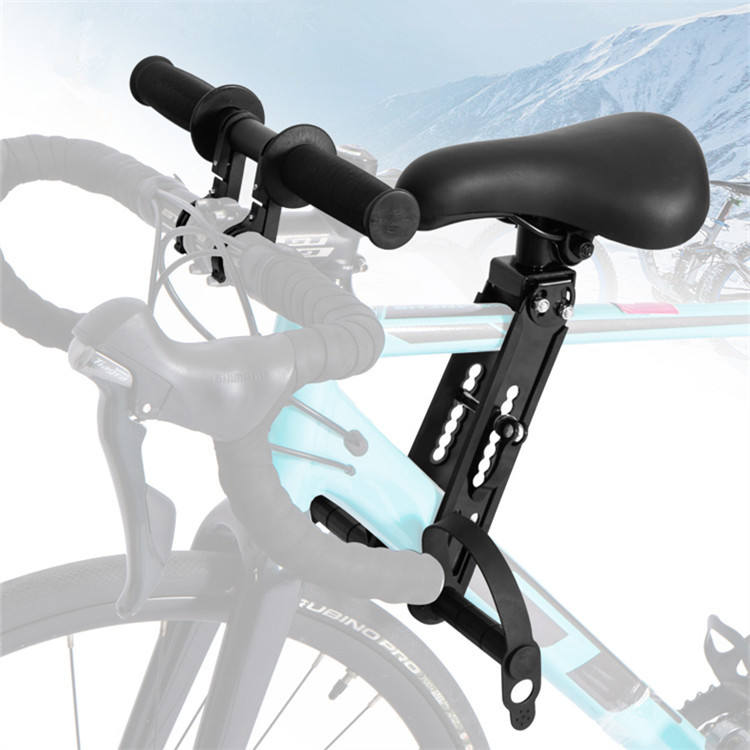
ESLNF Beam Installation Child Seat Saddle Cycle Bike With Arm Rest
Send an Inquiry
Procurement & Engineering Whitepaper
Engineering Superiority: Architectural Breakdown of Modern Bicycle Panniers
In modern high-mileage commuting and severe off-grid bike-packing, pannier bags have transitioned from simple stitched pouches to sophisticated structural load-bearing components. Understanding material mechanics and hardware stress points protects procurement teams from catastrophic failure rates and high warranty reserves.
High-Frequency Ultrasonic Welding vs. Stitched Seams
Traditional sewn panniers puncture textile barriers up to 28 times per inch, creating micro-fissures that degrade hydrostatic resistance. Modern premium manufacturing uses continuous radio-frequency (RF) ultrasonic thermo-welding. This technique molecularly fuses thermoplastic polyurethane (TPU) and laminated PVC membranes, delivering an impenetrable IPX6 / IP65 water-ingress barrier capable of withstanding directional high-pressure water jets and perpetual cyclic downpours.
Dynamic Backplate Kinetics & Rail Cleats
The primary point of fatigue in cargo systems is the interface between the pannier rear wall and the bike rack rail. Industrial systems rely on glass-fiber-reinforced PA66 nylon backplates paired with injection-molded rail clips. Integrated elastomer adapters support 8mm, 10mm, 12mm, and 16mm tubular racks, damping vibration harmonics and mitigating destructive aluminum rail notched-bar impact wear during high-speed gravel descents.
Abrasion Physics: TPU Cordura vs. Ballistic Nylon
Cargo panniers repeatedly endure brush abrasion, curb strikes, and frame friction. Professional-grade manufacturing pairs 600D to 1000D high-tenacity nylon with dual-sided aliphatic polyether TPU coatings. This chemical formulation outperforms conventional PVC in tensile flexibility, retaining supple elasticity and crack resistance down to -30°C without plasticizer leaching or environmental cracking.
Technical Specification Comparison
Engineering Decision Matrix for Commercial Bicycle Pannier Sourcing
A quantifiable framework for comparing structural tiers across volume wholesale orders.
| Evaluation Parameter | Commercial Touring Tier (ESLNF Flagship) | Budget Polyester Tier (Market Common) | Heavy Cargo / Utility Carrier Tier |
|---|---|---|---|
| Base Fabric Density | 840D Nylon with Dual-sided TPU Coating | 600D Oxford Polyester with PVC Backing | 1000D Cordura + High-Density Polyethylene Core |
| Joining Technology | High-Frequency Radio Welding (Seamless) | Needle-Stitched with Heat-Seal PU Seam Tape | Ultrasonic Continuous Welding + Riveted Joints |
| Hydrostatic Head Rating | > 20,000 mm H₂O (Certified IPX6) | 1,500 – 3,000 mm H₂O (Surface DWR Only) | > 25,000 mm H₂O (Immersion Safe) |
| Rack Mounting Attachment | Quick-Lock Adjustable PA66 Hooks with 360° Cam | Hook-and-Loop Velcro Straps or Stamped Iron Hooks | Reinforced Push-Button Auto-Lock Claw Hardware |
| Max Dynamic Load Limit | 18 kg to 25 kg per side pannier | 7 kg to 10 kg (Prone to seam tearing) | 35 kg per side (Integrated E-Bike Frame Brackets) |
| Optical Safety System | Integrated Wide-Angle 3M Scotchlite Reflective Film | Screen-Printed Reflective Pigment (Subject to Flaking) | Photoluminescent Coating + Rear LED Clip Housing |
Market Foresight 2026–2030
Future Procurement & Technological Trends in Bicycle Panniers
Strategic demand insights for corporate category managers, OEM purchasers, and logistics fleet operators.
1. E-Bike Specific Dynamics & Anti-Vibration Reinforcement
The global dominance of urban commuter e-bikes and cargo bikes has elevated average speeds to 25–32 km/h. At these higher velocities, static loads generate up to 3.2x greater dynamic impact forces over road expansion joints. Procurement directors are demanding stiffer mounting backings, secondary lower anchoring hooks, and internal battery vibration-damping sleeves designed specifically for auxiliary 500Wh–750Wh power-pack transport.
2. Circular Economy & Monomaterial Recyclability
With the European Union expanding Extended Producer Responsibility (EPR) frameworks and tightening Corporate Sustainability Due Diligence, procurement managers are transitioning away from composite multi-layer PVCs toward 100% circular monomaterial construction (pure recycled PET or circular TPU). In modern factories, hardware clamps are secured with removable stainless Torx fasteners rather than permanent zinc rivets, allowing end-of-life component disassembly and recycling.
3. IoT Integration & Connected Telematics Compartments
Next-generation cargo and touring panniers are integrating concealed tracking compartments compatible with Apple FindMy, Samsung SmartThings, and dedicated industrial cellular GPS trackers. Commercial last-mile delivery operations are increasingly stipulating RF-shielded inner sleeves, solar-harvesting external roll-tops, and conductive USB pass-through grommets to power cockpit devices directly from internal cargo batteries.
Enterprise Manufacturing Strengths
Why Tier-1 Cycling Brands Partner with Kenus Intelligent Technology
A proven manufacturing hub based in Jinhua, Zhejiang, combining dedicated metal processing, laser engineering, rapid 3D prototyping, and comprehensive certified QC inspection.
TÜV Rheinland Onsite-Verified Facility
Kenus Intelligent Technology Co., Ltd. operates with verified manufacturing and assembly capabilities assessed onsite by TÜV Rheinland. Our factory floor houses in-house tube reduction machines, constrictor processing, multiple drilling centers, dedicated welding stations, and specialized packaging lines to ensure consistent dimensional tolerances across global export runs.
Engineering CAD to 3D Rapid Prototyping
Accelerate your product launch lifecycle. Our experienced technical team works directly from your 2D/3D engineering drawings. Equipped with in-house industrial 3D printers, we manufacture tactile functional prototypes of custom buckles, latching clips, and ergonomic mounts within 72 hours—minimizing risk and validating fitment prior to costly injection tool commitment.
International Market Compliance & Certifications
Our cycling electronic lighting accessories and cargo safety systems come fully documented with traceable international certifications: CE (SIT230614230201E), RoHS (SIT240417230101R, SIT24041230101R), PSE for the Japanese domestic market (SIT240226230301P), and comprehensive EMC compliance testing (SIT250212230201ER).
Buyer Due Diligence
Frequently Asked Questions for Bicycle Pannier Procurement
Essential guidance covering Minimum Order Quantities (MOQs), private labeling, testing standards, and logistics delivery timelines.
What are your custom private-label (OEM/ODM) minimum order quantities (MOQs)?
For standard catalog pannier models featuring custom silk-screened or reflective transfer logos, our entry MOQ starts at 200–500 units per colorway. Fully customized ODM fabric designs, unique dimensional silhouettes, or proprietary injection-molded backplate latches typically require an MOQ of 1,000 units to amortize specialized extrusion, RF welding dies, and tooling setups. Sample evaluation orders are supported with rapid turnaround.
How does your factory ensure seam waterproofing and prevent peel failure over time?
Every production batch undergoes a two-step quality assurance protocol. First, raw fabric rolls are checked for coating adhesion strength using peel-force shear tests. Second, welded shells are subjected to static hydrostatic pressure tests (>20,000mm water column) and dynamic shower testing according to EN 60529 standards. We utilize computerized thermal and ultrasonic monitoring to guarantee molecular bonding of the thermoplastic layers with zero needle perforations.
What rack compatibility adapters are included with your mounting systems?
Our pannier hardware includes modular insert bushings made of high-durability POM engineering polymer, compatible with standard 8mm, 10mm, 12mm, and 16mm diameter rear carrier rails. The bottom anchor hook offers continuous 360-degree rotational adjustment along an aluminum-reinforced track, ensuring solid triangle fastening against varied stay angles on road, gravel, mountain, and utility electric bicycles.
Can you manufacture panniers using certified recycled or eco-friendly textiles?
Yes. We offer sustainable fabric options including GRS-certified (Global Recycled Standard) recycled polyethylene terephthalate (rPET) derived from post-consumer plastic bottles, as well as bio-based TPU coatings. All materials strictly comply with REACH Regulation (EC) No 1907/2006, RoHS compliance parameters, and are completely free of ozone-depleting substances, phthalates, and heavy metals.
What are your typical production lead times and shipping support?
Standard OEM production lead times range between 30 and 45 calendar days following pre-production sample sign-off and deposit confirmation. Located in Zhejiang, we are strategically positioned within direct transit distance of both Ningbo and Shanghai deep-water container ports. We support comprehensive incoterms including FOB, CIF, DDU, and DDP to major international logistics hubs across Europe, North America, and Oceania.