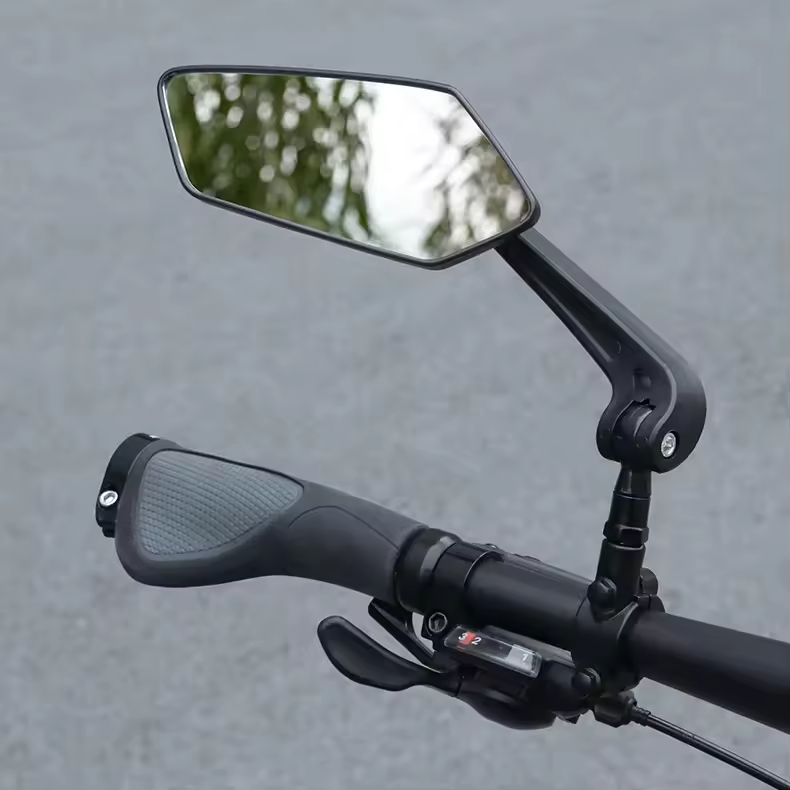
Top Trusted Bicycle Parts Suppliers & Exporter
OEM/ODM Certified Manufacturing Whitepaper & Global Procurement Guide for High-Reliability Urban, Road, MTB, and E-Mobility Cycling Components.
Precision Catalog Matrix
Featured Bicycle Components & Export Solutions
Factory-verified structural parts, specialized electronic cockpit systems, performance aerodynamic frames, and rider contact solutions tested against international EN and ISO mechanical standards.
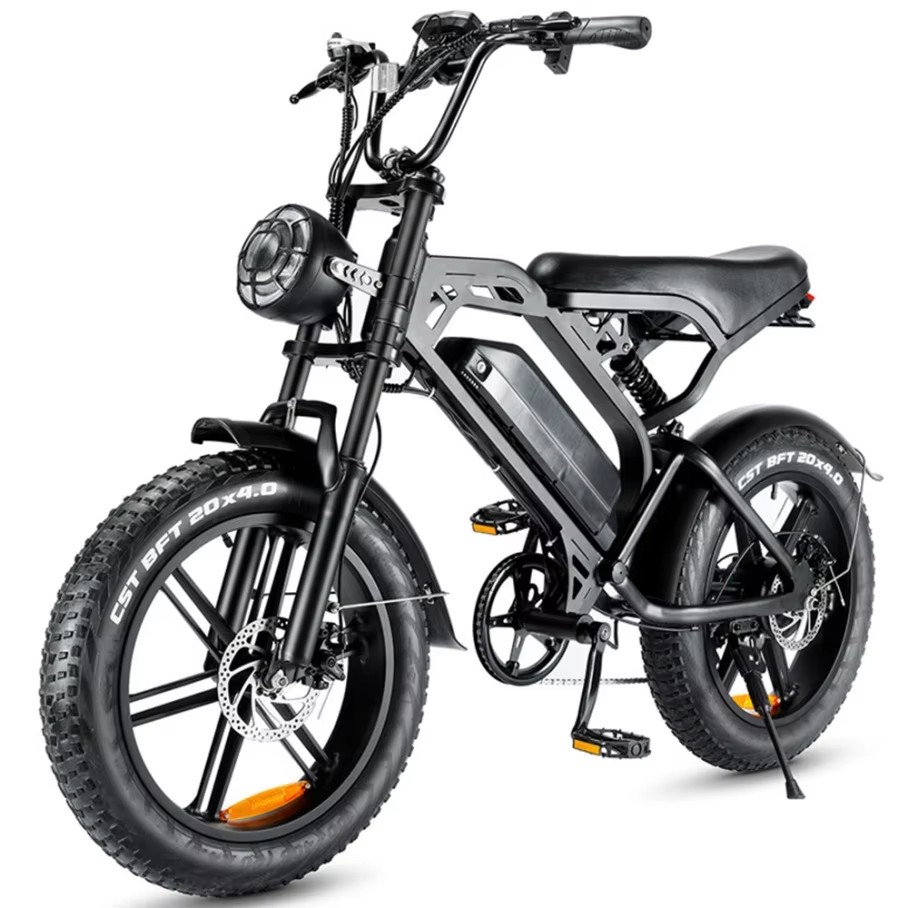
ESLNF EU V20 48V 250W 750W 1000W Full Suspension Electric Bike Fat Tire 48V 15Ah Hydraulic Disc Brake Super Power 73 Fatbike
Inquire Now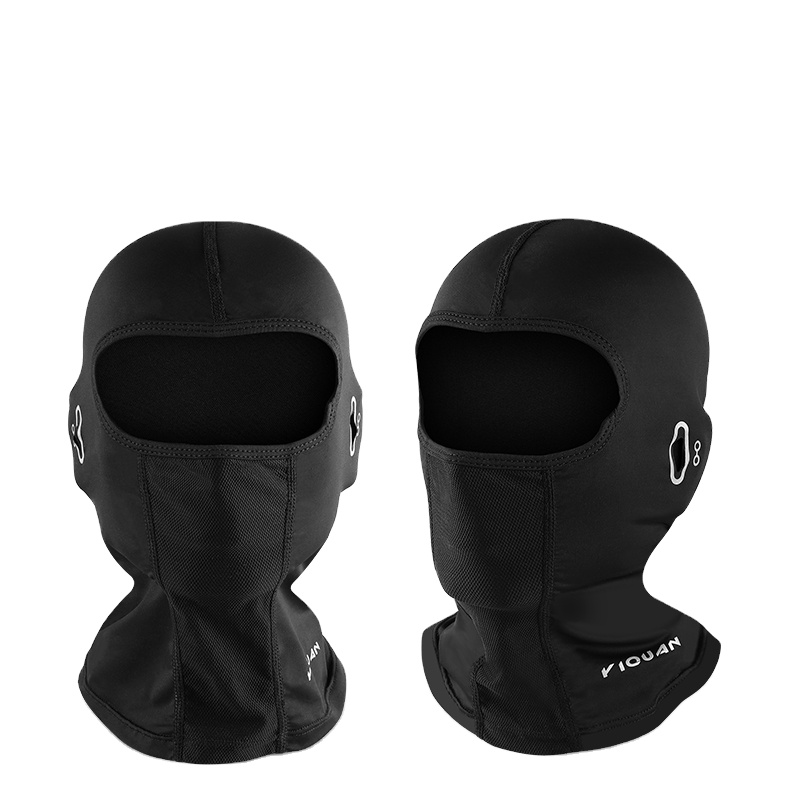
Custom Logo Full Face Cover Face Mask Ice Silk Mask Windproof Sport Ski Mask Helmet Motorcycle Balaclava with Eyeglass Hole
Inquire Now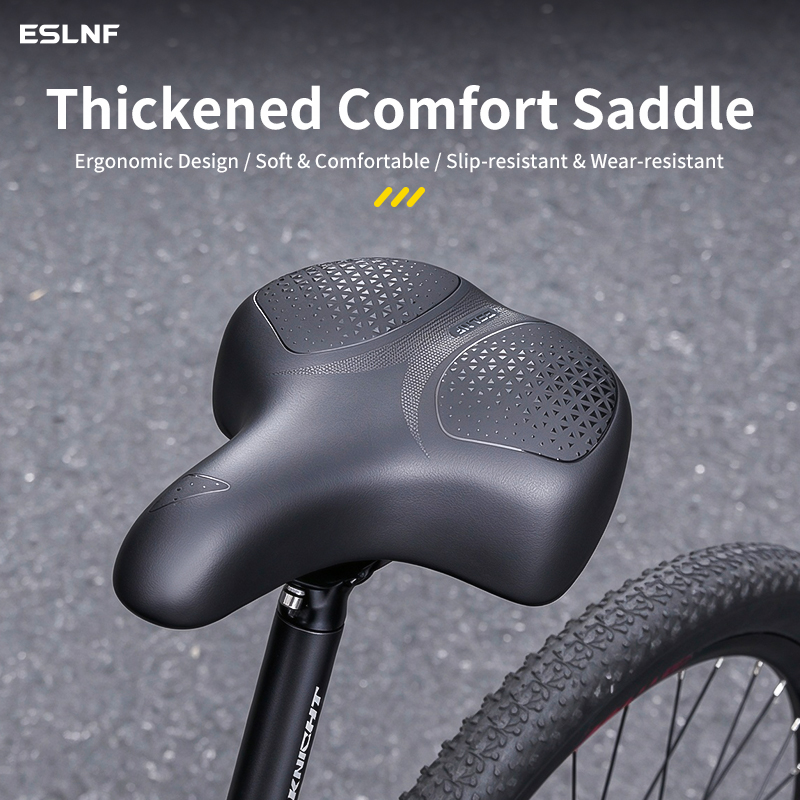
ESLNF Bicycle Saddle High Elastic Rebound Bike Saddle Soft Padded Bicycle Seat for Long Distance Leisure Road Riding
Inquire Now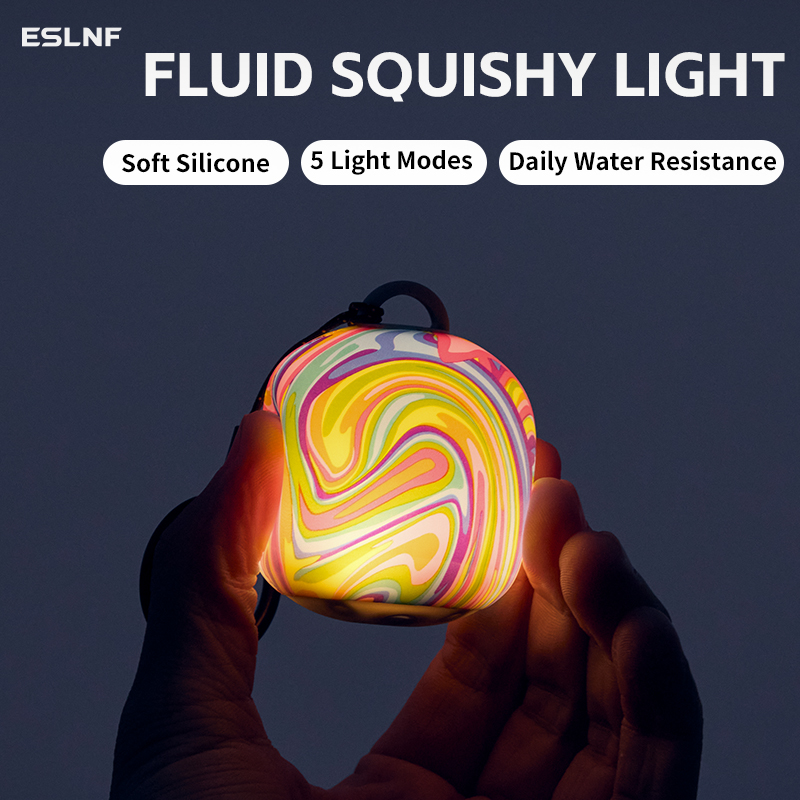
ESLNF Portable Camping Light Daily Water Resistant LED Keychain Light Silicone Squeeze Night Light for Kids Adult Outdoor Use
Inquire Now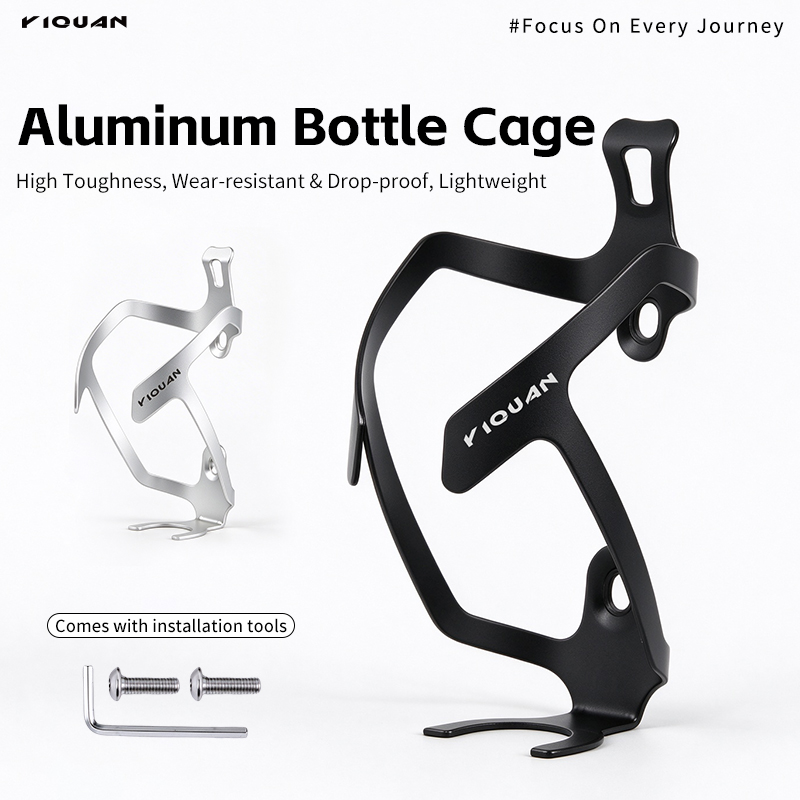
Bike Bottle Cage Aluminum Alloy Bicycle Water Bottle Holder High Toughness Cycling Bottle Rack for Mountain Road Bike
Inquire Now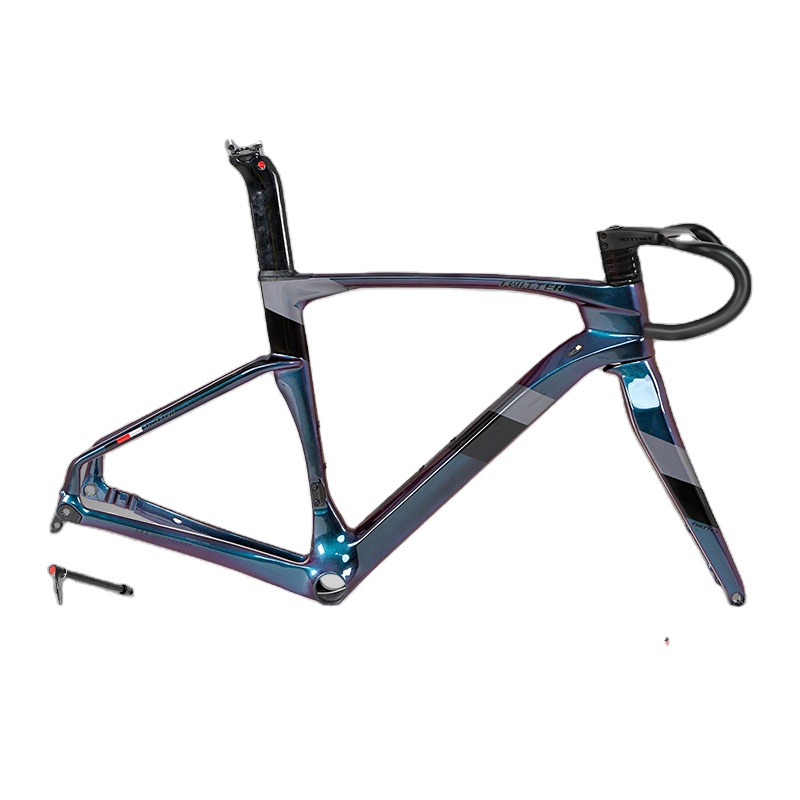
ESLNF Bike Frameset With Holographic Color Bike Carbon Fiber Bicycle Frame With Thru Axle
Inquire Now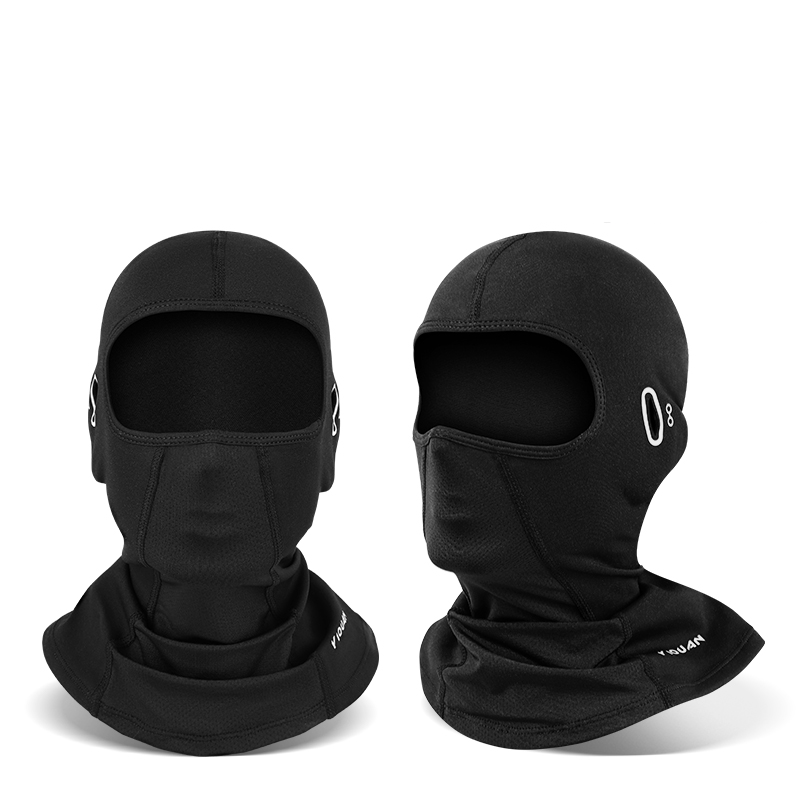
Balaclava Ski Mask Men Cold Weather Scarf Windproof Thermal Winter Neck Warmer Face Masks for Motorcycle Riding
Inquire Now
Procurement Intelligence
Global Sourcing Dynamics & B2B Procurement Trends
How international brand directors, importers, and assemblers are adjusting procurement criteria to navigate post-pandemic inventory normalizations, e-bike integration, and tightening European Union carbon rules.
42.8%
E-Bike Specific Component Share by 2028
100%
Batch Traceability & Material Test Compliance
< 14 Days
Rapid Prototyping Cycle via In-House 3D/CNC
TÜV Assessed
On-Site Independent Facility Verification
E-Bike Specific Component Engineering
Conventional bicycle components are rapidly buckling under higher continuous drivetrain torques (up to 85–108 Nm), sustained speeds (25–45 km/h), and increased structural payloads (140+ kg total system weights). Forward-looking B2B buyers now mandate components engineered strictly to ISO 4210 and DIN 79010 standards, specifically demanding reinforced cold-forged 6061-T6 aluminum alloys, heavy-duty chromoly pedal spindles, and structural composite matrices.
Vendor Consolidation & Risk Mitigation
The era of managing 20+ niche Chinese suppliers for disparate SKUs (frames, CNC rearview mirrors, pedals, headlights, and bags) is ending. Global tier-1 cycling brands are migrating toward vertically consolidated manufacturers like Kenus who control in-house tube reduction, constrictor processing, automated welding, CNC machining, laser engraving, and final electronics testing within an unified quality system.
Mandatory Regulatory Documentation
Customs impoundments and market surveillance non-compliance in target markets like Germany, France, Japan, and the United States pose catastrophic commercial risks. Importers require complete technical files with verified laboratory report numbers. Kenus provides direct test documentation covering CE (SIT230614230201E), RoHS (SIT240417230101R), Japanese METI PSE (SIT240226230301P), and EMC (SIT250212230201ER).
Structural Materials & Manufacturing Paradigm Shifts (2026–2030)
In high-volume bicycle parts export, the choice between hydroformed lightweight alloys and continuous-filament carbon prepregs is being redefined by total product lifecycle analytics. While Toray T700/T800 composite carbon remains the undisputed benchmark for high-end racing frames and vibration-damping seatposts, advanced multi-stage internal hydroforming in 6000-series aerospace aluminums provides the critical balance of impact resistance, torsional rigidity, and cost efficiency demanded by global urban commuter fleets and cargo e-bikes.
Furthermore, in rider ergonomic interfaces, traditional injection-molded polyurethane foam saddles are rapidly giving way to 3D-printed elastomeric honeycomb lattices. By leveraging stereolithography (SLA) and liquid resin curing, Kenus enables multi-density structural zones within a single saddle shell—delivering customized ischial pressure attenuation and zero mechanical degradation over 100,000 cyclic loading iterations.
| Component Category | Standard Quality Benchmark | Kenus Advanced Export Specification | Key International Compliance |
|---|---|---|---|
| Hydraulic E-Bikes & Fatbikes | Single-piston mechanical brakes, standard steel frame | Integrated multi-link full suspension, 4-piston hydraulic disc brakes, 48V integrated harness | EN 15194, CE-LVD, EMC Directive |
| Carbon Framesets | Wet lay-up carbon, external cable guide | Toray T800 EPS internal core bladder molding, 12mm Thru-Axle, aero full-concealed routing | ISO 4210-6 Racing Frame Fatigue Test |
| Cockpit Safety Mirrors & Mounts | Plastic stamped bracket, acrylic flat mirror | 6061-T6 CNC machined clamp, optical HD convex tempered glass, dual 360° ball socket | ECE R81 Vibration & Dispersion Index |
| High-Output Lighting & Tail Signals | Generic 300lm USB, non-sealed casing | Smart ambient sensing, 1000–3250lm anti-glare cut-off optics, IP64 sealed, wireless 433MHz remote | CE (SIT230614230201E), RoHS, PSE, EMC |
Verified Manufacturer Advantage
Kenus Intelligent Technology Co., Ltd.
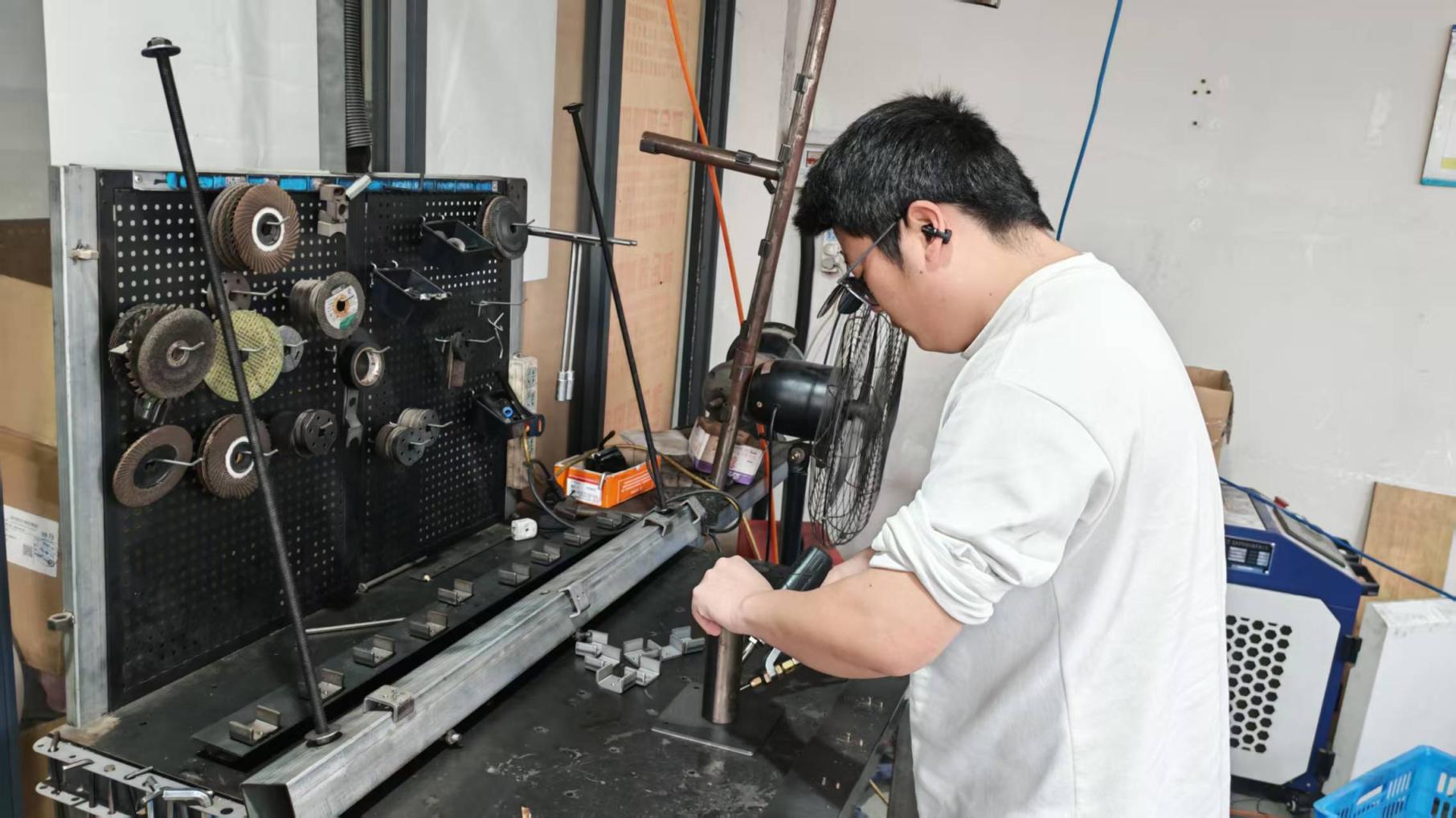
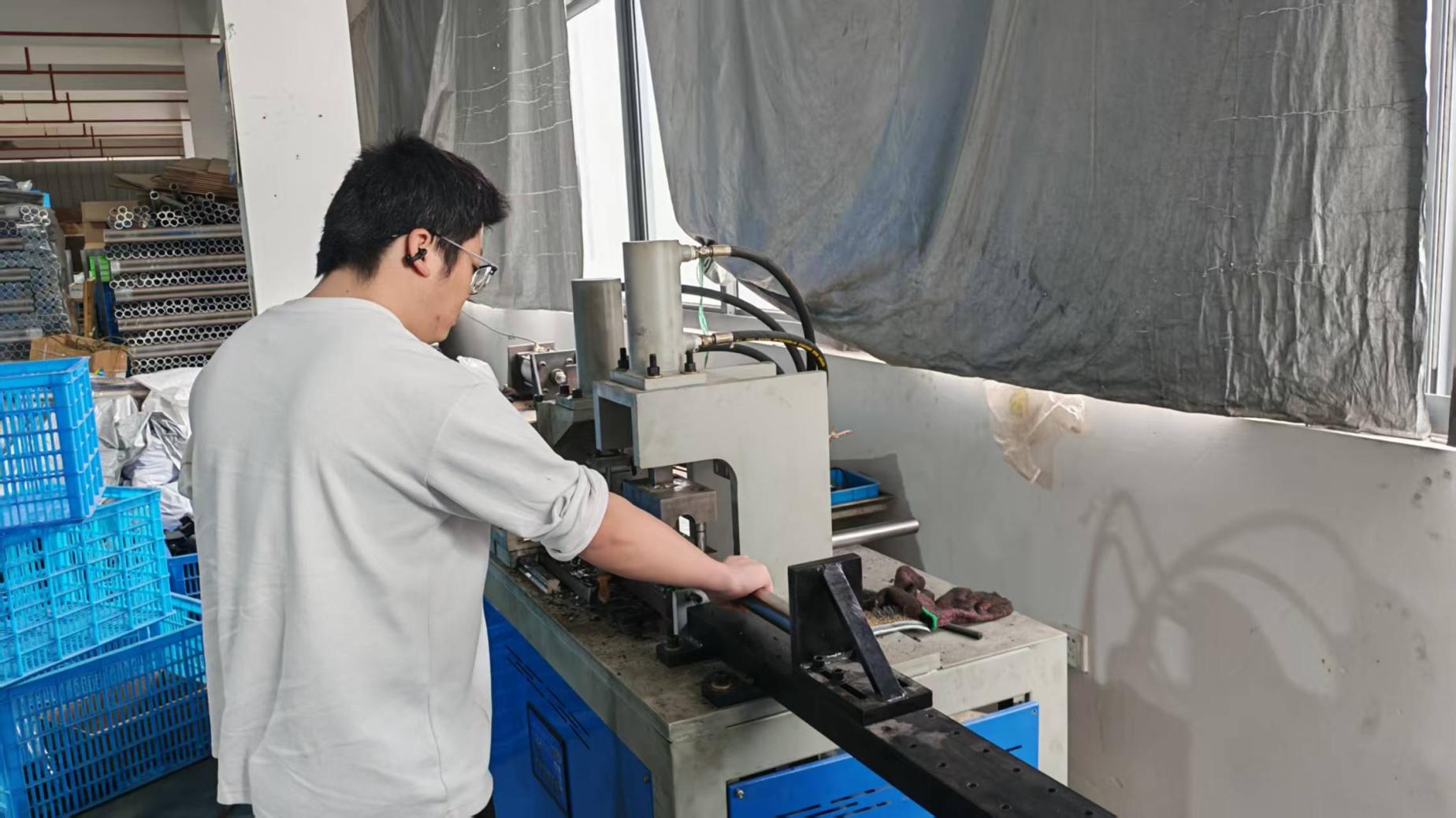
Headquartered in Jinhua, Zhejiang—the premier industrial hardware cluster of East China—Kenus bridges mechanical engineering precision with export agility, operating verified OEM/ODM production lines assessed onsite by TÜV Rheinland.
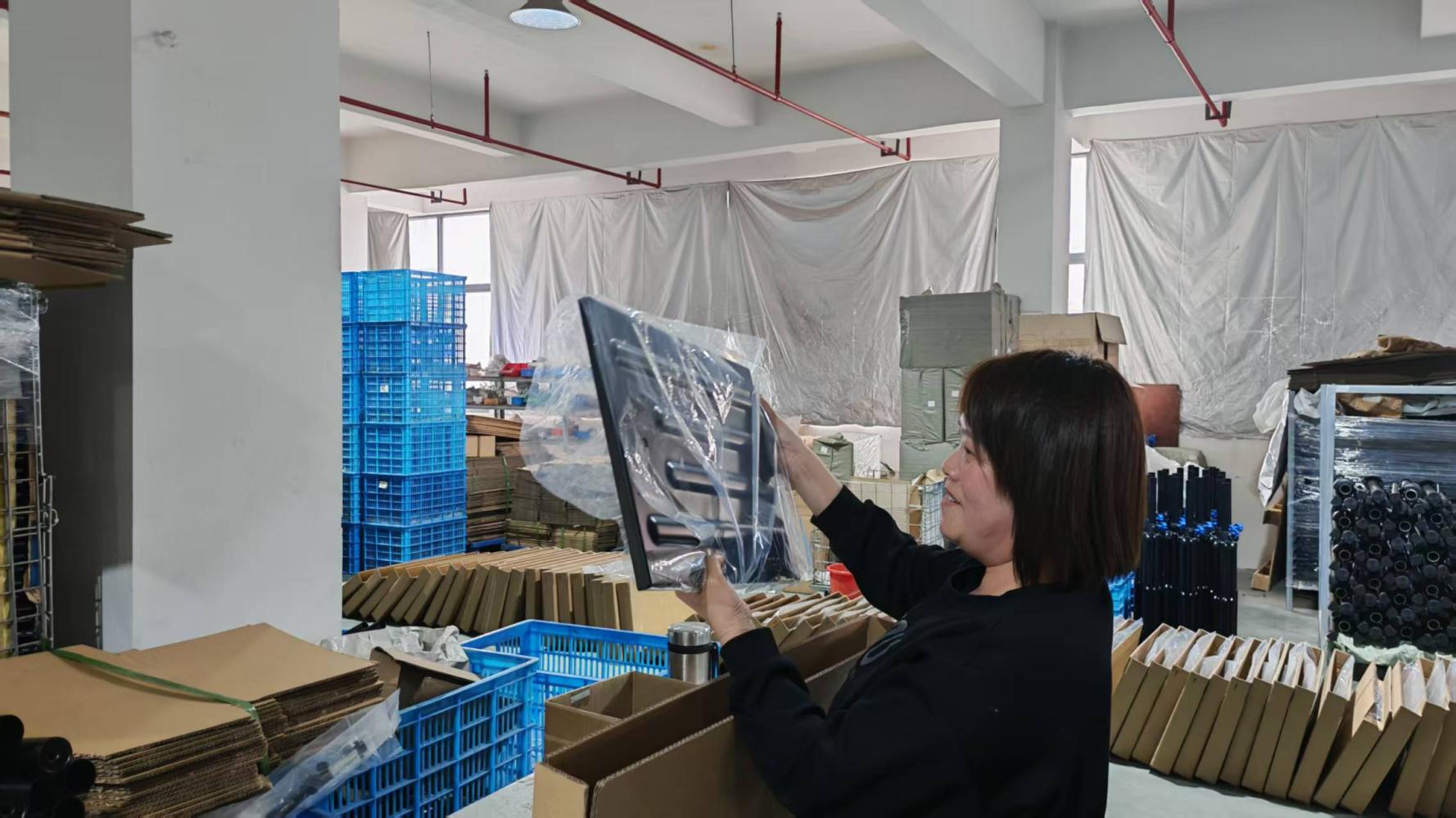
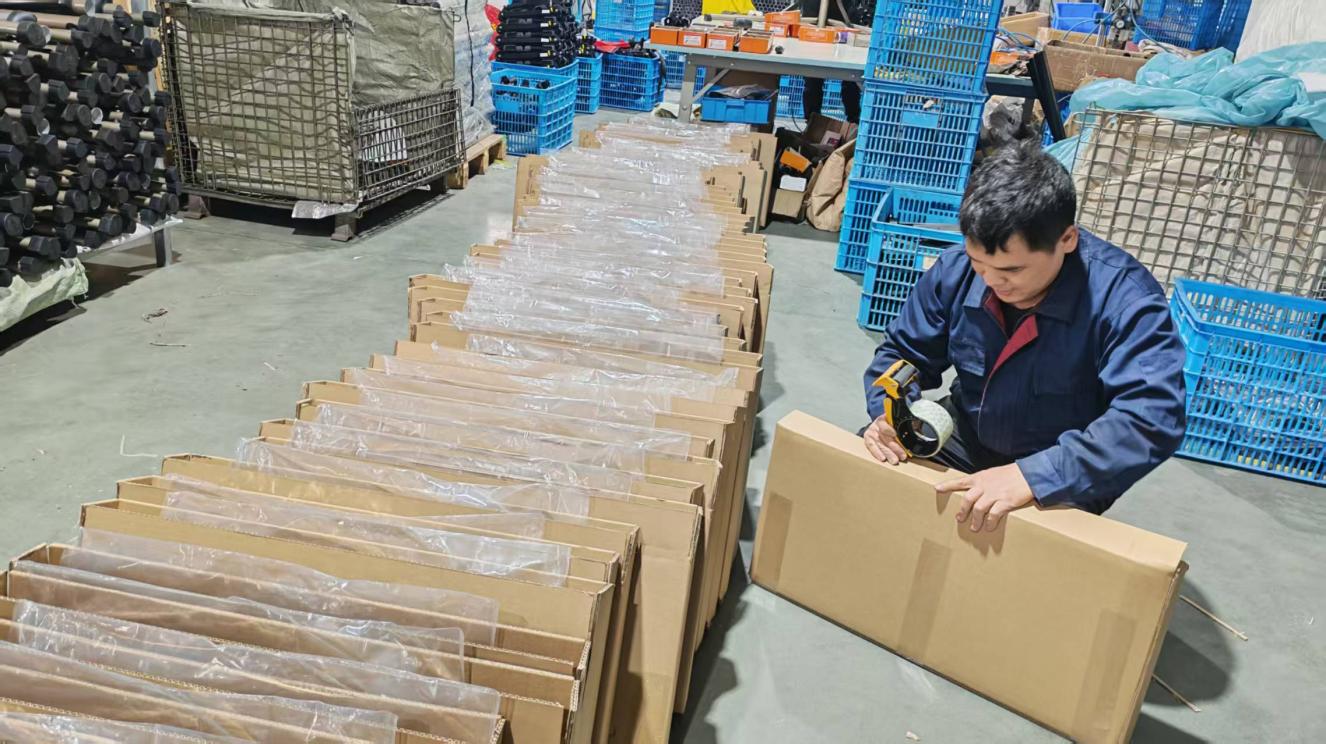
- Verified Onsite by TÜV Rheinland: Zero paper-broker intermediaries. Physical factory facilities, drilling machines, constrictor processing, and packaging lines inspected by third-party auditors.
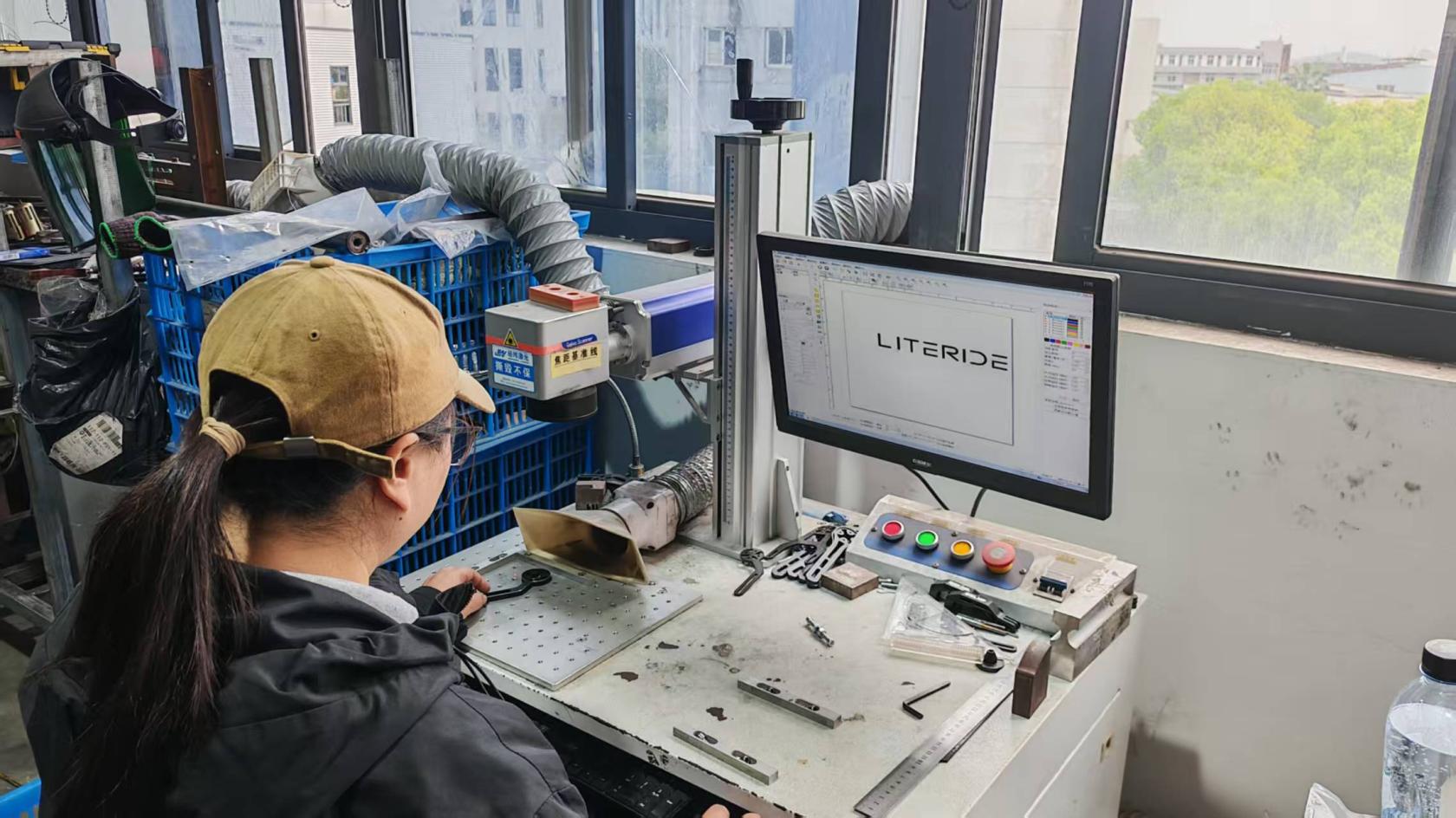
- In-House Tube Processing & CNC Precision: Direct ownership of specialized tube reduction machinery, precision drilling units, and laser engraving lines for tight-tolerance aluminum assemblies.
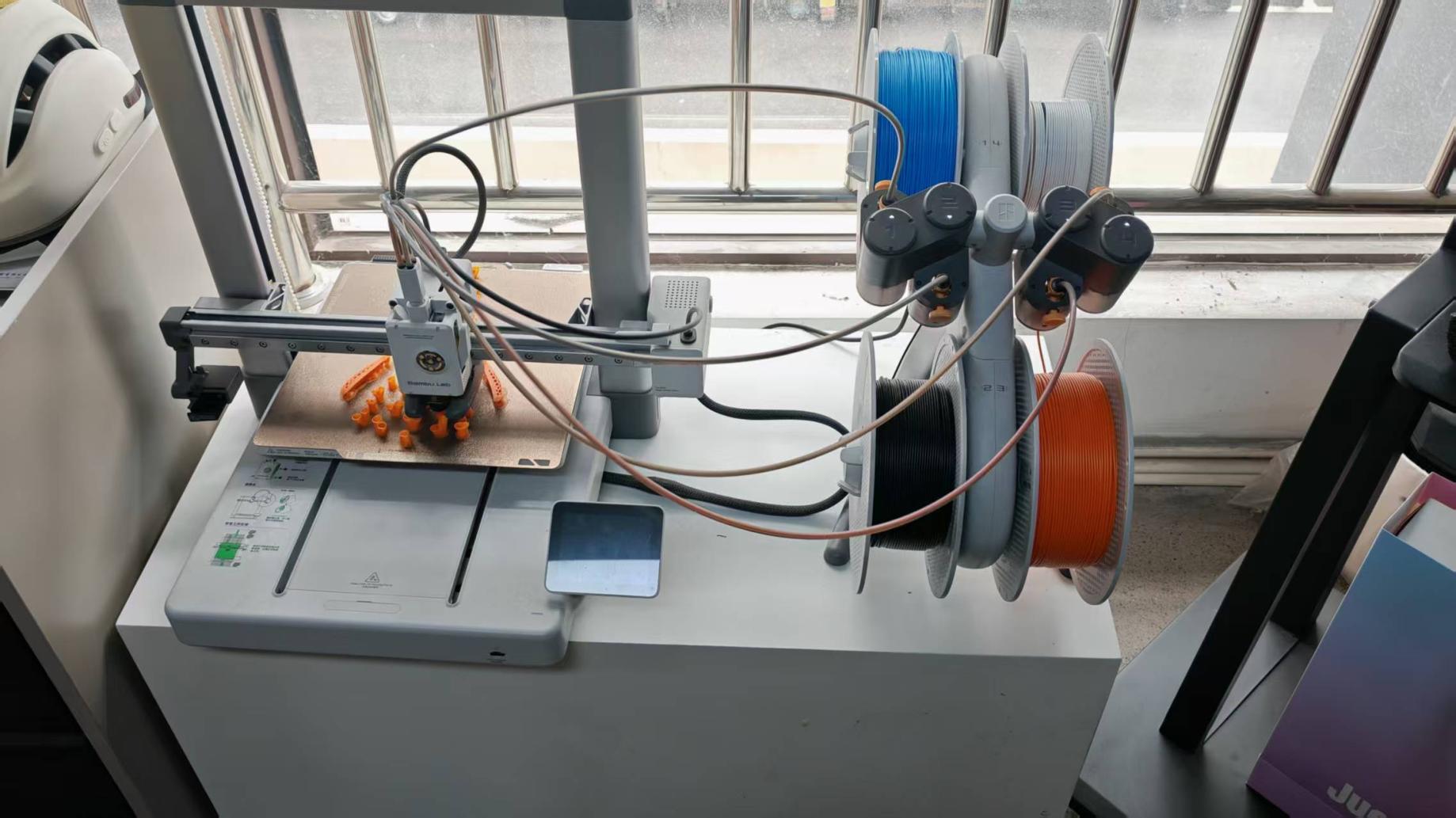
- Rapid In-House Prototyping: Industrial-grade SLA and FDM 3D printing suites accelerate OEM proof-of-concept testing from months to less than two weeks before high-tonnage tooling commitment.
- Multi-Region Customs Clearance Security: Established trade capacity exporting throughout Western Europe, North America, South America, Oceania, and Japan with valid PSE, CE, and RoHS portfolios.
B2B Buyer Knowledgebase
Bicycle Parts Sourcing & Procurement FAQ
Key answers addressing mechanical compatibility, sample verification protocols, regulatory compliance certifications, and freight consolidation logistics.
What is the standard sampling lead time for custom OEM parts?
For customized visual branding (laser-marked CNC alloy components or custom silkscreen apparel/bags), prototype approval samples ship within 5 to 7 business days. For novel structural tooling requiring rapid mechanical mockups, in-house 3D SLA prints are delivered in 72 hours, with hard tooling cycles completing within 25–35 days.
How does Kenus ensure batch-to-batch structural integrity?
Every production run undergoes a three-stage quality control protocol: spectroscopic alloy raw material verification upon receipt, in-line process control (wall thickness gauging and automated weld bead checks), and final functional stress-testing (torque destruction tests on mirror clamps and 100% illumination/burn-in checks on electronics).
Can you supply compliance test reports under buyer private labels?
Yes. We provide complete technical files and assist brand clients in filing multiple-listing certificates based on our original laboratory reports (including CE, RoHS, and PSE), facilitating frictionless customs clearance across the EU, US, and Japanese markets without redundant full testing fees.
What are the minimum order quantities (MOQ) for mixed SKU container loads?
While bespoke branded products typically require an MOQ of 500–1,000 units depending on raw extrusion profiles, we actively support multi-category container consolidation. Buyers can combine lights, carbon framesets, pedals, and hydration accessories within a single FCL shipment to optimize landed ocean freight costs.
Request Factory Specifications & OEM Quotations
Partner with an onsite TÜV-assessed manufacturer. Share your CAD drawings, annual procurement targets, or custom branding requirements with our engineering team for a dedicated response within 12 hours.