Featured Cycling Gear & Precision Components
Direct supply line engineered by Kenus Intelligent Technology Co., Ltd. Verified production pipelines, rigorous optical calibration, and integrated hardware solutions for enterprise procurement.
The Strategic Role of Trusted Bike Helmet Light Exporters
An engineering-level examination of photometric dispersion, rotational inertia mitigation, and supply chain governance in professional night-riding illumination.
In the rapidly evolving global cycling ecosystem, helmet-mounted illumination has transitioned from an aftermarket novelty to a vital safety baseline across mountain biking (MTB), gravel exploration, fast-paced urban commuting, and high-speed E-bike touring. As bicycle handlebar cockpits become congested with digital computers, electronic suspension lockouts, E-bike control interfaces, and smartphone navigation units, mounting high-output active lighting onto the cyclist's helmet provides distinct, biomechanical illumination advantages. A bike helmet light dynamically illuminates the rider's immediate line of sight—piercing through switchbacks, blind corners, and trail obstacles before the bicycle handlebar physically turns.
For commercial importers, regional distributors, and enterprise brand managers, sourcing from a top trusted bike helmet light exporter requires rigorous vetting far beyond basic lumen claims. Helmet lights operate under demanding physical paradigms: they must minimize mass to protect rider neck muscles from fatigue, maintain a low center of gravity to avoid compromising helmet stability, feature engineered breakaway mechanisms that release under crash impacts to comply with helmet safety protocols (such as CPSC 1203, CE EN 1078, and ASTM F1447), and sustain constant lumen output without inducing localized thermal discomfort on the rider's scalp.
Kenus Intelligent Technology Co., Ltd. sits at the technical forefront of this specialized niche. Situated within Jinhua, Zhejiang—one of China’s most concentrated industrial and logistical centers—our facility combines in-house CNC processing, precision laser engraving, automated surface-mount electronic assembly, and TÜV Rheinland onsite-assessed quality management. Through certified adherence to international electromagnetic compatibility (EMC), RoHS environmental restrictions, European CE directives, and Japanese PSE safety codes, we ensure global distributors receive high-reliability, market-ready illumination equipment engineered to pass customs without compliance friction.
Architectural Benchmarks of Export-Grade Helmet Lights
Precision photometric distribution, structural thermal balancing, and mechanical breakaway tolerances engineered for high-velocity cyclists.
TIR Collimation & Sightline Tracking
Unlike standard bar lights that require broad, diffuse floodlight cut-offs (such as German StVZO rules), helmet lights demand a concentrated Total Internal Reflection (TIR) optical center coupled with a progressive peripheral halo. Our optical lenses deliver a 12° spot beam that focuses up to 150 meters downstream, while maintaining a 60° secondary spill that preserves peripheral spatial awareness without blinding oncoming traffic during head turns.
Active Thermoregulation & Copper MCPCB
Concentrating 1,000 to 2,500 lumens in an ultra-compact enclosure creates severe thermal density. We mount high-binning Cree and Osram LED emitters on direct-thermal-path copper Metal Core PCBs (MCPCB) paired with 6063 aviation-grade anodized aluminum heatsinks. Dynamic thermistor controllers monitor junction temperature in real time, throttling current smoothly to preserve LED lifespan and keep surface temperatures below 45°C.
Impact Breakaway & MIPS Integration
A dangerous failure mode of low-quality helmet lights is acting as a rigid anvil during a crash, concentrating rotational torque on the rider’s cervical spine. Our engineered helmet mounts utilize calibrated shear-pin clips and breakaway GoPro-compatible brackets designed to release cleanly under kinetic loads exceeding 15 Nm, maintaining the protective rotational integrity of modern MIPS and WaveCel helmet liners.
Product Evolution & Future Procurement Trends
Anticipate shifting consumer demands, evolving micro-mobility regulations, and next-generation optoelectronic innovations before issuing your annual RFQs.
Smart Mesh Wireless Synchronization (BLE / ANT+)
The industry is migrating away from standalone switches toward unified cockpit illumination ecosystems. Future helmet lights will synchronize wirelessly with handlebar lights and radar taillights over ultra-low-latency BLE/ANT+ protocols. When the rider brakes, inertial measurement units (IMUs) in the helmet trigger ultra-bright hazard strobes; when ambient ambient lux levels drop, both bar and helmet systems adaptively adjust output in synchronized tandem.
GaN Driver Miniaturization & 21700 Battery Integration
Gallium Nitride (GaN) power transistors operate at higher frequencies and generate significantly less waste heat than traditional silicon MOSFETs. Integrating GaN driver chips allows for 35% reduction in PCB footprint, freeing structural space inside helmet light enclosures for high-density 21700 lithium cells (up to 5,000 mAh). This extends runtimes above 3.5 hours at sustained 1,200 lumens without increasing helmet head-weight.
Decoupled Ergonomics: Split-Cell Architecture
Enterprise procurement teams are increasingly specifying split-architecture designs for demanding enduro and downhill disciplines. In these configurations, an ultra-compact lamp head weighing under 65 grams sits mounted on the helmet crown, connected via a shielded, low-resistance coil cable to an external battery pack stowed in the rider's jersey pocket or hydration pack. This preserves natural neck kinematics during technical descents.
Circular Sustainability & EU Battery Regulation Compliance
Procurement teams serving the European Union must account for the new EU Battery Regulation (Regulation 2023/1542), which mandates removable and replaceable battery units alongside strict supply chain carbon accounting. Leading helmet light exporters are moving away from glued, ultrasonic-welded plastic housings in favor of modular, screw-sealed, IPX7 waterproof chassis allowing effortless battery servicing and mechanical recycling.
Technical Differentiation: Helmet vs Handlebar Lighting
A reference architecture for technical buyers, private-label managers, and B2B sourcing specialists.
| Functional Parameter | Handlebar Mounted Lighting | Helmet Mounted Lighting | Kenus Integrated Solution |
|---|---|---|---|
| Primary Optical Objective | Ground-level surface illumination, pothole detection | Direct sightline tracking, cornering penetration | Dual-light synchronized systems (TIR spot + wide flood) |
| Permissible Weight Budget | 150g – 320g (less constrained by center of gravity) | < 110g (integrated) or < 75g (split head) | Ultralight aerospace 6063 alloy housing (~82g) |
| Mounting Interface Physics | Rigid 31.8mm / 35mm clamp (anti-vibration) | Shear-pin breakaway, GoPro hinge, velcro harness | Calibrated 15 Nm breakaway nylon/fiber composite base |
| Beam Cut-off Regulation | Strict horizontal cut-off (e.g., StVZO compliance) | Symmetrical or elliptical spot with soft boundary | Custom CNC interchangeable optics for EU / US market variants |
| Impact Ingress Rating | IPX5 to IPX6 (splashing & rain) | IPX6 to IPX8 (heavy mud wash, trail debris) | IP64 / IPX7 certified waterproof with O-ring dual seal |
Verified Manufacturing Capabilities & Jinhua Hub Synergy
Consolidate your bicycle accessories supply chain with a factory verified onsite by TÜV Rheinland.
Onsite Verified Enterprise Credentials
Kenus Intelligent Technology Co., Ltd. operates in Jinhua, Zhejiang, offering complete OEM and ODM design, precision manufacturing, and rapid global logistics. Unlike intermediary trading shops, our factory has passed comprehensive onsite audits by TÜV Rheinland, confirming legitimate production machinery, calibrated QA/QC testing workflows, and verifiable annual export output valued between US$2.5M and US$5.0M.
Our export documentation is rigorous: our lighting range holds valid CE certificates (SIT230614230201E), multiple RoHS certificates (SIT240417230101R, SIT24041230101R), Japanese PSE marks (SIT240226230301P), and formal EMC electromagnetic test reports (SIT250212230201ER). Your compliance team can independently verify each identifier directly with testing authorities.
Single-Vendor Sourcing Consolidation
Managing separate vendors for bicycle lights, luggage bags, saddles, pedals, hydration gear, and workshop tools inflates administrative costs and compounds freight risks. We engineer and manufacture across six core hardware verticals:
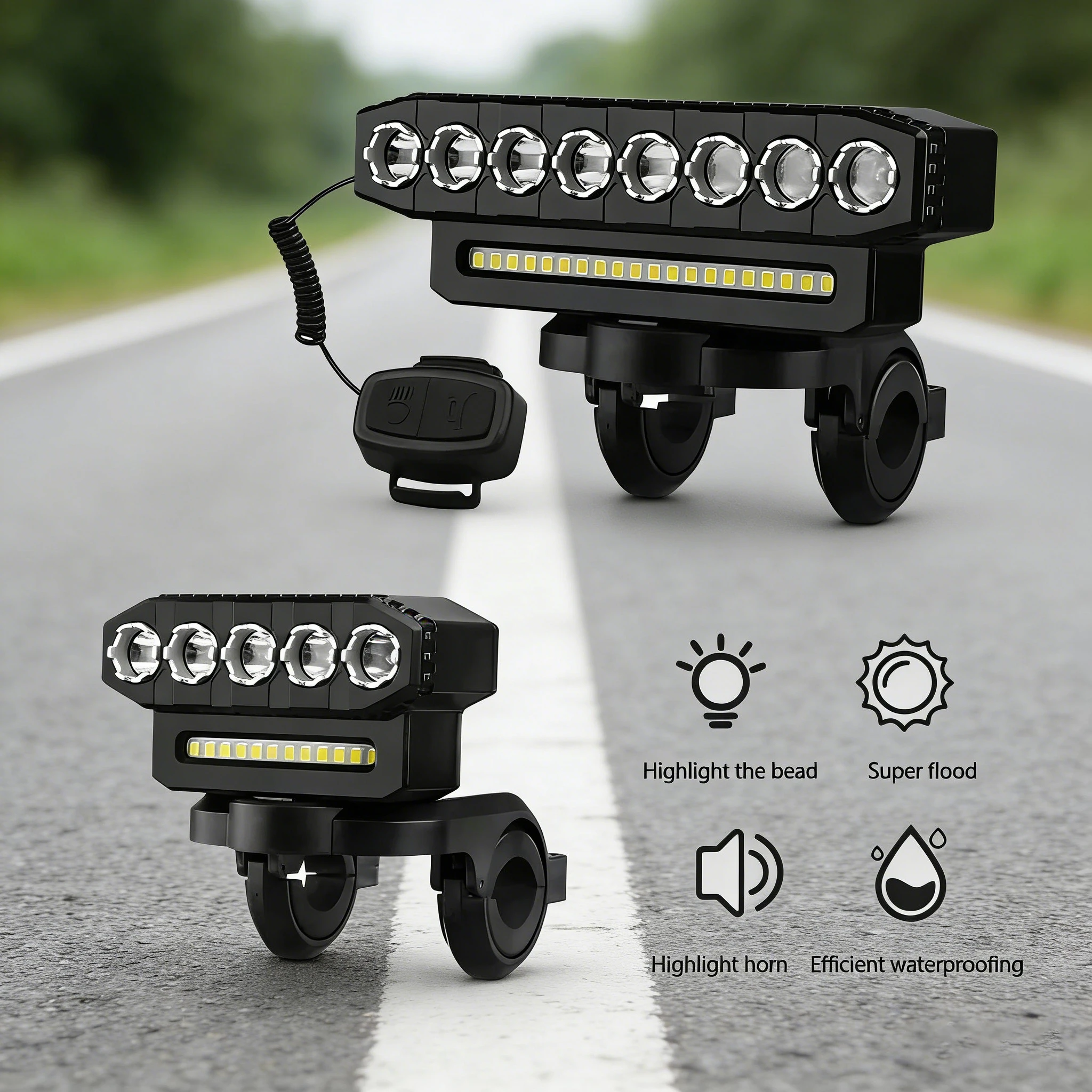
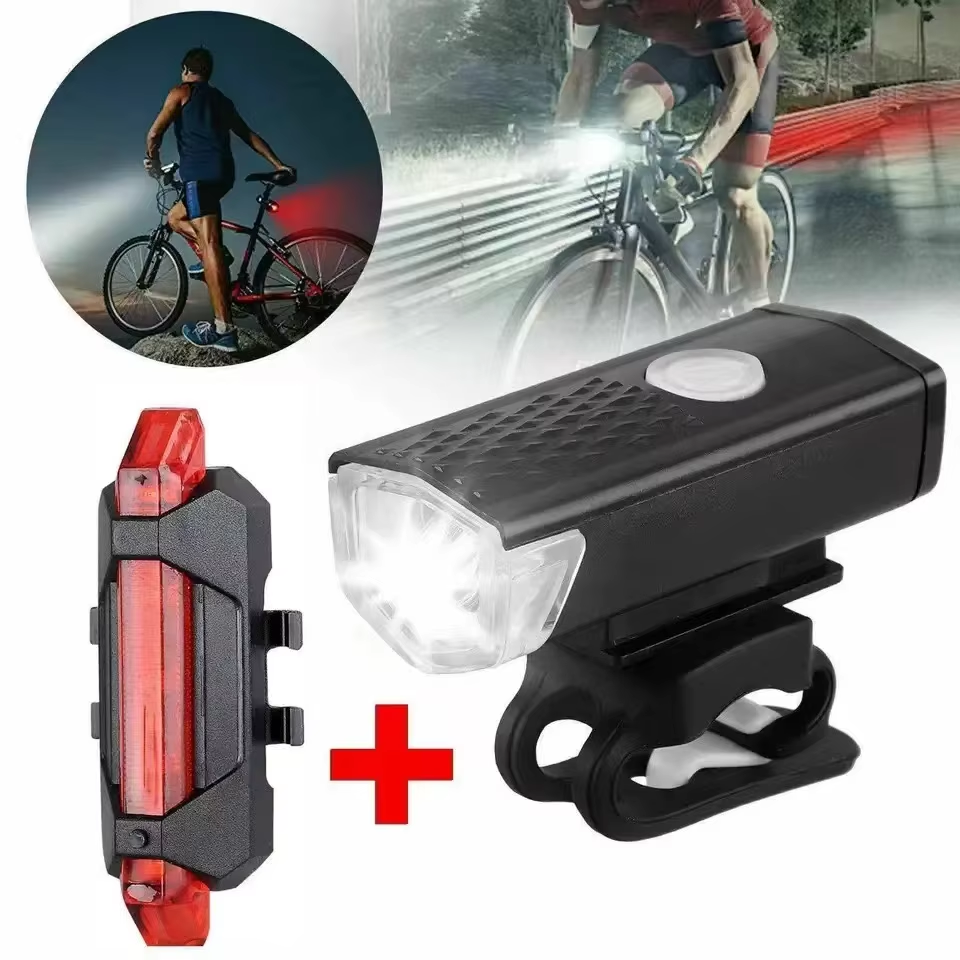
- Bicycle Lighting: 1,000–3,250lm headlights, helmet lights, smart wireless turn signals, and sets.
- Pedals: Ranked #2 in high-strength nylon bearing platform pedals for BMX, Road, and E-MTB.
- Saddles: Advanced 3D printed carbon honeycomb saddles and shock-absorbing PU designs.
- Cockpit & Bags: Waterproof handlebar bags, crossbody convertible cases, and 360° phone mounts.
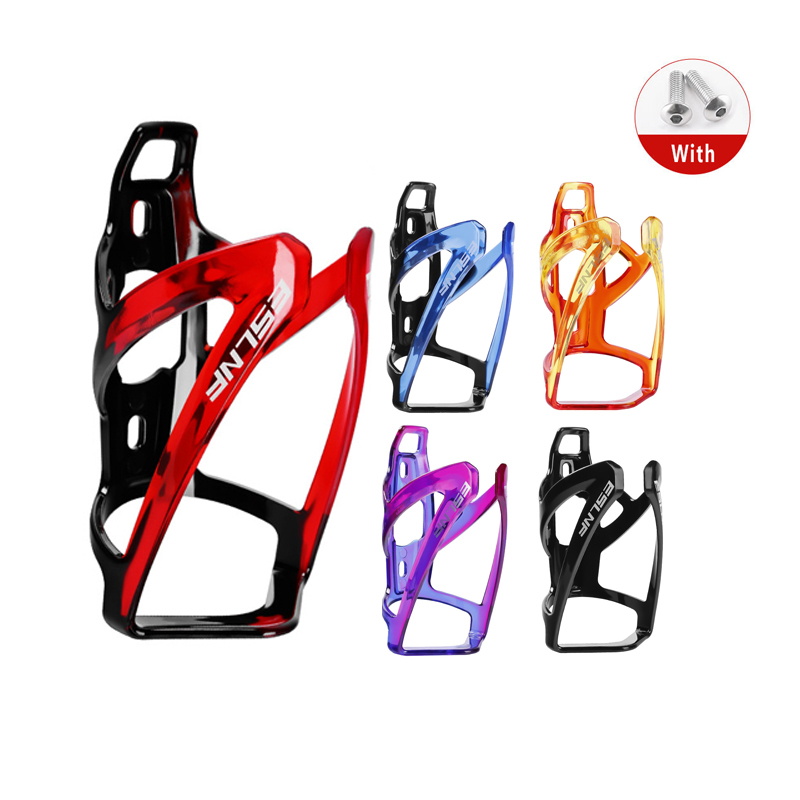
- Hydration & Tools: Stainless insulated flasks, side-entry cages, repair stands, and fork cutters.
Frequently Asked Sourcing & Technical Questions
Actionable answers to the common technical and legal concerns raised by commercial bicycle accessory buyers.
What makes helmet lights different from standard handlebar lights from an export perspective?
How does Kenus verify battery safety and air/sea transport compliance?
What are your custom branding, OEM, and ODM capabilities?
What Minimum Order Quantities (MOQs) and lead times apply for OEM contracts?
Can our enterprise request physical factory inspection reports and certificates?
How does Kenus manage quality assurance across large production runs?
Initiate Your Bike Helmet Light OEM/ODM Sourcing Project
Connect with our technical engineering sales desk in Jinhua, Zhejiang. Receive comprehensive specification sheets, compliance test copies, factory audit dossiers, and custom product quotes within 24 hours.