Featured Performance Hardware & Systems
Explore our verified high-demand production units. Designed to meet strict export market regulations including CE, RoHS, PSE, and German StVZO anti-glare cut-off specifications.
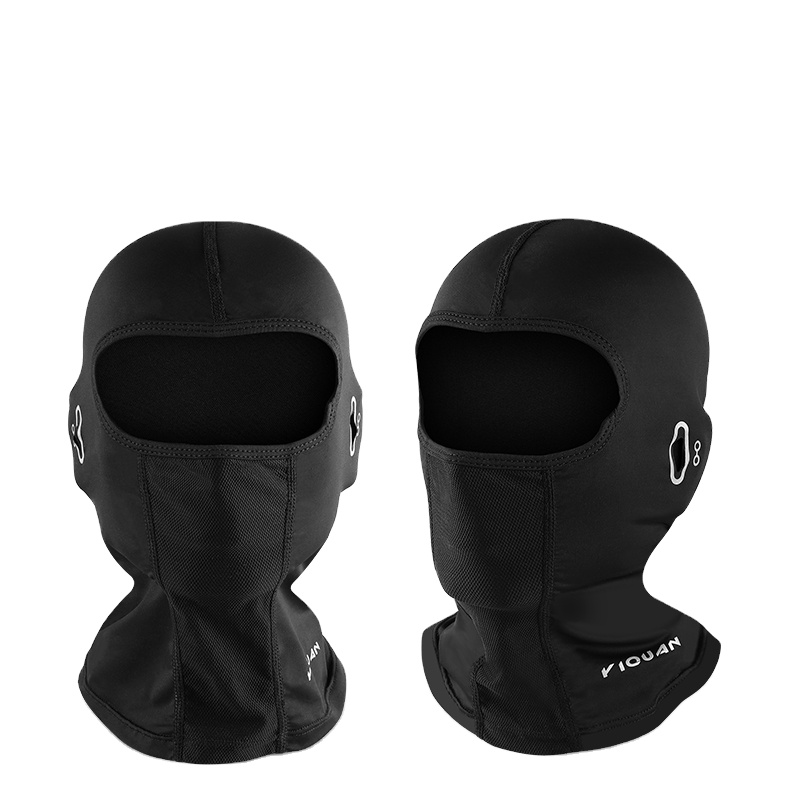
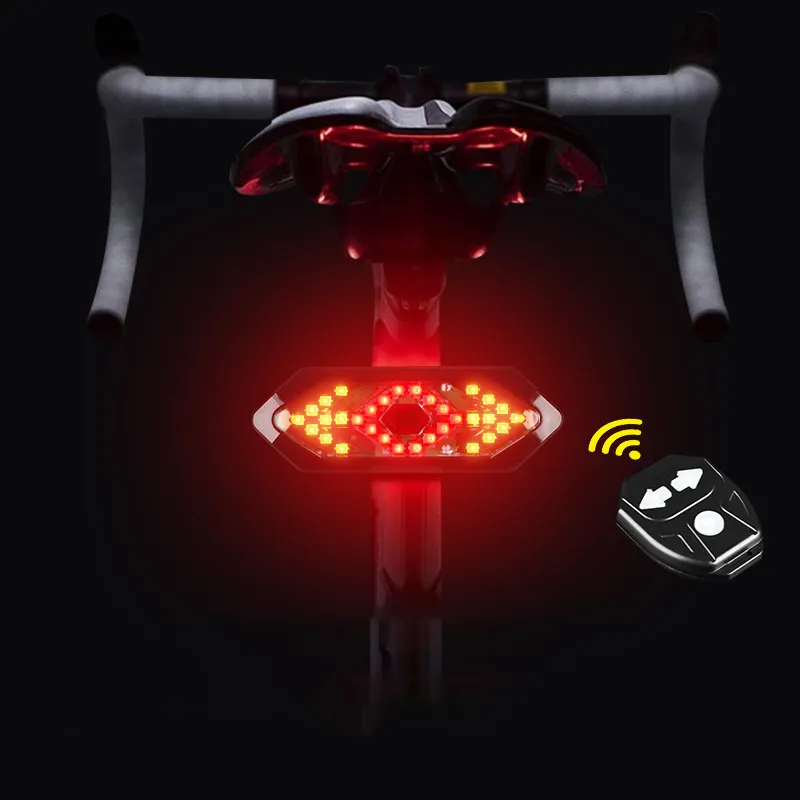
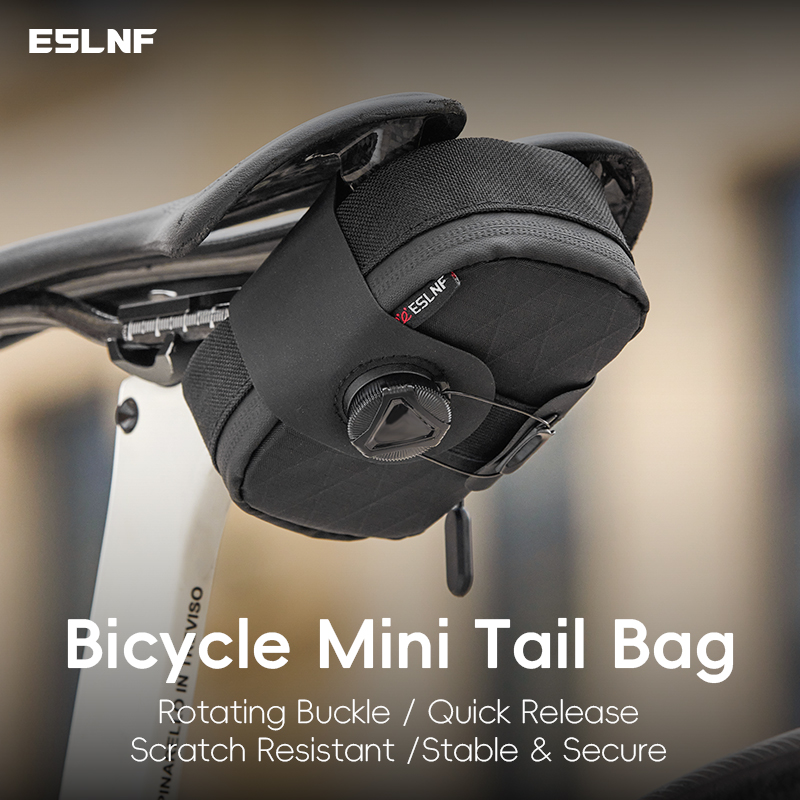

State of the Art in Bicycle Illumination Engineering
Modern micro-mobility lighting has moved far beyond raw lumen metrics into nuanced spatial distribution, thermodynamic management, and unified digital protocol integration.
As the international micro-mobility sector matures, commercial bike lights undergo severe regulatory scrutiny. Sourcing directors can no longer rely on unverified factory claims. In traditional bicycle illumination manufacturing, unbranded suppliers pushed unregulated luminaires that flooded the visual field without beam control, creating perilous glare situations for oncoming road users. Today, top-tier global bike lighting OEMs focus on precision optical ray-tracing, asymmetric total internal reflection (TIR) lens designs, and rigorous adherence to strict international highway traffic regulations such as the stringent German Road Traffic Licensing Regulations (StVZO §67).
Asymmetrical Cut-Off Optics
Precision-engineered facetted reflectors channel forward lumens below eye level. This eliminates dazzling glare for approaching motor vehicles and oncoming cyclists, establishing essential regulatory compliance across Central Europe and Scandinavia.
Thermodynamic Heat Dissipation
Deploying 6063 aviation-grade CNC machined aluminum alloys with integral convective cooling fins. Advanced internal copper metal-core PCBs prevent junction-temperature thermal runaway, stabilizing maximum output across 8-hour continuous runtime cycles.
Submersible Ingress Sealing
Dual-injection ultrasonic silicone gasket channeling and IPX6/IP67 ingress ratings ensure zero water ingress during torrential downpours. Hermetically sealed USB-C ports protect internal circuitry against galvanic corrosion and ionic contamination.
Technical Specifications: Consumer vs. OEM Pro Grades
Critical comparison matrix highlighting why tier-1 brands avoid generic white-label lights in favor of industrial-grade OEM engineered architectures.
| Evaluation Parameter | Consumer Grade (Generic Wholesale) | Industrial Pro OEM (Kenus Platform) | Engineering Benefit |
|---|---|---|---|
| Optical Distribution | Unfocused conical spherical lens; high peripheral glare | Reverse parabolic reflector with hard horizontal cut-off | StVZO Compliant Maximum ground illuminance without blinding |
| Battery Chemistry | Generic unbranded 18650 cells; inconsistent cycle counts | Automotive-grade LG/Samsung/Panasonic 21700 cells with dual NTC | Extended Longevity >800 cycles to 80% capacity; cold-weather operational integrity |
| Chassis & Thermal | Molded ABS plastic; internal thermal insulation | 6063-T6 CNC machined extruded aluminum hard-anodized | Thermal Stability Direct junction dissipation prevents light throttling |
| Driver Architecture | Basic resistor-limited direct drive; lumens drop with battery | Synchronous buck-boost constant current DC/DC regulator | Flat Discharge Curve Constant lux output across the full battery discharge curve |
| Mounting Hardware | Flimsy rubber friction bands prone to snapping & shifting | Reinforced composite quick-release clamp & GoPro bracket | Zero Cockpit Drift Stable over harsh cobblestones and rocky enduro descent tracks |
Emerging Technology Trends in the Bike Lighting Supply Chain
Strategic supply chain analysis indicating how connected e-mobility, advanced radar, and intelligent sensors are transforming cycling safety components.
The global bicycle lighting landscape is accelerating through a fundamental technological shift. The convergence of micro-mobility with connected vehicle ecosystems demands next-generation bicycle accessories that act as intelligent hardware nodes rather than standalone battery lights. Leading cycling brands are actively revamping their product catalogs to integrate the following four pivotal manufacturing trends:
CAN-Bus & E-Bike Drive Integration
With the global boom of pedal-assist urban bikes, lights are transitioning to wide-voltage input (6V–60V DC). Direct step-down converters wire straight into Bosch, Shimano, and Bafang powertrain motor controllers, eliminating internal batteries entirely.
Millimeter-Wave Radar Sensing
Modern rear safety lights are embedding 24GHz/77GHz miniaturized radar micro-sensors. These arrays track approaching vehicular traffic up to 140 meters back, dynamically intensifying tail flash frequencies while alerting cockpit head units via ANT+ protocols.
Adaptive Ambient Automation
Embedded photodiode arrays coupled with 6-axis accelerometer IMUs automate operational states. Lights turn on upon entering railway underpasses, ramp up candela under emergency hard braking, and automatically trigger deep sleep standby when resting.
Circular Eco-Engineering
Anticipating strict European Right-to-Repair mandates, next-generation luminaire enclosures reject ultrasonically glued bodies in favor of modular, screw-fastened chassis with user-swappable 18650/21700 lithium cells and recycled ocean-bound composite polymers.
Why Global Brands Partner with Kenus Intelligent Technology
Based in Jinhua, Zhejiang, Kenus provides an exceptional synthesis of in-house manufacturing control and comprehensive cycling accessories consolidation.
TÜV Rheinland Verified Onsite
Our operating facility, assembly lines, laser-engraving suites, and quality management systems have undergone complete onsite assessment by TÜV Rheinland. We provide verifiable factory audit reports for seamless vendor compliance onboarding.
Full International Certification Suite
Avoid customs hold-ups and regulatory compliance penalties. Our active lighting SKUs are documented with genuine test reports: CE (SIT230614230201E), RoHS (SIT240417230101R), Japanese PSE (SIT240226230301P), and comprehensive EMC compatibility.
Consolidated Category Sourcing
Leverage a unified supplier invoice. Alongside high-performance bike headlights and smart turn signals, we manufacture and assemble high-durability pedals (#2 rank), ergonomic 3D carbon saddles, waterproof bags, and workshop repair stands.
B2B Bike Lighting Procurement & Sourcing FAQ
Clear, technically sound answers to critical inquiries raised by global sourcing directors, quality engineers, and product brand managers.
We test all lighting units in our optical lab using integrating spheres and goniophotometer systems calibrated to ANSI/NEMA FL-1 standards. Rather than relying on theoretical emitter specifications, our reported lumens reflect true out-the-front (OTF) performance after optical transmission and thermal equilibrium losses.
For standard production units with custom laser-engraved logos and branded packaging, our MOQ typically starts at 500 to 1,000 units per SKU. For custom tooling, bespoke optical lens modifications, or specialized PCB architectures, development projects begin at 2,000 units.
Yes. We specialize in developing cut-off line optics that conform directly to the stringent German K-Mark (StVZO §67) regulations. Our optical team models the lens facets to guarantee that no light scatters upward into the eyes of approaching motorists or cyclists.
We use grade-A battery cells equipped with integrated Seiko/RichTek protection ICs shielding against overcharge, over-discharge, and short-circuit faults. Every battery pack is fully tested and certified under UN38.3, MSDS, and maritime/air transport safety declarations for direct worldwide customs entry.
Standard prototypes and pre-production golden samples are typically dispatched within 7 to 12 working days. Full mass-production runs for 1,000 to 5,000 units are fulfilled in 30 to 40 days, coordinated seamlessly with your freight forwarder via Ningbo or Shanghai sea terminals.
Certainly. Our electronics engineering department specializes in micro-controller programming for 2.4GHz RF cockpit remotes, wireless turn signals, and BLE/ANT+ communication modules that synchronize headlights and radar tail lights directly with Garmin, Wahoo, and smartphone companion apps.
Build Your Private-Label Lighting Line with a Certified Manufacturer
Whether you require StVZO-compliant urban commuter headlights, heavy-duty e-bike lighting systems, or smart turn-signal tail lights, Kenus delivers industrial-grade precision from tooling to delivery.