Export-Ready Cycling Hardware & Luggage Systems
Direct from our Jinhua manufacturing lines: fully integrated cargo solutions, aerodynamic cockpit equipment, and precision rider touchpoints certified for European, American, and Oceanic markets.
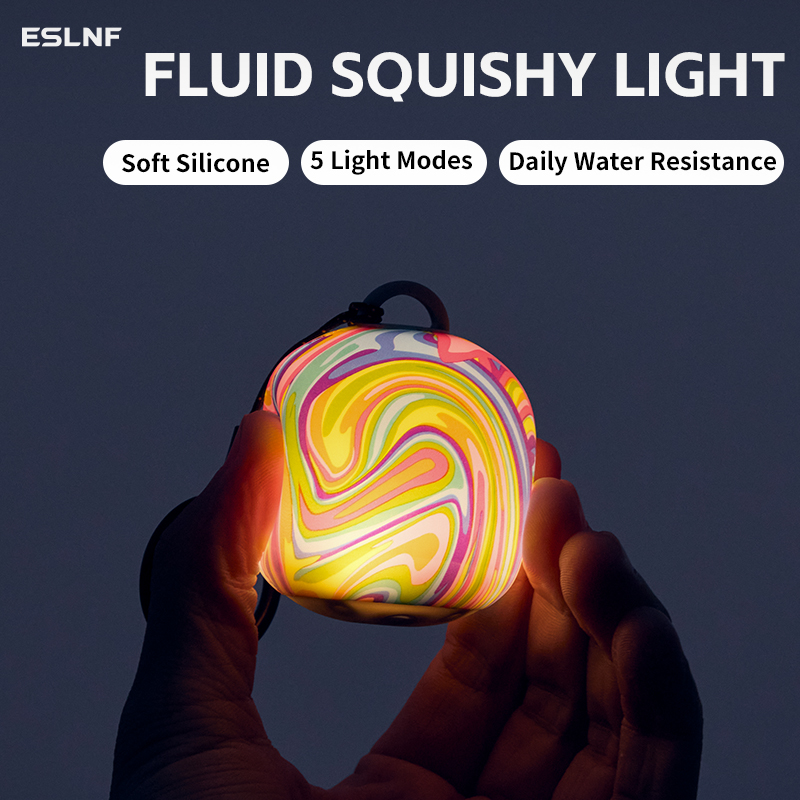
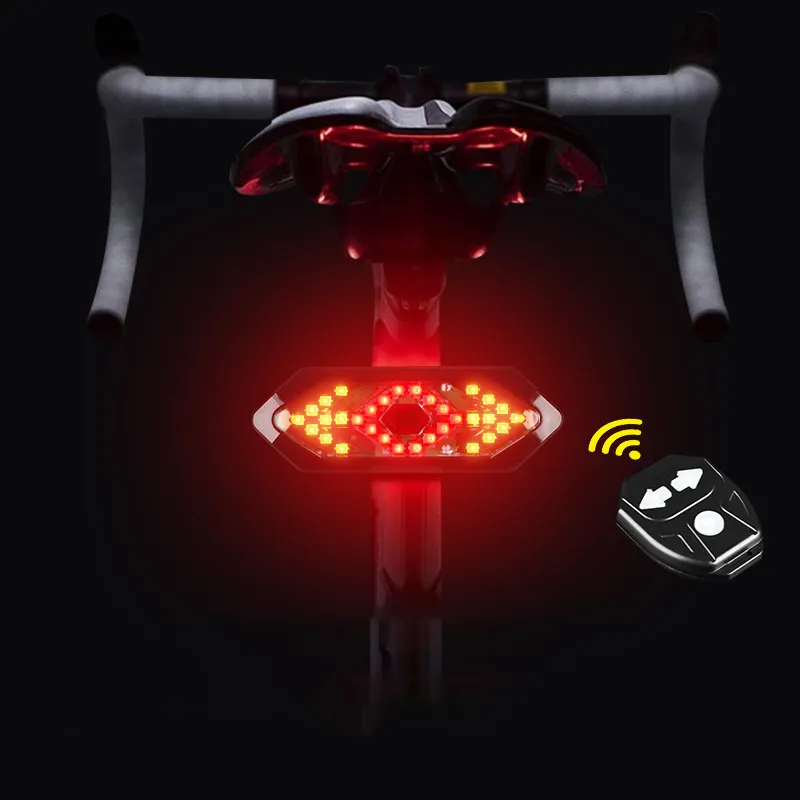
ESLNF Bike Turn Signal Light Smart Remote Switch Wireless LED Tail With Alarm
- Wireless RF
- Audible Alarm
- CE / RoHS
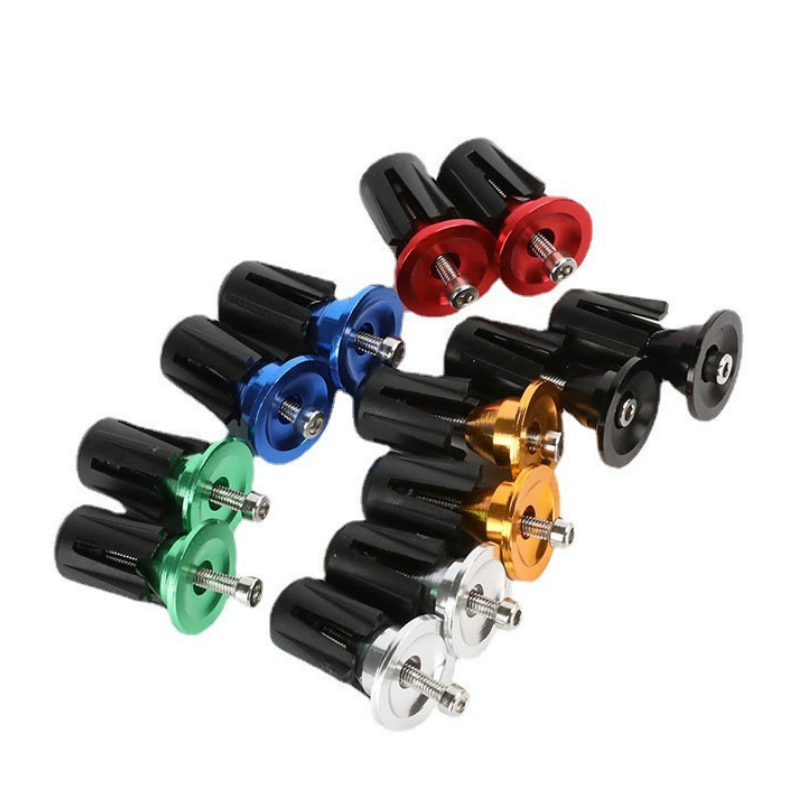
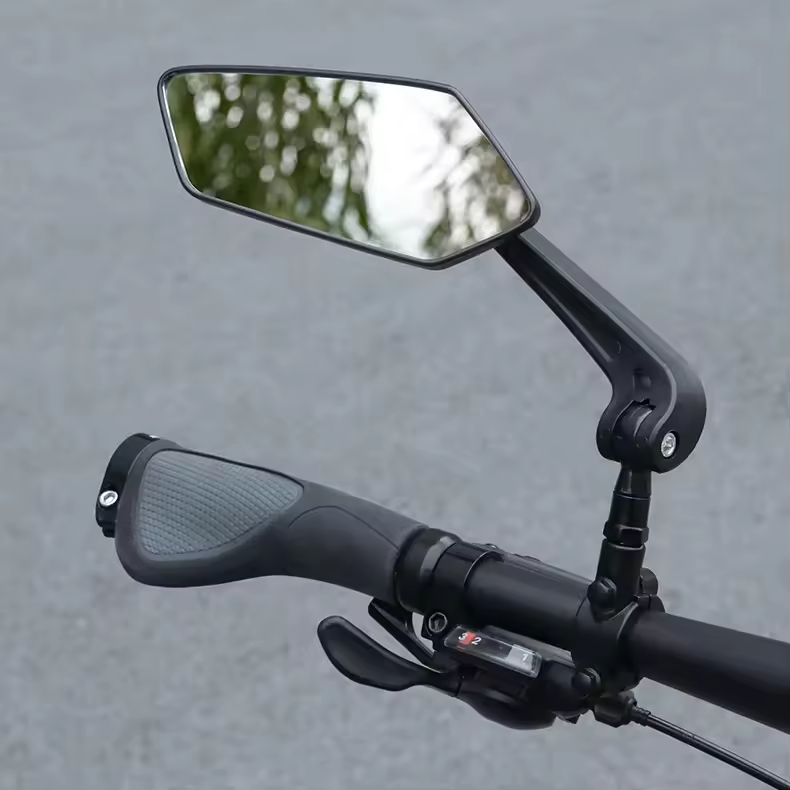
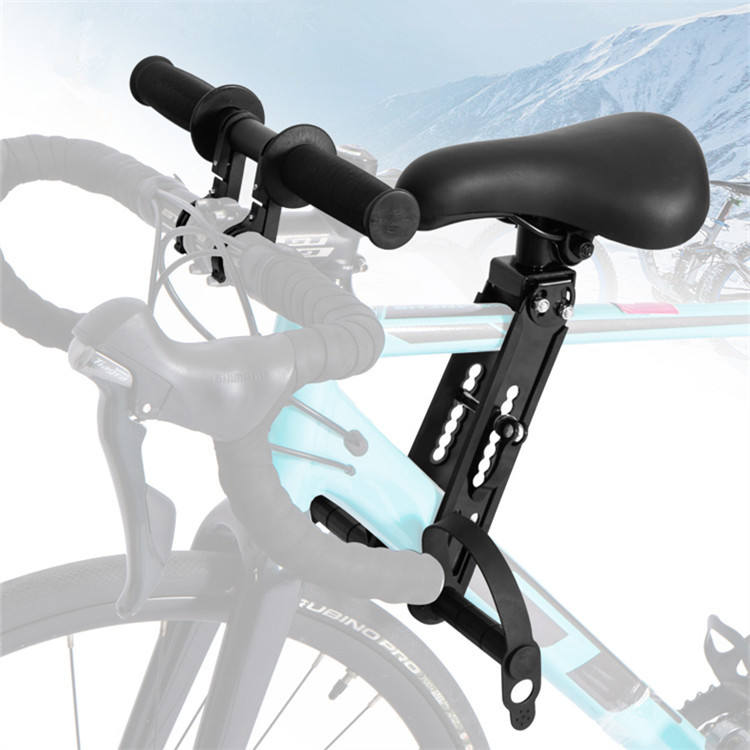
ESLNF Beam Installation Child Seat Saddle Cycle Bike With Arm Rest
- Top Tube Mount
- Reinforced Rest
- Quick Clamping
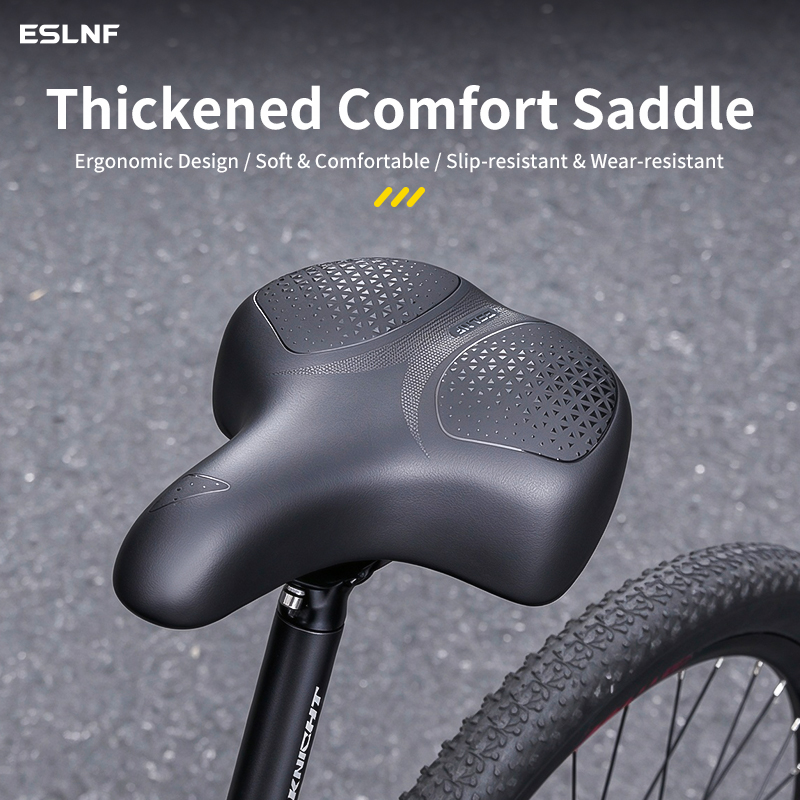
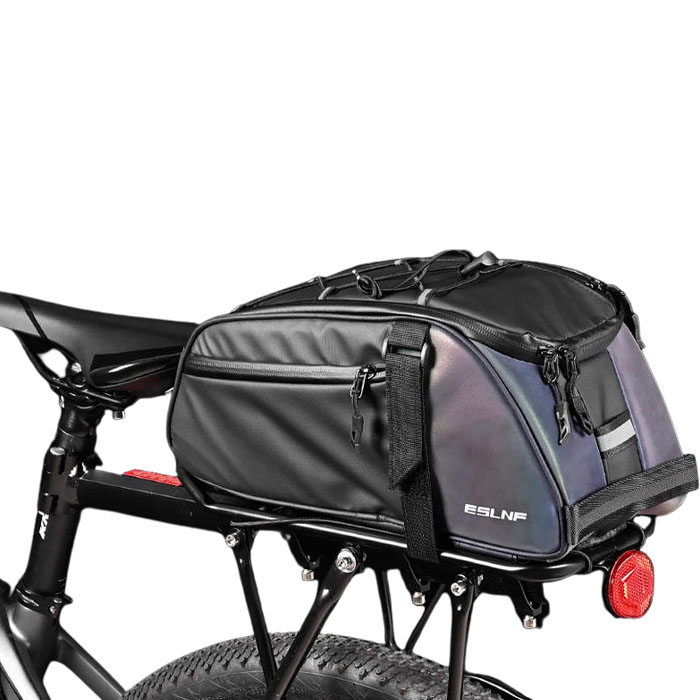
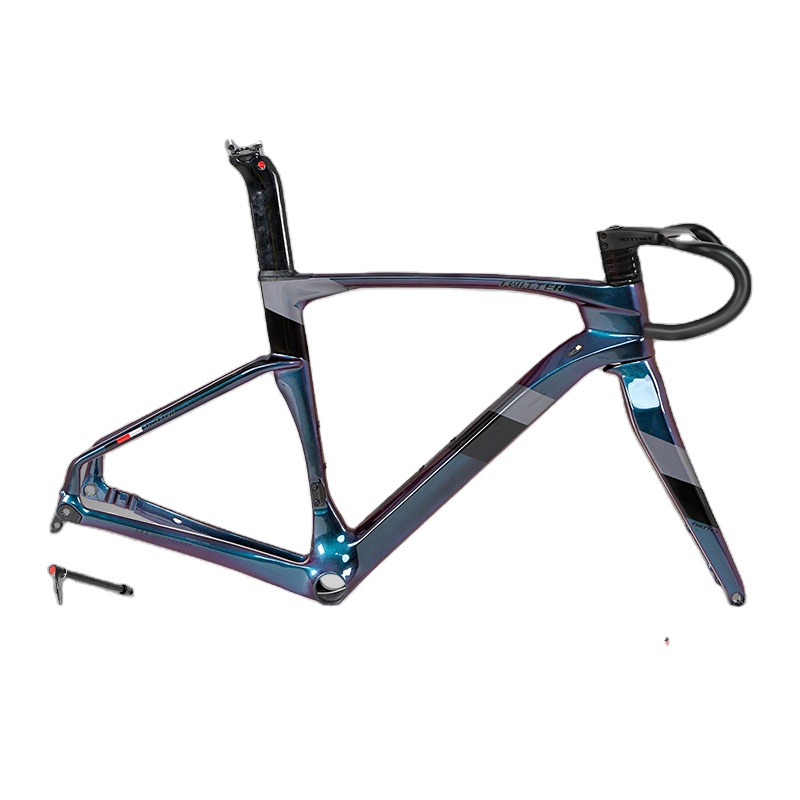
ESLNF Bike Frameset With Holographic Color Bike Carbon Fiber Bicycle Frame With Thru Axle
- Toray Carbon
- Thru-Axle Dropout
- Custom Electro-Paint
Technical Architecture & Manufacturing Science of Industrial-Grade Pannier Bags
In modern bicycle logistics and long-distance touring, the bicycle pannier bag has transitioned from a rudimentary canvas sack into a highly engineered technical carrying system. Professional B2B procurement managers and cycling equipment brand directors must navigate rigorous mechanical demands: dynamic load distribution, weather sealing, rack latching reliability, and sustained UV and tensile durability. As an export leader based in Jinhua, Zhejiang, Kenus Intelligent Technology Co., Ltd. analyzes the core mechanical criteria that define market-dominant pannier bags.
The primary point of failure in commercial-grade cycling bags is needle penetration at seam joints. Traditional stitched seams create micro-perforations through which atmospheric moisture and pressurized water spray migrate under high speeds. To eliminate this defect, our manufacturing lines employ High-Frequency (HF) Ultrasonic Welding. HF welding excites the polar molecules of Thermoplastic Polyurethane (TPU) or Polyvinyl Chloride (PVC) laminates at 27.12 MHz, fusing opposite textile layers into a homogenous, monolithic weld seam with a shear strength exceeding 180 N/5cm. This technical process enables true IPX6 and IPX7 ingress protection, shielding high-value electronics and touring supplies under torrential squalls and muddy cyclocross conditions.
Furthermore, dynamic stress analysis reveals that pannier bags experience severe multi-axis vibrational loads during off-road bikepacking and e-bike commuting. The interface between the pannier backing board and the rear rack rails must endure continuous shock impulses without latch failure or fatigue deformation. Kenus utilizes virgin high-density polyethylene (HDPE) and polypropylene (PP) structural backplates. These composite inner stiffeners provide torsional stability, preventing the pannier body from flexing inward and contacting wheel spokes, while dispersing static and kinetic payloads up to 35 kg evenly across standard 8 mm, 10 mm, 12 mm, and 16 mm tubular racks.
Future Sourcing & Procurement Trends: 2025–2030
Anticipate regulatory shifts, material innovations, and consumer preferences transforming international bicycle accessory procurement.
E-Bike Integration & Battery Thermal Cradles
With electric commuter bikes capturing over 40% of European and North American urban mobility markets, panniers are shifting toward integrated smart utility. Leading OEM procurement programs now demand specialized, padded internal fire-resistant compartments to transport secondary lithium-ion range-extender batteries. Bags must incorporate internal thermal shielding and cable-routing conduits to enable on-the-bike mobile device charging while keeping battery packs isolated from mechanical shocks.
PFAS-Free & Recycled TPU Lamination
Global environmental mandates—specifically the European Chemicals Agency (ECHA) restriction proposals and US state-level PFAS prohibitions—render legacy fluorinated DWR coatings obsolete. Modern B2B buyers require bluesign®-certified, 100% recycled PET/Nylon bases finished with ether-based TPU membranes. These eco-compliant polymers deliver superior low-temperature flexibility (down to -30°C without micro-cracking), zero halogen leaching, and full compliance with EU REACH and RoHS regulations.
Dual-Mode Hybrid Commuter Modular Systems
The boundary between dedicated bikepacking gear and professional corporate commuting has dissolved. Procurement volumes have surged for 2-in-1 hybrid luggage: panniers that quickly convert into sleek backpacks, messenger bags, or rolling executive luggage. Sourcing teams prioritize concealed, ergonomic shoulder-strap harnesses, rapid one-handed magnetic latching systems (such as patented quick-release rail hooks), and dedicated neoprene laptop sleeves rated for drop protection.
Material Performance: Technical Sourcing Specifications
Direct laboratory comparative metrics used in our QA/QC protocols to guide OEM specification planning.
| Material / Technical Metric | Legacy 600D PVC Tarpaulin | Kenus Technical 840D TPU Nylon | Recycled 420D Diamond Ripstop TPU | Test Standard / Regulatory Baseline |
|---|---|---|---|---|
| Tensile Strength (Warp / Weft) | 1,400 N / 1,200 N | 2,600 N / 2,250 N | 1,950 N / 1,750 N | ISO 13934-1 Mechanical Test |
| Waterproof Ingress Protection | IPX4 (Splash-proof only) | IPX6 / IPX7 Submersion | IPX6 Heavy Stormproof | IEC 60529 Ingress Standard |
| Cold-Crack Flexibility Point | -10°C (Prone to brittle fractures) | -35°C (Maintains elastic seal) | -25°C (Stable polymer matrix) | ASTM D1790 Cold Impact Test |
| Environmental & Safety Compliance | Phthalate-heavy; Non-REACH | 100% Halogen/PFAS-Free (EU Compliant) | GRS Certified Post-Consumer Recycled | EU REACH, SVHC, RoHS Directives |
| Martindale Abrasion Resistance | 18,000 Cycles before wear-through | >55,000 Cycles heavy load | 40,000 Cycles standard load | ISO 12947-2 Rubbing Protocol |
Why Global Importers Partner with Kenus Intelligent Technology
Headquartered in Jinhua, Zhejiang—the central manufacturing and tooling hub of China’s performance hardware export corridor—Kenus Intelligent Technology Co., Ltd. combines technical craftsmanship with strict institutional accountability. As a custom manufacturer and direct exporter audited and verified onsite by TÜV Rheinland, we eliminate intermediary trading risks, volatile lead times, and compliance uncertainties for international wholesalers, brand owners, and fleet logistics operators.
Our facility unites under one roof: automated tube constriction and hydraulic bending, robotic and manual argon-arc welding stations, precision laser marking units, rapid 3D prototyping arrays, and clean assembly lines. Backed by verified certification records—including CE (Headlight No. SIT230614230201E), RoHS (No. SIT240417230101R, SIT24041230101R), Japanese PSE (No. SIT240226230301P), and EMC verification (No. SIT250212230201ER)—Kenus offers turn-key custom OEM and ODM execution with complete traceability.
Systematic Sourcing: From Rapid Prototype to Container Dispatch
A transparent, milestone-driven protocol designed to eliminate supply friction for international sourcing directors.
1. CAD Engineering & In-House 3D Prototyping
Every custom OEM project begins with full engineering drawings detailing tolerance specifications, seam weld radii, buckle tensile thresholds, and rack-mounting geometry. Leveraging in-house industrial 3D printing, our engineering team validates physical ergonomics and rack attachment clearances in as few as 72 hours, drastically reducing physical tooling cycles and avoiding costly mold modifications.
2. Stress, Salt-Spray & Hydrostatic Lab Testing
Before batch assembly begins, hardware components (including 6061-T6 aluminum clamps, stainless rivets, and POM quick-release latches) undergo a 96-hour neutral salt-spray mist test (ASTM B117) to guarantee corrosion resistance against winter road salts and marine humidity. Fabrics undergo hydrostatic pressure column tests exceeding 10,000 mm H₂O, followed by dynamic cyclic vibration testing with full payloads.
3. Volumetric Packing & Direct Port Logistics
To reduce ocean shipping costs under elevated container freight rates, Kenus engineers flat-pack nesting solutions that maximize FCL/LCL cubic space utilization by up to 32% compared to standard loose-packed panniers. Operating within two hours of Ningbo and Shanghai ports, our logistics department coordinates seamless FOB, CIF, or direct DDP customs clearance directly to client fulfillment warehouses.
Frequently Asked Questions for Sourcing Executives
Clear, direct answers regarding testing standards, MOQ requirements, international shipping logistics, and private labeling.
Q1: What are your standard Minimum Order Quantities (MOQs) for custom panniers?
For ready-to-ship standard configurations, trial orders start as low as 2 to 50 pieces for market testing and showroom sampling. For full OEM custom branding—including Pantone-matched fabric runs, silk-screened or high-frequency debossed logos, custom buckle tooling, and bespoke retail packaging—our standard production run begins at 500 units per colorway.
Q2: How do you verify and document waterproof ratings like IPX6 and IPX7?
We perform rigorous in-line chamber testing where welded bags are subjected to 100 kPa high-pressure oscillating water jets from all angles at a distance of 2.5 to 3 meters for 3 minutes (IPX6). For submersible IPX7 lines, bags are weighted and submerged under 1 meter of water for 30 minutes. Full photographic testing reports and factory verification certificates are provided with pre-shipment sign-offs.
Q3: Can Kenus accommodate proprietary rack attachment and latch systems?
Yes. Our in-house engineering team works directly from your STEP or DWG files. We can engineer custom injection-molded quick-release brackets, anti-sway lower hooks, and adjustable rail sliders compatible with 8 mm to 16 mm round or oval rack profiles. We validate latch grip using automated cyclic pull testers before opening steel injection molds.
Q4: How does your TÜV Rheinland assessment protect buyers from supply chain liability?
TÜV Rheinland’s independent onsite inspection assesses our business registration, workshop scale, machine calibration logs, in-line QA/QC check sheets, and working conditions. This official third-party audit ensures that your compliance and risk-mitigation teams receive authentic factory documentation, establishing provenance and reliable B2B capacity.
Q5: What are your typical production lead times for FCL volume exports?
Upon sample sign-off and deposit receipt, standard mass production runs take 30 to 45 business days. Re-orders with pre-procured raw fabric reserves can be turned around in 20 to 25 days. Air express prototype samples are typically delivered within 7 to 10 business days depending on tooling complexity.
Q6: Which trade terms, incoterms, and payment mechanisms do you support?
We primarily operate under FOB Ningbo or FOB Shanghai, while also supporting CIF, CFR, EXW, and door-to-door DDP (incorporating customs clearance and duties for key EU and North American hubs). Flexible commercial terms including secure Trade Assurance, Telegraphic Transfer (T/T), and Irrevocable Letters of Credit (L/C) are available based on credit rating assessment.
Initiate Your OEM/ODM Pannier Program Today
Connect with our technical sales engineers in Jinhua, Zhejiang. Receive comprehensive specification sheets, rapid 3D sample evaluation, and transparent tier-one export pricing tailored to your brand’s commercial targets.