Flagship Bag
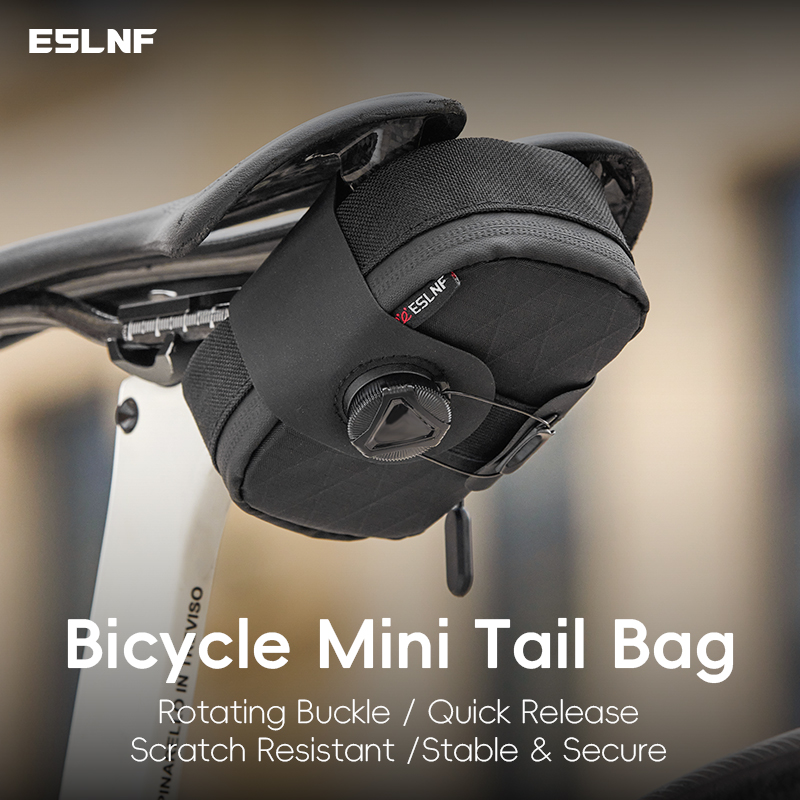
ESLNF Waterproof Bike Bag Light Bike Saddle Bag Durable Nylon Tail Bag
High-Density Nylon
IPX6 Welded
Anti-Sway Mount
Precision-manufactured cycling products developed under rigid QA controls, optimized for B2B brands, national cycling distributors, and hyper-competitive e-commerce storefronts.
Strategic supply chain analysis for category managers, inventory directors, and sourcing executives navigating market changes, technical textiles, and circular economy demands.
Traditional needle-and-thread construction with PU inner tape coating suffers from hydrolytic degradation over 18 to 24 months. Modern procurement contracts now mandate high-frequency ultrasonic welding (HF welding) of 420D to 840D TPU-laminated fabrics. Welded seams form a chemical and molecular bond that provides IPX6 to IPX8 immersion-level waterproofing, entirely eliminating stitch needle punctures where capillary water ingress routinely occurs.
The explosive adoption of internal cable-routed dropper posts across both Gravel (Gravel Dropper 40–70mm) and Mountain Biking (150–200mm travel) has rendered classic wrap-around Velcro seatpost straps obsolete. Buyers are shifting purchase specifications toward rail-only mechanical locking brackets (such as CNC aluminum clamp systems or reinforced glass-fiber nylon cradles) that preserve the stanchion sliding surface and prevent seal scoring.
Under tightening European Union Corporate Sustainability Due Diligence Directives (CSDDD) and French AGEC requirements, retail brands must provide audited proof of trace materials. Contract manufacturing trends indicate an 85% year-over-year increase in specifications demanding Post-Consumer Recycled (PCR) Cordura®, rPET woven yarn, and fluorine-free bio-based DWR (PFC-free Durable Water Repellent) finishes across all soft goods product tiers.
An exhaustive review of dynamic load physics, harmonic vibrations under rough-surface gravel trails, and advanced manufacturing methodology.
A bike saddle bag acts as a cantilevered mass suspended behind the rider’s primary contact axis. During out-of-the-saddle climbing sprints or technical singletrack descents, lateral inertia generates high torque across the saddle rails. Conventional single-point webbing configurations transfer these oscillating loads directly into the fabric seams, creating material fatigue, strap loosening, and severe lateral sway (tail-wagging) that disrupts rider center of gravity.
At our Jinhua production lines, we solve dynamic sway through internal poly-oxymethylene (POM) stiffener skeletons paired with laser-cut hypalon strap anchors. By routing load vectors through high-tensile carbon-composite or aluminum stays directly into the saddle rail junction, torsional deflection is reduced by up to 68%. This ensures that even oversized bikepacking seatpacks (10L to 16L capacities) stay perfectly rigid across washboard roads without requiring bulky external metal racks.
Key Engineering Insight: Tensile pull ratings on primary load-bearing buckle loops must exceed 450N of static force to prevent mechanical failure during aggressive rebound cycles on downhill drop-offs.
User return rates across top e-commerce channels cite interior tool rattling as a primary driver of negative consumer reviews. Modern factory design incorporates compartmentalized neoprene tool sleeves, silent Hypalon zipper garages, and internal compression baffles that eliminate kinetic movement of CO2 cartridges, multi-tools, and spare tubes.
Furthermore, standard water-repellent zippers (such as reverse-coil nylon PU zippers) will inevitably leak when subjected to continuous mud spray directly from the rear tire. To resolve this, our engineering framework implements roll-top closures secured with air-bleeding purge valves. When rolling the collar three times and engaging dual Duraflex buckles, the bag achieves an airtight interior cavity that remains completely impervious to high-velocity water jets and sand grinding.
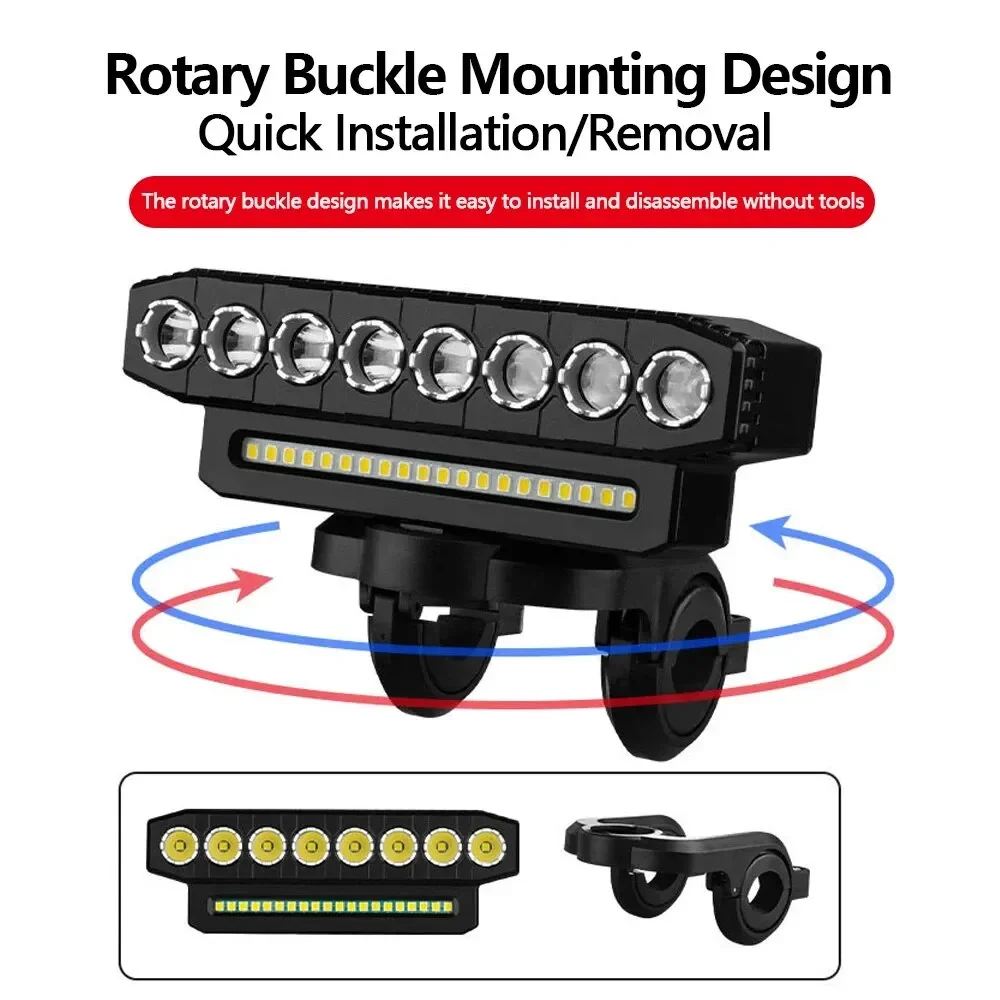
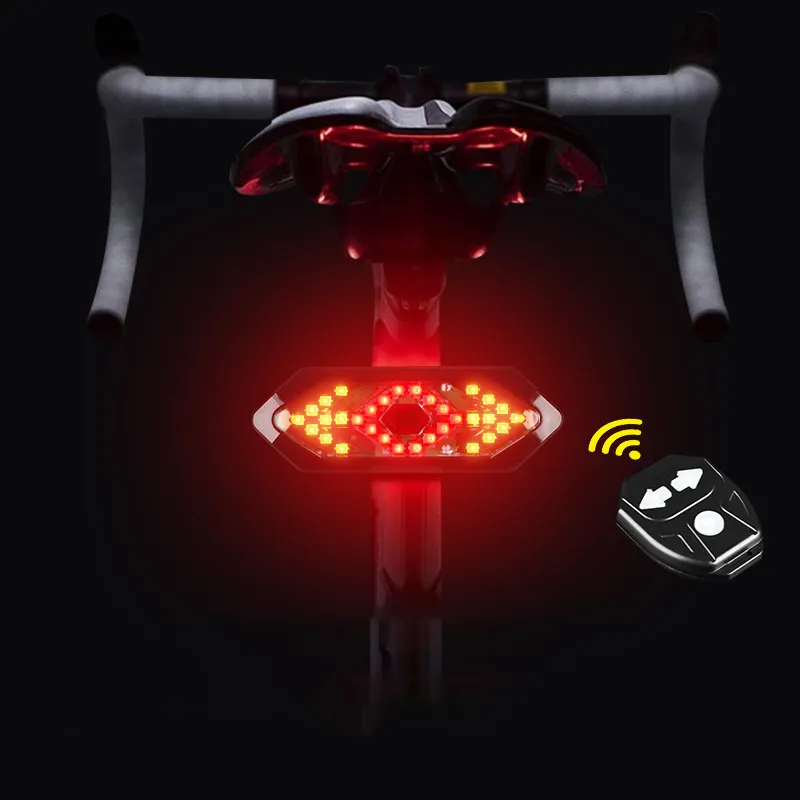
Modern saddle bags can no longer exist as passive cargo containers. Sourcing trends highlight the demand for dedicated rear telemetry bays: form-fitted slots for Apple AirTags or low-frequency GPS tracking beacons, alongside structurally reinforced mounting ports for smart radar tail lights (e.g., Garmin Varia compatible brackets). Kenus integrates precision ultrasonic punch-outs and RF-welded light loops to support active illuminated hardware directly onto the tail bag's rear vertical face.
Located in Jinhua, Zhejiang, Kenus provides an integrated production matrix spanning hardware CNC, rapid 3D prototyping, ultrasonic bag welding, and ISO-grade QA testing.
Our complete operating facility, legal registration, trade credit index, and clean assembly lines are validated onsite by TÜV Rheinland with public verification files available for review.
Equipped with commercial stereolithography (SLA) and FDM 3D printing equipment, our engineering team converts CAD sketches into functional physical fitment prototypes within 72 hours.
In-house computerized drop-impact testers, high-frequency tensile testing jigs, IPX6 hydrostatic spray booths, and salt spray fog chambers guarantee export-ready durability.
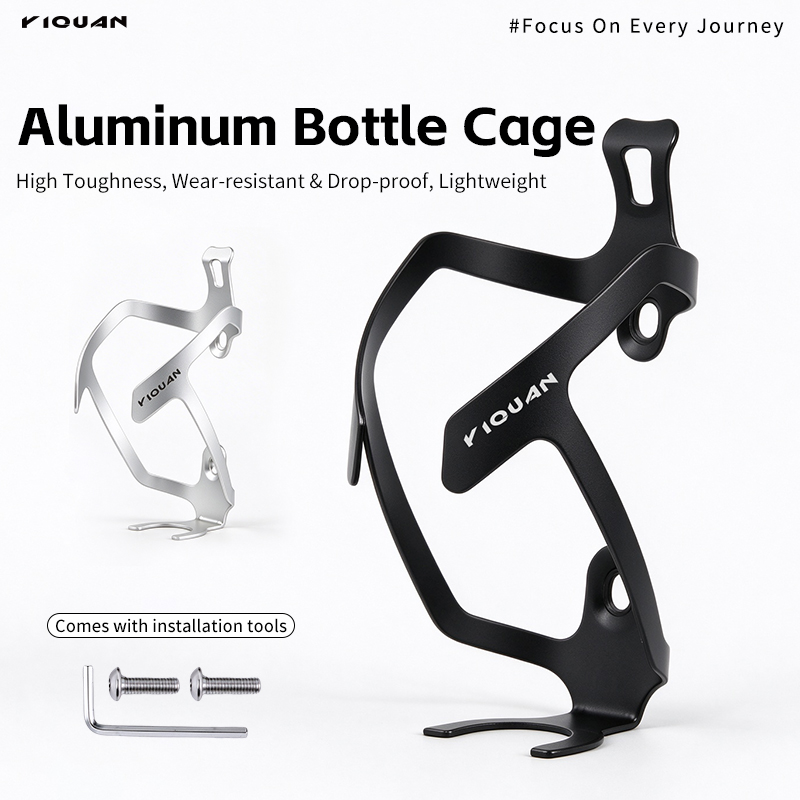
Consolidate your bicycle accessories supply chain under one roof: bike saddle bags, CNC bottle holders, smart LED lights, nylon bearing pedals, and workshop maintenance stands.
Critical specifications, minimum order thresholds, quality standards, and technical compliance guidelines for professional buyers.
Connect directly with our senior product engineers and export specialists in Jinhua. Request full spec sheets, CAD line drawings, verified TÜV assessment audit logs, and bulk wholesale pricing tiers.
Get Catalog