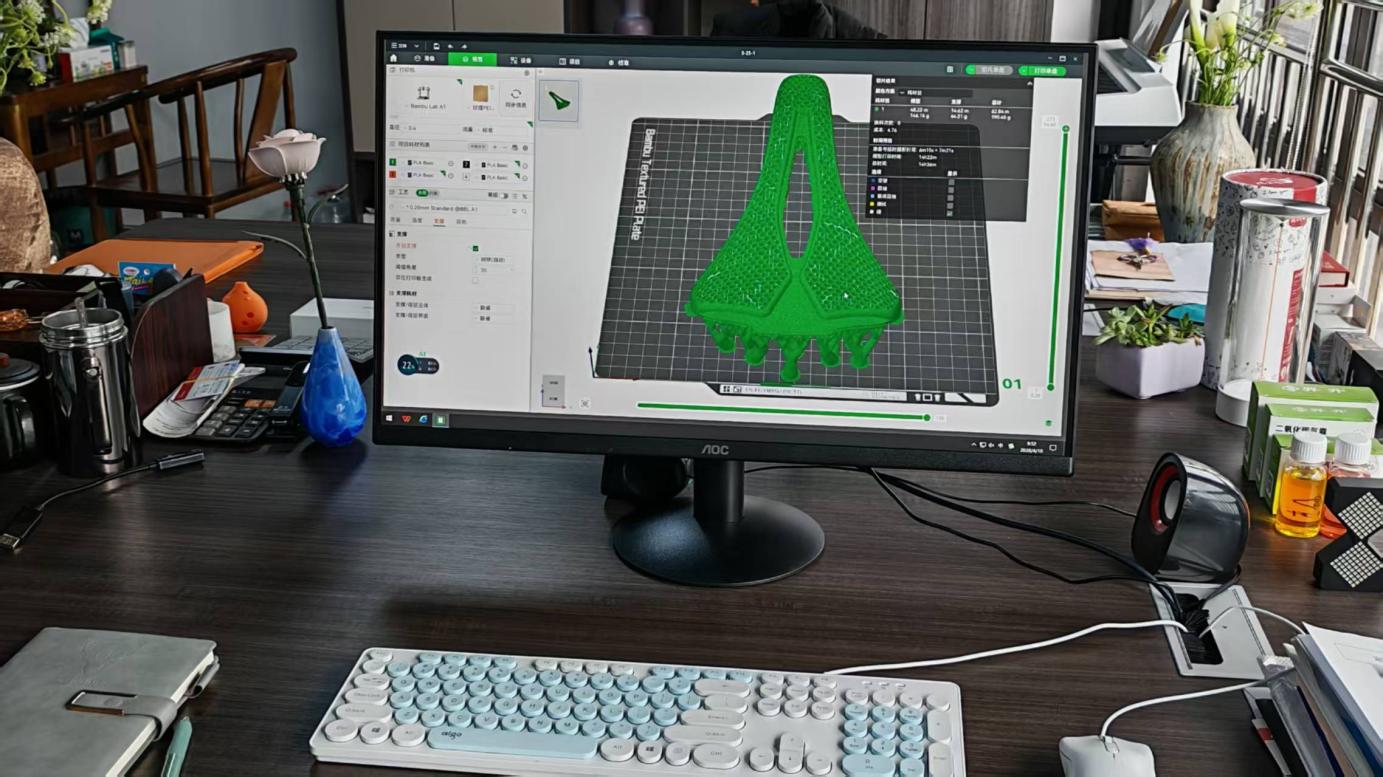
 STEP 01
CAD & Engineering Drawing
Every OEM/ODM project begins with 2D/3D mechanical drawings. Tolerances, wall thicknesses, and ergonomic dimensions are strictly calculated to ensure seamless mold compatibility.
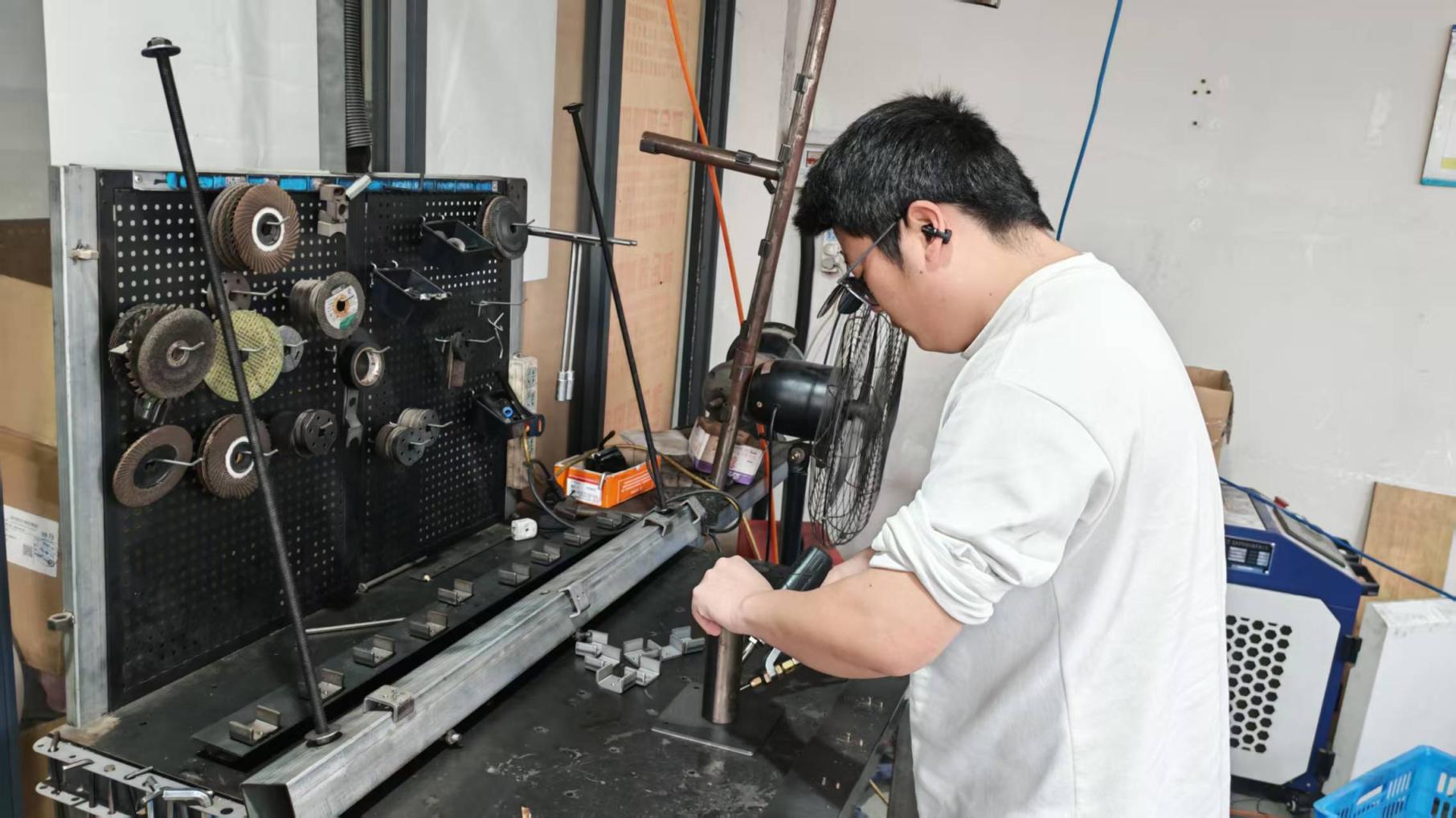
Precision tube processing, high-strength welding, computer-controlled laser marking, and multi-stage QA/QC inspection engineered for international cycling brands.
Kenus Intelligent Technology Co., Ltd. operates complete metal processing, surface finishing, product assembly, and quality validation facilities inside our Zhejiang plant.
STEP 01
Every OEM/ODM project begins with 2D/3D mechanical drawings. Tolerances, wall thicknesses, and ergonomic dimensions are strictly calculated to ensure seamless mold compatibility.
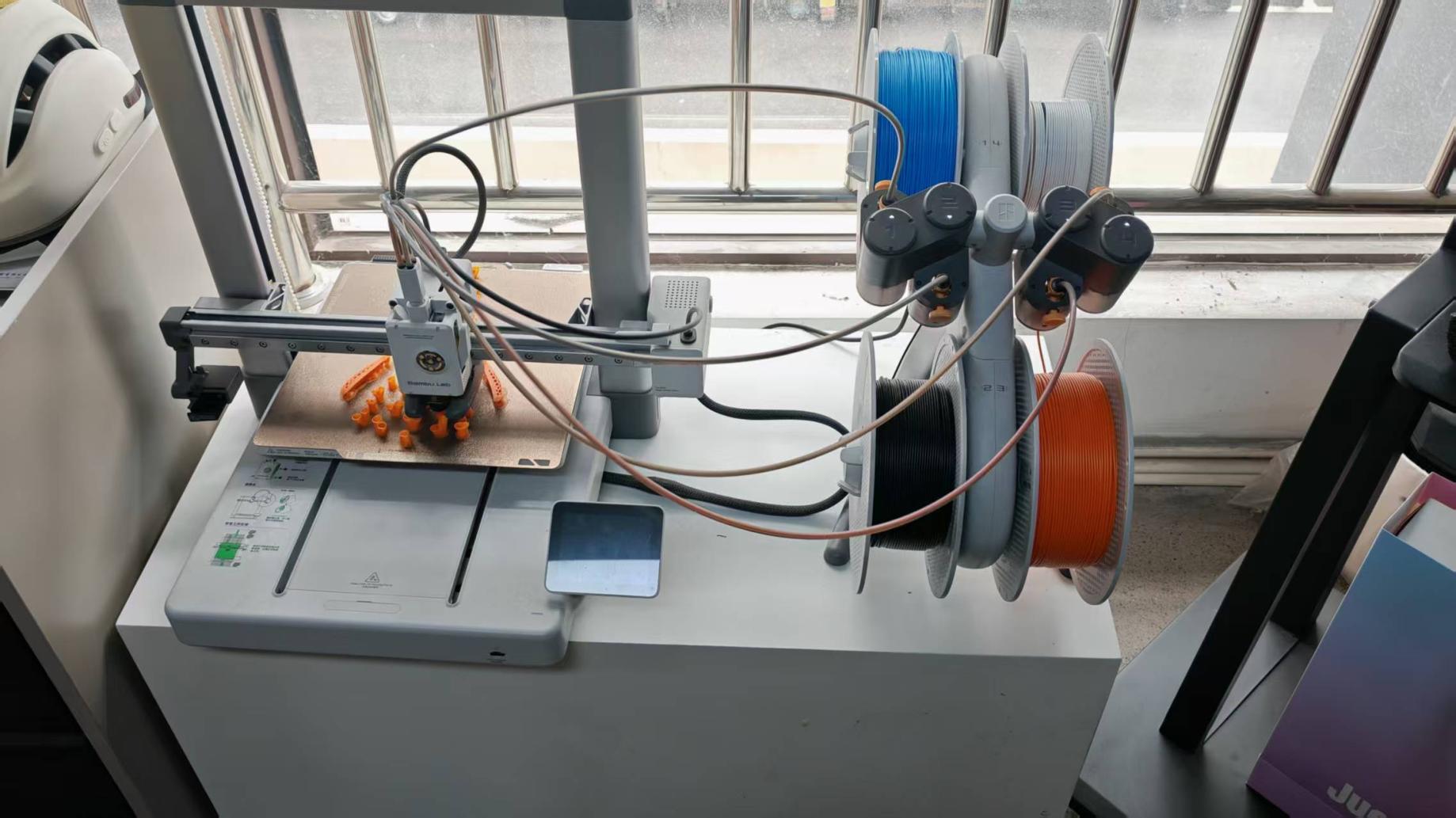 STEP 02
In-house high-resolution 3D printing verifies geometry, mount alignments, and structural ergonomics for saddles and brackets prior to hardened steel mold fabrication.
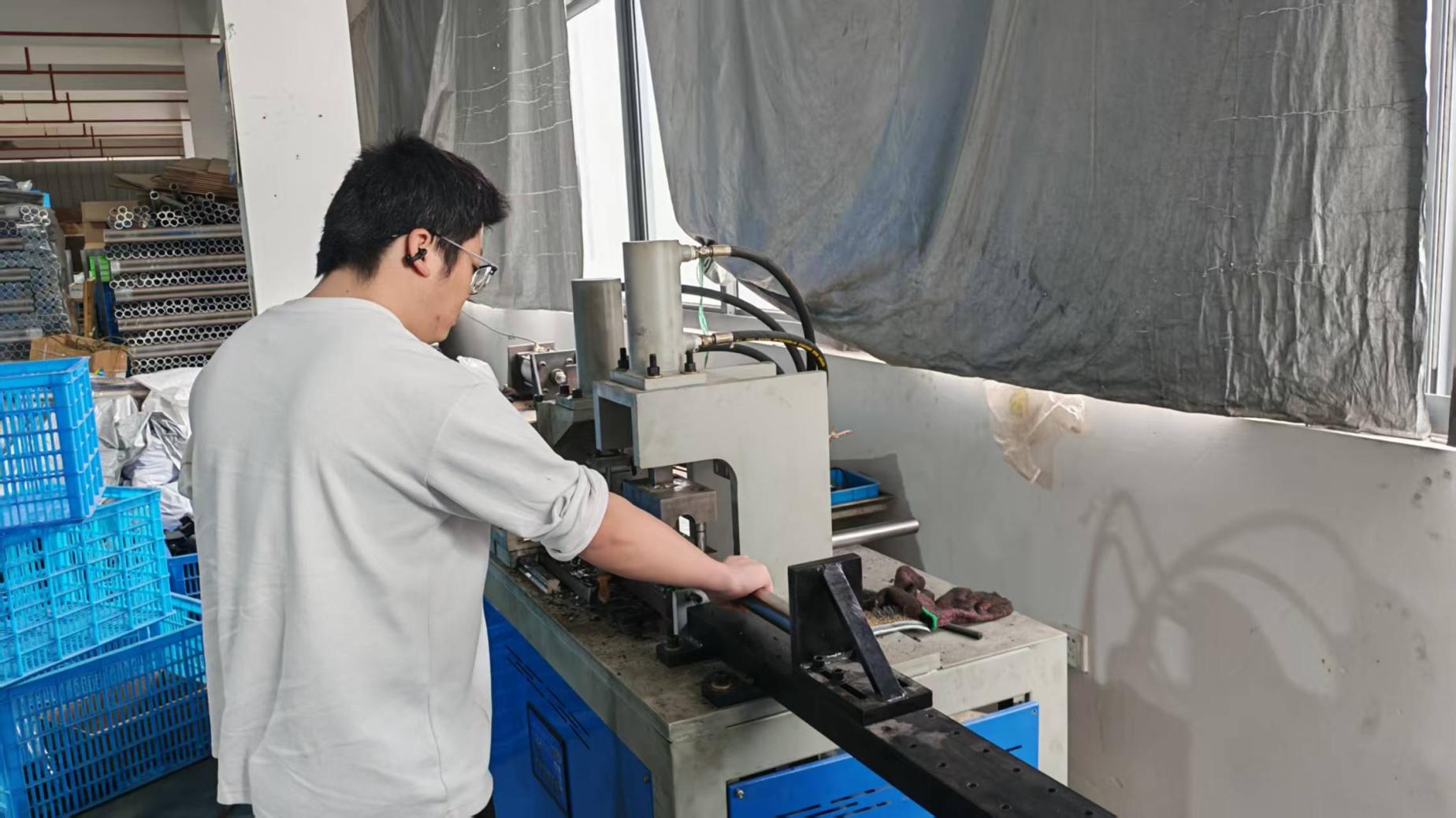 STEP 03
Precision reduction machines reform aluminum alloy and carbon steel tubular stock for bicycle kickstands, repair racks, and frame mounts while maintaining wall integrity.
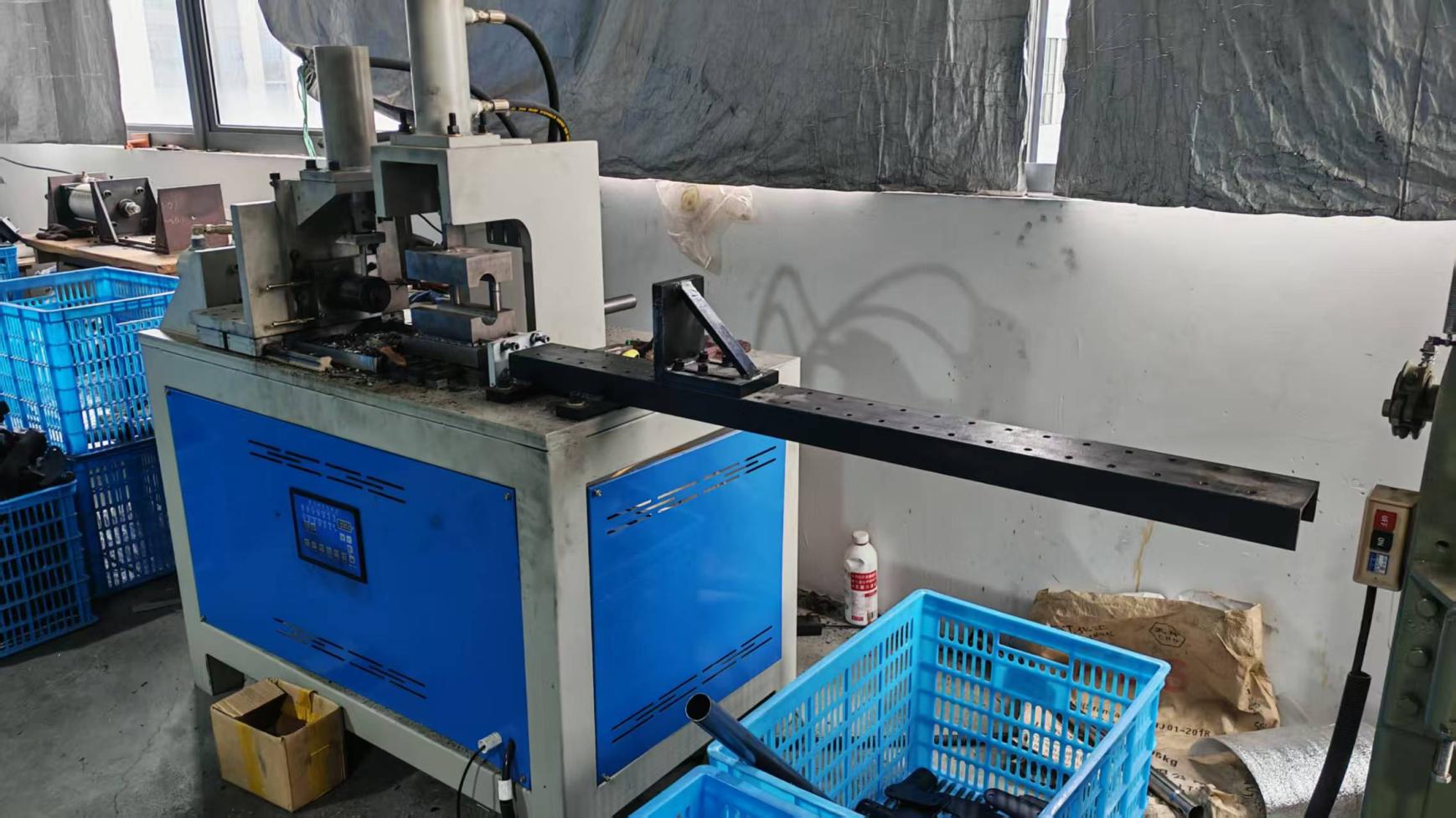 STEP 04
Dedicated constrictor machinery tapers and shapes metal tubing into specified conical diameters, providing high structural rigidity and consistent insertion fit for telescoping stands.
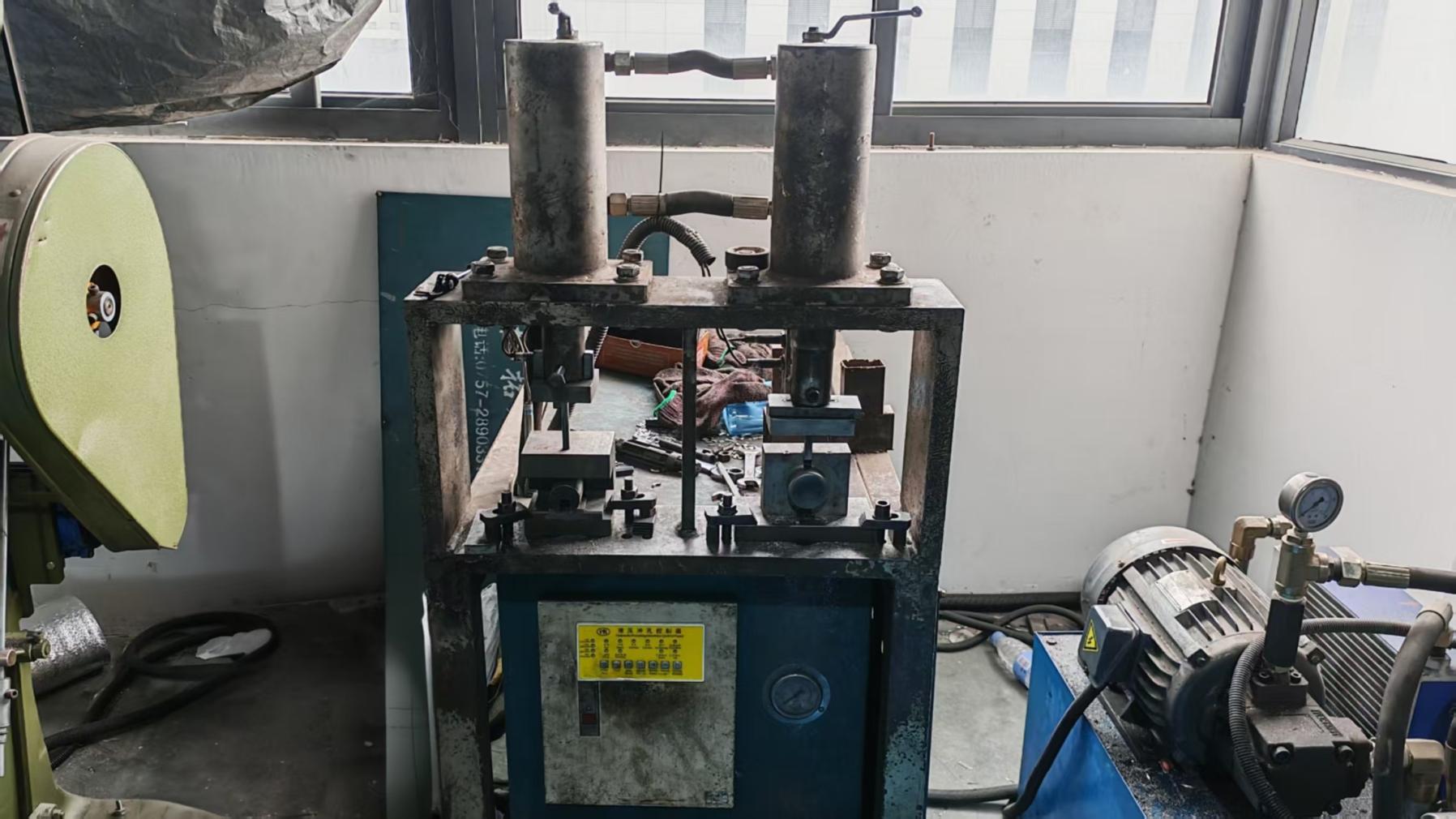 STEP 05
High-precision vertical drill presses bore mounting holes with micro-millimeter accuracy for hardware fasteners, quick-release clamps, and pivot pins.
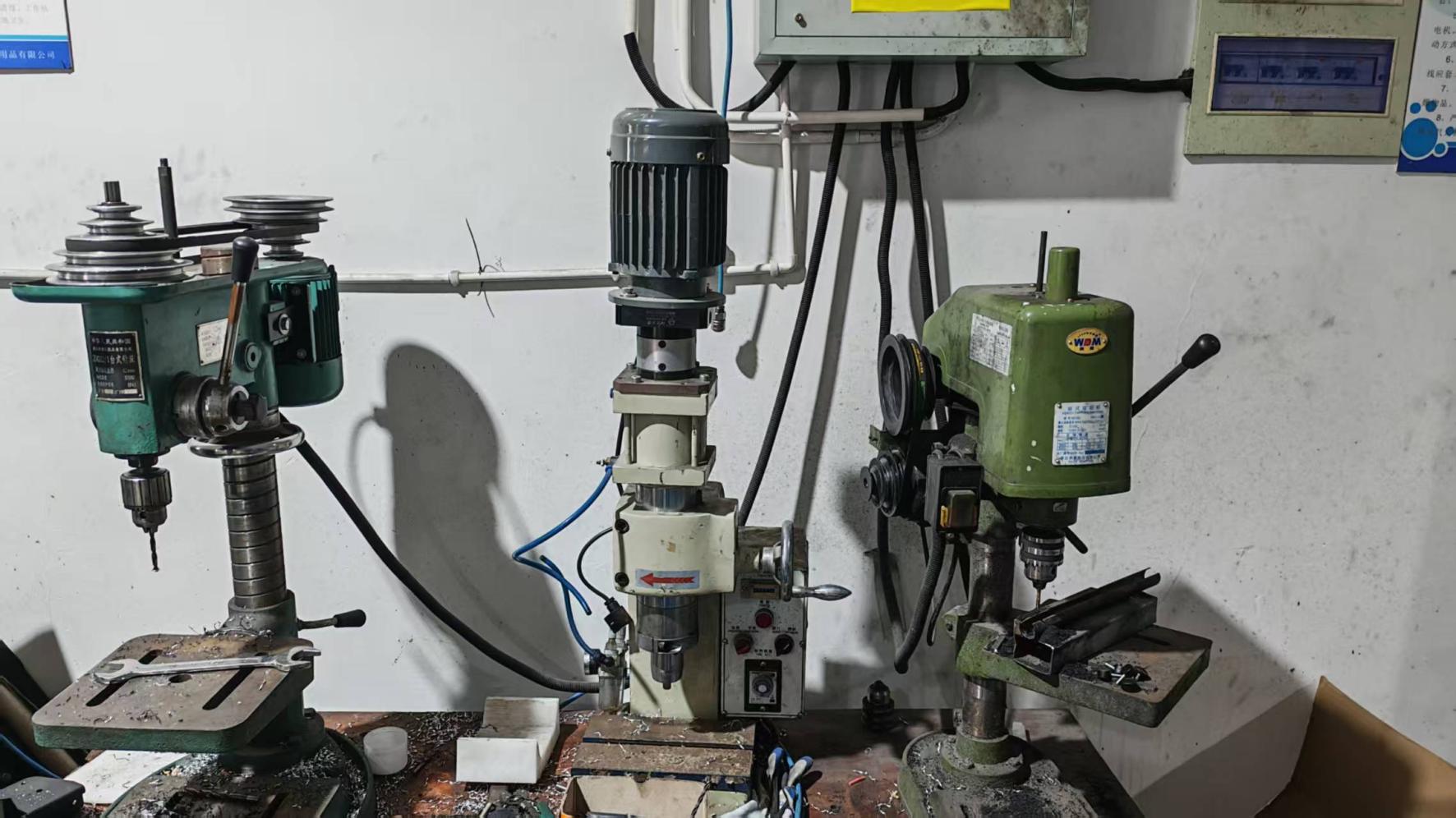 STEP 06
Secondary automated machining removes interior burrs, countersinks screw seats, and cuts threaded channels required for heavy-duty bicycle workshop stands and brackets.
STEP 07
Skilled welders and calibrated jigs ensure deep weld penetration, uniform fish-scale beads, and zero porosity, delivering maximum load-bearing endurance under extreme torque.
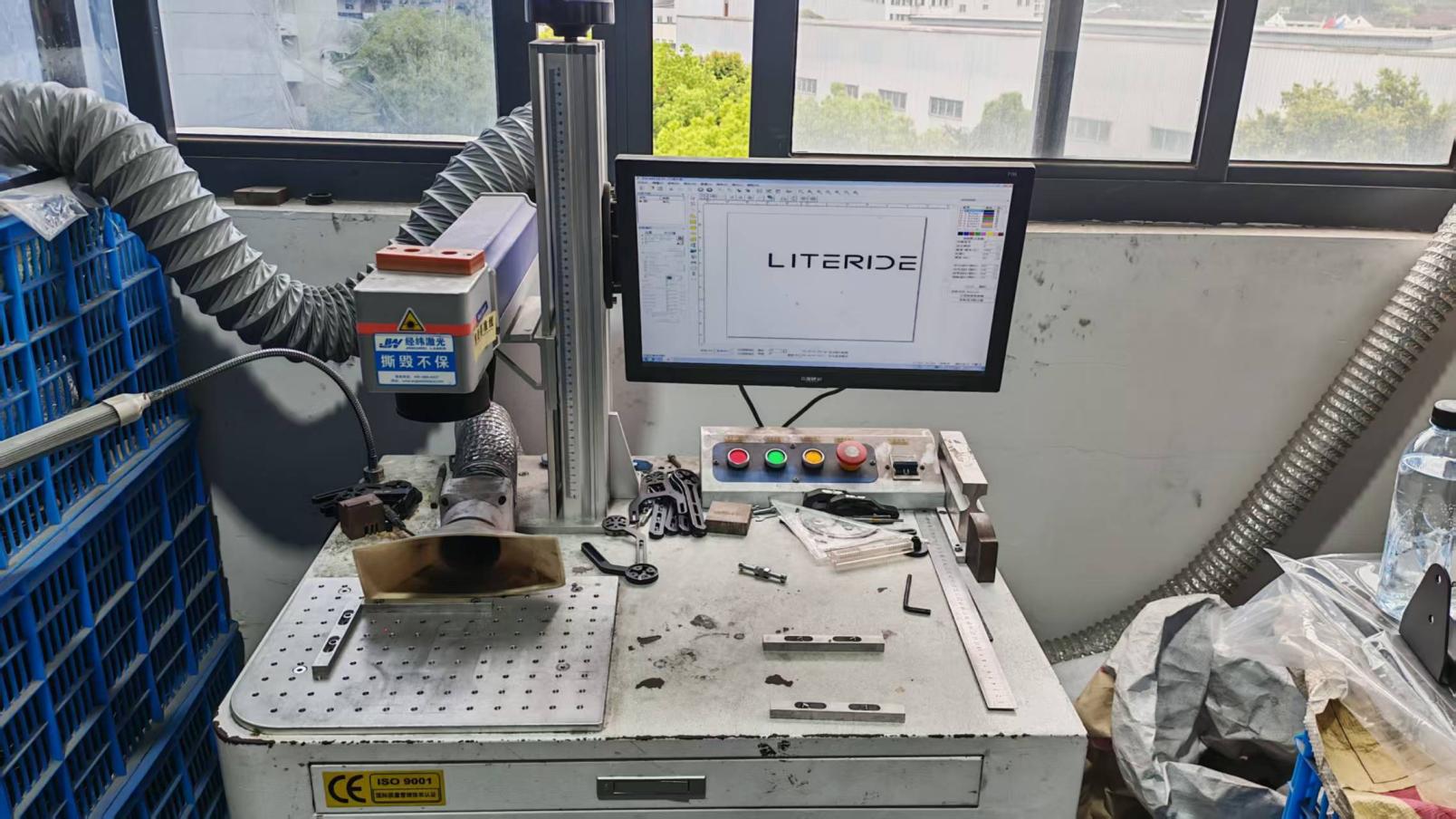 STEP 08
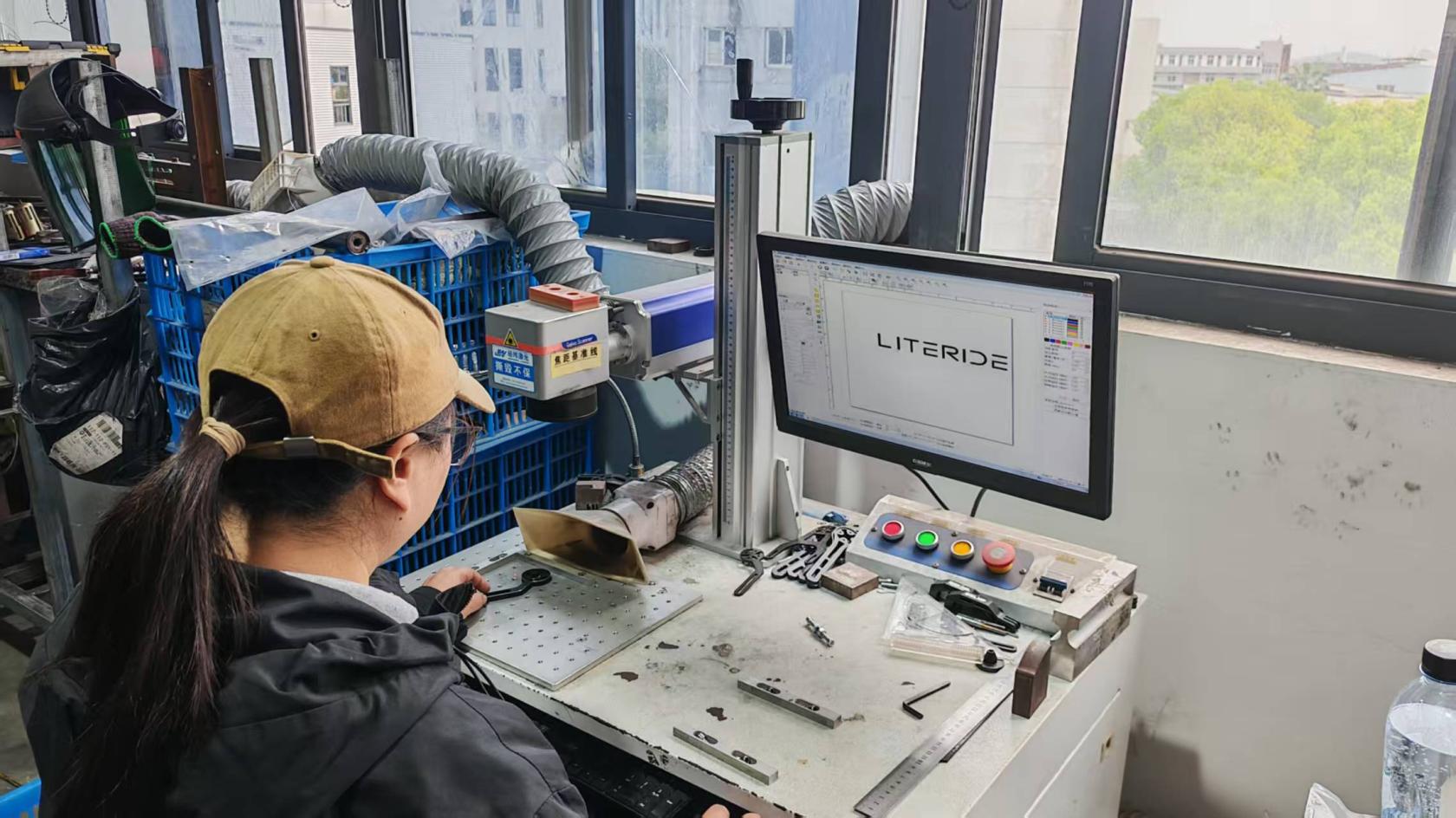
Computerized fiber laser marking units apply permanent logos, torque indicators, batch codes, and regulatory markings with sharp contrast that withstands UV and harsh weather.
 STEP 09
Real-time focal positioning ensures clean, abrasion-proof laser etching across curved anodized surfaces, pedals, lights, and aluminum clamping mechanisms.
 STEP 10
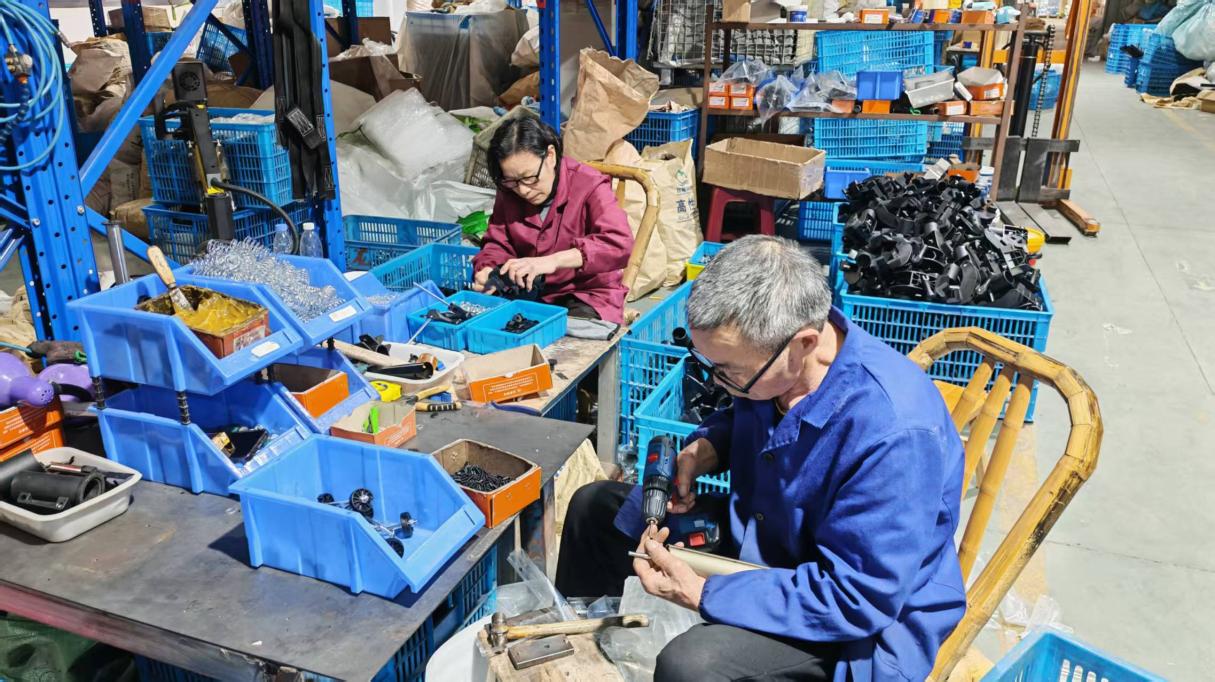
Trained line operators install bearings, internal springs, bushings, and electrical harnesses using torque-calibrated drivers to eliminate structural over-tightening or fatigue.
 STEP 11
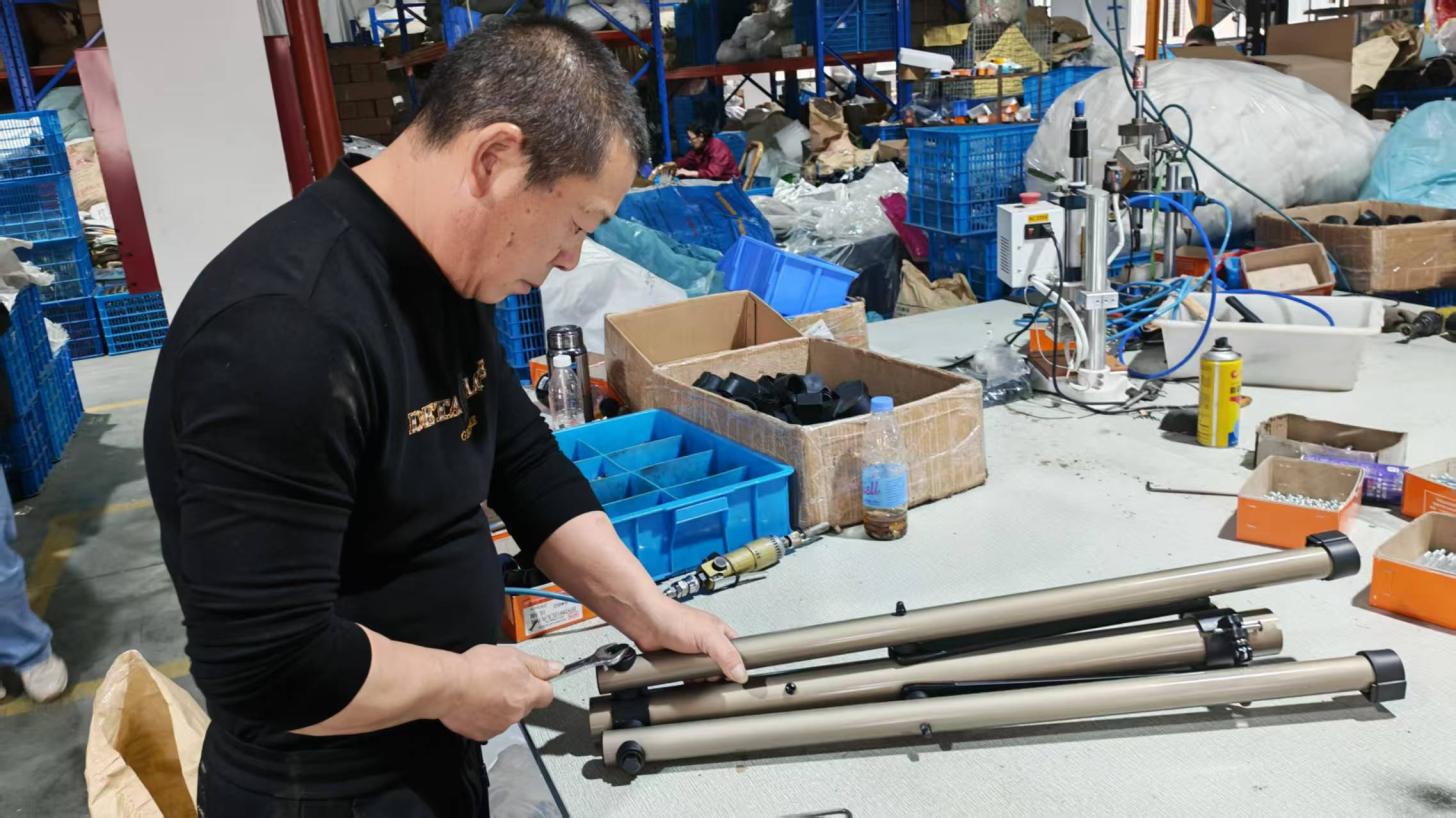
Integration of final hardware components, protective rubber liners, mounting brackets, and water-resistant seals across our bike tools, lights, and rack categories.
 STEP 12
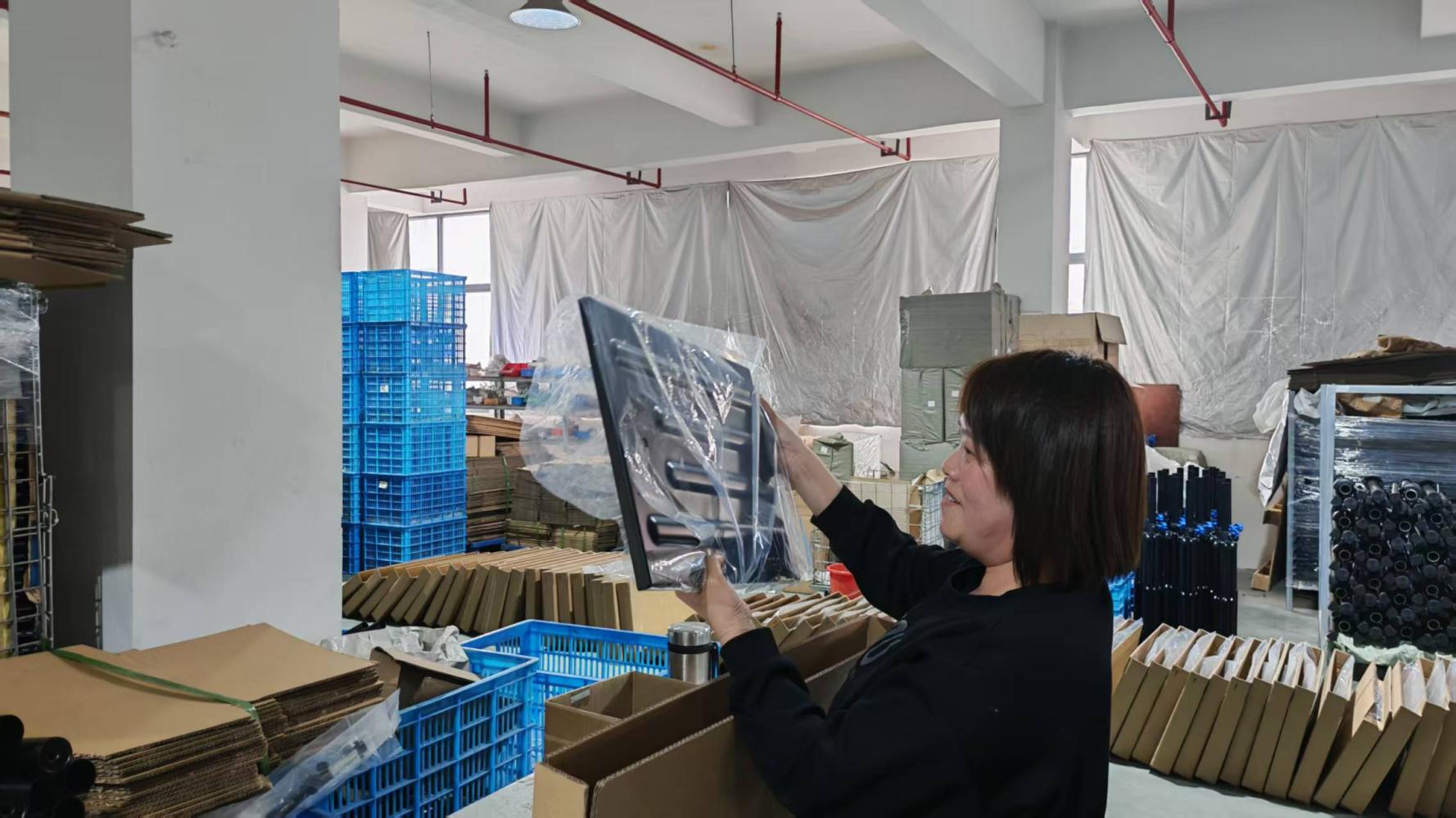
Intermediate inspection stations evaluate structural tolerance, clamp tension, pivot stability, and electronic circuit connectivity immediately following assembly.
 STEP 13
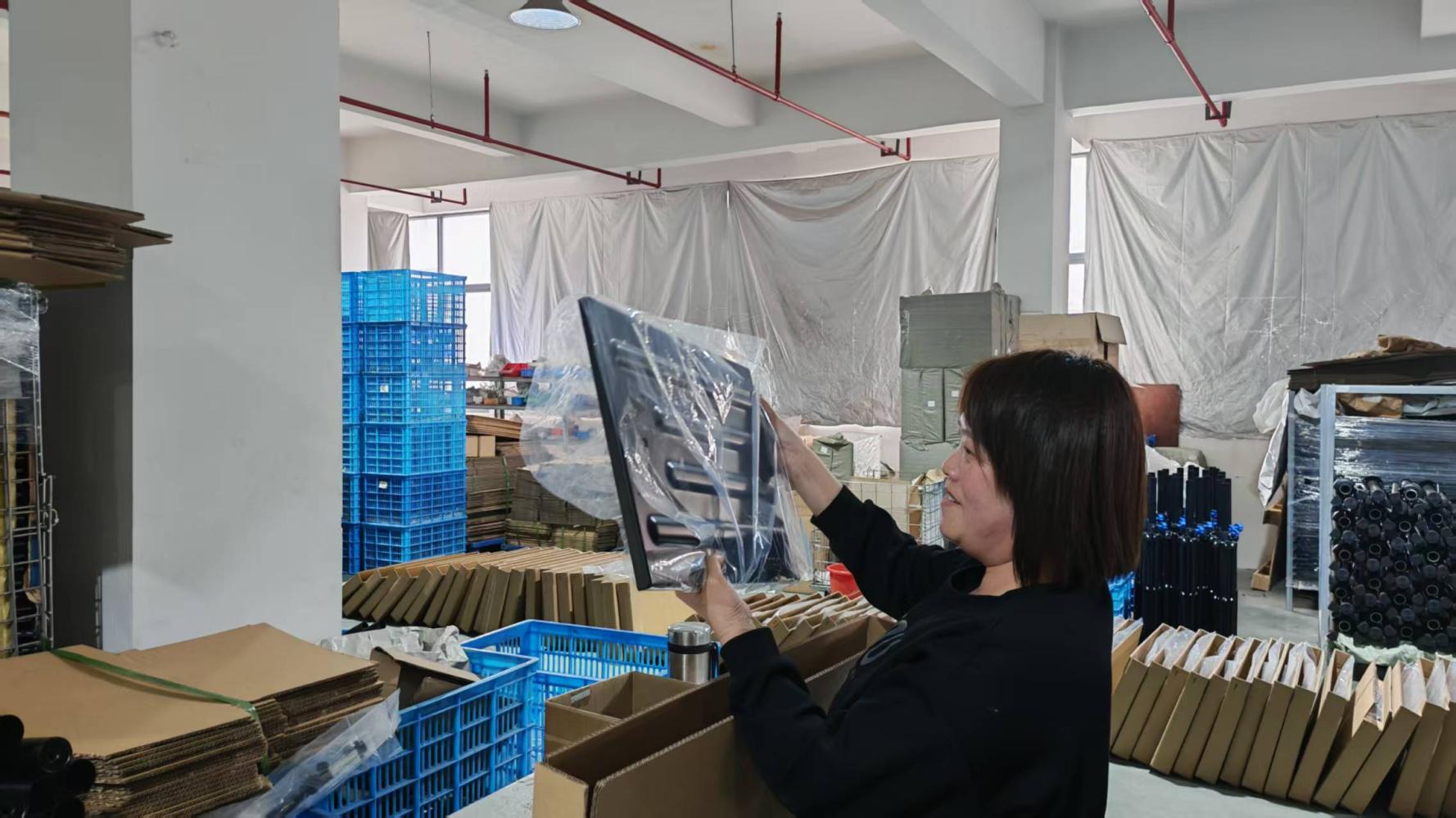
100% cosmetic check and sample functional load testing ensure every production batch aligns with international CE, RoHS, and buyer specification sheets before clearing.
 STEP 14
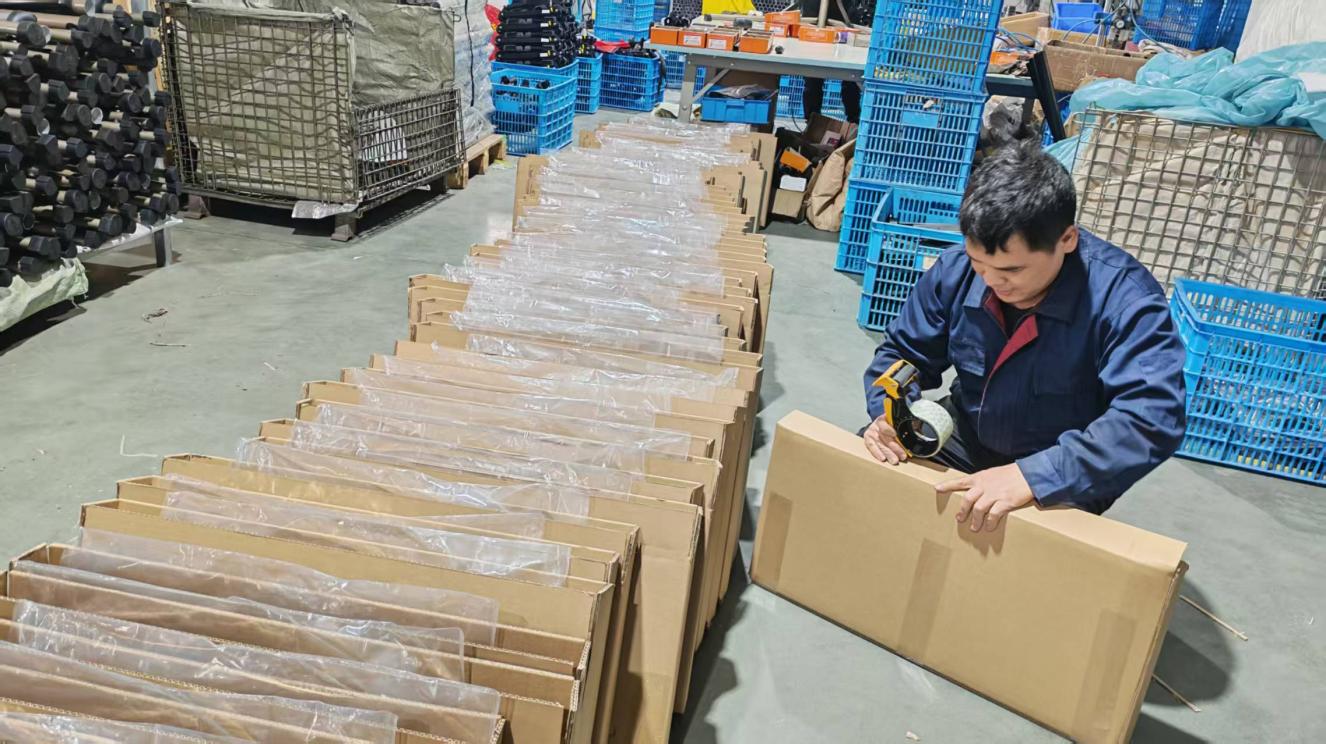
Products are carefully wrapped in moisture-resistant film and packed in multi-ply corrugated master cartons with customized barcodes, retail packaging, and drop-tested inserts.
Kenus Intelligent Technology Co., Ltd. implements comprehensive traceability, testing, and continuous process improvements for international importers and distributors.
Contact our engineering sales team to request verified technical drawings, production schedules, OEM customization guidelines, and our full 2026 cycling accessories collection.