TÜV Rheinland
Onsite Factory Verified
145g ± 5g
Ultralight Carbon Lattice Weight
#5 Global Rank
Bicycle Saddle Export Specialist
100% Recyclable
Elastomeric Polyurethane Matrix
Engineered Bicycle Hardware Portfolio
Explore our export-certified cycling accessories, manufactured under strict ISO guidelines and tailored for private label integration in Birkirkara and the Mediterranean region.
Industrial Overview: Additive Manufacturing Disrupting Bicycle Saddles
The cycling components sector is transitioning away from conventional cut-and-sew foam cushions toward digital photopolymerization and selective elastomeric lattice printing. Standard closed-cell EVA or PU foams deteriorate rapidly under cyclic load: within 3,000 to 5,000 kilometers of high-cadence pedaling, localized cell collapse leads to pelvic asymmetry, soft-tissue numbness, and diminished power transfer. In contrast, 3D printed carbon bicycle saddles utilize Liquid Interface Continuous Production (CLIP) and Digital Light Synthesis (DLS) to engineer variable-density zoned damping across a single seamless polymer matrix.
As a leading Chinese supplier ranked #5 globally in bicycle saddles, Kenus Intelligent Technology Co., Ltd. bridges advanced additive manufacturing with high-tensile 7x9mm carbon fiber oval rails. By eliminating adhesive-bound foam layers and toxic vinyl coverings, our 3D printed saddles deliver an anisotropic mechanical response: firm ischial tuberosity support zones for structural stability, compliant perineal cutaways to safeguard arterial blood flow, and progressive transitions that eliminate chafing during aggressive 80-100 RPM spins.
Zoned Honeycomb Lattice
Variable durometer gradients mapped specifically across sit-bone contact points, perineal channels, and inner thigh clearance zones.
High-Modulus Toray Carbon
Unidirectional carbon rails and compression-molded composite base plates ensuring rigid power output with minimal deflection under sprint loads.
Zero-Fatigue Resilience
Engineered polyurethane elastomeric resin retains 98.4% of its rebound elasticity after 150,000 standard dynamic test cycles.
Localized Application Scenarios: Birkirkara and the Central Maltese Topography
Located in the heart of Malta, Birkirkara serves as a critical junction connecting inland commerce with Valletta, Msida, and Mdina. Operating a performance road, gravel, or delivery bicycle across Birkirkara presents distinct geological, microclimatic, and infrastructure demands that traditional saddles fail to accommodate.
1. Mitigation of High-Frequency Vibrations on Historic Pavement: Navigating the aged urban arteries of Birkirkara—such as Triq il-Wied (Valley Road), the heritage roads framing St. Helen's Basilica, and nearby secondary connections—exposes cyclists to uneven Maltese limestone tiles, patched asphalt, and coarse aggregate. A standard rigid saddle sends constant micro-shocks straight into the rider’s lumbar spine. Our 3D printed elastomeric lattice functions as an array of microscopic mechanical dampers, dissipating high-frequency vibrations before they register as musculoskeletal strain.
2. Extreme UV Resistance and Maritime Salt Air Stability: Birkirkara endures intensely hot, arid Mediterranean summers characterized by unrelenting solar irradiance, ambient temperatures above 38°C, and marine air laden with coastal sodium chloride. Traditional leather and glued microfiber saddles rapidly de-bond, blister, and crack under this atmospheric barrage. Kenus 3D printed saddles are cured with industrial photopolymers resistant to broad-spectrum UV oxidation, unaffected by hyper-saline sweat saturation, and completely washable with direct water spray.
3. Thermal Breathability for High-Cadence Commuting: The stop-and-start traffic patterns typical of the Birkirkara bypass and central roundabouts demand constant positional adjustments. The open-cell, hex-pillar matrix permits unhindered airflow directly through the center cutaway, reducing seated skin temperatures by up to 2.8°C compared to conventional solid foam pads. This ventilation suppresses perspiration accumulation, virtually eliminating saddle sores on long weekend endurance rides heading toward Dingli Cliffs or the northern coast.
Birkirkara Cycling Market Trends: Micro-Mobility and Carbon Adoption
Malta's active mobility landscape is experiencing structural transformation under the National Active Transport Strategy. As private vehicle congestion throughout Birkirkara, Balzan, and Iklin reaches saturation, local commuters and municipal fleets are prioritizing high-efficiency pedal-assist bicycles, lightweight gravel rigs, and carbon road machines.
Local independent bike shops (IBS) and bike fitting studios around central Malta report an unprecedented surge in consumer demand for aftermarket ergonomic upgrades. Discerning Maltese riders who participate in the Malta Cycling Federation road races, triathlon events at Salina Coast Road, and cross-island endurance sportives no longer view a saddle as a simple resting platform; they identify it as the fundamental power-transfer biomechanical interface. For Maltese importers and retail brands, offering private-label 3D printed carbon saddles captures this high-margin, premium-tier customer segment searching for bespoke comfort without traditional 300-gram weight penalties.
TÜV Rheinland Assessed Manufacturing & Engineering Pedigree
Kenus Intelligent Technology Co., Ltd. operates a high-precision manufacturing and assembly facility in Jinhua, Zhejiang—the epicenter of technical bicycle engineering. Our company premises, production workflows, and internal Quality Assurance / Quality Control capabilities are verified onsite by TÜV Rheinland, guaranteeing international compliance and trade transparency.
Unlike simple traders, our integrated facility handles advanced tube reduction, automated constriction, argon arc and TIG welding, CNC machine shaping, precise laser etching, and multi-stage automated assembly. For our 3D printed saddle range, in-house rapid additive prototyping allows brand partners in Birkirkara to iterate structural geometries, rail clamp offsets, and custom logo accents in low volumes prior to full production runs.
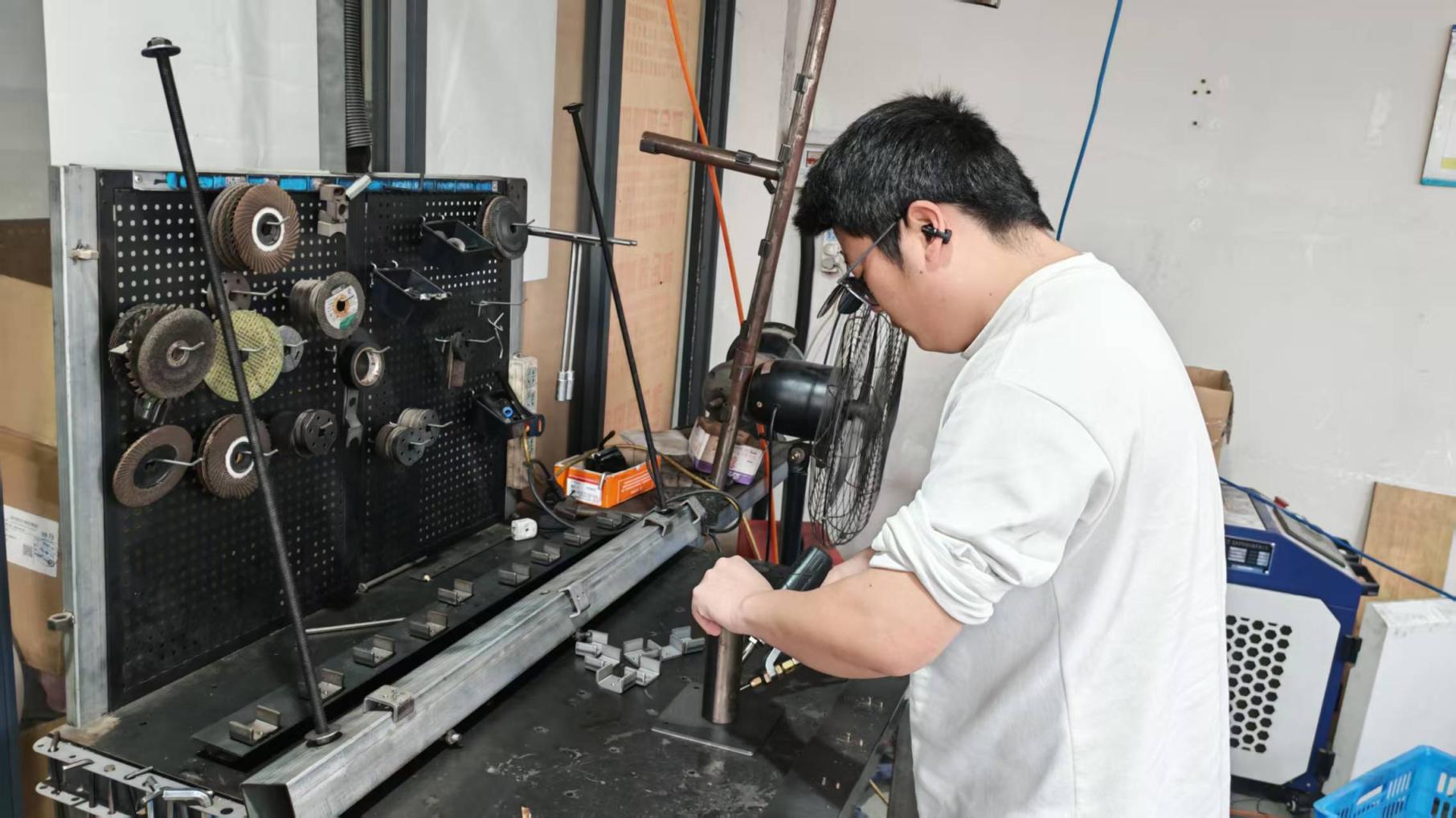 In-House Metal Forming & Welding
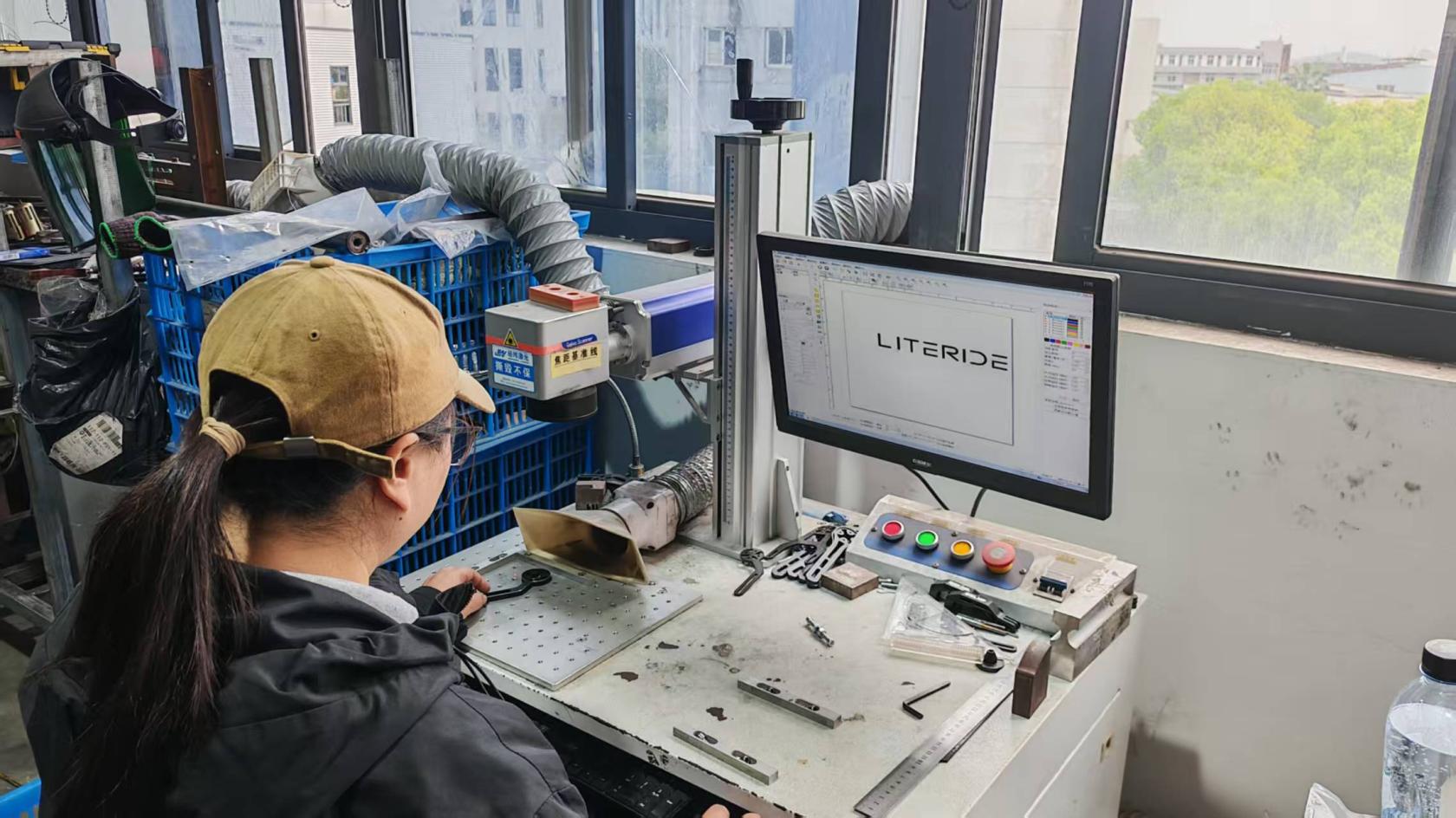 Precision Laser Branding
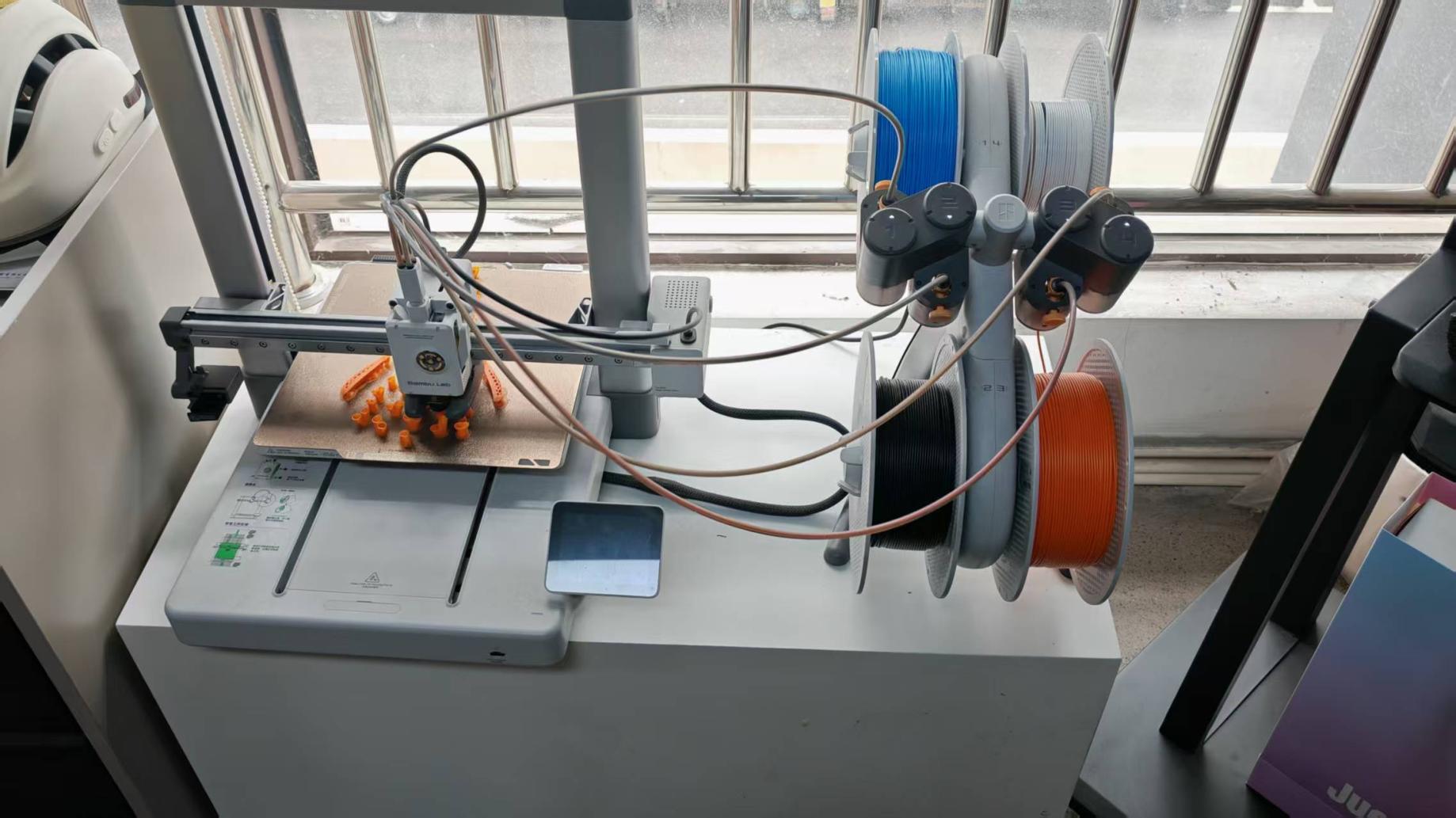 Additive 3D Prototyping
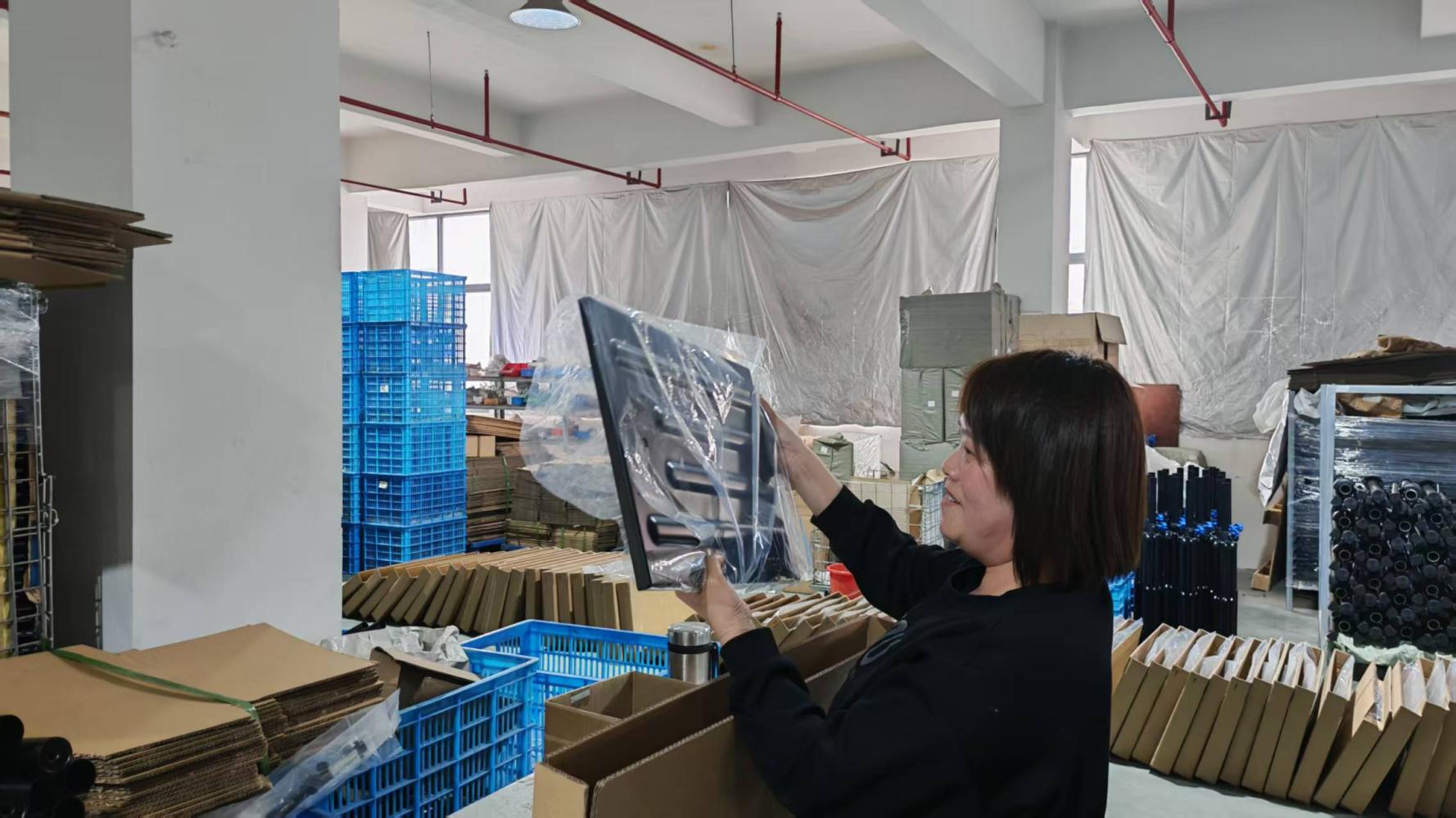 100% In-Line QA/QC Inspection
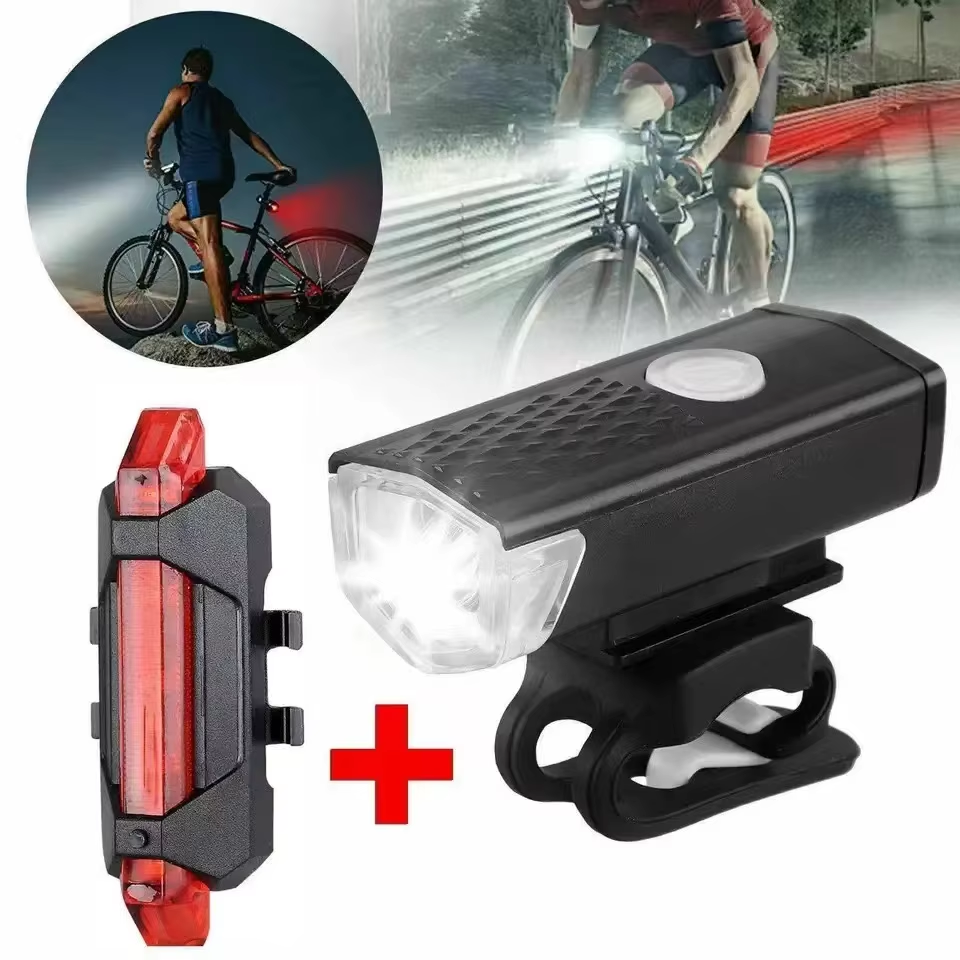
Every lighting system accompanying our core accessory line carries verified European Union documentation including CE (No. SIT230614230201E), RoHS (No. SIT240417230101R), Japanese PSE (No. SIT240226230301P), and EMC compliance (No. SIT250212230201ER), ensuring seamless customs clearance at Malta Freeport and full conformity with EU consumer safety regulations.
Frequently Asked Questions: Sourcing & Logistics for Malta Buyers
How do 3D printed saddles endure the summer heat and intense humidity of Birkirkara?
Our saddles utilize photopolymerized elastomeric polyurethane (EPU), engineered to remain chemically inert and mechanically stable across an operating temperature range of -20°C to 75°C. Exposure to direct Mediterranean sunlight, 90%+ summer humidity, and marine salt air causes zero structural degradation, color fading, or brittle failure.
What are the seatpost clamp compatibility specs for the carbon rails?
The saddle features standard 7x9mm ovalized carbon rails. They fit all standard side-clamp and over-under seatpost heads designed for carbon-railed components. Round 7x7mm rail options in hollow titanium or chromium-molybdenum steel are also manufactured for urban commuter fleets requiring universal clamp compatibility.
What are the Minimum Order Quantities (MOQ) and lead times for shipping to Malta?
For standard non-branded sampling and evaluation orders, we support dispatch from 2 units. Custom private-label runs—including bespoke lattice firmness profiles, bottom shell colorways, and laser-etched brand badges—typically begin at 50 to 100 units. Consolidated sea freight to Marsaxlokk / Malta Freeport requires 28–35 days, while expedited DHL/FedEx air freight reaches Birkirkara within 4–7 business days.
How can cycling brands and dealers in Birkirkara verify Kenus factory authenticity?
Kenus is an assessed custom manufacturer audited onsite by TÜV Rheinland. Importers can inspect our official inspection certificate, verify our video walk-through, examine high-resolution panoramic workshop captures, or request verified credential copies directly through our representative portal.
Ready to Scale Your Bicycle Component Line in Malta?
Partner directly with a verified Tier-1 Chinese manufacturer. Request our comprehensive OEM/ODM 3D printed carbon saddle technical dossier, physical stress-test data sheets, and competitive wholesale pricing today.
Get Catalog