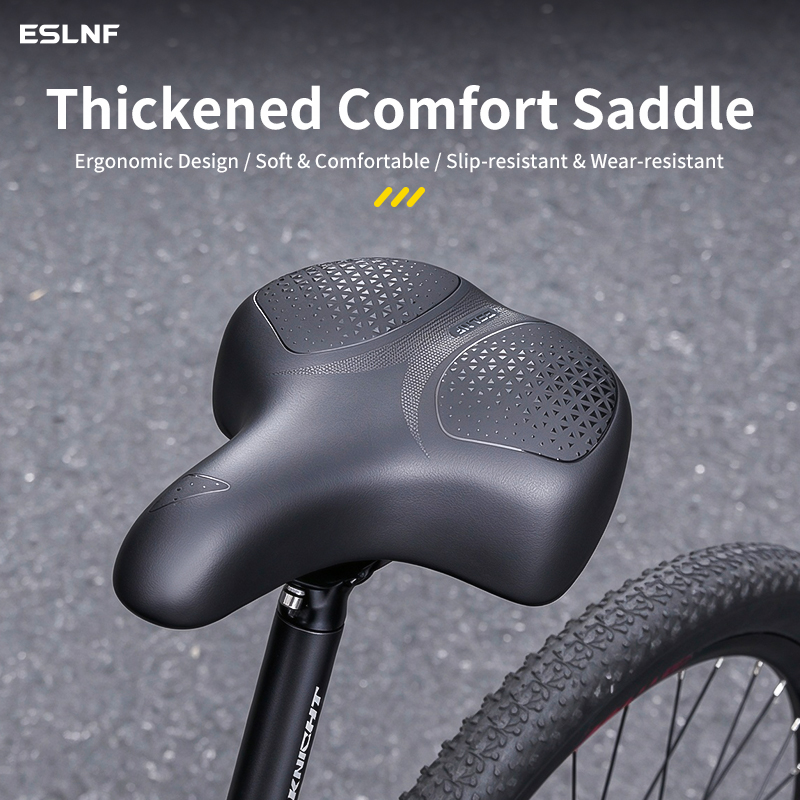
Featured Component Solutions
Precision Cycling Components & Integrated Cockpit Systems
Direct-from-factory assemblies calibrated for European touring, high-gradient mountain terrains, and high-frequency urban commuting across Southeastern Europe.
200,000+
Monthly Saddle Capacity
ISO 4210
Full European Safety Standard
TÜV Assessed
Onsite Verified Production Lines
100% REACH
SVHC Free Non-Toxic Polymers
Strategic Market Dynamics
Bulgaria as a European Bicycle Assembly Hub & The OEM Saddle Sourcing Matrix
Bulgaria has emerged as one of the European Union's premier bicycle manufacturing centers, driven by major industrial clusters in Plovdiv, Sofia, and Lovech. With leading European brands consolidating final assembly inside the EU single market to avoid trade friction, dependable B2B component partners providing reliable OEM saddles, lighting systems, and cockpits are essential.
Supply Chain Realignment & Near-Shoring
Bulgarian assemblers supply demanding German, Austrian, French, and Scandinavian markets. Factory-direct procurement from our Zhejiang facility guarantees consistent production batches, dimensional interchangeability, and unified packaging that meshes smoothly with just-in-time assembly schedules in Plovdiv and Sofia industrial zones.
- EU Rules of Origin
- TARIC 8714950000
- Cross-Docking Logistics
Strict EU Chemical & Mechanical Directives
Selling bicycles across the EU requires strict adherence to REACH Regulation (EC) No 1907/2006 regarding phthalates (DEHP, DBP, BBP, DIBP) and short-chain chlorinated paraffins in PU leather covers and internal foams. Every saddle model undergoes third-party lab assaying to secure smooth customs passage through the Port of Varna and Sofia Airport.
- Zero Phthalates
- PAHs Compliance
- RoHS Tested
The E-Bike Architecture Paradigm
With Bulgaria rapidly growing into an e-bike export powerhouse, saddles require higher rail tensile strength to withstand increased vehicle weight and motor torque. Our e-bike-specific designs feature reinforced Cr-Mo steel rails, integrated rear lift handles, and optimized pelvic incline geometry that assists riders under pedal-assist power surges.
- Heavy-Duty Rails
- Torque Assist Geometry
- Integrated Grab Bar
R&D White Paper
Biomechanics, Material Science & Structural Integrity
A thorough breakdown of anatomical pressure relief, polymer viscoelasticity, and robotic stress-cycle validation tailored for commercial bicycle manufacturers.
Viscoelastic PU & Dual-Density Memory Foam
Our padding cores use vacuum-molded polyurethane foam formulated to a calibrated density of 55 to 68 kg/m³. This prevents bottoming out over cobblestones and rutted trail sections while preserving localized memory characteristics to cushion the ischial tuberosities without obstructing nerve pathways.
- Closed-Cell Damping
- Hydrophobic Barrier
- Zero Sagging Ratio
Perineal Channel & Ischial Decompression Zone
Longitudinal cut-outs and central ergonomic depressions eliminate direct pressure on the pudendal artery and dorsal nerve. Finite Element Analysis (FEA) guides shell flex characteristics, balancing lateral pelvic stabilization during pedaling downstrokes with deep soft-tissue relief.
- FEA Optimized Flex
- Central Air Ventilation
- Prostate Protection
Metallurgical Rail Damping & Polymer Bases
Base plates are molded using high-rigidity nylon composite reinforced with 15% to 30% short glass fibers to prevent long-term deflection. Rails are constructed from 7mm cold-drawn Cr-Mo alloy or hardened tubular steel, electrophoretically coated or chrome-plated to exceed 72-hour salt-spray standards.
- ASTM B117 Salt Spray
- Cr-Mo Heat-Treated
- PA66-GF30 Composite
| Performance Characteristic | Commercial Grade (Kenus Standard) | Generic Commodity Saddles | Bulgarian Regulatory Target |
|---|---|---|---|
| Shell Dynamic Fatigue Test | 200,000 cycles @ 1,000 N | 50,000 to 80,000 cycles | EN ISO 4210-9 (100,000 cycles) |
| Rail Static Yield Point | > 2,800 N (Cr-Mo Matrix) | 1,200 to 1,500 N (Low Carbon) | 1,800 N Safety Threshold |
| Cover Abrasion Resistance | 50,000 Martindale Rubs | 10,000 to 15,000 Rubs | BS EN ISO 12947-2 Compliant |
| Cold Flexibility Limit | -25°C Without Microcracking | -5°C (Prone to brittle failure) | Balkan Winter Mountain Standard |
| Chemical Safety & Heavy Metals | SVHC Free, REACH Compliant | Often uncertified, unregulated | EU Regulation (EC) 1907/2006 |
Local Ecosystems & Geography
Bulgarian Riding Terrains & Targeted OEM Application Scenarios
Bulgaria features diverse microclimates and geographies, ranging from rugged Balkan alpine passes to vibrant urban commuting corridors along the Danube and Black Sea coast.
Alpine Mountain Biking & Enduro
Steep climbs, exposed granite roots, and technical rock gardens require reinforced abrasion bumpers on saddle flanks, flexible base perimeters to absorb chatter, and water-repellent micro-grain PU covers that clean easily after mud immersion.
Urban Micro-Mobility & Shared Fleets
Everyday commuting over cobblestones, tram rails, and asphalt requires wide posterior support, integrated elastomeric suspension springs, and weatherproof vacuum-molded seam bonding that resists moisture infiltration during winter rains.
Long-Distance Bikepacking & Touring
Multi-day journeys crossing Northern Bulgaria demand anatomical pressure mapping, progressive density gel layers, and ventilated cutout channels to reduce perineal numbness during 6- to 8-hour consecutive daily riding sessions.
Trek & SUV E-Bike Integration
Bulgarian export assemblers building mid-drive and hub-motor e-bikes need broad platforms with ergonomic front nose drops for intuitive mounting, plus rear-molded grab zones to maneuver heavy battery-equipped frames.
Industry Forecast 2025–2030
Emerging Technologies Shaping the Southeastern European Cycling Market
How digital additive manufacturing, localized sustainability legislation, and the surge in electric assisted transport are redefining saddle and component specifications.
3D Printed Liquid Polymer Lattice Saddles
Additive manufacturing using continuous liquid interface production allows zone-specific cushioning characteristics across a single lattice structure. We provide Tier-1 Bulgarian brands with lightweight 3D-printed carbon rails and honeycomb bodies that outperform traditional foam in weight, ventilation, and targeted rebound damping.
Circular Economy & Recyclable TPU Monomaterials
The EU's Ecodesign for Sustainable Products Regulation (ESPR) is pushing brands toward mono-material saddle construction. Our engineering team is leading the transition by bonding expanded TPU foam directly to recyclable polypropylene shells, removing toxic adhesives and streamlining end-of-life material recycling.
Smart Sensor & Active Safety Modularization
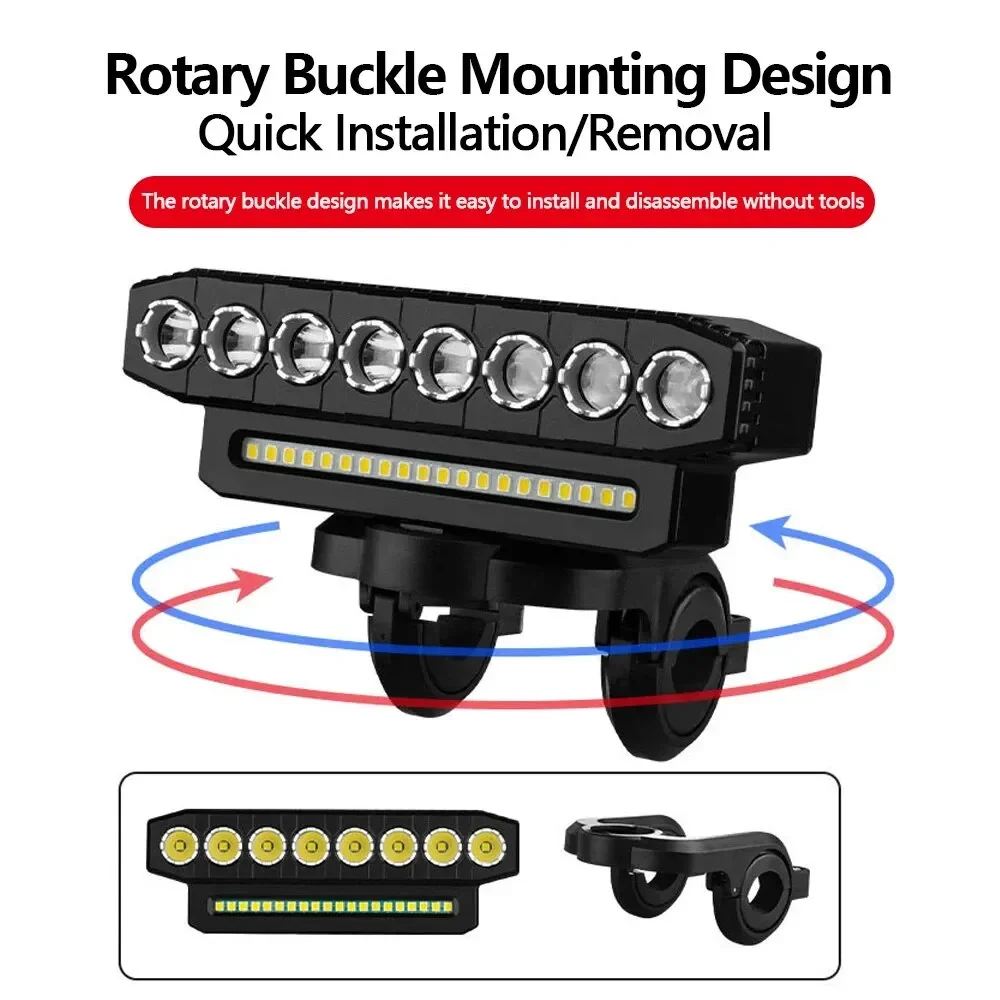
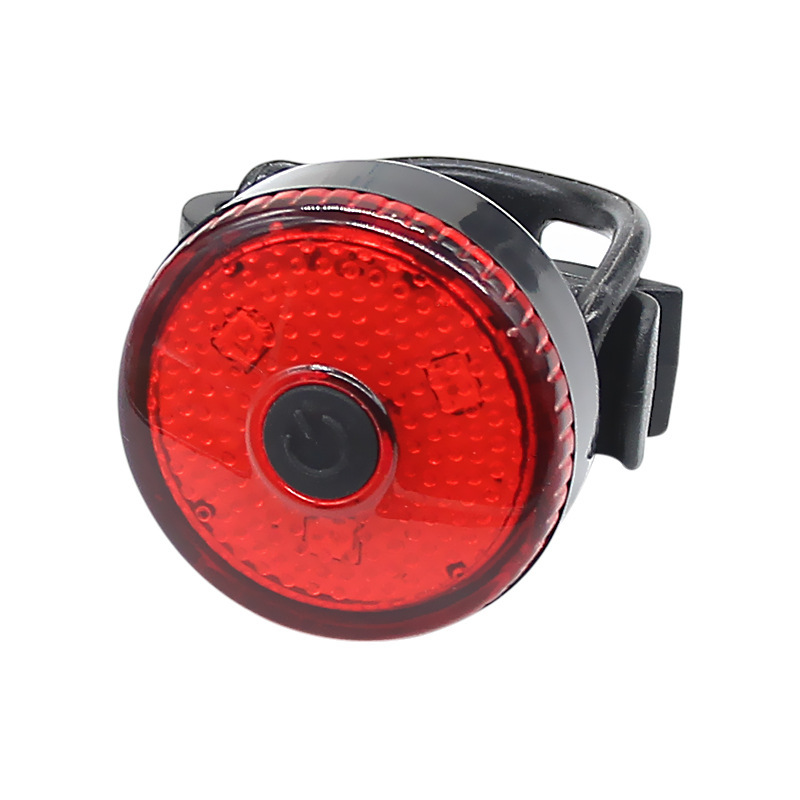
With nighttime road regulations tightening across Europe, we manufacture saddles with integrated quick-mount interfaces for rechargeable high-lumen tail lights, radar sensors, and under-saddle anti-theft tracking capsules—transforming the saddle into a multi-functional cockpit component.
Production Infrastructure & Trust
Kenus Intelligent Technology: World-Class Manufacturing Strength
Centrally located in Jinhua, Zhejiang—the heart of China's bicycle components industrial base—our facilities integrate rapid prototyping, tube processing, precision molding, and multi-tier quality control.
#2 Rank
Global Pedal Exporter Volume
#5 Rank
Saddle Export Manufacturing
4.7 / 5.0
Verified International Rating
100% In-House
Tooling & Mold Development
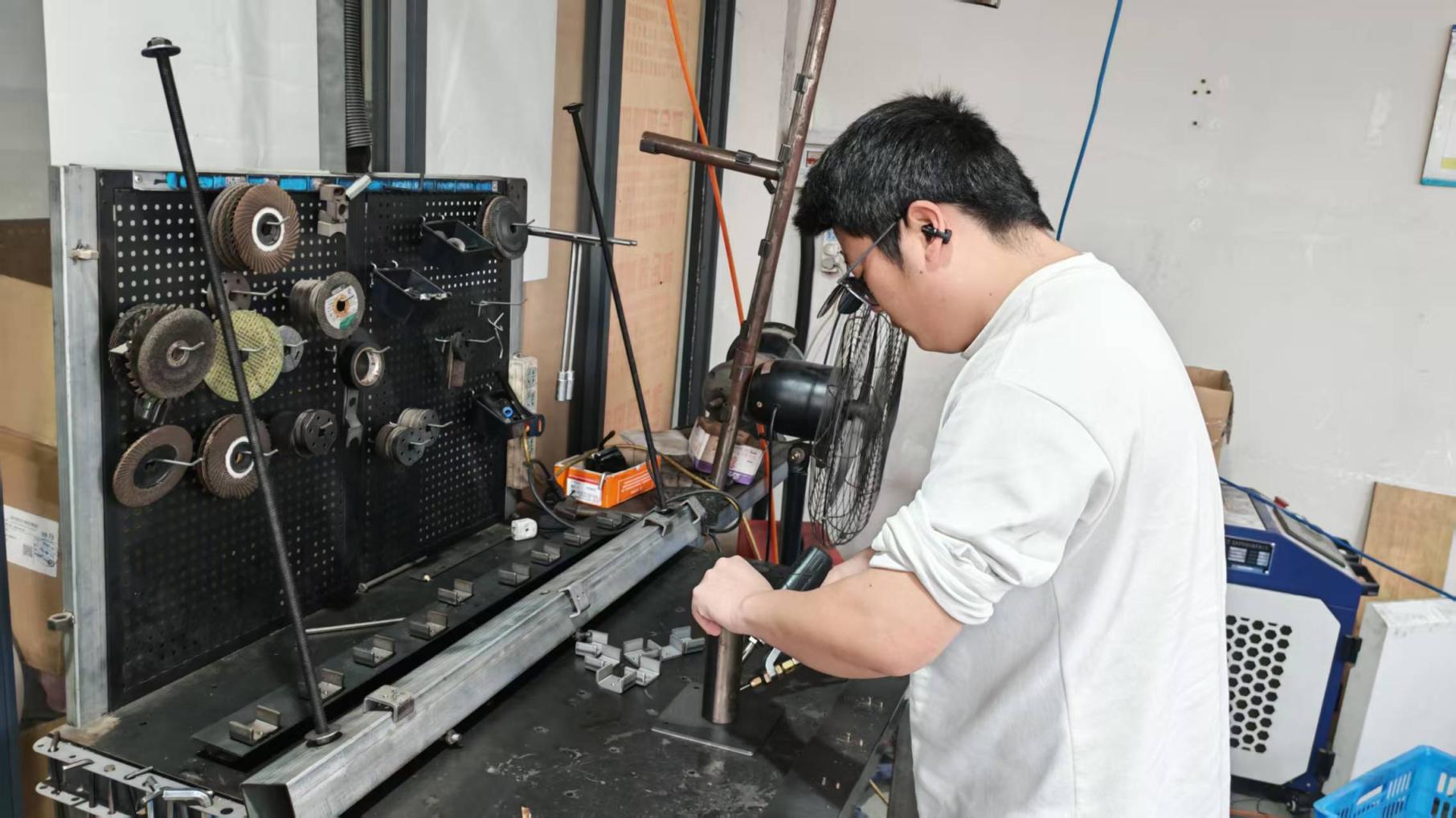
Precision Metal Welding Station
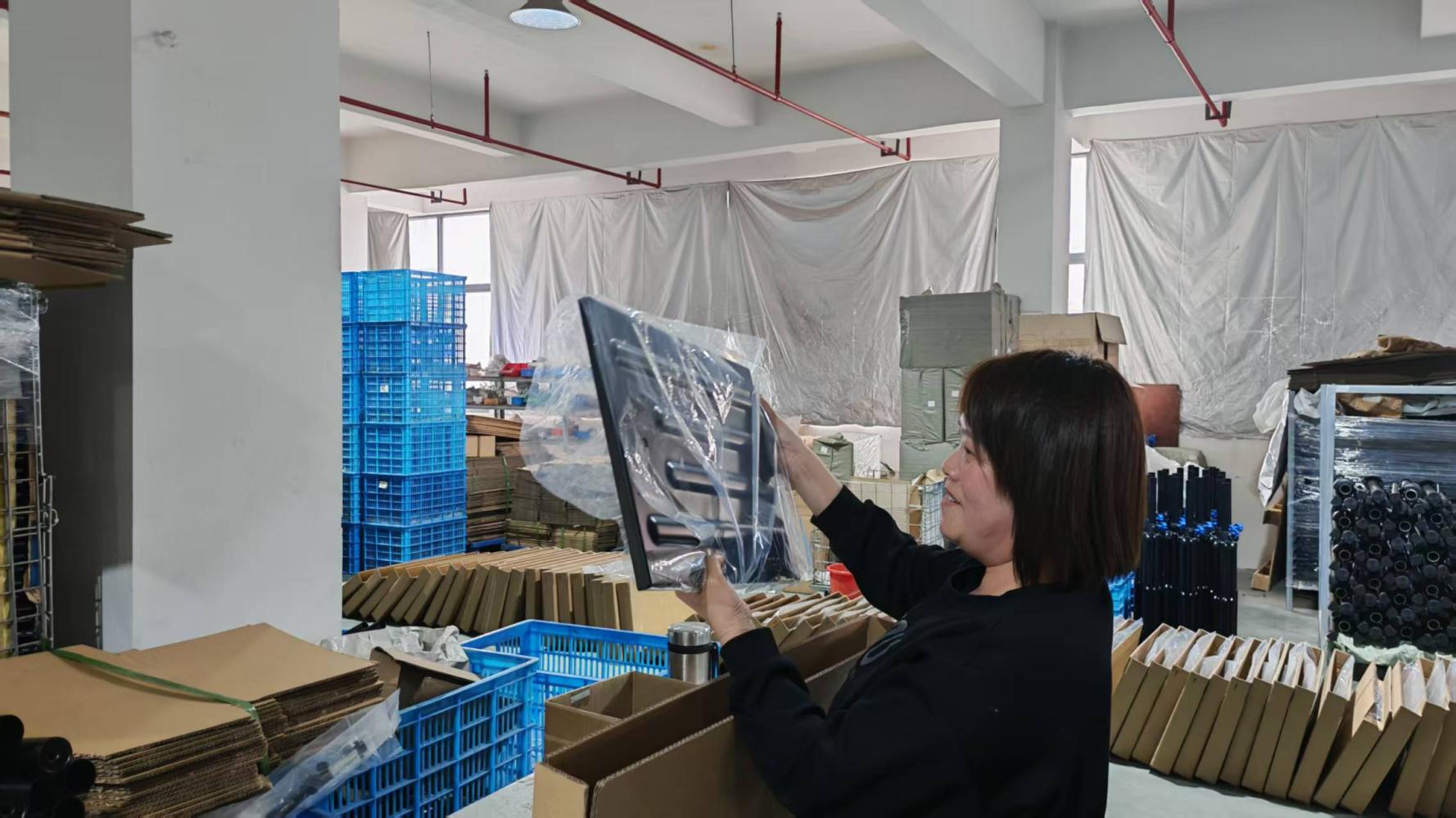
In-Line Optical & Stress Inspection
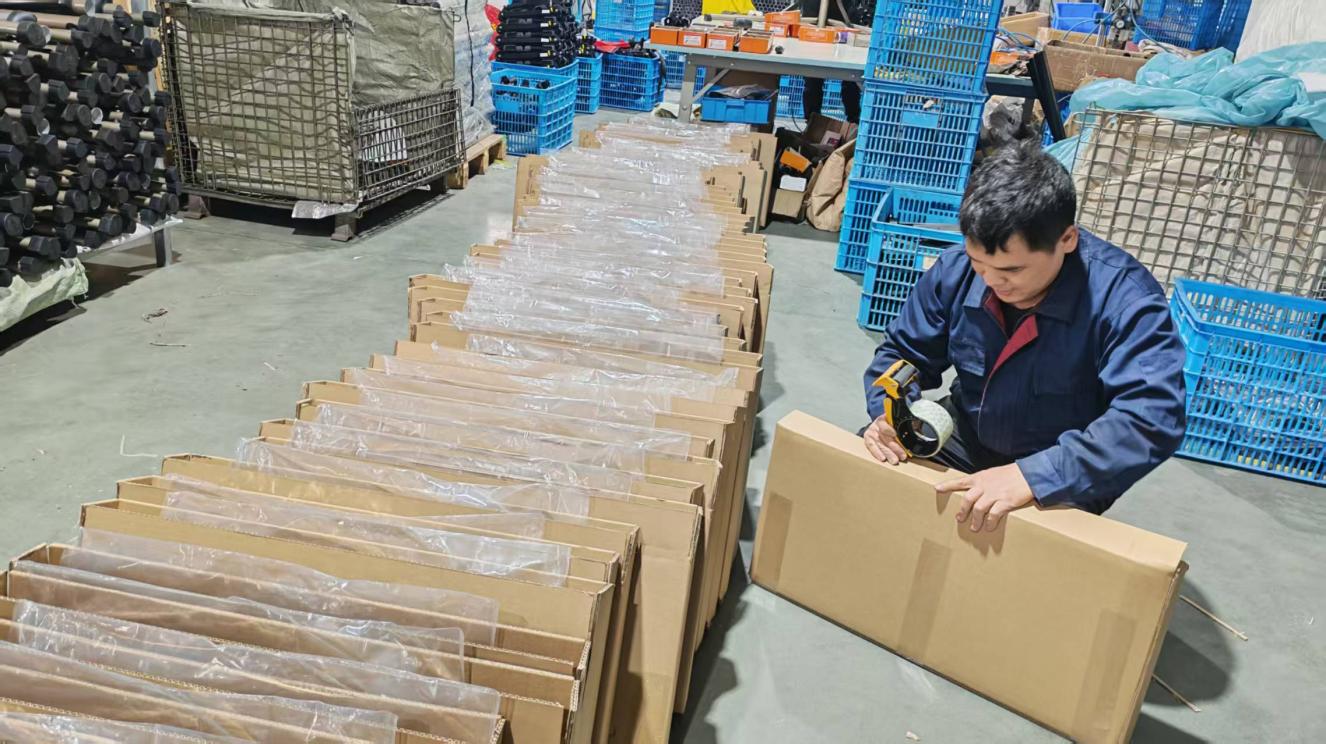
Automated Palletization & Export Packaging
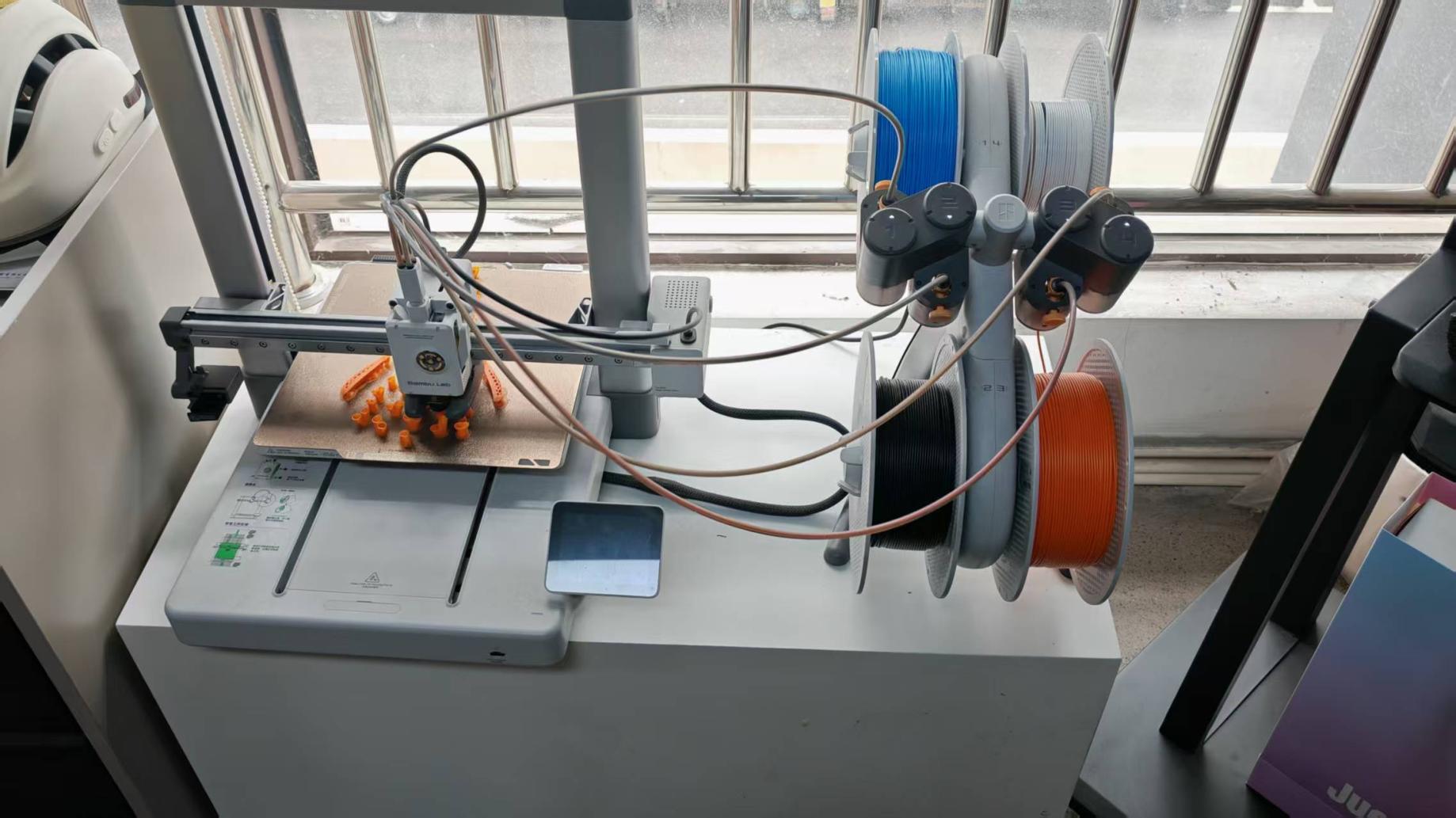
Rapid Prototyping & Industrial 3D Printing
Audited Compliance & International Testing Credentials
Kenus Intelligent Technology Co., Ltd. is evaluated and verified onsite by TÜV Rheinland, providing global supply chain managers with complete visibility over production capacity, quality assurance pipelines, and trade reliability. Our cycling equipment is documented with official test reports, including CE Certification (No. SIT230614230201E), RoHS Multi-Purpose Directives (Nos. SIT240417230101R and SIT24041230101R), Japanese METI PSE (No. SIT240226230301P), and EMC Electromagnetic Compatibility (No. SIT250212230201ER).
✓ Factory Assessment Video Available
✓ Custom OEM Mold Tooling from CAD/STP
✓ Low MOQ Trial Runs (2 pcs for Ready-to-Ship)
✓ Direct Logistics to Varna & Burgas
Procurement Knowledge Base
Frequently Asked Questions by Bulgarian Importers & Assemblers
Addressing essential customs regulations, packaging configurations, lead times, and private-label customization options for buyers across Bulgaria.
FAQ What are your minimum order quantities for custom OEM branded bicycle saddles?
For custom silk-screened logos, high-frequency embossing, or custom under-rail colorways on existing shell designs, our minimum order quantity starts at 300 pieces. For fully customized shell molds (requiring dedicated injection tooling), the baseline run is 1,000 to 2,000 units, with initial prototypes delivered in 7 days via in-house 3D printing.
FAQ How do your saddles satisfy EU safety standards and EN ISO 4210 certifications?
Every saddle model designed for road, trekking, or mountain bikes is built and tested to meet EN ISO 4210-9 safety parameters. We test for rail static loading, shell dynamic fatigue (100,000 to 200,000 cycles at calibrated force vectors), and cold impact resistance down to -20°C, providing official documentation for your technical audit files.
FAQ What shipping routes and shipping options are available to Sofia, Plovdiv, and Varna?
We provide full container load (FCL) and less than container load (LCL) ocean freight directly to the Port of Varna and Port of Burgas. For urgent assembly replenishment, consolidated air cargo operates directly to Sofia International Airport (SOF), with express door-to-door courier services for pre-production samples and urgent components.
FAQ Can we order mixed containers across saddles, lights, tools, and bags?
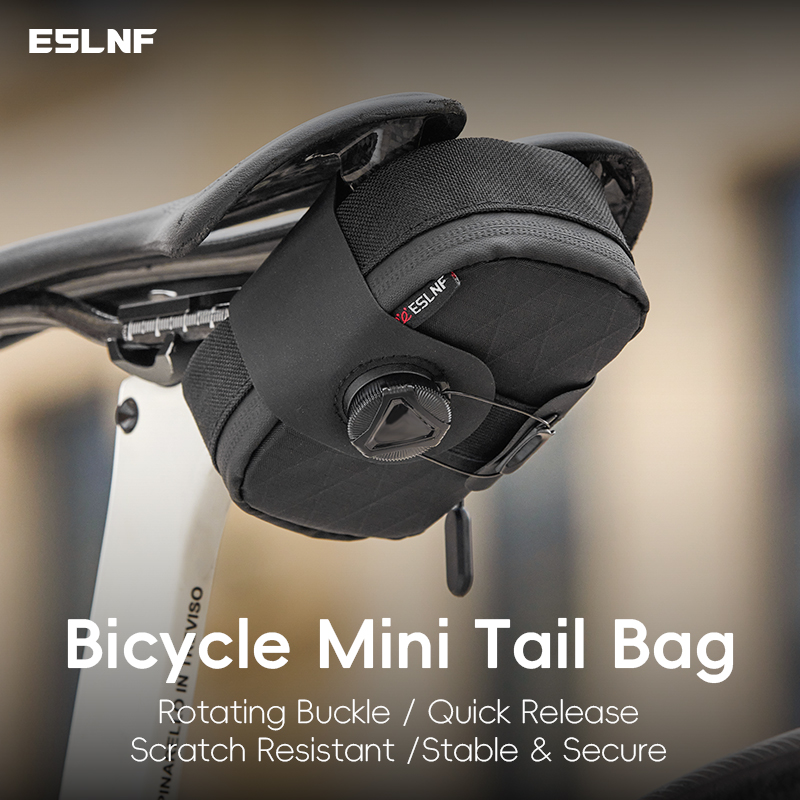
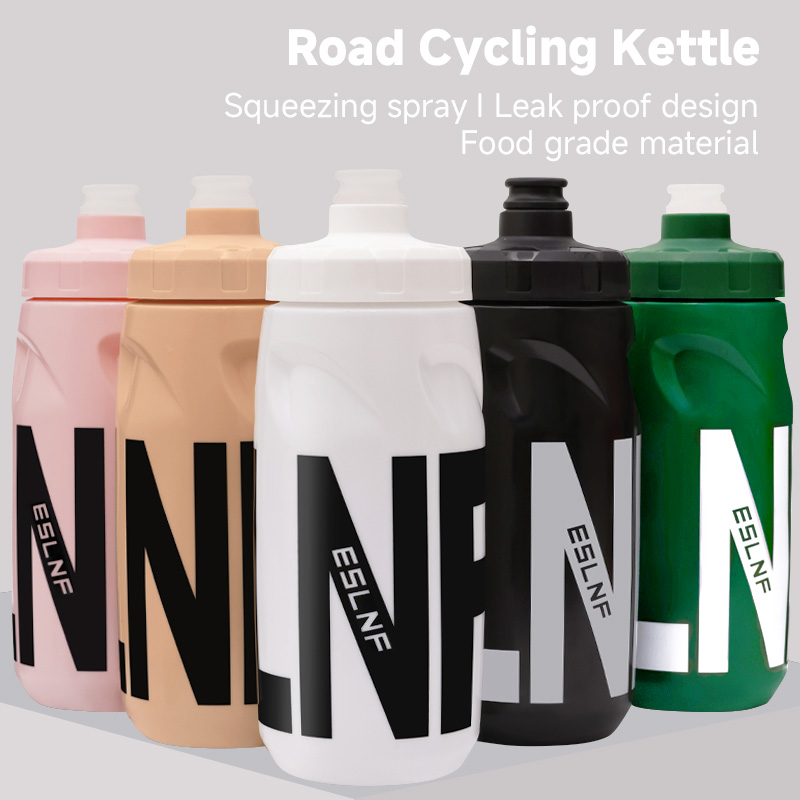
Yes. As a comprehensive cycling equipment manufacturer, we support mixed-item consolidation. You can combine bicycle saddles, USB rechargeable lights, welded waterproof bags, platform pedals, water bottles, and shop repair stands within a single 20ft or 40ft HQ container, keeping minimum orders accessible and lowering logistical overhead.
FAQ Do your saddles comply with EU chemical safety requirements (REACH & POPs)?
Yes. All raw materials—including PU leather covers, internal foam matrices, and structural adhesives—strictly comply with REACH (EC) 1907/2006. We run laboratory screenings for restricted phthalates (DEHP, DBP, BBP, DIBP), polycyclic aromatic hydrocarbons (PAHs), and organic tin compounds to guarantee trouble-free European customs clearance.
FAQ What is the production lead time for mass manufacturing runs?
Standard OEM saddle production orders require 25 to 35 business days from final sample sign-off and deposit receipt. In-stock components and ready-to-ship models leave our Jinhua facility in 3 to 7 working days, helping distributors respond quickly to seasonal European retail spikes.
Direct Factory Partnership
Request Your 2026 Technical Catalog & OEM Sample Kit
Connect with our engineering and export team to access dimensional STP models, material tear sheets, laboratory safety reports, and volume-tiered B2B pricing tailored for the Bulgarian and wider European markets.