Engineered B2B Component & Accessory Recommendations
Purpose-built hardware systems engineered to withstand maritime atmospheric conditions, sub-zero winters, and harsh gravel environments in Newfoundland and Labrador.
Engineering Bicycle Seatposts for the St. John’s & Avalon Peninsula Microclimate
The Avalon Peninsula presents one of North America's most mechanically demanding testbeds for cycling hardware. Operating in St. John’s, Newfoundland and Labrador requires engineering components capable of handling high saline coastal humidity, abrasive road sands, dense marine fog, and sudden freeze-thaw cycles. For municipal fleets, commercial distributors, and bike retail shops in St. John’s, seatpost failure rarely stems from catastrophic impact; instead, it is driven by galvanic corrosion, internal wiper seal breakdown, seat-tube cold welding, and torsional fatigue caused by continuous climbing along severe municipal grade gradients.
As a verified custom manufacturer assessed onsite by TÜV Rheinland, Kenus addresses these structural requirements by deploying cold-drawn AL6061-T6 and CNC-machined AL7075 alloys across rigid, suspension, and hydraulic dropper configurations. By engineering high-tolerance anodized outer barriers (exceeding 20μm thickness) and multi-lip nitrile seals, our bicycle seatposts eliminate seizing inside steel and alloy frames even under extreme sub-Arctic salt exposure.
Structural Seatpost Taxonomy for St. John’s Procurement
Modern commercial sourcing requires clear differentiation between recreational commuting and heavy-duty utility cycles. Our manufacturing framework produces three distinct post architectures formulated for regional fleet deployment:
Alloy Rigid Posts (AL6061/7075)
Features internal variable wall thicknesses (3D forged butted profiles) that absorb road high-frequency buzz along historic urban asphalt while providing uncompromising lateral stiffness during 15%+ out-of-the-saddle climbs.
Parallel-Linkage Suspension Posts
Engineered for urban commuters and trekking applications navigating weathered frost-heaves and historic cobblestones. Incorporates modular internal elastomers with adjustable pre-load tension suited for sub-zero elasticity retention.
Sealed Hydraulic Dropper Posts
Featuring internally routed cartridge mechanisms with quad-ring dual scrapers. Designed specifically to prevent Atlantic salt-slurry ingress during technical trail riding across East Coast Trail connections and White Hills gravel networks.
| Seatpost Variant | Material Specification | Diameter Standards | Fatigue Lifecycle (ISO 4210) | Surface Treatment / Corrosion Metric |
|---|---|---|---|---|
| Pro Tour Ultralight Rigid | AL7075 Full CNC Machined | 27.2mm / 30.9mm / 31.6mm | > 120,000 Cycles @ 1200N | Type III Hard Anodized (25μm) |
| Avalon Active Suspension | Forged 6061-T6 + Stainless Bushings | 27.2mm / 31.6mm (Shim Options) | > 100,000 Cycles Dynamic | Duplex PTFE Coated Bushing Pins |
| All-Mountain Dropper Post | Hydraulic Air-Oil Cartridge / AL7050 | 30.9mm / 31.6mm / 34.9mm | > 80,000 Action Insertions | Nitride Coated Stanchion (480h Salt Spray) |
| Commercial E-Cargo Reinforced | High-Gauge Cold-Drawn AL6061 | 30.9mm / 31.6mm | > 150,000 Cycles @ 1400N | Electrodeposition Black Undercoat |
St. John’s Cycling Infrastructure Evolution & Sourcing Demands
The municipal cycling paradigm across St. John’s and the broader Conception Bay South corridor is experiencing structural acceleration. Driven by regional urban mobility expansions, the Grand Concourse network improvements, and expanding e-bike rebates across Newfoundland, procurement profiles for cycling components are transforming rapidly:
1. High-Torque E-Bike Mass Adoption: The undulating topography from Signal Hill to Pippy Park previously suppressed casual utility commuting. With mid-drive electric bicycles delivering 85Nm+ torque, seatposts now experience sustained dynamic cantilever torque loads. Standard consumer seatposts exhibit failure rates near clamping collars; local importers now require certified high-load rating seatposts compliant with EN 15194 and ISO 4210-9 safety mandates.
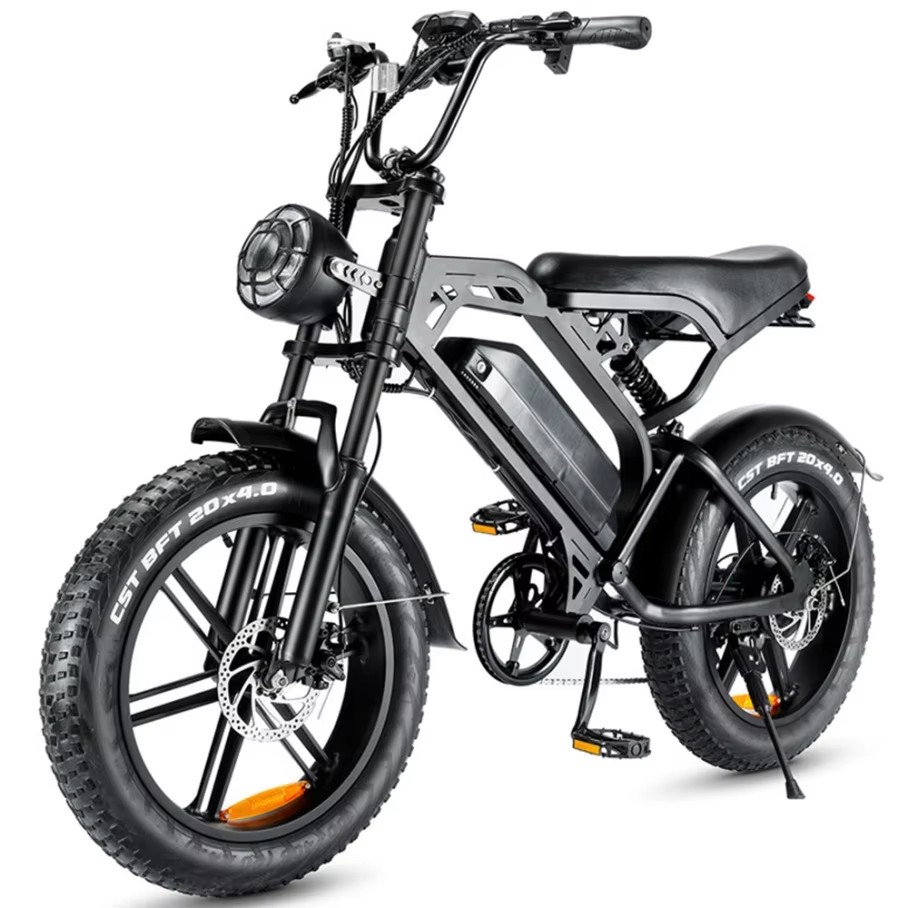
2. Four-Season Utility & Fat-Biking Surge: The severe winters in St. John’s have positioned fat tire utility bikes as genuine year-round transport solutions rather than recreational novelties. Seatpost droppers and suspension posts intended for this region must utilize low-temperature synthetic lubrication and vulcanized seals that maintain viscoelastic sealing integrity down to -30°C without stiffening or pressure leakage.
3. Direct-to-Workshop Assembly Reliability: Bike distributors and independent repair shops across Atlantic Canada operate with leaner inventories and higher localized logistics overheads. Sourcing seatposts and integrated frame accessories directly from a single Tier-1 manufacturer eliminates distributor margins, guarantees diameter dimensional tolerances within ±0.02mm, and mitigates post-installation slipping or frame binding.
Why Global & Regional Brands Partner with Kenus Intelligent Technology
Headquartered in Jinhua, Zhejiang, Kenus Intelligent Technology Co., Ltd. is not an intermediary broker. Our operations are assessed onsite by TÜV Rheinland, validating verified production lines, automated tube processing units, robotic welding rigs, in-line precision checking, and multi-stage QA laboratories.
TÜV Rheinland Certified QA
Direct onsite assessment validating verified production workshops, physical testing apparatus, and third-party inspection documentation ensures complete regulatory accountability for North American retail compliance.
In-House 3D Rapid Prototyping
Accelerate OEM conceptualization. Our engineering team develops functional resin and metal prototypes using in-house 3D printing equipment to evaluate seat clamp offset, cradle kinematics, and ergonomics prior to mold opening.
Consolidated Multi-Category OEM
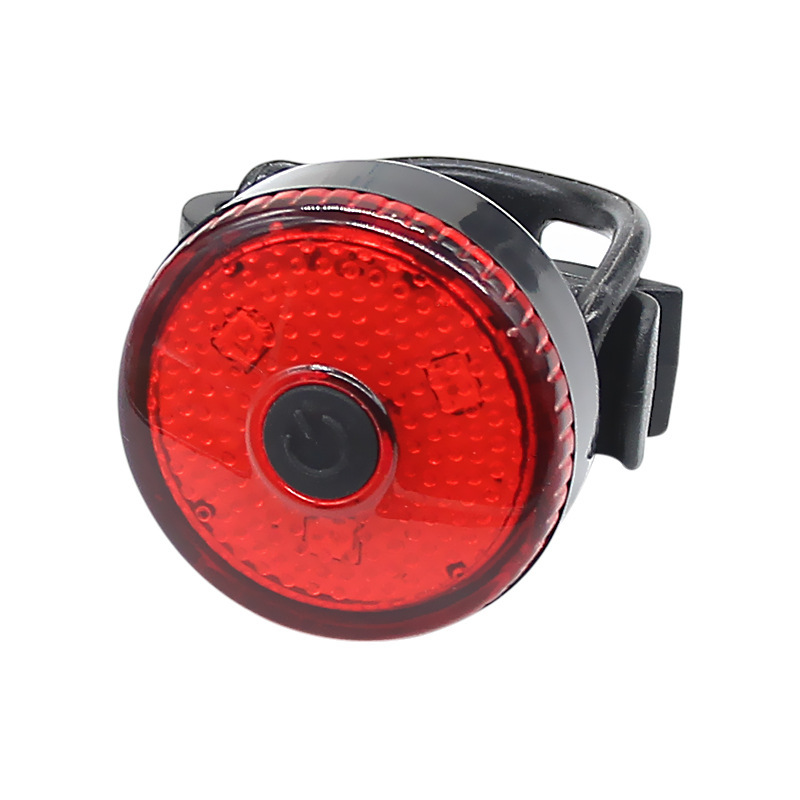
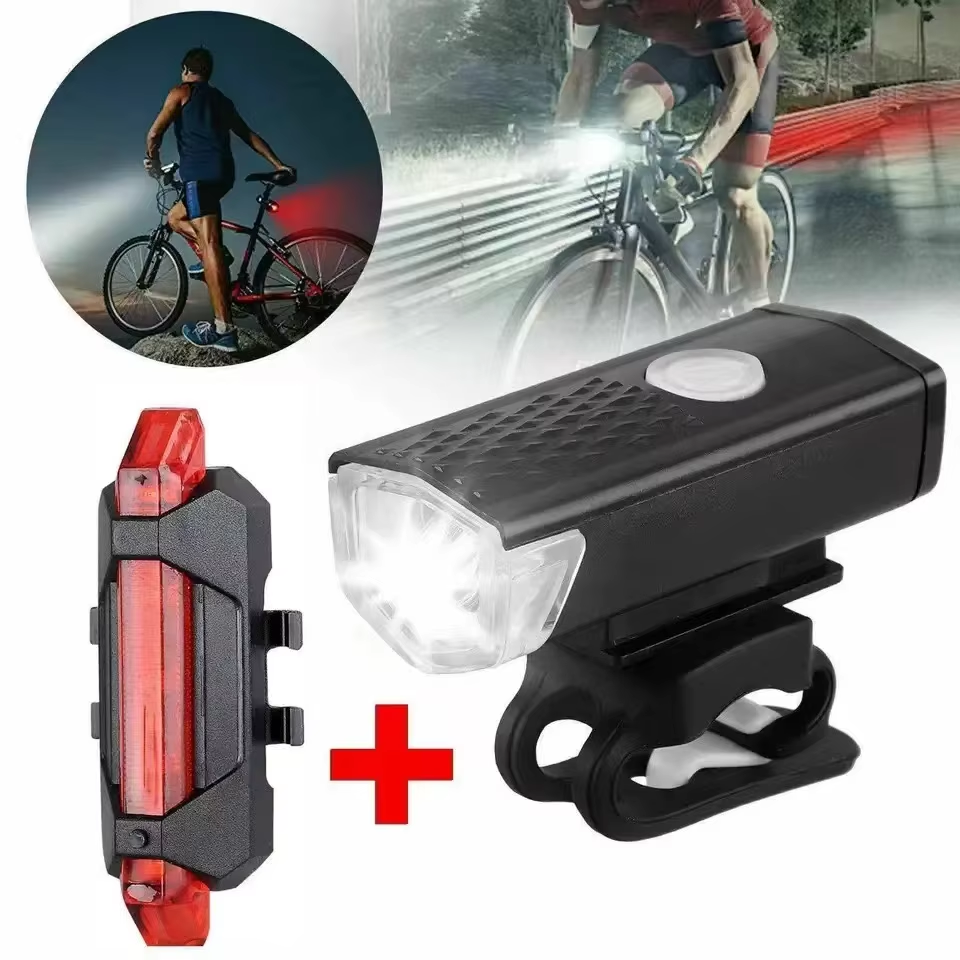
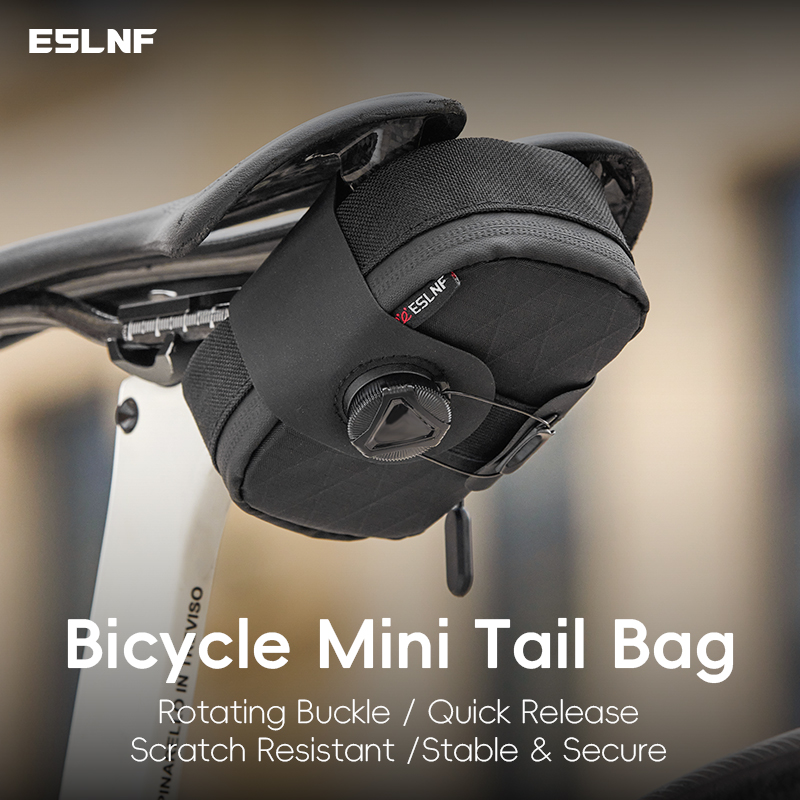
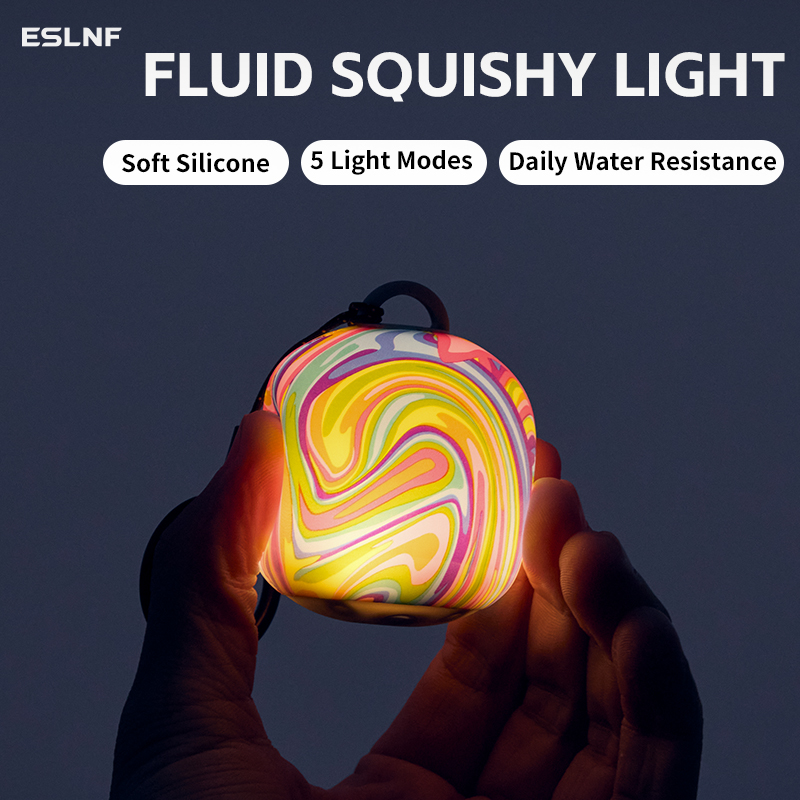
Consolidate container loads across your whole catalog. Combine seatposts with CE/RoHS-certified lighting systems, 3D printed carbon honeycomb saddles, waterproof bags, and nylon platform pedals under one verified supply contract.
Bicycle Seatpost Sourcing in St. John’s: Frequently Asked Inquiries
How do Kenus seatposts prevent galvanic bonding and cold-welding in St. John’s high-salt coastal environment?
Can dropper seatpost hydraulic cartridges operate reliably during sub-zero Newfoundland winters?
What are the minimum order quantities (MOQ) for custom-branded laser-etched seatposts?
How do you guarantee dimensional tolerance accuracy to eliminate post slip and frame deformation?
Can we consolidate seatposts with bike lights, pedals, bags, and tools into one container for shipment to Canada?
Ready to Upgrade Your Regional Component Supply Chain?
Connect with our technical engineering division to request custom CAD drawings, receive material certification dossiers, or order rapid evaluation prototypes configured for the St. John’s market.
Contact Us