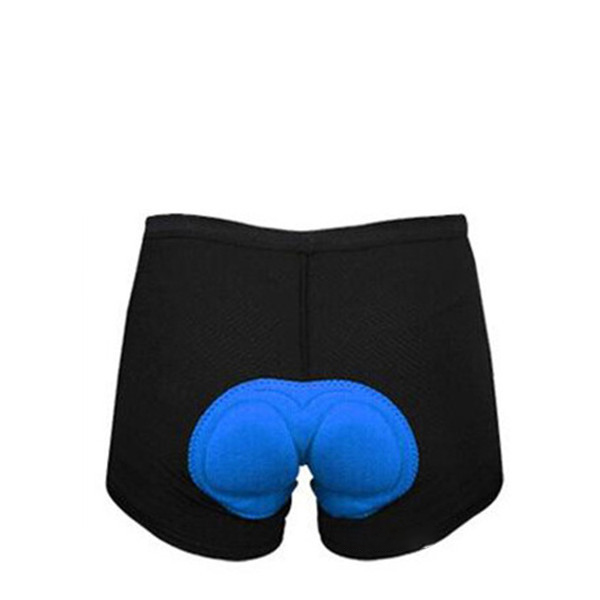
Cycling Shorts Underwear Sponge Pad MTB Riding Sport
High-Density Foam
Breathable Mesh
Anti-Chafing
View Specifications
Engineered to withstand demanding terrain and extreme climate variances. Featuring TÜV-verified manufacturing standards, custom private labeling, and ISO-compliant optical metrics.
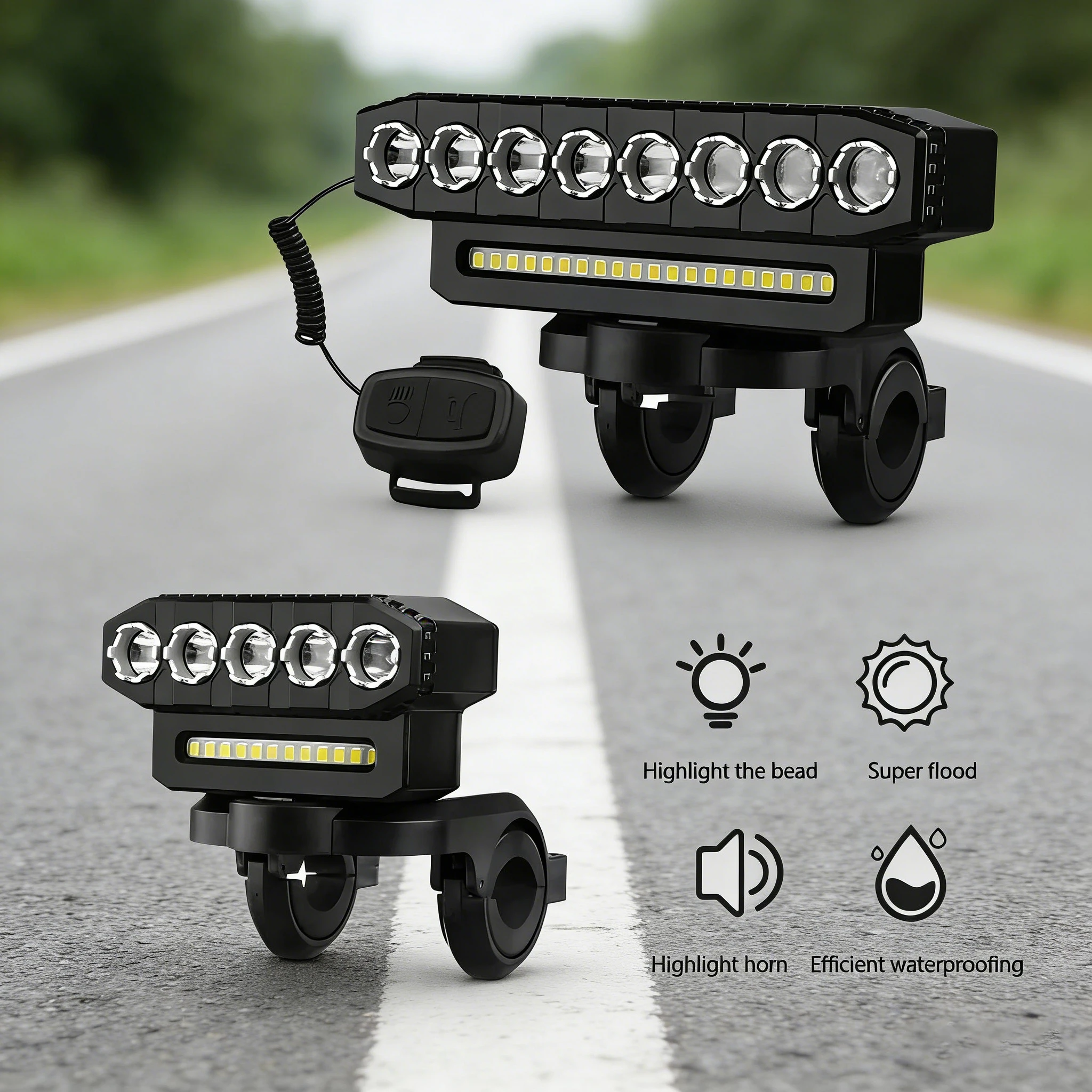
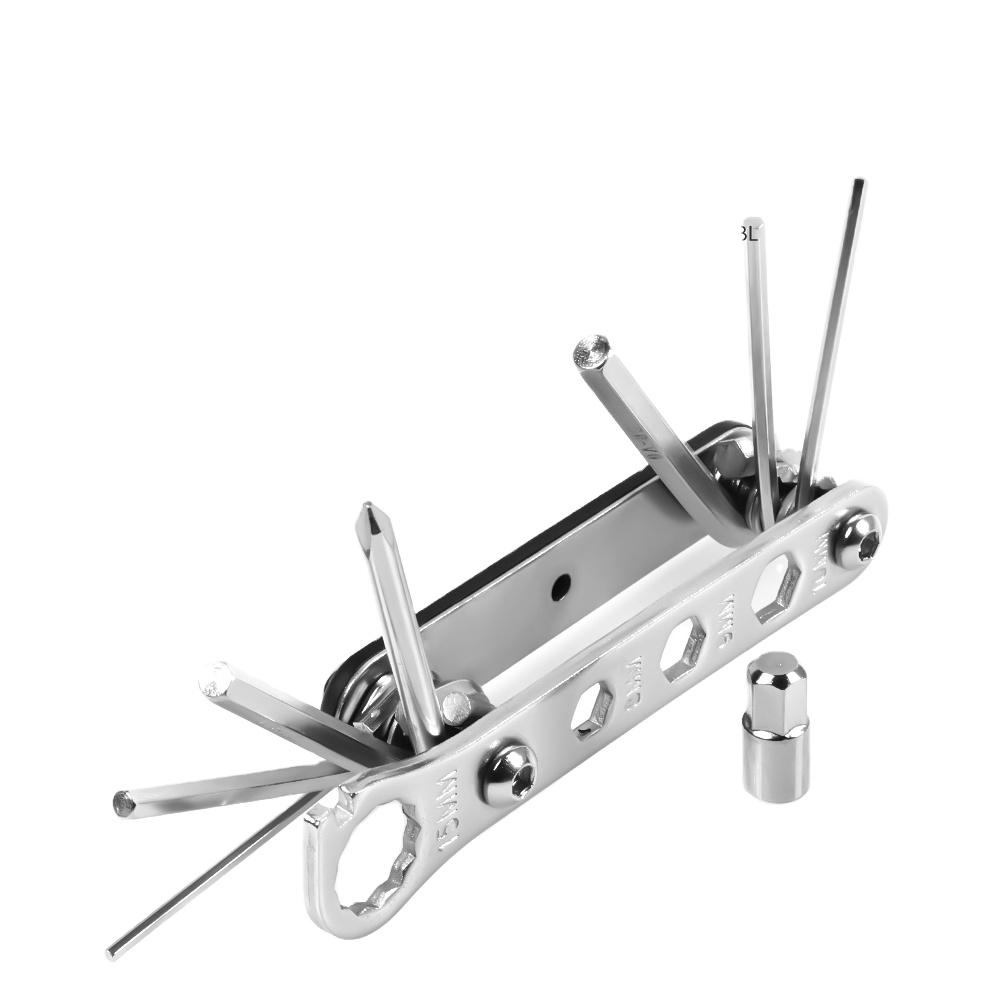
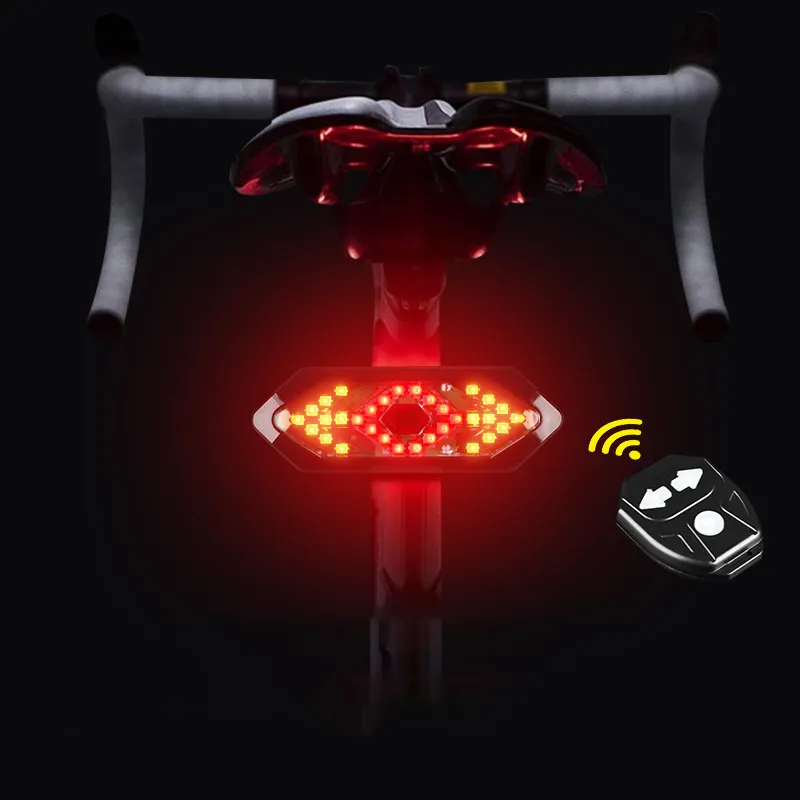
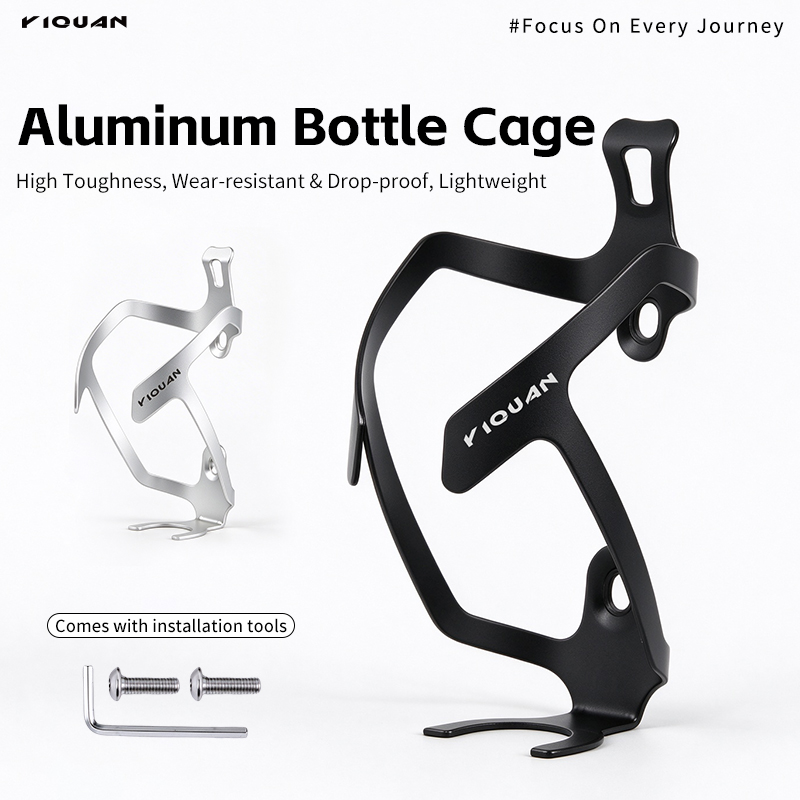
A rigorous examination of photometric contrast, cold-weather lithium-ion electrochemistry, and electromagnetic stability within Colorado's Front Range metropolitan urban ecosystem.
Denver receives over 300 days of annual sunshine at an elevation of 1,609 meters (5,280 ft). This high altitude introduces extreme atmospheric clarity and intense ambient lux levels exceeding 95,000 lux during peak daylight. Conventional low-output bicycle turn signals (sub-30 lumens) wash out completely under direct Front Range solar glare. Our turn signaling modules deploy surface-mount Amber LEDs emitting within the 590nm–595nm dominant wavelength spectrum paired with total internal reflection (TIR) optical collimators, delivering over 85 candelas of on-axis directional luminous intensity to ensure daytime recognition by motorists from distances exceeding 150 meters.
Denver's winter climate presents abrupt temperature drops driven by Rocky Mountain cold fronts, regularly descending below -10°C (14°F). Conventional lithium-cobalt oxide (LiCoO2) chemistry suffers severe capacity drop-off, increased internal impedance, and cathode plating under freezing conditions. Our systems integrate custom-formulated low-temperature electrolyte battery cells governed by hardware-level Battery Management Systems (BMS). The micro-controller implements thermal cutoff charging protections, current-limiting operational profiles, and regulated step-up voltage converters, preserving over 82% usable operational discharge capacity at -15°C.
Downtown Denver’s dense urban corridors—specifically along 17th Street and Colfax Avenue—are saturated with high-density commercial Wi-Fi, cellular base stations, and smart grid telemetry. Standard sub-1GHz analog remotes experience control latency and missed signaling packets. Kenus turn signaling units employ digital 2.4GHz GFSK modulation with pseudo-random frequency hopping across 16 designated channels. With pairing latency under 12 milliseconds and robust cyclic redundancy checking (CRC), our remotes prevent signal collision and uncommanded toggles even when riding through dense radio-frequency corridors.
Field-tailored deployment analysis matching hardware specifications to actual infrastructural topologies and multimodal transit intersections across the City and County of Denver.
Denver’s premier off-street arteries—the Cherry Creek Regional Trail and the South Platte River Trail—experience high-density mixed traffic with rapid speed differentials between analog cruisers, gravel riders, and 28 mph Class 3 commuter e-bikes. As riders transition from subterranean underpasses to street-grade connectors on Speer Boulevard, abrupt changes in ambient lux demand immediate signaling clarity. Our dual-channel wireless turn indicators enable hands-on-handlebar operation, eliminating precarious one-handed hand signaling on tight concrete switchbacks and gravel ramps.
The protected bike infrastructure along 14th Street and Brighton Boulevard in the River North Art District (RiNo) features bollard-separated lanes, floating parking zones, and frequent delivery truck visual obstructions. Cyclists navigating left turns across oncoming multi-lane arterial traffic require rear and lateral indication. The 220° wide-angle optical spread of our LED arrays prevents blind-spot accidents during lateral lane shifts, providing commercial cargo riders and daily commuters with verified vehicular visibility.
The Denver Department of Transportation & Infrastructure (DOTI) treats municipal roads with aggressive liquid magnesium chloride and salt brines during winter storms. Ordinary lights experience catastrophic seal degradation and galvanic corrosion on contact contacts. Our turn signals and accompanying electronics are sealed to IP65/IP67 ingress ratings using ultrasonic ABS/PC welding, silicone gasket barriers, and conformal-coated internal PCBs, completely neutralizing chemical brine ingress and moisture failure during freeze-thaw cycles.
Under the City of Denver’s landmark E-Bike Rebate program, tens of thousands of utility and cargo e-bikes have been deployed across urban sectors for last-mile freight, couriers, and family transit. Fleet operators managing continuous duty cycles require ruggedized hardware. Our accessories feature quick-mount seatpost, pannier, and rear-rack brackets, integrated 110dB anti-theft motion vibration alarms, and rapid USB Type-C charging cycles, directly reducing downtime and maintenance overhead for commercial operators.
Ensure seamless wholesale distribution across North America with certified compliance covering optical performance, wireless spectrums, and regional road safety statutes.
| Regulatory Body / Standard | Statutory Requirement | Kenus / ESLNF Engineering Benchmark | Colorado / Denver Enforcement Context |
|---|---|---|---|
| Colorado Revised Statutes (C.R.S. § 42-4-1412) | Audible device audible to 100 ft; red rear lamp visible to 500 ft in low light. | Integrated 110dB-120dB horn; ultra-bright 85 cd red/amber lamp visible > 800 ft. | Full compliance for street-legal commuter and commercial fleet operation in Denver. |
| CE Certification (SIT230614230201E) | Electromagnetic Compatibility & Low Voltage Directives (EU standard access). | Documented immunity against transient surges; safe low-voltage charging architecture. | Mandatory quality benchmark required by major US sporting goods retail importers. |
| RoHS Directives (SIT240417230101R) | Hazardous substance restriction (Lead, Cadmium, PBBs, PBDEs, Phthalates). | 100% lead-free SMT soldering lines; eco-compliant silicone, nylon, and ABS plastics. | Meets Colorado Department of Public Health and Environment green procurement standards. |
| FCC Title 47 Part 15 (Wireless RF) | Unlicensed operation; emissions must not cause harmful radio interference. | 2.4GHz GFSK low-power industrial/scientific band transmission; verified spectrum mask. | Enables legal wholesale distribution across all US electronic retail channels. |
| EMC Test Report (SIT250212230201ER) | Interference resistance under extreme electromagnetic operating conditions. | Shielded micro-controllers; zero cross-talk with high-power e-bike motor controllers. | Prevents false indicator tripping from high-power hub or mid-drive 750W e-bike motors. |
Strategic insights into the demographic, infrastructural, and legislative shifts transforming cycling hardware procurement in the Rocky Mountain region.
Denver’s Office of Climate Action, Sustainability and Resiliency (CASR) revolutionized municipal transit through aggressive point-of-sale e-bike voucher programs. This rapid influx of heavier, faster commuter platforms has transformed consumer safety expectations. Independent bike dealers (IBDs) throughout Denver, Lakewood, and Aurora are experiencing unprecedented demand for automotive-grade active signaling accessories that integrate turn indications, high-decibel horns, and brake detection gyroscopes onto standard cockpits.
As part of the municipal commitment to eliminate traffic fatalities and serious injuries, Denver DOTI continues to expand high-comfort bikeway networks while strengthening public awareness around bicycle-vehicle interactions. With arterial corridors such as Federal Boulevard, Alameda Avenue, and Colorado Boulevard remaining high-risk zones, active turn illumination provides unequivocal behavioral communication to motorists, directly reducing right-hook and left-cross collisions at signalized intersections.
Denver distributors and multi-store retailers are shifting away from fragmented sourcing models toward turnkey OEM manufacturing partners. Rather than juggling separate vendors for lighting, hardware tools, saddle gear, and fluid management, regional brands rely on audited production facilities that deliver consolidated ocean container shipments, documented laboratory test certifications, and tailored private-label branding with standardized blister packaging.
Direct manufacturer capabilities verified onsite by TÜV Rheinland. We combine precision hardware fabrication with advanced electro-optical assembly in Jinhua, Zhejiang.
Our manufacturing premises, corporate status, production capacity, and QA/QC workflows have undergone exhaustive onsite evaluation by TÜV Rheinland. Buyers obtain direct access to verified factory walkthrough videos, panoramic workshop imaging, and full inspection reports, validating supplier legitimacy prior to contractual capital commitments.
Unlike trading intermediaries, Kenus operates dedicated tube processing, constriction, drilling, precision welding, and fiber laser marking machinery in-house. This comprehensive capability extends across our repair stands, kickstands, and aluminum CNC bottle cages, guaranteeing exacting dimensional tolerances, high structural yield strength, and flawless surface finishes.
We bridge concept to mass production with industrial-grade additive manufacturing. Our in-house SLA/SLS 3D printing equipment produces tactile engineering prototypes of brackets, switchgear, and complex 3D-printed honeycomb saddles within 48 hours, radically accelerating design validation cycles before opening dedicated injection tooling molds.
Direct answers to critical regulatory, climatic, logistical, and custom-manufacturing inquiries posed by North American importers and regional procurement officers.
Request comprehensive OEM catalog pricing, schedule a virtual factory inspection review, or order custom-branded validation samples configured to your North American technical requirements.
Contact Us