Featured Cycling Gear & Component Solutions
Direct from our TÜV Rheinland-inspected production lines. We engineer high-stress accessories built to endure the unique microclimates, high-altitude UV indices, and diverse asphalt-to-trail conditions of Mexico City (CDMX).
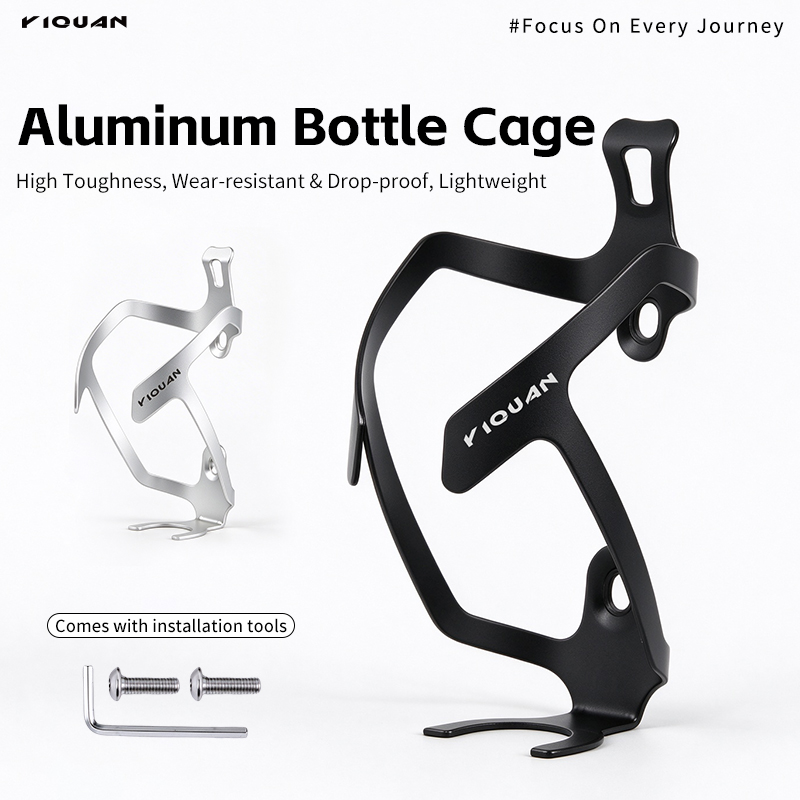
Bike Bottle Cage Aluminum Alloy High Toughness Cycling Bottle Rack for Mountain & Road
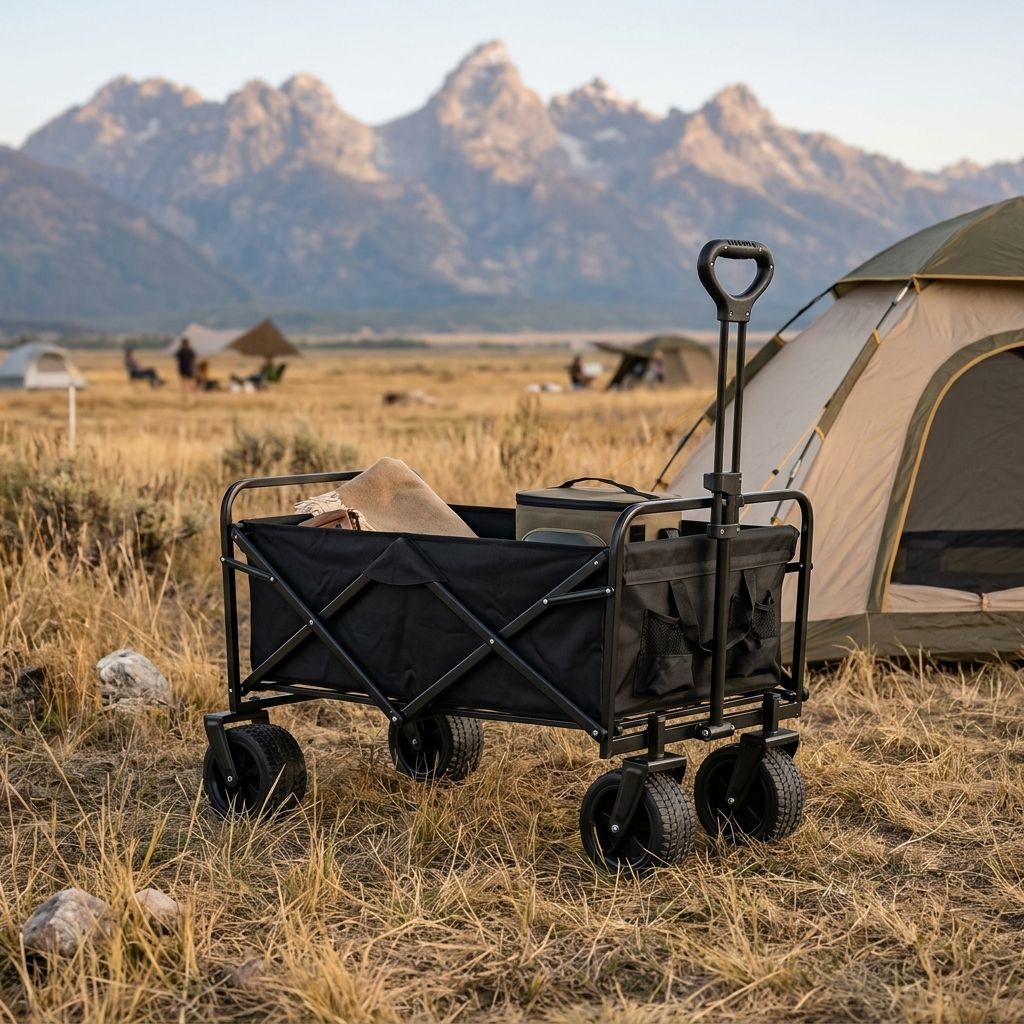
ESLNF Large Capacity Wagon Cart OEM Waterproof Oxford Fabric Utility Trolley
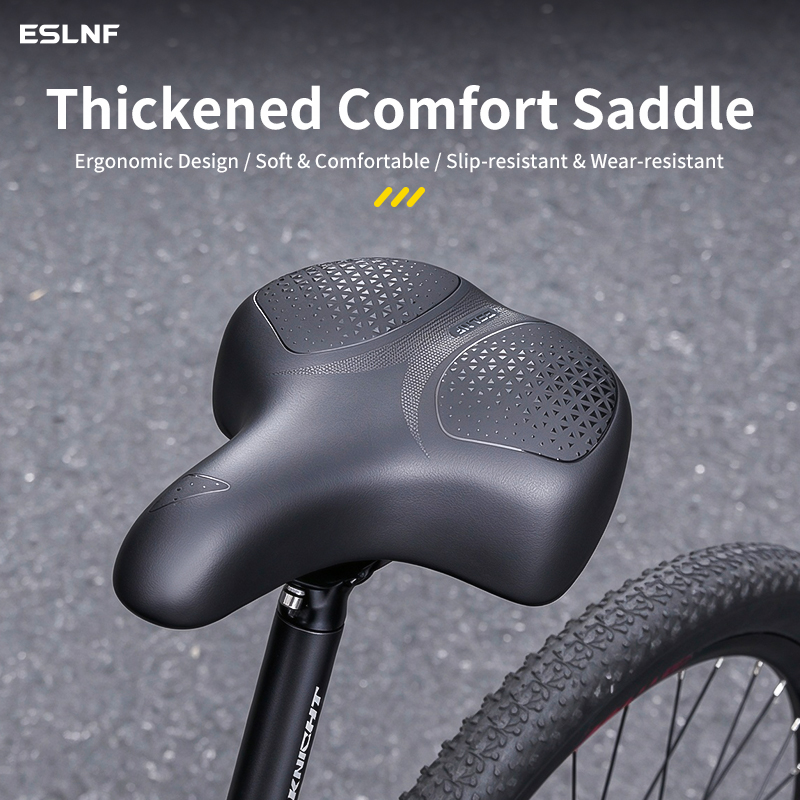
ESLNF High Elastic Rebound Soft Padded Bicycle Saddle for Long Distance Leisure
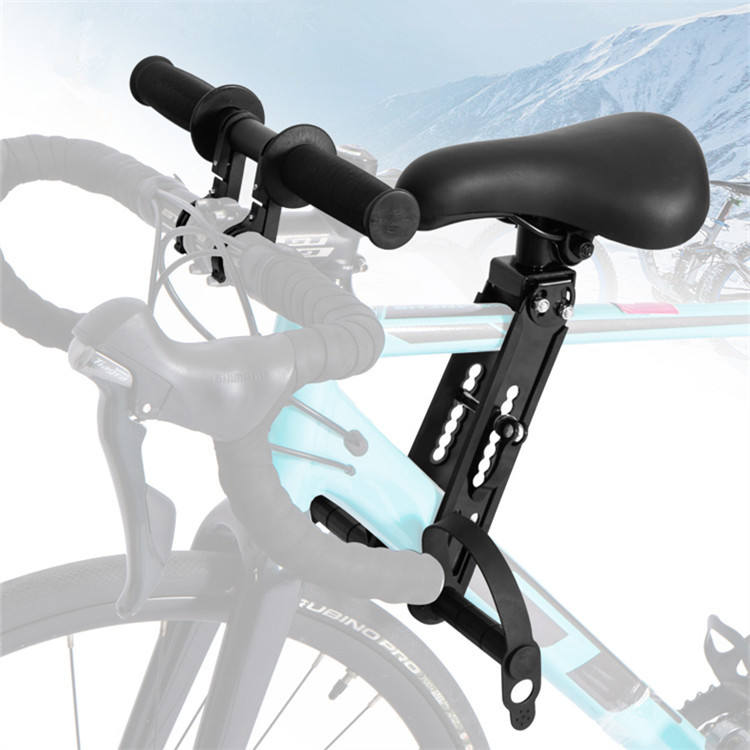
ESLNF Beam Installation Child Seat Safety Saddle with Integrated Arm Rest
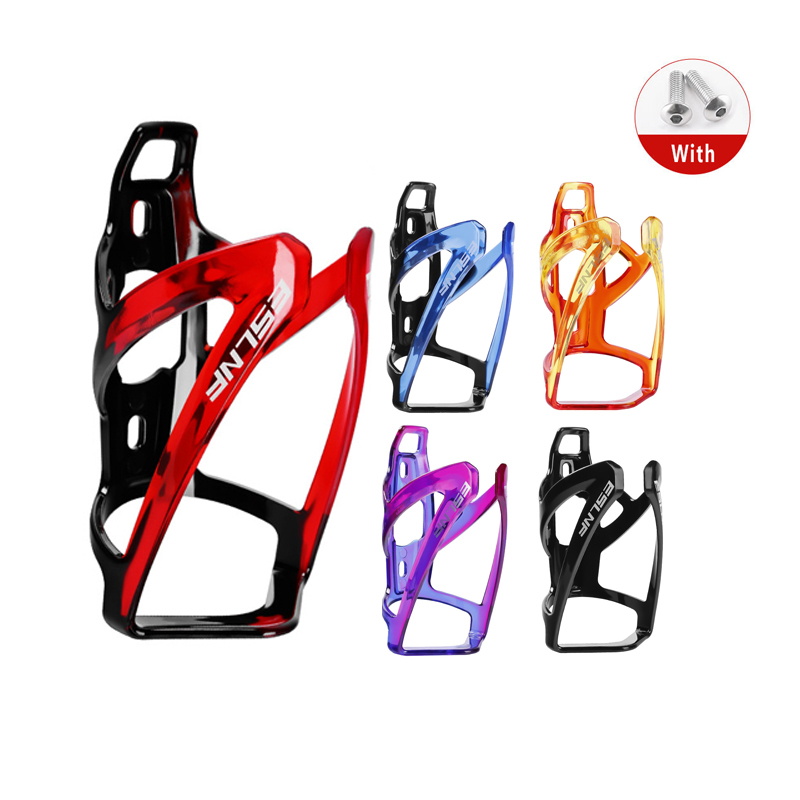
ESLNF Portable Outdoor Durable Engineered Composite Water Bottle Holder
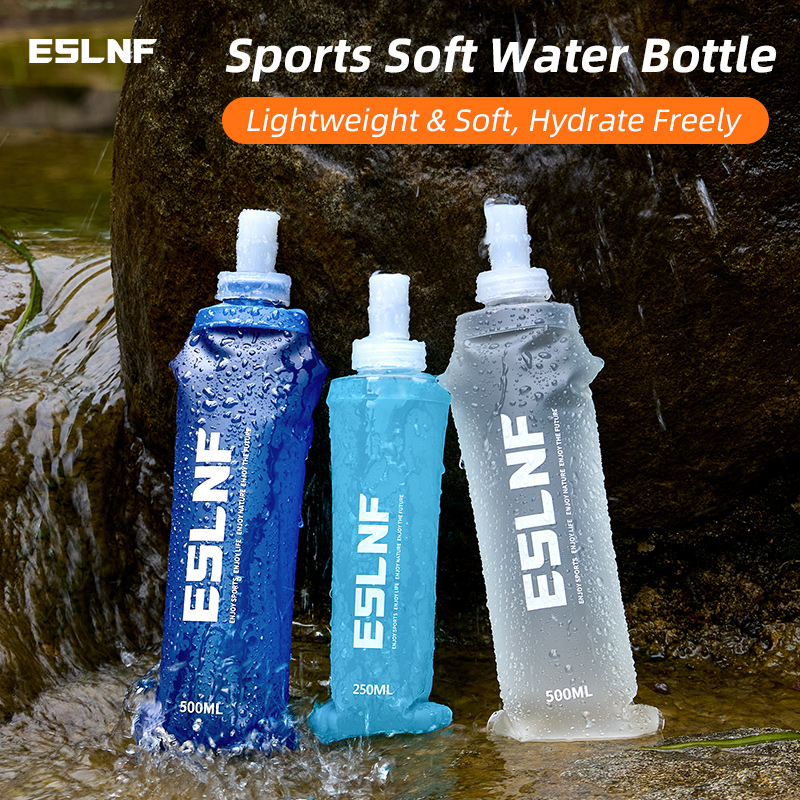
ESLNF Collapsible TPU Soft Sports Water Bottle BPA-Free Foldable Hydration Flask
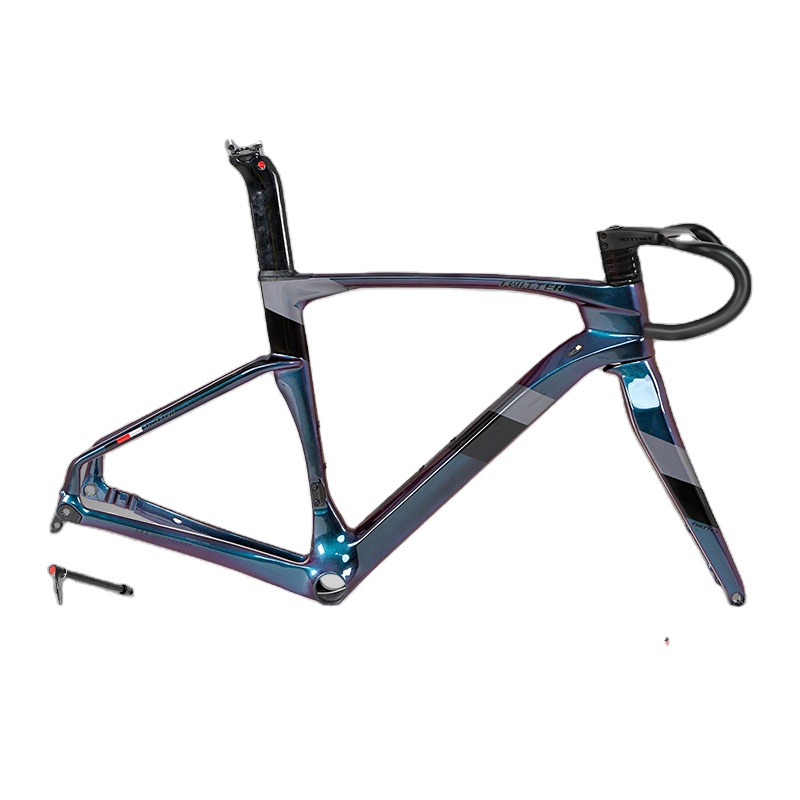
ESLNF Holographic Carbon Fiber Bicycle Frameset with Precision Thru-Axle
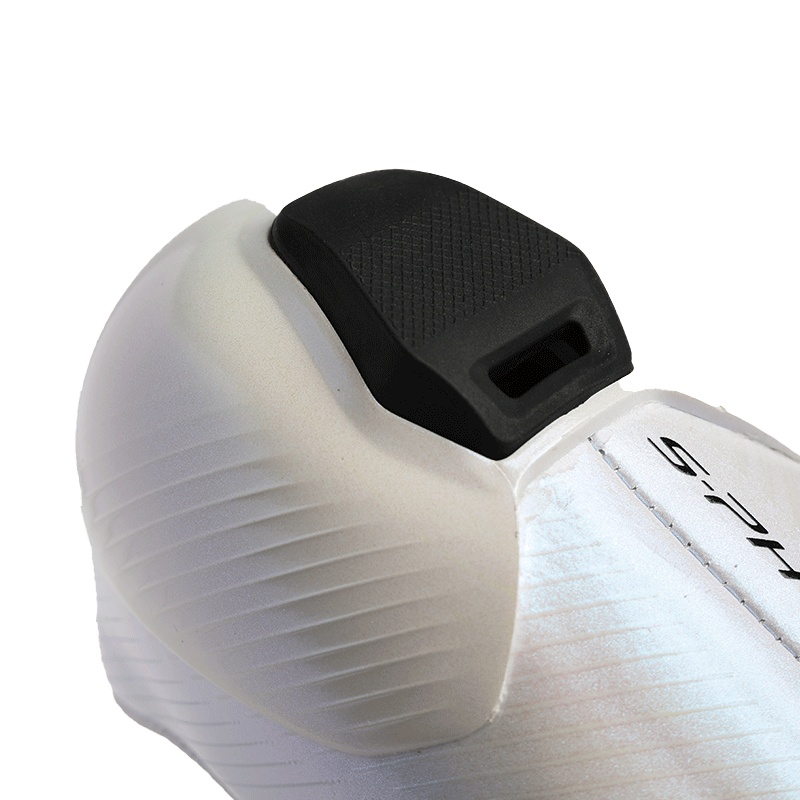
Road Bike Cleat Heel Repair Pad Replacement Kit Wear-Resistant Composite
The Mexico City Cycling Boom: Topographical Demands & Sourcing Realities
Mexico City (CDMX) is currently undergoing one of the most aggressive sustainable mobility transformations in Latin America. Operating within the high-altitude Valley of Mexico (2,240 meters above sea level), the metropolitan area's transport ecosystem encompasses over 21 million inhabitants. With the strategic expansion of municipal protected infrastructure—such as the iconic Ciclovía Insurgentes, the expansive lanes across Paseo de la Reforma, and the integrated Biciestacionamientos Masivos (massive transit-bike parking hubs at Pantitlán, Buenavista, and Chapultepec)—the bicycle is no longer merely a recreational weekend tool. It has transitioned into an indispensable, core daily transit mode for commuters, courier fleets, and micro-logistics enterprises.
However, CDMX presents exceptionally rigorous physical and environmental operating challenges for bicycle components. Sourcing managers, wholesalers, and retail distributors in Mexico City cannot simply rely on generic, low-cost hardware. The combination of intense ultraviolet exposure at high altitude, dramatic rainy season downpours (temporada de lluvias) characterized by severe street flooding and corrosive volcanic silt, and sudden transitions between polished asphalt and historic colonial cobblestones (such as in Coyoacán or San Ángel) demands heavy-duty hardware resilience.
Altitude, Thermal Shock, and Material Degradation in the Central Valley
At 2,240 meters, UV-A and UV-B radiation intensities are significantly higher than at sea level. Standard commercial plastics, low-grade polypropylene, and inferior elastomeric polymers rapidly degrade, lose elasticity, and suffer discoloration or stress-cracking within months of urban exposure. Our OEM production lines integrate dedicated UV-stabilizers and weather-resistant polymer compounds—exemplified in our Polycarbonate & High-Toughness Composite Bottle Cages and Food-Grade TPU Soft Bottles. These components are specifically engineered to endure high thermal variances (ranging from dry morning temperatures of 7°C to afternoon highs of 30°C) without micro-fracturing or chemical leaching.
Furthermore, atmospheric pressure differences impact enclosed fluid reservoirs, hydraulic disc brake systems, and pneumatic accessories. Kenus Intelligent Technology ensures all tooling seals, valve membranes, and pneumatic connectors maintain airtight structural integrity across wide barometric shifts, preventing leakage when transported between coastal logistics ports (such as Manzanillo or Veracruz) and the high-altitude plateaus of Central Mexico.
Micro-Logistics and Courier Delivery Fleets (Última Milla)
The hyper-accelerated growth of on-demand urban logistics (Mercado Libre, Rappi, Uber Eats, and localized messenger cooperatives across Cuauhtémoc, Juárez, and Roma Norte) has catalyzed unprecedented demand for heavy-duty load-carrying utility accessories. Our Waterproof Large-Capacity Wagon Carts and high-tensile handlebar storage solutions bridge the gap between traditional cycling and multi-modal urban freight hauling. Featuring 600D ripstop Oxford textiles coated with dual-layer polyurethane (PU) water-resistant membranes and reinforced cold-rolled steel articulating frames, these accessories withstand continuous daily payloads exceeding 100 kg across deteriorated road surfaces, potholes, and severe speed-bumps (topes) ubiquitous throughout CDMX.
Key Trends Reshaping B2B Bike Accessory Procurement in Mexico
Analysis of market signals, regulatory shifts by SEMOVI, and consumer purchasing metrics across the Mexican cycling supply chain.
1. E-Bike Adaptation & High-Torque Durability
With SEMOVI's electrification push and the influx of e-bikes for hilly western routes (Santa Fe, Álvaro Obregón), accessories must withstand greater structural vibrations, higher travel speeds (25–32 km/h), and increased structural loads. Pedals with sealed chromoly spindles and high-tensile polymer bodies are replacing brittle standard hardware.
2. SEMOVI Safety Regulations & High-Lumen Mandates
Municipal transport guidelines increasingly emphasize rider visibility and active warning devices. Importers in CDMX are prioritizing front illumination exceeding 1,000 lumens with precise optical cut-off lines to prevent blinding oncoming traffic, coupled with wireless remote signaling systems and multi-mode reactive tail lights.
3. The Nearshoring Dividend & Supply Reliability
As Mexico solidifies its position as a global manufacturing and nearshoring powerhouse under the T-MEC / USMCA framework, Mexican distributor expectations have tightened. B2B buyers now mandate verified supplier compliance, audit transparency, and factory direct customization rather than purchasing uncertified stock via intermediary brokers.
4. Shift to Lightweight Toray Carbon Composites
The weekend enthusiast corridor—stretching from the valley floor up to the rugged elevations of Desierto de los Leones, Ajusco, and Los Dinamos—has driven a surge in performance gravel and road carbon frame adoption. Importers demand thru-axle framesets that combine aerodynamic stiffness with localized impact compliance.
5. Safe Family Commuting & Mid-Frame Ergonomics
Multi-modal commuting has spurred the adoption of quick-release front beam child seats. Urban parents across Del Valle, Narvarte, and Condesa seek structural seats with secure armrests that preserve bicycle center-of-gravity while navigating congested metropolitan arterials safely.
6. Clean Hydration & Sustainable TPU Adoption
Environmental awareness in CDMX has shifted procurement away from disposable, single-use plastic bottles toward durable 100% BPA/PVC-free collapsible TPU flasks and double-wall insulated thermal canisters capable of maintaining cold hydration during hot dry-season commutes across the urban sprawl.
Material Science & Structural Architecture for Extreme Terrains
When selecting accessories for distribution in Mexico City and broader regional markets (Guadalajara, Monterrey, Puebla), engineering specifications must take precedence over superficial aesthetic design. Road infrastructure across Latin American metropolitan hubs exhibits unpredictable transitions: road pavement gaps, deep expansion joints along vehicular overpasses, rapid road undulations, and severe road crown variations. Below is an engineering evaluation comparing standard market products with Kenus' verified manufacturing standards.
| Component Group | Standard Commercial Grade | Kenus Industrial Standard | Performance Benefit in CDMX |
|---|---|---|---|
| Hydration Cages | Recycled polypropylene or cast pot metal (brittle, crack prone). | 6061-T6 Heat-Treated Aluminum Alloy or High-Elasticity Polycarbonate. | Withstands severe cobblestone vibrations without fracturing or dropping bottles. |
| Pedal Platforms | Unsealed loose-ball bearings with non-reinforced plastic shells. | Fiber-reinforced engineering nylon with sealed industrial cartridge bearings & Cr-Mo CNC spindles. | Resists water entry during urban rainstorms; handles continuous pedal torque up steep valley gradients. |
| Saddles & Seating | Low-density open-cell foam covered by thin bonded PVC leather. | High-elastic memory polymer matrix with integrated central perineal relief canals. | Prevents cellular collapse and water saturation; reduces nerve compression during long commutes. |
| Carbon Framesets | Standard multi-piece wet lay-up carbon fiber without internal bladder molding. | Precision EPS internal mandrel molding using authentic Toray T700/T800 composite blends. | Uniform wall thickness, zero internal resin voids, absolute thru-axle disc brake alignment under load. |
| Luggage & Cargo Carts | Single-stitched 300D polyester with non-galvanized thin structural tubing. | 600D waterproof ripstop Oxford with reinforced structural welding & anti-corrosive powder coating. | Immunity to atmospheric oxidation; handles punishing commercial last-mile delivery payloads. |
Impact of High-Stress Cycling on Urban Commuter Health
Urban cycling along major avenues such as Eje Central or Calzada de Tlalpan subjects the human musculoskeletal system to high-frequency micro-vibrations. Standard foam saddles flatten within weeks, transferring mechanical shock directly to the lumbar spine and pelvic structure. Kenus manufactures High-Elastic Rebound Saddles employing advanced closed-cell elastomers that actively attenuate vibration frequencies between 10 Hz and 50 Hz—the specific vibrational range produced by irregular urban asphalt and road patching. The integration of high-visibility rear reflective strips adds a crucial passive safety layer in poorly illuminated peripheral districts.
Why Global Importers & Mexican Distributors Partner with Kenus
Direct manufacturing transparency backed by accredited third-party validation and certified testing documentation.
TÜV Rheinland Inspected
Our manufacturing plant, tooling workshops, and management systems are fully verified onsite by TÜV Rheinland. We provide legitimate, audited factory credentials rather than intermediary paper brokerage.
International Certifications
Our products carry authenticated test reports and certificates including CE (No. SIT230614230201E), RoHS (No. SIT240417230101R), PSE for international export, and complete electromagnetic EMC compliance.
Full OEM / ODM Customization
From CAD/3D prototyping and custom mold engineering to CNC laser engraving, brand color anodizing, and multi-language retail packaging designed specifically for Mexican commercial shelf presence.
Multi-Tiered QC Protocol
Raw tube reduction, precision robotic welding, surface anodization thickness (15–20 microns), and electronic lumen flux are tested across 100% of production runs before export container sealing.
Optimized Pacific Logistics
Experienced in high-efficiency ocean freight routing to Puerto de Manzanillo and Lázaro Cárdenas, with rapid multimodal rail connectivity direct to CDMX Pantaco intermodal customs terminals.
Market-Leading Category Share
Recognized as an industry-leading supplier in Bicycle Pedals (#2) and Bicycle Lights (#2). Our proven global volume guarantees competitive cost-per-unit structures for wholesale distribution partners.
Frequently Asked Questions: Sourcing Bike Accessories for Mexico City
Essential trade, regulatory, and logistics answers for purchasing managers, brand directors, and commercial importers operating in Mexico.
What specific import regulations and NOM standards apply to bike accessories in Mexico?
When importing bicycle accessories into Mexico, shipments must comply with general commercial labeling regulations under NOM-050-SCFI-2004 (Information Requirements for Products Lacking Specific Regulations). This standard dictates that all packaging or retail units must display Spanish-language markings indicating the commercial name, importer RFC (Registro Federal de Contribuyentes), country of origin, warranty terms, and usage/installation warnings.
For electronic components such as high-lumen rechargeable bike headlights and electronic warning lights, compliance with NOM-001-SCFI or NOM-003-SCFI (electronic device safety) and IFT (Instituto Federal de Telecomunicaciones) certification for wireless-controlled devices (e.g., remote turn signals) is required. Kenus supplies all technical documentation, EMC test reports, and schematic data sheets necessary for your customs broker (Agente Aduanal) to clear the Padrón de Importadores seamlessly.
What are the optimal shipping routes and transit times from your factory to Mexico City?
Ocean freight originating from our export loading facilities in Ningbo or Shanghai typically routes via Trans-Pacific lines to Puerto de Manzanillo (Colima) or Lázaro Cárdenas (Michoacán). Maritime transit times range between 18 and 24 days. From Manzanillo, containerized cargo moves via bonded rail (Ferromex) directly to the Terminal Intermodal de Pantaco in Azcapotzalco, Mexico City, requiring an additional 3 to 5 days for inland customs release and domestic drayage.
For high-value or urgent seasonal inventory (e.g., prior to El Buen Fin or holiday shopping peaks), we coordinate expedited air freight to Aeropuerto Internacional Benito Juárez (MEX) or Aeropuerto Internacional Felipe Ángeles (NLU), achieving door-to-door transit times within 5 to 7 business days.
How do Kenus accessories withstand Mexico City's rainy season and severe urban flooding?
The CDMX rainy season (June to October) frequently floods lower street levels with water mixed with particulate grit and urban pollutants. Standard consumer accessories succumb to short-circuits and rapid bearing seizure. Our active lighting systems are built to certified IP64 and IP65 waterproof standards, employing ultrasonic-welded ABS housings and heavy-duty silicone charge-port gaskets.
For mechanical parts, our pedals and bottom brackets feature internal nitrile rubber lip-seals (O-rings) protecting dual sealed cartridge bearings, preventing grease wash-out and bearing lock-up even during prolonged navigation through flooded roadway intersections along Viaducto or Circuito Interior.
What Minimum Order Quantities (MOQ) and private-label customization options are offered?
We maintain highly flexible ordering tiers to accommodate emerging retail brands as well as established national distributors. Standard in-stock catalog accessories have low sampling thresholds starting at small trial quantities. Custom private-label runs—including bespoke brand color anodizing, custom silk-screen or laser-etched logos, and customized packaging—typically start from 100 to 500 units depending on the complexity of the tooling and material substrate.
Our engineering division also supports full ODM development: if your organization has proprietary 3D CAD files or unique mounting brackets suited for municipal bike fleets (such as Ecobici integration), we produce rapid 3D-printed physical functional prototypes within 48 to 72 hours before formal mold cutting.
What tariff codes (Fracción Arancelaria) apply to these cycling components under Mexican customs law?
Most bicycle components fall under Chapter 87 of the Mexican TIGIE (Tarifa de la Ley de los Impuestos Generales de Importación y de Exportación). Key tariff codes include:
- 8714.99.99 / 8714.99.01: Bicycle parts and accessories including frames, saddles, bottle cages, pedals, and mechanical assemblies.
- 8512.10.01: Lighting or visual signaling equipment designed for use on bicycles (LED headlights, tail lights, wireless flashers).
- 3926.90.99: Other articles of plastics, applicable to composite water bottles and specialty TPU hydration gear.
We supply exact commercial packing lists, proforma declarations, and HS code classifications to ensure accurate calculation of the General Import Tax (IGI) and 16% Value Added Tax (IVA).
What payment terms and Trade Assurance guarantees are provided for Mexican buyers?
We offer secure international payment structures including confirmed, irrevocable Letters of Credit (L/C at sight) for high-volume enterprise orders, Telegraphic Transfer (T/T with standard commercial deposit and balance upon Bill of Lading issuance), and Alibaba Trade Assurance. Trade Assurance escrow protections ensure your payments are held securely until production specifications and shipping timelines are formally validated via third-party pre-shipment inspection.
Scale Your Cycling Brand in Mexico City with Factory Direct Precision
Partner with an audited, high-capacity manufacturer. Get direct access to technical drawings, volume pricing matrices, and immediate prototype sampling for wholesale distribution and commercial fleets.