Integrated Safety & Riding Systems
Recommended Cycling Safety Gear for Suva Fleet & Retail Supply
Equip institutional riders, urban commuters, and eco-trail rental fleets across Viti Levu with OEM-certified components manufactured to withstand tropical maritime climates.
TÜV
Onsite Verified
Rheinland Inspected Facility
AS/NZS
Standard Alignment
2063 / EN 1078 Compliance
100%
In-Mold PC/EPS
Structural Monocoque Fusion
Port of Suva
FCL / LCL Direct
Streamlined Pacific Logistics
Evaluating Bike Helmet Sourcing Architecture in the Suva Maritime Hub
As the institutional, commercial, and freight capital of the Republic of Fiji, Suva commands the highest density of cycling distribution across the South Pacific. Navigating wholesale head protection procurement requires balancing maritime climatic stresses, strict import tariff matrices, and evolving road safety initiatives.
In urban centers extending from Victoria Parade through the Queen Elizabeth Drive corridor, micro-mobility is shifting from an informal utility sector into an organized transportation category. Cyclists in Suva face a unique environmental triad: persistent tropical moisture (with Suva experiencing annual rainfall exceeding 3,000 mm), extreme solar UV degradation (averaging UV Index levels above 11 throughout peak daylight hours), and constant marine aerosol deposition originating from Suva Harbour and Laucala Bay.
Standard consumer-grade helmets built with low-density expanded polystyrene (EPS) bonded to PVC shells fail prematurely in this climate. Delamination, foam embrittlement, and moisture saturation compromise the internal structural matrix within months of tropical deployment. For commercial importers, sports distributors, and municipal fleets operating throughout Viti Levu, partnering with a verified manufacturer capable of high-density EPS formulation, true in-mold polycarbonate (PC) thermal bonding, and UV-stabilized harness webbing is critical to preserving impact dissipation integrity.
Engineering Impact Protection for Viti Levu’s Tropical Demands
In-Mold Monocoque Adhesion
Unlike entry-level spot-glued helmets that split under persistent humidity, our in-mold process fuses the high-density EPS core directly with a micro-shell polycarbonate exterior during steam expansion. This monocoque integration distributes kinetic forces horizontally across the helmet perimeter, preventing fatal impact focalization on coral roads or tarmac surfaces.
UV-Stabilized Polymers
Ultraviolet radiation in the South Pacific rapidly degrades unprotected plastics, causing photo-oxidative micro-fissures in external shells. Our compounding lines incorporate specialized hindered amine light stabilizers (HALS) and UV-absorbers, ensuring that helmets maintained on outdoor retail racks or open commuter racks retain structural flexural strength over extended service lives.
Aerodynamic Chimney Venting
Riding in Suva's 85%+ relative humidity requires aggressive internal convective venting. Engineered fluid channels evacuate stagnant thermal buildup from the cranium without weakening key impact ribs. Combined with open-cell, anti-microbial quick-dry comfort pads, this architecture eliminates fungal spores and sweat-induced foam degradation.
B2B Manufacturing Benchmarks: Helmet Categories
When issuing Request for Quotations (RFQs) for municipal, commercial, or high-volume consumer supply in Suva, sourcing teams should evaluate parameters against the following factory-certified performance indices:
| Helmet Category | Core Shell Construction | Impact Standard Alignment | Vent Architecture | Ideal Suva Market Application |
|---|---|---|---|---|
| Urban Aero Commuter | In-Mold PC + 85–100 g/L High-Density EPS | EN 1078 / AS/NZS 2063 | 16–21 Deep Internal Air Channels | Suva CBD, Victoria Parade, Kings Road Commuters |
| MTB & Trail Extended | Full-Wrap Bottom PC + Reinforced EPS | CPSC 1203 / AS/NZS 2063 | 18 Large Vents + Bug Netting | Colo-I-Suva Eco-Park, Pacific Harbour Trails |
| Integrated Smart Helmet | PC Shell + EPS + IP65 LED / Turn Logic | CE-EMC / RoHS / EN 1078 | 14 Low-Drag Vents | Delivery Couriers, Dusk/Nighttime Road Safety |
| Fleet & Rental Utility | Heavy-Duty PC Micro-Shell + Dial-Fit 360° | EN 1078 / CPSC | 12 High-Durability Apertures | Resort Bike Shares, University Campuses (USP) |
Localized Application Scenarios Across the Suva Urban Corridor
Understanding where and how protective cycling gear is utilized in Fiji dictates the exact bill of materials required. Importers serving Viti Levu must target distinct operational scenarios across municipal, commercial, and tourism ecosystems:
1. Greater Suva Urban Commuters
Traversing the high-traffic Kings Road and Edinburgh Drive, daily commuters require high-visibility colorways (fluorescent high-viz yellows, reflective decaling) paired with lightweight ventilation. The heavy stop-and-go pattern near Nabua and Samabula makes dial-fit retention systems essential for rapid stabilization during multi-modal commutes.
2. University & Institutional Fleets
Surrounding the University of the South Pacific (USP) Laucala Campus and governmental precincts, student and administrative bike fleets need cost-effective, universally adjustable helmets. Robust EPS densities prevent wear-and-tear from frequent locker storage and shared handling in high-turnover settings.
3. Eco-Tourism & Adventure Trails
The humid rainforest terrain of Colo-I-Suva Forest Park and trail complexes toward Pacific Harbour demand mountain bike (MTB) helmets featuring deep rear-occipital coverage. Removable visors protect riders from low-hanging tropical vegetation and torrential downpours while preventing mud splatter.
4. Commercial Last-Mile Logistics
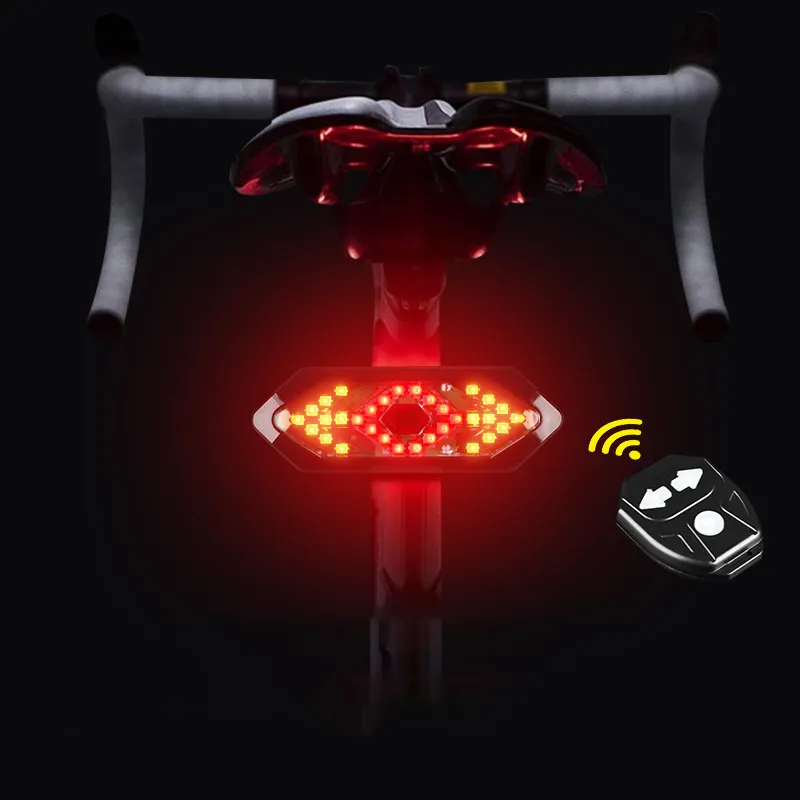
Urban delivery services, postal couriers, and fast-food distribution networks operating along Victoria Parade need smart helmets with rear LED lighting modules. Factory-integrated flashing tail units drastically reduce rear-end collision risks under sudden tropical rainstorms and low-light evening conditions.
Market Development Trends Shaping Fiji’s Micro-Mobility Sector
Enforcement by the Land Transport Authority (LTA)
Fiji's Land Transport Authority is increasingly enforcing active road safety compliance. As vehicular volume intensifies throughout the Suva-Nausori corridor, safety mandates targeting vulnerable road users have accelerated demand for certified headwear. Informal or novelty helmets are facing tighter scrutiny at roadside checks, compelling retailers to source genuine EN 1078 and AS/NZS 2063 certified products.
Decarbonization & Green Tourism
Under the framework of Fiji's National Climate Change Policy (NCCP), reducing fossil-fuel dependence in domestic transit is a stated priority. Suva-based hospitality groups, corporate campuses, and eco-resorts are integrating e-bikes and conventional cycles. This shift drives procurement toward helmets rated for higher kinetic dissipation at electric-assist speeds (25–32 km/h).
Supply Consolidation at Kings Wharf
Importers are moving away from fragmented, multi-tier middleman supply chains. Direct-from-factory maritime consolidation delivered into the Port of Suva (Kings Wharf) allows local distributors to bundle helmets alongside high-margin cycling accessories—such as lights, saddle systems, waterproof bags, and repair pumps—under single commercial invoices and unified bill of ladings.
Why Direct Importers Source from Kenus Intelligent Technology
Kenus Intelligent Technology Co., Ltd. operates advanced manufacturing facilities in Jinhua, Zhejiang—the premier industrial hardware and micro-mobility production hub of Eastern China. By merging precision mold engineering with vertically integrated accessory manufacturing, we supply international brands and commercial buyers with field-tested safety systems.
TÜV Rheinland Assessed Facility
Our manufacturing footprint, corporate standing, and quality management lines have undergone rigorous onsite inspection by TÜV Rheinland. Sourcing managers gain full visibility via certified inspection reports, panoramic workshop assessments, and documented QA/QC traceability protocols covering every production batch.
Comprehensive Compliance Documentation
We eliminate customs clearance roadblocks at Fiji Revenue and Customs Service (FRCS). Our electronic cycling accessories and lighting ranges hold verifiable CE (SIT230614230201E), RoHS (SIT240417230101R), PSE (SIT240226230301P), and EMC (SIT250212230201ER) documentation readily auditable by international safety bodies.
Rapid Tooling & 3D Prototyping
Engineering custom shell geometries or branding details is supported by our in-house industrial 3D printing and precision CNC tooling stations. OEM buyers can validate fit profiles, airflow dynamics, and visor ergonomics with functional prototypes before committing to mass production tooling.
Procurement Intelligence
Frequently Asked Questions for Importers in Suva
Essential regulatory, logistical, and technical insights addressing the unique trade mechanics of the Fijian market.
Which international helmet safety certifications are recognized by authorities in Fiji?
Fiji's regulatory bodies and commercial insurance underwriters recognize major international standards for micro-mobility protection. The primary benchmark is the Australian/New Zealand standard AS/NZS 2063, which is widely cross-referenced across Pacific Island trade policies. European standard EN 1078 and North American CPSC 1203 are equally accepted for institutional and commercial import. Our manufacturing runs undergo stringent drop-tower attenuation tests, dynamic roll-off retention tests, and chin strap tensile load verifications to ensure compliance with these international standards.
How are ocean freight shipments routed from Ningbo/Shanghai to the Port of Suva?
From our primary logistics hub in Zhejiang, export cargo is routed via Ningbo-Zhoushan or Shanghai ports directly on South Pacific container liners. Standard shipping routes to Kings Wharf (Port of Suva) typically take 18 to 26 days depending on transshipment connections (commonly transshipped via Busan, Sydney, or Auckland). We handle full export customs clearance, export palletization with moisture-barrier wrapping, and complete documentation including Verified Gross Mass (VGM), Commercial Invoices, Packing Lists, and Original Bills of Lading.
What are the customs and tariff implications under the Fiji Revenue and Customs Service (FRCS)?
Bicycle safety gear and protective equipment generally fall under HS Code Chapter 65 (Headgear and parts thereof). Depending on prevailing national budget amendments, cycling protective helmets may qualify for concessionary fiscal duties aimed at encouraging non-motorized transport and road safety. Buyers must account for standard Fijian Value Added Tax (VAT) upon clearance at Suva. By partnering directly with an OEM factory, importers lower their unit purchase price (FOB value), directly reducing the ad-valorem duty and VAT calculations at the port of entry.
How do you prevent mildew and corrosion during tropical sea transit across the Pacific?
Ocean transit through equatorial waters exposes shipping containers to extreme thermal cycling and condensation ("container rain"). We package all export-bound helmets and accessories in individually sealed polybags containing high-adsorption clay desiccant packs. Outer master cartons utilize double-wall corrugated cardboard (5-ply K=K structure) coated with moisture-resistant sizing. For electronic accessories (such as rechargeable tail lights and horn indicators), metal terminals receive protective anti-oxidation plating to prevent electrolytic corrosion upon arrival in Suva.
What are the Minimum Order Quantities (MOQ) for custom-branded helmets and multi-category assortments?
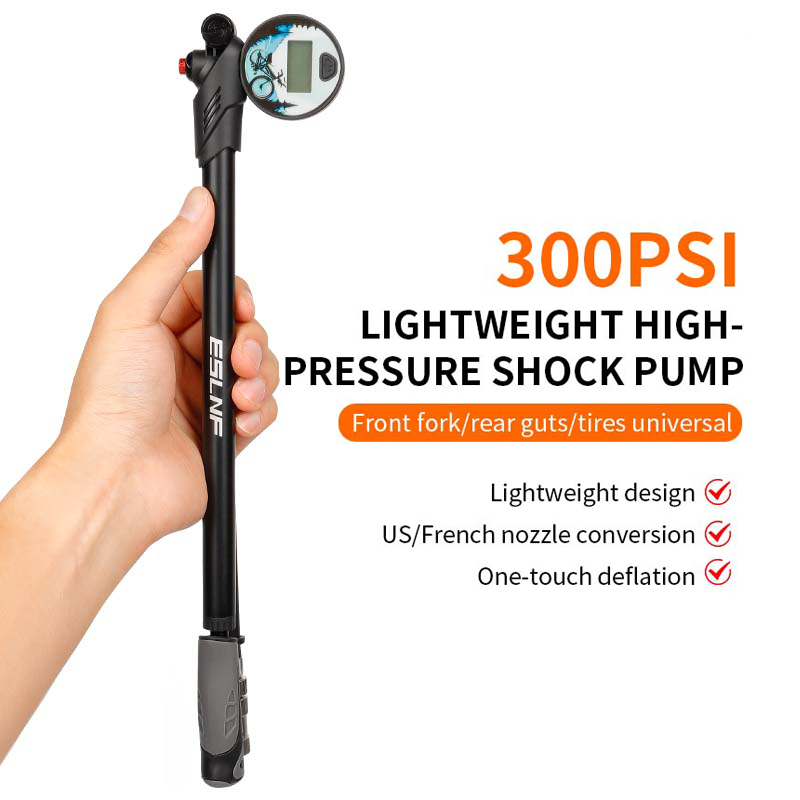
For custom private-label branding (including bespoke water decals, custom brand color matching, and localized retail box packaging), the standard helmet MOQ starts at 300 to 500 units per color/size run. However, recognizing the targeted market scale of Fiji, we support consolidated container loading (LCL/FCL). This allows Suva distributors to mix customized helmets with complementary lines—such as our top-selling nylon bearing pedals, USB front lights, high-pressure fork pumps, and frame bags—within a single procurement order to satisfy diversified inventory needs.
Establish Your Direct Factory Supply Line to Suva
Connect with our technical export engineering desk. Inquire about bulk production schedules, tooling specifications, compliance certificates, and consolidated container delivery to the South Pacific.