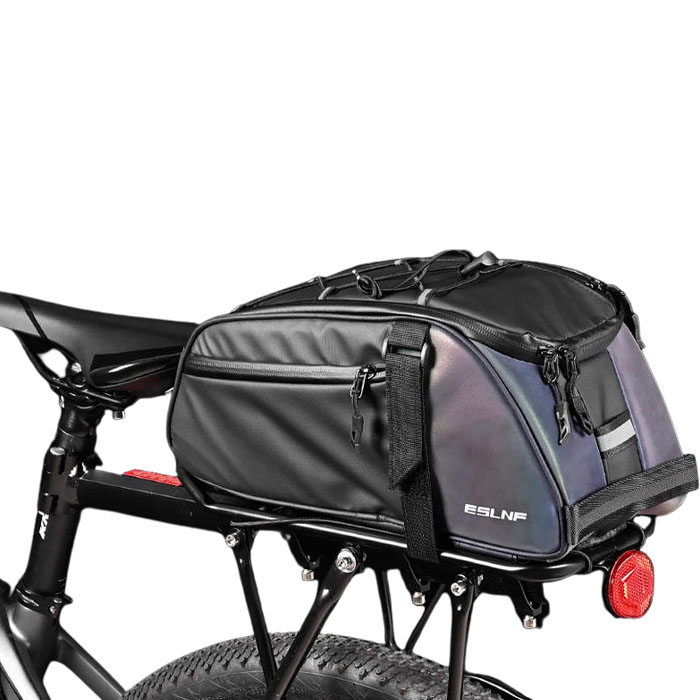
Waterproof Cargo Gear
Curated cycling components and safety accessories engineered to withstand demanding Scandinavian weather conditions, fully compatible with Nordic logistics channels.
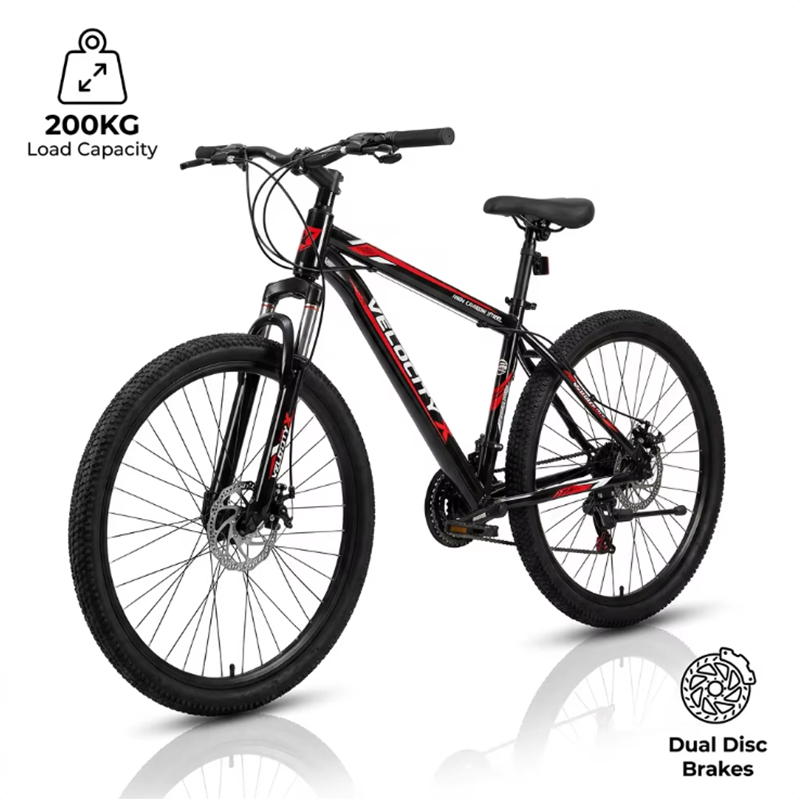
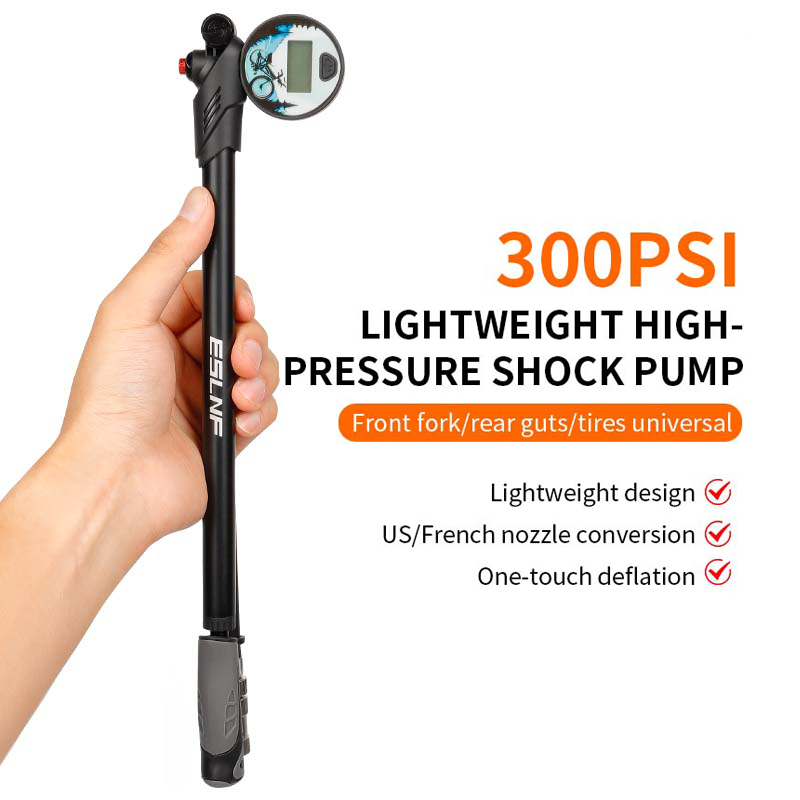
A comprehensive analysis of Swedish climate dynamics, regulatory directives, and rider safety behavior across the Greater Stockholm commuter basin.
Sweden's renowned Trafikverket Vision Zero initiative establishes rigid expectations for zero fatalities or serious injuries. Helmets supplied to Stockholm require verified rotational damping technologies (such as multi-density EPS and slip-plane optimization) to mitigate low-friction angular impacts common on icy paving.
Standard in-mold shells often experience polymer embrittlement when temperatures plummet to -15°C during Nordic winter commutes. Our specialized OEM helmet formulations leverage impact-modified polycarbonate that preserves elongation at break down to -25°C without shell cracking.
With Stockholm enduring fewer than six hours of daylight during mid-winter, passive EPS shell protection is insufficient. Importers require integrated active lighting with wide-angle LED diffuse lenses, USB-C recharging, and EN 13356 compliant photoluminescent surface decaling.
From the central bridges of Gamla Stan to the perimeter trails of Djurgården, bicycle helmets and complementary accessories must perform under localized mechanical and atmospheric stresses.
Navigating the sloped terrain and heavy commuter density of the Slussen traffic corridor requires lightweight in-mold helmets equipped with streamlined internal channeling. High-speed urban cycling demands instant vent closure options to guard against freezing maritime gusts without compromising internal moisture management.
Stockholm’s multi-kilometer regional arterial lanes (Cykelstråk) see elevated average cruising speeds exceeding 25 km/h via speed pedelecs and e-commuter bikes. Helmet structures destined for these routes require elevated rear occipital coverage, certified to EN 1078 and NTA 8776 standards, with optimized acoustic geometry to minimize wind roar.
Salt spray, slush, and sharp thermal shifts over coastal causeways necessitate anti-corrosive adjustment dials and antimicrobial treated inner liners that resist mildewing. Chin straps engineered with hydrophobic nylon weave eliminate water absorption and subsequent sub-zero stiffening.
Fleet operators across Stockholm require modular helmet shells compatible with cold-weather ear pads, detachable magnetic tinted visors, and interchangeable fleet branding panels that resist degradation from daily automated UV sterilization.
Direct comparison of manufacturing requirements between standard EU standards and specialized Swedish import specifications.
| Evaluation Parameter | Standard European Minimum (EN 1078) | Swedish / Stockholm Sourcing Specification | Kenus OEM Manufacturing Standard |
|---|---|---|---|
| Low-Temp Conditioning | Tested after -20°C for 4 hours | Demanded ductile retention down to -25°C | Impact-resistant PC shell + High-density virgin EPS core |
| Retention System Tensile | Dynamic elongation limit < 35 mm | Glove-operable single-hand buckle + No freeze-lock | German Fidlock magnetic buckle / Heavy-duty cold nylon |
| Visibility & Luminescence | Basic rear reflective sticker | 360-degree high-candela retroreflective decal array | Integrated IP64 LED illumination + 3M Scotchlite micro-prisms |
| Rotational Impact | Not mandatory under legacy EN 1078 | Folksam safety test evaluation alignment | MIPS-compatible tooling / Multi-density internal shearing matrix |
Combining verified factory audit benchmarks, precise German-standard testing, and integrated supply chain agility from Jinhua, Zhejiang.
Our production facilities, testing benches, and clean-room assembly lines have been comprehensively verified on-site by TÜV Rheinland, ensuring full chain-of-custody transparency for EU customs auditing.
Accelerate your Scandinavian go-to-market timeline. With proprietary 3D printing equipment and CNC mold processing, we deliver calibrated fit-test samples to Stockholm design offices within 7 business days.
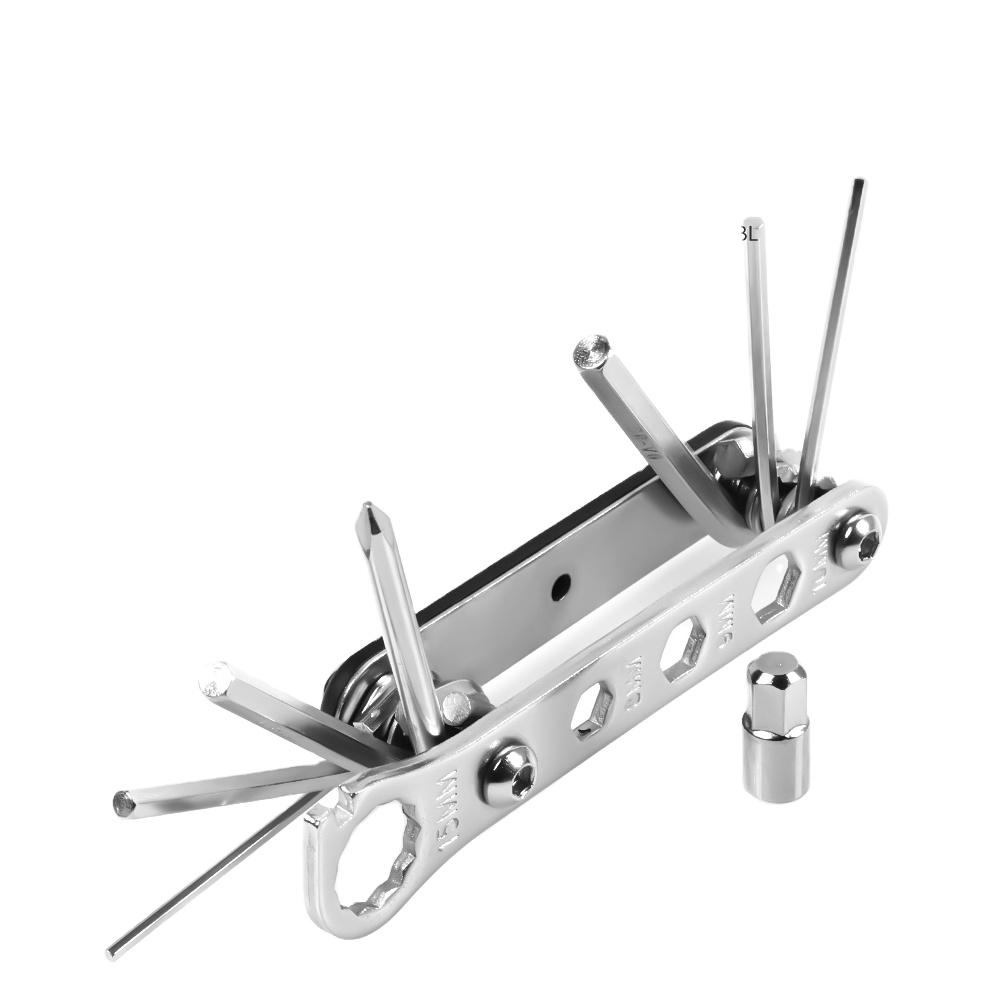
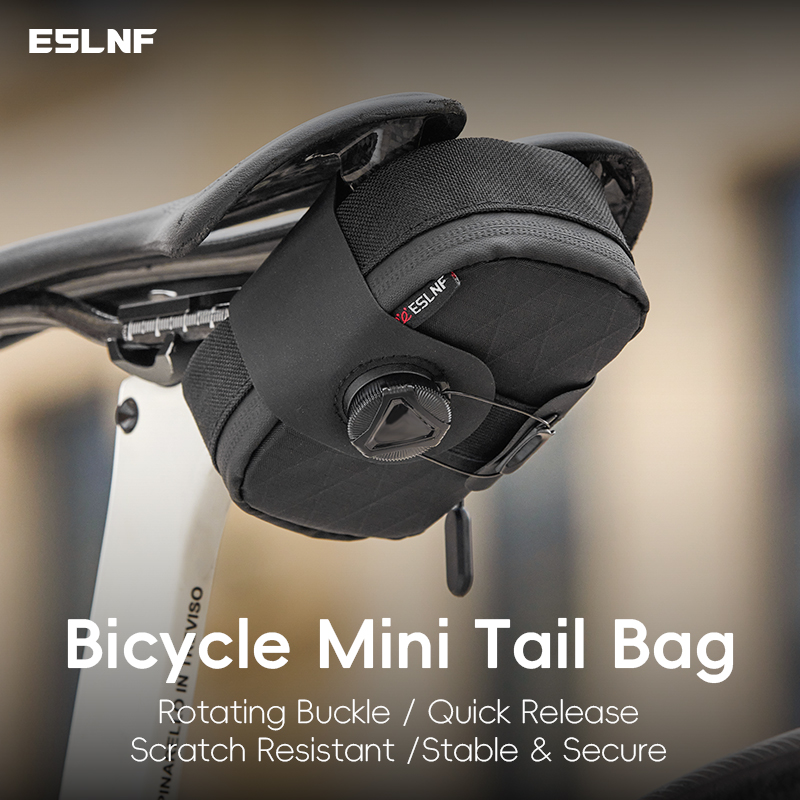
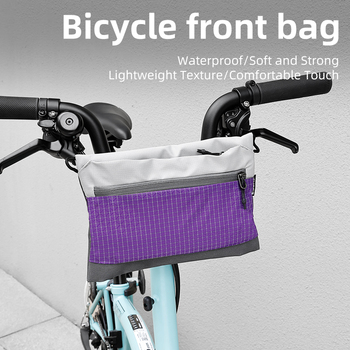
Seamless mixed-container consolidation. Bundle your custom-branded helmets with our high-lumen bike lights, waterproof panniers, 3D printed saddles, and workshop-grade maintenance tools under a single Bill of Lading.
Clear, direct answers regarding certifications, testing protocols, seasonal lead times, and customs clearance procedures for the Swedish market.
Yes. Every export lot destined for Sweden complies with Personal Protective Equipment (PPE) Regulation (EU) 2016/425 and meets the EN 1078:2012+A1:2012 testing threshold. Declarations of Conformity (DoC), technical construction files, and lab test reports are supplied directly with import shipments.
Ocean transit to Port of Gothenburg or Port of Stockholm typically spans 28 to 36 days via direct Scandinavian service routes. For peak-season replenishment (March/April spring sales), we support consolidated sea-air or rapid multimodal transit options.
Yes. Under Swedish consumer law, retail-ready protective gear must provide comprehensive user manuals in Swedish. Our OEM design department produces Swedish-language color user guides, EAN-13 barcoded hangtags, and FSC-certified recyclable kraft packaging tailored to Nordic environmental directives.
Standard ready-to-ship components and accessories start from low trial quantities of 2 to 50 units. For complete private-label helmet production featuring custom PMS color matching, custom-printed straps, and dedicated outer box graphics, our baseline MOQ begins at 300 to 500 units per colorway.
Connect with our technical export division to receive full EN 1078 compliance documentation, rapid OEM sample evaluations, and complete wholesale price schedules for the Swedish market.
Send an Inquiry