Featured Commercial Cycling Products & Lighting Enclosures
Precision-engineered bicycle luminaires, cockpit systems, replacement chassis components, and sub-zero trail tires configured for commercial distribution across Edmonton and western provincial markets.
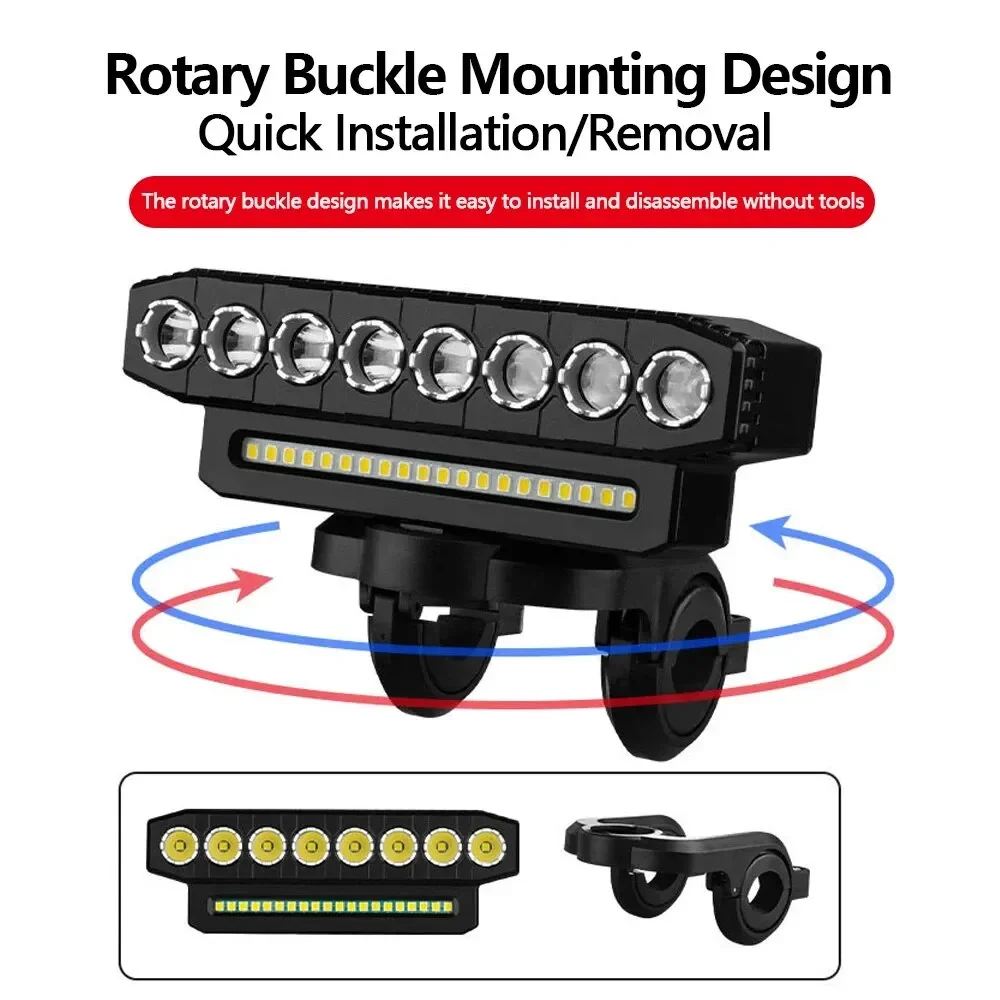
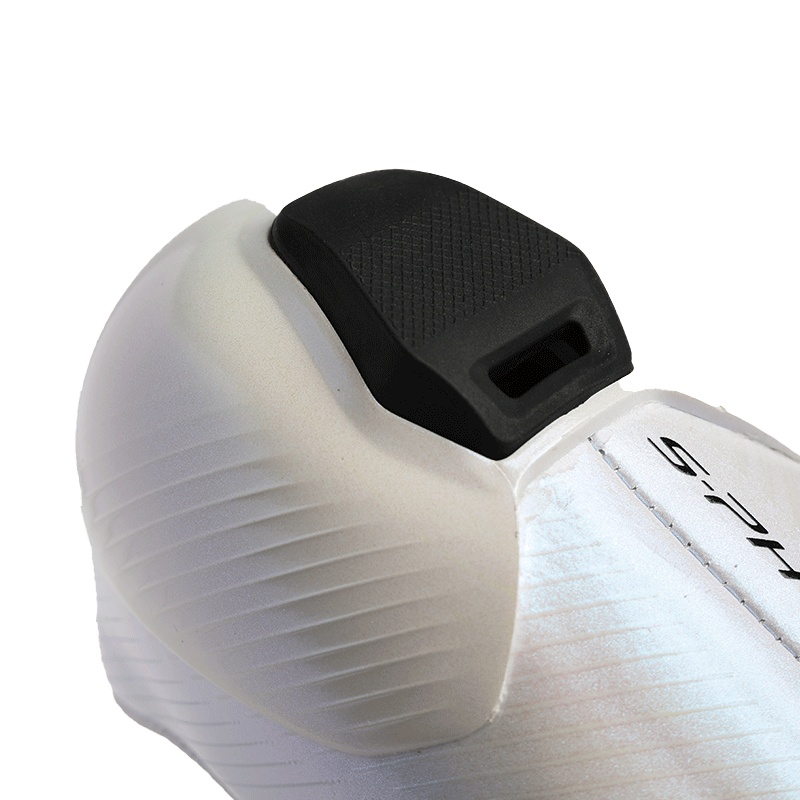
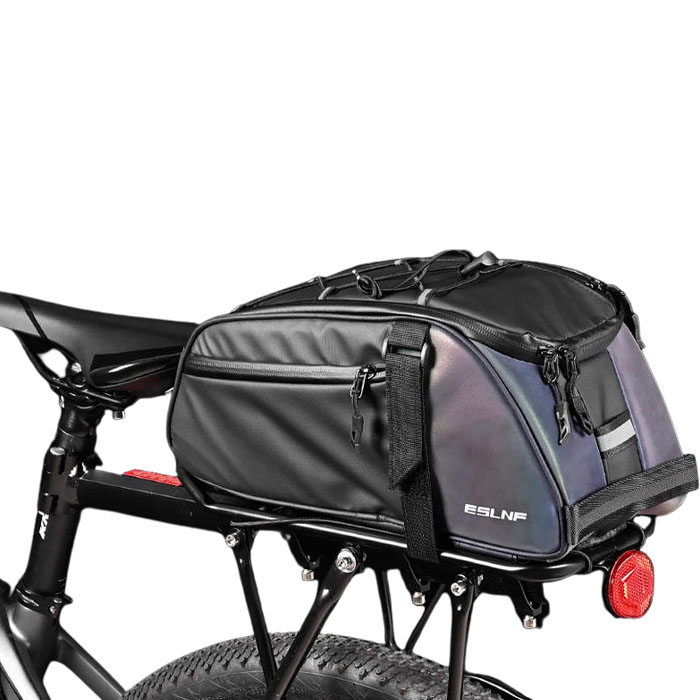
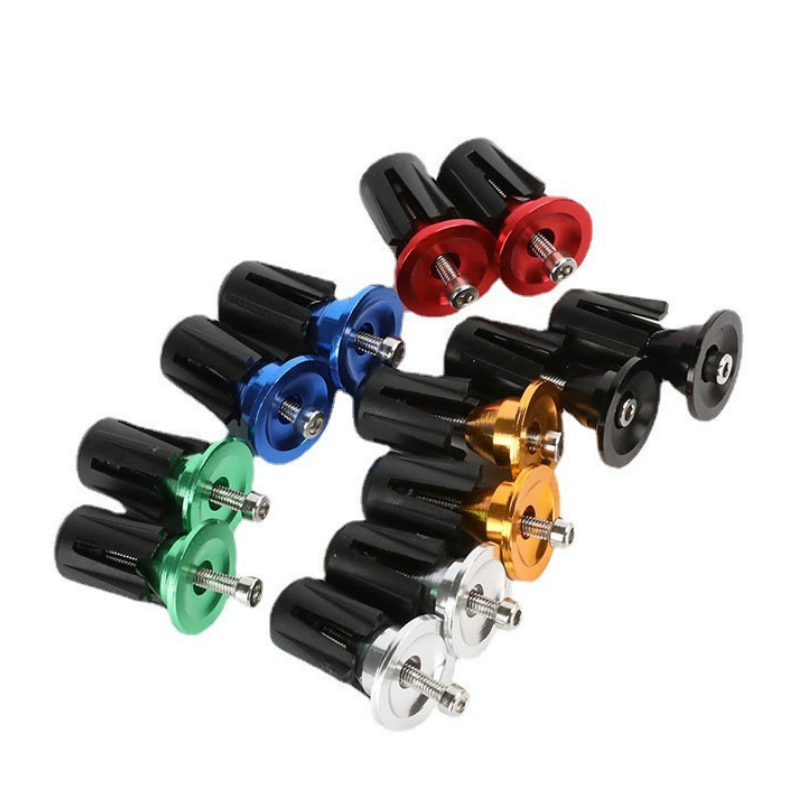
Technical White Paper: Engineering Sub-Arctic Bike Lighting Systems for Edmonton's Climatic Realities
As a premier bicycle accessories and lighting manufacturer, Kenus Intelligent Technology Co., Ltd. addresses the intense operational stresses imposed on cycling equipment in high-latitude metropolitan environments. Edmonton, Alberta (53.5461° N) represents one of North America's most demanding proving grounds for micro-mobility hardware. With winter temperatures consistently descending between -15°C and -35°C, coupled with mid-winter daylight shrinking to less than 7.5 hours per day, commercial bicycle lights exported to this region cannot be designed as mere consumer novelties; they must function as life-safety optical equipment capable of surviving extreme thermal contraction, battery chemical passivation, and corrosive slurry immersion.
Standard consumer bike lights procured through nondescript trade channels suffer catastrophic failure modes when introduced into the Edmonton winter corridor. Conventional lithium-ion liquid electrolytes suffer sharp viscosity increases below -10°C, causing steep internal resistance spikes that cut effective discharge capacities by 60% to 80%, triggering premature low-voltage cut-offs within twenty minutes of exposure. Furthermore, thermal shock between heated indoor apartments and sub-zero outdoor trails causes air inside standard enclosures to contract, creating negative internal pressure that sucks airborne moisture, calcium chloride, and magnesium chloride road salts past standard gaskets. Kenus overcomes these engineering hurdles through specialized materials formulation, custom thermal trace paths, and automated surface-mount electronic assemblies.
Thermal Dissipation Kinetics and Solid-State Battery Conditioning
Optical diode longevity and lumen output depend directly on junction temperature management. High-brightness LED emitters running at 600 to 3,250 lumens generate substantial localized thermal loads at the diode die. In extreme cold, an acute thermal gradient forms between the scorching internal heat sink and the sub-zero exterior aluminum casing. If thermal dissipation is unbuffered, rapid thermal cycling induces micro-fractures in solder joints through differential thermal expansion coefficients (CTE mismatch).
Our OEM bike light systems utilize aircraft-grade 6063 extruded aluminum housings, paired with thermally conductive silicone gap pads rated at 6.0 W/m-K. This structural layout channels excess heat away from the Cree/Osram LED dies and directs a metered thermal fraction toward the internal lithium-ion battery containment cavity. By passively scavenging waste heat from the optical assembly, the battery pouch remains buffered inside an elevated operating envelope, mitigating low-temperature capacity drop-off without drawing auxiliary power from the cells. For enterprise clients requiring extreme cold stability, we offer low-temperature LiFePO4 chemistry and specialized cold-spec 21700/18650 cells equipped with tailored protection circuit modules (PCMs) calibrated to prevent dangerous sub-zero charging current acceptance while allowing high-rate sustained discharge.
Optical Collimation, Anti-Glare Cut-Offs, and Edmonton Municipal Bylaw 5590 Compliance
A major issue confronting municipal cycling advocates and urban riders in Edmonton is the proliferation of symmetrical, uncontrolled beam patterns that blind oncoming vehicles, pedestrians, and fellow cyclists on shared-use pathways. Under the City of Edmonton Traffic Bylaw 5590 and the Alberta Traffic Safety Act, cyclists must operate lighting equipment visible from at least 150 meters without creating hazardously disorienting glare for other road users.
Kenus integrates sophisticated total internal reflection (TIR) optical lenses and German StVZO-inspired horizontal cut-off reflectors. Instead of emitting a raw, cone-shaped circular beam, our engineered reflectors gather stray vertical photons and refract them downward into a wide, uniform trapezoidal carpet over the road surface. This optical architecture achieves two vital engineering goals: it prevents peripheral beam scattering into the eyes of approaching motorists along icy arterials like Whyte Avenue or Jasper Avenue, and it intensely illuminates immediate ground hazards—such as frozen ruts, black ice patches, and road debris—maximizing situational awareness at sub-zero speeds.
| Engineering Dimension | Standard Consumer Light (Generic) | Kenus Sub-Zero Industrial Specification | Edmonton Operational Benefit |
|---|---|---|---|
| Battery Chemistry & PCM | Standard Li-ion Liquid Pouch (0°C to 40°C) | Low-Temp Formulated 18650/21700 (-35°C to 55°C) | Maintains >75% nominal runtime during Edmonton deep freezes |
| Enclosure Material | Molded ABS / Polycarbonate | CNC Machined 6063 T6 Anodized Aluminum | Thermal scavenging to cells; crush-proof on frozen asphalt |
| Ingress Protection | IPX4 Splash-Proof (Sliding Cover) | Hermetic IP64 to IP67 Double O-Ring Seal | Total immunity to calcium chloride brine and high-pressure snow wash |
| Optical Beam Profile | Symmetric Cone (Blinding High Scatter) | StVZO-Compliant Horizontal Cut-Off Reflector | Zero dazzle on multi-use trails; full compliance with Bylaw 5590 |
| Mounting Interface | Brittle Plastic Thumb Clip | Fiber-Reinforced Nylon / Direct Under-Bar GoPro Mount | Eliminates sub-zero plastic embrittlement and trail breakage |
Furthermore, Kenus incorporates custom-molded silicone gaskets treated with fluorosilicone lubricants that maintain mechanical elasticity down to -45°C. Conventional rubber gaskets turn rock-hard and crack when chilled, admitting snowmelt into internal USB charging ports. By utilizing sonically welded internal bulkheads and precision silicone port bungs, our lighting assemblies guarantee hermetic isolation, ensuring electronic integrity across multi-season freeze-thaw cycles.
Localized Application Scenarios Across Edmonton's Cycling Infrastructure
From remote singletracks winding through the North Saskatchewan River Valley to high-traffic downtown protected bike lanes, our equipment is tuned to Edmonton's geographical and urban fabric.
North Saskatchewan River Valley & Singletrack
Edmonton holds North America’s largest stretch of connected urban parkland, with over 160 kilometers of trails. Commuters and off-road trail riders traversing the River Valley from Kinsmen Park to Gold Bar Park encounter complete ambient darkness under heavy tree canopies. Our high-lumen (1,000–3,250 LM) dual-beam systems provide expansive foreground flood coupled with high-penetration spot projectors, exposing roots, wildlife, and packed-snow ruts without peripheral drop-off.
Downtown Protected Grid & 102 Avenue Commute
The City of Edmonton's Protected Bike Lane network along 102 Avenue, 100 Avenue, and 106 Street experiences heavy multi-modal traffic alongside LRT tracks and bus corridors. In dense urban lighting environments, visibility is about visual differentiation. Our front lights feature high-frequency daytime running strobes and multi-angle ambient side-illuminators, ensuring commercial couriers and daily commuters remain immediately noticeable to turning vehicles at congested intersections.
Winter City Fat Biking & Industrial Transit
As a designated "Winter City", Edmonton’s winter cycling community relies heavily on wide-tire fat bikes and ruggedized commuter setups traversing snow routes from Strathcona to industrial parks in Nisku and Edmonton West. Low ground clearance, constant snow throw, and high vibration rattle fragile accessories loose. Our heavy-duty nylon composite mounts and CNC-machined locking clamps anchor lights, bags, and tools rigidly against the handlebar, preventing deflection under deep-rut chatter.
Edmonton & Alberta Micro-Mobility Growth Trends (2025–2030)
The micro-mobility landscape in Alberta is undergoing a structural transformation. Driven by the City of Edmonton’s ambitious Active Transportation Network Plan—which has committed more than $100 million to expand protected, year-round bike infrastructure—the demand for high-reliability bicycle components is expanding rapidly beyond seasonal recreational buyers into high-volume institutional, retail, and fleet sectors.
Three foundational market vectors are currently shaping wholesale demand in the Edmonton region:
1. Year-Round Winter Cycling Surges
Edmonton's dedicated snow-clearing protocols for priority bike routes have normalized year-round bicycle usage. Retail stores across Strathcona, Downtown, and Oliver report sustained demand for high-capacity lighting systems, warm handlebar bags, and anti-slip nylon platform pedals throughout November to March. Importers are stocking winter-rated product categories months earlier to satisfy early autumn pre-orders.
2. High-Voltage E-Bike Integration
With utility and cargo e-bikes capturing massive market share among family commuters and delivery operators climbing steep River Valley hills (such as Groat Road and McDougall Hill), consumers require lighting systems powered either directly from high-voltage e-bike batteries (6V–60V DC input) or possessing large standalone battery capacities (4000mAh+) that double as mobile power reserves.
3. Fleet & Logistics Visibility Mandates
Commercial last-mile courier fleets in Edmonton are moving toward unified lighting specifications to decrease corporate accident liability. Fleet managers require tamper-proof mounting hardware, wireless remote signaling, and ultra-high waterproof integrity to survive continuous commercial deployment on slush-laden roads.
For distributors, bike shop chains, and e-commerce brands in Western Canada, these trends highlight the importance of bypassing speculative trading intermediaries and securing direct OEM supply agreements with certified manufacturers capable of custom electronics tailoring, rapid tooling turnaround, and reliable cold-tested quality assurance.
Direct Factory Manufacturing: Kenus Intelligent Technology
Assessed onsite by TÜV Rheinland in Zhejiang, China. Delivering verifiable industrial capability, engineering precision, and fully documented compliance for North American importers.
TÜV Rheinland Assessed
Our factory premises, production lines, in-line QA/QC protocols, and financial standing are verified onsite by TÜV Rheinland. We maintain transparent corporate credentials, complete video verification, and factory inspection reports for enterprise supplier onboarding.
Comprehensive International Certifications
Our lighting and electrical assemblies carry accredited laboratory documentation: CE (SIT230614230201E), RoHS (SIT240417230101R, SIT24041230101R), PSE for Asian distribution (SIT240226230301P), and comprehensive EMC inspection reports (SIT250212230201ER).
Top-Tier Category Market Leadership
Kenus ranks as a #2 top-selling supplier in Bicycle Pedals, #2 in Bicycle Lights, and #5 in Saddles across global B2B digital export indexes. With an average customer rating of 4.7/5.0 and direct export corridors to North America, Western Europe, and Oceania, we assure supply continuity.
In-House Tube Processing & Tooling
Our manufacturing plant integrates tube reduction, automatic constriction, multi-axis drilling, precision argon welding, and fiber laser marking. We directly control raw material wall thickness, metallurgical tolerances, and structural tensile strength across metal hardware lines.
Rapid 3D Prototyping & Mold Making
From CAD drawings to physical resin functional prototypes within 48 hours using our in-house industrial 3D printing equipment. We assist Canadian partners in testing ergonomic mounting shapes, lens diffusers, and switch tactile feedback prior to opening steel tooling molds.
Consolidated Category Sourcing
Consolidate six core bicycle categories under one commercial invoice: high-lumen lighting, waterproof commuter luggage, 3D printed carbon saddles, composite flat pedals, water bottles, and workshop-grade repair tools—dramatically reducing import logistics overhead for Canadian businesses.
Frequently Asked Questions for Edmonton Importers & Wholesalers
Critical answers regarding logistics, regulatory compliances, temperature testing, private-label packaging, and payment guarantees for Canadian commercial accounts.
We perform programmable environmental chamber testing simulating multi-stage temperature cycles down to -40°C. Batteries intended for sub-zero export are evaluated for discharge curve drop-off, cold-cranking capacity, and casing shrinkage. We provide documented test reports showing capacity retention metrics before container dispatch.
Yes. Under the Canadian Consumer Packaging and Labelling Act, products sold at retail must feature bilingual English and French descriptions, safety notices, and specifications. Our OEM packaging division prints customized, retail-ready color boxes, blister cards, and master shipping cartons complete with your Canadian UPC barcodes and bilingual typography.
Ocean freight originating from Ningbo or Shanghai port to the Port of Vancouver generally takes 14 to 18 days. From Vancouver, intermodal rail (CN or CP Rail) directly into the Edmonton intermodal yard adds roughly 4 to 6 days. Total port-to-door transit averages 25 to 32 days. For urgent seasonal top-ups, express air freight directly into Edmonton International Airport (YEG) delivers in 5 to 8 business days.
Our lights hold comprehensive CE, RoHS, and EMC compliance reports (SIT250212230201ER). All internal lithium cells hold UN38.3 transport test summaries, MSDS documentation, and pass drop-test standards mandatory for both Canada Border Services Agency (CBSA) customs clearance and air/sea hazardous goods declarations.
Ready-to-ship neutral stock models are available with trial sample MOQs as low as 2 to 50 units for testing. For laser-etched custom brand logos on aluminum casings, MOQ starts at 200 to 500 units depending on the housing. Full custom color anodizing and tailored packaging box printing start at 1,000 units.
Yes. One of our main competitive strengths for Canadian importers is multi-line consolidation. You can combine bicycle headlights, tail lights, waterproof pannier bags, nylon pedals, 3D printed saddles, and repair stands in a single consolidated FCL or LCL container under one HS-code schedule, drastically reducing customs brokerage charges.
We employ internal sealed micro-switches covered by vulcanized silicone caps that are mechanically compressed into the aluminum shell rather than merely glued. This eliminates chemical ingress from calcium chloride and road grit spread on Edmonton roadways during the snow-melt season.
We support international wire transfers (T/T), confirmed Letters of Credit (L/C at sight) for enterprise volume orders, and full Alibaba Trade Assurance payment escrows. Trade Assurance guarantees your capital against production delays and technical specification discrepancies before release.
Request the 2026 Commercial Bicycle Accessories Catalog
Connect directly with our engineering and export team. Receive complete technical datasheets, cold-chamber laboratory test curves, minimum order quantities, and FOB/DDP wholesale price lists for Edmonton and Canadian distributors.