Featured Multi-Category Cycling & Outdoor Hardware
Direct manufacturing execution with certified IPX-rated sealing, advanced polymers, and TÜV Rheinland-inspected assembly for international B2B importers.

Executive Sourcing Analysis: Bicycle Rear Safety Systems for Kolonia & Micronesian Island Corridors
Navigating bicycle component procurement within the Federated States of Micronesia (FSM) demands a radical departure from standard metropolitan sourcing paradigms. Situated in Pohnpei State, Kolonia serves as the economic and administrative center of the region, functioning as the key maritime transshipment hub for micro-mobility fleets, regional retail networks, municipal service units, and island eco-tourism developments.
While cycling demand is surging across Kolonia due to eco-transit incentives, port access transit, and fuel cost mitigation, the equatorial maritime operating environment poses catastrophic failure risks to substandard electronics. With annual rainfall exceeding 300 to 400 inches and ambient relative humidity routinely measuring 85% to 95%, typical consumer-grade rear bike lights fail within weeks due to electrolytic pin corrosion, internal optic fogging, and thermal expansion fatigue.
Micro-Grid Solar Recharging
Kolonia's decentralised utility grid necessitates smart power management ICs capable of stable cycling across 5V/1A to 5V/2.4A solar charging arrays without overvoltage circuit degradation.
ASTM B117 Salt Fog Defense
Direct exposure to coastal trade winds demands non-ferrous mounting hardware (grade 304/316 stainless steel or hard-anodized 6061-T6 aluminum) and gold-plated PCB contact pads.
Wide-Angle Optical Diffusion
Unlit circumferential coastal roads around Pohnpei Island require custom Fresnel total internal reflection (TIR) optics with 220° peripheral visibility to safeguard cyclists from unilluminated logistics vehicles.
Optical & Electrical Engineering Specifications: Kolonia Supply Chain Matrix
When procuring bike rear lights for commercial distribution or fleet deployment in Kolonia, institutional buyers must evaluate component failure modes. Substandard units using generic epoxy encapsulation and lead-acid or low-density Li-ion cells suffer rapid capacity drop-off under high ambient temperatures (average 28°C–32°C year-round). Kenus Intelligent Technology Co., Ltd. addresses these engineering challenges through aerospace-grade design protocols.
| Engineering Attribute | Standard Consumer Grade (Retail Spot-Buy) | Kenus Industrial OEM Grade (B2B Kolonia Fit) | Relevance to Kolonia Island Operations |
|---|---|---|---|
| Ingress Protection Rating | IPX3 to IPX4 (Basic splash resistance) | IP64 to IPX7 (Ultrasonic weld + O-ring) | Withstands tropical cloudbursts and standing coastal saltwater spray. |
| Battery Management (BMS) | Unshielded linear IC; high self-discharge | Intelligent Micro-BMS with thermal cut-off | Prevents cell swelling and electrolyte venting during tropical humidity spikes. |
| Lens & Optical Matrix | Injection polystyrene; yellowing within 6 mos | Optical-grade Bayer Makrolon® PC | Resists extreme UV degradation and maintain 94%+ luminous transmittance. |
| LED Package & Lumens | Generic SMD 2835 LEDs (10–20 lm output) | Automotive-Grade COB Strip (50–120 lm) | Provides visible safety alerts up to 1,200 meters in heavy tropical torrential rain. |
| Fastening Hardware | Mild zinc-plated steel screws (rusts in 30 days) | Grade 304 Stainless Steel & EPDM Straps | Eliminates structural vibration breakage and galvanic rust on seatpost mounts. |
Localized Application Scenarios Across Kolonia & Pohnpei
Bicycle tail lights are no longer merely consumer accessories; in Kolonia, they serve as mission-critical safety devices across several specialized public and private sectors:
Municipal Island Commuters
Daily commuters traveling between Kolonia town center and rural Nett or Sokehs municipality traverse unlit roadways requiring reliable multi-mode warning beacons.
Eco-Resort & Dive Tourism
Luxury eco-resorts catering to international diving and surfing expeditions equip rental bicycle fleets with smart tail lights to guarantee tourist safety at dusk.
Commercial Port Logistics
Warehouse personnel and dockworkers navigating the busy commercial docks of Kolonia Port use bike rear lights on cargo trikes and transport bikes during night-shift operations.
Disaster Preparedness Units
During extreme tropical weather and typhoons where regional power grids drop, ruggedized, multi-function rear lights serve as emergency personal beacons.
Micro-Mobility Development Trends in Kolonia (2025–2030)
The regional landscape of Micronesia is currently influenced by multi-lateral sustainability initiatives, carbon-offset transportation incentives, and surging fuel import expenses. These systemic forces are reshaping the micro-mobility sector across Kolonia:
- Acceleration of E-Bike Fleet Integration: As pedal-assist and cargo e-bikes displace standard gasoline scooters for intra-island logistics, tail lights are transitioning from standalone USB-rechargeable units to 6V–60V wide-voltage systems hardwired directly to e-bike battery busbars.
- Adoption of Smart Gyroscopic Braking Sensors: High accident rates on slippery basalt roads during downpours have stimulated demand for lights with integrated 3-axis accelerometers. These units automatically initiate a high-output (120 lm) continuous burst upon detecting negative G-force deceleration.
- Circular Packaging & Non-Hazardous Waste Demands: Island nations face severe municipal solid waste constraints. Importers in Kolonia prioritize manufacturers who supply 100% recyclable unbleached kraft carton retail packaging, eliminate blister plastic packaging, and offer RoHS-certified lead-free assemblies.
Enterprise Strengths: Kenus Intelligent Technology Co., Ltd.
Located in Jinhua, Zhejiang — one of the world's most sophisticated clusters for precision hardware, tooling, and electronic manufacturing — Kenus Intelligent Technology Co., Ltd. bridges the gap between high-volume production capabilities and bespoke regional compliance needs.
TÜV Rheinland Audited
Our physical factory, robotic production cells, quality testing labs, and trade capacity have been independently assessed onsite by TÜV Rheinland with full inspection reports available.
In-House Tooling & Prototyping
Equipped with advanced industrial 3D printing, laser-marking stations, tube constrictor machines, and automated drilling equipment, we develop functional prototypes within 48 to 72 hours.
Documented International Compliance
Our lighting arrays hold formal CE certificates (SIT230614230201E), RoHS documentation (SIT240417230101R), Japanese PSE approvals (SIT240226230301P), and EMC test verification (SIT250212230201ER).
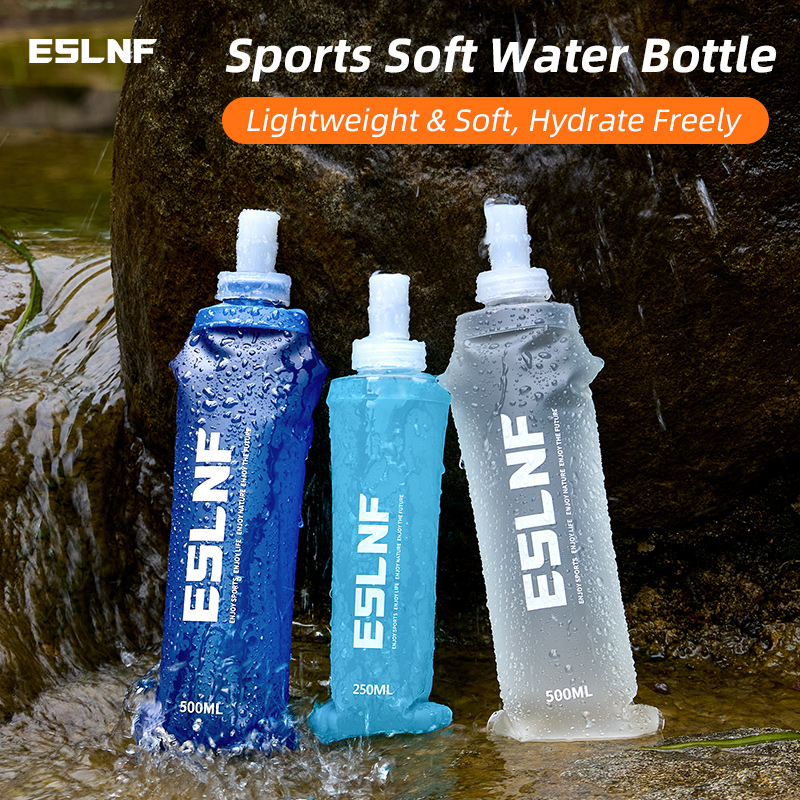
Beyond rear safety lighting, Kenus consolidates a multi-category product ecosystem for international distributors: from 3D printed carbon lattice saddles, 9/16" nylon bearing platform pedals (#2 global selling volume ranking), and insulated stainless steel bottles to foldable vertical repair stands and disc brake locking systems.
Procurement FAQ: Sourcing Bike Rear Lights for Kolonia & Oceania
Authoritative answers addressing logistics, quality validation, customs documentation, and OEM branding for regional purchasing managers.
What is the standard maritime transit route and lead time to Kolonia Port?
Shipments originate from Ningbo or Shanghai port via Pacific carrier transshipment (typically routing via Guam or Busan) into the Port of Kolonia. Production turnaround for OEM branding is 20–30 days, with typical maritime transit totaling 25–35 days depending on feeder schedules.
How do you prevent battery failure during equatorial container freight?
We utilize UN38.3, MSDS, and drop-tested certified packaging. Batteries are pre-discharged to 30% storage voltage (IATA/IMO regulation compliance), accompanied by moisture-absorbing silica gel desiccants and vacuum PE foil liners inside each master export carton.
What are the Minimum Order Quantities (MOQ) for custom branding?
Standard in-stock units for pilot market sampling start at only 2 to 10 units. Custom laser-engraved logos on aluminum or polycarbonate enclosures require an accessible MOQ of 200–500 units, while customized retail blister/box packaging starts at 1,000 units.
Can we consolidate lights with other bicycle hardware in a single container?
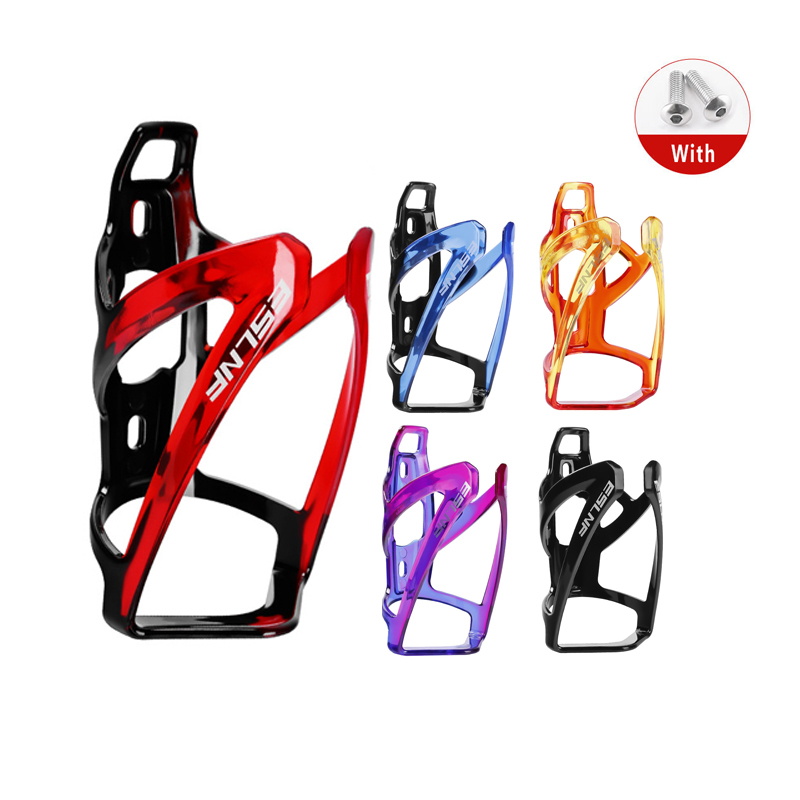
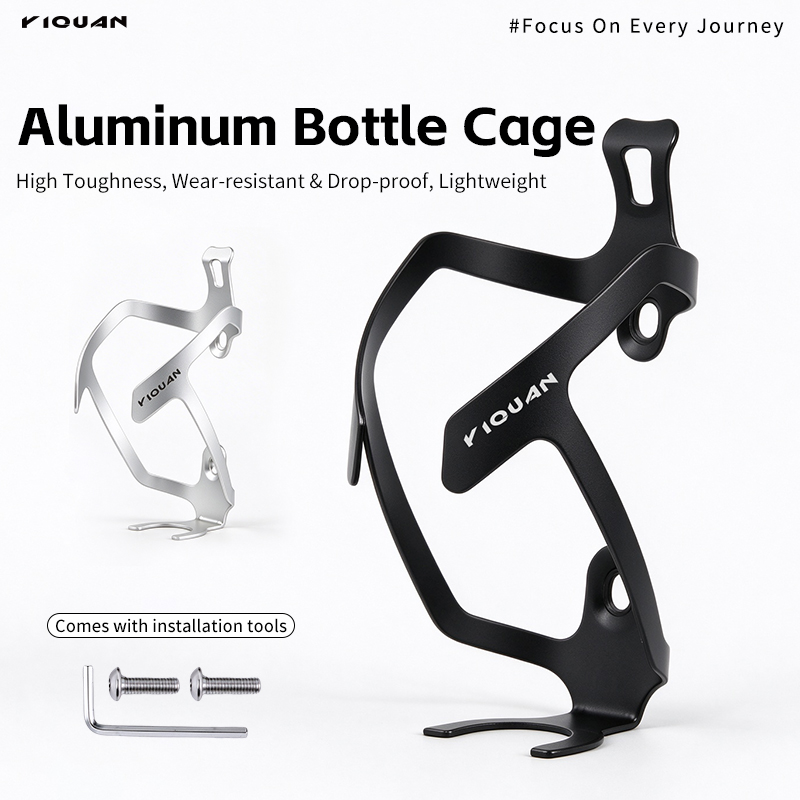
Yes. Kenus allows cross-category mixed carton consolidation. You can pool rear lights, high-lumen headlights, water bottle cages, pedals, carbon saddles, and workshop repair stands within one Purchase Order (PO) to minimize shipping costs per unit.
Initiate Your OEM/ODM Cycling Hardware Order
Equip your retail channels or municipal fleet with verified, high-durability cycling lights built for the demanding climate of Kolonia. Receive complete engineering specifications, pricing matrices, and testing certificates immediately.
Get Catalog